

Donating food is a wonderful way to give back, but tons of good intentions get thrown away each year.
Jumbo-size bags of rice or flour
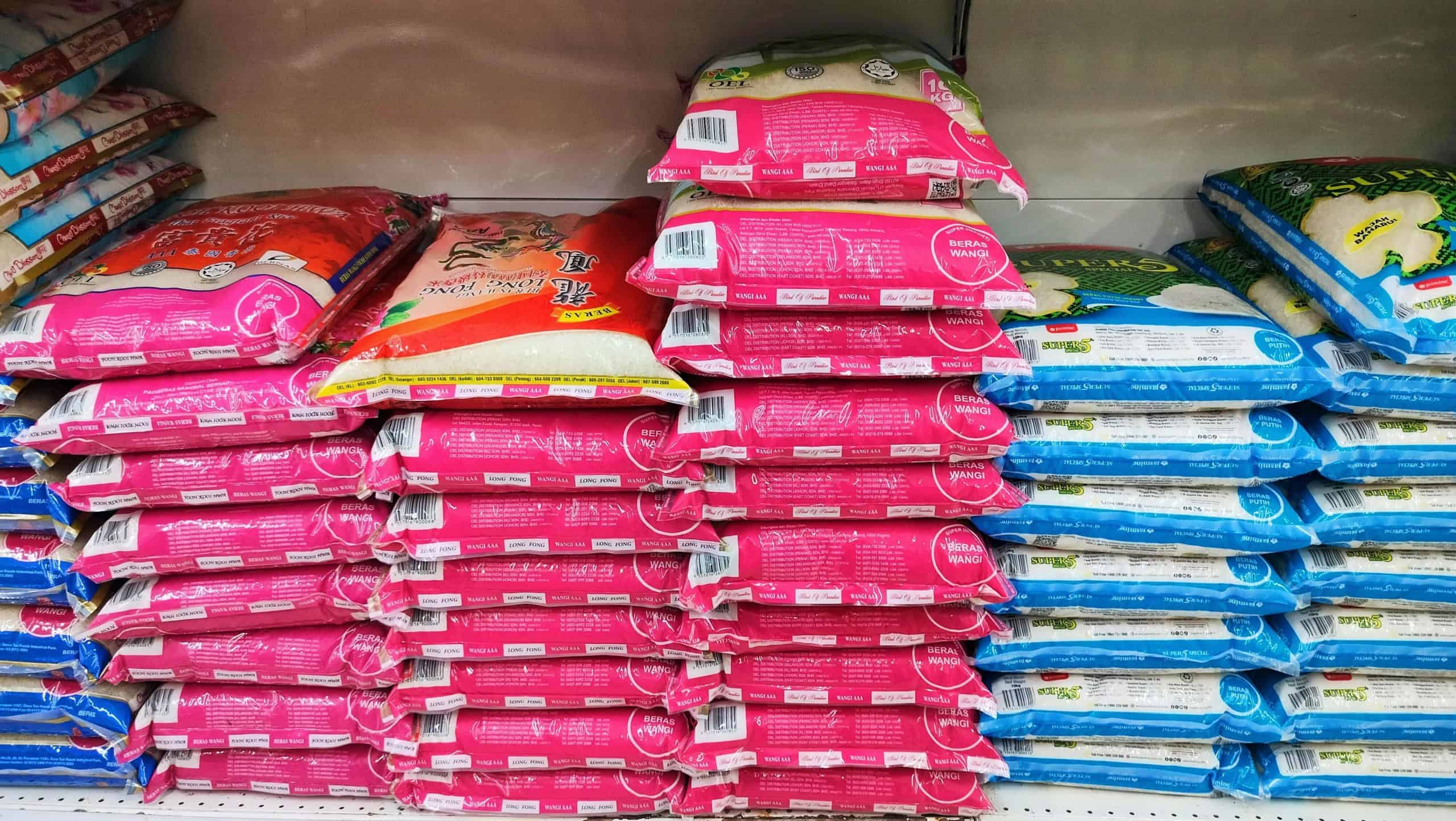
It seems economical to purchase a twenty pound sack of rice or flour to feed several families, but repackaging bulk grains presents a logistical nightmare.
State health laws forbid a pantry from opening any bulk containers and repackaging it into smaller bags, as they’ll get penalized for cross-contamination and improper food handling.
Unless you know a family with twelve hungry kids that can put a forty pound bag of sugar to good use, giant sacks of anything are likely to sit on a shelf forever.
Family-sized grain containers make it easy for pantry staff to bag up nutritionally-balanced donations, and they fit neatly inside traditional donation boxes.
Acidic canned goods
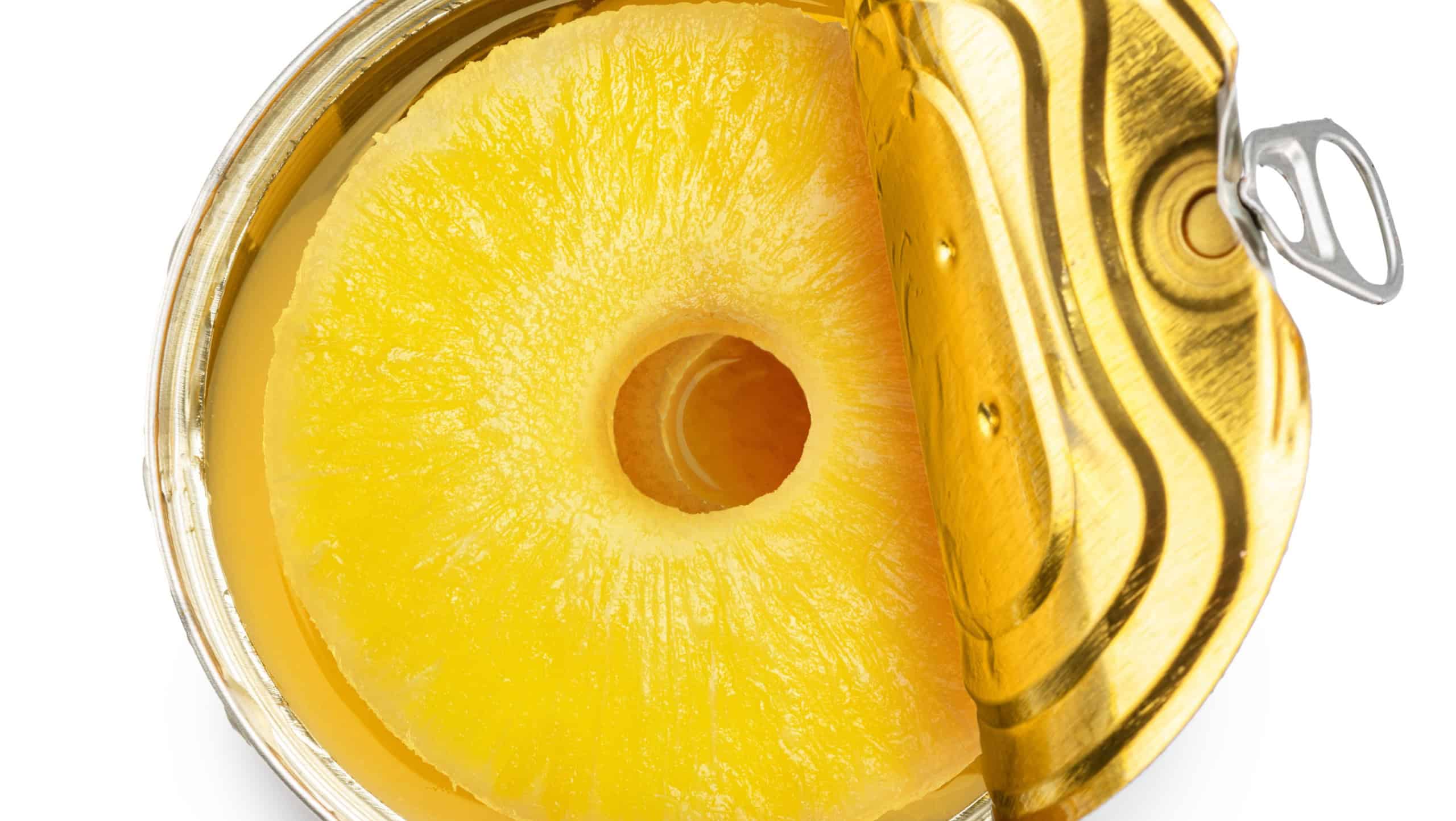
While most people believe canned food won’t expire, canned goods with high acid-content like tomatoes, pineapple, and citrus fruits deteriorate at a much quicker rate than low-acid canned vegetables.
Eventually, the acids eat away at the protective tin lining inside the can, triggering unnatural chemical reactions that make the food taste weird (or worse) and cause cans to swell up.
Volunteers have to manually inspect each donated can, meaning if your tomato sauce is only two weeks from its expiration date, it’s likely to be thrown out right away.
Foreign language labelled ingredients
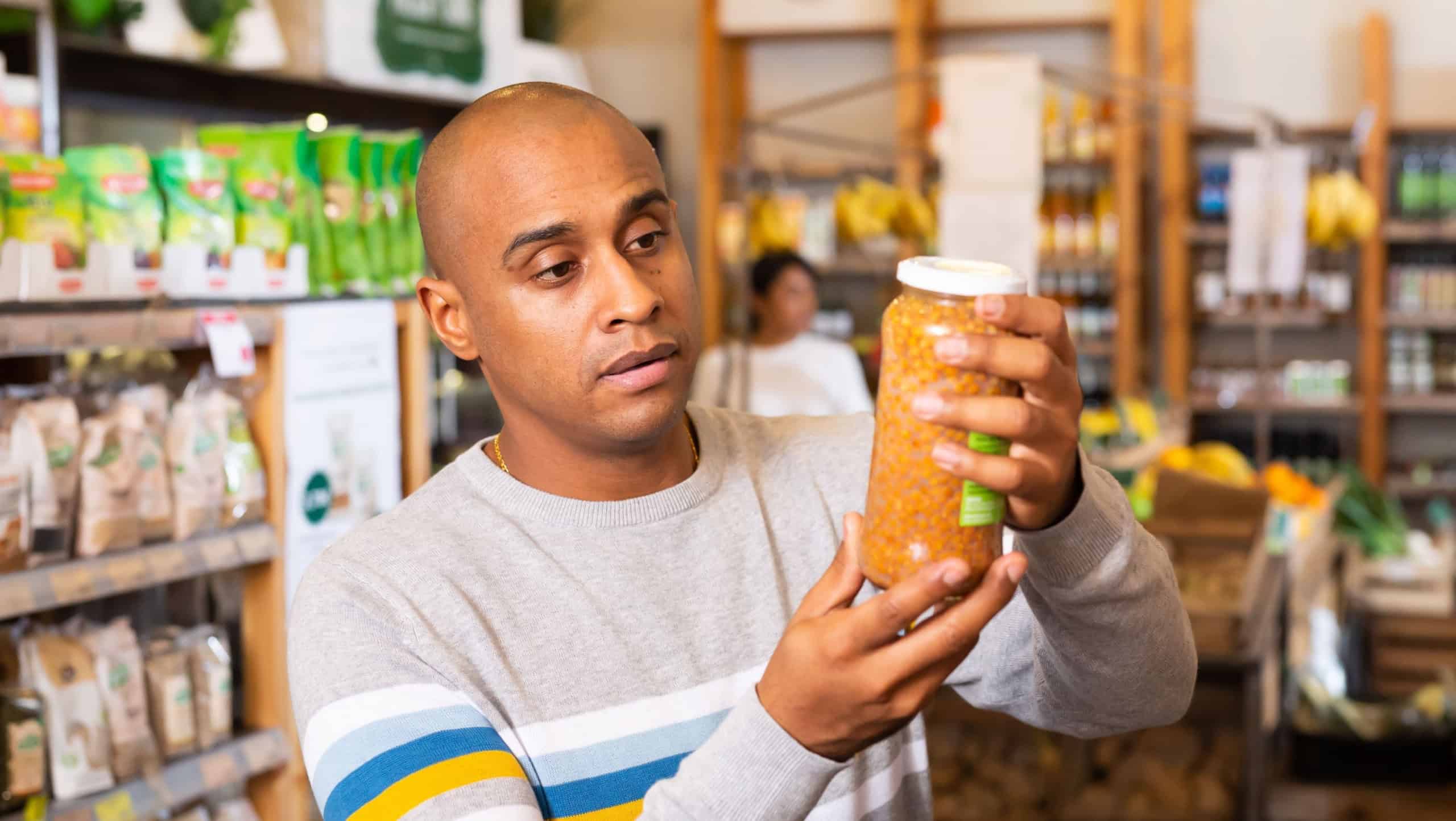
Sprucing up a donation box with an exotic bottle of Indian curry sauce is thoughtful, but if it doesn’t have English words, food pantry staff will disregard it completely.
Non-English foods are often donated with the best intentions, but if staff and families can’t easily read the ingredient label, allergen warnings, or cooking instructions, it can’t be distributed.
There are too many liability issues with giving out food that might secretly contain peanuts, soy, gluten, etc. A pantry would rather toss your homemade pasta sauce than accidentally give it to a child with allergies.
Cake mixes
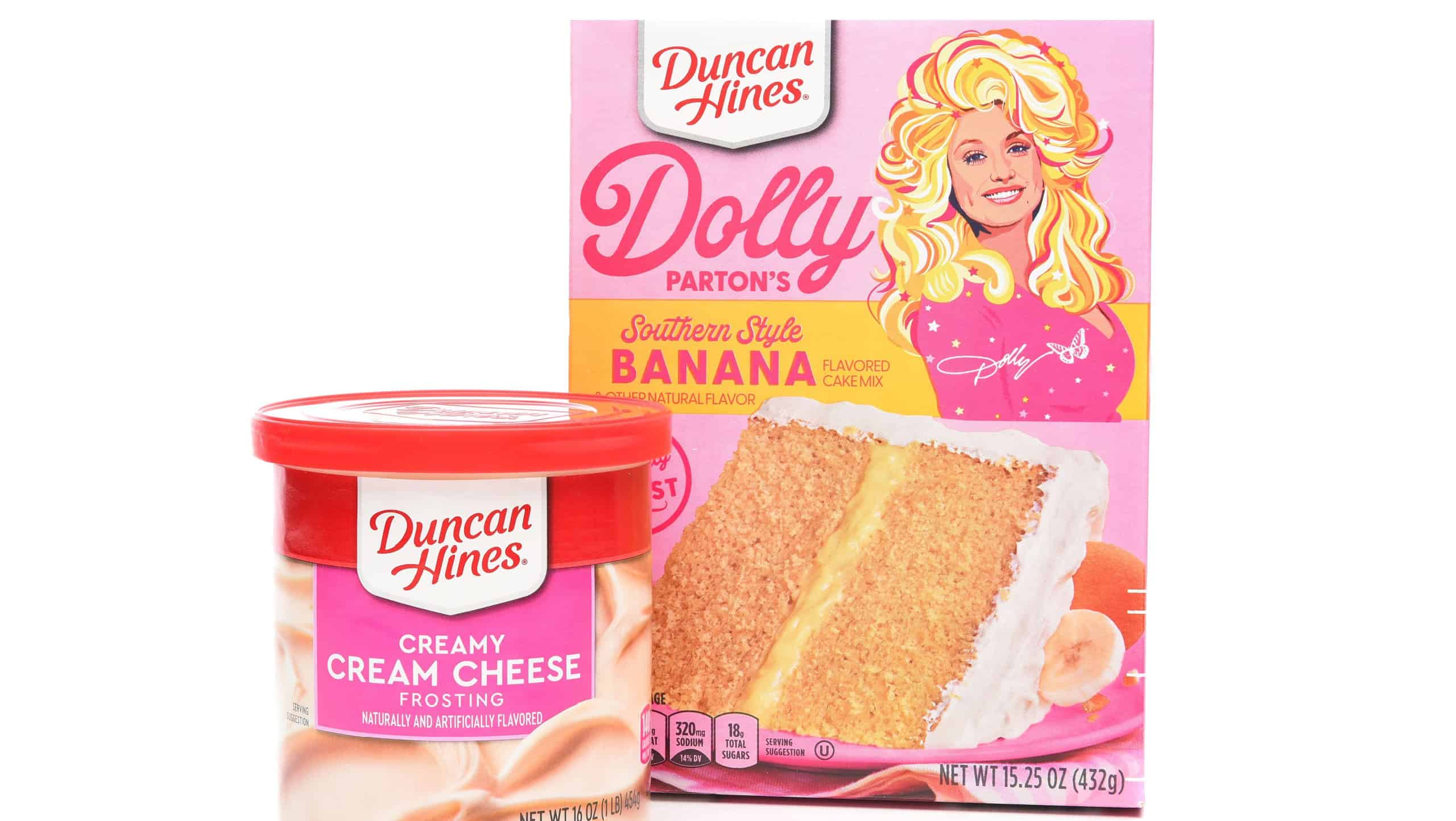
Sending a hungry family a box of cake mix for their birthday is a cute idea, but many dessert mixes require eggs, oil, or milk to prepare the meal.
Purchasing animal-based products and fresh dairy are often too expensive for families who utilize food banks, so if they receive a box of cookies but have no milk to eat with them, the mix will expire in the cupboard.
A much better donation is to search your grocery store baking aisles for “just add water” mixes such as pancake blends or muffins.
Glass jars of pasta sauces or salad dressings
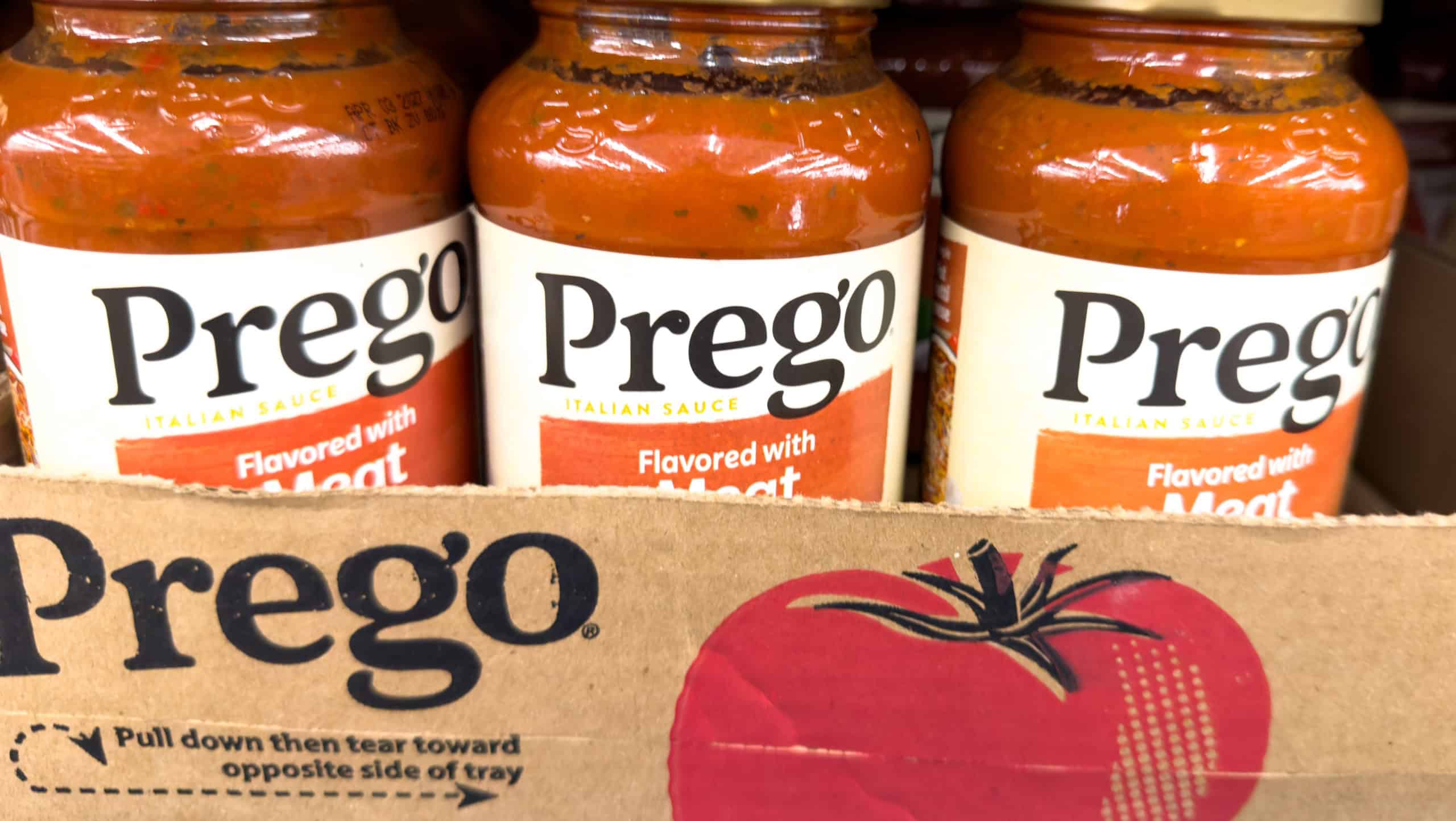
Glass containers look aesthetically pleasing on shelves, but behind-the-scenes pantry volunteers strongly dislike heavy jars of pasta sauce and mayo.
Food banks have a rigorous packaging process before donations ever reach a shelf. Moving boxes through stages of packing, trucking, sorting, and shelving stresses tiny glass corners that break open jars and leak all over a pantry.
If one bottle of Ragu spills out in the warehouse, it will ruin an entire box of pasta. Donation centers tend to favor squeezable plastic bottles or aluminum cans.
Meal-in-a-cup
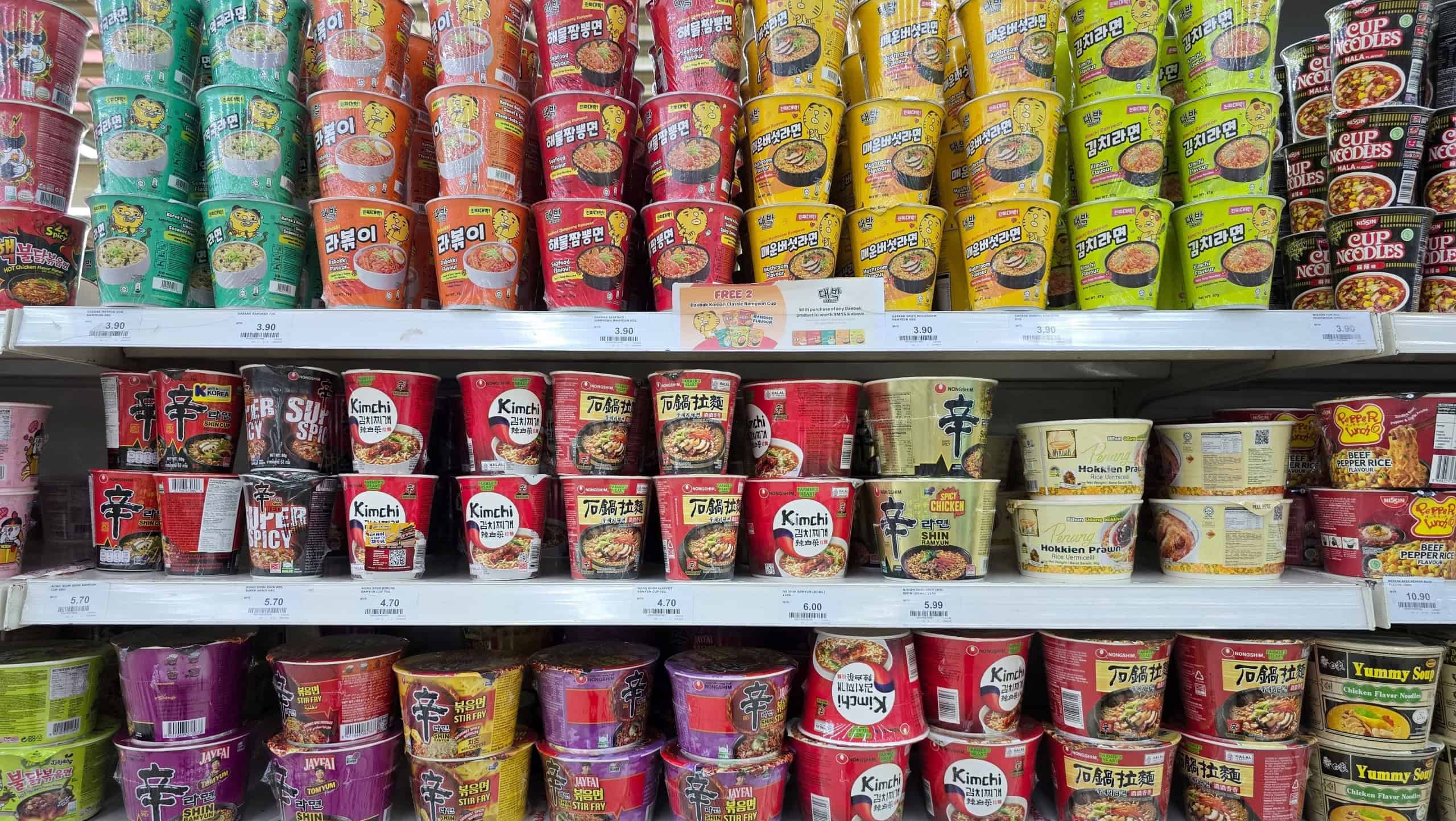
One would think that instant, single-serve cup noodles would make sense to donate. Sure they’re cheap and shelf-stable, but they require way too much physical space for what you get nutritionally.
Think about how much space the styrofoam/plastic packaging takes up. Twelve cup noodles take up the same space on a shelf as thirty cans of tuna/chicken that are packed with protein.
Local pantries simply do not have floor space to spare, so cupboard space is at a premium. Foods that are compact and nutrient-dense are always preferred over things that are mostly hollow air and packaging.
Seasonal leftovers
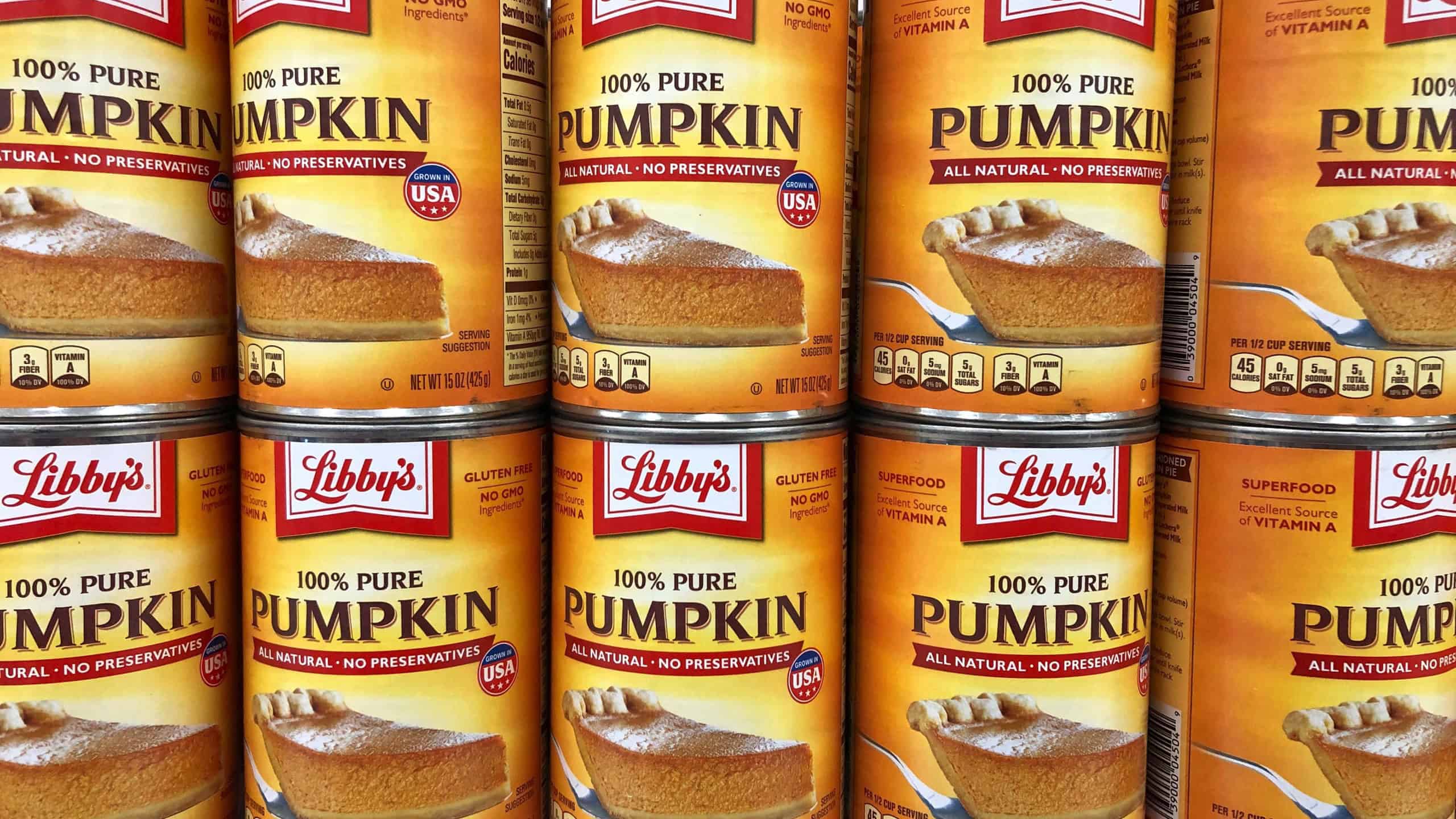
While donating excess cans of pumpkin pie spice in January or bags of individually-wrapped plastic Easter candy in May might keep those items out of your home, it creates a serious space issue at the pantry.
Clients typically prefer staple items that can be used throughout the entire year, and seasonal foods tend to go stale on shelves long after the holiday season has ended.
Food banks operate on a first-in, first-out basis, meaning seasonal or holiday foods you donate now will take up valuable space until next winter or spring. Opt for canned goods that can be used in any recipe any time of year, like canned potatoes, tuna, or peanut butter.
Water/sports drinks
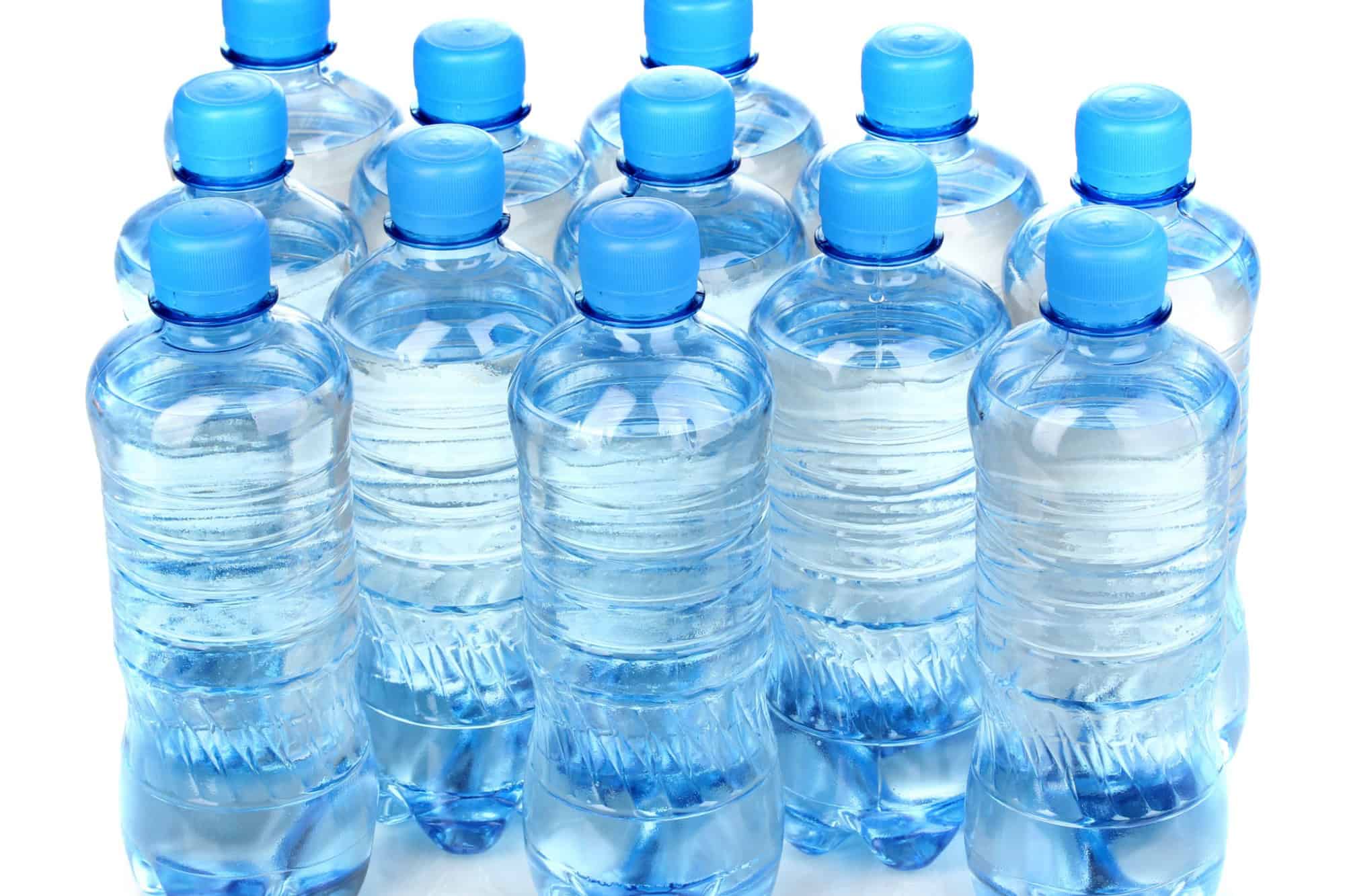
While you may see pallets of bottled water or sports drinks being accepted during the warmer months, these items are some of the most space-inefficient donations a food pantry can receive.
Not only is liquid heavy to move and offers very little nutritional value, but most families who rely on the food bank have access to tap water.
Plastic bottles are heavy and take up space that could be used to transport fresh fruit and vegetables or meat.
By donating food items instead of bottled goods, you are allowing the pantry to better stock shelf-stable items with more nutritious value.
Sugar-free chocolates/candies
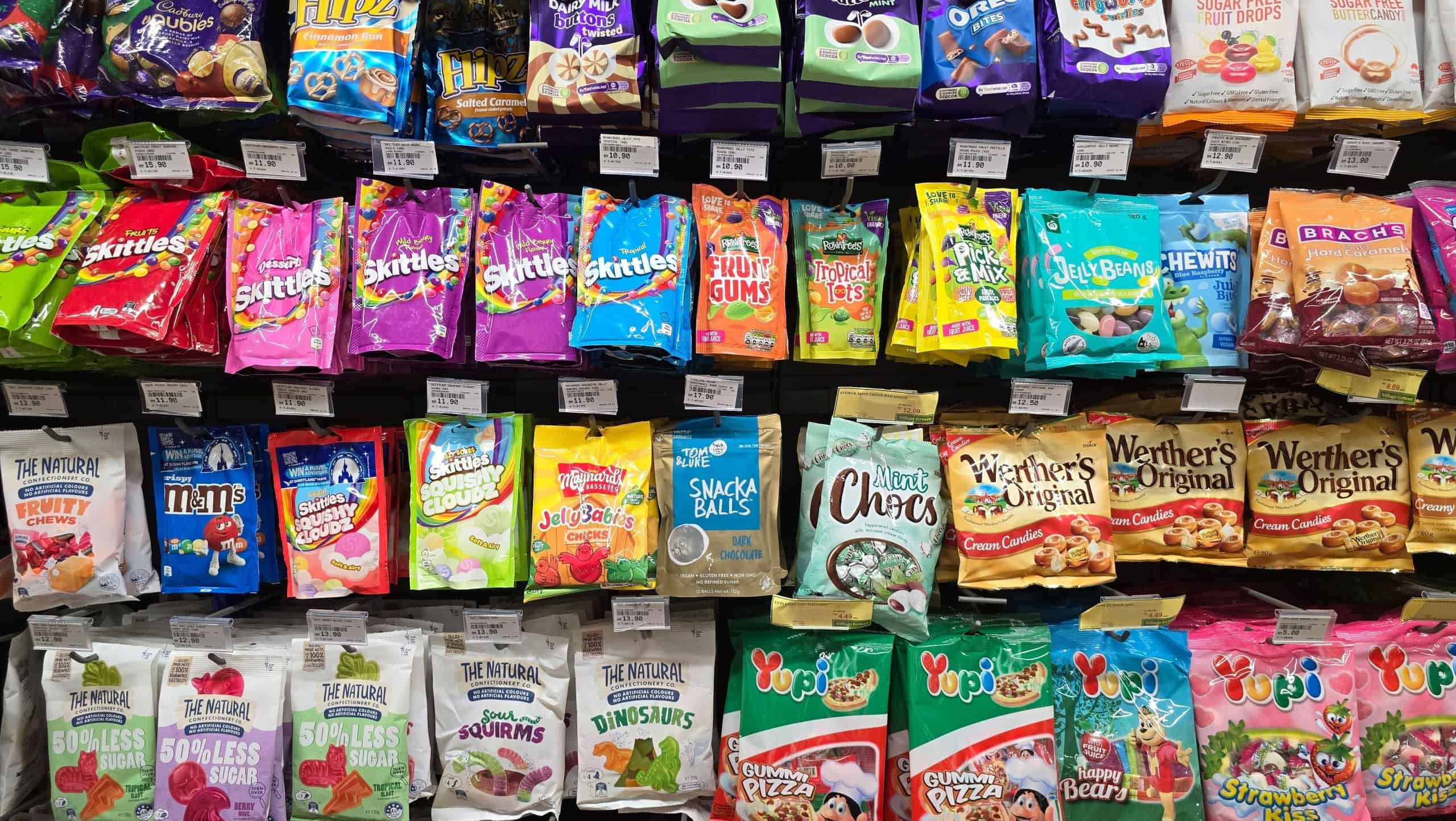
It’s really considerate of you to think of pantry clients that may have diabetes when you donate sugar-free chocolates/candies. However, many of these highly specific diet products end up creating problems.
You’ll often find that budget-friendly sugar-free treats are loaded with sugar alcohols, for instance, maltitol or sorbitol. When eaten in typical snack-sized amounts, these sweeteners can often result in significant digestive discomfort and cramping.
Since food pantries usually package food for families with small children, they can’t risk putting these specific diet foods in regular boxes and making children sick.
Moreover, these specialty treats aren’t typically asked for, often leading to them gathering dust on shelves for extended periods while more versatile staples like baking splenda or other neutral pantry items are in high demand.
Sources: Please see here for a complete listing of all sources that were consulted in the preparation of this article.


