

Fashion in the United States has been restricted at times through laws. Local municipalities and state governments have imposed regulations on Americans based on indecency standards as well as environmental and safety issues.
Some laws that govern how Americans dress might seem unusual to people today, such as laws concerning sagging pants or shirt sleeves at parks. Some laws focus on new hazards like PFAS in apparel or cruelty-free laws like bans on fur.
Here are actual laws from throughout America that have affected what Americans are and are not allowed to wear.
Anti‑Mask and anti‑hood laws

Don’t wear a mask or hood to conceal your identity in public places in Georgia, Florida or North Carolina. Exceptions are provided for costumes, medical devices, or while participating in a theater performance. Anti-mask laws have been on the books for decades.
Originally they were enacted to prevent people from feeling threatened by masked Americans going about their daily business. These laws pertain to everyday civilian activities, not just on Halloween or during costume festivals. You could be fined or even criminally charged if you violate these laws.
Sleeveless shirts banned in some public parks

Some parks in Maryland have policies that prohibit residents from being shirtless or wearing a sleeveless shirt in public parks. Some of these laws exist to enforce strong codes of public decency and culture of “family-friendliness.”
Many cities and counties enforce this law occasionally at best, although it is still formally active on the books. The rule is largely unknown to most citizens and many view it as more of an archaic remnant of times when society held stricter views on public propriety. (Clusterado, 2023)
Clothing or accessories made with eagle feathers or parts
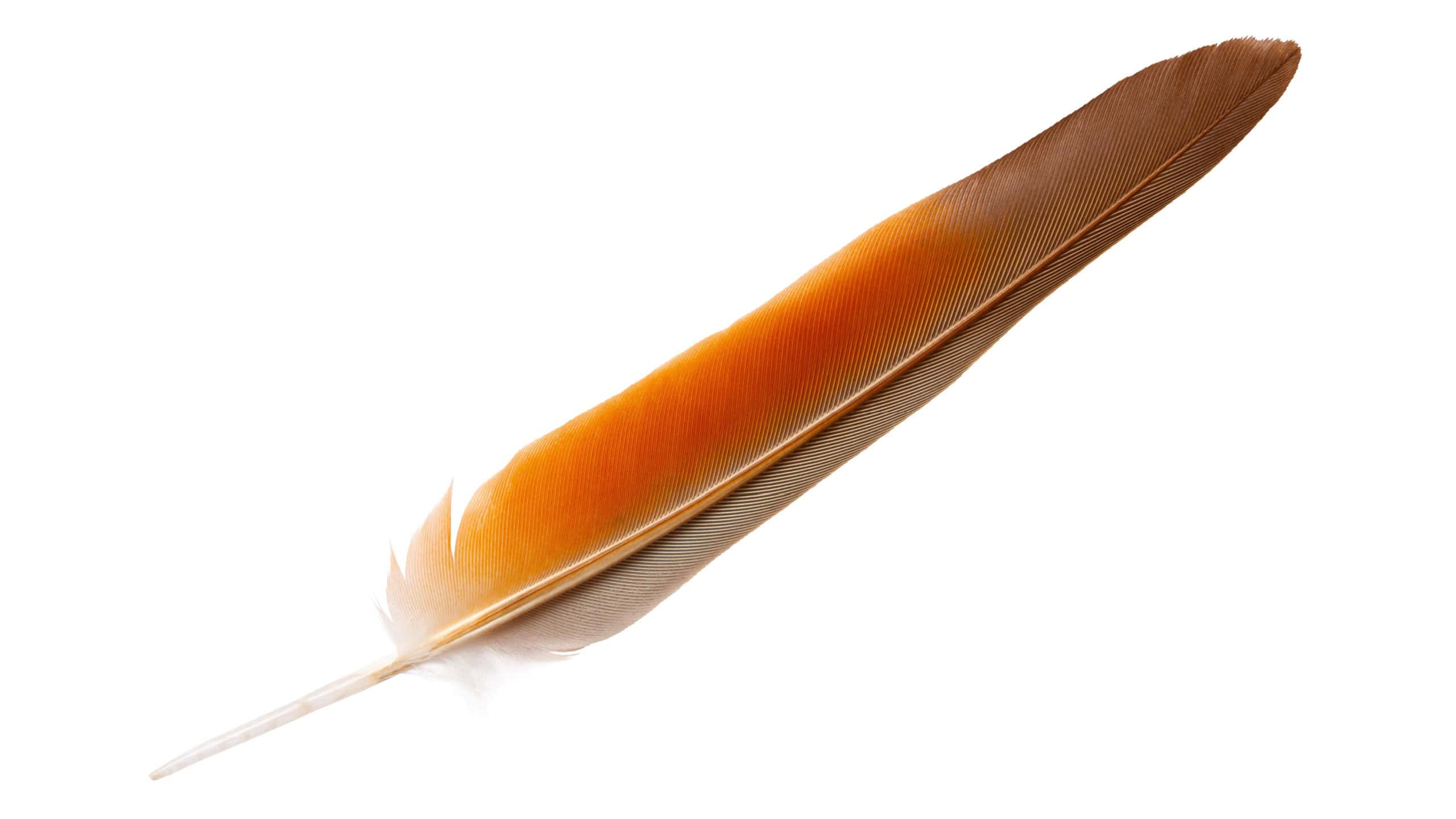
Clothing/accessories made from bald eagle feathers, golden eagle feathers, talons, or any other body part are protected under the Bald and Golden Eagle Protection Act. It is illegal for anyone to possess, sell, use any article made from eagles without a federal permit.
Unless you are an enrolled Native American and you use the eagle parts for spiritual/ceremonial use, you will be breaking the law if you try to purchase/buy or sell an article made from eagle parts.
There are exceptions to the rule, but generally, you could face steep fines and possibly jail time. Therefore, clothing/accessories/costumes made with eagle parts are illegal to own if you are not Native American.
Endangered animal skins (exotic leather and pelts)

Luxury fashion used to involve skins from various exotic animals, such as some reptiles or large cats. However, the United States has made the trading of protected species’ skins illegal under its regulations.
The Lacey Act prohibits the buying and selling of illegally acquired wildlife and the Endangered Species Act restricts commerce involving body-parts from endangered or threatened species. Skins from these species cannot therefore legally be sold or imported for purposes of fashion.
Ban on political apparel at polling places

Minnesota had one of the longest-standing bans on wearing political apparel at polling places. The state didn’t allow voters to wear T-shirts, hats, buttons, or anything else that displayed support or opposition to political candidates or parties.
The law was intended to prohibit partisan displays at polling places on Election Day. Most voters likely weren’t even aware of the law until the Supreme Court overturned it in 2018 for going too far in violation of the First Amendment.
PFAS‑treated clothing

California and New York’s prohibition on PFAS-treated garments goes into full effect in 2026. Manufacturers and retailers in these states will no longer be able to sell clothing that intentionally contains PFAS, such as jackets, shoes, and various textiles that have been treated with these so-called “forever chemicals.”
The laws set allowable limits for PFAS concentrations and phase in certain outdoor gear more gradually. Contamination that is unintentional or considered background is exempt from the bans.
Pants below the waistline (“sagging”) banned

As of 2026, saggy pants are technically illegal in some small towns across the United States, although no state-wide bans exist. In Hampton, Georgia, trousers must be worn at the waist: “It shall be unlawful for any person to wear pants…sagged so low that the top of the wearer’s underwear is exposed.” Offenders can receive fines for subsequent offenses.
Sagging is against city ordinance in Timmonsville, South Carolina, exposing one’s underwear being grounds for misdemeanor charges, which can include fines or community service. Many small towns across Alabama and Louisiana have also passed laws banning sagging under public decency or indecent exposure statutes.
Laws regarding sagging pants continue to exist but often face repeal or abandonment because of accusations that they discriminate against specific racial groups and infringe upon First Amendment rights.
Animal fur clothing
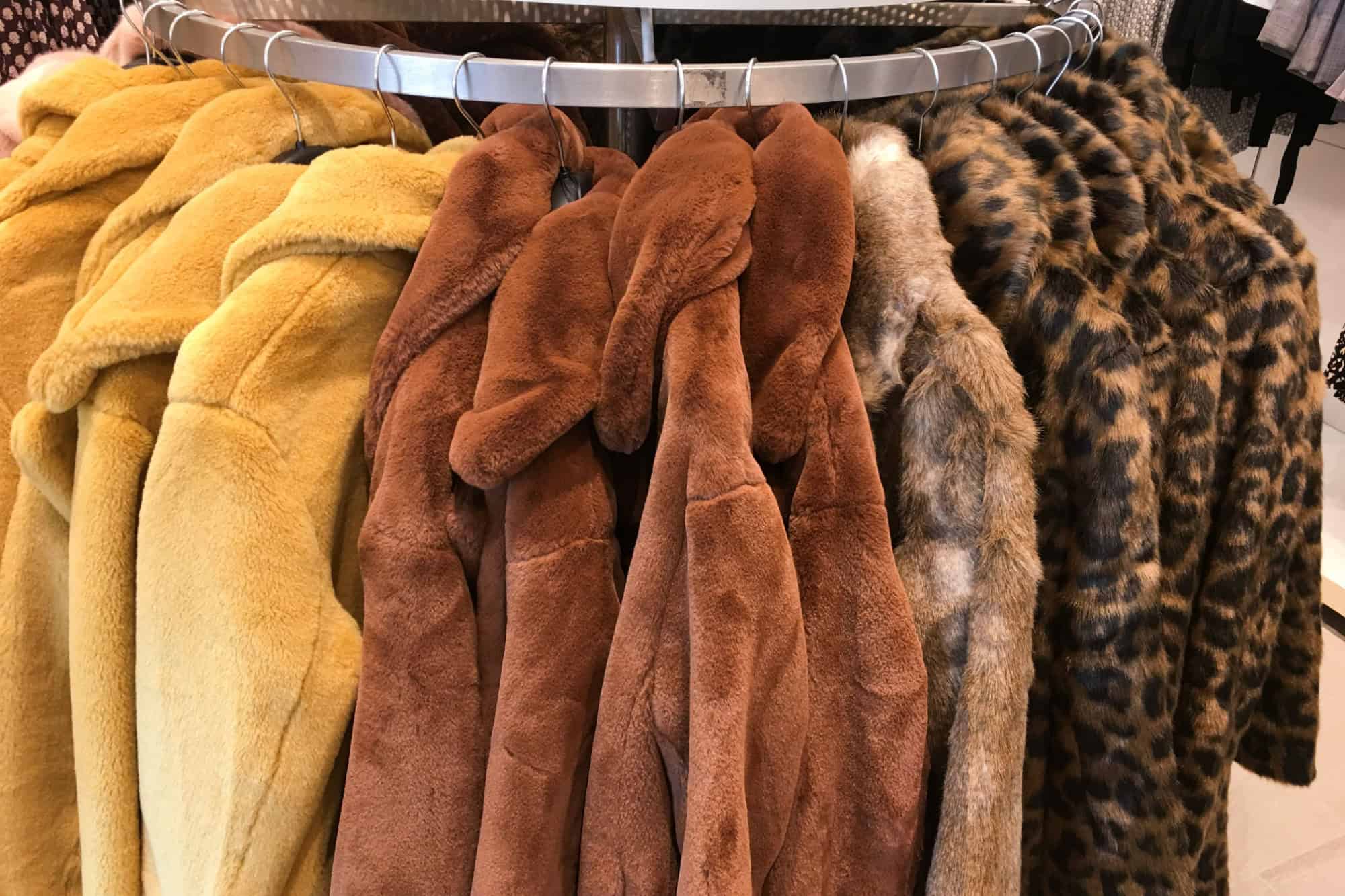
California prohibits the sale of new coats, hats, and other garments made of animal fur, effective January 1, 2023. AB 44 bans businesses statewide from manufacturing, selling, displaying, or trading garments made from new animal fur.
California residents may continue to own and wear existing fur clothing. Fur garments can also still be purchased secondhand. Local fur sales bans are also in effect in Los Angeles, San Francisco, Berkeley, and West Hollywood.
Ivory fashion accessories (Buttons, jewelry, trims)

Fashion accessories made of ivory including jewelry, buttons, belt buckles, lace trimmings etc. are severely restricted under US wildlife conservation laws. The import, export, and interstate sale of elephant ivory products is now almost entirely banned by federal endangered species legislation enforced by the United States Fish and Wildlife Service.
Ownership of ivory acquired legally prior to existing regulations is still permitted for individuals, but commercial sale or trade is now effectively banned. Ivory can no longer legally be used to produce or sell fashion accessories in the US.
Misrepresented “Native” fashion items

According to the Indian Arts and Crafts Act of 1990, selling or trafficking any clothing item as Native American made when it is not made by someone who is a member of a tribe or a certified Native, is unlawful.
To be sold as Native-made, the item must be made by a tribal member or a Native artist who has been certified by their tribe as a member. The purpose of this act was to prevent fraudulent activity against Native Americans and preserve their culture and traditions.
Sources: Please see here for a complete listing of all sources that were consulted in the preparation of this article.
Like our content? Be sure to follow us.

