
Ever thought about what could happen in a decade? The 1960s was a wild decade of transformation, progress & struggle that helped to form the world we live in today. I can recall my grandparents talking about the moon landing – how they’d watched it on their little TV set, with their eyes opened with marvel. I was left wondering, what else happened in that decade?
Can you believe it, from historic civil rights movements to cinematic tragedies & cultural revolutions, the ’60s was a rollercoaster of innovation, struggle & drama. In this list, I will uncover 12 of the greatest moments of this golden decade.
Featured Image Credit: veloliza /Depositphotos.com.
The Civil Rights Act of 1964: A Historic Step Toward Equality

This law was one of America’s biggest achievements toward equality. It ended segregation in public spaces such as schools, restaurants & buses — and declared it illegal to discriminate against individuals based on their race, religion, gender, or nationality. And this was no fluke – it took decades of protests, marches & sacrifices by civil rights leaders such as Martin Luther King Jr. & Rosa Parks.
The Moon Landing (1969): A Giant Leap for Mankind

July 20, 1969, was a day to remember when Neil Armstrong & Buzz Aldrin became the first humans to walk on the moon. The Apollo 11 mission wasn’t just about space — it was about optimism, progress & achievement in an era of unrest. Armstrong’s words: “That’s one small step for man, one giant leap for mankind,” still inspire us to dream of the stars.
Like our content? Be sure to follow us.
JFK’s Assassination (1963): A Nation in Mourning

When President John F Kennedy was shot in Dallas, Texas, on 22 November 1963 – the world just stopped. People sat on TV watching the horror. His demise shocked & saddened the nation – and also raised fundamental concerns about leadership, safety & justice.
The Vietnam War Escalation: A Divisive Conflict

The Vietnam War marked the ’60s as the US sent more & more new forces into the war. It was a war that generated mass rallies back home, and people – particularly young adults – called for peace. The war’s TV footage projected its horrors into living rooms, sparking debate & division throughout the nation.
The Beatles’ Arrival in America (1964): A Cultural Revolution

With The Beatles’ arrival in the United States & appearance on The Ed Sullivan Show, pop culture was transformed. Their sing-along, rock ‘n’ roll attitude & unstoppable energy propelled “Beatlemania” into America. They were not just a band, they were a generational phenomenon that set the musical mood for generations to come.
The March on Washington (1963): A Dream for Equality

More than 250,000 gathered in Washington, D.C., for one of the most consequential rallies in civil rights history. The nonviolent march called for equality & justice for Black Americans. It’s where Martin Luther King Jr gave his “I Have a Dream” speech that demanded the end of racism & inspired billions of people around the world.
The Cuban Missile Crisis (1962): Brink of Nuclear War

For 13 days in October 1962, the world breathed heavily as the US & the Soviet Union came too close to nuclear conflict. It began with the Soviets storing nuclear missiles in Cuba, 90 miles off the coast of the United States. After tense negotiations, the missiles were removed & disaster was avoided — but it was a wake-up call about the risks of the Cold War.
Woodstock Music Festival (1969): A Celebration of Peace and Music

It was not just a music festival, Woodstock was the counterculture itself. In August 1969, it drew more than 400,000 to the shores of the Black Sea for three days of music, peace & unity. Musicians such as Jimi Hendrix & Janis Joplin were sensational, and Woodstock was a milestone event for the “hippie” generation.
The Birth of the Feminist Movement: A Fight for Equality

The feminist movement accelerated in the ’60s, thanks to Betty Friedan’s book The Feminine Mystique. It rejected the idea that women should merely be wives & mothers, and argued for equality in the workplace, in education & society. It wasn’t just a book – it was a call for women to fight for their rights & their opportunities.
The Assassination of Martin Luther King Jr. (1968): A Nation in Grief

Martin Luther King Jr, the face of the civil rights movement, was murdered on April 4, 1968, in Memphis, Tennessee. His death shook the world and the cities exploded in shock & outrage. Although his life was taken, his vision of equality, peace & justice even continues to inspire movements today.
The First Super Bowl (1967): A New Era in Sports

It was the first Super Bowl, between the Green Bay Packers & the Kansas City Chiefs, played on January 15, 1967. While it wasn’t the massive event it is now, it was the start of something big. You know, the Super Bowl is one of the most popular & watched television shows in the United States today.
The Stonewall Riots (1969): A Turning Point for LGBTQ+ Rights
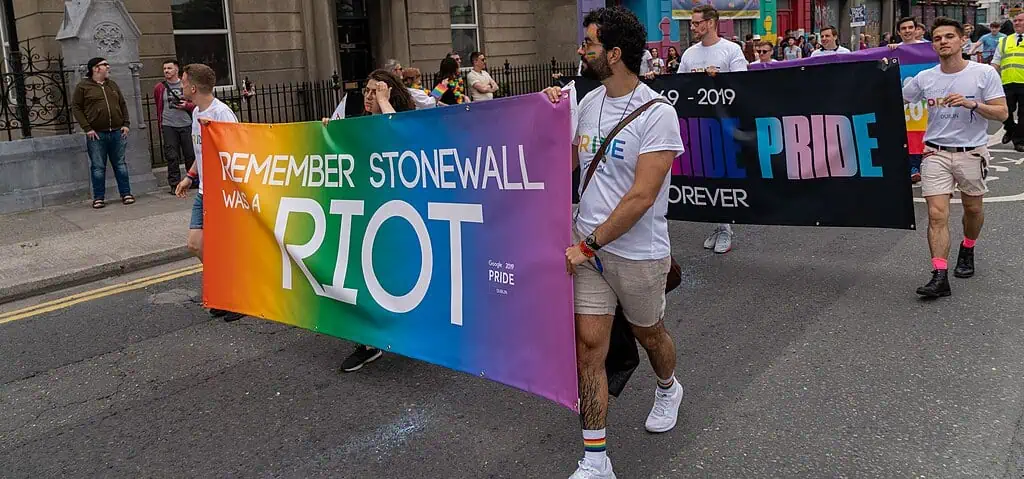
When a police raid on the Stonewall Inn, a gay bar in New York City, took place in June 1969, some protests & riots followed. It was a turning point for LGBTQ+ rights as individuals started taking up the cause against discrimination & oppression. Stonewall will live on as the beginning of the modern LGBTQ+ rights movement.
Disclaimer: This list is solely the author’s opinion based on research and publicly available information.
Like our content? Be sure to follow us.
Read More: