

You probably throw everyday stuff into your bag without a second thought when you’re traveling—but in some places, the regular items we use all the time may actually cause serious problems. Bringing these items into other countries may cause some awkward moments at customs or unexpected run-ins with the law! Here are twelve items that are actually banned or restricted in different parts of the world. You should absolutely avoid taking any of these because they’re just not worth getting in trouble over.
Featured Image Credit: ArturVerkhovetskiy /Depositphotos.com.
Plastic Bags in Kenya
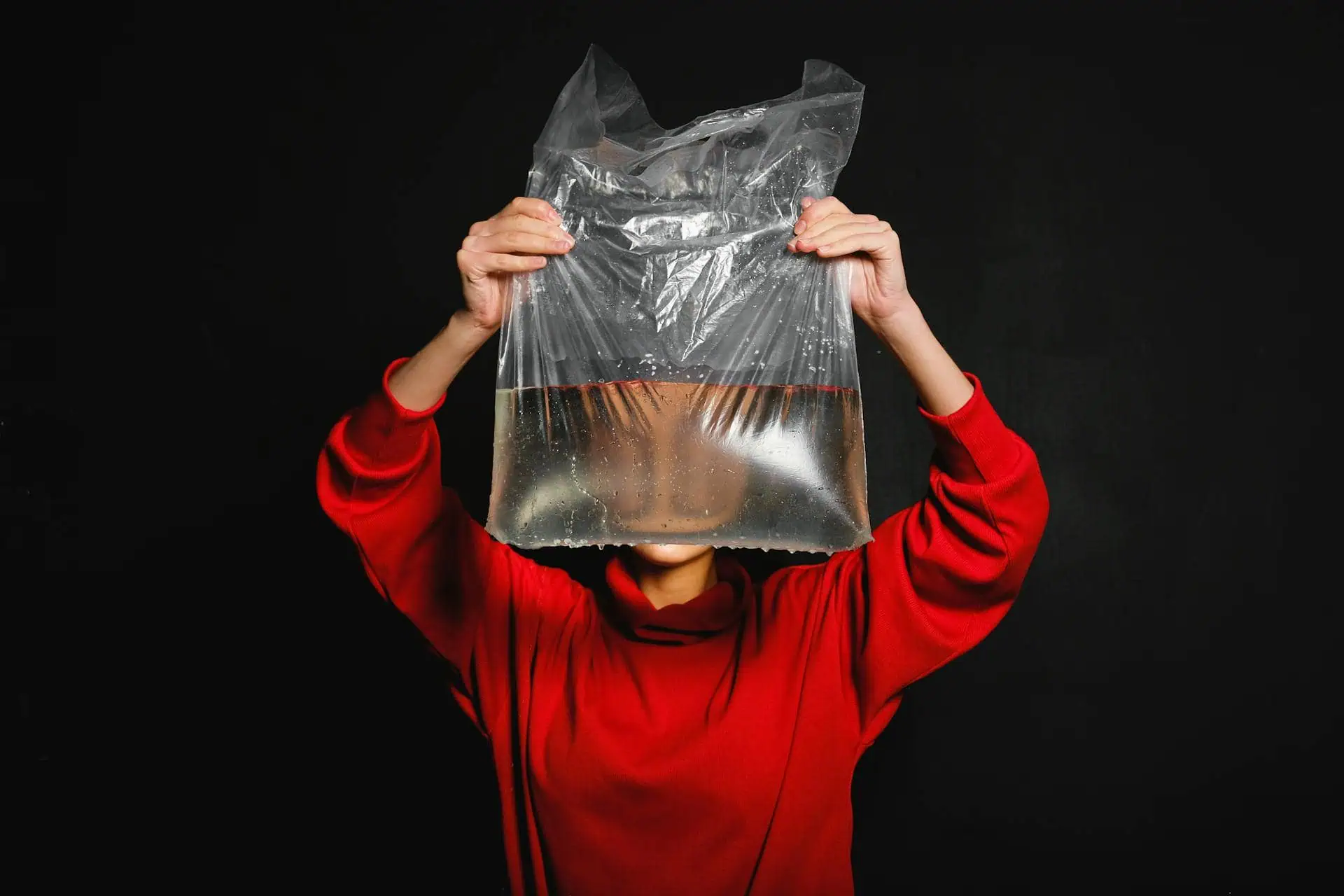
Since 2017, Kenya has had one of the strictest plastic bag bans around and anyone caught using, making or importing these bags risks steep fines of up to $40,000—or even time in jail. The government introduced this law to reduce pollution & protect wildlife as well as a way of keeping the streets cleaner. Officials routinely check markets, airports and other entry points to make sure visitors and locals follow the rules so anyone going there should leave those single-use bags at home!
Vicks Inhalers in Japan

While certain over-the-counter meds might seem harmless back home, many forms of Vicks inhalers & Sudafed are off-limits in Japan because these products include pseudoephedrine. This chemical falls under Japan’s strict stimulant drug rules and anyone bringing them across the border could face some serious legal complications. Customs officers don’t make exceptions and you should research exactly what’s allowed before you go.
High-Powered Laser Pointers in Australia

Australia doesn’t allow anyone to own high-powered laser pointers over one milliwatt without a good reason because these gadgets may cause permanent eye harm if misused. Authorities also worry that people might aim them at aircraft—so bringing one in without official clearance may lead to steep penalties. You’ll need to get the proper permits ahead of time, whether that’s because you need such devices for work or research.
Reef-Toxic Sunscreens in Palau

Palau created a groundbreaking sunscreen ban in 2020 that outlaws products with reef-harming chemicals such as oxybenzone & octinoxate. Officials want to protect the coral reefs that draw divers from all over the world, meaning that visitors may not pack or use sunscreens containing these ingredients. The stores also don’t stock them and anyone exploring Palau’s clear waters and rich marine life will have to switch to reef-safe alternatives.
Wooden Clogs in Capri, Italy

Wearing wooden clogs that clack is against local law on the Italian island of Capri and they introduced such a measure to maintain peace & keep noise levels down in busy areas. Any officials who notice you strolling around in those noisy shoes may fine you—but thankfully, many shops on Capri sell footwear designed to be quieter. Even so, it’s smarter to bring your own soft-soled sandals or slip-ons if you’re visiting.
Blue Jeans in North Korea
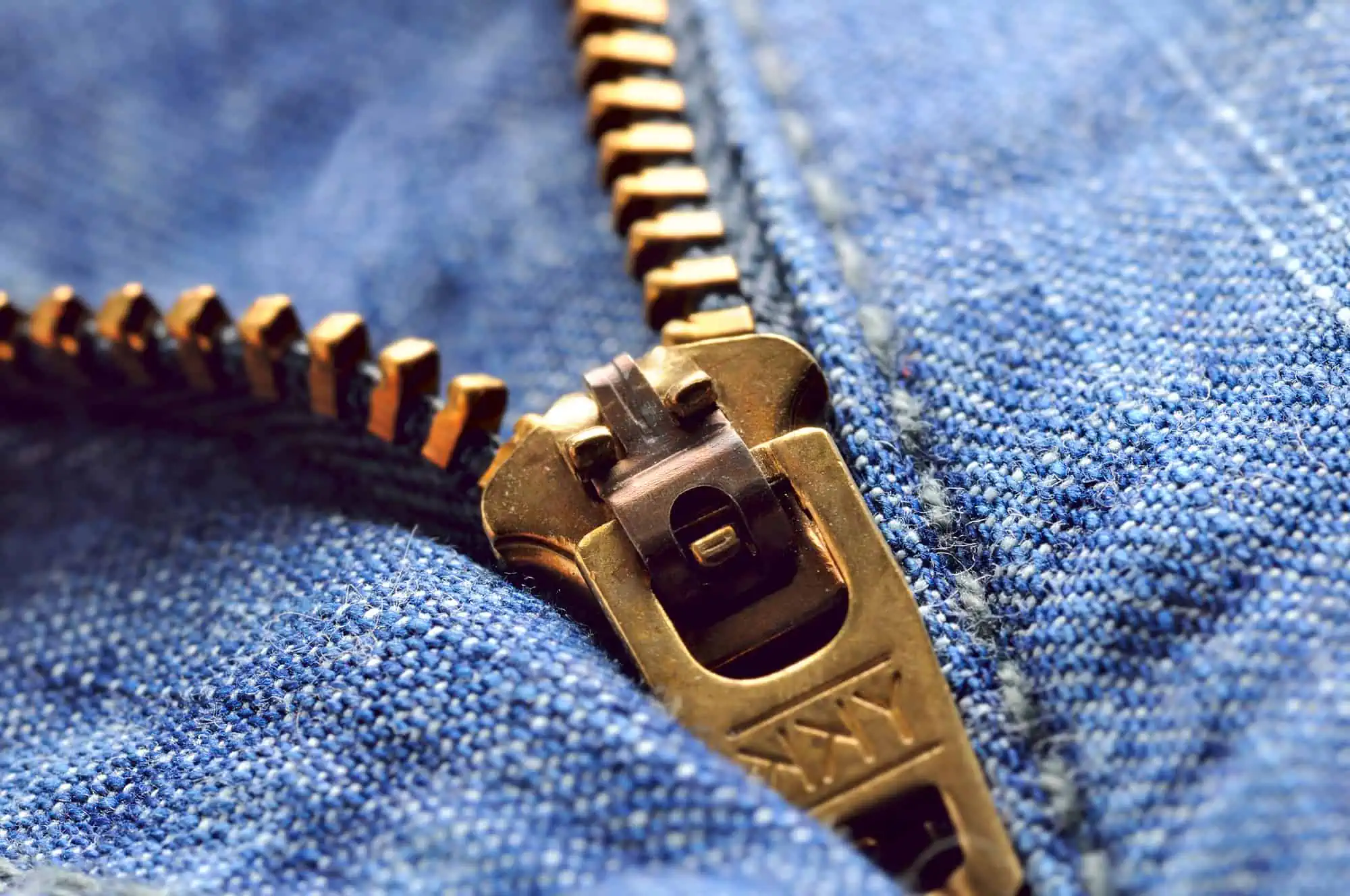
Blue jeans are completely illegal in North Korea (like many things are there) because authorities see them as a sign of Western influence—especially from the United States. It doesn’t matter if you’re a local or a visitor because you should avoid wearing any denim in that classic shade of blue. The consequences for breaking the law in North Korea are often quite serious and certainly not worth risking.
Disposable Plastic Cutlery in France
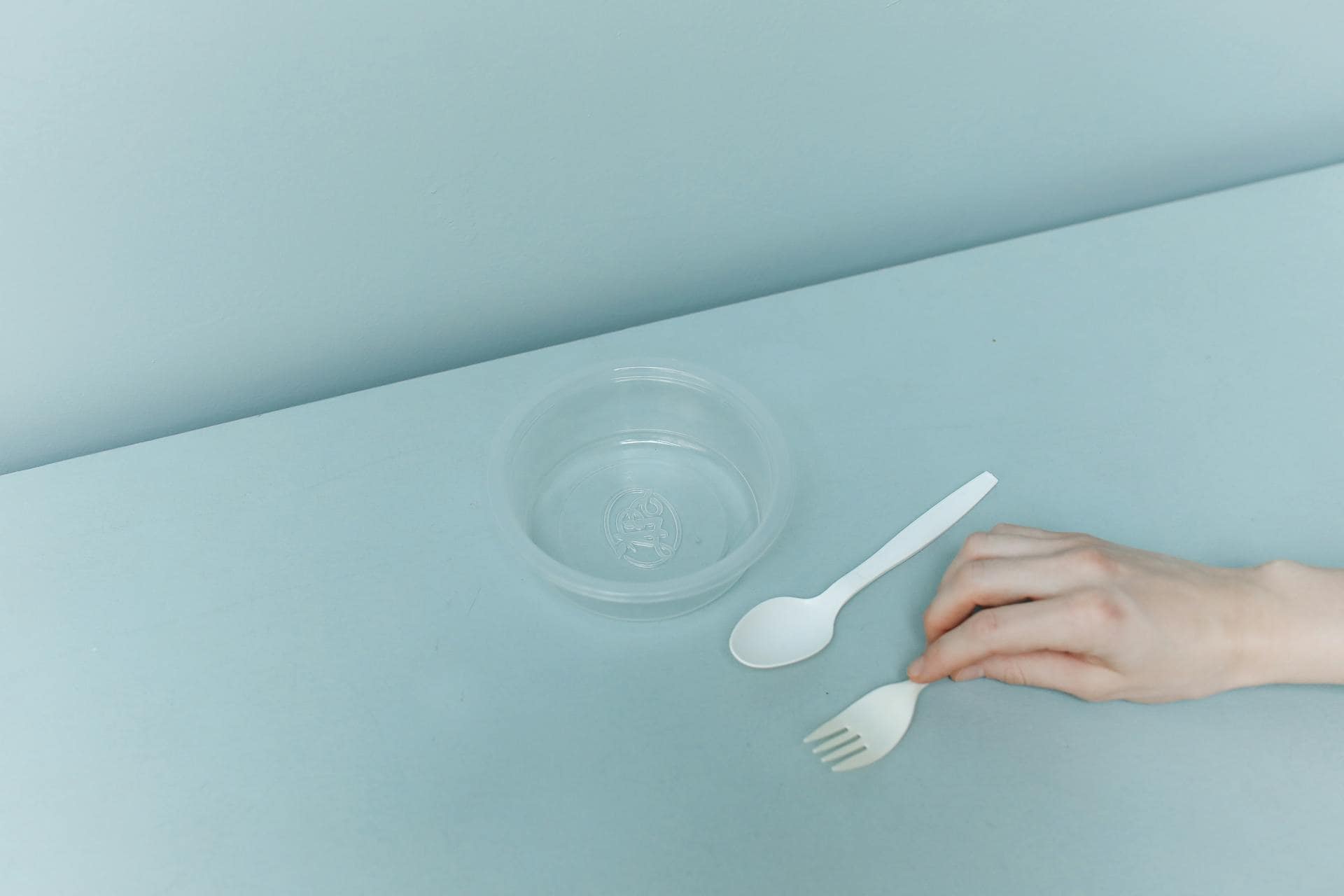
France has a ban on disposable plastic cups, plates & cutlery with the aim of cutting down on waste and supporting eco-friendly alternatives. You’ll find biodegradable or compostable utensils there instead of the plastic kind and the law applies everywhere—not just in major cities. Violators risk fines & that’s reason enough to pay attention when you’re out shopping or dining.
Poppy Seeds in Singapore and Saudi Arabia

In Singapore and Saudi Arabia, poppy seeds are illegal, even though people in other places might sprinkle them on pastries or bread. Officials in these countries regard them as a narcotic because they carry tiny traces of opiates and going against these laws may get you arrested. Do you really want to be punished for something so small?
Unapproved Maps in China
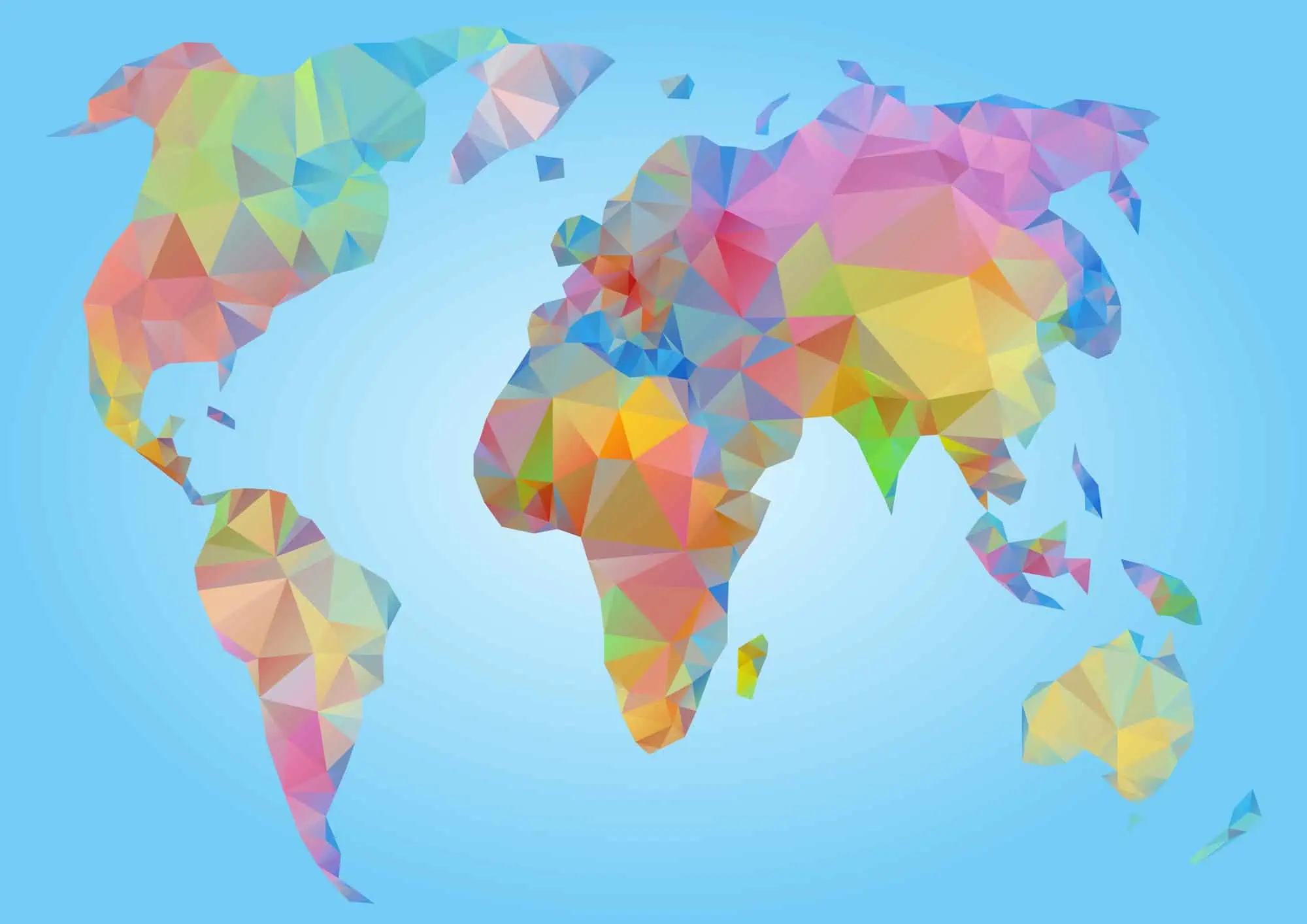
China is quite particular about how its borders & territories appear on maps so any maps showing Taiwan as independent, for example, you’ll run into legal issues. Customs officers have the power to confiscate maps that don’t match the official viewpoint—you could even face fines for having them so leave them at home. The tourist maps in China look a bit different from what most visitors are used to, both as printed materials or digital maps.
Drones in Morocco

The Moroccan government treats drones with serious caution and you can’t bring one in unless you have official approval—they have a strict ban over privacy & security concerns. Only authorized companies are allowed to use them and private use is strictly illegal, so customs agents might seize any unauthorized device. You also risk harsh penalties if you’re caught flying a drone in restricted airspace or without official permits.
Alcohol in Saudi Arabia

Saudi Arabia completely forbids alcohol and that means you’re unable to bring it in, buy it or drink it while you’re there. The policy is based on Islamic law and authorities take it seriously, meaning anyone found with alcohol could face severe penalties like hefty fines & jail time. Even sealed bottles from duty-free shops aren’t allowed and will be confiscated if officials discover them—homebrewing is also illegal.
Hamsters in Australia
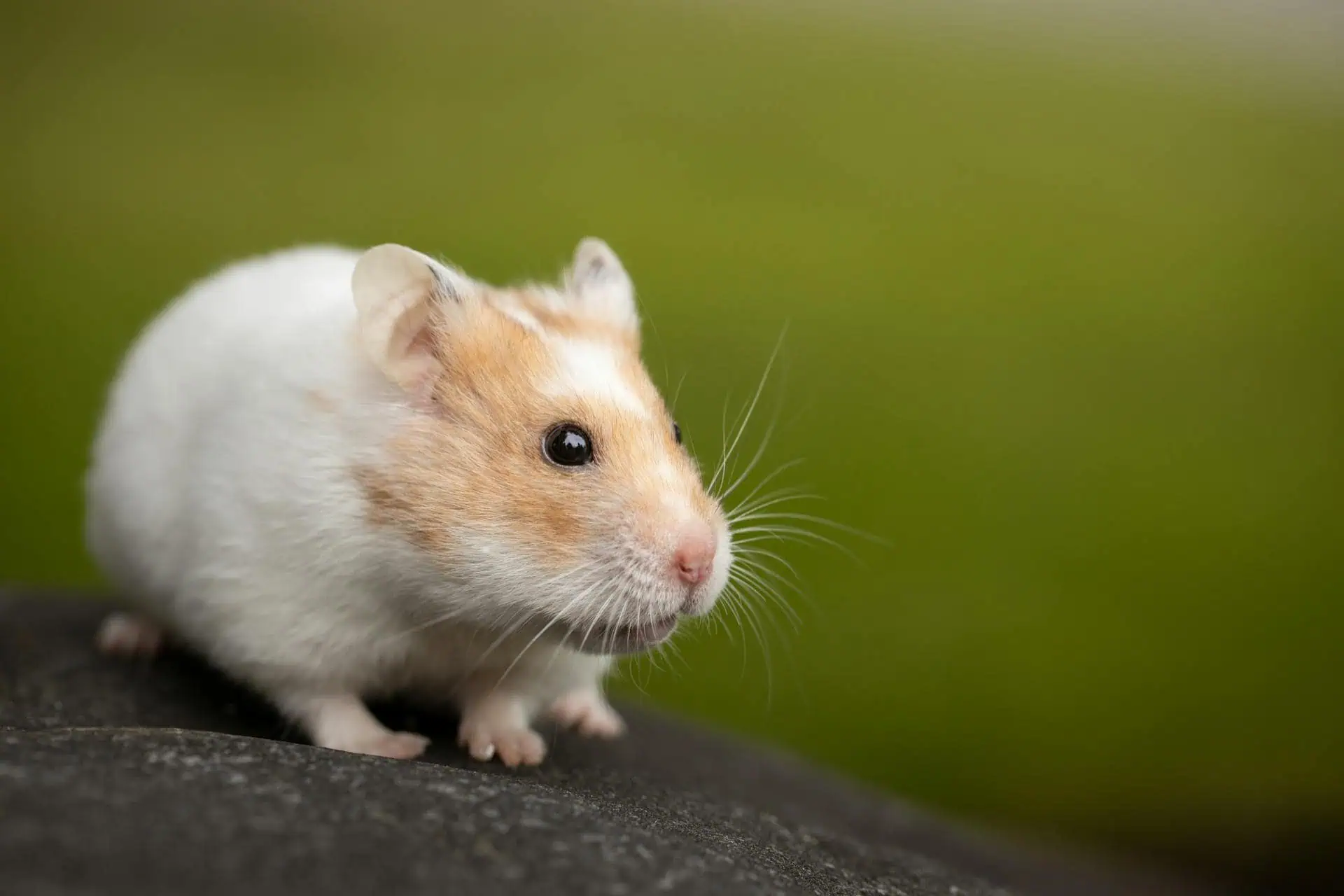
Bringing hamsters into Australia is illegal because the Australian government has strict biosecurity laws to protect its unique ecosystems—and hamsters are potential pests. They could threaten native wildlife if they escape into the wild and, as a result, you won’t find hamsters in pet stores. Anyone moving to Australia will need to find a new home for their hamster before they go.
Disclaimer: This list is solely the author’s opinion based on research and publicly available information.
Like our content? Be sure to follow us on MSN.


