

Some of the most common words in English don’t have Latin or Greek or other ancient roots. They were just made up. Someone, somewhere, at some time, invented them. They may have sounded fun, filled a gap, or caught on as a joke. And somehow, they stuck.
Here are 11 English words that didn’t evolve naturally. These words may seem ordinary today, but their origins are surprisingly artificial.
Featured Image Credit: Shutterstock.
Blurb

This word was made up by American humorist Gelett Burgess in 1907 to poke fun at promotional copy on book jackets. He just needed a silly-sounding word to describe exaggerated praise. “Blurb” stuck. Today, it’s used all the time in publishing, but it has no deeper linguistic history. It was born as a joke.
Gimmick
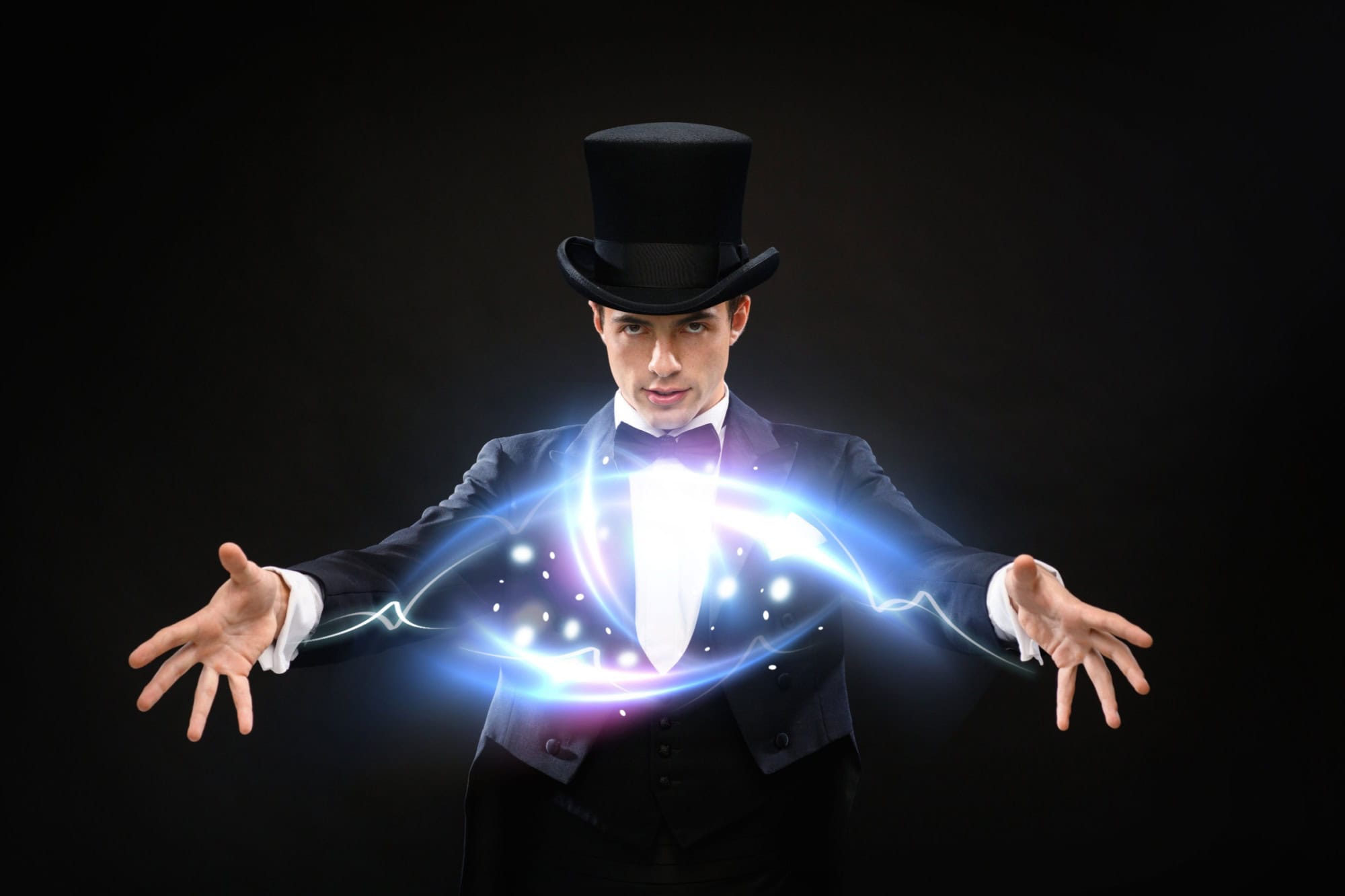
No one really knows where this came from, but many believe it was created by magicians or con artists in the early 20th century. It may have been a play on the word “magic” spelled scrambled. Whatever the origin, it wasn’t part of old English. It was just cooked up for flair.
Jabberwocky
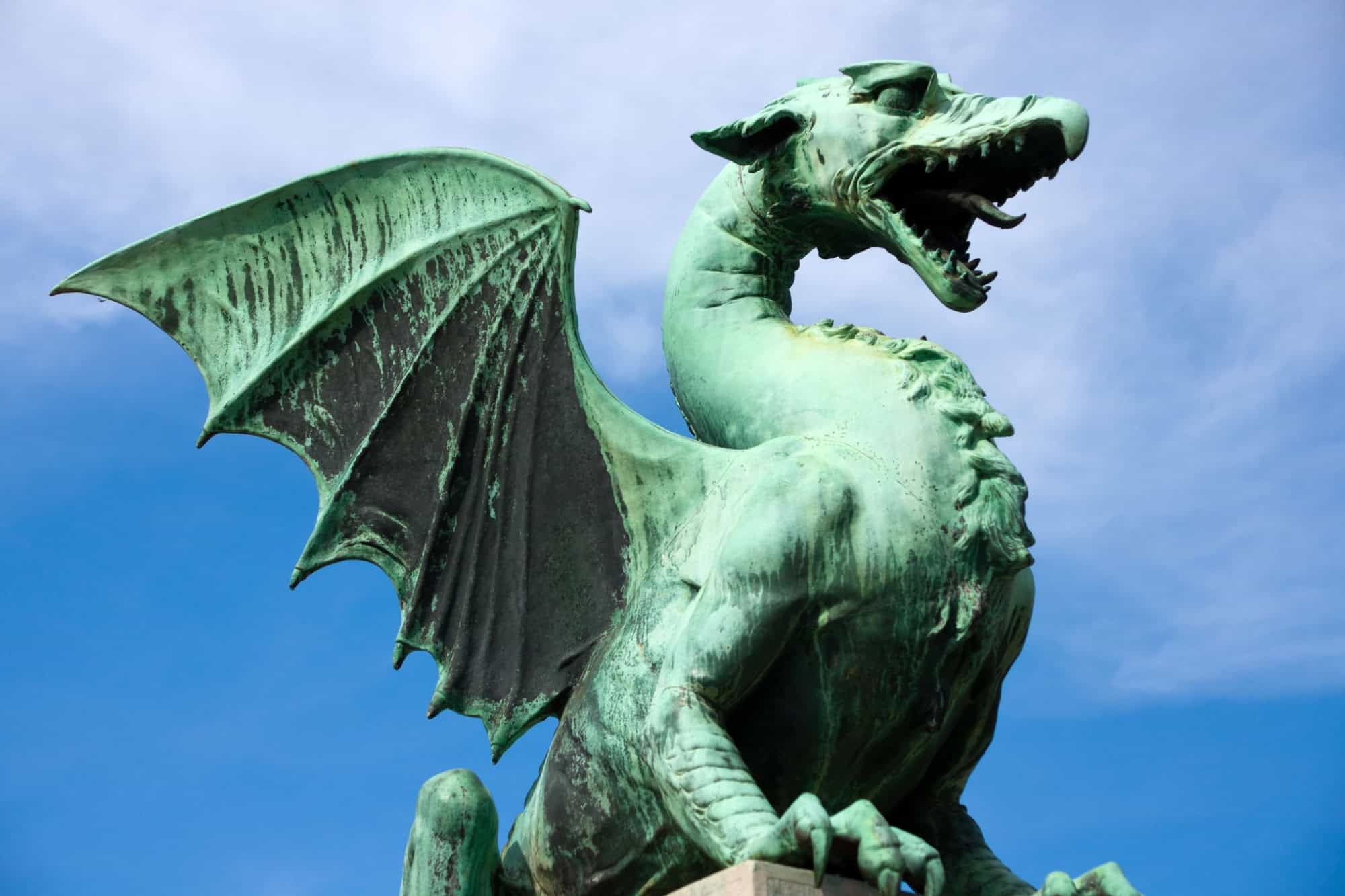
Lewis Carroll invented this in his 1871 poem of the same name. It didn’t just name a monster. It introduced a bunch of other fake words that still influence how we play with language. “Jabberwocky” is complete nonsense by design, but it’s become a real part of English culture.
Muggle
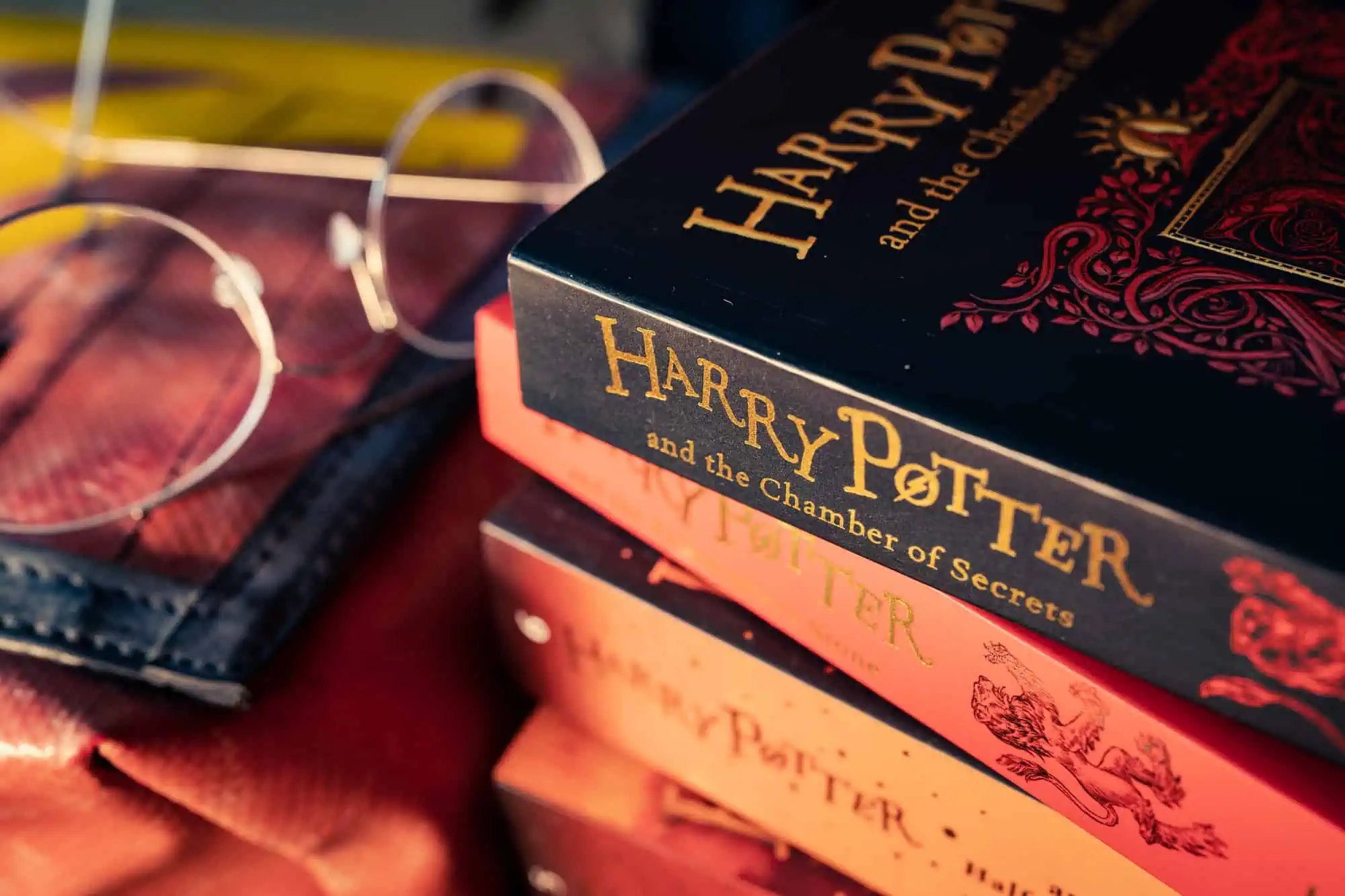
Before Harry Potter, this word didn’t mean anything to most people. J.K. Rowling invented it to describe non-magical folk, but now it’s used more broadly to describe outsiders to any specialized group. It didn’t evolve. It was pure fiction turned into modern slang.
Chortle

Lewis Carroll combined “chuckle” and “snort” to describe a certain type of laugh. It sounds natural now, but Carroll literally made it up for poetic effect. Over time, people began using it like it had always existed.
Quark
The word “quark” was lifted from James Joyce’s Finnegans Wake by physicist Murray Gell-Mann in the 1960s. He needed a name for a fundamental particle, and this nonsense-sounding word felt right. It didn’t come from science or logic. It came from literary randomness.
Zounds

It might sound like an old word with deep roots. And it is old, but it was actually made up in the 1500s. It came from the phrase “God’s wounds” and was used as a softer way to swear. People used it to avoid breaking strict blasphemy laws. It didn’t come from tradition. It was completely invented for that purpose.
Snazzy

This word doesn’t have a clear origin. It appeared in the 1930s as slang for something stylish or flashy. It was likely based on the word “snappy,” with a fun twist added. It was playful, catchy, and completely made up. People liked how it sounded, and that was enough.
Nerd

The first known use of this was by Dr. Seuss in his 1950 book If I Ran the Zoo. He used it as a name for a creature he made up. It looked weird, so that’s where that part of its definition comes from. The next year, it shows up in U.S. slang as a way to describe awkward intellectuals. It’s really a piece of nonsense that’s evolved into a proper word over time.
Widget

“Widget” is just a made-up word that sounds technical. Businesses began using it to describe placeholder products or imaginary tools. It’s not short for anything and doesn’t come from any real word. It exists because people needed a generic term and this one fits.
Tattarrattat

James Joyce coined this word in Ulysses to mimic the sound of a knock at the door. He even claimed it was the longest palindrome in English. It’s playful, rhythmic, and completely invented. It proves how much freedom writers have when they create from sound alone.
Disclaimer: This list is solely the author’s opinion based on research and publicly available information.
Like our content? Be sure to follow us.