If you’ve ever used a word and wondered where it came from, you’ve come to the right place because it turns out a lot of our everyday words actually started in Native American languages. It’s not just place names or tribal terms—plenty of normal words for snacks, animals, trees, even sleds come from Native American languages. These words have been around for centuries, hiding in plain sight. Here are twelve of the most surprising ones.
Featured Image Credit: Venusvi /Depositphotos.com.
Skunk

The name of that stinky little black-and-white animal comes from an old Algonquian word that was probably something like seganku, which loosely meant “one who squirts.” It makes sense, and early colonists picked up the word “skunk” in the 1600s after learning about the animal from local tribes—they’d never seen one before. The name stuck (just like the smell) and it helped them describe something entirely brand new.
Pecan
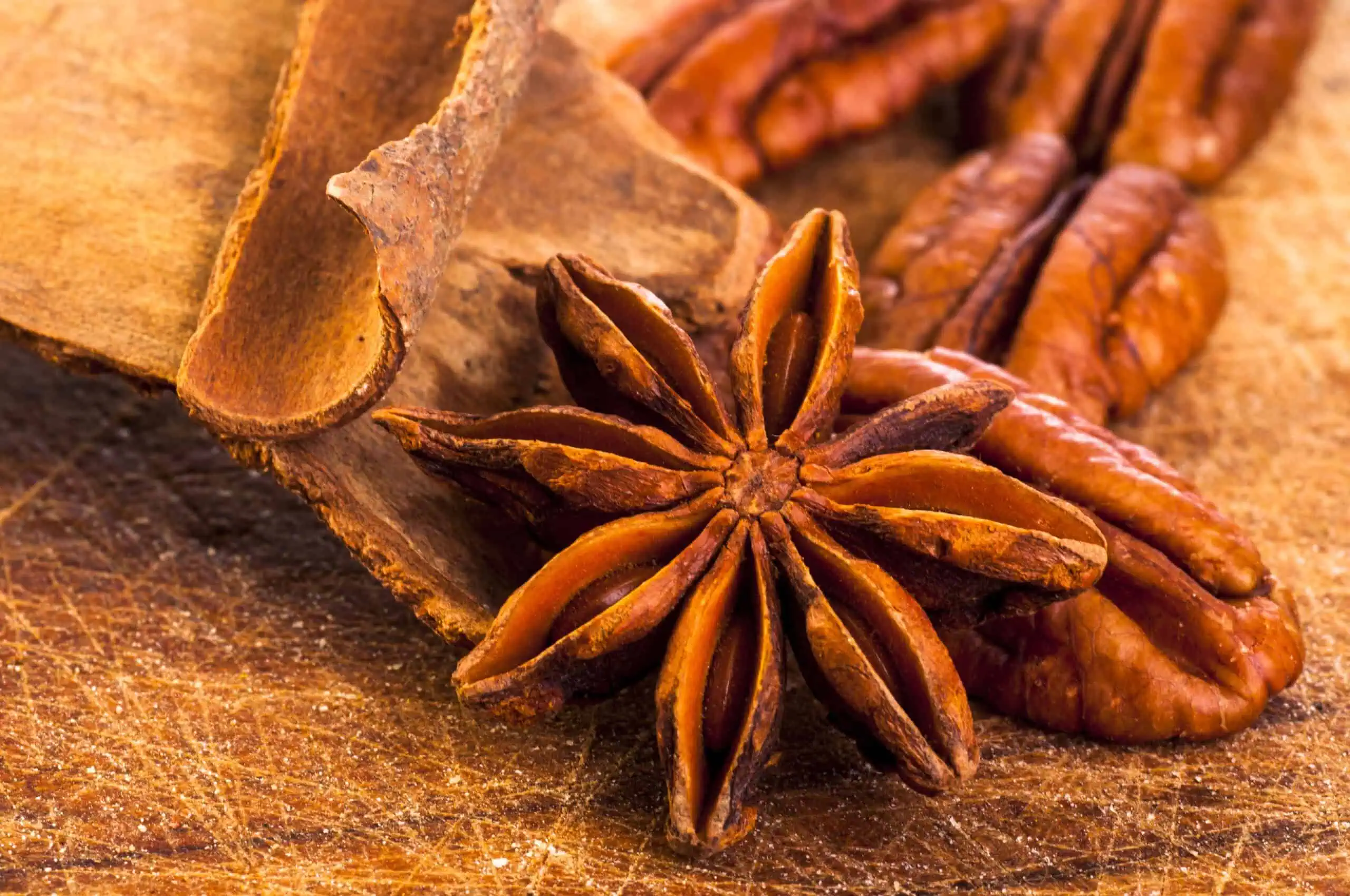
The next time you’re munching on a pecan, thank the Algonquian speakers—our word for it came from pakani or something close, which originally meant a nut you had to crack with a rock. However, this word was more like a category than a singular type of nut, and the French picked it up before the word slid into English. Pecans were wild plants that native groups gathered in the fall, stored, and then used as a major food source.
Canoe
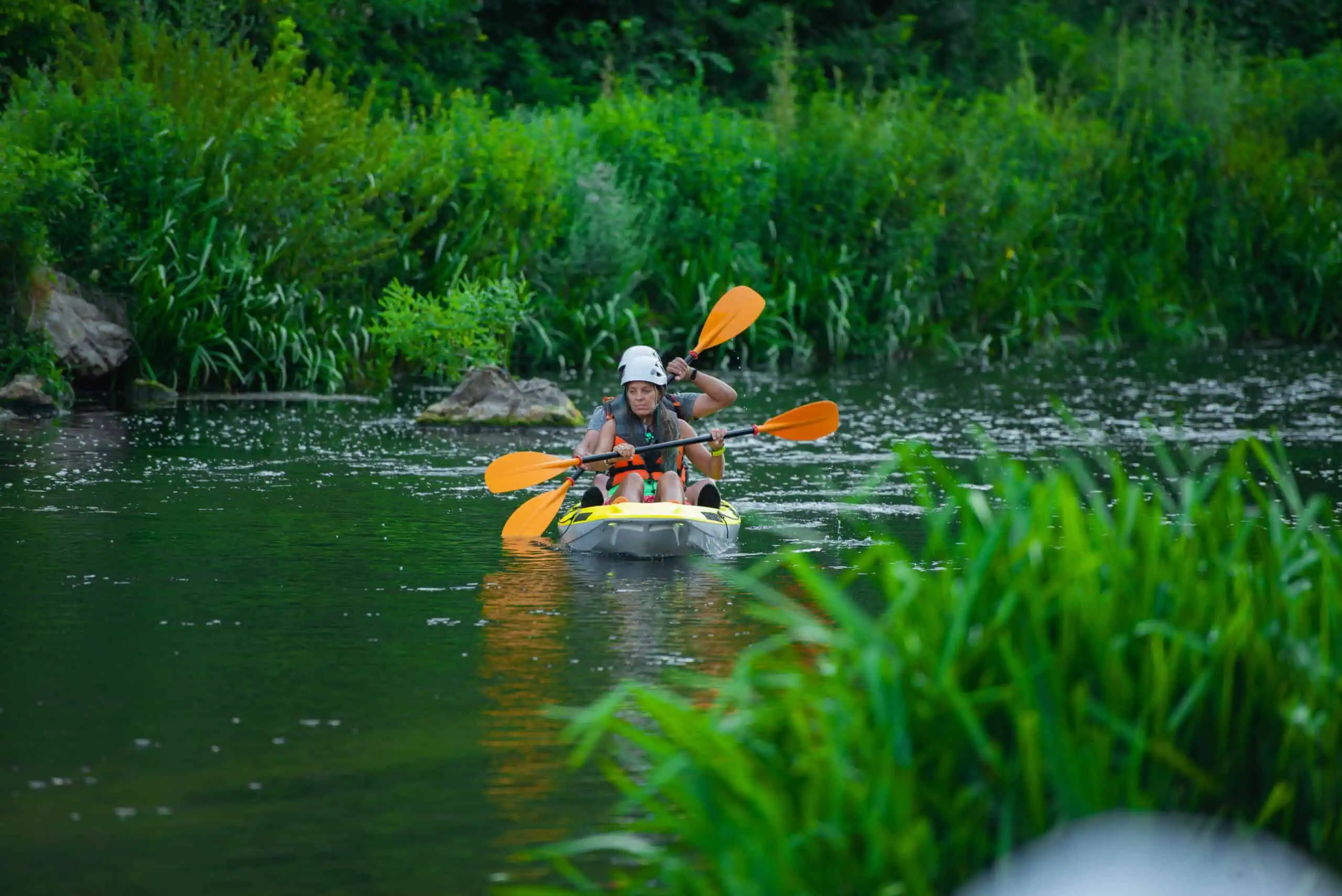
The word “canoe” didn’t even start in North America—it came from the Caribbean, specifically from the Arawakan word kanawa, which described their carved-out boats. Spanish explorers turned it into canoa, and the English eventually made it into “canoe” to describe the boats made from hollowed tree trunks. Native American people used them for fishing & traveling between islands because these boats were light enough to carry over land when they needed to.
Raccoon

The Powhatan people called the raccoon aroughcun, which is a mouthful but essentially means “one who scratches with its hands,” and early settlers in Virginia borrowed the name. They later changed the spelling to make it into “raccoon” to describe that weird little bandit with grabby paws. These animals were rather common around early settlements and they made an impression on the people rather quickly.
Hickory

Before it was the name of a tree (or a smoked flavor), “hickory” was a drink that Native people made by crushing hickory nuts to make a kind of milk called pawcohiccora. Eventually, English speakers ditched the drink part and just kept the tree name. Hickory nuts were a reliable food source for Native people because they were oily and had lots of calories—they were also easy to store. The drink was like a rich, nut-based broth that was rather important for their winter survival.
Toboggan

A “toboggan” isn’t just a sled, but rather a traditional kind of ride used by Native American tribes up north, and the word came from languages like Mi’kmaq or Abenaki—tepaqan was one version. French speakers in Canada picked it up, and from there, toboggan entered the English language, although these sleds weren’t the toys we know them as today. Native people used them for hauling firewood & game across icy terrain, and the design worked so well that people kept using it.
Chipmunk

Chipmunks got their name from the Ojibwe word ajidamoo, which meant something like “one who descends trees headfirst”—that’s exactly how these little guys move. The word went through a few spelling changes before becoming the version we use today, and people living near forests got used to seeing them all over the place. Chipmunks are rather noisy for their size and you can hear them chirp when they get annoyed.
Bayou
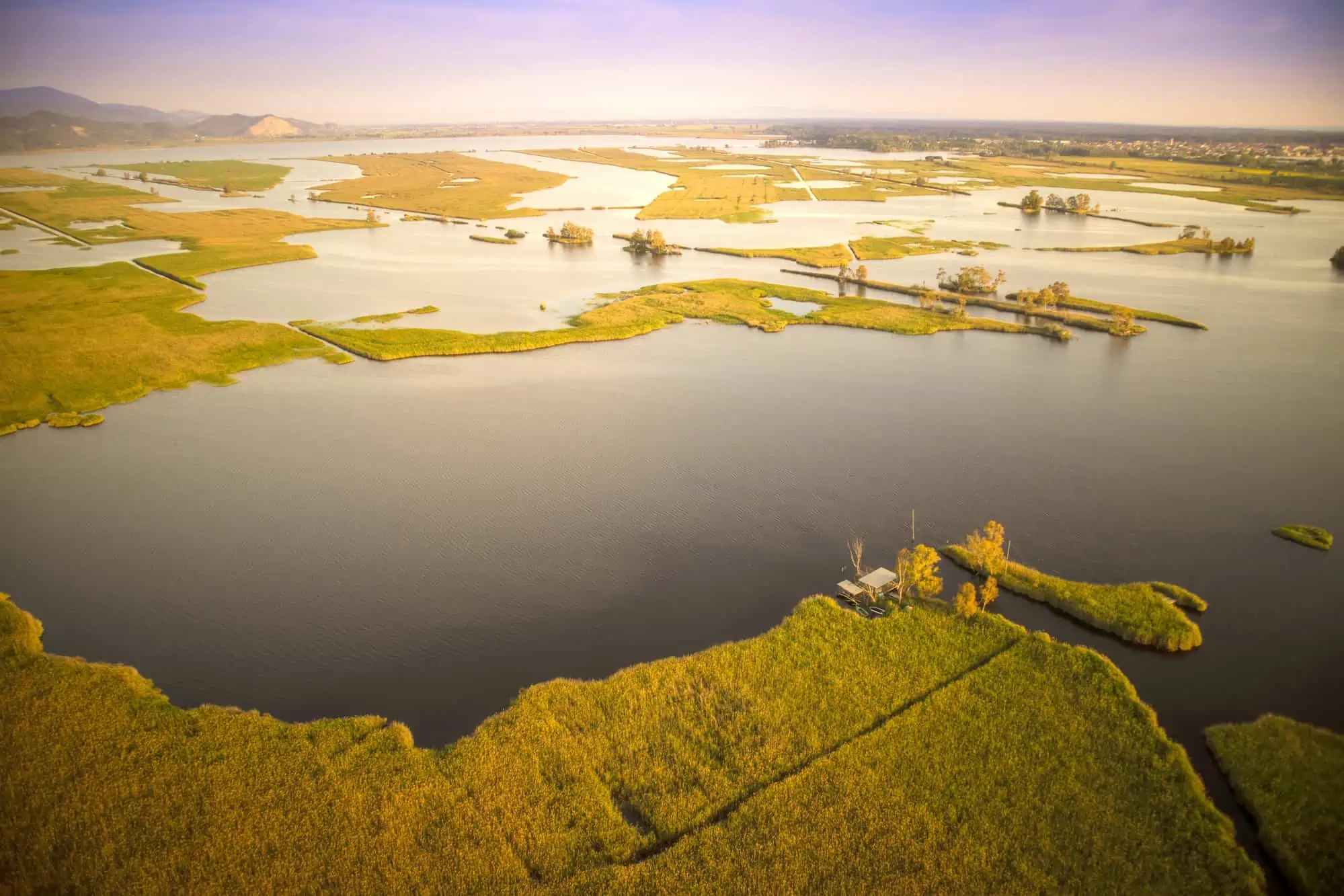
Despite what you might think, “bayou” is more than just a word for swampy Louisiana backroads, as it comes from the Choctaw word bayuk. The original word referred to a small stream or slow-moving river and French settlers took it from the local tribes, and then they started using it for the bending waterways in the South. Bayous aren’t usually fast and a lot of Cajun & Creole culture grew up around these waters—so did the word.
Powwow

Originally, pau wau was the word for a healer or medicine person in the Narragansett language, but English colonists misunderstood and thought it meant “gathering.” This misunderstanding led to powwow becoming the name for Native celebrations & cultural events, even though the word started with a very different meaning. These gatherings often involved dancing and singing, as well as many other festivities, and the tradition goes way back. It still happens today in lots of Native communities.
Tomahawk
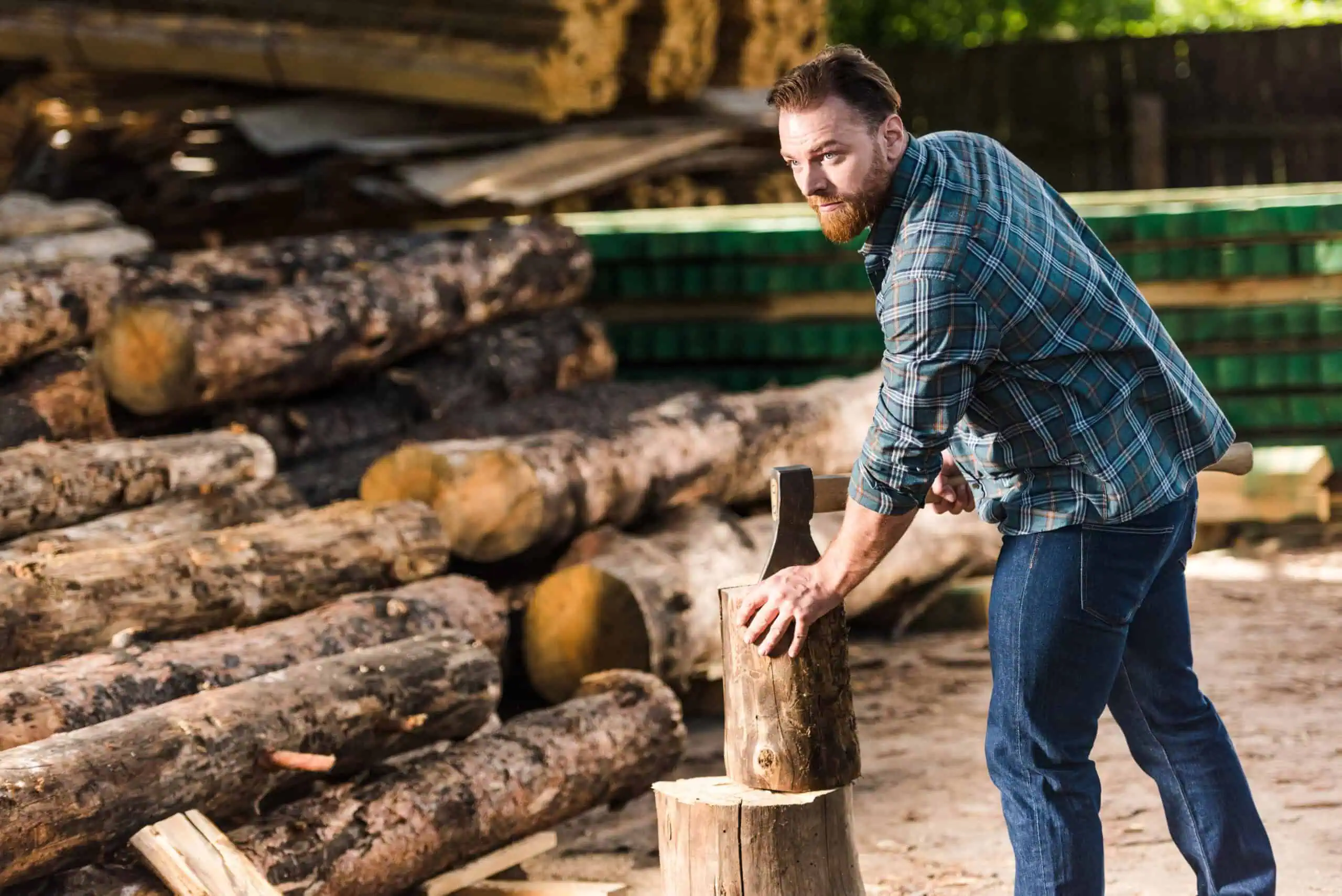
When colonists saw Native people with small axes, they picked up the Powhatan word tamahaac, which referred to a cutting tool, but not necessarily a weapon. The English turned it into “tomahawk,” and the word continued to stick around. Native Americans used these axes for chopping and everyday tasks because they were relatively light—they also became trade items between Native groups & settlers.
Quinoa
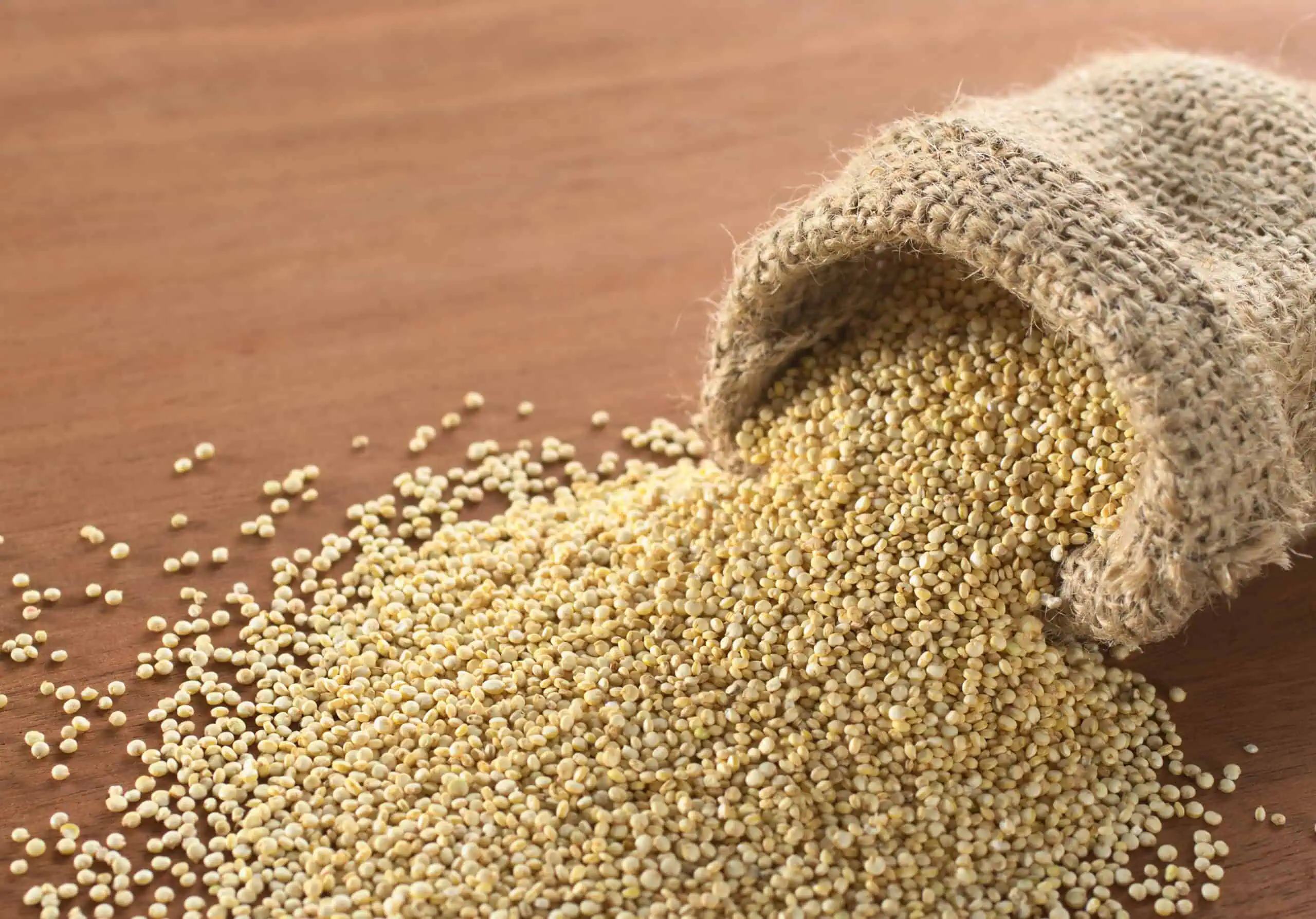
“Quinoa” is a word that comes from the Andes, rather than North America, and Native people used the Quechua word kinua long before quinoa hit health food shelves. Indigenous groups in what’s now Peru and Bolivia had been growing it for thousands of years, with the English spelling coming much later. The plant grows well at high altitudes and this made it perfect for mountain regions—people used the whole plant, sometimes the leaves too.
Moose
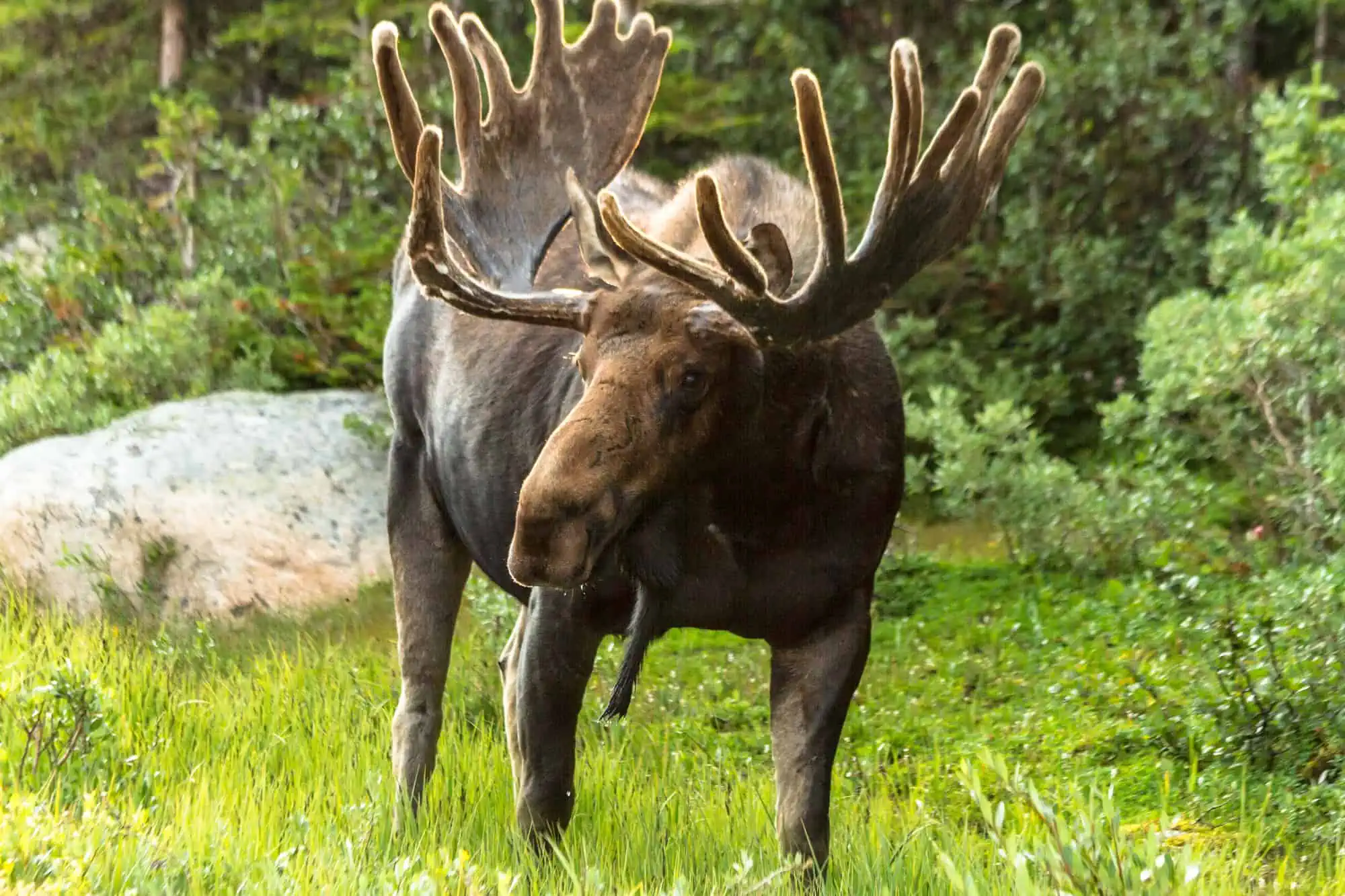
It shouldn’t be a surprise that the word “moose” came from Eastern Algonquian languages like Abenaki and Penobscot—the original word was mos, which referred to the animal’s habit of stripping bark from trees. Early New England settlers copied it to talk about those 1,000-pound animals that are native to colder forest regions. The name hasn’t really changed much since it was borrowed, which is rather rare in English.
Disclaimer: This list is solely the author’s opinion based on research and publicly available information.
Like our content? Be sure to follow us on MSN.