

Some English words sound familiar and normal—until you discover that they weren’t always that way. Many of them have German origins. “Kindergarten” and “doppelgänger” aren’t exactly secret, but they’re just the tip of the iceberg. Words have stealthily crept into English from war, food, science, and, well, fun stories. They retain their Germanic bite, even as they settle in comfortably and become indistinguishable from the rest of the language. They’re quirky or technical or just weird.
Here are 14 English words you probably didn’t know were originally German.
Featured Image Credit: IgorVetushko /Depositphotos.com.
Angst

It sounds artsy in English, but angst is the German word for anxiety or fear. In German, it refers to intense anxiety and a deep sense of dread. English speakers began using it in the 19th century, especially in psychology and philosophy. Since then, it’s been stretched to cover everything from teen angst to existential dread and general uneasiness.
Blitz

You hear it in sports and war documentaries—“the blitz” or “blitz attack.” But it comes from the German word Blitzkrieg, meaning “lightning war.” The English shortened it to just “blitz,” keeping the explosive feel. It’s now used in everything from football to advertising campaigns, but that military root is still baked into the word.
Kaput

When something is broken beyond repair, we say it’s kaput. It’s taken from the German kaputt, which means the exact same thing. It’s informal, blunt, and kind of funny—which is probably why English speakers latched onto it. It still feels a little foreign, but it’s casual enough to not sound out of place.
Rucksack

You could say backpack, but rucksack sounds a little more rugged, more outdoorsy. It’s a mashup of two German words: Rucken (back) and Sack (bag). This was a word that came over on ships with soldiers or hikers. It’s never quite gone mainstream in English, but it keeps coming back, especially in military or hiking contexts.
Wanderlust

This word has mostly kept its original German flavor. Wanderlust is a direct translation from German, where it means the strong desire to travel or wander. English adopted it, and we use it in the same way, usually in travel blogs or dreamy Instagram captions. It feels romantic in both languages—but it’s still very much a borrowed idea.
Gesundheit

People say this after someone sneezes, but most don’t realize it’s straight-up German. It literally means “health.” Germans use it the same way—as a polite reflex after a sneeze. English speakers picked it up in the early 20th century, and even though “bless you” is more common, gesundheit hasn’t gone anywhere.
Poltergeist
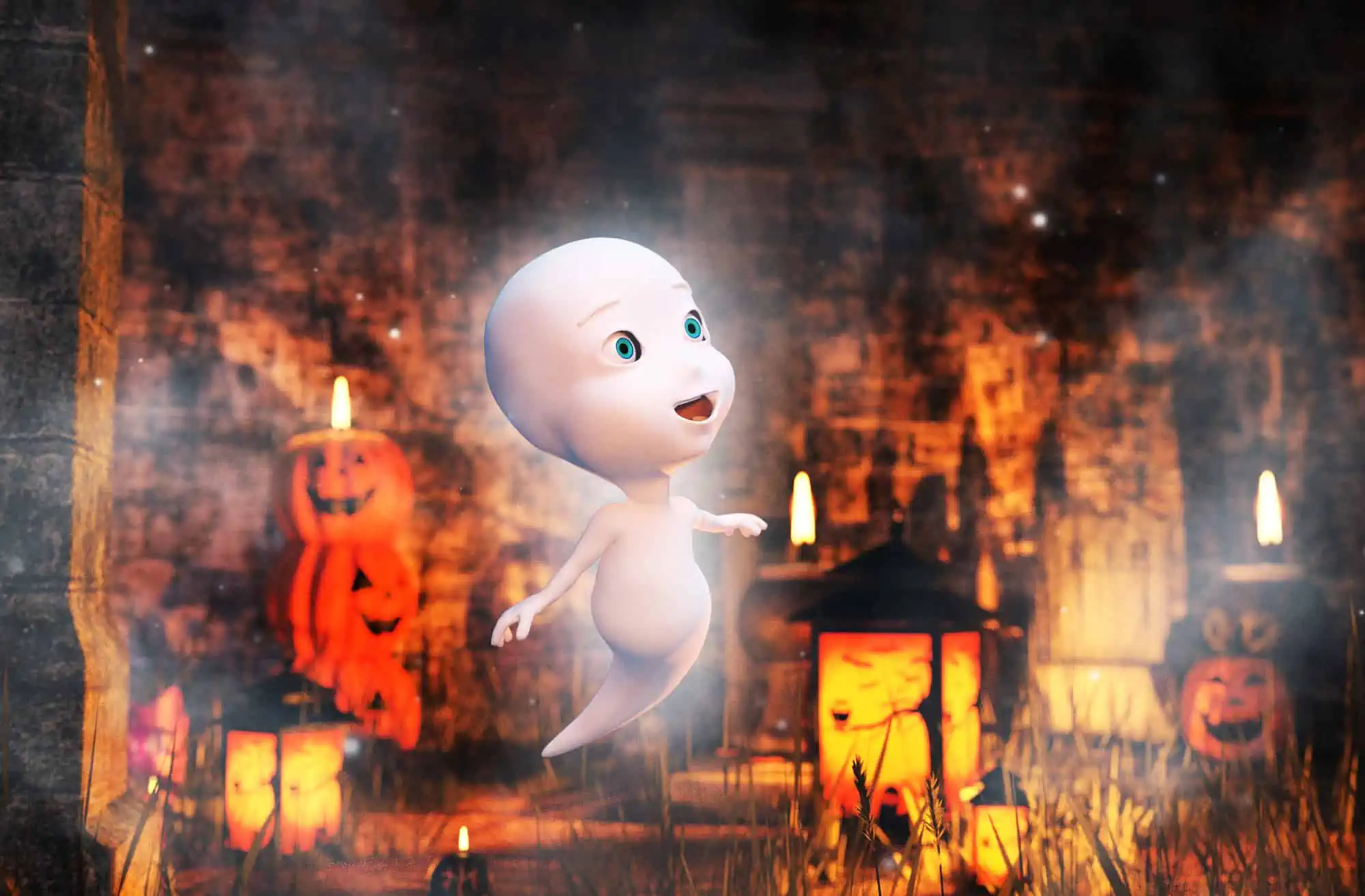
This spooky term came from German ghost stories. Poltergeist is made up of poltern (to make noise) and Geist (ghost), so it literally means “noisy ghost.” It became popular in English thanks to horror stories and paranormal films. It’s one of those words that still sounds creepy, even if you don’t know what it means.
Delikatessen

This one’s hidden inside “deli.” It comes from Delikatessen, the German word for fine or rare foods. When Jewish and German immigrants brought their food culture to the U.S., the term got shortened to “deli,” and the original word faded into the background. But that’s where it started—right in the middle of sausages and sauerkraut.
Kitsch

If something is cheap, flashy, and kind of charming, you might call it kitsch. That word came from German art slang to describe low-brow, sentimental designs. In English, it kept that same vibe, used to describe plastic flamingos, velvet paintings, or anything that’s “so bad it’s good.” It’s a word with a smirk built in.
Über

This one’s everywhere now, especially thanks to the ride-share app—but it started as a German prefix meaning “over” or “super.” English uses it to exaggerate something: über-cool, über-rich. It’s borrowed, but it’s never been fully translated, which is probably why it still feels punchy and modern.
Leitmotif

In music, this term refers to a recurring theme that shows up again and again—usually in operas or film scores. It was borrowed from German composers, particularly Wagner, who used Leitmotiv to describe the themes or melodies associated with a character, place or emotion. English borrowed it, and now it’s in all sorts of areas—music classes, political analysis, film criticism.
Flak

If you’re getting flak, it probably means you’re getting strong criticism. But the word started out as military jargon. It’s a short form of Fliegerabwehrkanone, a German anti-aircraft gun. Allied pilots popularized this shortened term during World War II. The word has persisted, even though most English speakers are unaware that it is a reference to an explosion in the sky.
Ersatz

You don’t hear it every day, but you know you need ersatz when you see it. It’s German for “replacement” or “substitute,” but in English it only refers to things that are fake or of inferior quality. It has some negative historical baggage behind it, because it often referred to items produced as stand-ins during shortages or wartime.
Schadenfreude

There really isn’t an English equivalent for this word, which is likely why it never got translated. Schadenfreude is the peculiar pleasure one takes from someone else’s misfortune. It’s a little dark, a little honest, and just precise enough to stick. English needed the word, so it didn’t bother changing it.
Disclaimer: This list is solely the author’s opinion based on research and publicly available information.
Like our content? Be sure to follow us.
