
Some skills feel grown-up. But kids are usually able to handle them way sooner than parents expect, while waiting too long will make them nervous when they finally have to try. Here are twelve everyday skills our readers recommended teaching early. Which one did you get the latest start on?
Featured Image Credit: Shutterstock.
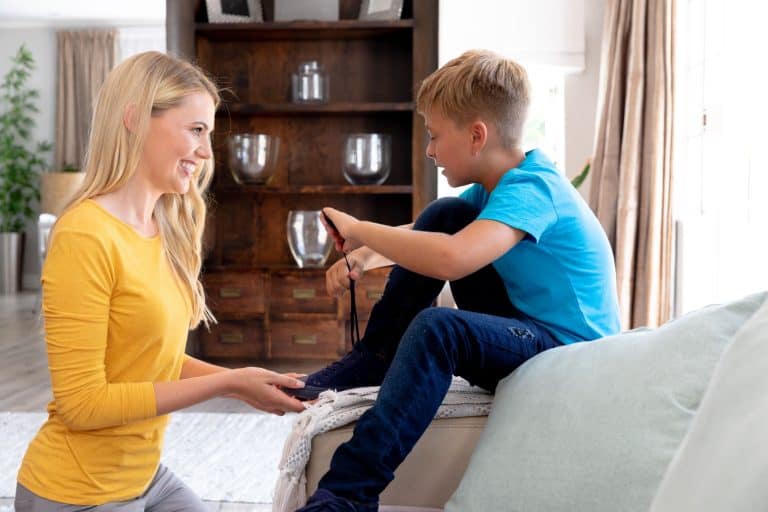
Teach shoelace tying early

Image Credit: Shutterstock.Most kids around kindergarten age are ready to get rid of Velcro, so it’s worthwhile teaching them how to tie their laces. The best way to do this is to use two colors of laces & sit on the floor with the shoes. This way, they’ll see the loops clearly. Double knots become second nature once they’ve done ten solid ties in a row.
Introduce real knife skills with the claw grip

A butter knife & a banana are where many kids start cooking. However, the claw grip is what keeps fingers safe, so try teaching them to curl their fingertips under and use their knuckles as the guide. It’ll make chopping less scary. And by 7 or 8, many of them are able to handle using a small chef’s knife, as long as the cutting board’s steady & non-slip.
Rehearse street crossing with left-right-left checks

No, crossing a street involves more than looking both ways once. The left-right-left pattern is safer, and kids need practice making eye contact with drivers to know when to cross. To do so, try walking routes together. Your kids should still cross with an adult when they’re less than 10, but knowing the routine means fewer surprises later.
Walk through laundry from sort to spin cycle

It’s time to teach your kids how to do their own laundry once the sports uniforms start to smell. And it starts with lights & darks. Cold water cycles reduce the chance of mistakes, and don’t forget to teach them about cleaning the lint filter.
Show how to clear a clog with a plunger

Toilets overflow at the worst times. So, you should teach your kids to shut off the water valve behind the toilet before grabbing the plunger. Teach them how to make a good seal with a few strong pushes. Eventually, they’ll be able to make the bowl drain without ever having to call for help.
Cook safe scrambled eggs on the stovetop

Eggs are perfect for beginners. As such, teach your kids to crack them into a bowl, using the edge of another egg shell to scoop out stray bits, & whisk with a fork. Teach them how stirring constantly keeps them soft. It’s a simple meal that’ll benefit them whenever they’re home alone.
Build water competency beyond basic lessons
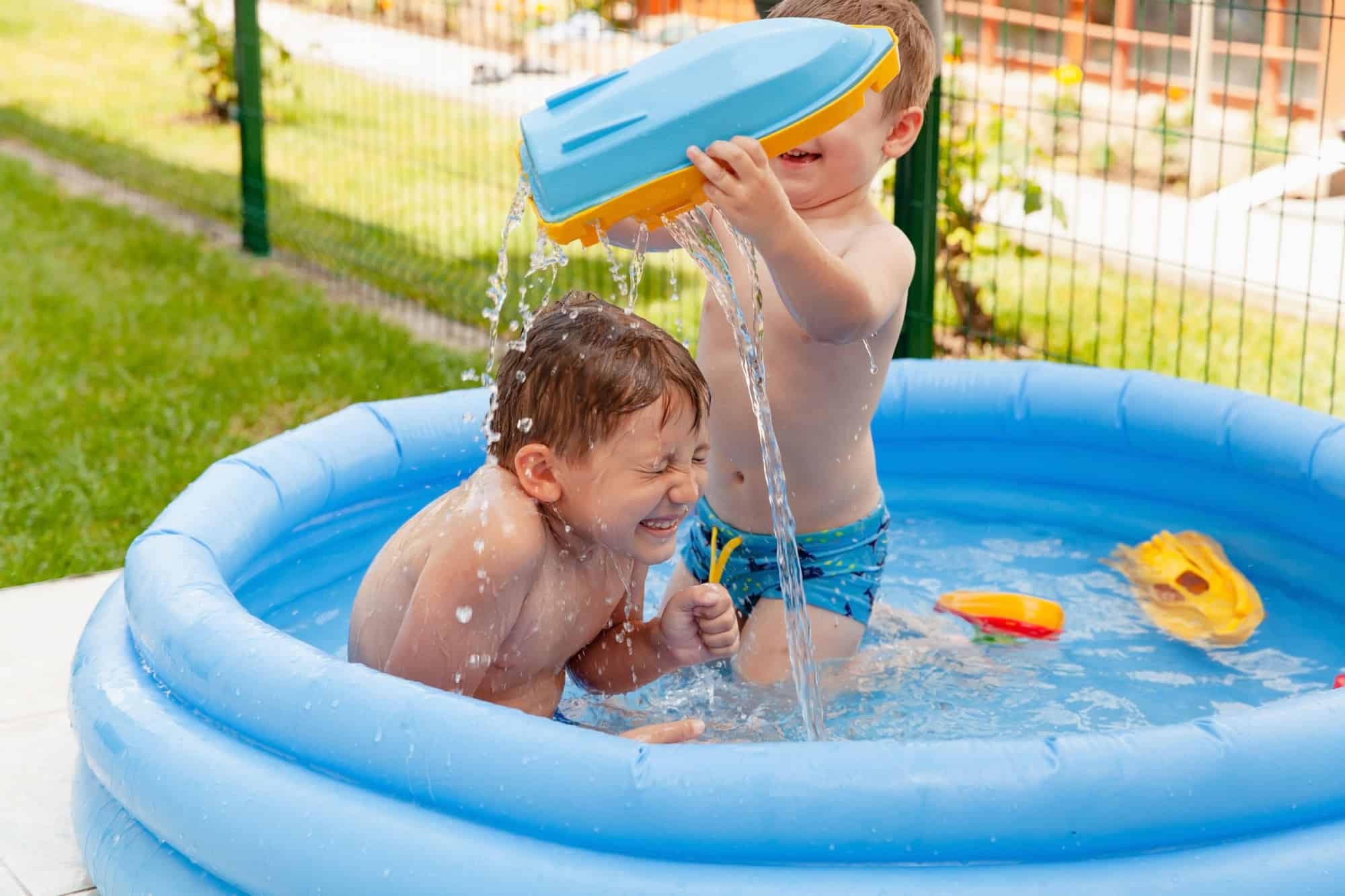
Sure, swimming helps with moving across the pool. But kids also need to practice jumping into deep water & treading for a full minute, as well as swimming 25 yards nonstop. Rolling onto the back to catch a breath is another important lesson for your kids. Of course, the most confident swimmers still need an adult close by, especially when they’re under age five.
Practice in-store money handling and sales tax

Letting kids hand over cash at the counter gives them a better sense of what things actually cost. When they’re able to figure out the tax estimate in their head, they’ll start seeing how expensive small purchases can be. Counting change back into their own hand also helps build their confidence. How useful is that?
Teach first aid steps for cuts and burns

Unfortunately, cuts & burns happen when you least expect them, which is why teaching kids the routine early is so important. It takes away the panic. They’ll know how to rinse, press, cover, and cool without having to wait for an adult. Best of all, they won’t freeze up during those bigger moments.
Train bike control and clear hand signals

It’s never too early to get kids used to hand signals to ride with traffic. When they learn young, it becomes automatic to use the straight arm for left & bent elbow for right. Kids who practice early don’t wobble as much because they’re used to signaling while still steering, while ABC checks (air, brakes, chain) make breakdowns less likely too.
Program a thermostat with energy-smart setpoints
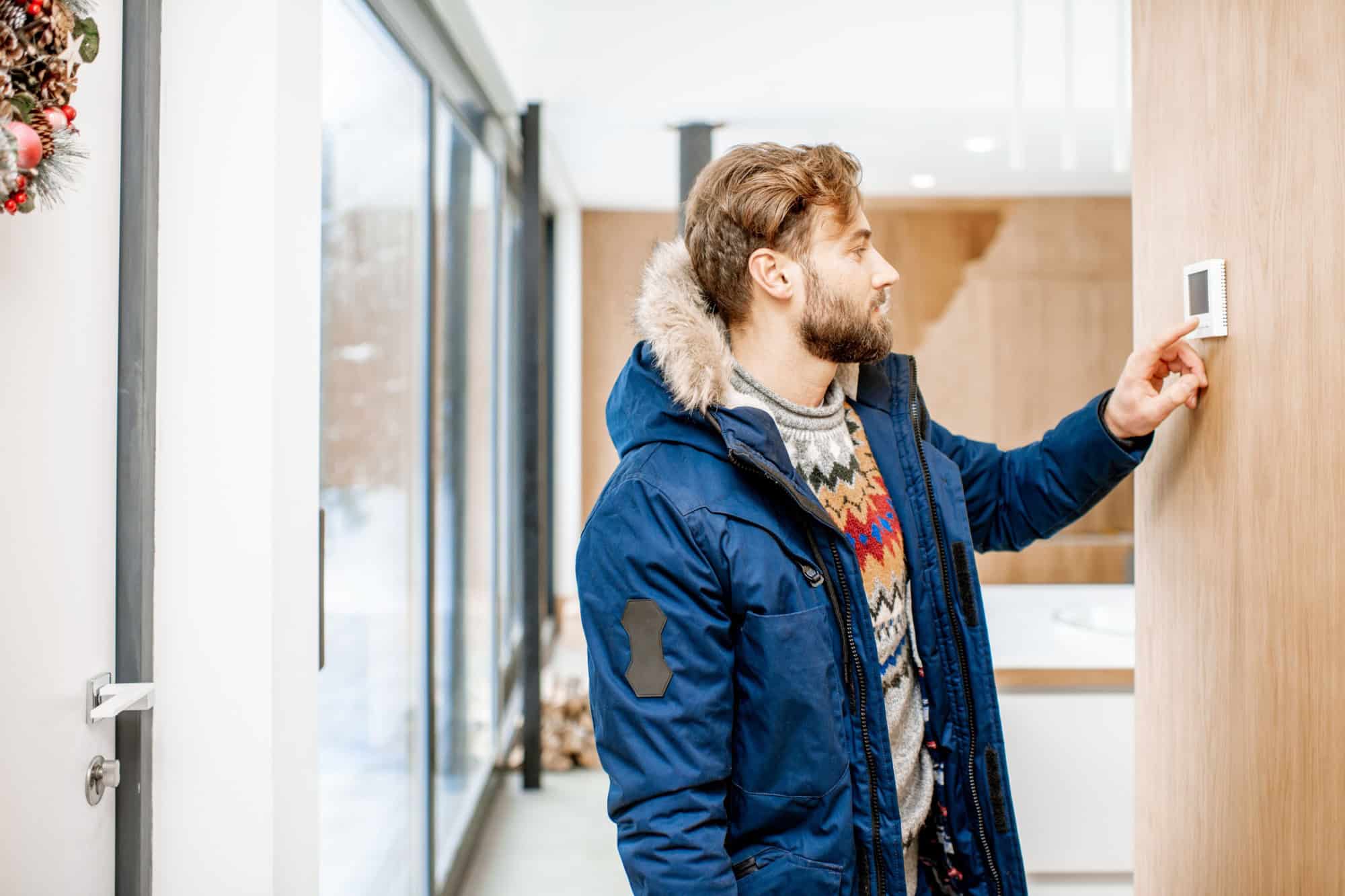
You’ll teach kids two things when you help them get familiar with thermostats. They’ll learn about comfort & that bills matter, so walk them through the daily schedule. Show them what happens when the house is left on “hold” all day. Soon enough, they’ll try programming it themselves and will be less likely to crank it to extremes, just because they’re cold.
Check tire pressure & add air correctly

A flat in the middle of nowhere isn’t the best time to figure out how a gauge works. That’s why you should teach your kids early. It’ll help PSI feel like part of car care, rather than a mystery, while showing them the label on the driver’s door will help them avoid common mistakes. Really, there’s no downside to this.
Like our content? Be sure to follow us.


