

Selling a house involves a lot more than listing it and cleaning it, especially when buyers walk through and notice stuff you stopped seeing years ago.
The number in your head

Many sellers do it without realizing it. They sit down. They add up what they owe on the mortgage and what they spent on remodeling. Now, the house is worth what they need. But buyers don’t care about your spreadsheet.
They look at houses nearby. They see what the local prices are. Any houses priced too high are going to sit for longer, and buyers notice when a listing gets stale.
The faces on the wall

You stop seeing them after a while. The wedding photo in the hallway feels normal. You don’t even notice the giant Christmas portrait over the fireplace. However, it only feels normal because it’s your house. Buyers aren’t looking for your memories.
No, they’re trying to make their own. Photos in every room remind them that someone else lives there, so it’s harder to imagine their own space. It doesn’t take much. School drawings on the fridge pull them out of the picture, too.
The smell near the outlet

The house smells a bit? Easy fix. Plug in six cinnamon-vanilla air fresheners, problem solved. But strong scents leave a bad impression. Buyers start wondering what you’re covering up instead of how nice it smells.
They’ll assume there’s a mold problem. They’ll blame the old carpet. You’re better off opening windows. You’re better off washing fabrics and finding where the smell’s actually coming from. The truth is, the plug-ins are fooling nobody.
The awkward hello

A buyer walks in. There you are, sitting at the table. You can tell them to take their time. Chances are, though, that they’re not going to, because buyers feel nervous when the seller’s there. They’ll open fewer doors. They’ll ask fewer questions.
They don’t want to peek around while the seller’s standing ten feet away, after all. Make it easier. Get yourself a coffee. Run errands. Do something, anything, so you’re somewhere else for twenty minutes.
The crowded room

It’s easy. One chair becomes two. Then you get an ottoman in there, too. It doesn’t take long for a decent-sized living space to feel tight, and buyers notice that. The furniture makes the room smaller. Sure, they won’t say it directly, but they’ll feel it.
Oversized sectionals are the biggest culprits. But so are heavy bed frames. So are benches. Decorative storage pieces? They looked good when you bought them, yet not so much anymore.
The hidden stuff

Some sellers assume buyers won’t care about closets. They shove everything inside. However, buyers absolutely open closets, and they absolutely open pantries. They’ll check the laundry cabinets. They’ll look in the linen storage.
Seeing them packed floor to ceiling isn’t exactly a good sign. No, it tells them there’s no storage. The space feels a lot smaller. There’s no reason why ten coats should be jammed onto one rod and boxes should be stacked to the ceiling.
The strong personality
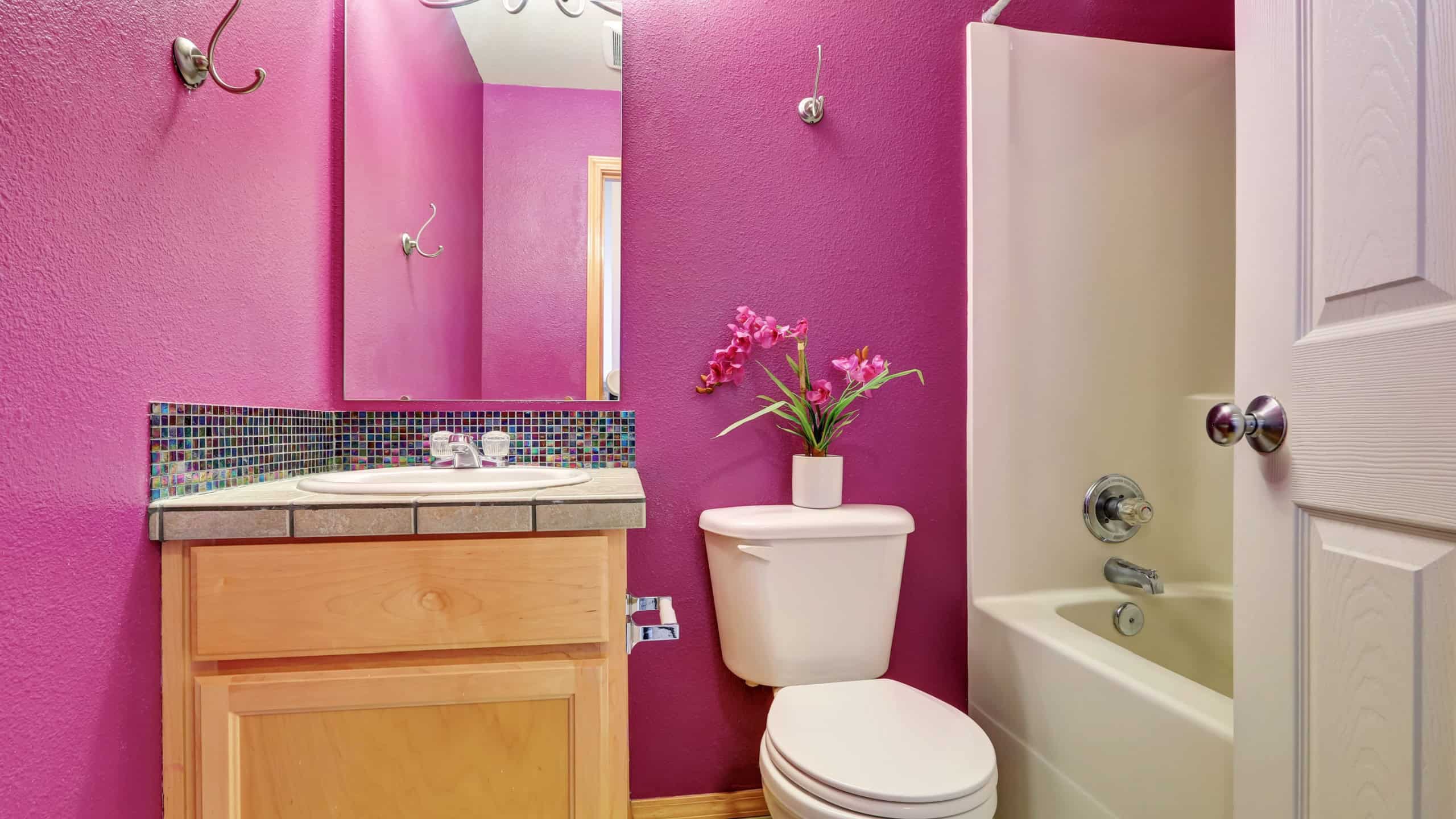
Taste is fine. You want neon game rooms? Go ahead. You want deep purple bedrooms? Suits you. It’s a different story when you’re selling, though. Buyers do mental math when they see it. Yes, they think about how much time, and effort, it’ll cost to change all that.
It’s okay for your house to feel ‘you.’ But buyers struggle to picture themselves there. They’re not going to buy a place they can’t imagine themselves in. A super-bold accent wall is enough to destroy their mental image.
The decorations that date it

Pumpkins in October are normal. So are Christmas bows in December. But when your listing still has those seasonal photos in January, it’s a different story. They make your place look older. It doesn’t matter what season it is.
Giant Easter wreaths and Fourth of July flags work the same. Fine, be festive when you want, but make sure your photos look current. Online listings live for a long time. It’s way longer than you might think.
The almost-clean version
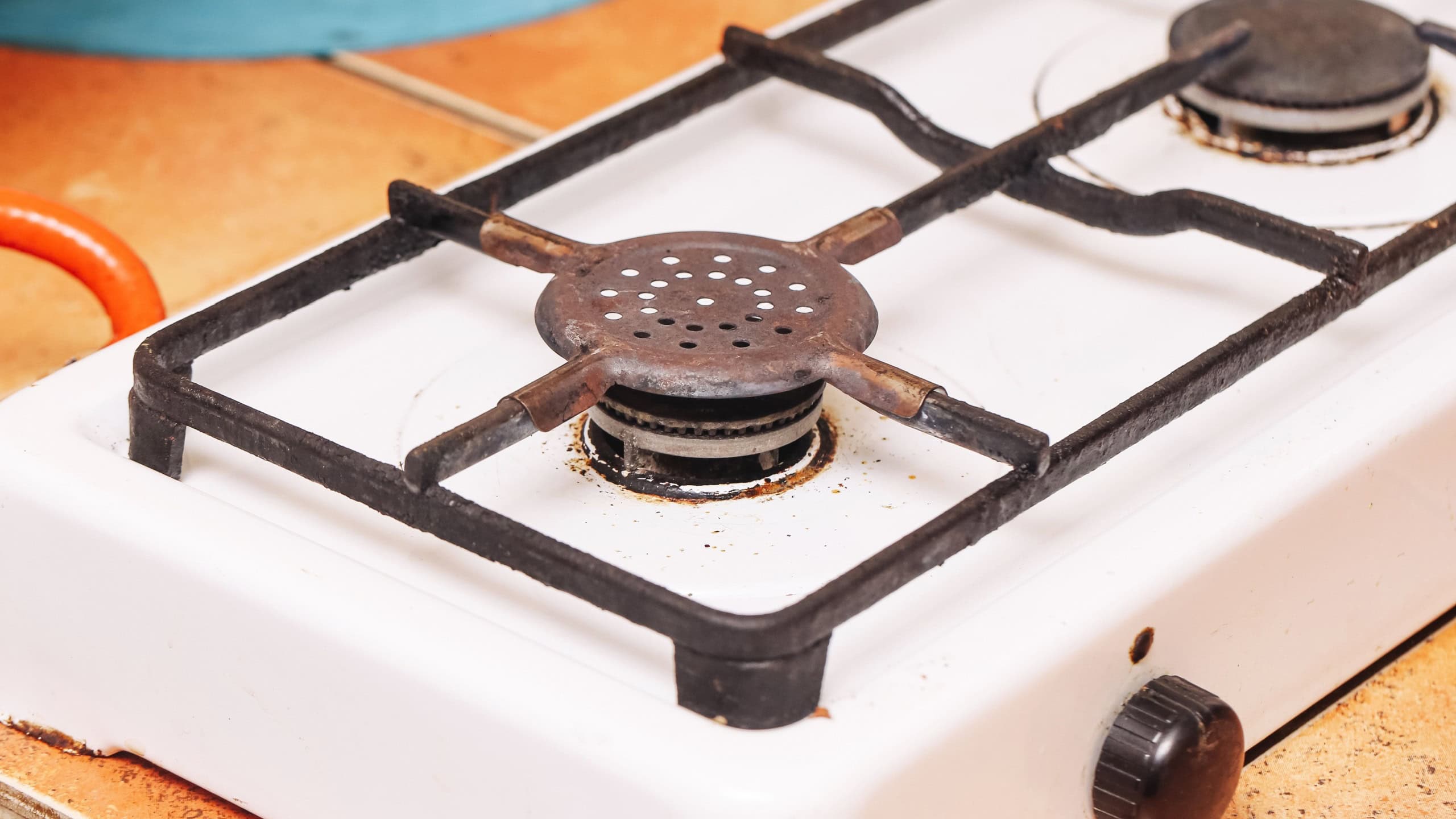
Sure, your home isn’t dirty. It’s lived-in. You’ve wiped down the counters, and the bathrooms smell fine. But buyers are critical. They’ll notice fingerprints on stainless steel. They’ll notice toothpaste marks by the sink.
The small stuff makes a difference. Yes, nobody cares about a missed detail. Twenty? Now they’re bothered. ‘Clean enough’ is fine for guests, but buyers are going to look a lot closer.
The extra layers

You want to make your home look cozy. You put down four throw blankets. You layer the rugs. Now, the room looks a lot warmer, but that’s an issue. Buyers want to see the space. They want to see the flooring, the windows, and some natural light.
Thick curtains darken the room a lot. You’ve got to let the buyers see how big the room is, and textiles don’t help with that. Make it feel comfortable, yes. But don’t make your buyers feel overwhelmed.
The weird little shuffle

Want your home to feel smaller? Try forcing people to move through an obstacle course. It’s thanks to the accent chair nobody sits in. It’s because of the giant basket in the hallway. Buyers notice every single one.
They might not say anything. However, they’ll notice when they’ve got to twist sideways to get past a bed. They’ll remember squeezing next to the kitchen island. The whole room feels way smaller.
The counter lineup
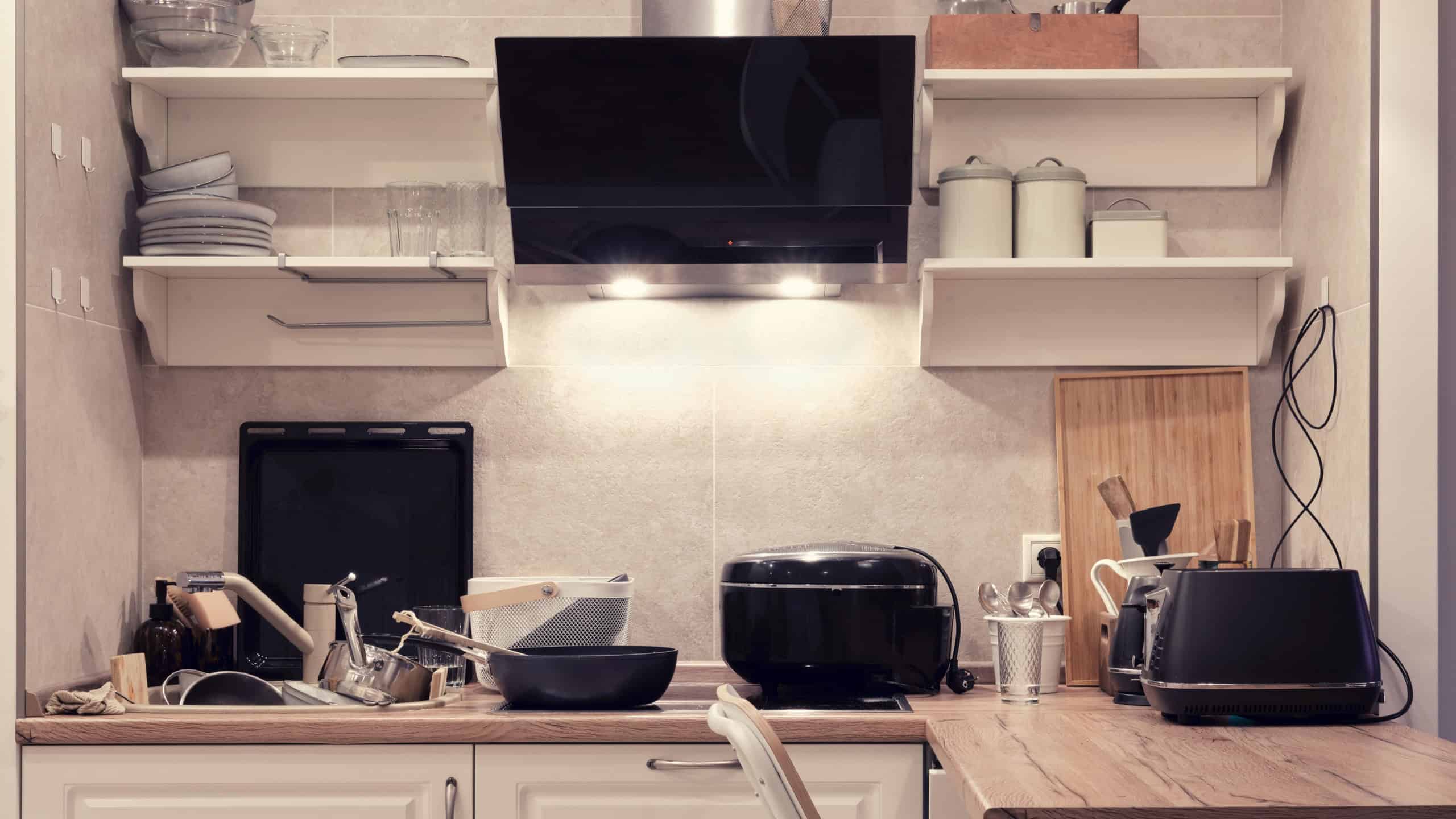
No, your kitchen isn’t cluttered. But start counting. You’ve got the coffee machine. You’ve got the toaster. Then there’s the air fryer, blender, knife block, vitamins, paper towels, and so much more. How much counter space is left? About eight inches.
Buyers don’t care how organized your appliances are. They’re thinking about where they’d prep dinner. When every surface is occupied, the kitchen feels busy, even when it’s spotless. Clear space sells better than gadgets.
The first tiny details

Buyers judge your house before they’ve got to the front steps. They’ll see crooked house numbers. They’ll see the mailbox leaning to the left. Don’t forget the porch light full of dead bugs. No, they don’t care when it’s a few things, but they care when it’s a lot.
They see it in five seconds. Then it’s a problem. They’ll start looking for issues inside, too, and it’s all thanks to the front door. It’s doing a lot of work.
The future buyer problem

Many sellers have a running list in their head. Sure, the faucet drips a little, but only sometimes. The cabinet door closes, but only when you lift it first. The weird noise from the bathroom fan? At least it still works. Whoever buys it can deal with it.
But buyers don’t think that way. They add these little fixes up, and start thinking about whether the house is worth it. A cracked tile is three issues. Then six. Now, a $40 repair is much more expensive.
Sources: Please see here for a complete listing of all sources that were consulted in the preparation of this article.


