
Some days just feel ordinary. Your alarm goes off, and you spill the coffee, rinse, repeat. But every now and then, something strange happens that’s enough to change the country in one go. Here are eighteen choices made in a single day that completely transformed America. Who knew that one day could have such an impact?
Featured Image Credit: Shutterstock.
Eisenhower Sends the 101st Airborne to Little Rock

On September 24, 1957, President Eisenhower ordered federal troops into Arkansas. This was to make sure nine Black students could actually walk into Central High School after the governor had blocked them with the National Guard. In doing so, Eisenhower made sure that desegregation would happen. It didn’t happen “eventually,” but in fact, that day.
Nixon Ends the Draft With a Lottery

Nixon made the decision to stop using age to determine who would enter the Vietnam War. Instead, he decided to literally let fate decide. On December 1, 1969, they pulled birthdays out of a giant bowl on live TV, and if your birthday came up, you had to pack a bag. This was the first draft-by-lottery, and while it was controversial, it did change American history.
Truman Recognizes Israel in 11 Minutes

On May 14, 1948, Israel told the world it was a country, and just 11 minutes later, President Truman officially recognized the nation. His short statement instantly put America at the center of Middle East politics. Truman also became the first leader to recognize Israel, even though the State Department warned him not to do so.
Ford Pardons Nixon

One quiet Sunday morning, September 8, 1974, to be exact, Gerald Ford went on TV to drop a bombshell. He officially pardoned President Nixon for the Watergate scandal. There was no trial or legal fallout because the affair was over. It changed American history, as to some, it proved the US government wouldn’t take any responsibility for its mistakes.
Nixon Ends Bretton Woods and the Gold Standard

But that’s not all for Nixon. He appeared on TV on August 15, 1971, and revealed that the U.S. would stop backing dollars with gold. That decision ended the Bretton Woods system right then and there, as it meant the dollar would float freely. It was no longer tied to gold prices. From that point forward, the entire global economy worked under a new set of rules, so this was a decision that affected the world as much as America.
Executive Order 9066 Gets Signed
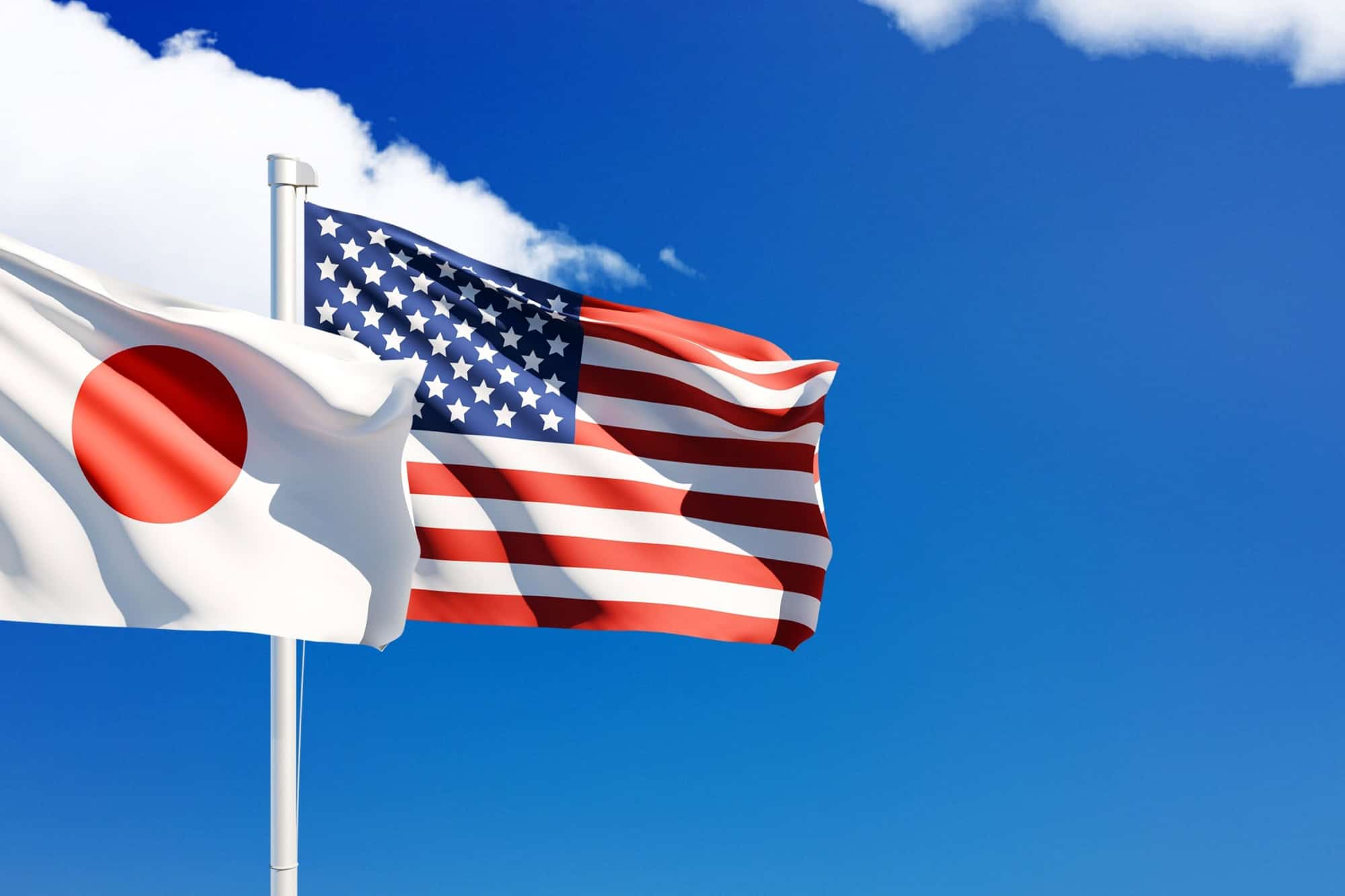
February 19, 1942, wasn’t simply another day, as it was the day that FDR signed Executive Order 9066. This gave the military authority to relocate Japanese Americans, and the government later decided who would be moved and where. Within hours, officials started preparing notices. It happened fast, and it happened everywhere.
Alaska Officially Becomes a State

On January 3, 1959, Alaska went from frozen territory to the 49th state, with a single signature from Eisenhower making it official. A few hours later, the state had two senators, one representative, and more coastline than the other 48 states combined. People in Alaska probably didn’t feel different, but on paper, it was the start of a brand-new America.
Lincoln Replaces McClellan After Antietam
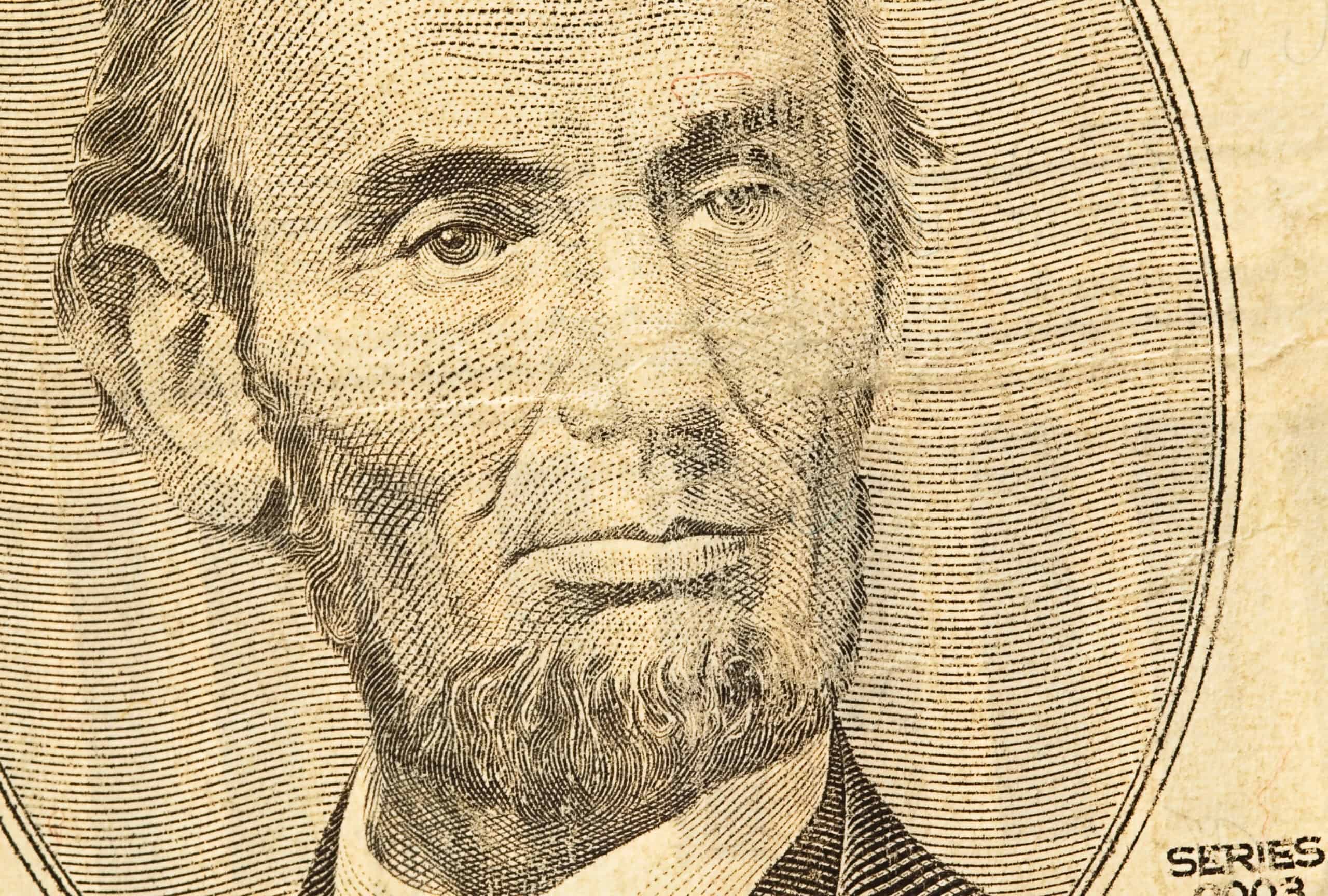
Lincoln had been losing patience with General McClellan for months, mostly because McClellan wouldn’t leave. After the Battle of Antietam, Lincoln had had enough, and on November 5, 1862, he made it official. McClellan was out, and Ambrose Burnside was his replacement. With this change came a more aggressive strategy in the Civil War, which eventually led to Emancipation.
Truman Fires General MacArthur

MacArthur disagreed with President Truman and even ignored him in public, as he wanted to bomb China during the Korean War. But Truman refused to let a general start World War III, so on April 11, 1951, Truman made the call. He kicked MacArthur out, which kept the Korean War limited and proved to America that the military didn’t run the show.
LBJ Refuses to Run For Reelection
People expected Lyndon B. Johnson to announce another campaign after his first term was up, but instead, on March 31, 1968, Johnson shocked the country on live TV. He said it was done. No more campaigning. His decision blew up the Democratic primary and changed how the U.S. handled the Vietnam War moving forward, meaning everything changed that night.
Supreme Court Decides Bush V. Gore

After weeks of ballot chaos in Florida, the Supreme Court decided to rule on December 12, 2000, that the recount had to stop. This decision locked in George W. Bush’s win, with Gore calling Bush to concede just hours later. That one-day decision picked the next president and decided the USA’s path forward.
Eisenhower Approves CIA Coup In Iran

Iran’s elected prime minister was Mohammad Mossadegh, and he had been nationalizing oil, but Eisenhower didn’t like where that was headed. On August 19, 1953, he gave the final thumbs-up for the CIA to back a coup, which went into motion that day. Mossadegh was arrested, and the Shah was put back in power. U.S.–Iran relations were never the same again.
Biden Approves Shootdown of Chinese Spy Balloon

The USA spent a few tense days watching a Chinese spy balloon float across the country until then-President Biden finally gave the shootdown order on February 4, 2023. That same afternoon, an F-22 jet took it out over the Atlantic, and the military immediately started recovering the pieces. This decision delayed talks with China, starting a whole new wave of surveillance tension between the two countries.
Jefferson Orders the Lewis and Clark Expedition to Begin

Jefferson had been preparing the Lewis and Clark mission for a while, but it wasn’t until May 14, 1803, that he gave the go-ahead. Lewis, Clark, and their crew left that same day from St. Louis. Their goal was to map the new Louisiana Territory and find a route to the Pacific. It was easily one of the most important expeditions in American history.
Polk Orders U.S. Troops Into Disputed Mexican Territory
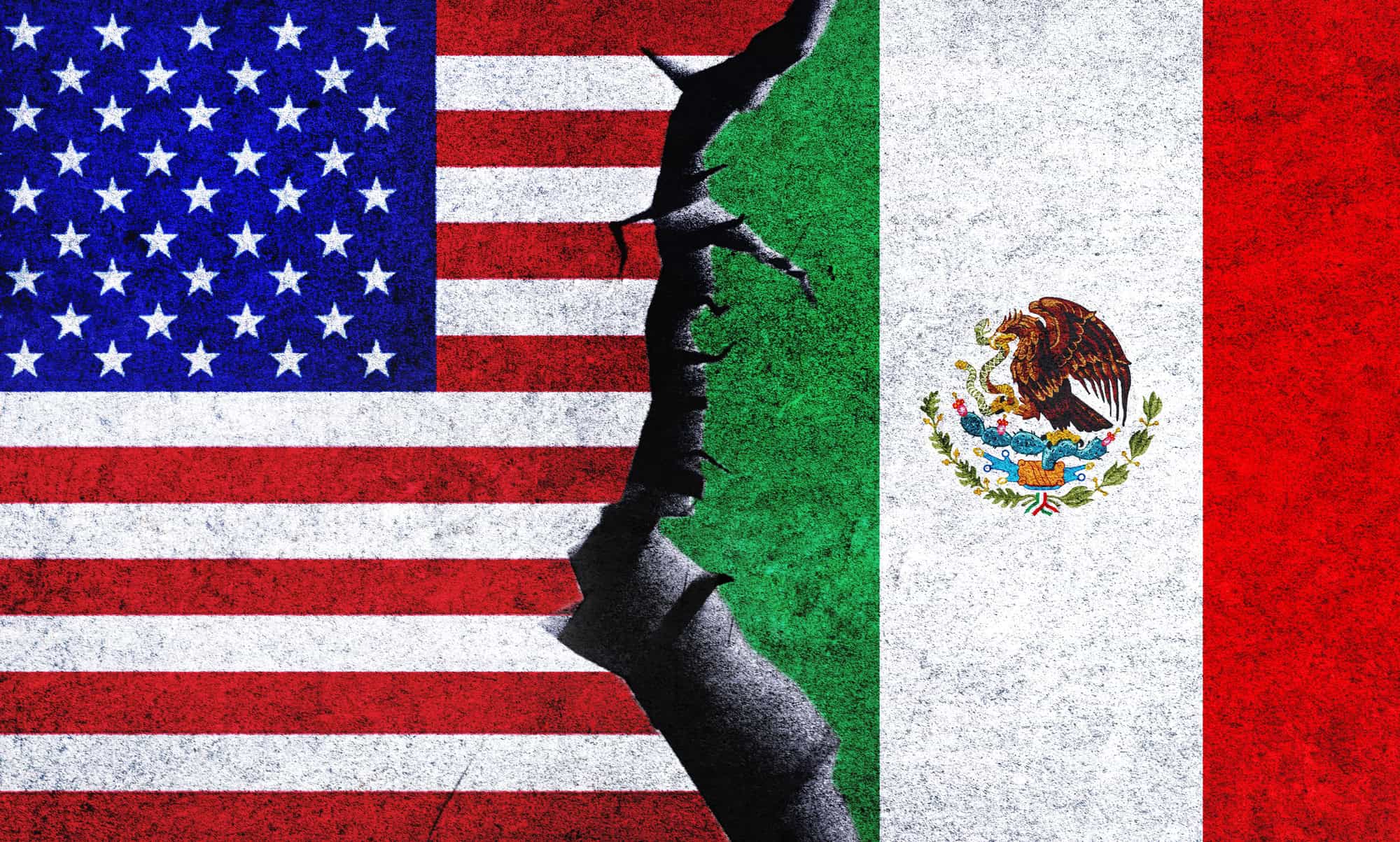
President Polk decided on March 8, 1846, that General Taylor was going to move into the disputed land between the Nueces River and the Rio Grande. The troops crossed the same day. Mexico saw it as an invasion, which led to some minor conflicts and later, a war. This single decision eventually led to the United States taking over what’s now the Southwest.
Truman Orders Atomic Bomb Dropped On Hiroshima
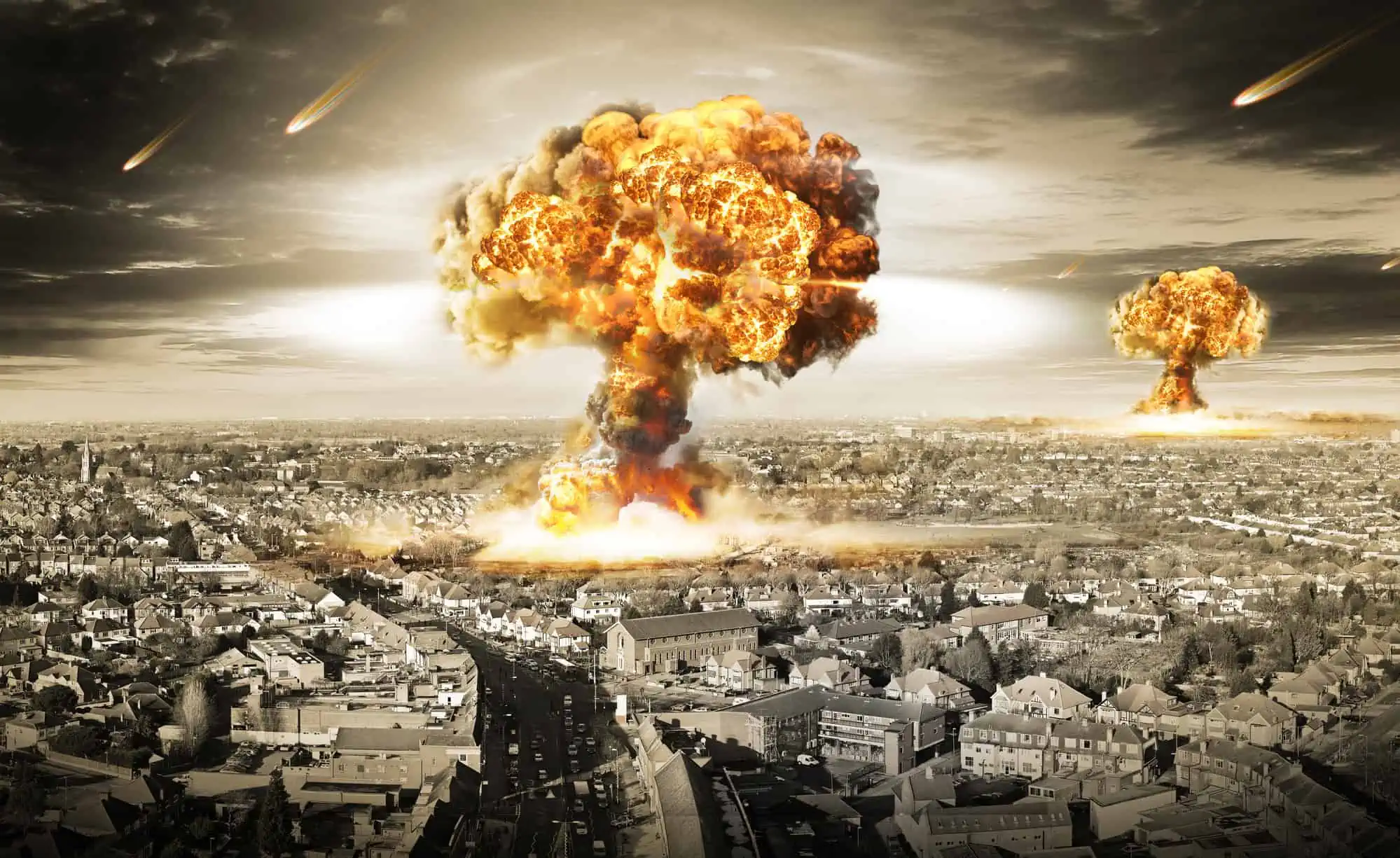
August 5, 1945, was a day that many people remember, as it was the day that President Truman gave the go-ahead for the atomic bomb. It was ready, and Japan wasn’t surrendering. The next morning, America dropped it on Hiroshima, and that decision ended the war less than two weeks later. It made the U.S. the first country to use nuclear weapons in combat.
Kennedy Chooses a Naval Blockade Over Air Strikes
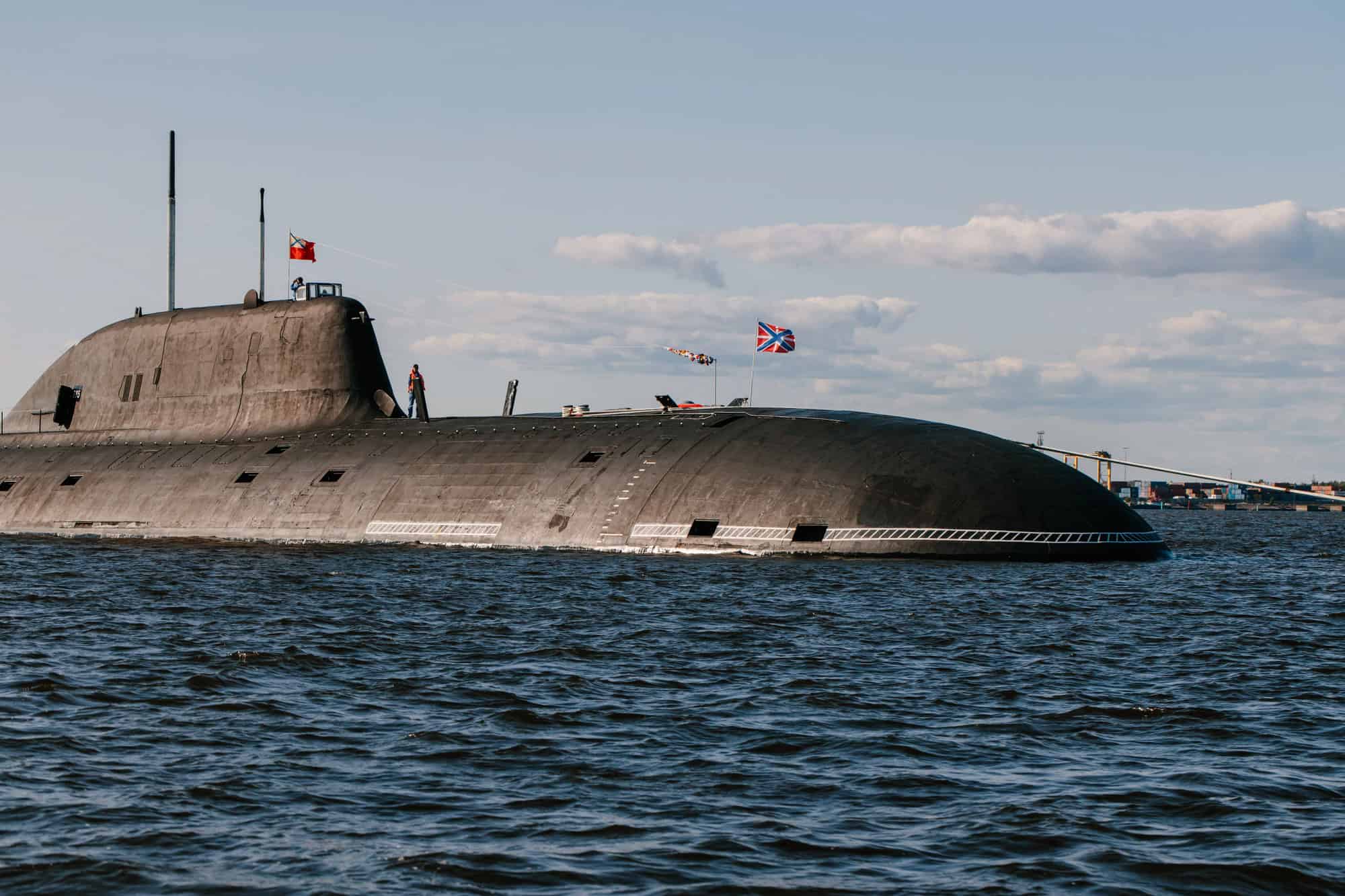
Kennedy’s advisors were split, and the pressure was on, but on October 20, 1962, JFK chose the blockade of Cuba. He went against calling for an airstrike or an invasion, instead supporting a line in the water. That one call gave the Soviets time to back down, and it probably stopped the world from going into nuclear war.
Jefferson Orders the Louisiana Purchase Deal
President Jefferson wasn’t completely sure it was constitutional, but he signed the Louisiana Purchase anyway on July 4, 1803. He made the final decision to accept it, and the territory changed hands immediately. That one call doubled the size of the country. It gave the U.S. control of a huge amount of land.
Disclaimer: This list is solely the author’s opinion based on research and publicly available information.
Like our content? Be sure to follow us.