

Small-town America has all sorts of unique traditions & quirks that, to outsiders, seem utterly bizarre. These communities have ways of life that come from their history and daily experiences that are like nothing else in America! Here are twelve customs in small-town America that outsiders don’t get. It’s quite interesting to see how differently people live life there—but there’s absolutely no shame in it!
Featured Image Credit: zoomteam /Depositphotos.com.
Waving at Everyone

It’s normal for drivers & pedestrians to wave at each other in small towns, even if they’ve never met, because it’s their way of acknowledging others. Doing so makes everything so much friendlier and outsiders might be caught off guard when strangers wave—but it’s just a neighborly habit! Everyone feels included & recognized within the community because of this habit.
Unattended Honor System Stands

You might come across roadside stands selling fresh produce or homemade goods along country roads—but with no one around. Instead, there’s a jar for money & signs listing prices because residents trust each other to pay the correct amount. They rely on an honor system that you’ll never get in the city, as people there are used to more formal transactions.
Closing Up for Local Events
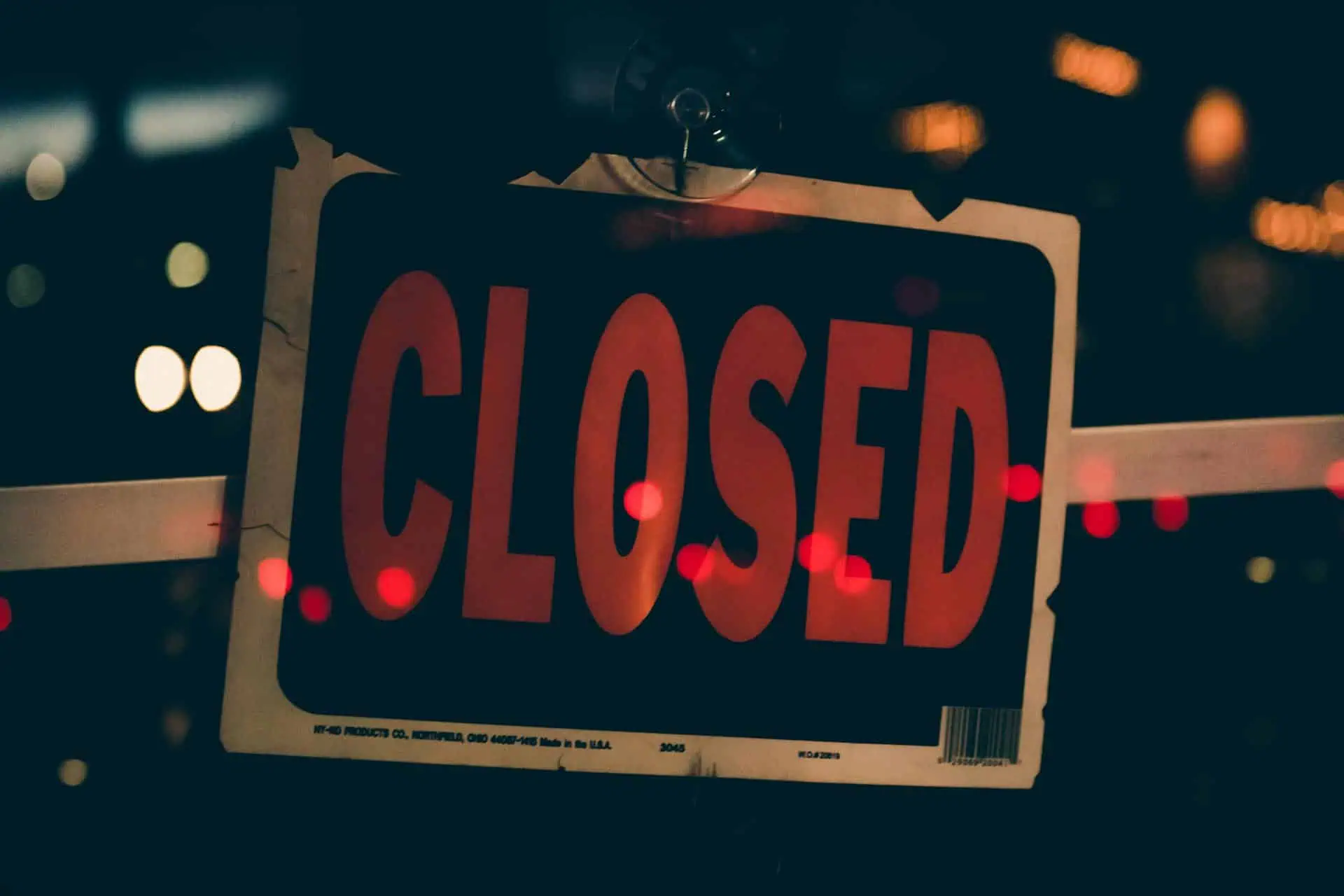
Businesses in small towns often close during important community events like high school games or annual festivals because supporting local traditions takes priority over regular hours. Any visitors might find stores have unexpectedly closed and they may not realize that the whole town has gotten together at a communal celebration. For people in small towns, togetherness & local pride are far more important than anything.
Like our content? Be sure to follow us on MSN.
Giving Directions by Landmarks

You should expect references to landmarks, instead of street names, whenever you ask for directions—locals might say, “Turn left where the old mill used to be,” or “Go past Johnson’s farm and then right.” It’s a way of understanding directions that relies on shared knowledge of the area that gets quite confusing for newcomers who don’t know these reference points. But really, you should think of it as a way of orienting that’s based on community history!
Church Potlucks as Community Centers

Churches are often more than places of worship because they’re social centers where communities get together. After services, many towns hold potluck meals where everyone brings a dish to share, giving people an opportunity to connect with neighbors & enjoy homemade food. They get to strengthen community ties in a relaxed setting and this surprises outsiders who aren’t familiar with how important these gatherings are to social life.
Volunteer Fire Department Pagers

The volunteer fire department in most small towns is staffed by residents who carry pagers and at any moment, these devices might sound an alarm—people will drop what they’re doing to respond. As such, it surprises most outsiders when they see half the patrons in a diner suddenly leave! They don’t realize these people are heading off to help in an emergency, which is a clear example of how the community members in a small town pull together.
Ringing the Bell for Volunteer Gatherings

Likewise, certain communities still have an old bell or siren to signal when they need volunteers, whether that’s for a town meeting or helping a neighbor. The sound brings people together without the need for phone calls or messages—that’s enough to confuse most outsiders! They’re surprised how effectively it works to get everyone together quickly for a common purpose.
Annual Oddball Festivals
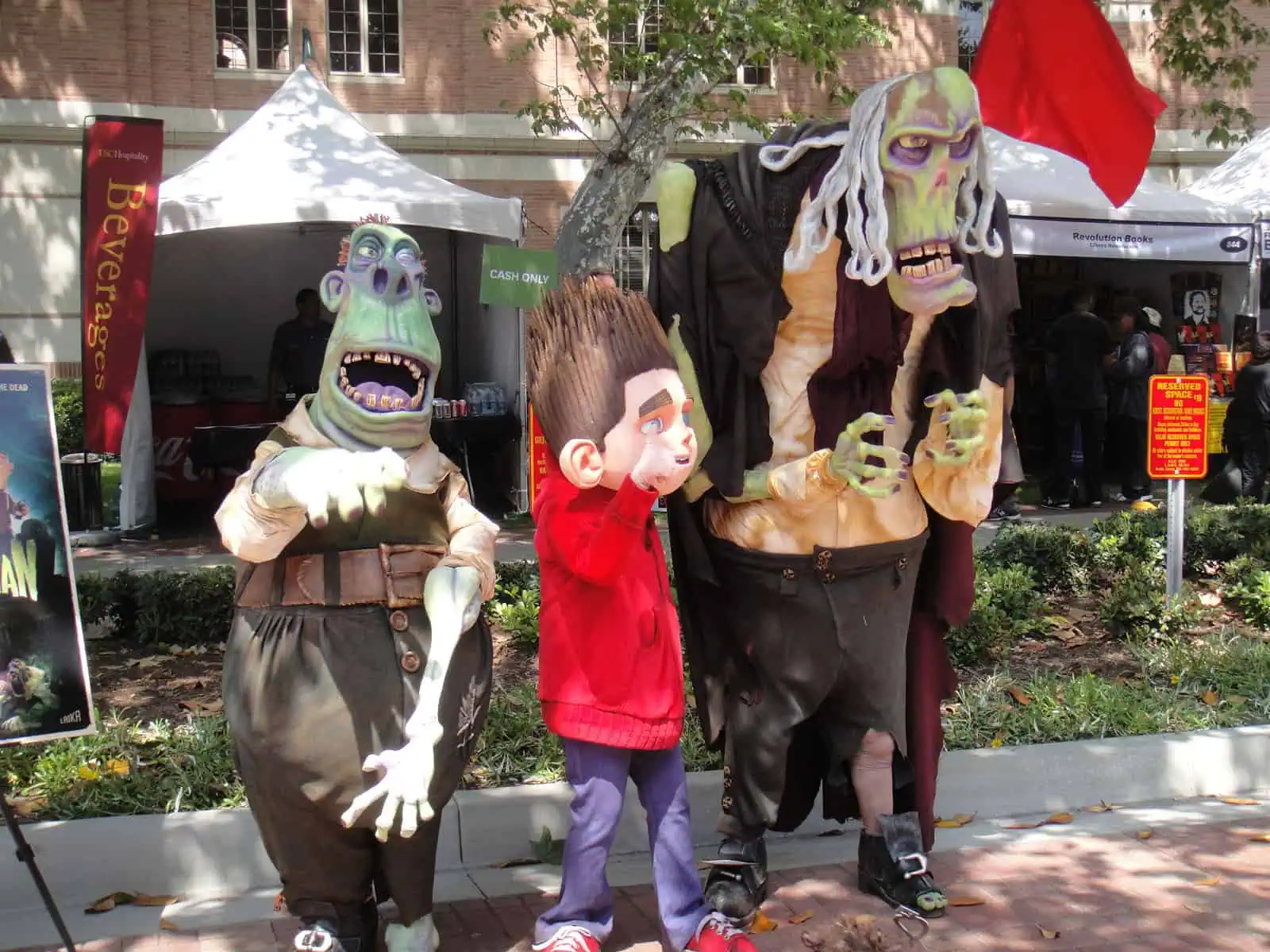
Many towns have unique festivals celebrating unusual themes, including a watermelon seed spitting contest or a squirrel hunting festival! Such events reflect local history or interests & people wait for them to come around each year, even though many visitors see these festivals as rather quirky. But for residents, they’re cherished traditions that bring everyone together for fun & celebration.
Local Radio Swap Shops
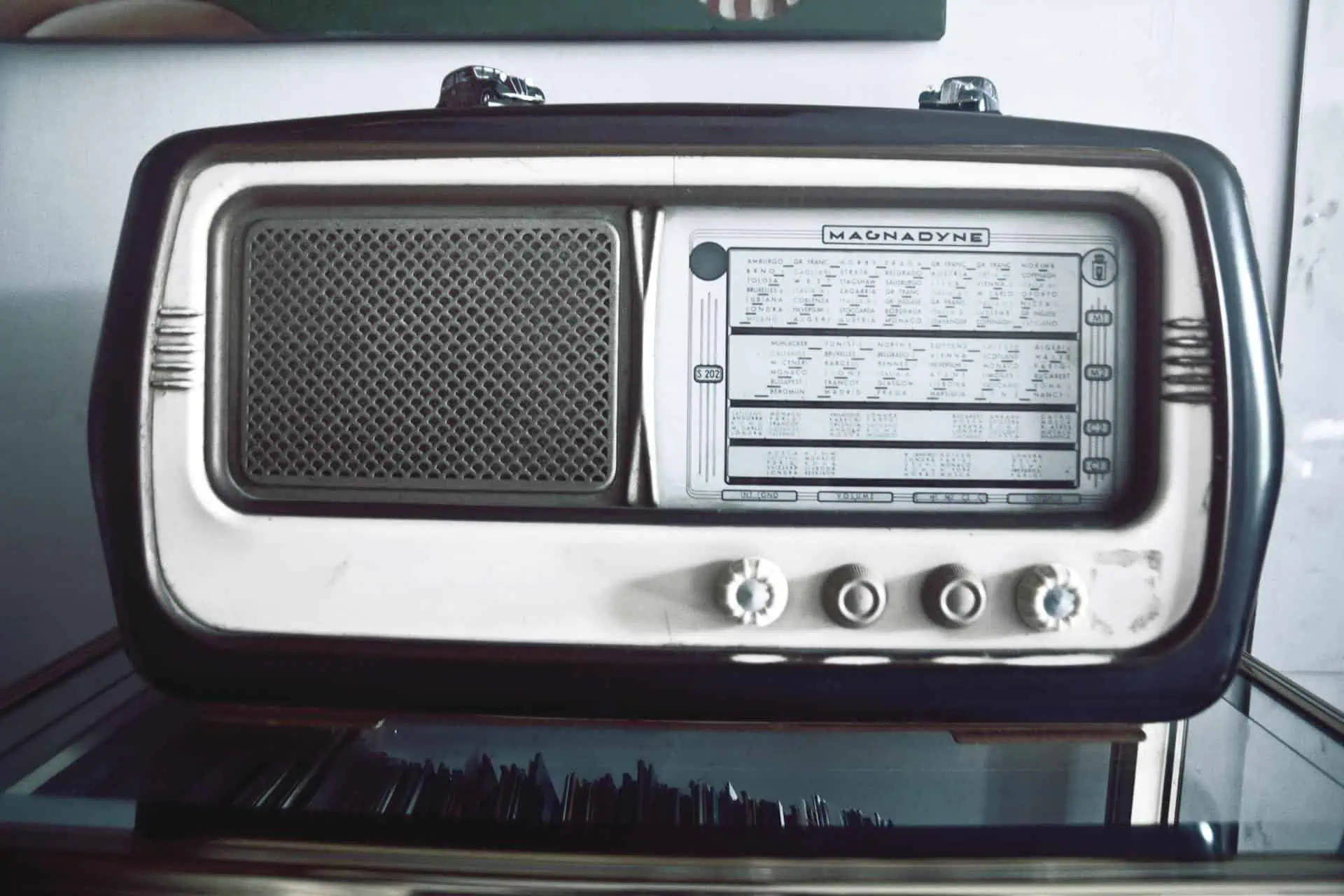
Anyone who tunes into local radio stations might hear segments where people call in to buy, sell, or trade items—like old farm equipment or homemade pies. These on-air swap shops work as kind of a community marketplace that allows residents to connect & help each other find what they need. It’s only broadcast over the local airwaves so you’re lucky if you get to hear it!
Town Bulletin Boards Over Social Media

Rather than relying solely on social media, many towns use physical bulletin boards to share information, whether that’s notices about lost pets or upcoming events. Even information about local services gets pinned up at the post office or local store—it’s a physical way of keeping everyone informed that’s also quite personal. Some might consider it old-fashioned but it remains effective in these communities.
Gift Giving of Homegrown Produce
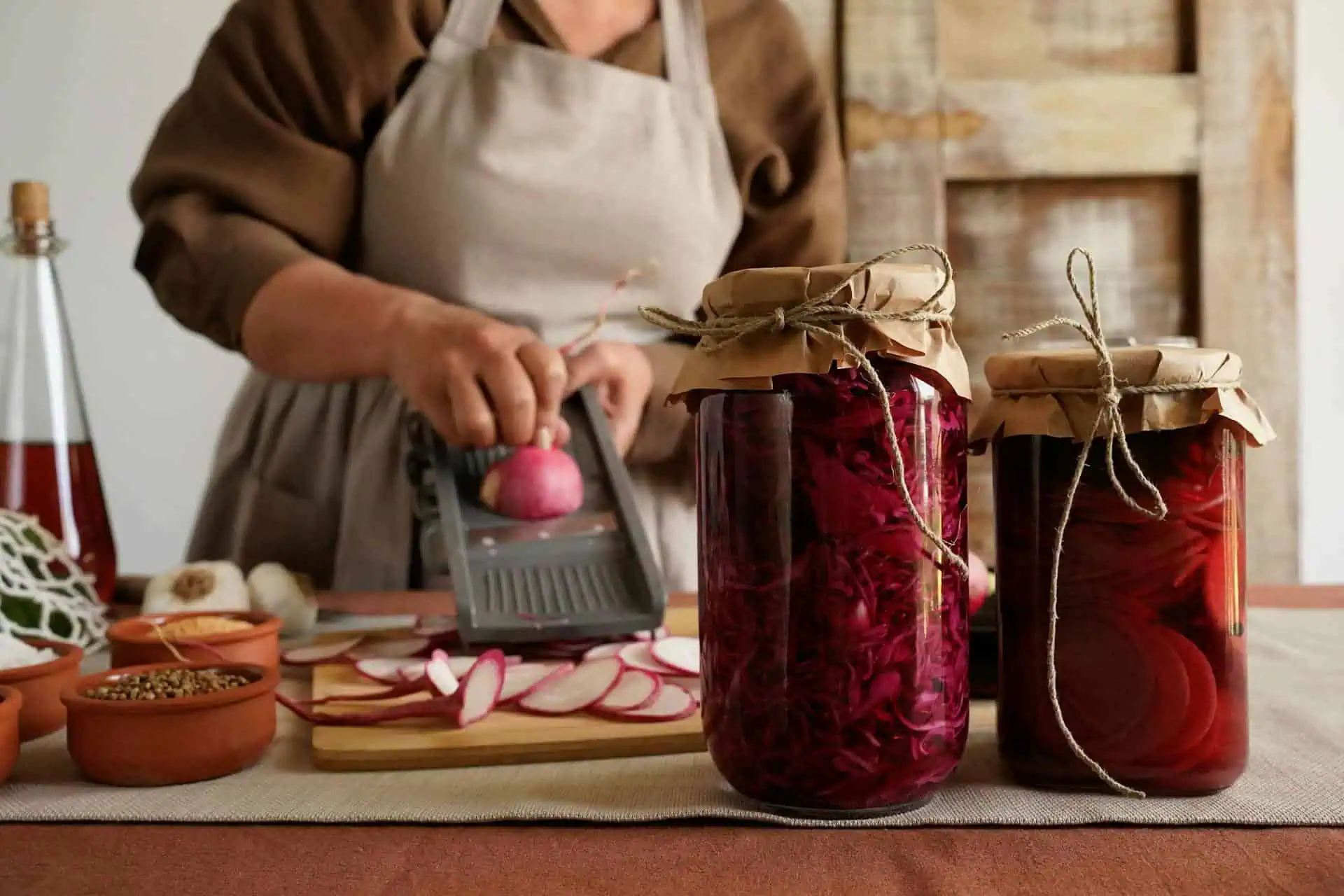
Neighbors often share the fruits (and vegetables) of their labor by giving away homegrown produce so it’s not unusual for someone to drop off extra zucchini or homemade jam. Such a practice is part of small town generosity & community that’s a pleasant surprise for those not accustomed to such neighborly gestures. But really, it’s a way of connecting and sharing abundance with your neighbors—what’s wrong with that?!
Mail Pickup at the Post Office
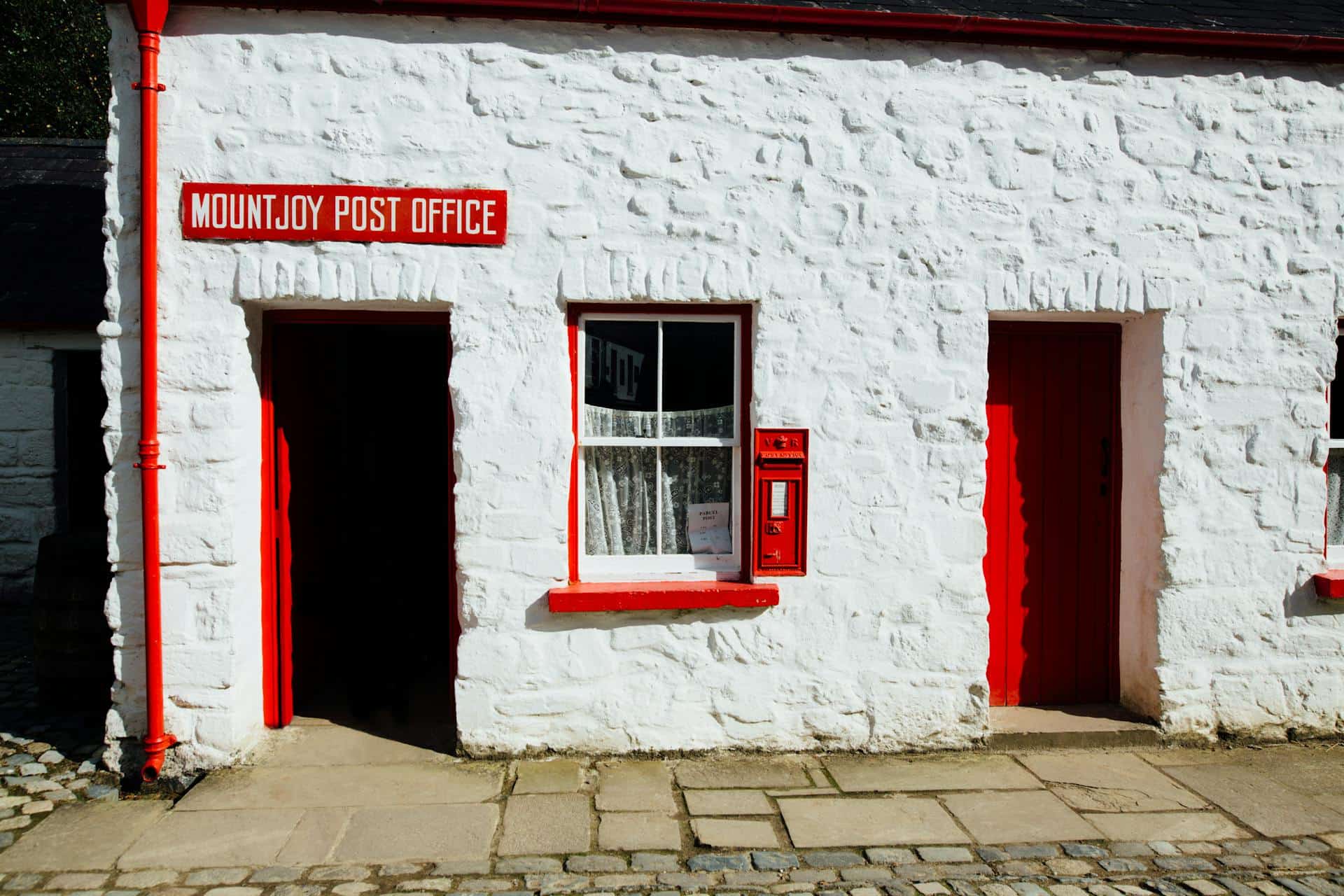
Lots of small town residents don’t have mailboxes at their homes and instead, everyone goes to the local post office to collect their mail, which turns a daily trip into a social event. People catch up, share news & stay connected in a way that outsiders see as odd since they’re used to home delivery. Yet many locals are grateful for this slightly more personal routine.
Street Dances on Main Street

Numerous small towns close off Main Street for community dances during the summer months, where local bands play music & people of all ages join in the fun. It’s a big social gathering that involves everyone coming together to enjoy live music, food—and good company. As strange as it might be to visitors, such festivals are a beloved tradition that make communities far happier.
Disclaimer: This list is solely the author’s opinion based on research and publicly available information.
Like our content? Be sure to follow us on MSN.