

College costs quite a lot in America and it doesn’t always seem that fair—especially when we think about places that charge little or nothing for tuition. Some countries allow undergrads to study for free and, if you ask any student, you’ll realize how much of a relief that is! Here are eleven countries that have free college education. In these places, people have various routes to access higher education without massive tuition bills.
Featured Image Credit: kadettmann /Depositphotos.com.
Germany’s Public University Funding

Germany removed tuition fees for most undergrad programs at public universities in 2014 so local & international students only pay around €300 to €400 a semester for administrative costs. Such a change has brought people from all over to study—it lowers the cost of a degree by a lot. Of course, some critics worry if the government’s budget is able to handle it & there are concerns about packed classrooms in high-demand subjects.
Norway’s National Budget Support

Norway covers tuition at public universities for residents & international students alike with just a small semester fee of around €100. It’s mainly funded by money earned from the country’s natural resources, although some people question if that income is sustainable enough—what if the energy market dips? Even with those concerns, Norway’s approach is a standout model.
Finland’s Tuition-Free Model
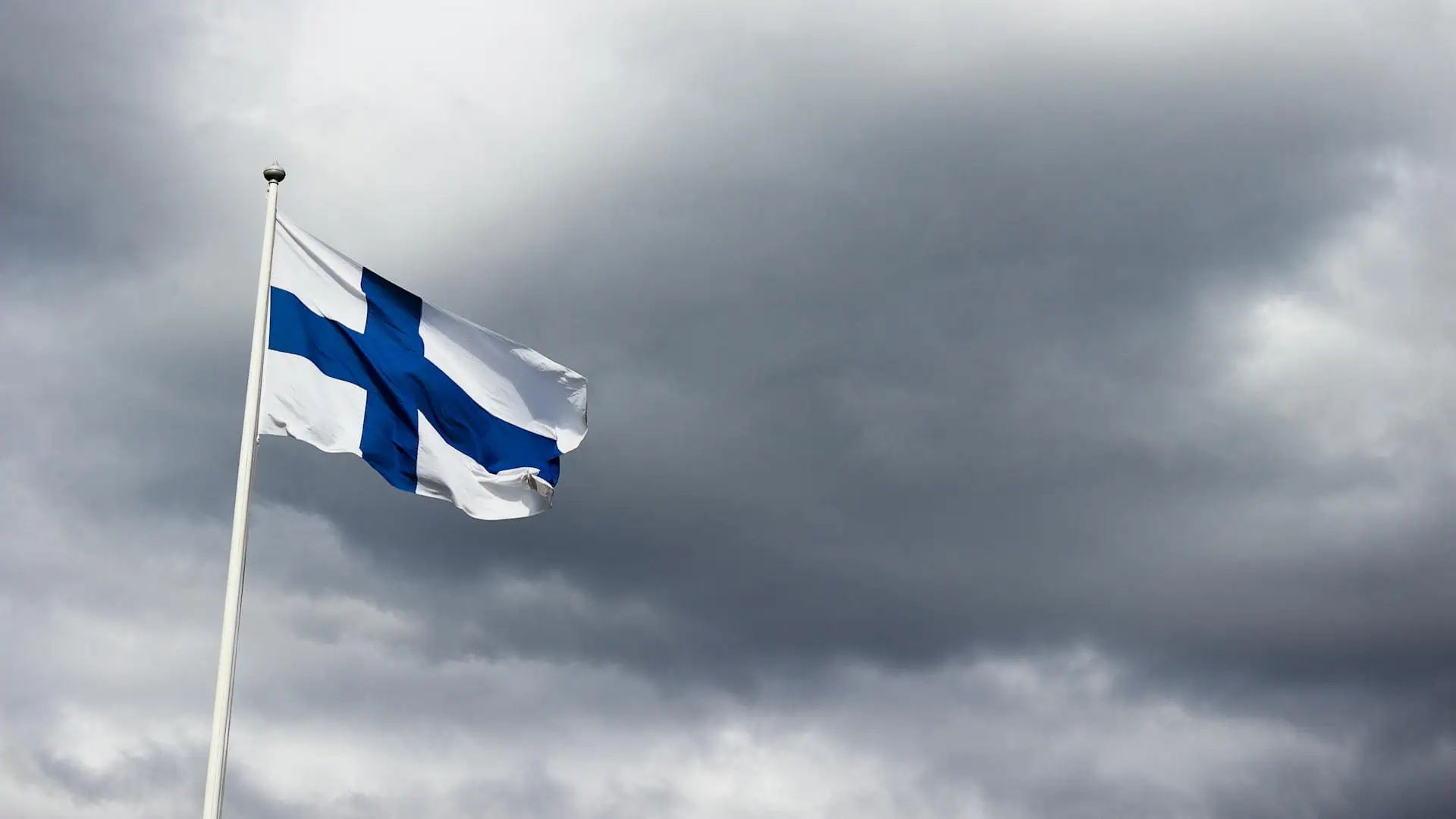
Finland doesn’t charge its citizens for undergraduate programs—it also extends free spots to EU or EEA students, although people from elsewhere generally pay tuition. There are also scholarship options that’ll reduce the cost since the government shoulders most of these costs. Of course, the number of international applicants will likely climb over time and this could cause issues for the education system.
Sweden’s Public Higher Education
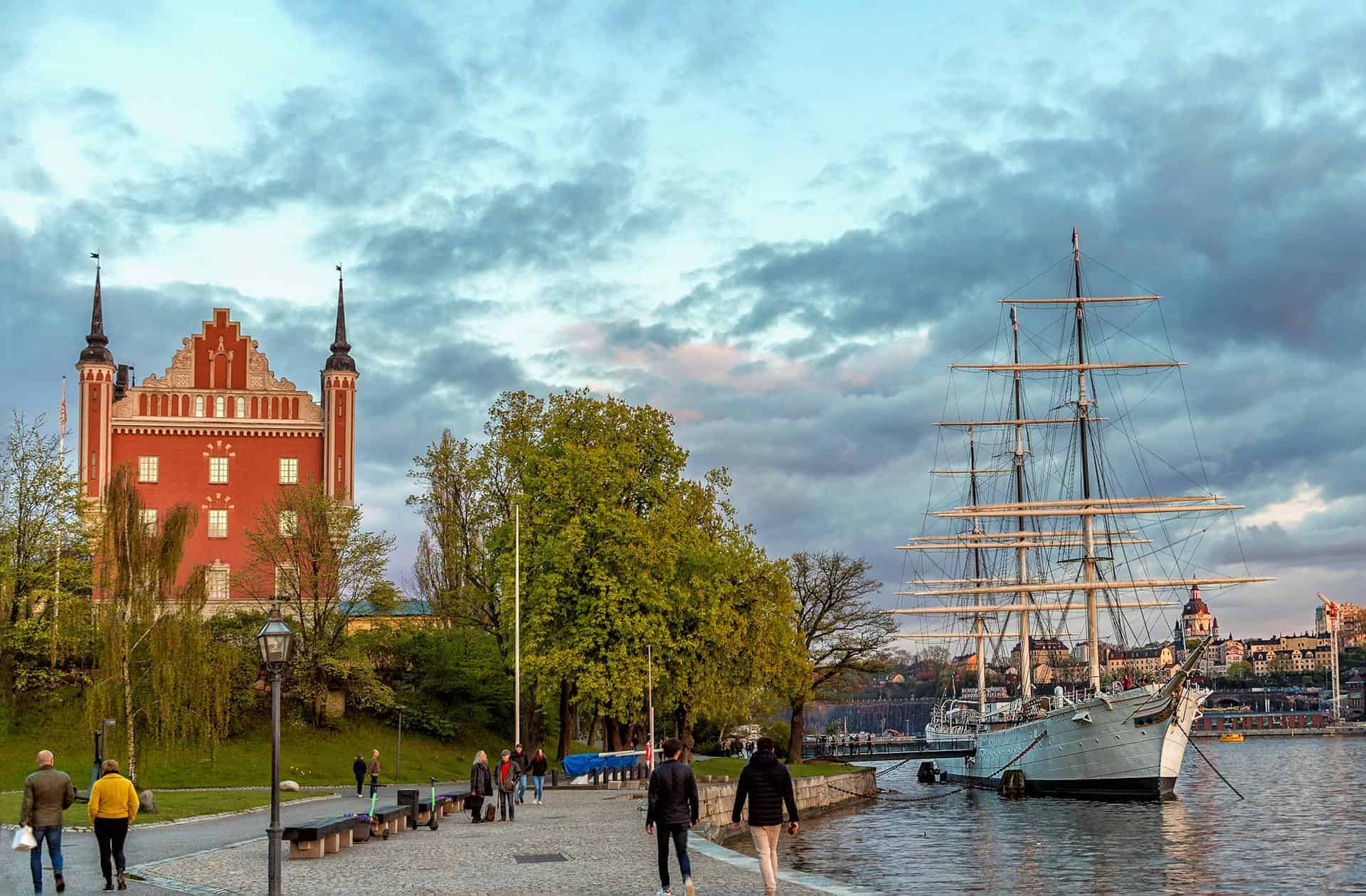
Sweden also offers free undergrad programs to residents and people from the EU or EEA, which it funds using tax money that also supports other public services. Most courses are in Swedish but plenty are available in English and students from outside the EU or EEA usually pay tuition. These help cover general university expenses & Sweden continues to attract those who’d rather avoid typical tuition fees.
Denmark’s State-Funded Universities

Denmark doesn’t charge undergrad tuition for citizens & people from the EU or EEA—instead it relies on high taxes to keep universities funded. On top of that, the country has a stipend program for local students that helps them with living expenses so they may focus on their studies. Supporters argue that such a model makes higher education more accessible for everyone but critics fear that those taxes might get too high if the economy struggles.
Slovenia’s Tuition Waivers

Slovenia doesn’t charge tuition for most public bachelor’s and master’s programs if you’re from Slovenia or another EU country. There may be small fees for enrollment or supplies but the core costs are handled by public funds, which is meant to encourage more people to enter college. However, some critics worry that any changes in the economy will make it hard for the government to keep covering everything.
Czech Republic’s Language-Based Policy

In the Czech Republic, tuition at public universities is free as long as you study in Czech and that’s enough to encourage some people to pick up the language! The government pays for Czech-language programs as a way of helping the language stay alive and many supporters think it’s a good way to promote local culture. At the same time, skeptics say the cost difference might discourage some applicants from bothering.
Luxembourg’s Targeted Free Education

Luxembourg waives tuition for its own citizens at the undergraduate level & charges reduced fees to a lot of EU students since the country pulls in tax revenue and benefits from a solid financial sector. Courses can be taught in Luxembourgish, French, German, or English—it’s whatever works for you! Such an approach is an option for anyone who wants a more affordable degree, as well as the chance to experience different languages under one roof.
Iceland’s Low-Fee Setup

Iceland’s public universities don’t charge traditional tuition but they do have a registration fee of around ISK 75,000 every year and funding mostly comes from taxes. That makes a lot of sense—the country does have fewer people than most other places & some locals think the annual fee is more manageable than full tuition. But there’s also the concern that an increase in student numbers or tighter budgets could cause problems down the road.
Mexico’s Historic Free Tuition

Mexico has offered free or very cheap tuition at public universities such as UNAM for many years—these only have small registration fees because the state handles the cost of teachers’ pay & general campus upkeep. As such, overall spending comes from nationwide funds and supporters argue that it’s especially helpful for local families on tight budgets. The country has a wide variety of programs, although free college is only available for residents.
Brazil’s Public University Access

Brazil’s federal universities don’t charge tuition because they cover expenses through public funds & tax allocations, even at famous institutions like the University of São Paulo. These universities are run by the state and operate without charging students a single dime for classes. As a result, many of these schools remain extremely popular—but you will need to know Portuguese to study for free.
Disclaimer: This list is solely the author’s opinion based on research and publicly available information.
Like our content? Be sure to follow us on MSN.


