Can you think of a world that functions entirely powered by the sun, wind, and water, leaving behind the smoke and pollution of fossil fuels? This isn’t just a distant dream anymore—some countries are already making it happen. They are taking big steps and moving to clean, renewable energy sources in their fight against global warming and climatic change.
In this article, we’ll look at 12 countries that lead in renewable energy and how they do it.
Featured Image Credit: Andersen EV /Pexels.com.
Iceland

Iceland is basically a renewable energy wonderland. With such a unique volcanic terrain, the nation uses geothermal methods to heat homes, businesses and entire streets. This forms a significant part of their energy consumption – along with hydropower, which provides nearly all the power in the country. The profusion of natural resources and small size has enabled Iceland to be a global pioneer when it comes to renewable energy.
Norway
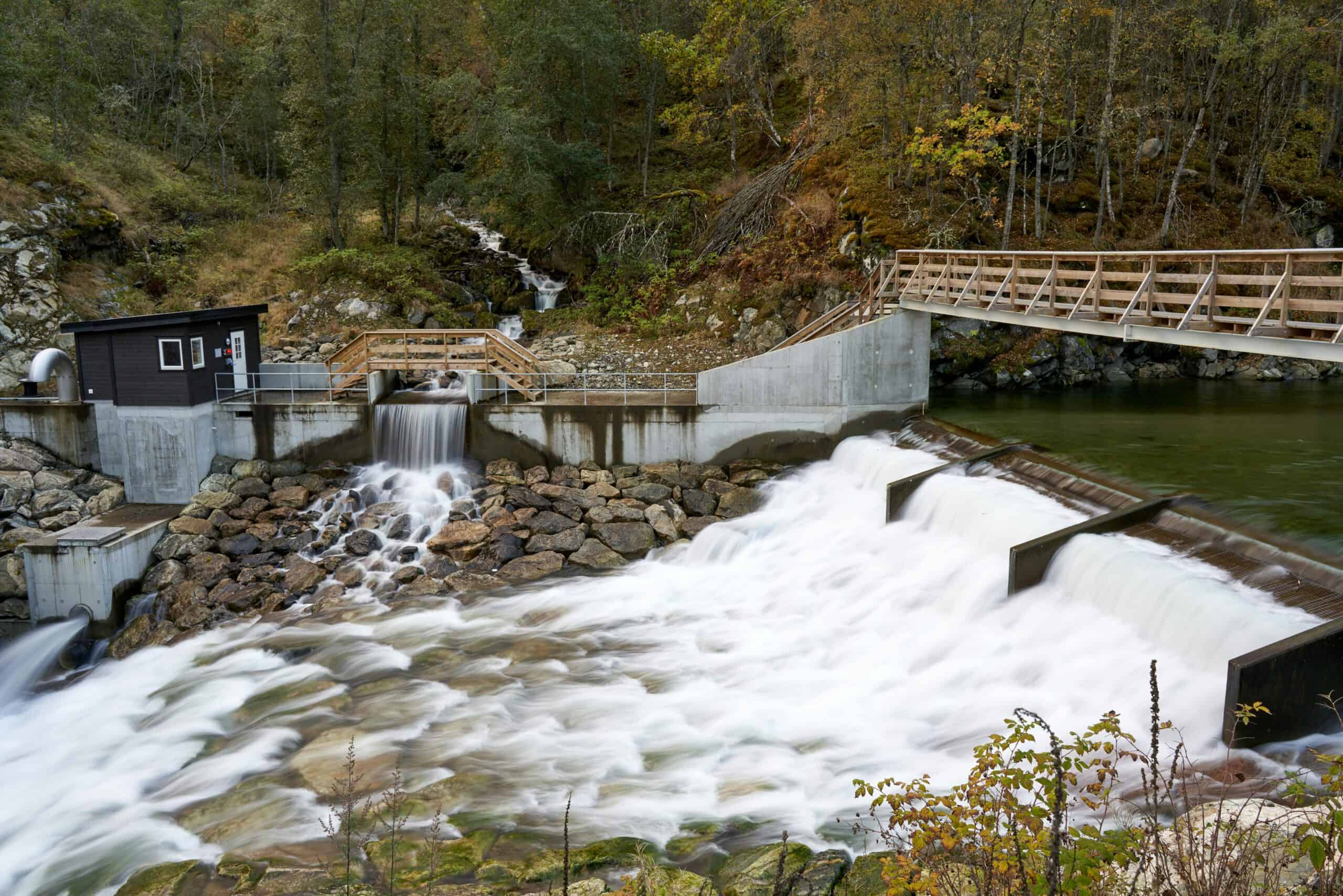
Norway’s mountainous terrain and numerous water bodies make it uniquely positioned for hydropower — an electricity supply that accounts for a whopping 98% of what the country uses. This country has spent the last few years focusing on a mission impossible — to become carbon neutral, partly thanks to all that renewable energy currently flowing through its grid. The majority of the cars in Norway are electric vehicles (EV) and it is a world leader in EVs, due to government subsidies that make buying an electric car very affordable.
Like our content? Be sure to follow us.
Denmark
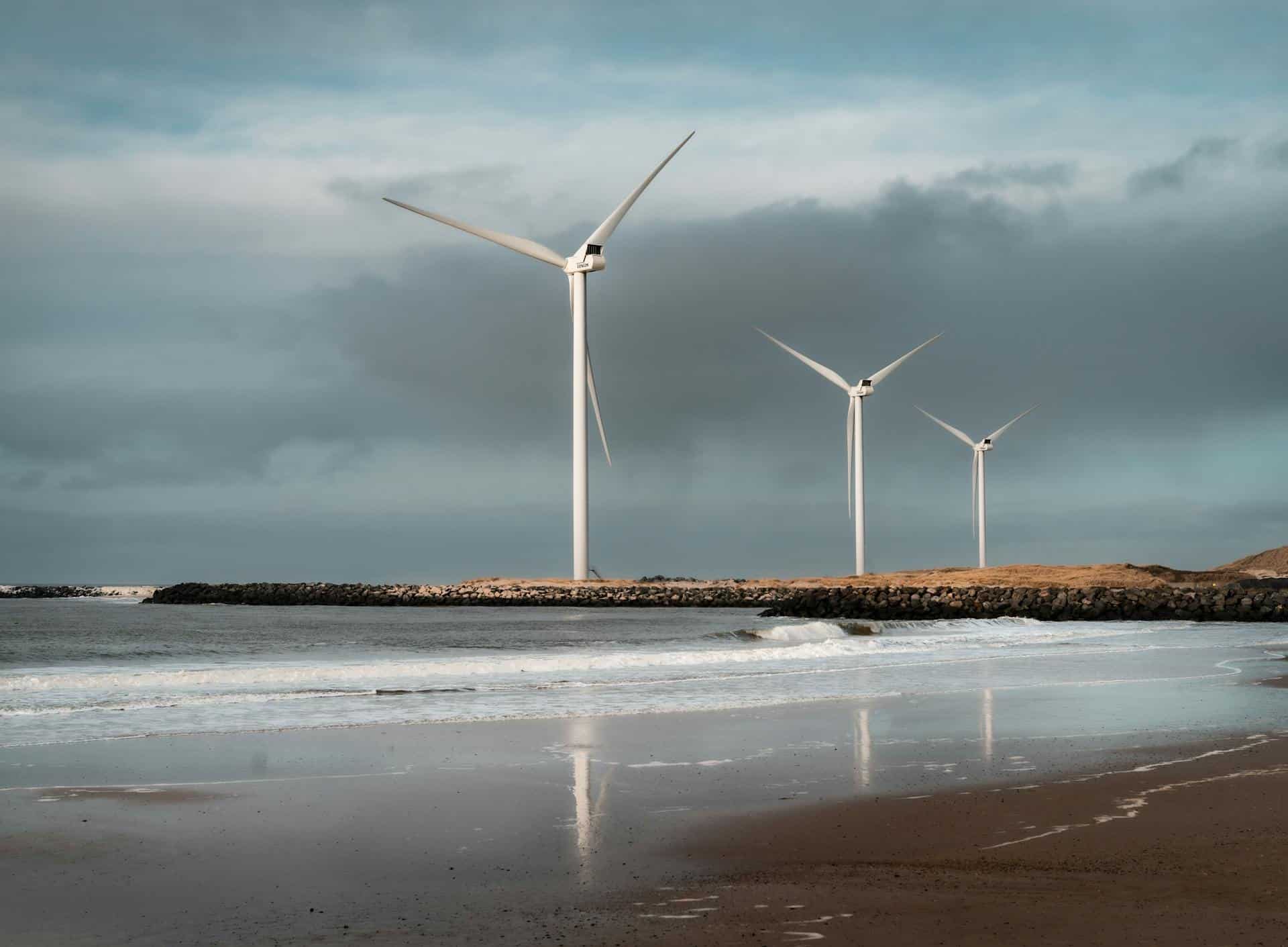
Often when people imagine Denmark, the first thing that comes to mind is those enormous wind turbines lining every coast, and rightly so. Nearly half of Denmark’s electricity is from wind farms. Denmark has an ambitious goal to achieve 100% renewable energy by 2050. While it may seem like a long way off, Denmark is well on its way.
Germany
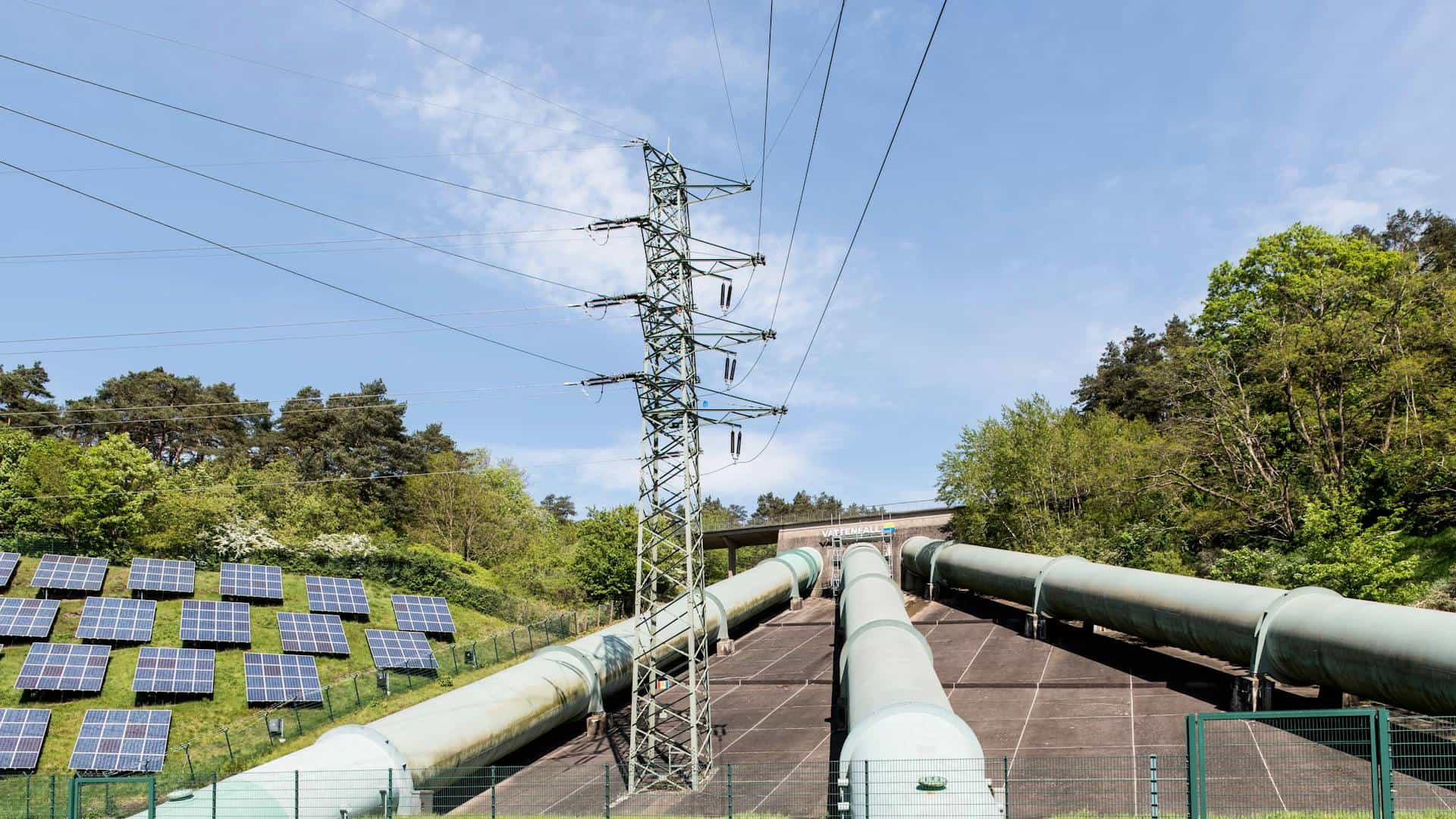
While it may not have the sunniest climate for solar power, Germany is cutting edge in green energy strategies. Although it is known for its cloudy weather, the country in fact ranks among the highest producers of solar power globally. The country’s Energiewende (energy transition) program expects an aggressive transition from coal and nuclear power to renewables. Germany is not only rich in solar energy, but a behemoth of wind power — and trying to phase out coal over the next few decades. The shift to a greener future is possible — even for industrial powerhouses like Germany.
China
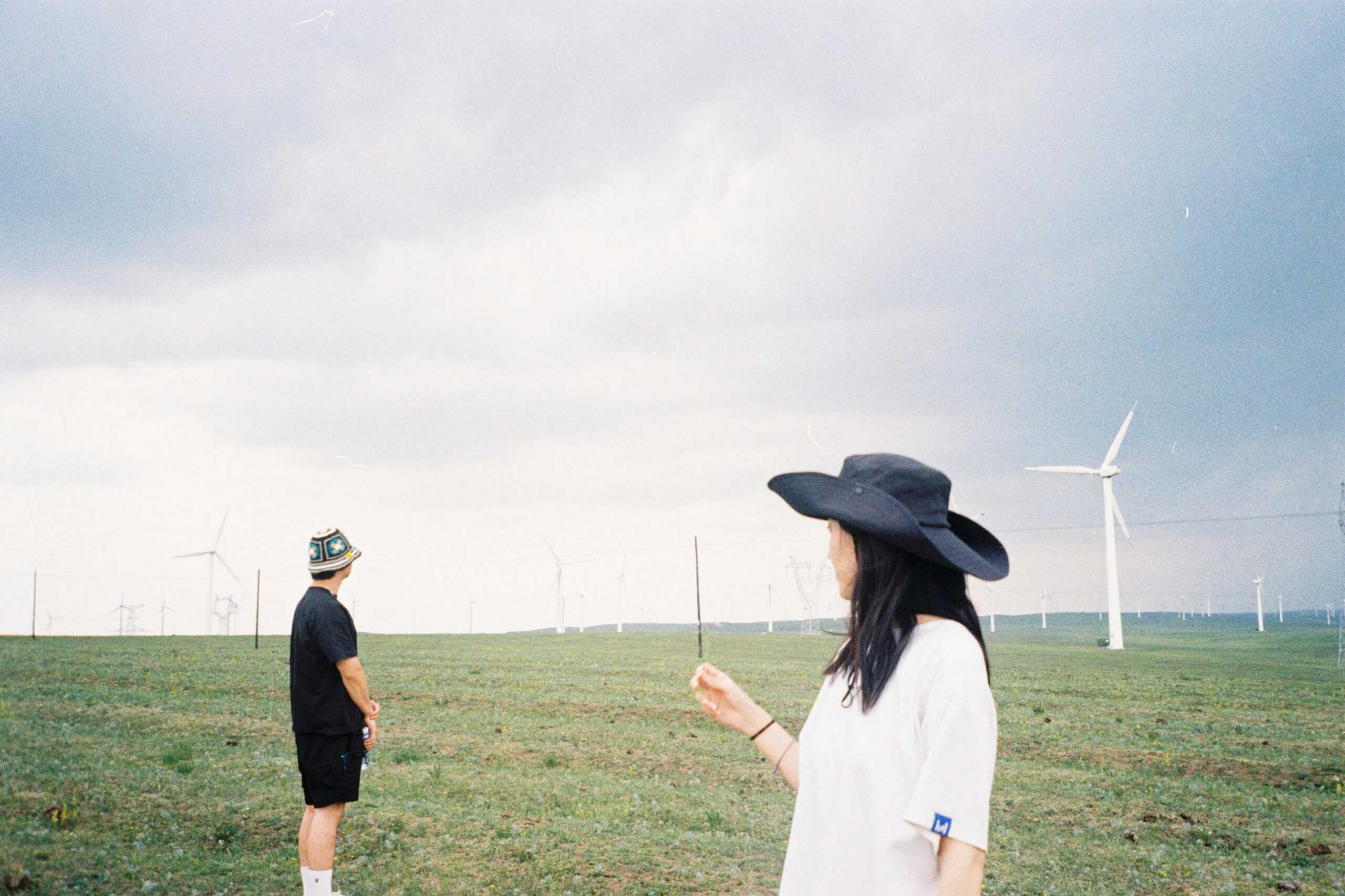
While China is still heavily dependent on coal, the country has been making huge strides in renewable energy. China has invested billions in generating solar and wind energy, making it the largest manufacturer of solar panels in the world today. China is also exporting more renewable technology products to outside markets. Additionally, China has expanded both onshore and offshore wind power projects. With a country as big as China, don’t you think even small moves toward clean energy can make a huge difference in cutting down emissions?
Sweden

Many years ago, Sweden started to move towards sustainability – hoping to eliminate fossil fuels from its electricity generation by 2040. Sweden relies to a large extent on hydropower, but the country is also exploring other sources – such as wind and bioenergy produced using things like forest residue or agricultural waste. Sweden has some of the most progressive green policies in the world, which try to push everything from industrial companies to public transport toward environmental sustainability.
Spain

Spain experiences a lot of sunshine, making it perfect for large solar farms and an important part of Spain’s energy grid. Spain has also invested in wind power and claims to have some of the largest wind farms in Europe. Together with these fuels, Spain fulfills its objectives to make massive investments in clean energy, which will promote the broadening of renewable energy sources – enforced by legislation throughout the upcoming years.
India

India has put its bet on solar energy, becoming home to some of the world’s largest photo-voltaic power stations like Bhadla Solar Park in Rajasthan. Apart from that, India is also harnessing wind energy the most — In addition to 40 GW at land-based sites, it has planned another 60 GW along its coastlines. To achieve this, the government has set challenging targets of delivering 40% of its energy through non-fossil fuel power plants by 2030.
United States

With great capacity for renewable energy, the U.S — and some states individually — are leading by example. For instance, California is a solar powerhouse with massive projects feeding into the energy system, while Texas owns bragging rights as the No. 1 producer of wind energy. The U.S. energy mix still includes fossil fuels, but the shift to renewables is gaining momentum. Government incentives, both federally and at the state level, are driving much of the investment in green energy today, pushing for more solar and wind capacity across the nation.
Portugal

Portugal is a small country with big energy ambitions. Portugal has made some of the most substantial moves to green energy in recent years – wind and solar power becoming key sources alongside natural gas. Portugal is also seeking to boost its offshore wind capacity and has committed itself to become carbon neutral by 2050, aiming for a renewables share of at least 80% in the power sector.
Finland
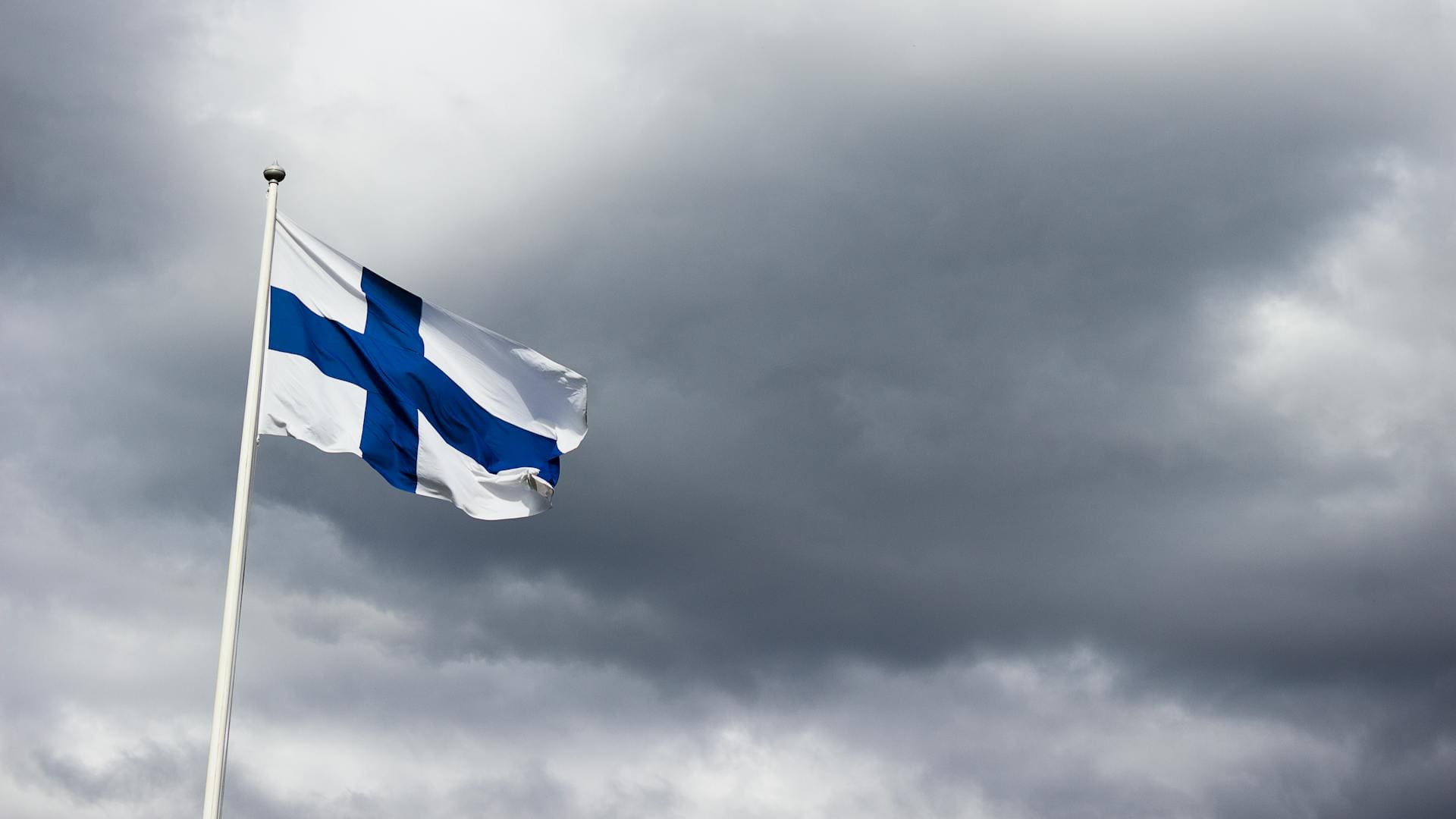
It must be noted that Finland is already a booming new market for climate friendly solutions and is steadily moving forward with bioenergy & wind power. With its wide area of forest coverage, bioenergy — (energy derived from wood-based fuels) – is a natural fit for Finland. New wind farms are popping up across the country and wind power continues to trend upwards. Finland aims at becoming the most carbon-neutral European country by 2035.
Costa Rica

Costa Rica is a tiny country that has already earned itself international renown for its efforts in renewable energy. Hydropower, geothermal and wind power are all strong producers of electricity in Costa Rica that generate nearly 100 percent of its power required for domestic consumption. Being a land rich with abundant rivers and geothermal potential from nearby volcanoes, Costa Rica shows us how smaller nations can lead in sustainability.
Disclaimer: This list is solely the author’s opinion based on research and publicly available information.
Like our content? Be sure to follow us.
Read More: