

America’s healthcare system has long been the subject of controversy & rightly so. While it’s advanced, it’s also filled with corrupt practices that jack up costs & put pressure on patients. Whether it’s hidden charges or strong lobbying, all of these are hurting our citizens – both financially & emotionally. Let’s see 13 ways corruption is raising healthcare costs in the US.
Featured Image Credit: Towfiqu barbhuiya /Pexels.com.
Hidden Hospital Fees

Hospitals add surprise fees for things you didn’t even know you used. From $10 for a single Band-Aid to hundreds for routine supplies, these charges are a bombshell on the hospital bill. Most patients are never told ahead of time about these charges & are left to figure out the final cost by surprise.
Medical Device Markups

From wheelchairs to implants, medical equipment goes on sale at highly inflated prices. Manufacturers take advantage of the market monopoly & make exclusive long-term deals with hospitals. These agreements leave patients stuck paying higher costs.
Like our content? Be sure to follow us.
Inflated Drug Prices

Prescription drugs are significantly more expensive in the United States than abroad. Pharma companies justify high drug prices by pointing to R&D costs, but much of the price increase comes from lobbying & regulatory blindness. This means these companies spend a lot of money to influence laws & regulations in order to protect their profits, which results in less oversight and higher prices for medications.
Surprise Medical Bills

We’ve all been hit with surprise bills after visiting an out-of-network provider without realizing it. Even during emergencies, patients can be shocked by huge bills because the ambulance or doctor wasn’t covered by their insurance.
Overcharging for Procedures
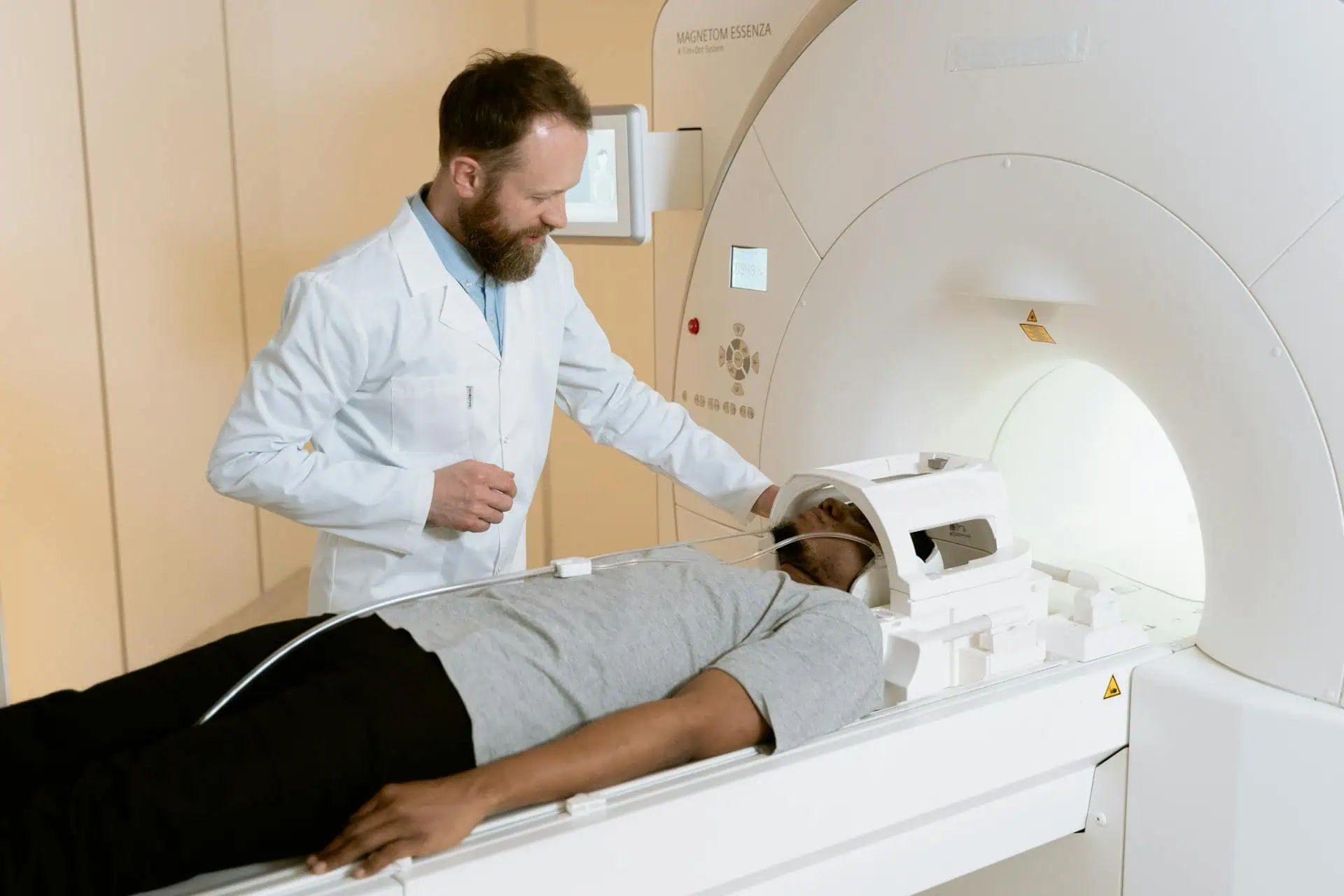
Even basic procedures are wildly overpriced. A CT scan for $300 in one country might run you thousands in the US, for instance. Hospitals set different rates with insurers & patients are saddled with inconsistent, excessive prices.
Excessive Administrative Costs

A huge portion of medical spending goes to paperwork instead of treatment. Billing processes, insurance forms & other expenses all make things inefficient, which increases prices for all. In contrast, countries with a less complicated system spend much less on administration.
Insurance Denials

It’s common for insurance companies to refuse to cover treatment or drugs & to ask patients to appeal or pay out of their pocket. These refusals are made on fuzzy or inconclusive grounds, putting both the patients & the healthcare system at a loss.
Medical Debt Trap

US Patients that can’t pay their hospital bills get trapped in debt cycles. A high interest rate coupled with high collection rates means many can’t get back up.
Lobbying by Big Pharma

Pharma giants have made billions lobbying the government to curtail price controls & serve their own interests. That means we have legislation that puts corporate profits before patients & that drives drug prices sky-high.
Lack of Price Transparency
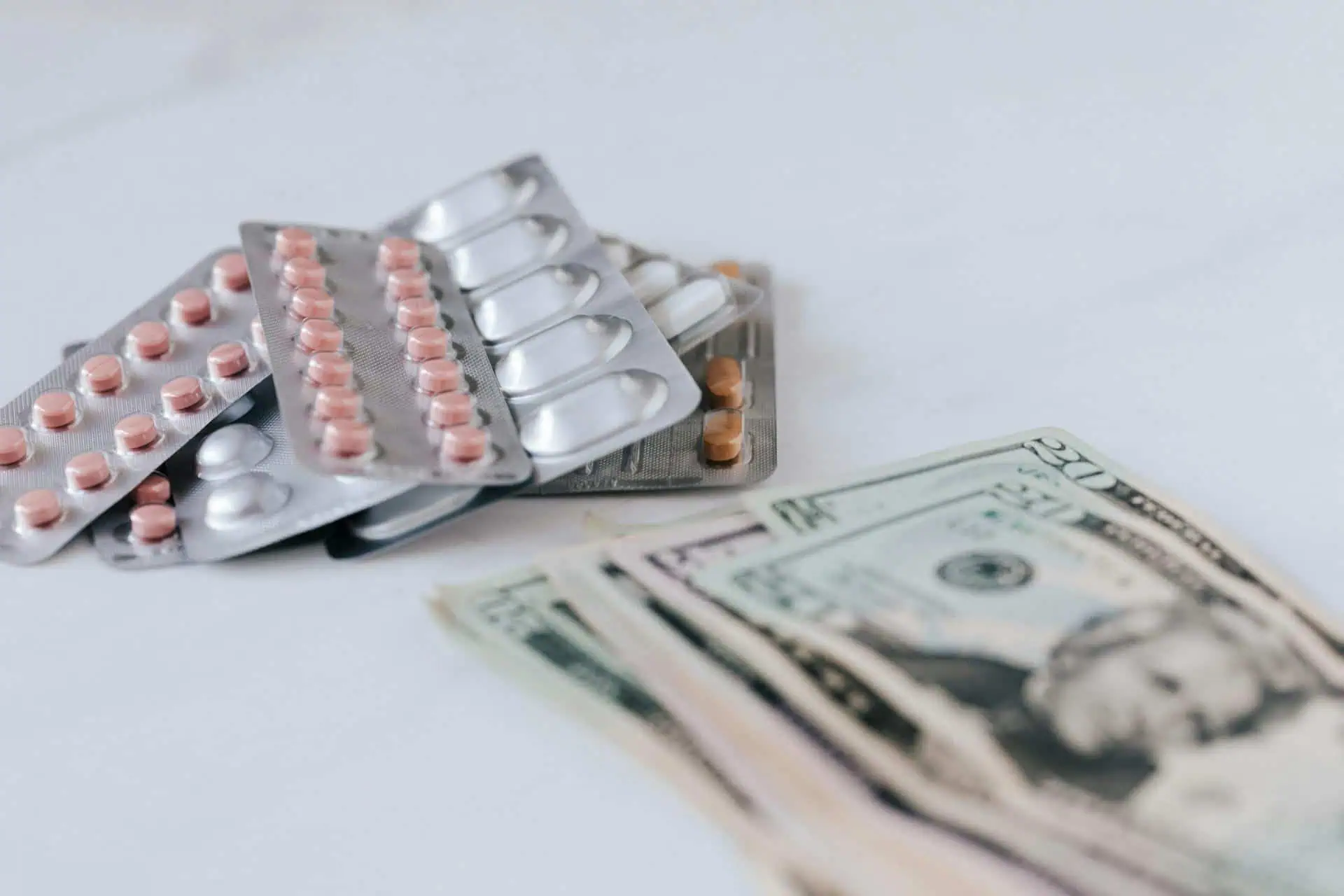
It’s rare that patients discover the cost of an operation or therapy before receiving them. Without price transparency, it’s nearly impossible to compare costs & patients end up paying large bills.
Unnecessary Tests & Treatments

There are doctors & hospitals who order tests or therapies that aren’t medically necessary. This — profit-driven practice — imposes unnecessarily high burdens on patients & the healthcare system.
Exploiting Emergency Room Visits

Emergency rooms in the United States are notoriously expensive & patients spend thousands of dollars for basic care. Hospitals take advantage of the urgency of ER calls to push up these prices, because they understand that patients have no choice but to pay the bills.
Predatory Billing Practices

Hospitals & clinics sometimes do everything they can to rake in the payments, even from the low-income patients. These practices can be anything from annoying collection calls to filing lawsuits against patients for unpaid bills — an effort that is both financially & emotionally taxing.
Disclaimer: This list is solely the author’s opinion based on research and publicly available information.
Like our content? Be sure to follow us.
Read More: