The Supreme Court has made a bunch of important decisions over the years and not all of these have gone down well. Some of the most controversial rulings have gotten people talking, leading to heated discussions across the country. Here are thirteen divisive Supreme Court cases and why they were so widely debated. No matter your opinion, it’s clear that these decisions have changed American history—forever.
Featured Image Credit: NewAfrica/Depositphotos.com.
Lochner v. New York (1905)
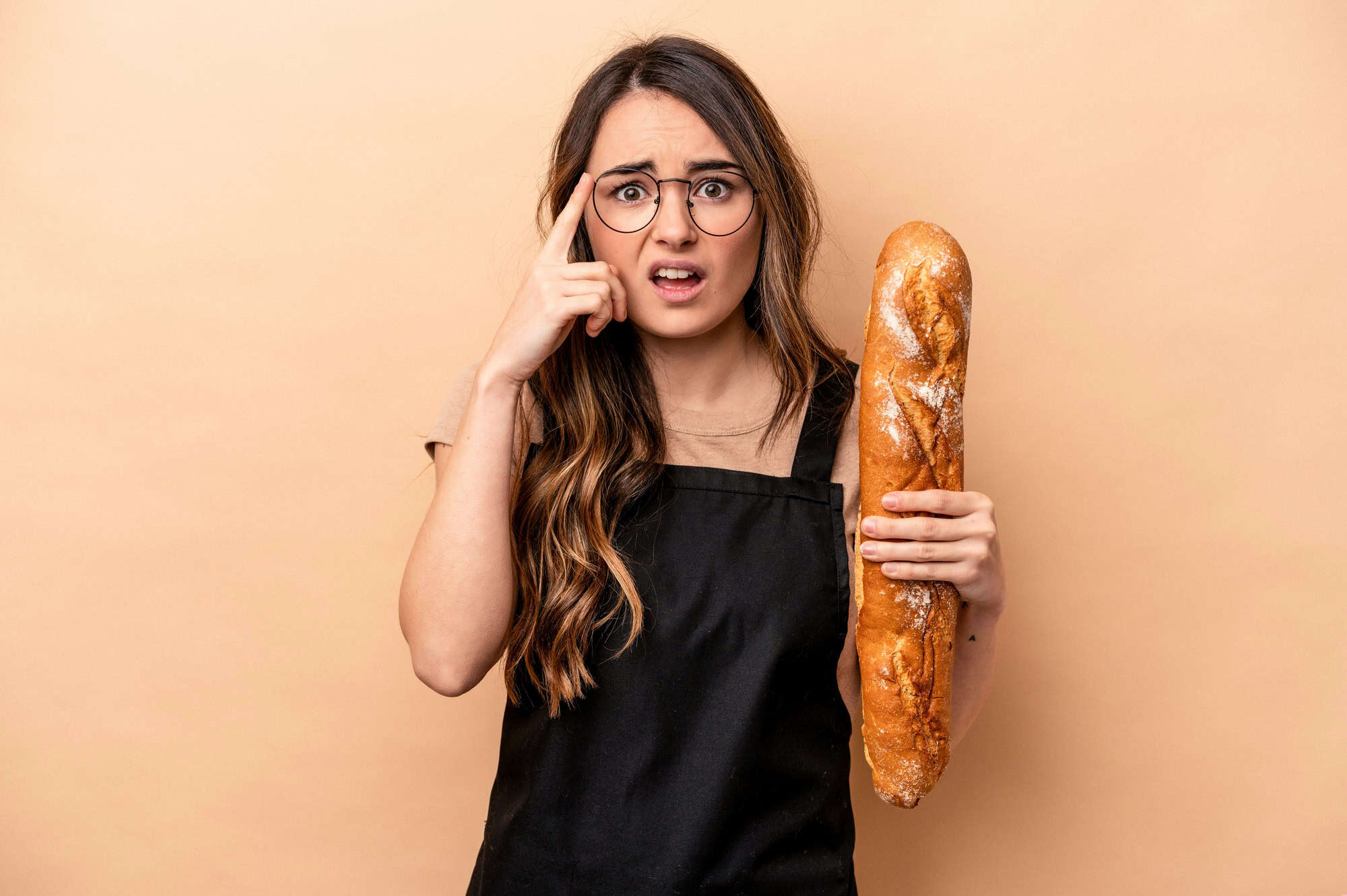
The 1905 Lochner v. New York case involved the Supreme Court striking down a New York law that limited bakers to working no more than 60 hours a week. They ruled that the law interfered with the freedom of contract between employers & employees, although critics claimed it supported business interests over workers’ health and safety. Clearly, it was quite a controversial issue.
Dred Scott v. Sandford (1857)

In 1857, the Court decided that African Americans, whether enslaved or free, couldn’t be considered citizens of the United States. It came after Dred Scott, an enslaved man, sued for his freedom after living in a free territory—but the ruling meant he couldn’t sue in federal court. Such a decision made abolitionists angry and increased tensions between the North & South before the Civil War.
Plessy v. Ferguson (1896)

Just under 40 years later, the Court upheld state laws in 1896 that required racial segregation in public facilities under the idea of “separate but equal,” which came after Homer Plessy’s challenge to Louisiana’s segregation laws. He was mixed-race and was arrested for sitting in a “whites-only” railroad car. The ruling gave legal support for segregation and discrimination across America for more than half a century.
Korematsu v. United States (1944)

The Supreme Court also allowed for Japanese Americans to be interned during World War II after a man named Fred Korematsu refused to go to the government’s relocation camps. He was later arrested, with the Court ruling that America’s need to protect national security was more important than his individual rights. Many people argued that this decision violated Korematsu’s civil liberties and saw it as a huge injustice.
Buck v. Bell (1927)
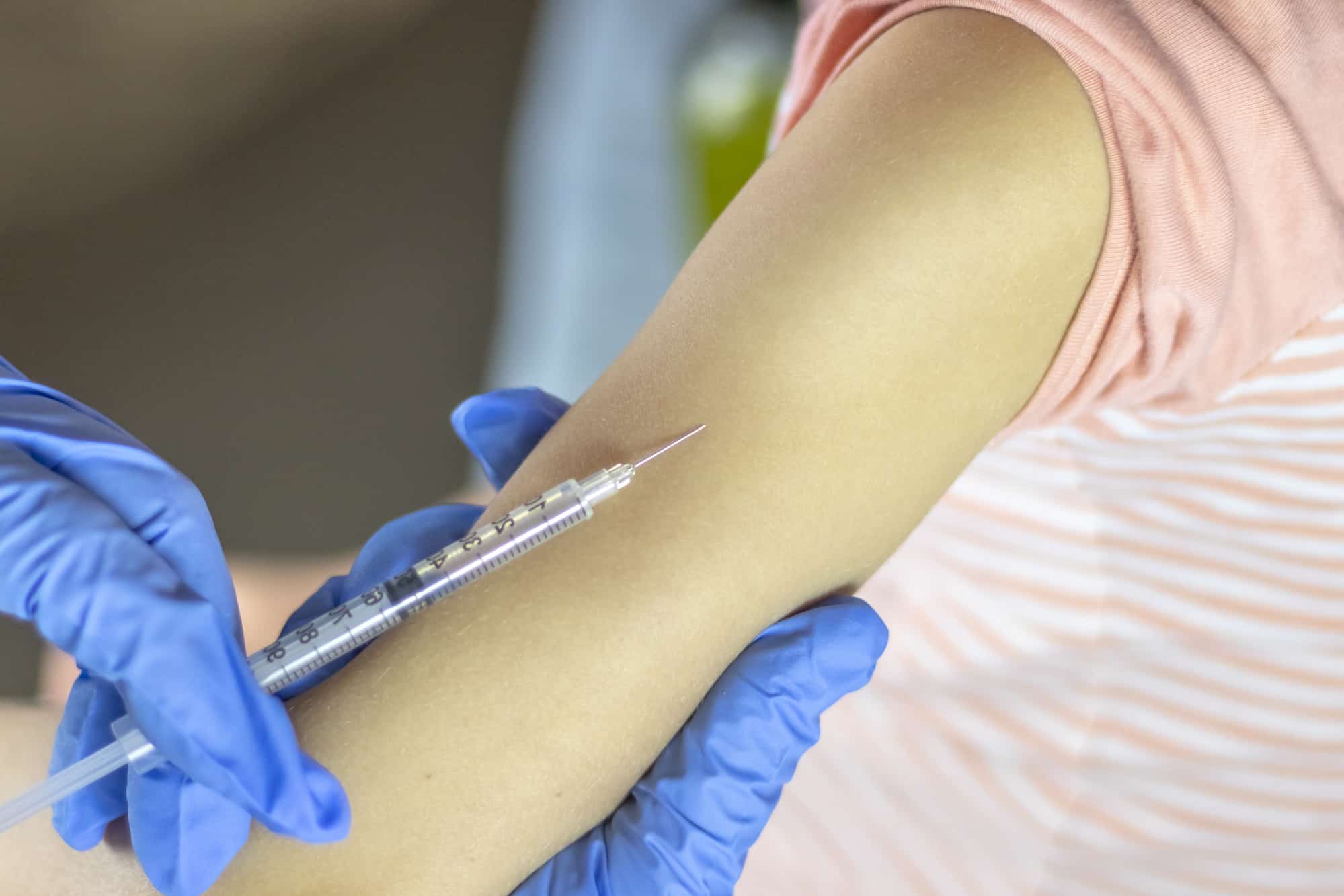
In 1927, the Supreme Court approved a Virginia law that allowed the government to forcibly sterilize people who were seen as “unfit”—Carrie Buck was one such person. She was sterilized against her will after being judged “feeble-minded” and this ruling gave a green light to what some people called eugenics. It led to thousands more involuntary sterilizations.
Hammer v. Dagenhart (1918)

Child labor used to be a controversial issue and as part of the Hammer v. Dagenhart case, the Supreme Court struck down a federal law that tried to stop child labor. The law aimed to prevent goods made by children from crossing state lines but the Court decided it overstepped federal authority. Instead, they argued it was up to states to regulate production & the law meant kids continued to work long hours in factories.
Bowers v. Hardwick (1986)

Michael Hardwick was a gay man who was arrested in his own bedroom for taking part in consensual same-sex activities and in 1986, the Supreme Court upheld Georgia’s law criminalizing such acts. They argued that the Constitution didn’t protect this behavior, with the decision becoming a major setback for LGBTQ rights. As you might expect, the case was rather controversial and led to major protests in support of personal freedoms.
Bush v. Gore (2000)
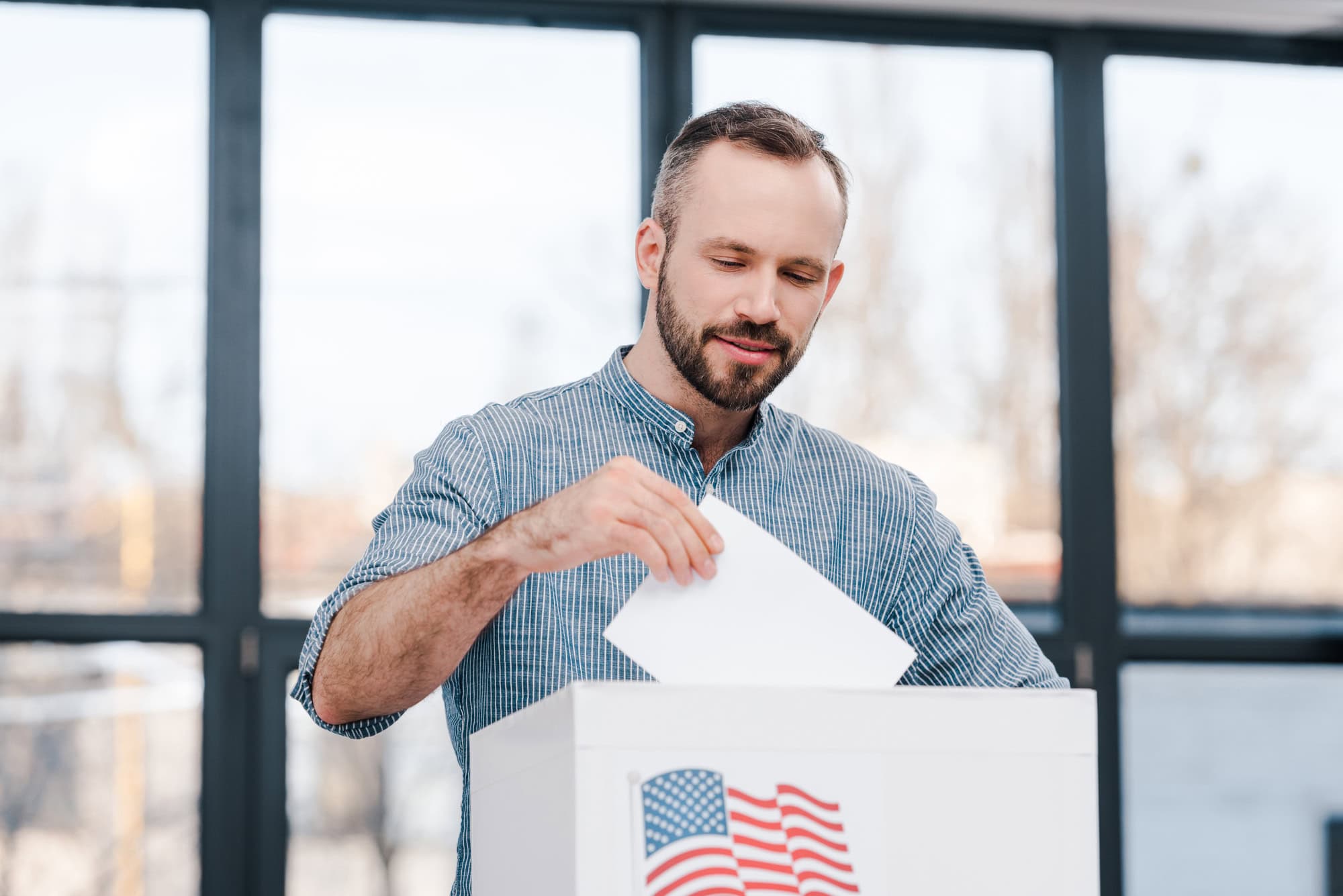
The 2000 presidential election was rather divisive and hinged on a recount in Florida—the Supreme Court stepped in & halted the recount. In doing so, they awarded the presidency to George W. Bush over Al Gore and their intervention raised questions about the Court’s role in politics. It also led to debates about the democratic process and election fairness across America.
Kelo v. City of New London (2005)

Imagine losing your home not for a public park or road but for private development—that’s what happened to Susette Kelo. In 2005, the Supreme Court ruled that government entities could seize private property for economic development projects that were meant to benefit the community. Of course, the decision caused a lot of problems among property owners who worried about the influence of government power over individual rights.
Shelby County v. Holder (2013)
The Voting Rights Act of 1965 was an important legal ruling that protected voters from discrimination but in the Shelby County v. Holder case, the Supreme Court struck down a big part of it. They said the criteria used to determine which areas needed federal approval for changing voting laws were outdated. Critics worried that this would lead to new voting restrictions & make it harder for minorities to exercise their right to vote, which is why it was so controversial.
Citizens United v. Federal Election Commission (2010)
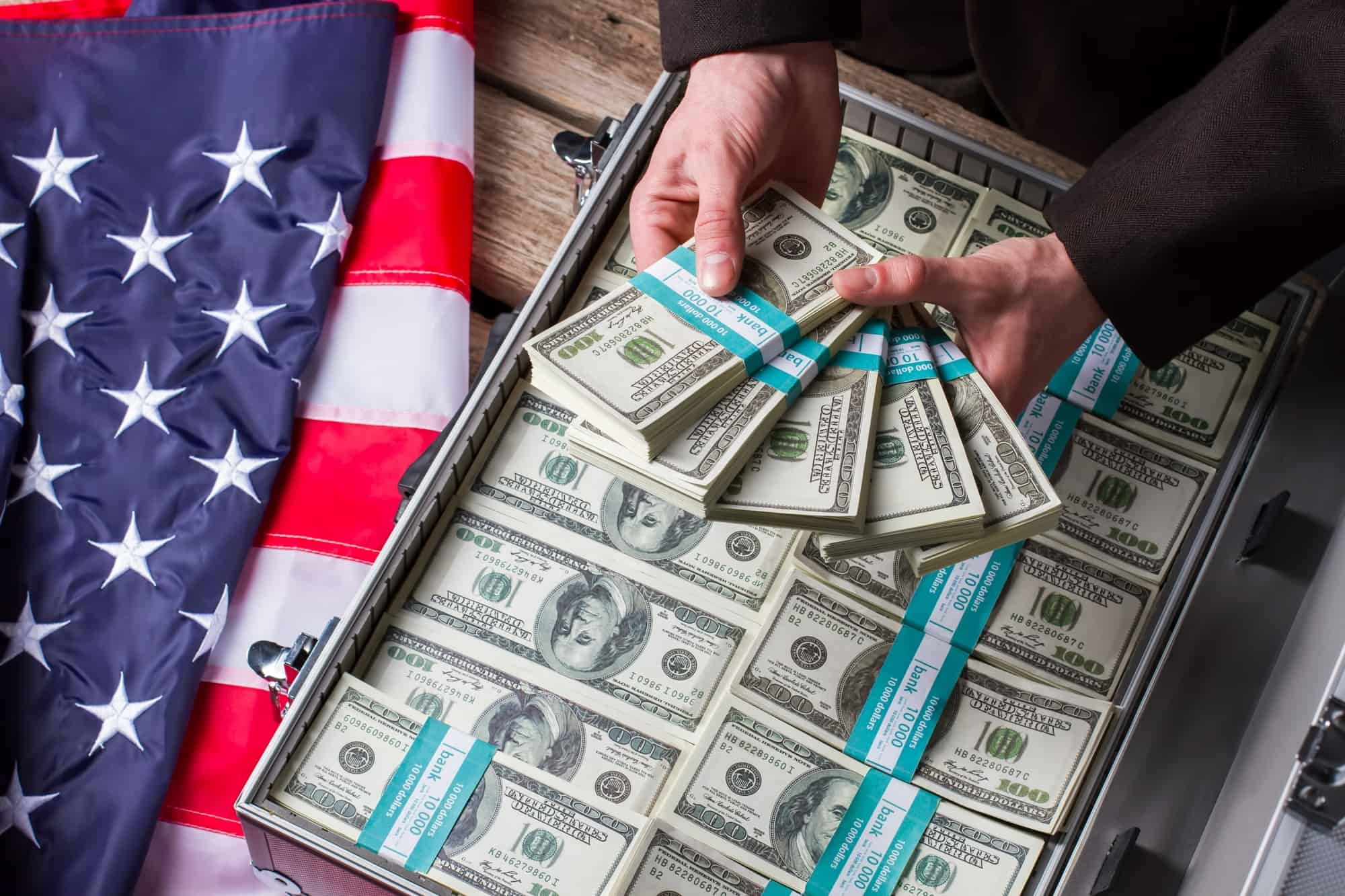
The Supreme Court ruled in 2010 that corporations & unions could spend unlimited funds on political campaigns, which completely changed American politics. They viewed such spending as protected free speech under the First Amendment and this led to the rise of Super PACs, as well as concerns about how money could influence politics. It made many people worried about potential corruption.
Rumsfeld v. Padilla (2004)
Jose Padilla, an American citizen, was once detained without formal charges as an “enemy combatant” and he filed a lawsuit that reached the Supreme Court. However, they didn’t address the legality of his detention directly—instead, they focused on jurisdictional issues, sending the case to a lower court. The case brought up difficult questions about how to balance national security with individual rights, especially during the War on Terror.
DeShaney v. Winnebago County (1989)

DeShaney v. Winnebago County was a tragic case that involved a young boy named Joshua DeShaney, who was severely abused by his father and suffered brain damage. Despite reports to social services, officials never removed him from the abusive home. The Supreme Court ruled that the state wasn’t responsible for protecting him from his father’s actions, with the ruling leading to debates over the responsibilities of child protective services.
Disclaimer: This list is solely the author’s opinion based on research and publicly available information.
Like our content? Be sure to follow us on MSN.