Can you believe that healthy green salad you’re about to eat might secretly be trying to get you? We often think that eating fresh vegetables is really good for our body, because they are packed with essential vitamins and minerals. But, there are some common vegetables that can be downright dangerous when eaten raw. These veggies may look innocent, but they come with toxins. If you want to get rid of them, you may have to cook them well.
Let’s look at 10 common veggies that need some extra prep to keep you safe.
Featured Image Credit: Antoni Shkraba /Pexels.com.
Potatoes

You should never eat raw potatoes because they have solanine, a toxic compound that can cause nausea and headaches and even affect your nerves. The solanine content of green potatoes or ones with sprouted eyes is even higher. Once you cook potatoes, getting rid of this toxin is easy. You can just boil your potatoes or bake them in the oven to enjoy them safely.
Rhubarb Leaves
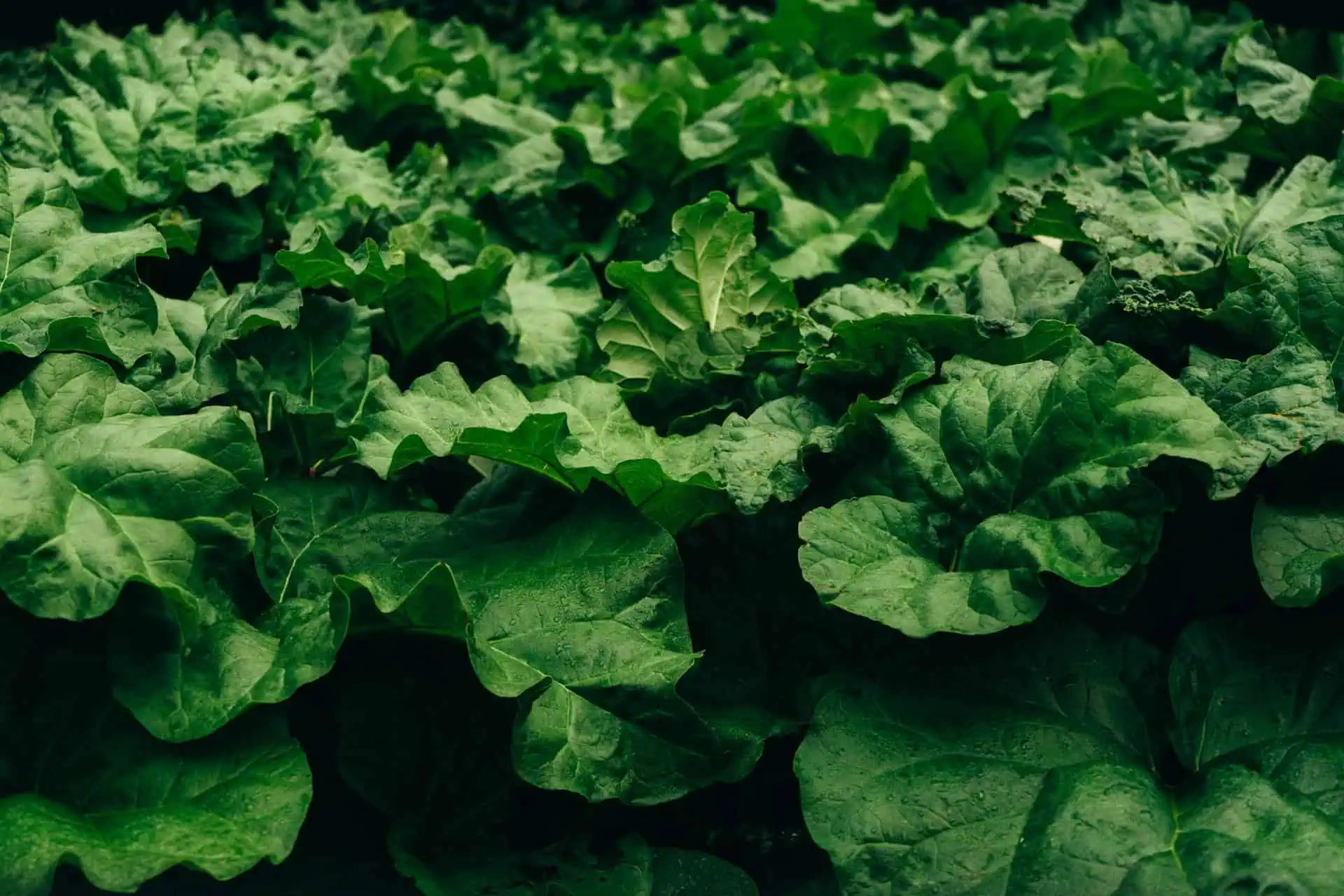
You can eat rhubarb stalks but not the leaves. These leaves contain high percentages of oxalic acid, which can cause kidney failure. Even if you eat a small amount of raw rhubarb leaves, you can end up with severe problems like trouble breathing, seizures, or even a coma. If you love this green, you can enjoy its stalks cooked-in pies, jams, or even sauces.
Kidney beans
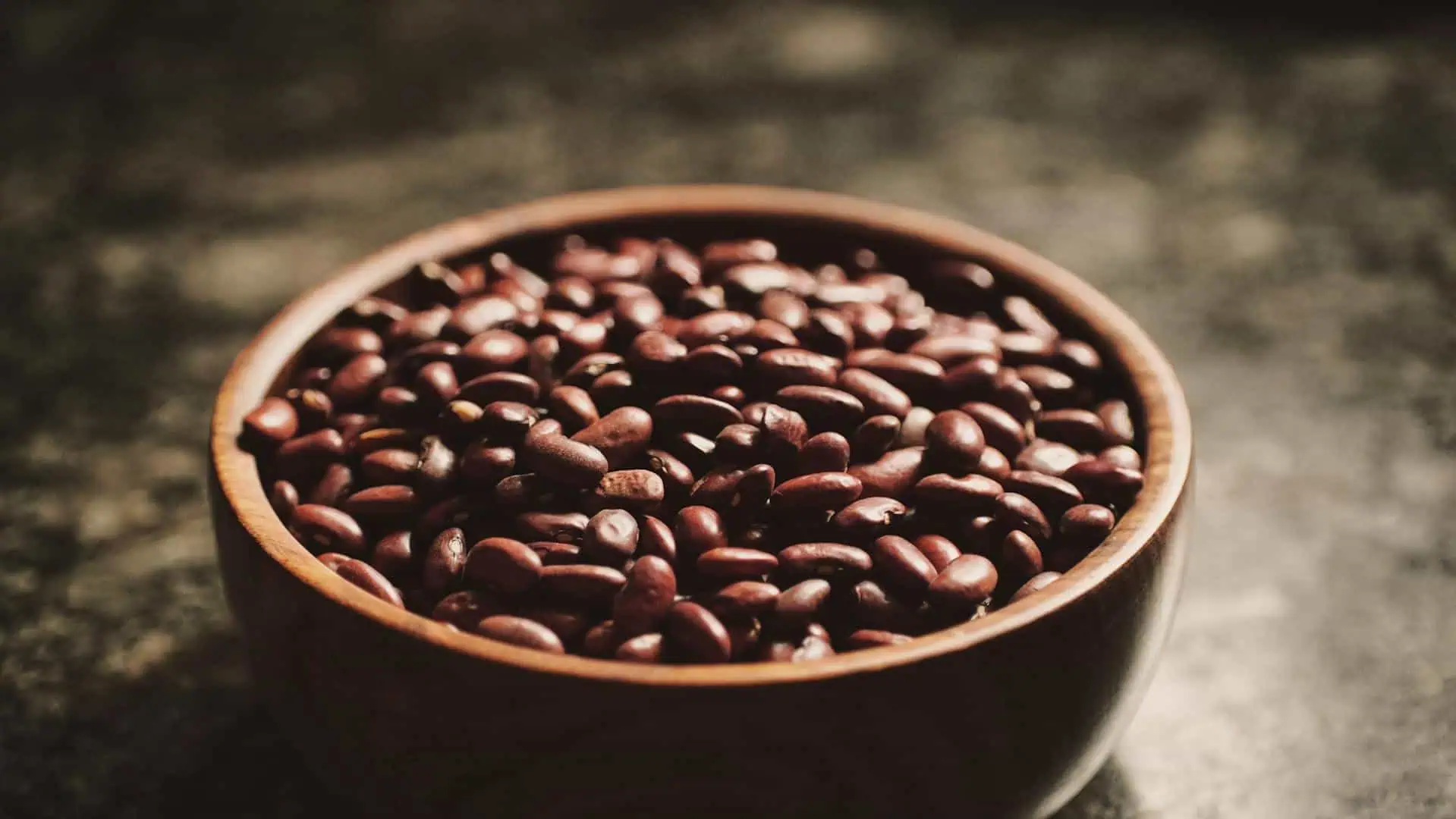
Raw kidney beans have lectins, which can cause serious food poisoning. Eating just a few raw or undercooked beans can make you feel sick with nausea, vomiting, and diarrhea. To make them safe, you need to soak and boil them to remove the toxins. Dried beans are the most dangerous if not cooked properly. You can cook kidney beans safely by boiling them for at least 10 minutes or using a slow cooker after soaking.
Cassava Root

Cassava root has cyanogenic glycosides. When eaten raw, it releases cyanide. Compared to sweet cassava roots, bitter cassava has more cyanide. If you love to enjoy this carbohydrate-rich yam, boil it before eating. Another way to make this root edible is to turn it into flour and use it for baking your favorite cakes or buns.
Lima beans
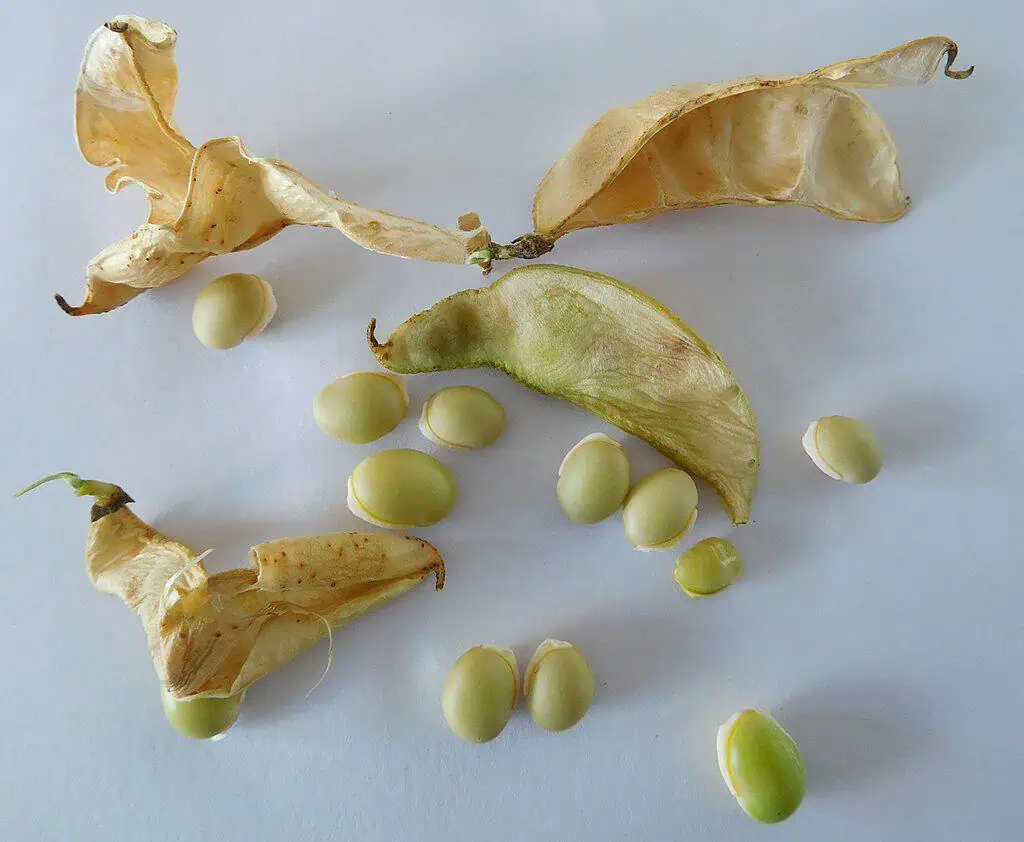
Don’t ever try eating raw lima beans. They have toxins that release cyanide and if eaten raw, you can get food poisoning which may lead to headaches or confusion. Want to try them out? Boil or add them to soups and stews.
Eggplant

Raw eggplant has solanine, which can cause stomach issues and nerve problems. By roasting, grilling, or frying, you can turn this risky vegetable into a delicacy many enjoy. Consuming even a bit of undercooked eggplant can irritate both your stomach and throat.
Elderberries

If you eat elderberries, leaves, or their stems raw, you will start vomiting and get stomach cramps. This happens because these berries have a higher concentration of toxins that can turn into cyanide when eaten raw. Cooking elderberries gets rid of the toxins and makes them edible. You can turn these berries into yummy syrups or jams which would pair nicely with buns and bread. They are also mixed in pies or consumed as juice once cooked.
Bamboo Shoots

You should always boil the bamboo shoots well in order to kill the toxins in them. Similar to cassava, toxins in bamboo shoots can also emit cyanide. When boiled or stir-fried properly, bamboo shoots are a delicacy incorporated in a variety of Asian dishes such as Thai Green Curry and Sichuan Bamboo Shoot Salad.
Wild Mushrooms
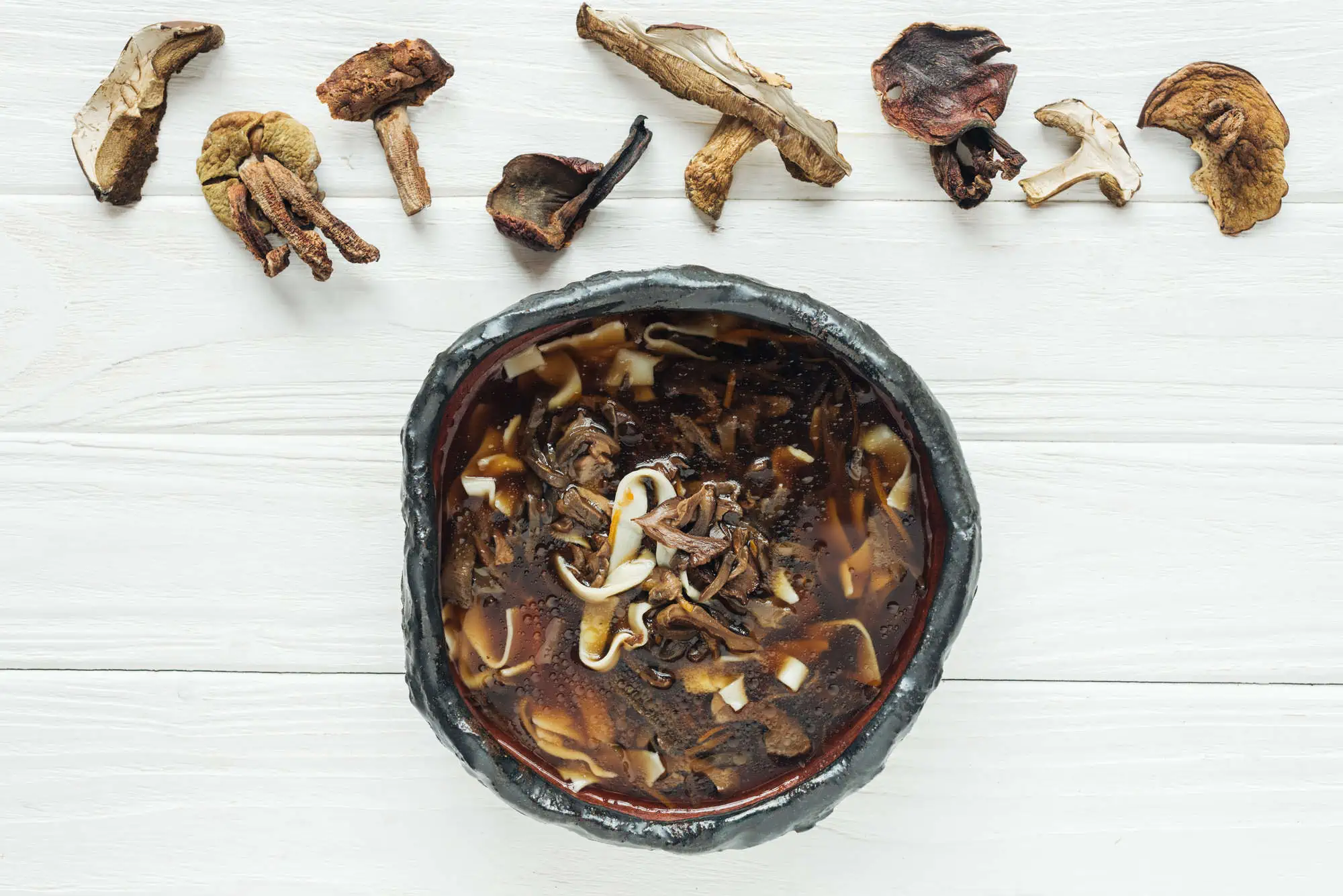
Some wild mushrooms contain toxins such as amanitin and muscarine. So, you should select carefully which mushrooms are edible and which are not. Do you know that this beautiful jungle treat can give you liver failure and death? If you wish to add them to your dishes, always make sure to cook them well.
Spinach

Even though raw spinach is usually considered safer to eat, they can be dangerous for babies or people with certain health conditions. This is because spinach is rich in its nitrate content. When absorbed into the body, nitrates can turn into harmful nitrites. Cooking spinach, you can steam or sauté them to lower their nitrate levels and make them safer to eat.
Disclaimer: This list is solely the author’s opinion based on research and publicly available information.
Like our content? Be sure to follow us.
Read More: