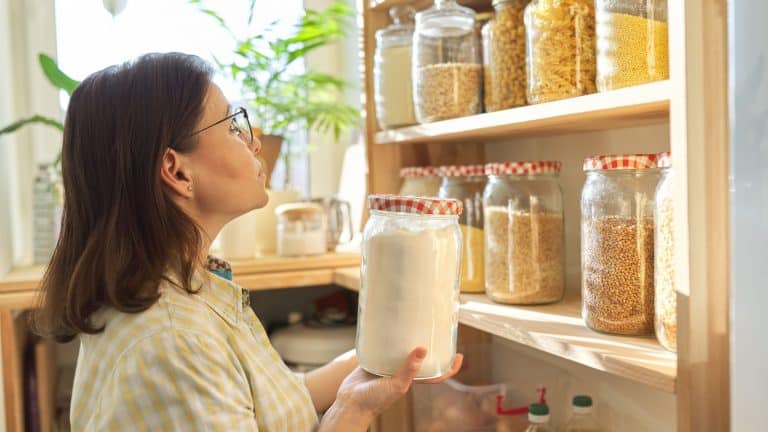

You should probably double-check your kitchen stash. These 13 everyday items tend to expire faster than most people think.
Ground turmeric
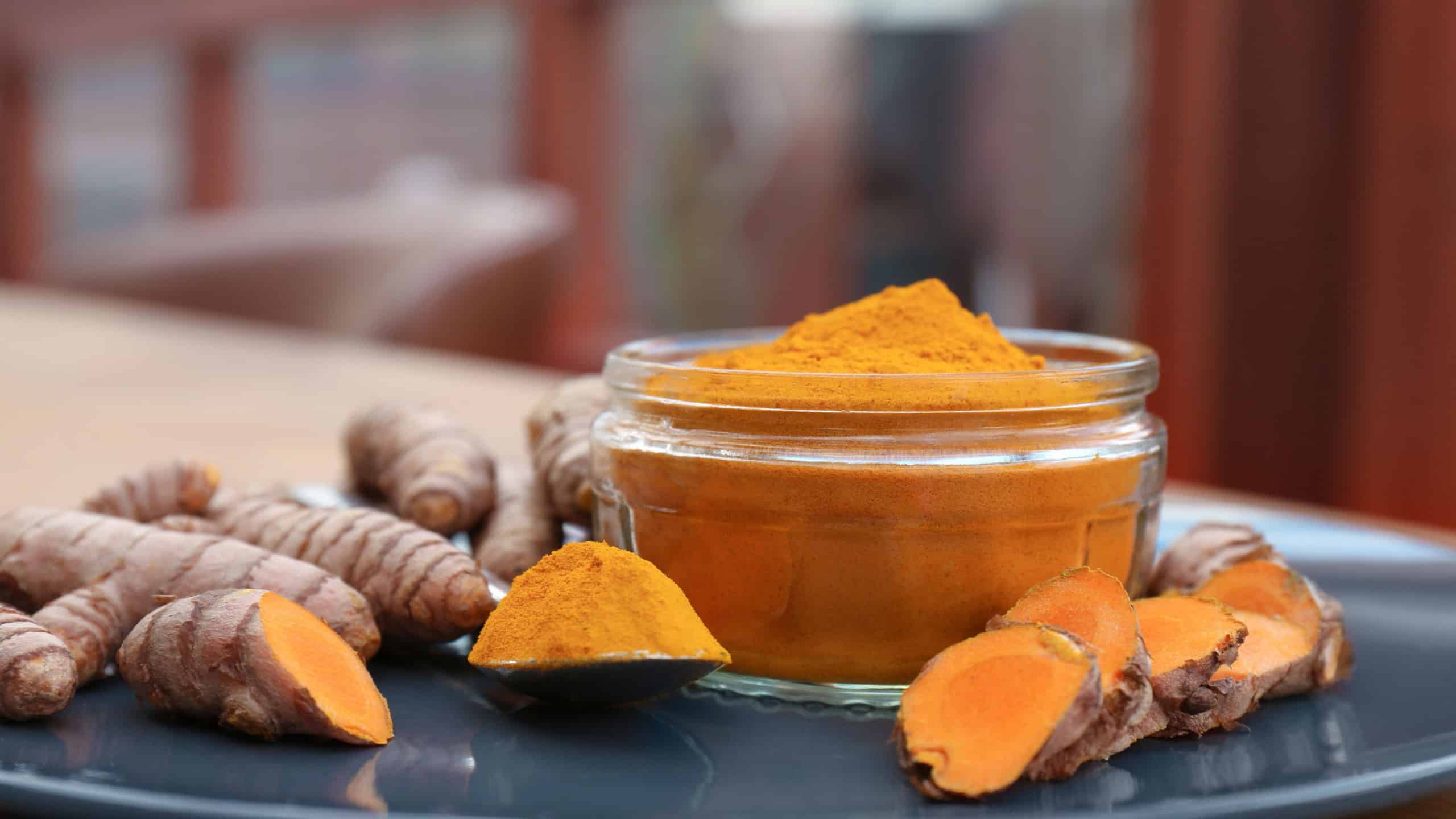
Turmeric powder is known for its bold pigment, but it hates light and quickly degrades the beneficial medicinal compounds after six months.
Older turmeric doesn’t just lose flavor: if the turmeric came from a place where lead chromate was used for color, it could end up with unsafe lead levels over time.
With age, the oils evaporate from ground turmeric, leading to a higher concentration of heavy metals in what’s left.
If your jar doesn’t look oily and vibrant, but dull and dusty, toss it.
Brown rice and whole grain medleys

White rice can sit on your shelf until the apocalypse because the oily germ layer is removed at milling.
Brown rice and other whole grain blends keep their natural bran intact, which is filled with unstable unsaturated fats.
These good-for-you oils go rancid as soon as they hit oxygen and can turn a bag of rice bitter in as little as three months. You’ll not only notice a change in flavor from the oxidized oils, but also a less-than-ideal, gummy consistency.
Most people think whole grains taste earthy, when in reality, they’ve gone bad. If your bag gives off a smell reminiscent of old crayons or wet cardboard, bin it.
Active dry yeast in glass jars
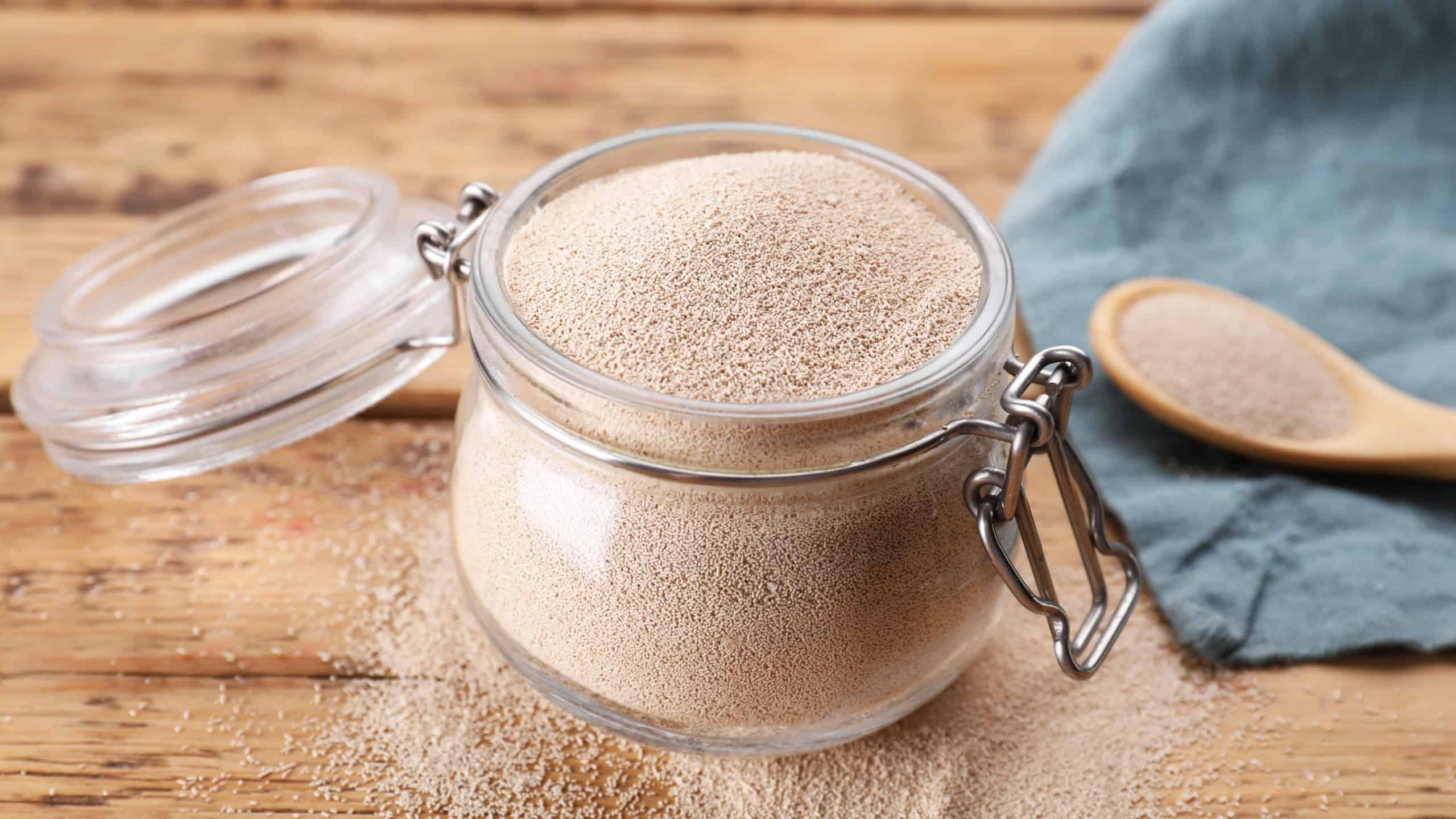
Opened jars of yeast are one of the shortest-lived pantry items. Those little organisms are super fragile, and your kitchen’s humidity is ruthless to them.
Even if the “best by” date doesn’t arrive for another year, the second you open the lid and expose the yeast to air, those microscopic organisms will begin to die. Your dough will never rise and will have that gross off fermentation smell.
Give your yeast a quick test by proofing a spoonful in warm water. If it doesn’t foam within ten minutes, that batch is dead.
Pre-ground flaxseeds and chia meal
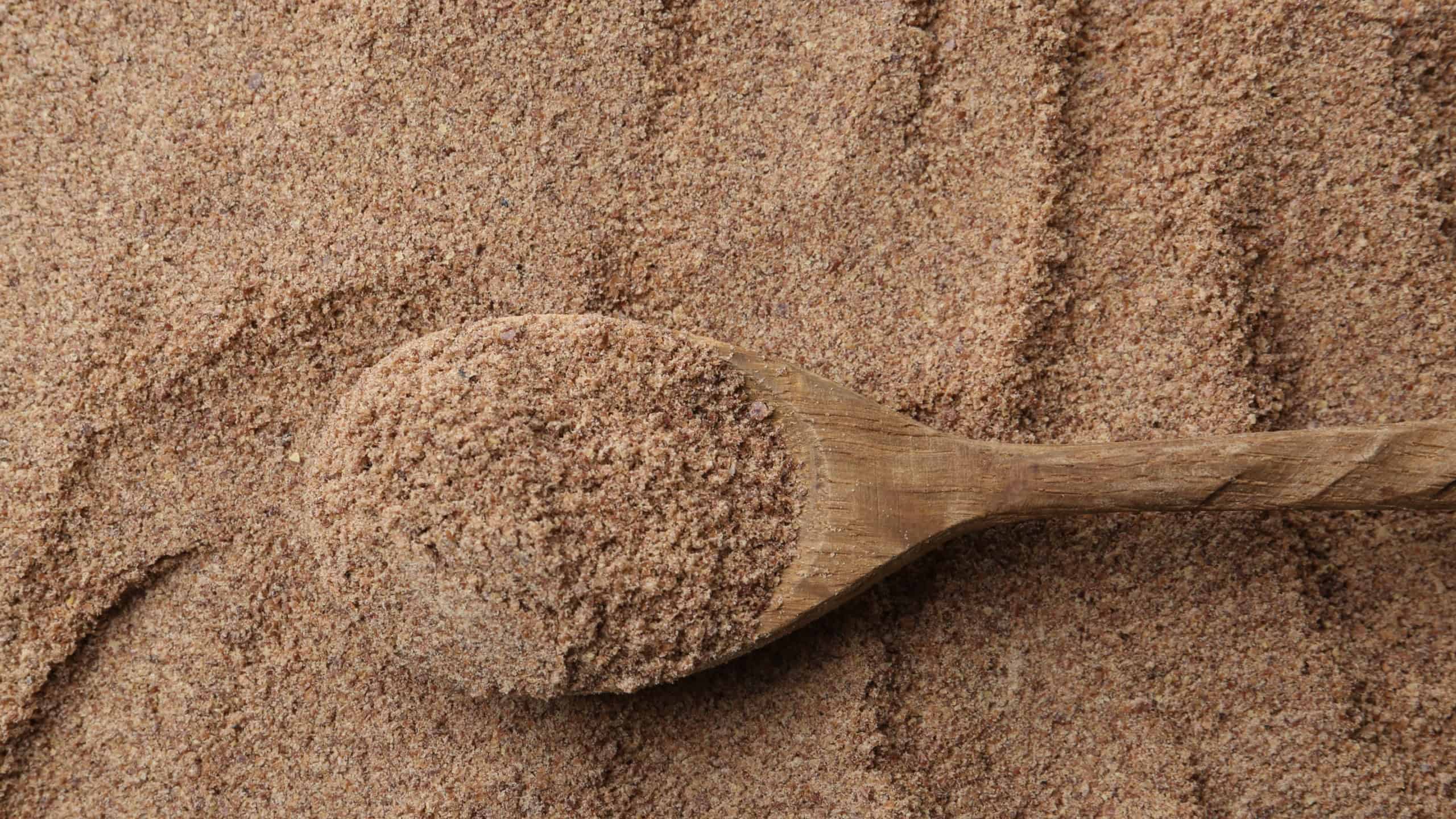
Omega-3 fatty acids found in flaxseeds are chemically very unstable and start to oxidize (go bad) quickly after their seed shell is broken.
When stored on a shelf instead of a dark fridge, ground flaxseed can become rancid in a matter of weeks. Not only will your flaxseed smell like chemicals, it will turn against you by forming free radicals in your body. It’s the opposite of what you want to accomplish by eating them.
Old ground chia seed has the same issues. If you purchased a big bag of flaxseed/chia meal months ago, toss it. Buy smaller quantities or grind your own.
Old baking powder
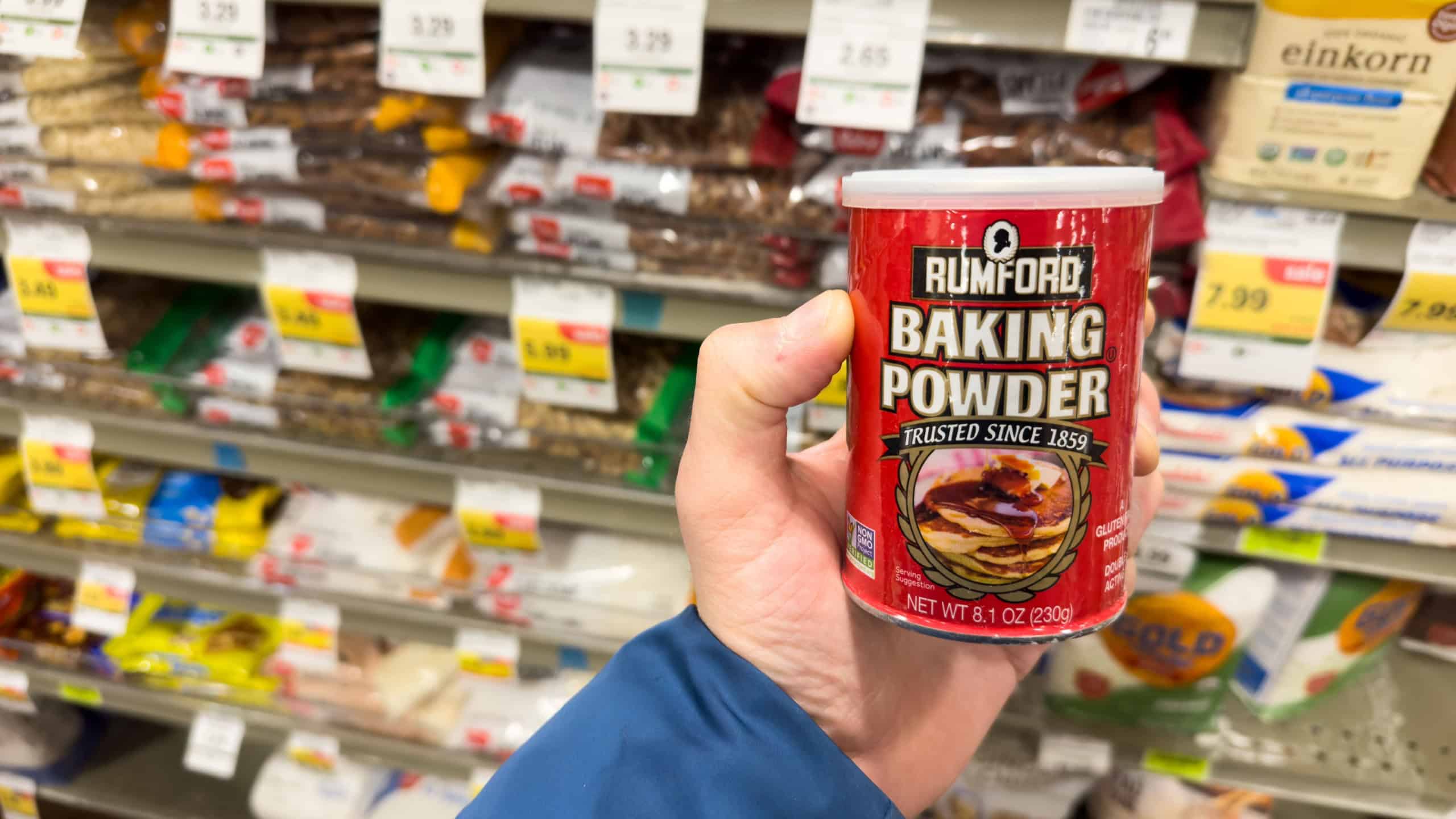
Baking powder, a chemical leavening agent, needs a precise acid-to-base ratio, but it’s also prone to absorbing moisture.
Even in a closed container, baking powder gradually absorbs moisture, transforming into a less effective substance. Not only will your baking not rise with stale baking powder, but it may also leave your food with a metallic, soapy flavor.
To test baking powder, add a teaspoon to some hot water. If it doesn’t fizz furiously, the chemical reaction is already over.
Canned tomato paste (the small tins)
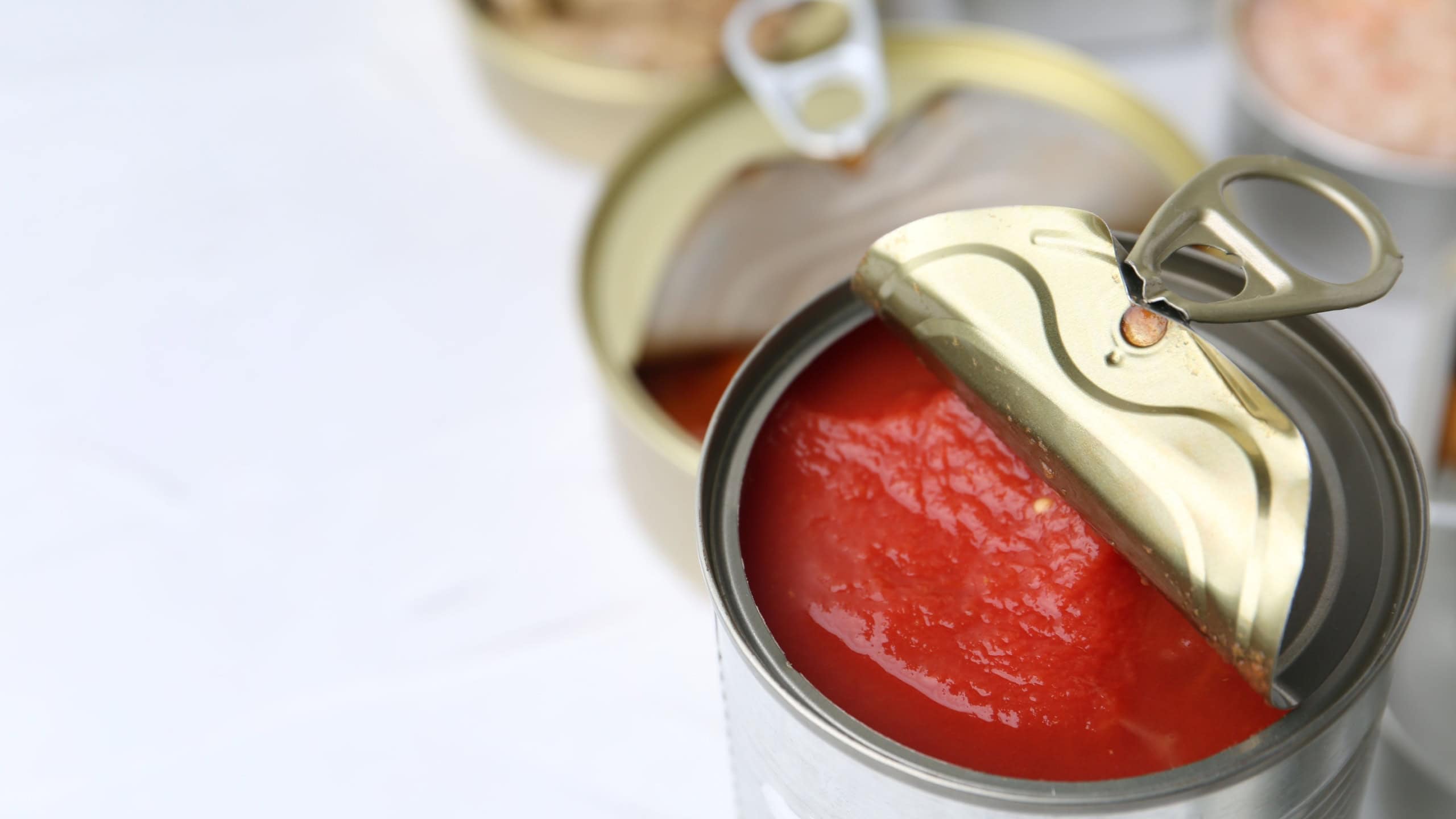
Tomato paste has much less water than your typical diced tomatoes. The strong acidity of the tomato paste, coupled with its concentrated nature, quickly degrades the can’s interior metal coating.
The acid causes microscopic holes in the metal, called “pitting.” Once canned goods pass their dating, tin and chromium leach from the pitted metal right into your food.
A dark, metallic-tasting tomato paste signals significant metal exposure. If you open your tin of paste and notice a dark ring around the top, the canning process has failed, and you shouldn’t eat it.
Walnut halves and pieces
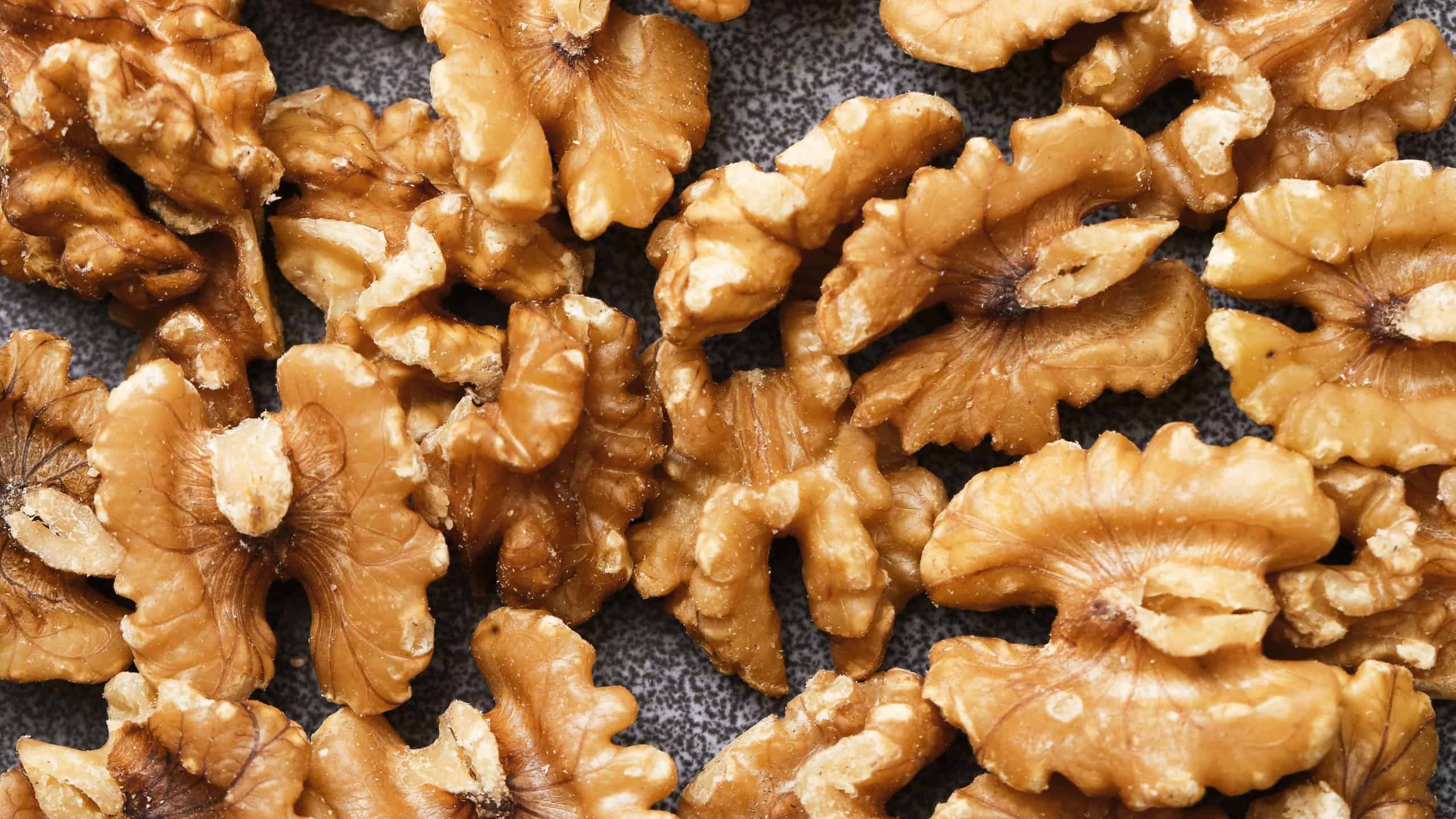
Walnuts contain more oils than almonds or peanuts, which means they go rancid quicker than your average pantry nut.
Oils go rancid through oxidative reactions, which creates that hot, burning feeling in the back of your throat when you consume them.
Studies have proven that rancid nuts impair your body’s natural vitamin uptake and can irritate your stomach lining.
If walnuts have gone bad, they’ll feel weirdly sticky and smell a lot like paint thinner.
Matcha green tea powder

Matcha is considered a raw food, so it reacts very poorly to heat and light.
Its bright color won’t stay for long after you break the seal on the tin. As it’s exposed to air, matcha will gradually turn brownish and dull over time. This can take a few months, though.
Taste wise, old matcha will start to lose its fresh, slightly sweet taste. It can become flat or even bitter.
Matcha also begins to lose nutrients after time. Many people crave matcha for its nutritional benefits, so this could be why aged matcha doesn’t feel as “good” for you.
Some people get stomach aches from expired matcha. And improper storage can make this worse.
Non-dairy shelf-stable milks

Yes, you can technically keep almond or oat milk in a carton on your shelf for months. But, even before the expiration date hits, the blend of ingredients in those milks begins to change.
Beyond the sell-by date, the proteins in milk can sink to the bottom of the container and become a gross sludge that breeds bacteria even if the package is unopened.
If the milk container feels unusually heavy or chunky when shaken, the milk has changed on a molecular level and should be avoided.
Dried herbs like cilantro and parsley

Not all dried herbs have the same shelf life. Soft-leaved herbs like basil, cilantro, and parsley lose their moisture and necessary oils almost right away, unlike hard herbs like rosemary or thyme.
For instance, dried cilantro doesn’t just go flavorless after half a year; it can start to attract pantry pests like cigarette beetles that feast on leafy residue.
If your parsley, cilantro, or other green herbs have turned a dusty tan color, they are bad for your cooking and potentially for your cupboard.
Self-rising flour

Self-rising flour contains salt, baking powder, and flour. As a result, it doesn’t stay good nearly as long as a typical bag of regular flour.
Eventually, the leavening agents’ potency wanes as they interact with the flour’s moisture, leading to biscuits that won’t rise. Salt can also attract more humidity, which creates tiny micro-clumps that can house mold spores in the center of your flour.
Your biscuits will likely be a disappointment if the flour has been sitting unused for more than half a year.
Unrefined cold-pressed oils

Avocado oil, grapeseed oil, walnut oil, and other specialty oils are often sold in clear bottles. That’s a problem if you’re hoping to keep them around for a while.
When exposed to light, all oils begin to undergo “photo-oxidation” at an accelerated rate. Those expensive oils go bad, becoming something that smells and tastes truly awful.
And since these raw oils have not been refined like most vegetable oils, there are no preservatives to prevent spoilage of their fragile molecules.
If you aren’t storing them in a dark cupboard and using them within months, you’re pouring oxidized grease all over your nutritious salads.
Toasted sesame seeds

Toasting sesame seeds creates those awesome flavors by bringing the oils to the surface. Unfortunately, these oils will now go bad much more quickly.
Once the sesame seeds are roasted, the seed hull can no longer protect the oils from oxygen, and they will go rancid within weeks.
Many cooks have a container of toasted sesame seeds that they keep for years. What they don’t realize is that the bitter, dusty flavor is the seeds slowly going rancid.
If they don’t smell super nutty when you shake the container, just toss them.
Sources: Please see here for a complete listing of all sources that were consulted in the preparation of this article.

