

While some things used to feel special for boomers, millennials treat them like the bare minimum for getting through adult life.
When the clock stopped ruling everything

Flexible hours. These were something that you’d only get once you’d spent years at a company and had a proven track record of actually doing your work, so boomers saw them as a luxury. But not millennials.
No, for the younger generation, a life outside work is way more important, and they’re not willing to sacrifice their time for anything work-related. You’re unlikely to find them picking up any extra work as a special favor because, for them, flexibility matters more.
A little room on the calendar

Travel was once a lot more challenging, and that’s why boomers valued it so much. They weren’t exactly traveling every summer or even every year, as traveling cost a lot of money and required a lot of time.
Millennials can travel to other countries for a fraction of what it cost boomers. A weekend away, a few days off before burning out, both of these are things that millennials see as normal. They’re not willing to negotiate over their travel time because they think it’s the standard.
The trip after the party

Boomers had a similar attitude toward honeymoons, although not in the way you might expect. They’d still have them, but they’d be fine with doing something simple, like going on a short drive someplace nice or staying with family.
An expensive honeymoon was a pipe dream for many. Yet for many millennials, a nice honeymoon is a regular part of wedding planning, and it’s something they’ll see as necessary, not optional. It doesn’t have to be expensive, but it does need to be a good trip.
Not just a paycheck

A job doesn’t have to make you feel good. That’s what many boomers were told, and they believed the most important part of working was getting paid, nothing more, nothing less. A job that actually fulfilled you and made you feel valued? That was the dream.
But millennials are unwilling to buy into that because they see a workplace that respects them as the norm. It’s not like they need to be best friends with their bosses or anything, that’d be unrealistic. They just see basic work respect and a sense of fulfillment as just that, basic.
Something humming after dinner
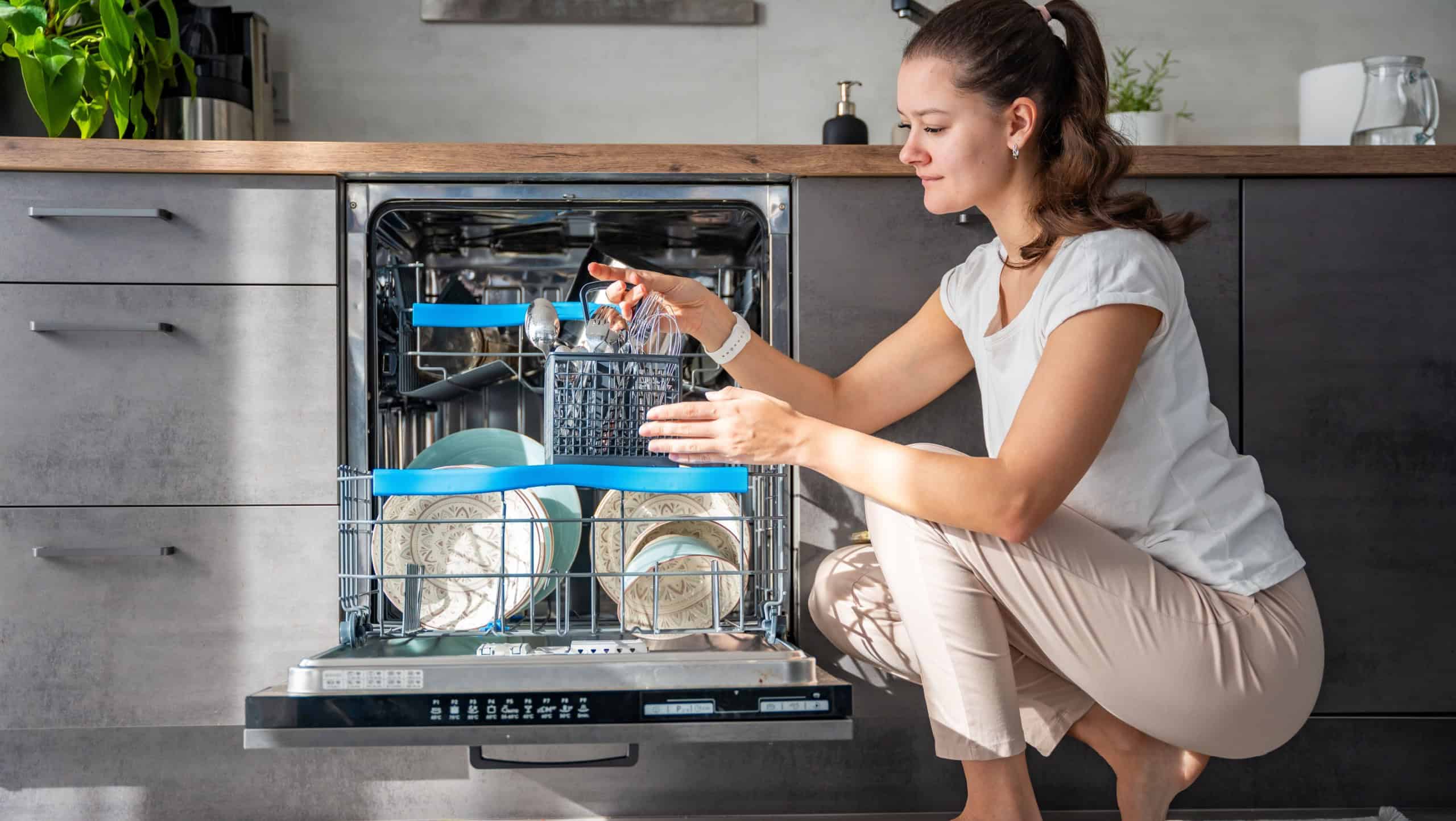
It’s weird to imagine today, but there was once a time when having a dishwasher made your kitchen feel a little fancy. Not for millennials, though. They’re so used to living in homes with dishwashers already installed that not having one feels strange.
But boomers remember the days when having a machine that did your dishes for you felt so futuristic, and that meant owning one was a kind of status symbol. You didn’t have to stand at the sink yourself. How revolutionary.
One set of keys wasn’t enough

You could stretch a single car further in the past because daily life used to revolve around one main worker and one main schedule. That wasn’t true for everyone, of course, but most boomers saw it as a luxury when a family had two cars.
However, today, millennials expect to have two cars when they’re living with other people, since they both have jobs to get to and they both have errands to run. That’s not to say they don’t use public transport, they do, it’s just that they see having two cars as the standard.
Help for the skipped corners

Don’t get us wrong, there are still plenty of people who think hiring a cleaner sounds fancy and is only for people who are really rich. But most millennials don’t view it that way. They think it’s normal to hire someone to clean before visitors come or as a monthly routine.
Boomers believed that all the household work had to be done inside the family because, apparently, only the rich could afford to hire people outside. But these days, everyone’s working and the cleaning keeps piling up, so getting extra help doesn’t feel so luxurious anymore.
The shortcut fee

Millennials sure do love convenience. They complain about fees, yes, but then they still pay them to get taxi rides and deliveries straight to their house. They wouldn’t be able to survive without that kind of ease.
Boomers could, though, because they believed only the elite could pay for convenience, whether that was with cooking or traveling. Paying for a meal to be shipped to your home? Paying for a taxi to pick you up right from your house? That wasn’t normal people stuff.
June in the produce aisle

Fruit had more of a season when boomers went grocery shopping. Shipping stuff was a lot more challenging, after all, so that meant that summer produce stayed as summer produce, and winter produce was basically nonexistent.
Millennials don’t understand that. They expect to have basically every fruit and vegetable they want available throughout the year, no questions asked, because that’s how grocery shopping has become. They’re not willing to wait. They never had to.
A different front door

The life path used to be a lot stricter than it is today. You went to school, you got a job, you got married, you had kids, you did it all because that’s how people did things. Not all boomers lived that way, but the idea of doing what you wanted, outside the rules, wasn’t possible.
Millennials are used to approaching life in a much more individual way, and they’re not going to negotiate on that. They expect to be able to move back home when they need to and choose not to marry if they don’t want to. Choices aren’t extra for them.
Sources: Please see here for a complete listing of all sources that were consulted in the preparation of this article.
Some Gen X and Boomers are still clinging to 15 ideas that don’t work anymore

Sticking with habits from the 80s and 90s, which might feel natural, actually just creates daily turmoil for older folks.
Some Gen X and Boomers are still clinging to 15 ideas that don’t work anymore


