
Laws regulating beauty products vary dramatically across the globe. In the U.S., the FDA (Food and Drug Administration) bans only a fraction of cosmetic products.
Meanwhile most other countries, especially those in the European Union, prohibit hundreds, if not thousands, of products due to safety concerns for humans and the environment.
Because the US allows ingredients until they’re proven unsafe, some of the everyday products Americans use contain ingredients that are entirely banned in other countries. Here are nine you might find concerning.
Lipstick with Lilial or Phthalates
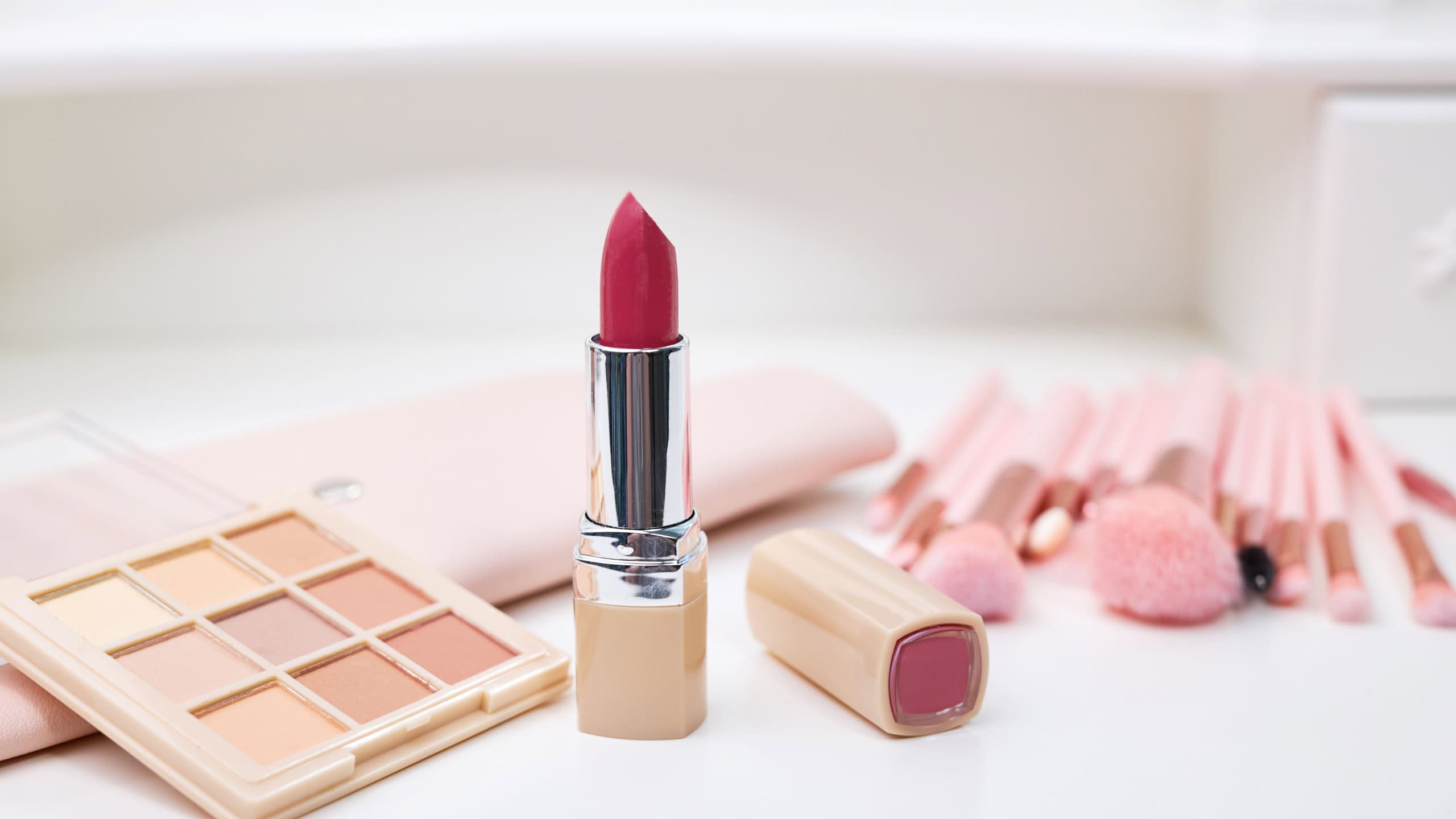
Brand/product: Bath & Body Works Crème Lipstick or Victoria’s Secret Lip Gloss
Some U.S. cosmetic brands incorporate hidden fragrance enhancers like Lilial and concealed plasticizers such as phthalates into lipsticks and lip glosses.
Lilial and phthalates are banned in the EU due to reproductive toxicity and hormone-disrupting activity. But manufacturers in the U.S. can still legally add them to cosmetics sold here, as long as they follow FDA labeling and product safety regulations.
Selsun Blue Medicated Dandruff Shampoo (with selenium sulfide)
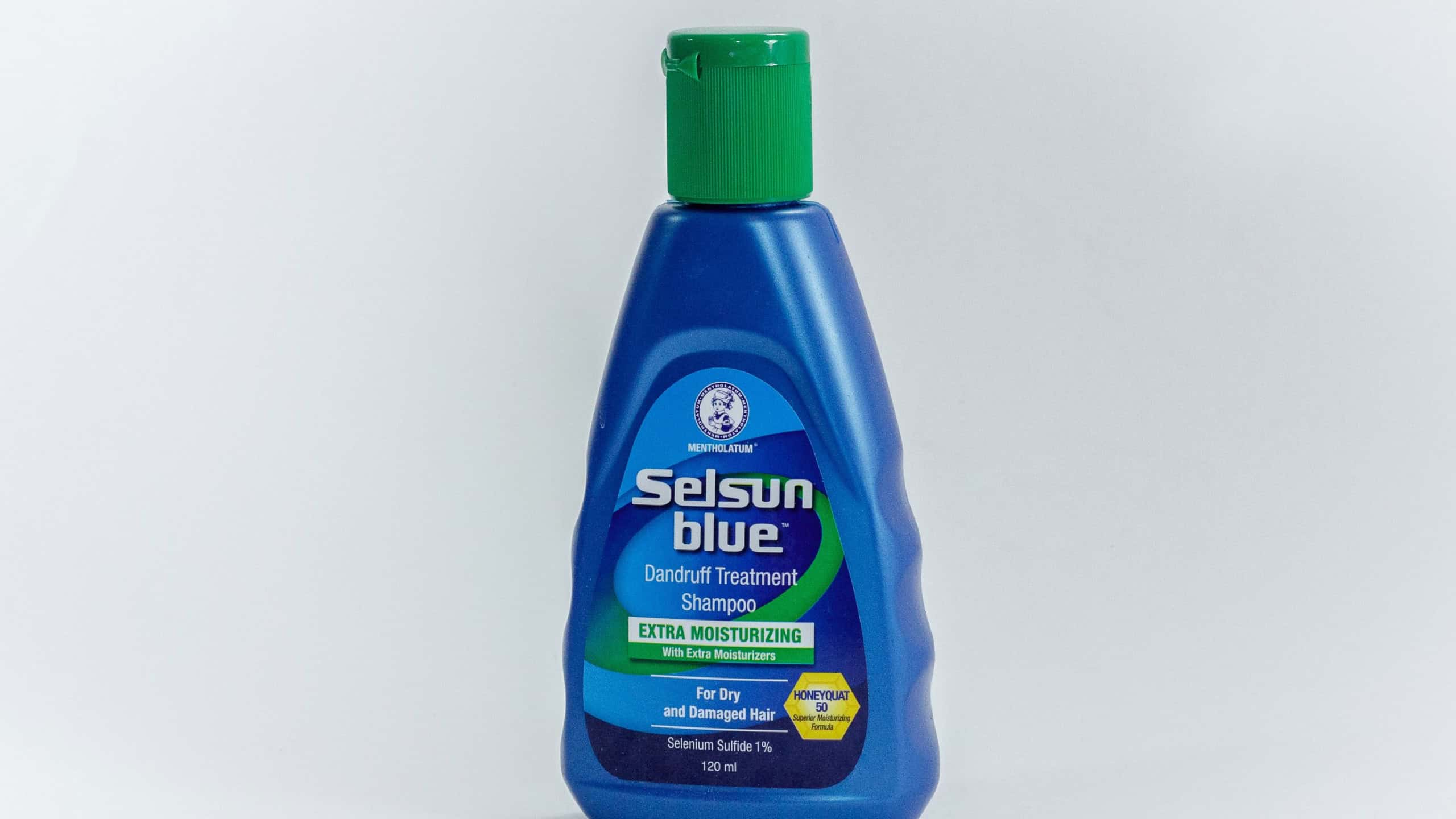
Brand/product: Selsun Blue Medicated Shampoo
You can still find selenium sulfide containing Selsun Blue Medicated Shampoo on shelves across the United States, from pharmacies to big box stores.
Directions are included to ensure consumers use the shampoo safely when treating dandruff and irritation. Overuse can cause toxicity and irritation.
Europe does not make it so easy to buy shampoo containing selenium sulfide. It isn’t banned across the EU, but it is controlled. It is only available in specific concentration limits, products must go through a safety assessment and packaging must include warnings.
Chemical Sunscreens with Oxybenzone
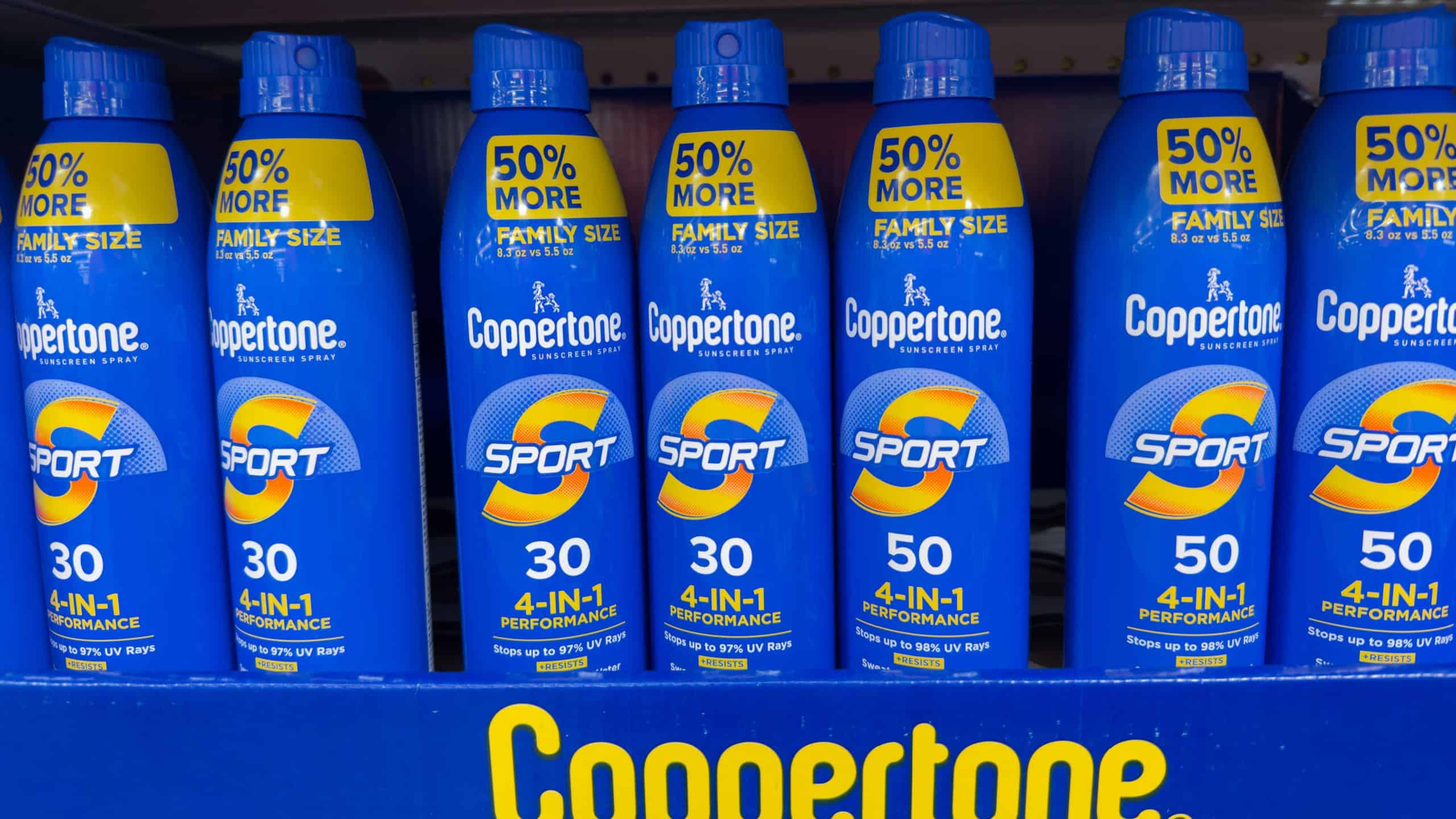
Brand/product examples: Coppertone Sport Sunscreen Lotion SPF 50+, Hawaiian Tropic Silk Hydration SPF 30
Oxybenzone remains widely used in sunscreens sold in the United States, including major brands like Coppertone and Hawaiian Tropic. It is easily absorbed in the bloodstream and can also cause skin irritation.
Oxybenzone is regulated by the FDA in the United States and approved for use in concentrations of up to around 6%.
Oxybenzone has not been banned within the European Union (EU) but instead is regulated by maximum concentrations based on the type of sunscreen formulation. Face and lips versions are limited to 6% and body-use sunscreens are limited to 2.2%, with further lowering of limits being considered.
Several states and territories outside of the EU have banned oxybenzone including Hawaii and Palau, citing environmental reasons to protect coral reefs.
Traditional Nail Polishes with Toluene/Phthalates
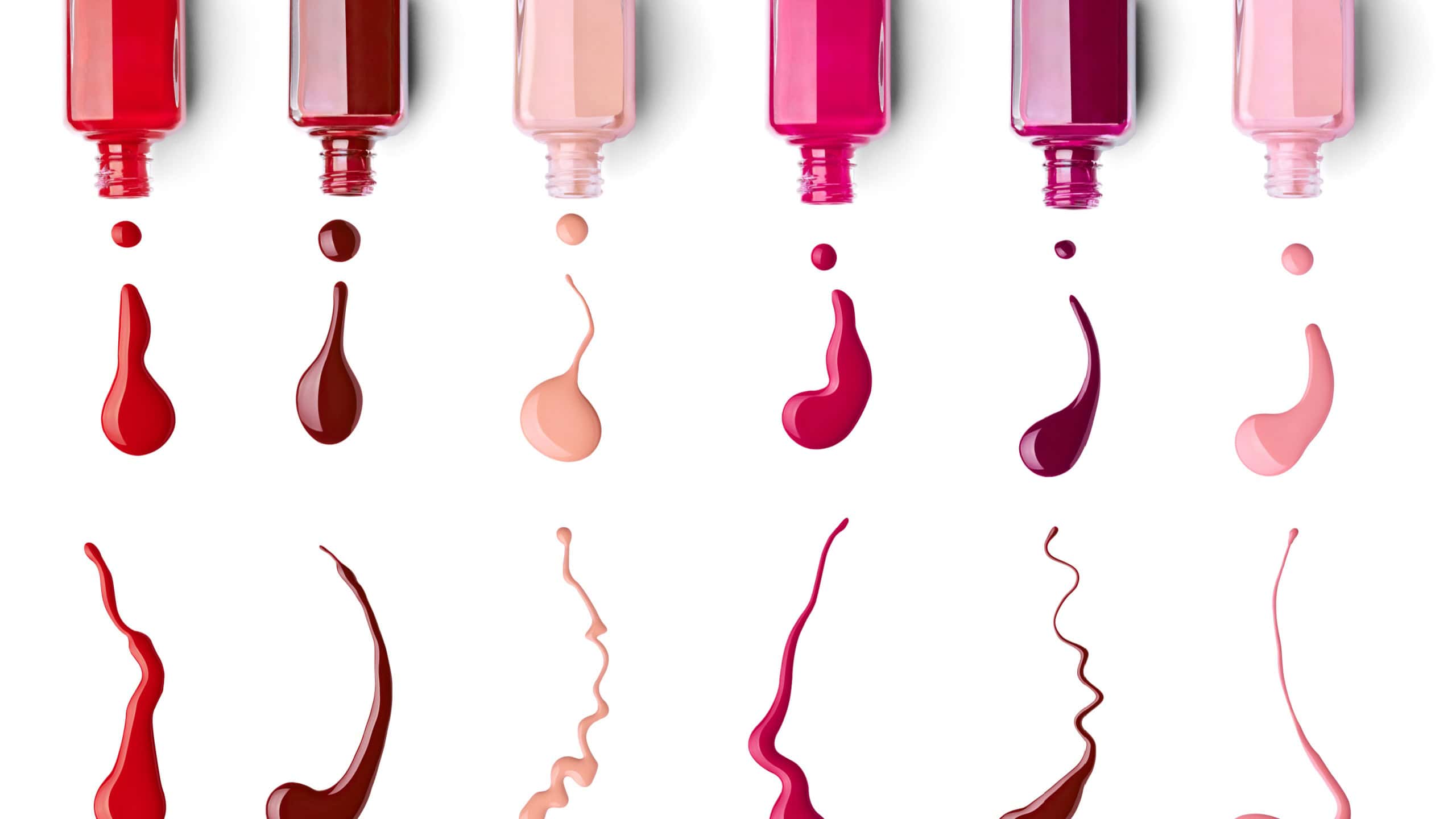
Image Credit: Shutterstock.
Brand/product: Sally Hansen Hard as Nails, Sally Hansen Complete Salon Manicure
Many older polishes available in the US marketed under names such as Sally Hansen Hard as Nails and Complete Salon Manicure previously contained toluene and/or phthalates to help achieve a smooth, durable finish.
In the European Union, concerns have been raised over the safety of certain chemicals such as phthalates (specifically DBP) which have been associated with reproductive toxicity.
In response to these concerns, the EU has banned the sale of cosmetics containing these ingredients. European brands have reformulated their nail polishes and do not contain these ingredients, while some U.S. brands still do.
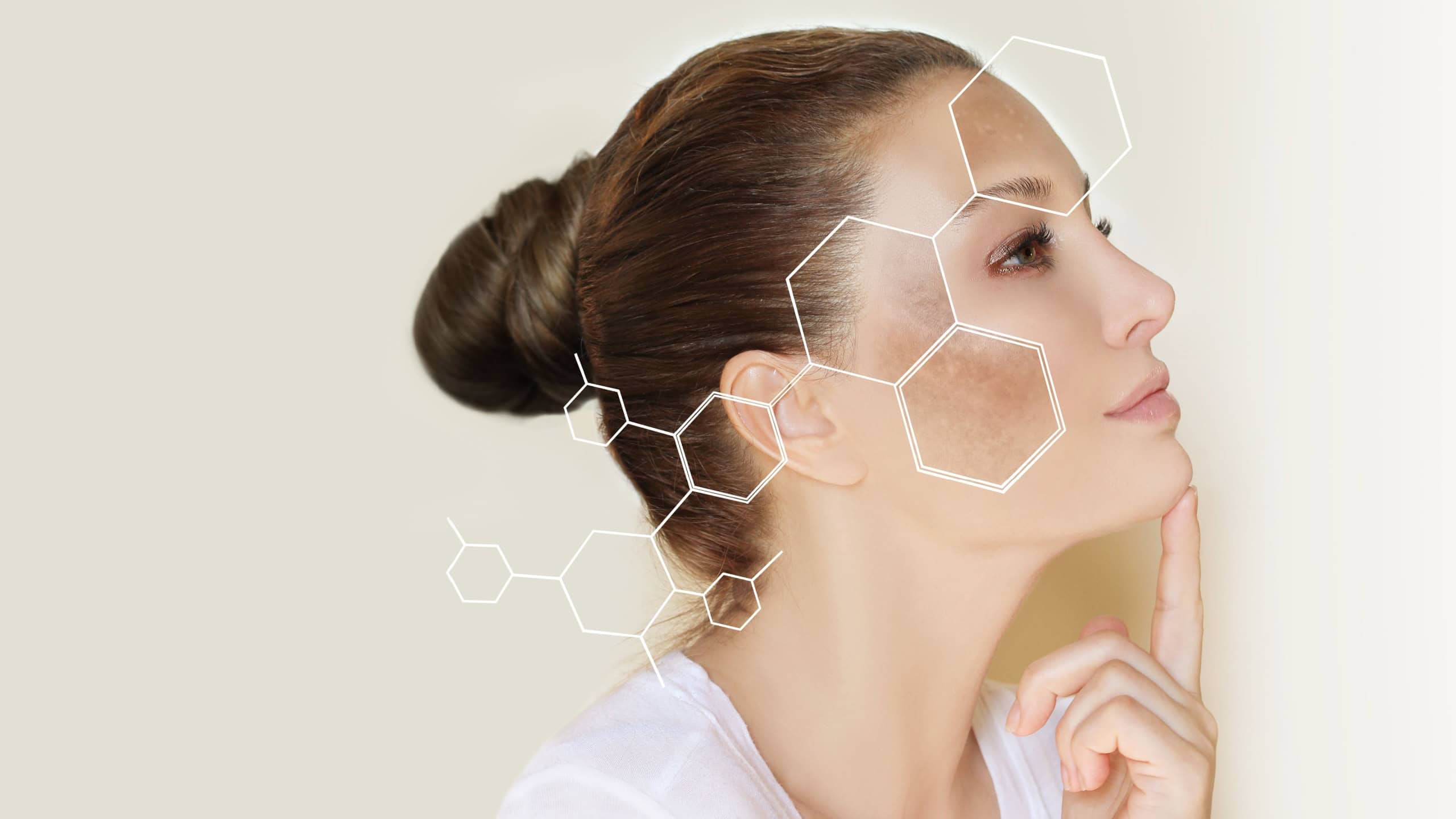
Hydroquinone Skin Lighteners
Brand/product examples: Murad Rapid Age Spot and Pigment Lightening Serum (Rx), Obagi Nu-Derm Clear
Hydroquinone products (e.g., Murad Rapid Age Spot, Obagi Nu-Derm Clear) are prescribed in the United States to get rid of dark spots and even skin tone.
Since it can cause irritation, light spots and other side effects, medical supervision requires patients to continue regular appointments with their doctor during treatment with these topical products; OTC hydroquinone products are no longer available.
Hydroquinone is banned for use in cosmetic skin care in the European Union, but trace amounts are allowed to remain in professional nail products.
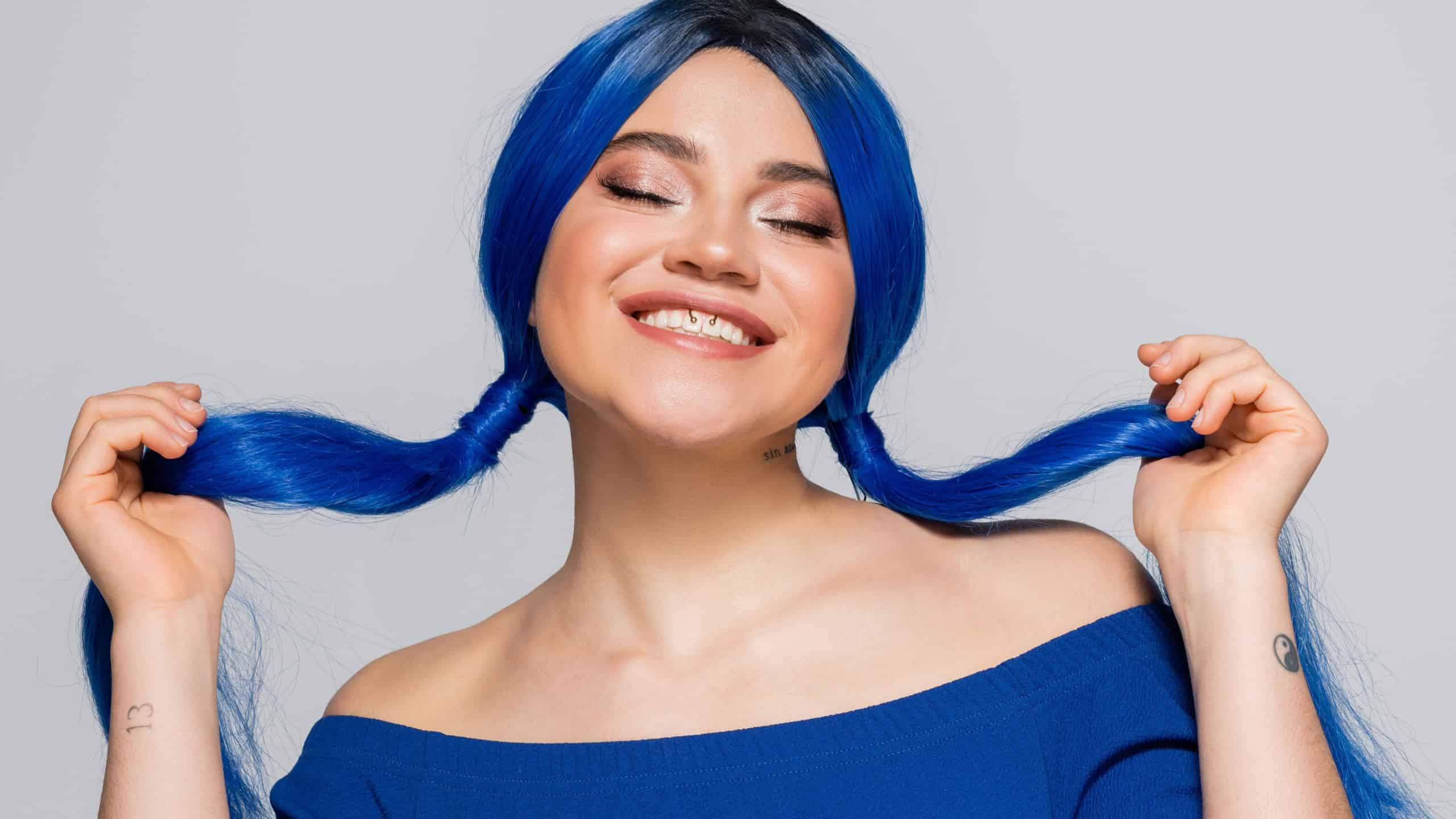
Hair Dyes with Basic Blue 7 or D&C Violet 2-Type colorants
Brand/product examples: Clairol Nice ’n Easy Permanent Hair Color, L’Oréal Excellence Creme
Certain brands of hair dye available in the United States, such as Clairol Nice ‘n Easy and L’Oreal Excellence Creme, still use coal‑tar derived color additives such as Basic Blue 7, Basic Blue 9, and D&C Violet No. 2.
The FDA does allow them, but they must carry caution statements and instructions for patch testing prior to use. These color additives are prohibited in cosmetics throughout Europe, including hair dyes, due to environmental and health concerns.
Petroleum-derived Mascara Base

Brand/product: Maybelline Great Lash Mascara
Petroleum-derived ingredients like mineral oil and petroleum distillates are still commonly used as binders in older mascaras, including some iconic mascaras such as Maybelline Great Lash.
Because US regulations permit their use these compounds remain in product formulations.
European cosmetic regulations restrict the use of petroleum distillates containing hazardous chemicals but allow refined mineral oils which leads manufacturers to use alternative ingredients.
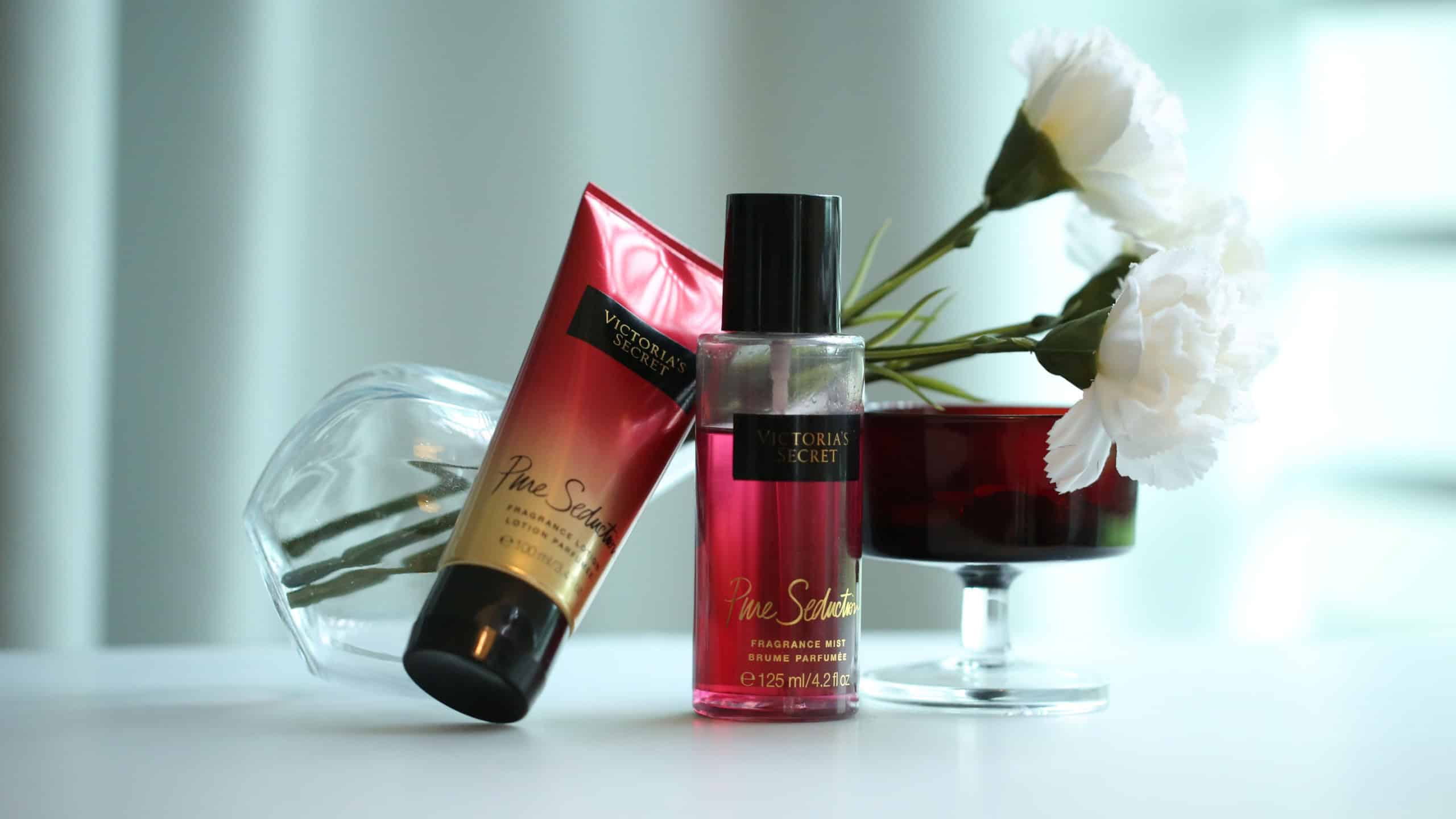
Fragranced Lotions with “Lilial” or hidden phthalates
Brand/product examples: Bath & Body Works Fine Fragrance Lotion, Victoria’s Secret Body Mist
Products like Body Sprays and Body Lotions from Bath & Body Works and Victoria’s Secret often have their scent labeled simply as “Fragrance.”
Fragrance” can mean dozens of chemicals, some of which can include Lilial and phthalates found dangerous to your health.
Manufacturers in America don’t have to disclose every ingredient. But in Europe, they’re cracking down. Lilial was banned in Europe as of 2022, and companies have since reworked their formulas to remove harmful chemicals.
Traditional Body Lotions with Parabens
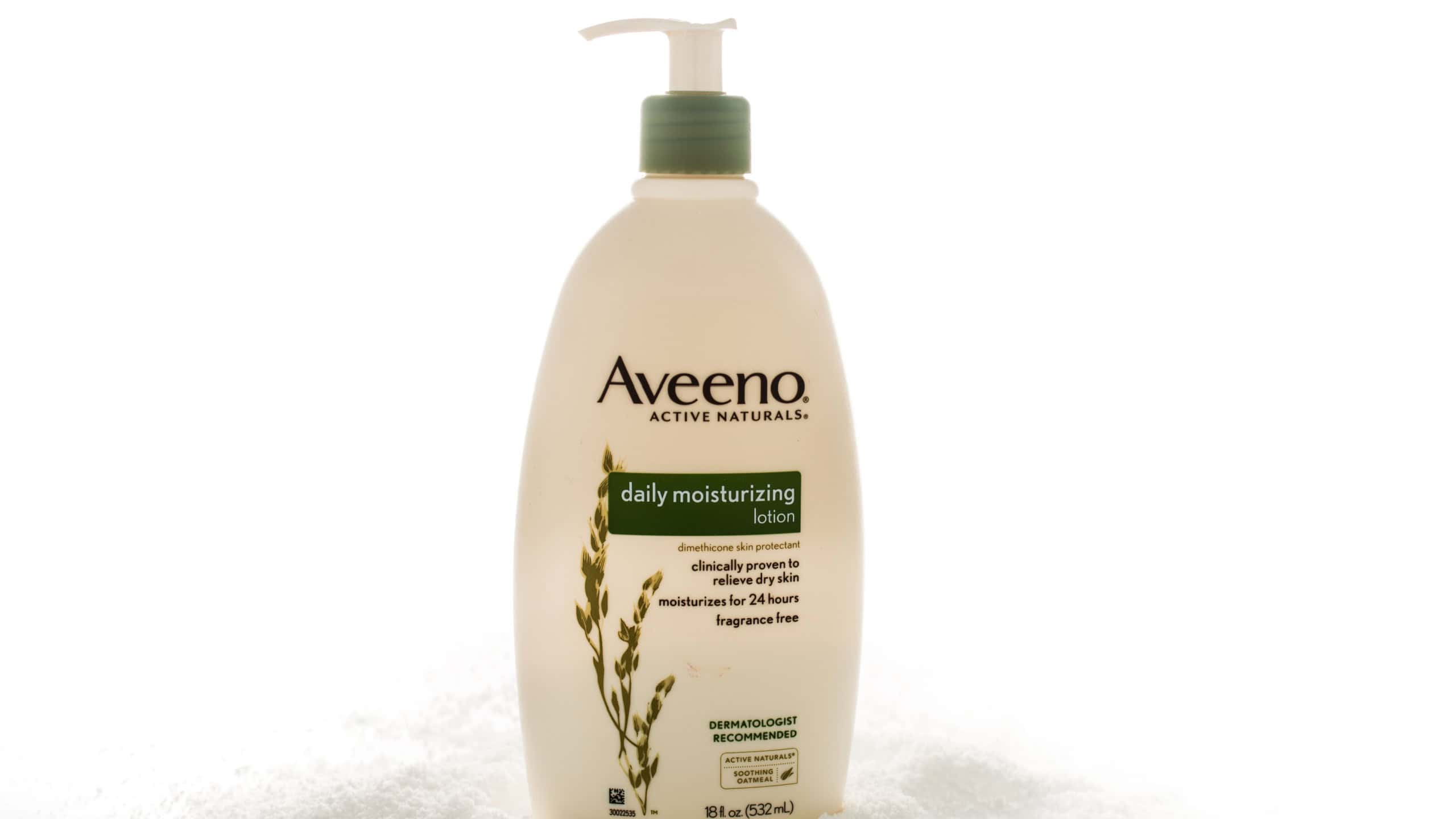
Brand/product examples: Aveeno Daily Moisturizing Lotion, Jergens Original Scent
Skin moisturizers, such as Aveeno Daily Moisturizing Lotion and Jergens Original Scent body lotions often contained parabens, either propylparaben or butylparaben, to prevent the lotion from becoming contaminated with mold or bacteria.
They are still permitted in the US unless the product is marketed as being “paraben-free”.
U.S. and European regulators agree that normal paraben exposure poses no safety concerns. But parabens found in many body lotions still face bans in Europe over potential endocrine disrupting effects, while others remain permitted with strict restrictions.
Sources: Please see here for a complete listing of all sources that were consulted in the preparation of this article.
Like our content? Be sure to follow us.

