If you’ve ever seen someone microwave water to “make tea” or call their dad to hang a picture, you probably understand that some skills just didn’t make it to the next generation. It’s not their fault. A lot of stuff simply disappeared when apps & smart gadgets took over, meaning there are plenty of useful skills that young people don’t have. But they should. Here are fifteen basic skills younger generations should learn from Boomers that have nothing to do with screens or QR codes. Which one do you think is the most important for them to learn?
Featured Image Credit: SeventyFour /Depositphotos.com.
Using a Screwdriver Without Stripping the Screw
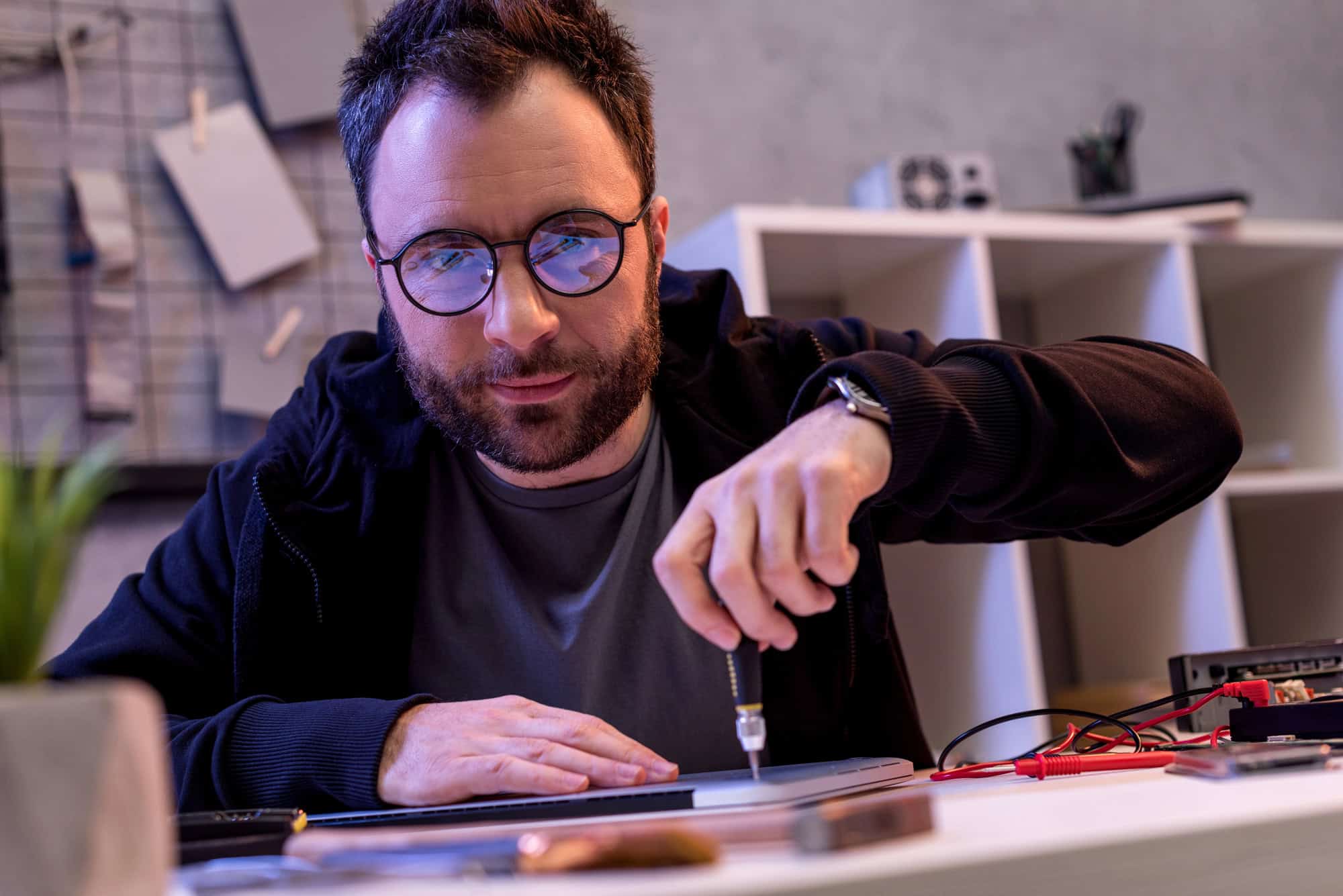
You’d think using a screwdriver would be simple, but no. Sometimes, when you try to unscrew something, you end up completely butchering the head, and the screwdriver just spins in place forever. This is usually because you’ve put the wrong size into the screw, so you should stick to using the right fit with a straight angle & a steady hand. It also helps if you press down firmly while turning instead of just spinning with light pressure.
Folding a Fitted Sheet Properly

Everyone thinks there’s no real way to fold a fitted sheet until someone shows them. Once you learn how to line up the corners and flatten it into a rectangle, you can actually stack it with the rest of your laundry instead of hiding it in shame. Better yet, if you’re storing sets together, you should try to tuck the whole thing into one of the pillowcases so you don’t lose track of it. It’s a simple skill, but it’s well worth knowing.
Tying a Secure Knot That Won’t Slip
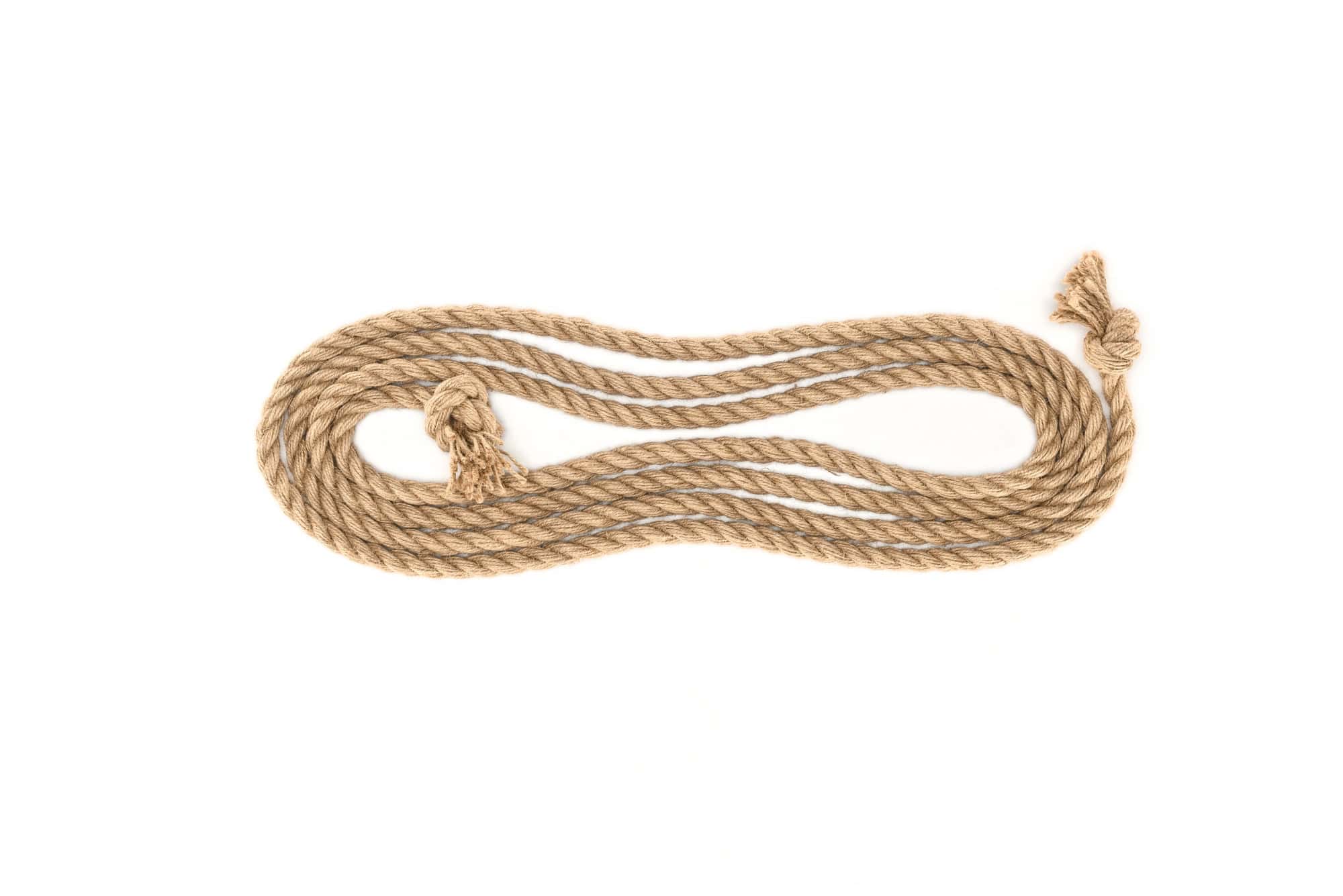
Many younger people have no idea of how to tie something down, and they’ll just loop the rope five times and hope that gravity helps. But when you’re moving furniture or hanging something heavy, you need a knot that holds, like a trucker’s hitch. Other useful knots include the bowline and figure-eight, which are things you should know for when you’re strapping something to a roof rack or just trying to keep stuff from flying around in the back of a truck.
Sharpening a Knife By Hand With a Whetstone
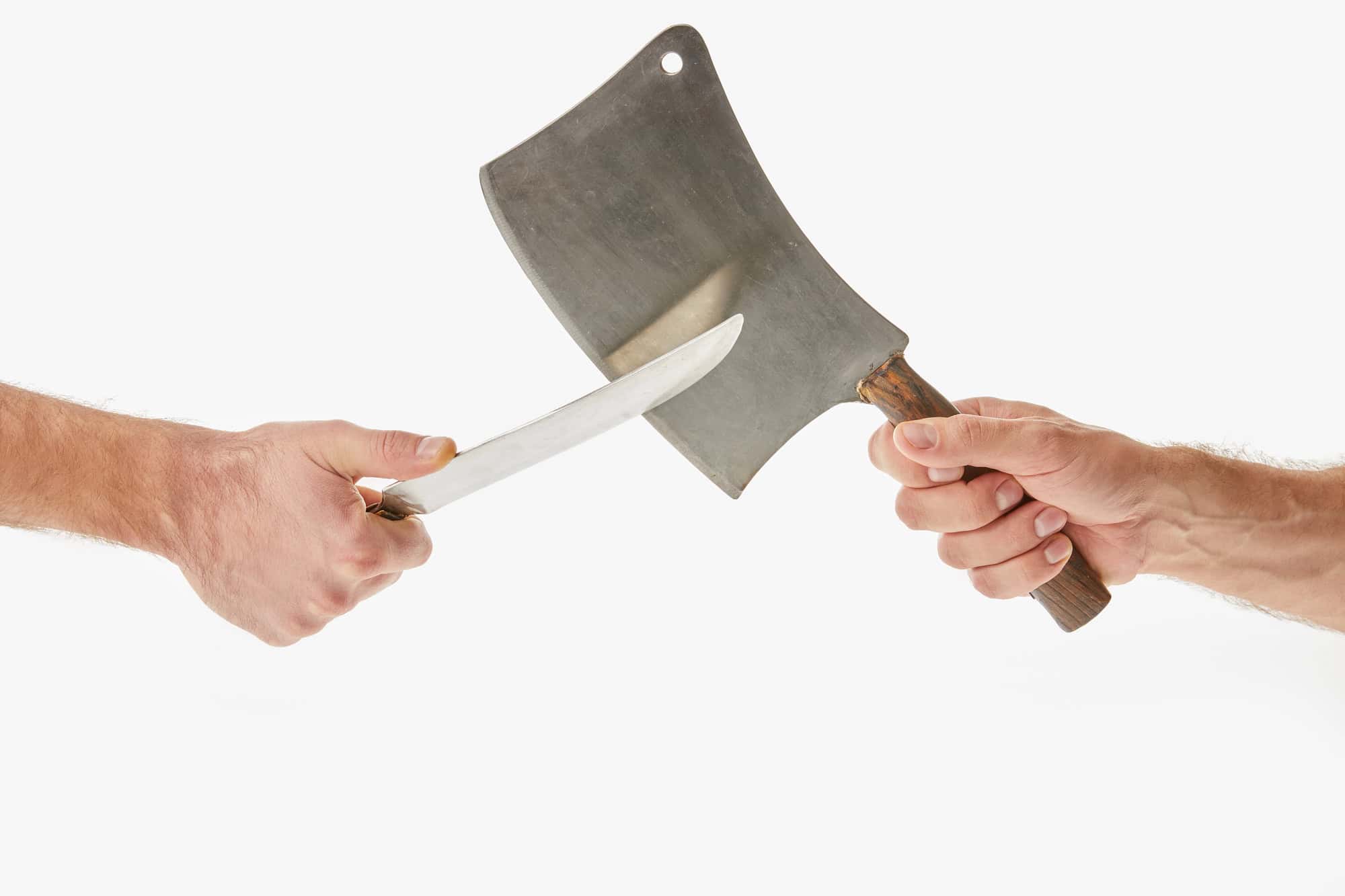
While a whetstone might look intimidating, it’s honestly just a rock & a little water. Using one is far better than having one dull kitchen knife that just kinda mashes tomatoes instead of slicing them. Slide the knife across at the right angle a few times, then flip it & repeat it—that’s all it takes. It helps to do a few passes on each side, and if it doesn’t catch or tear, you’re doing it right. You may even want to oil the stone, but most of the time, water works fine.
Jumpstarting a Car Without Frying the Battery
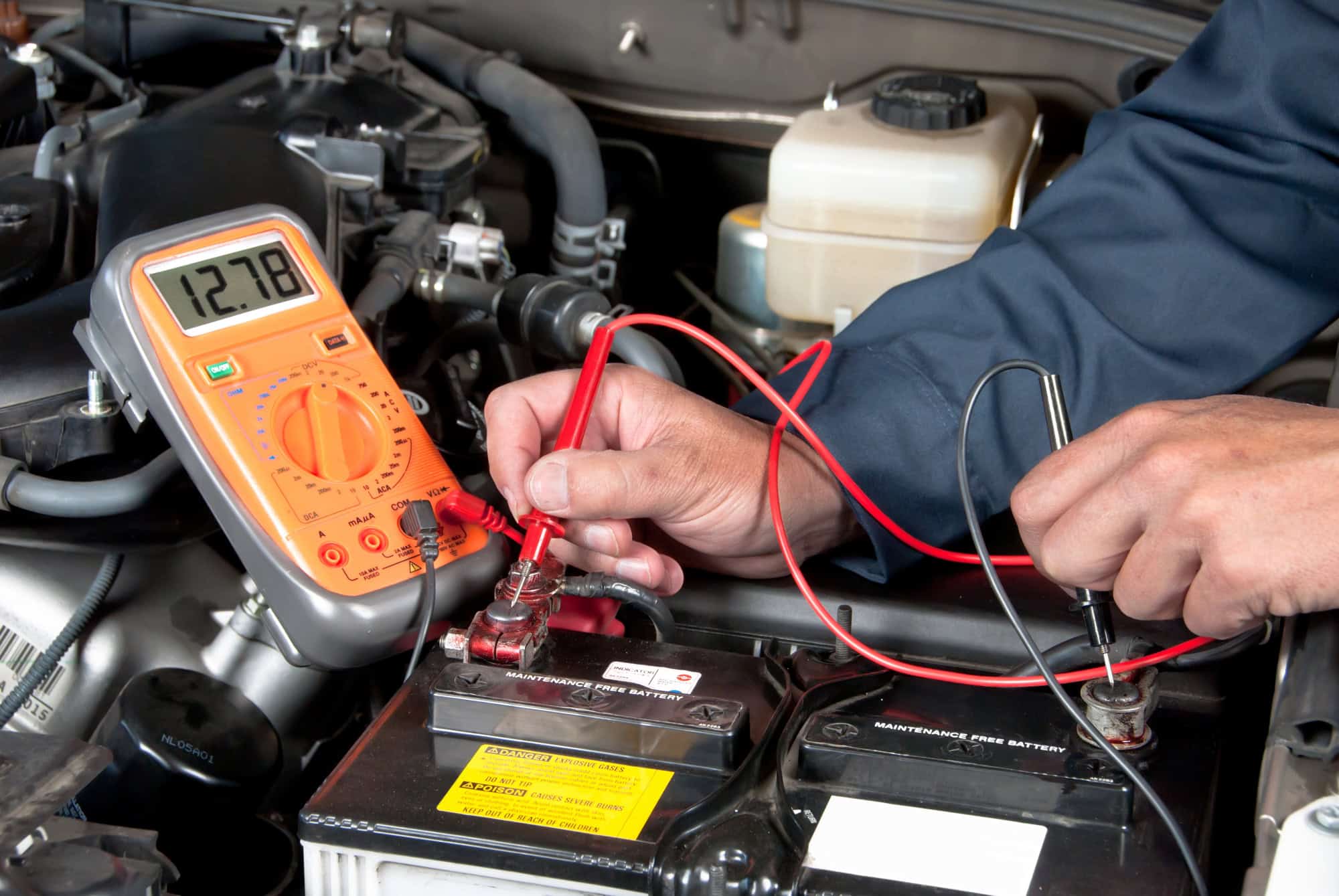
No one wants to admit they’re googling “how to jump a car” in the middle of a parking lot, and if you mix up the red and black cables, it becomes a huge problem. The process isn’t that hard, but it is easy to mess up if no one’s ever shown you. You should let the working car run for a few minutes before trying to start the dead one, and once it starts, leave it running for a bit to let the battery recharge before driving off.
Sewing on Buttons

It’s annoying when one of your buttons pops off in the middle of the day, and yeah, safety pins exist, but they’re not exactly stylish. Sewing it back on properly, with a few extra loops & a tight knot on the back, actually keeps it there, so it’s a skill worth knowing. You don’t need to have a sewing kit because one of those cheap travel ones with a needle, some thread, and mini scissors should be fine. You’ll only need five minutes.
Making a Fire Without Lighter Fluid
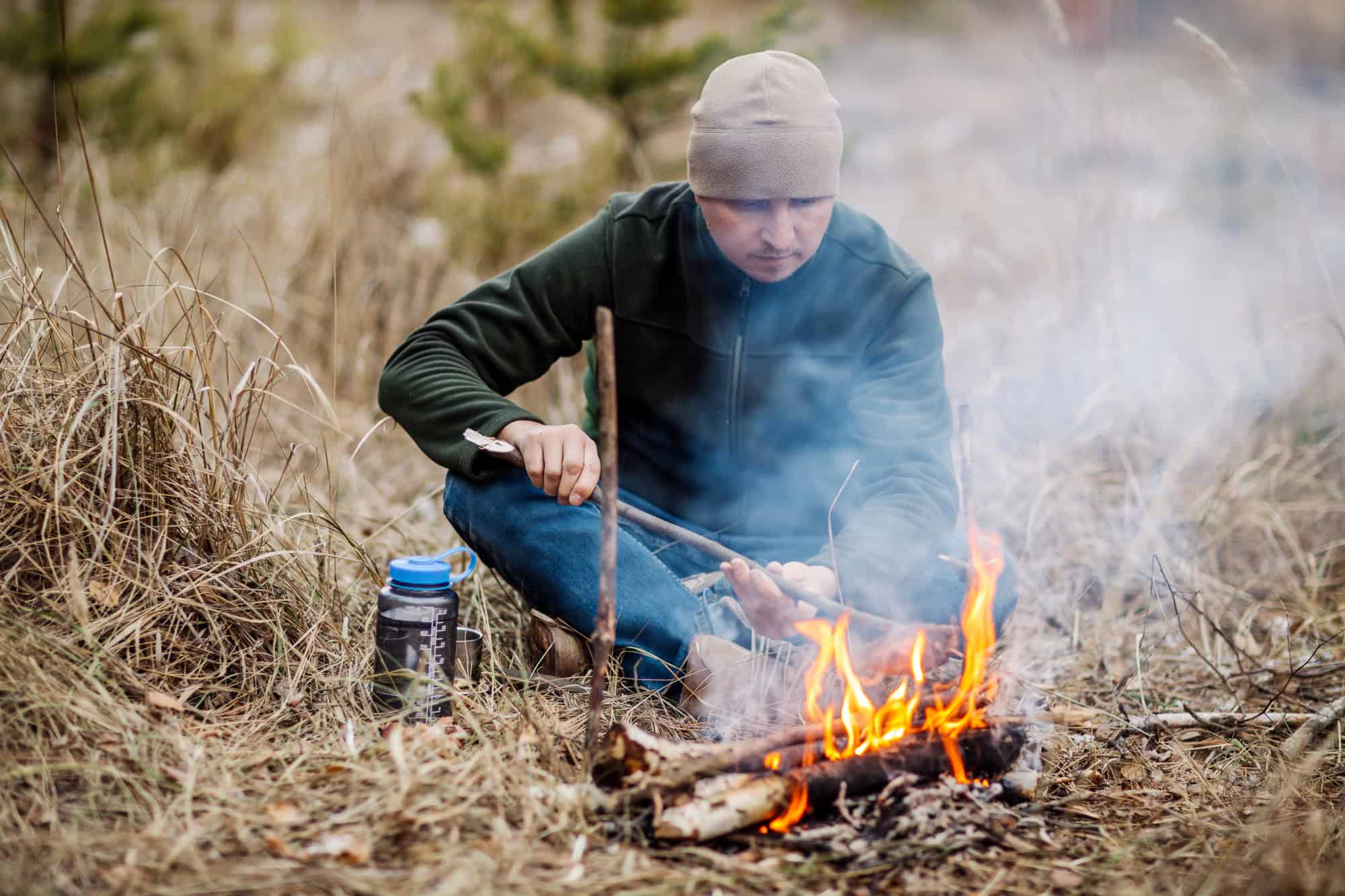
Despite what the movies show, throwing a match into a pile of logs doesn’t exactly start a fire, and dumping half a bottle of lighter fluid on there is a big mistake. Fire-building involves patience more than anything, as you have to start with the small stuff first, then bigger sticks. Once the flames get going, just add bigger pieces and let it breathe. Even if you’re not someone who goes camping, you won’t realize how useful this skill is until you need it.
Reading an Analog Clock Without Pausing

It’s equally funny and tragic that so many young people can’t read one of those clocks with hands unless they stare for a good ten seconds. The little hand’s hours, and the big one’s minutes. Count by fives. Being able to tell the time quickly on a wall clock means that you’ll never miss the bus or a meeting just because your phone’s dead. You should practice with a watch if you’ve never gotten the hang of it because eventually, it becomes automatic.
Cooking Simple Meals Without a Recipe
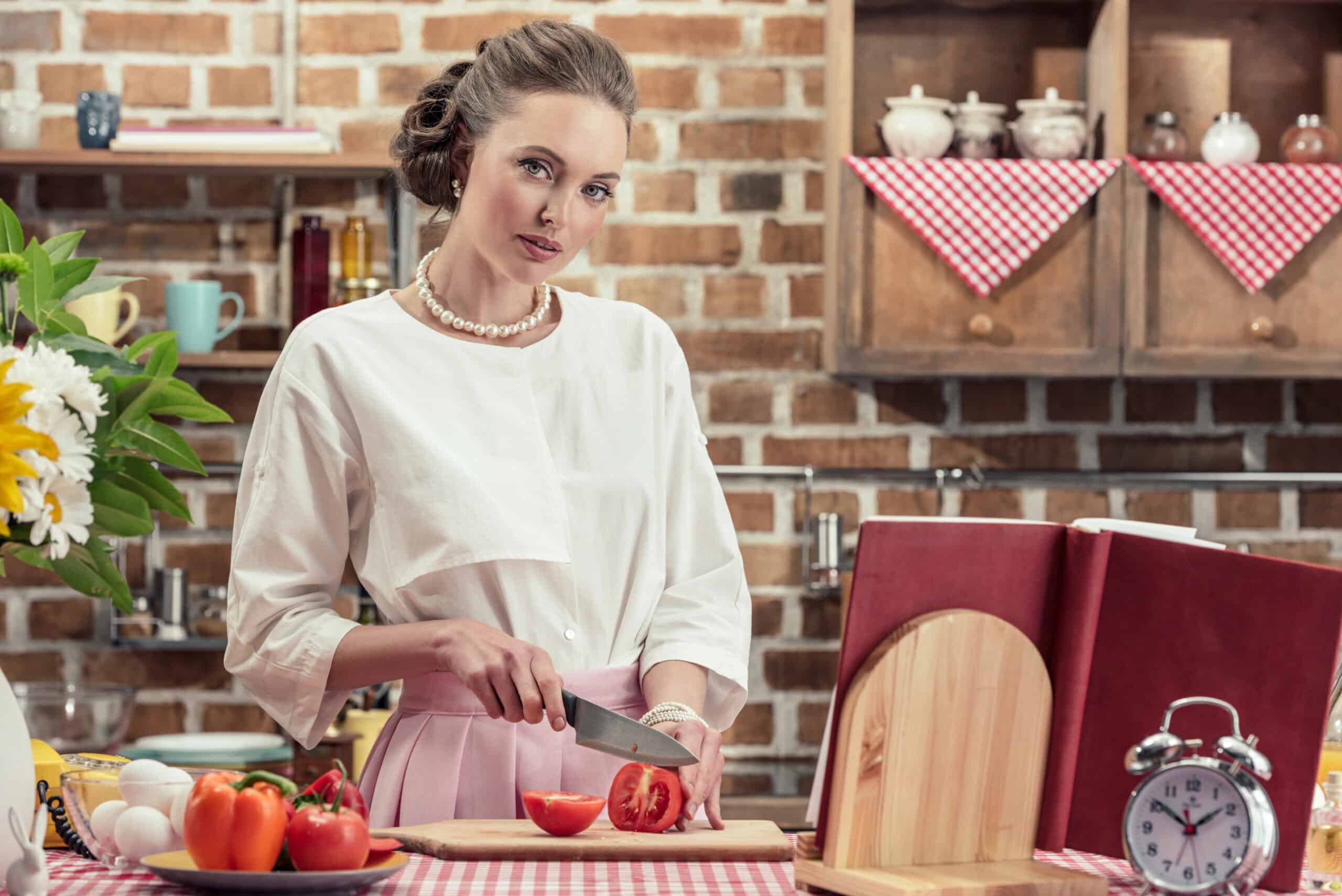
Rather than trying to be a chef, cooking without using a recipe involves being able to see what’s in your kitchen and make something that isn’t toast or cereal. You’d be amazed at what happens when people realize they can make actual food from a few ingredients. You should be able to understand the basics, like sautéing, boiling, seasoning & tasting, without relying on a recipe. Just remember that you don’t need exact measurements for most meals, just try it and tweak it.
Cleaning a Drain
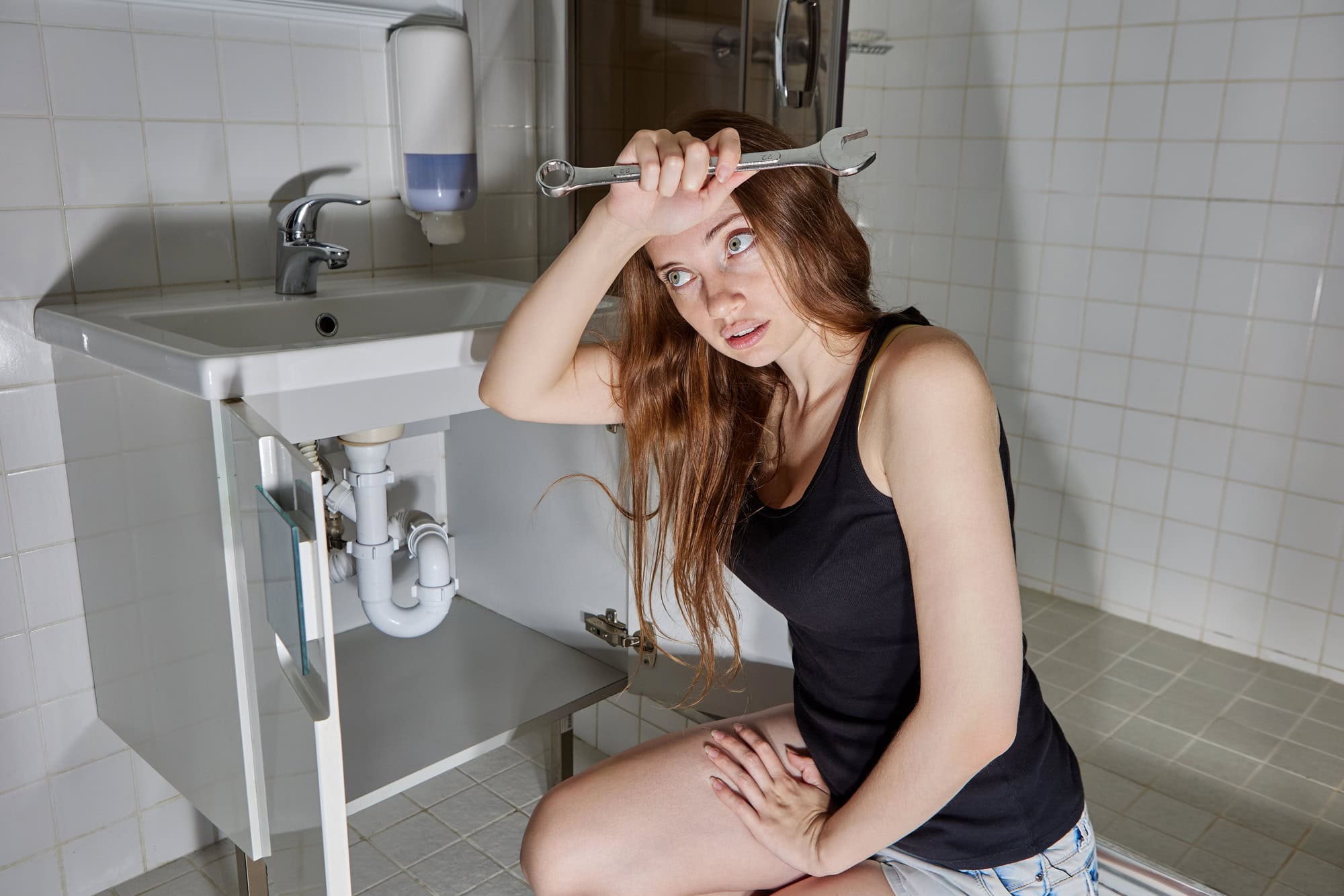
Hair and gunk build up faster than most people realize, but a $3 plastic drain snake & 30 seconds of effort will do what a $100 plumber call would. Yes, it’s gross, yet it’s also kinda satisfying when all that water finally starts draining again. You should also pour a pot of boiling water down the drain once a month to keep it clear, and if the clog’s deep, try unscrewing the stopper and going in from there. Don’t forget your gloves and maybe a mask, too.
Replacing a Toilet Flapper
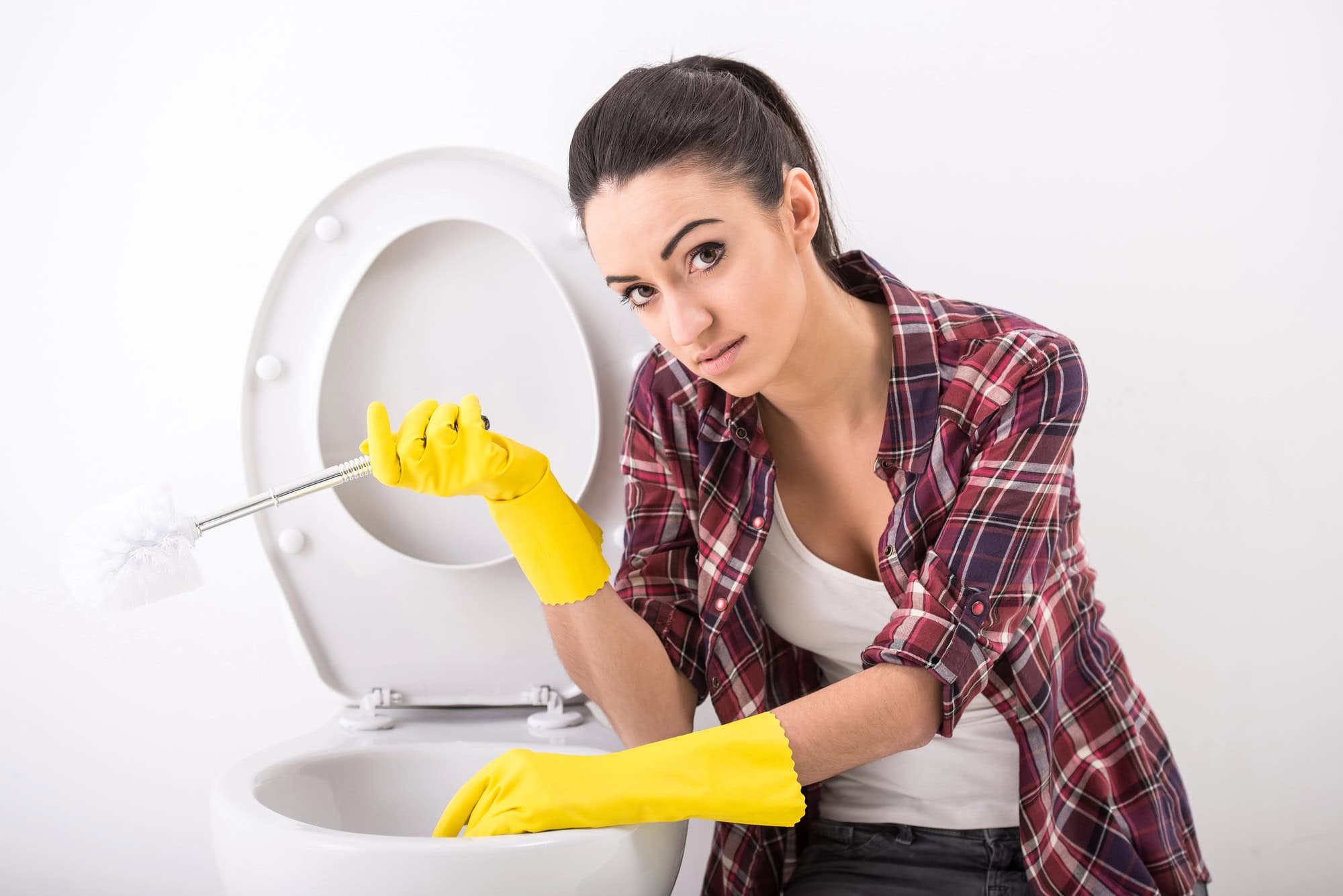
A toilet that won’t stop running just needs a new flapper, which is the rubber bit inside the tank that lifts up when you flush and drops back down to seal the water. Turn off the water and take off the old one, then replace it with the new one. That’s pretty much it. It’s a cheap part that you can find at any hardware store, and you don’t need to mess with tools unless it’s super old or crusty.
Defrosting a Freezer Without Breaking It

Many young people don’t realize that they need to defrost their freezer every so often, which is one of the reasons why it doesn’t work properly. You just need some patience & towels. Unplug the freezer and place a bowl of hot water inside it to help melt the ice, or if you have a hair dryer, that works, too. Once the ice is gone, use a sponge or towel to soak up any puddles before restarting, then plug it back in and reload your stuff.
Storing Food Properly in the Fridge
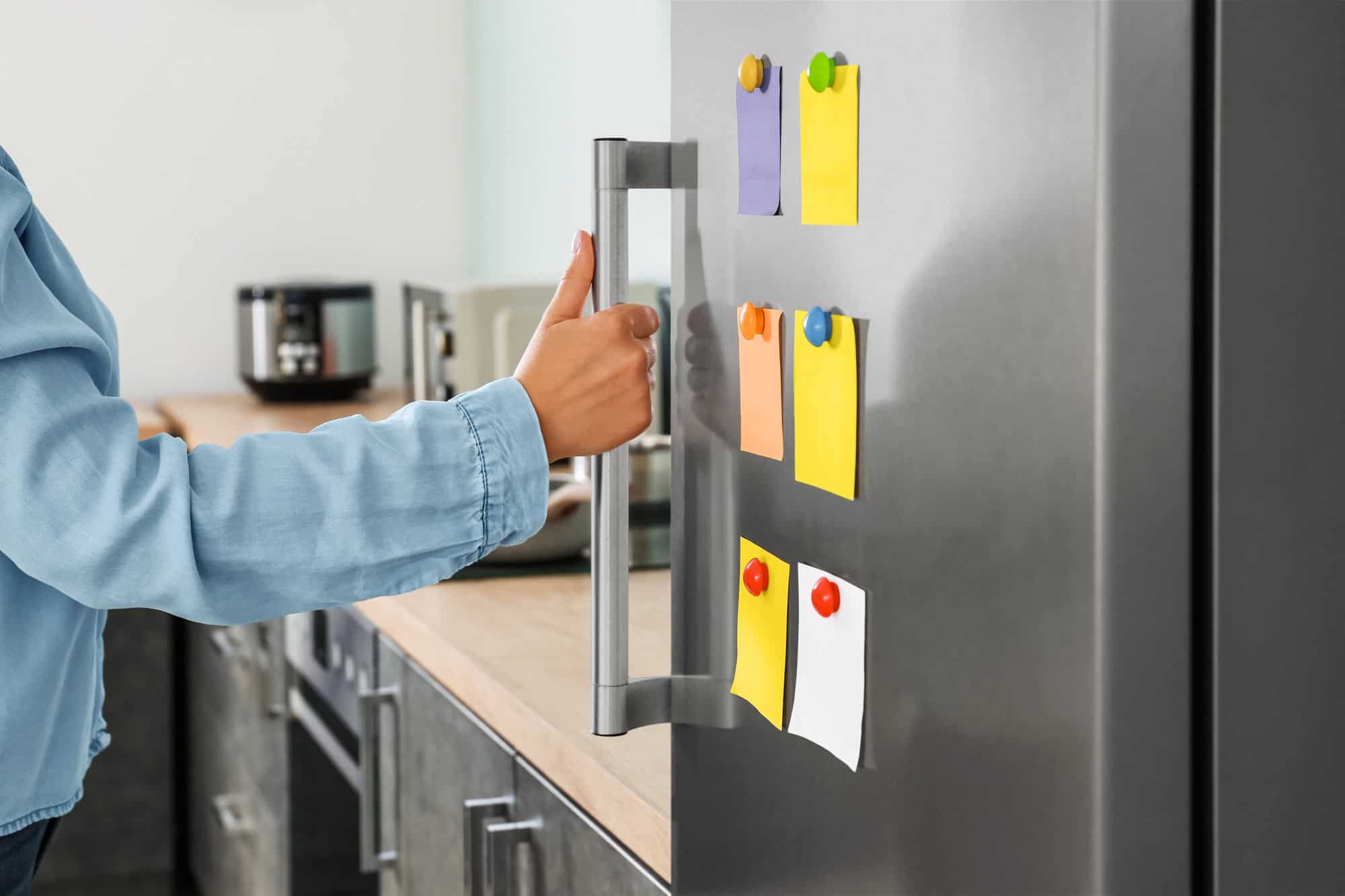
Speaking of fridges, anyone moving out for the first time needs to know how to put food in theirs properly because shoving food in wherever there’s space will make stuff go bad, fast. You should learn where things go and how to seal leftovers, as well as why raw meat should stay on the bottom shelf. No one wants to get sick from eating something that was stored wrong. Labeling things with a date is also how you avoid surprise smells when you open a container that’s been in there way too long.
Resetting a Tripped Circuit Breaker
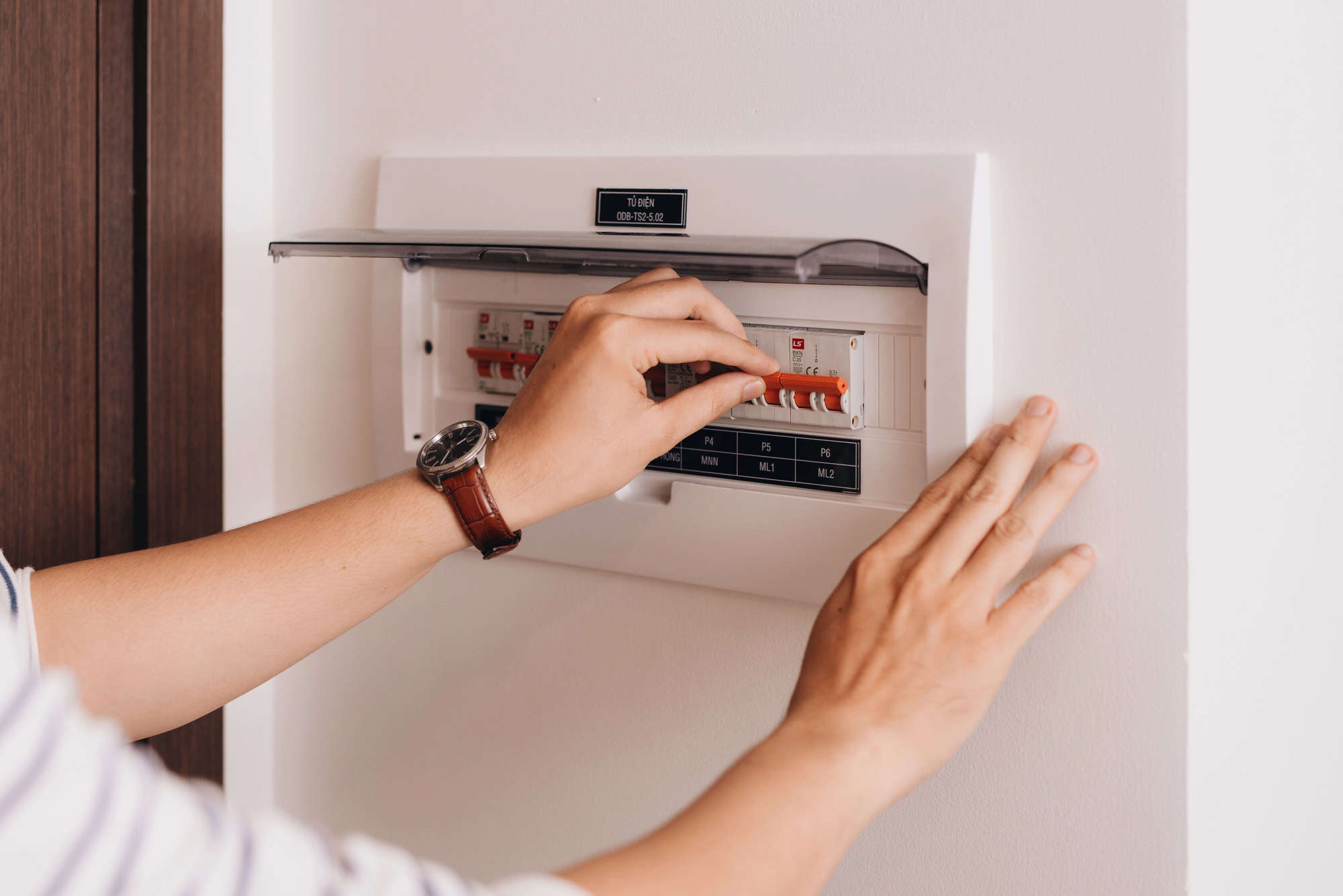
Every renter or first-time homeowner has that moment when the lights go out and nothing turns back on. While it might seem like the end of the world, you most likely just need to reset the circuit breaker, which means you don’t have to wait around for help. It’s not complicated, as you just find the breaker panel and look for the switch that’s out of line. Then, flip it fully off & on again, and you’re done. You have your power back.
Unclogging a Vacuum Cleaner
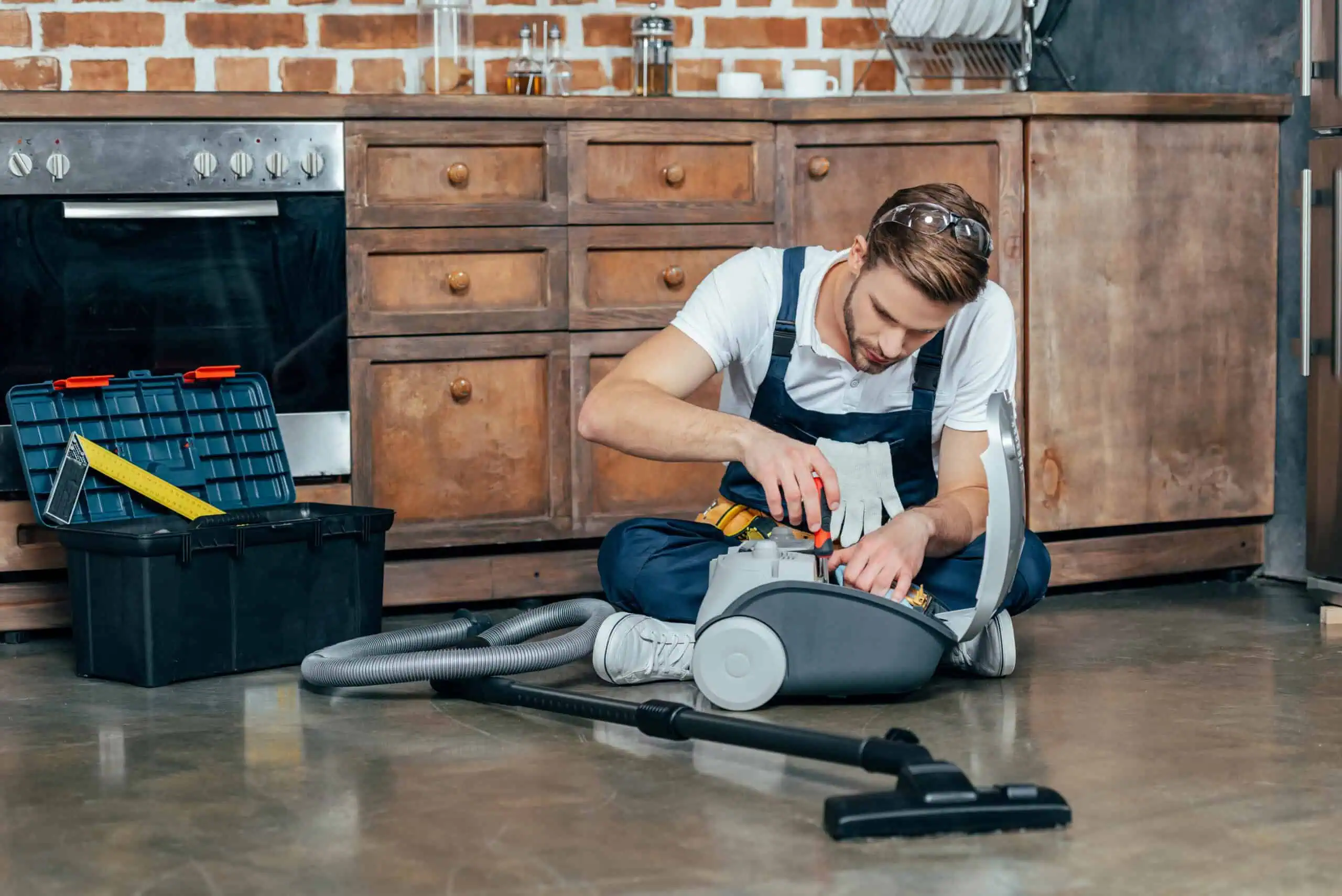
Vacuums clog, and it happens more than you’d think, especially with pets or long hair, which is why younger people should learn how to flip the thing over & clear the roller. This way, they won’t waste money replacing something that’s totally fixable, since it’s usually just hair or string jammed in the brush. Pull it out, rinse the filter, check the belt. Knowing how to fix small things like this keeps stuff working longer and stops you from having to buy a new vacuum every time it loses suction.
Which skill do you think younger generations should learn?
Disclaimer: This list is solely the author’s opinion based on research and publicly available information.
Like our content? Be sure to follow us.
Read More: