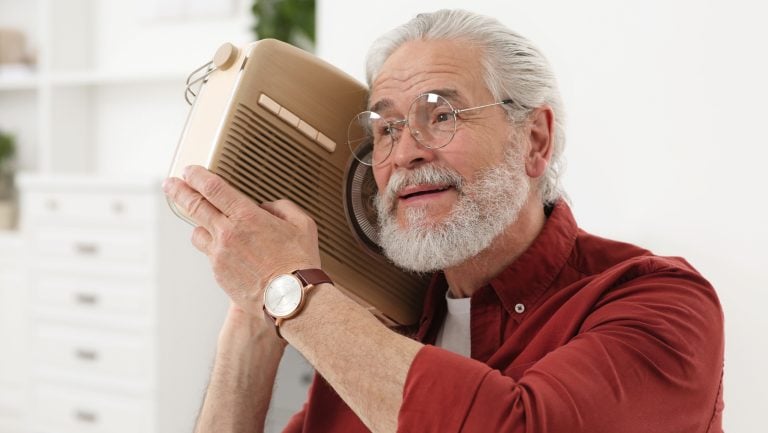

What we miss when we’re nostalgic is the distinct scent, touch, and sound of the past.
That loud slam
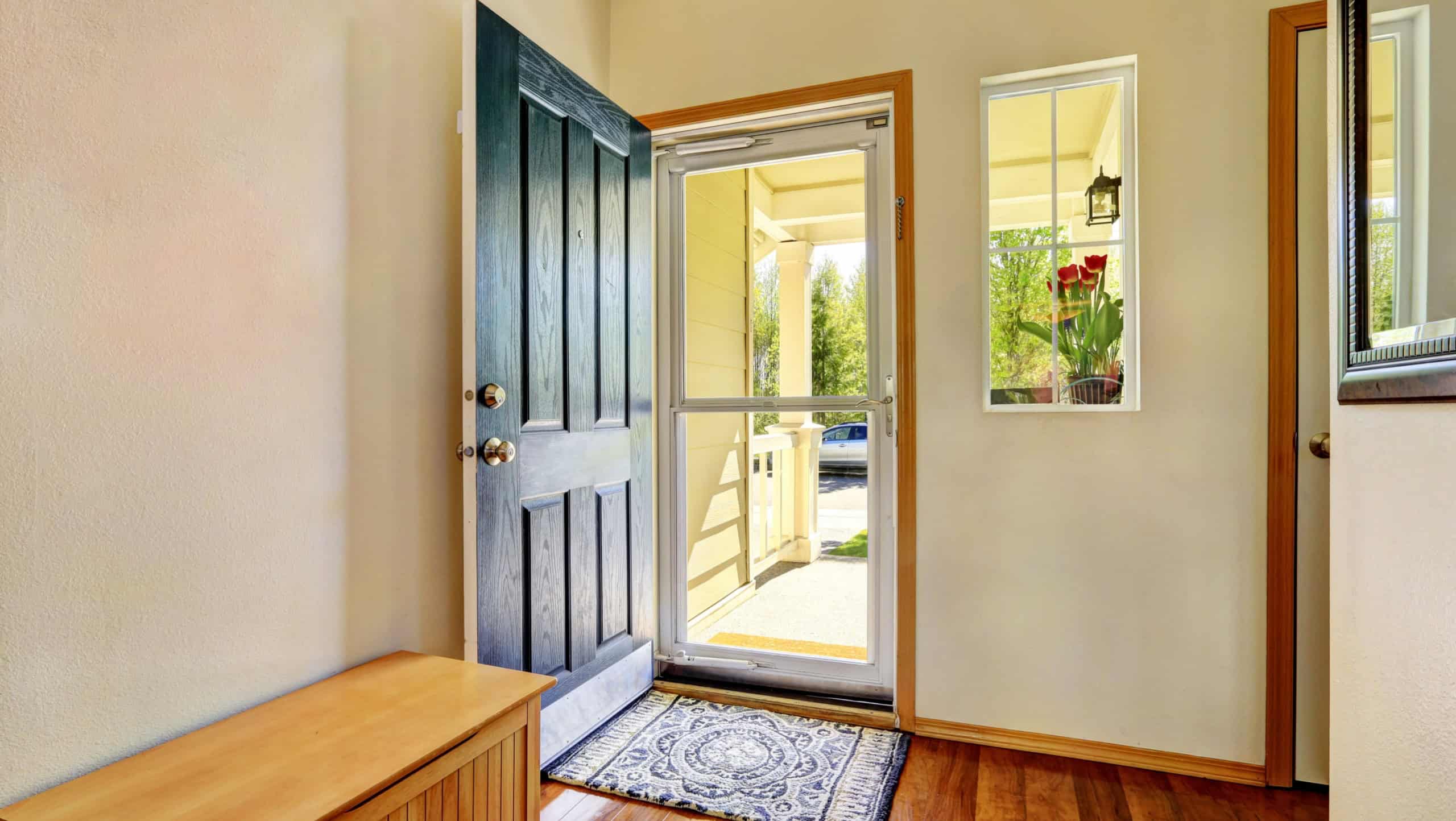
For many people, summer afternoons meant bursting through a wooden screen door with a powerful spring that would slam shut behind you the moment you escaped through it.
The screen door announced that your house was open to welcome cool breezes and visitors, that the neighborhood children were finally out of school and ready to play.
Can you recall seeing folks come and go from Grandma’s porch, with that screen door going slap-slap every time someone went in or out?
Fresh copies
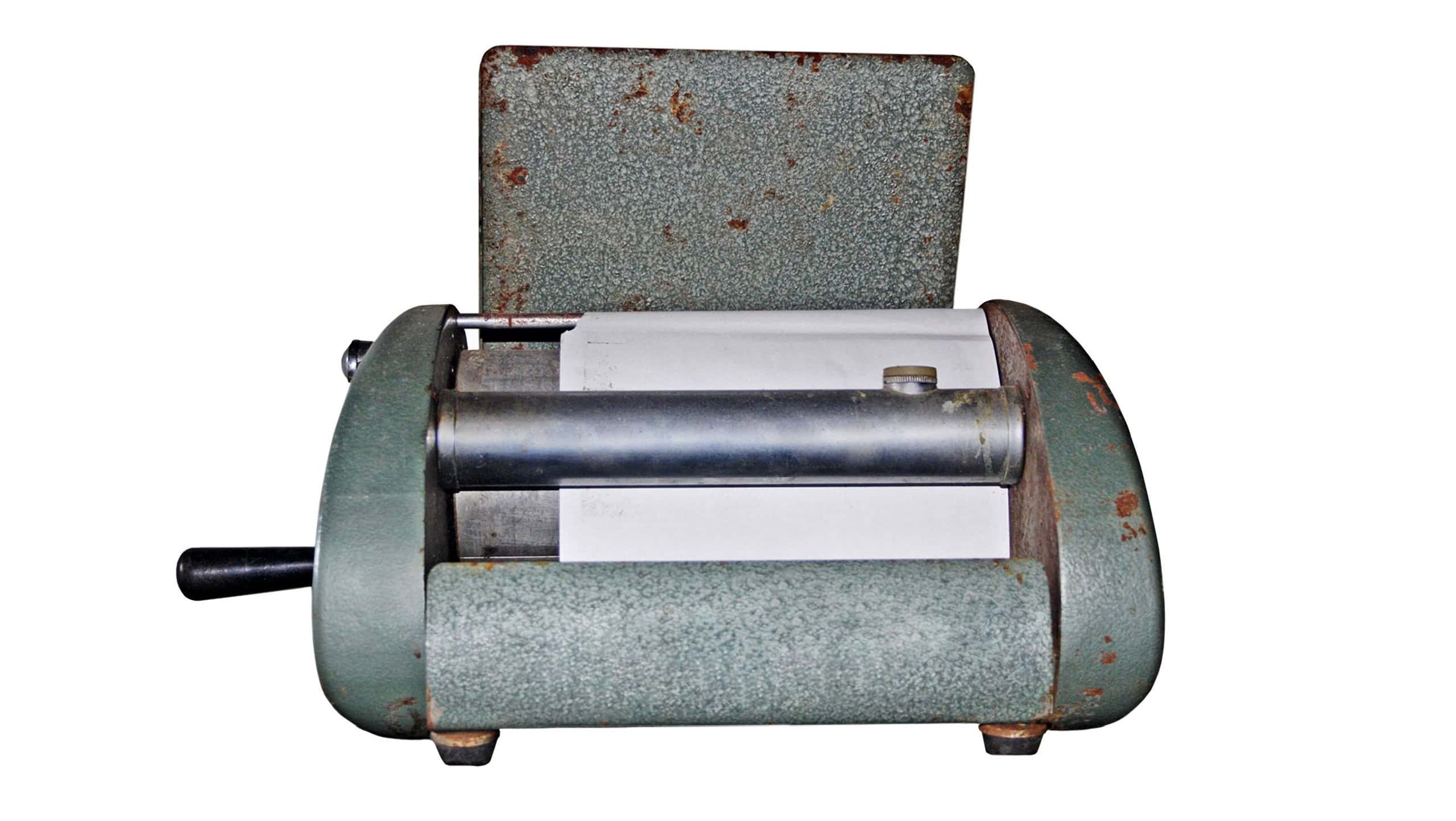
Before electronic printers, photocopiers, and whiteboards there was the spirit duplicator, better known as the mimeograph machine.
Before your teacher distributed your science test or book report assignment, she likely held the mimeographed pages up to the fluorescent lights so they could cool.
As she passed them out, the paper smelled sweetly of chemicals and ink. So freshly printed, they were almost wet to the touch.
The whole class would lift the freshly printed page to their noses, taking a shared, deep breath before diving into the first question
Full-service

Remember when filling up your tank at a gas station entailed meeting at least one human being?
Instead of pumping your own gas at a chilly plastic nozzle with a credit card swiper, a professionally dressed attendant would sprint out to your car, wipe your windshield with an actual squeegee, check your oil dipstick and even gauge how much air was in your tires without you having to exit your vehicle.
You got to sit back and relax while a little ding-ding echoed from the glass-front desk signifying your presence to those inside the shop. This simple interaction between human and automobile has been stripped from our lives.
Blue box
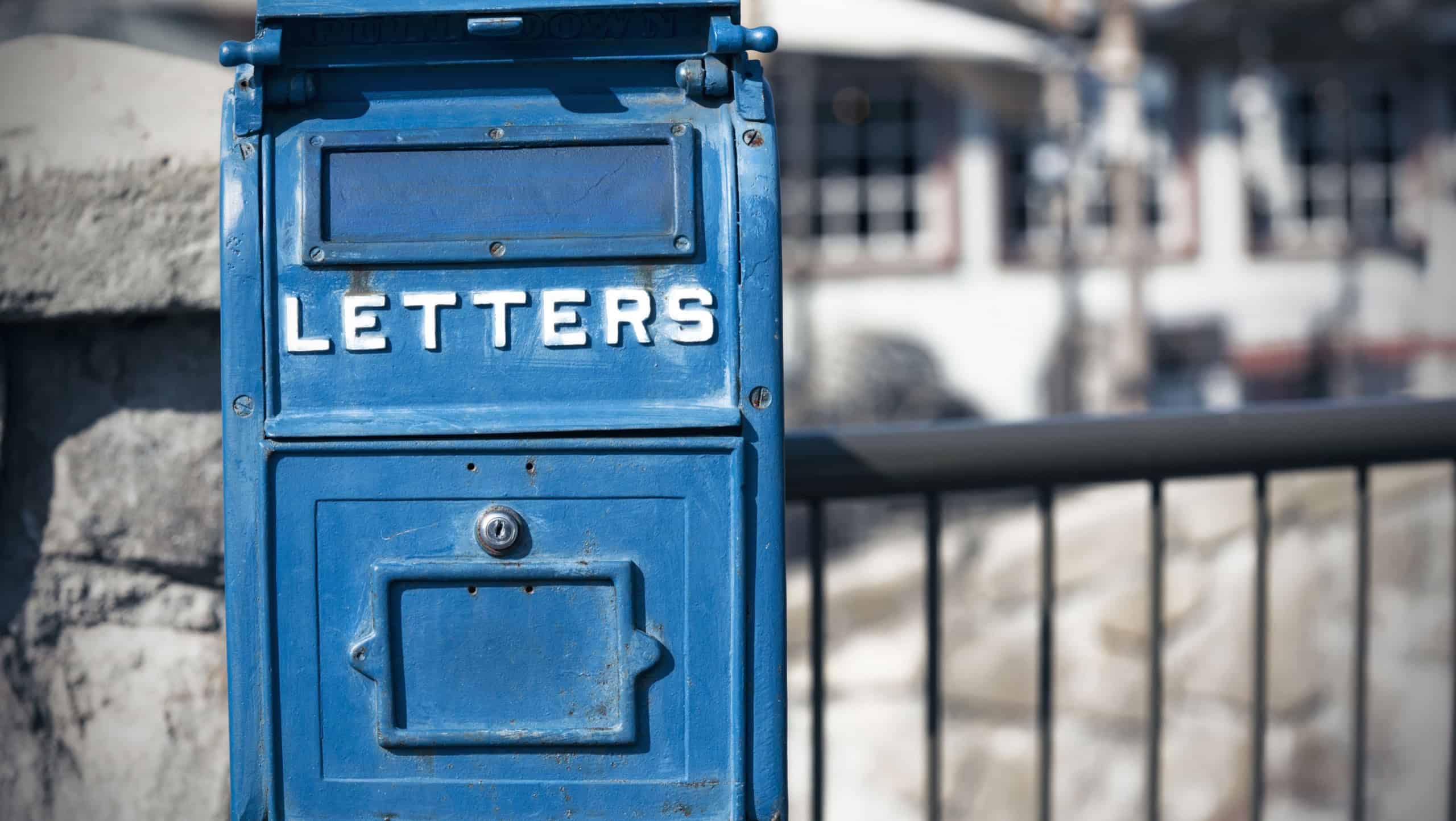
Heading over to the solid cast-iron mailbox at the end of the driveway to mail a handwritten note felt like a proper ceremony.
You’d pull down the stubborn metal handle, listening to your letter’s dull thud at the base, and then would have a quick look to confirm it had indeed dropped through the chute.
There was weight and finality to this process that just signaled you were done sending your message. One that could not be recalled or erased with the click of a button.
That made getting a letter back in return a week later feel like a trophy.
The color bars
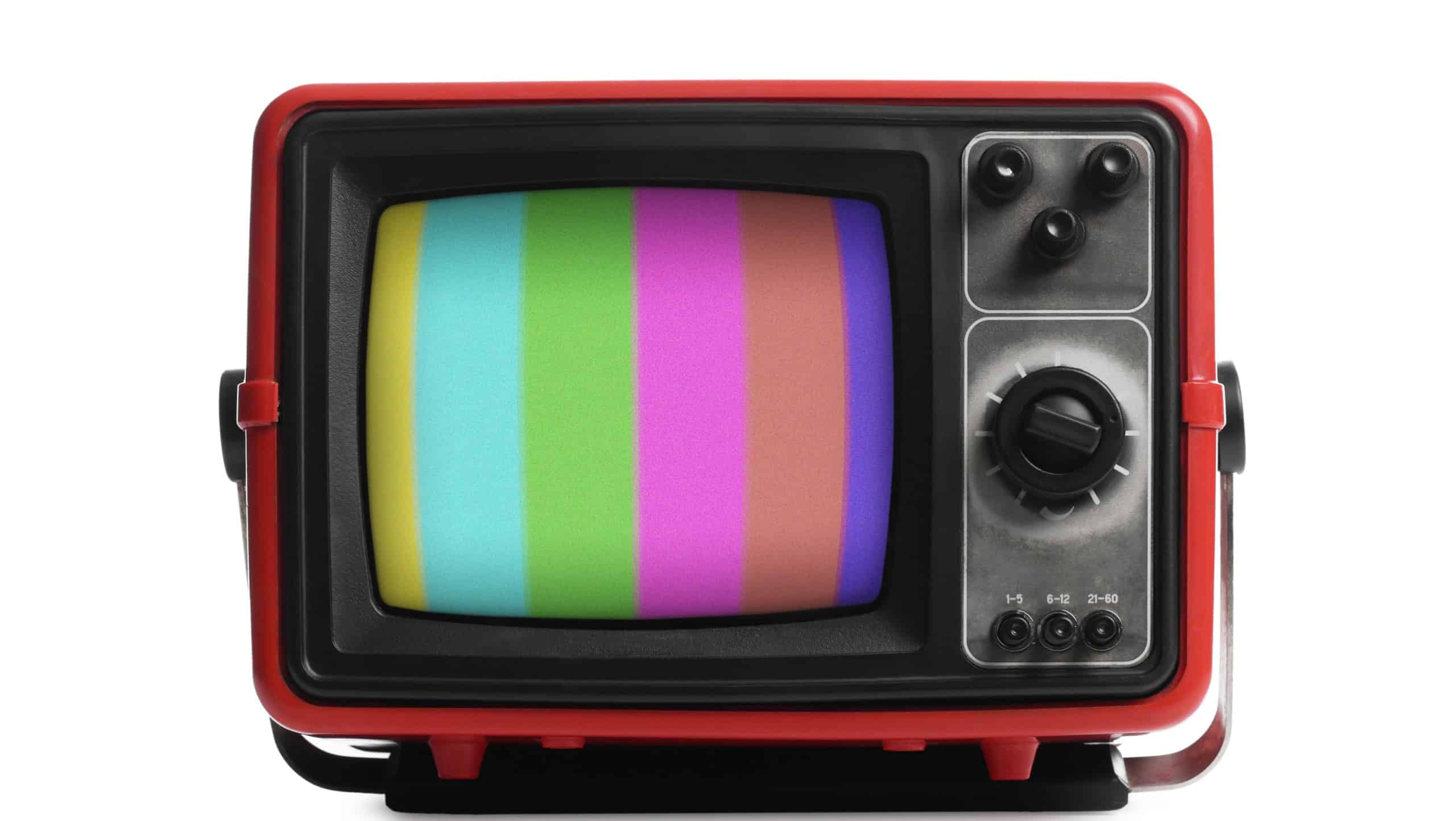
Before DVRs and 24 hour streaming, there was nothing quite like waking up before the stations came on, curling up on the floor in front of the box, and staring at the glowing screen filled with an “Indian Head” or “color bar” test pattern.
Watching that screen was like watching a theater marquee close for the night. And when you heard the local station come on with the National Anthem, you felt like you were starting the day with everyone else.
Today, there is no defined start to our media consumption.
Frozen battle
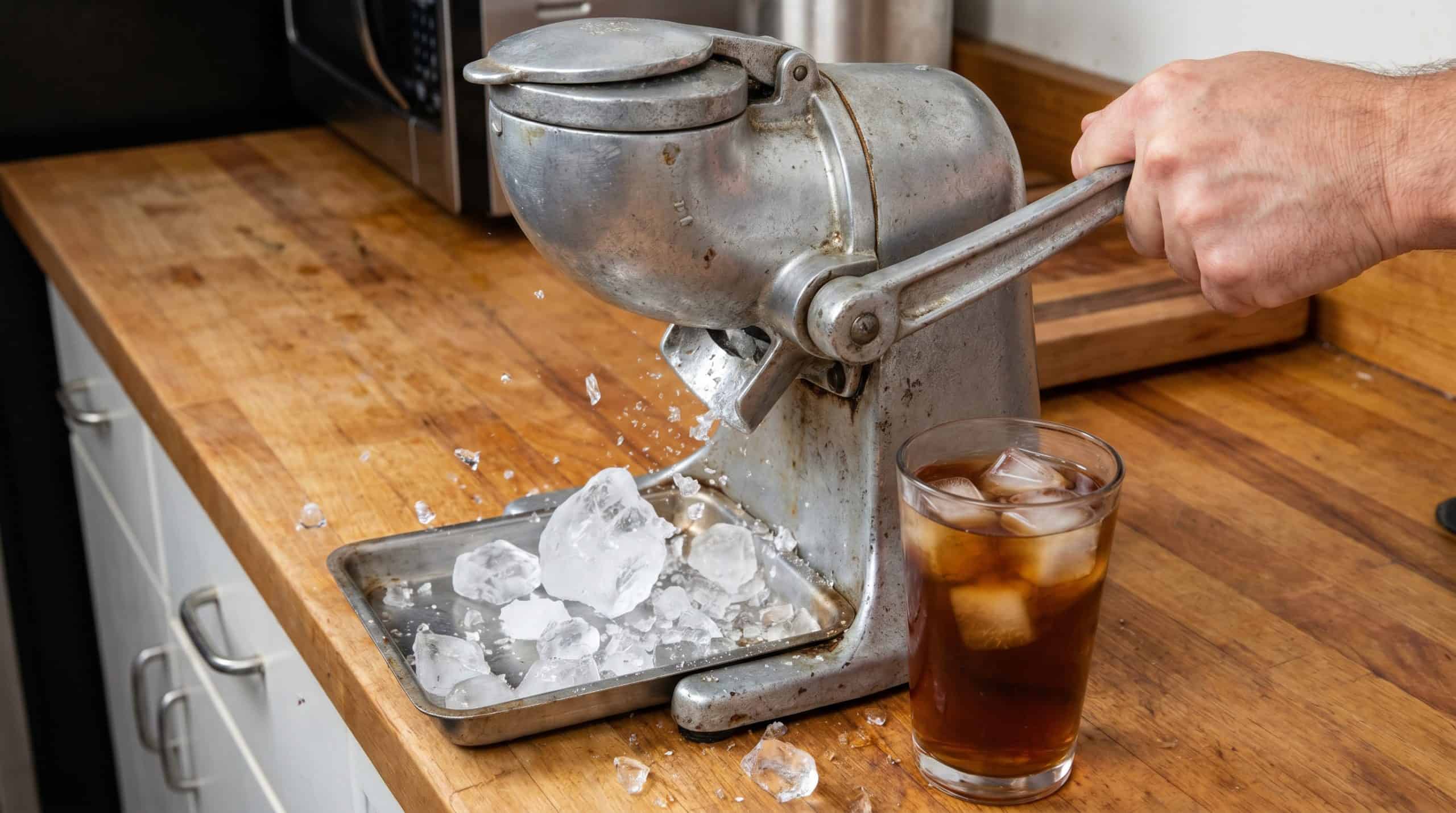
Pouring yourself a cold drink used to be a heavy metal battle with a lever mounted tray.
Pulling down on the monstrous metal lever would shriek and groan as it violently broke apart the ice, usually spraying shards all over the kitchen counter.
Those solid, crystal-clear cubes produced a unique clink against the glass that today’s hollow crescent ice just can’t achieve. And that hard-won, ice-cold sip of iced tea tasted all the sweeter.
Pillow signals
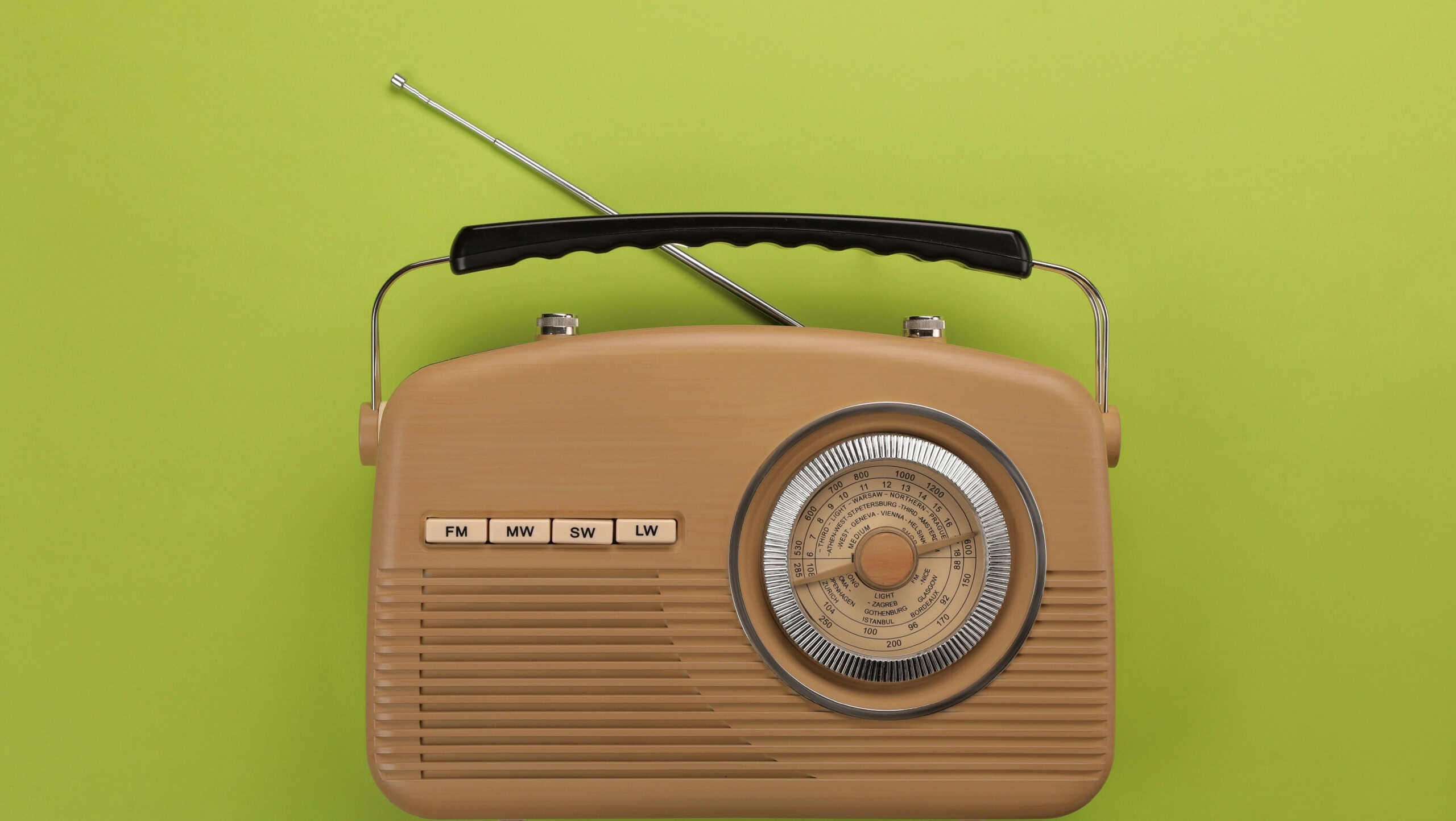
Before iPods and ear buds, there was the transistor radio. It was a smooth, black plastic thing with a single, thin, flesh-toned earpiece that went in just one ear.
You kept yours hidden under your pillow at night, straining to hear a weak AM station hundreds of miles away play your favorite rock-and-roll tunes as the radio signal chased itself back and forth out of range.
Parents couldn’t hear what station you were tuned to, so it was like your own private forbidden world of sound.
Tiny rewards
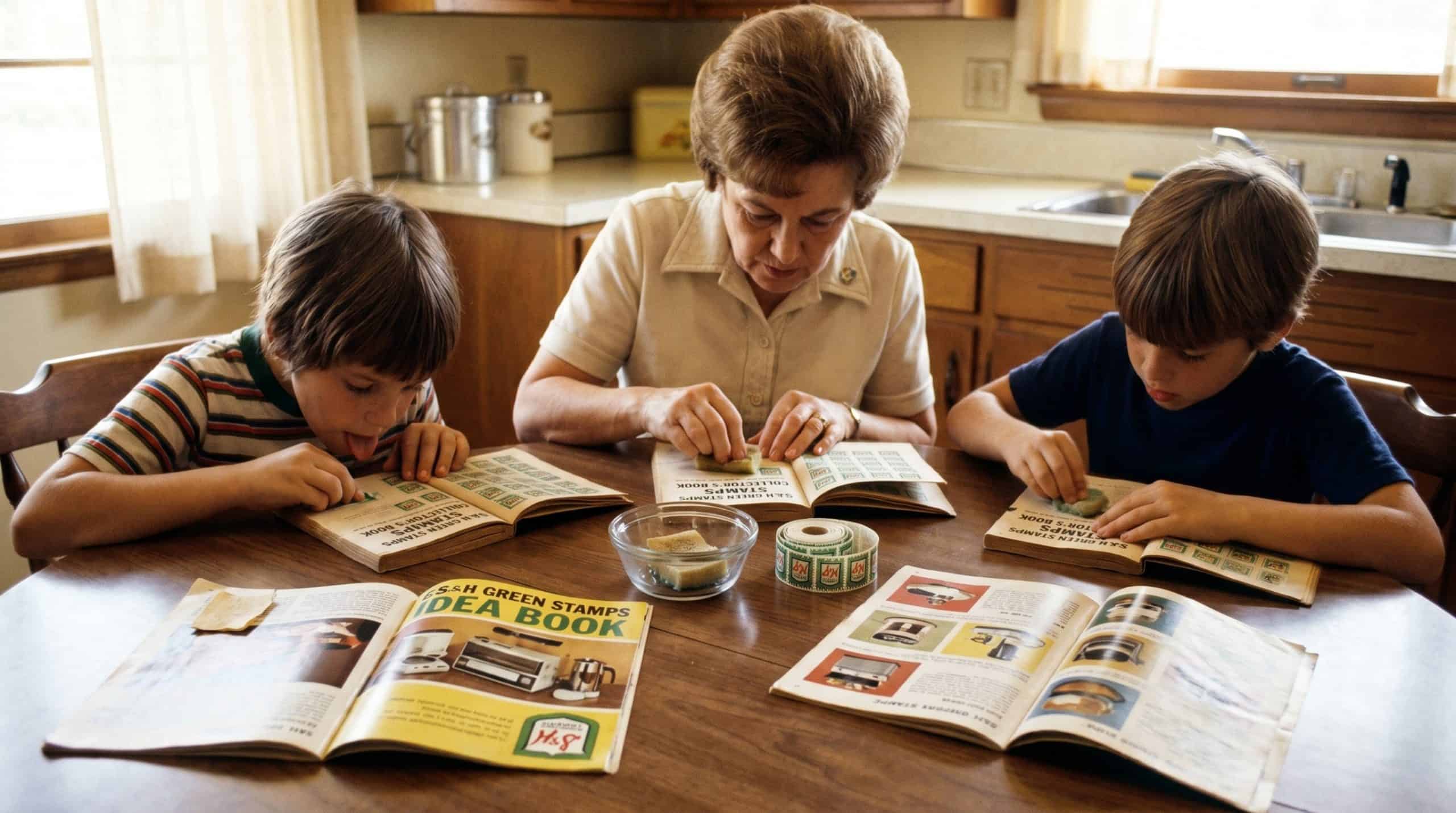
Remember shopping at the grocery store and getting little, gummed Green Stamps that you had to lick and stick into a collector’s book?
It took forever to fill a book up enough to trade in for a toaster oven or Melamine plate set. And it was a family event that required months of saving up stamps.
Hours were spent pouring over the glossy Idea Book at the kitchen table deciding on what treasure you wanted to work toward. It was sort of like training for a marathon as opposed to the instant gratification points plastic cards give you today.
That first hiss
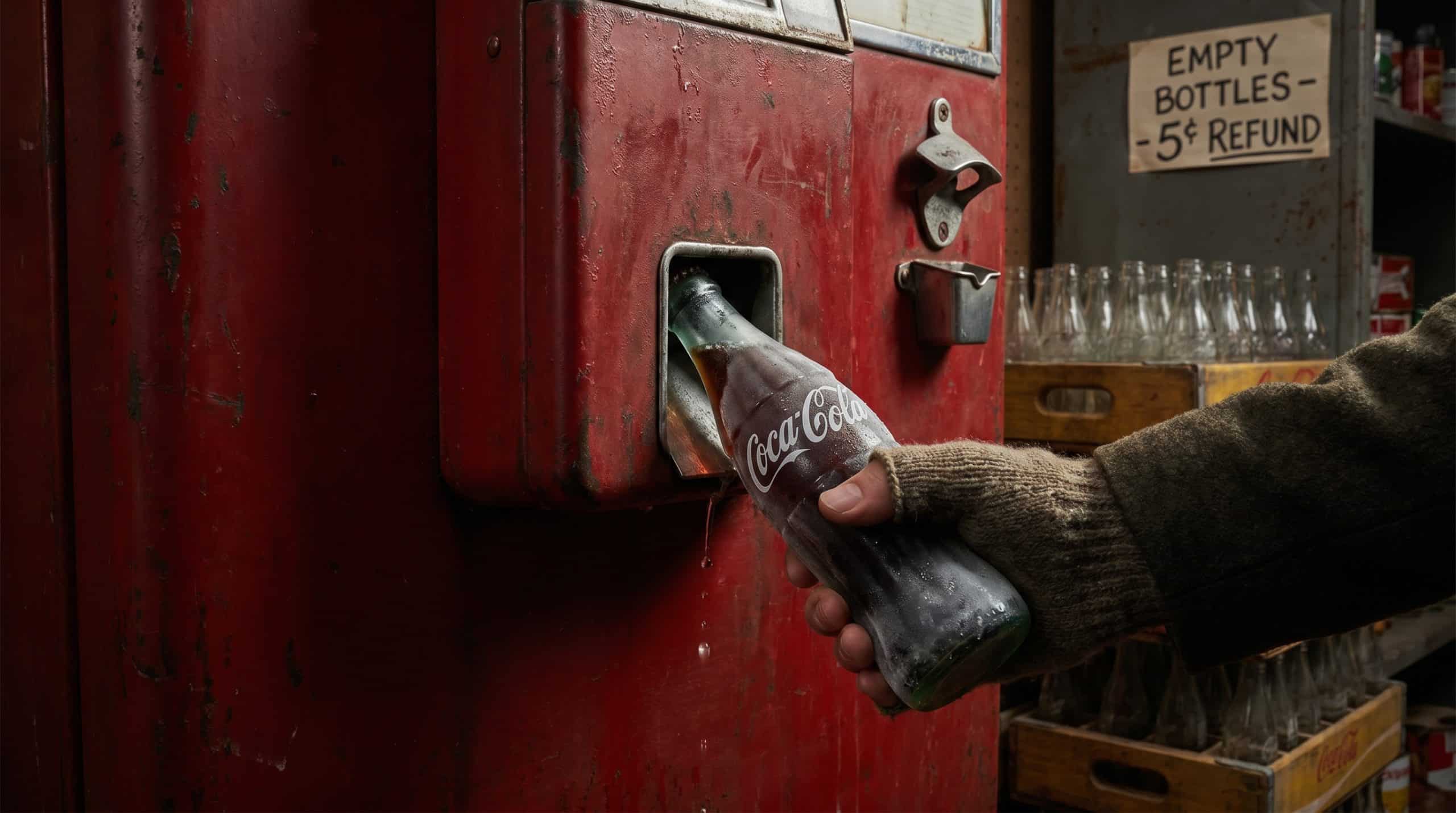
Nothing beats inserting your dime into the red clad heavyweight vending machine, and extracting your frost covered contour glass bottle of bubbly coldness through the metal spout-like gate.
The glass always had a heavy coat of frost on it, and the pop was always so carbonated you’d tear up on your first sip. You then had to manually pry off the cap with the metal bottle opener attached to the side of the machine.
That loud “hiss-pop” as the crown cap shot off was music to your ears. Then, you’d hand back the empty bottles in the wooden crate for your five-cent refund, and everything felt right.
Sunday comics
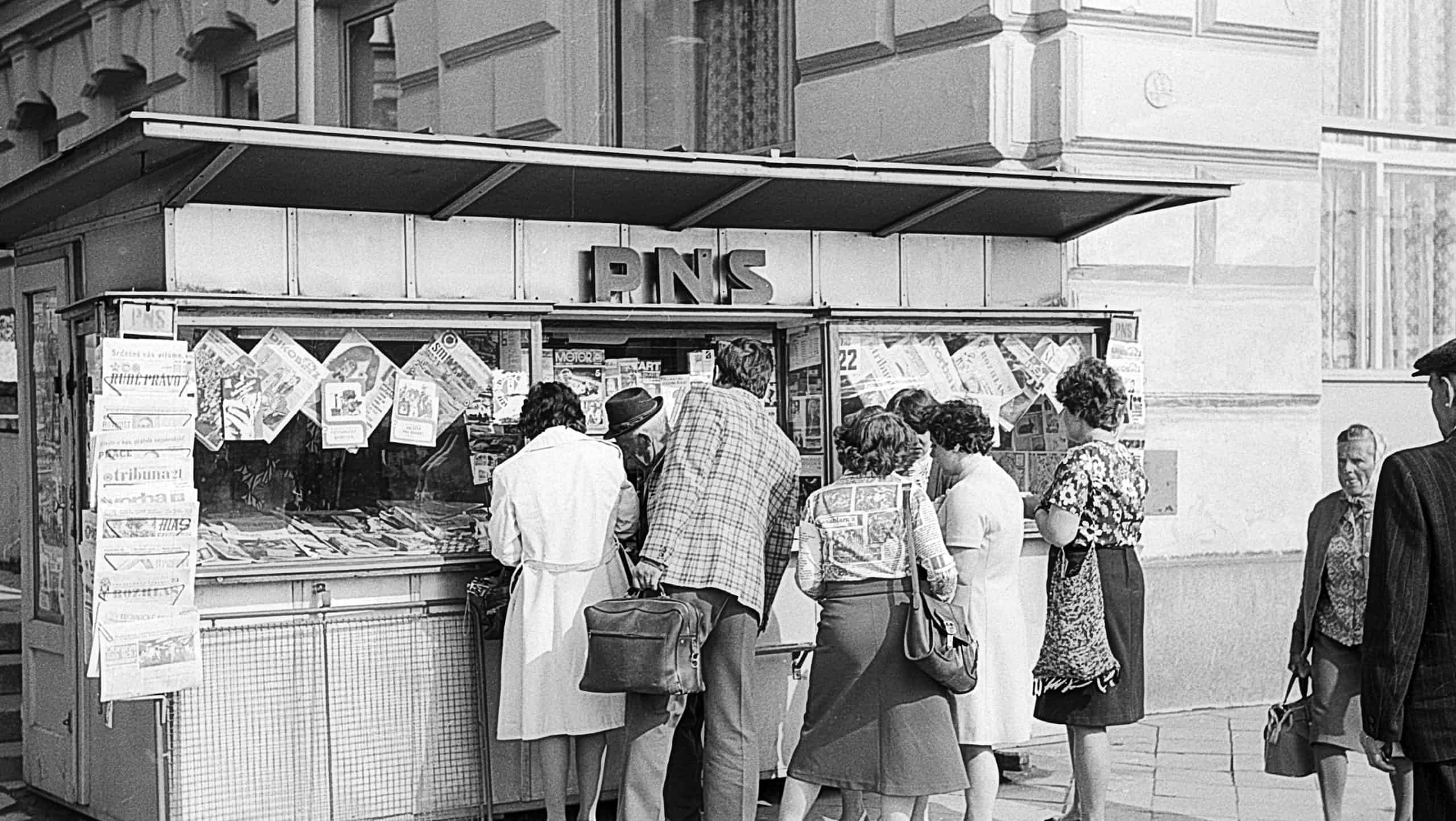
Sunday was an event, literally. It was the arrival of the oversized Funny Papers printed on heavy stock with loud colored inks.
The paper stock itself felt different and smoother than the newsprint. Even the smell of that ink was unique; thick and oily.
Sundays involved laying out broadsheets on the living room floor and losing yourself in the adventures of Prince Valiant or Pogo for up to an hour.
Neighbor voices

In the days before most homes had private phone lines, yours was probably connected to your neighbor’s.
Familiarize yourself with Mrs. Higgins voice down the street before making important long-distance calls.
The party line, with its inherent eavesdropping, also subtly taught us consideration for others’ conversations.
As bizarre as it seems now, there was camaraderie (and scandal) in recognizing your neighbor’s voices and phone routines. Life was strangely communal once you realized you could never truly unplug from those around you.
Clack ride
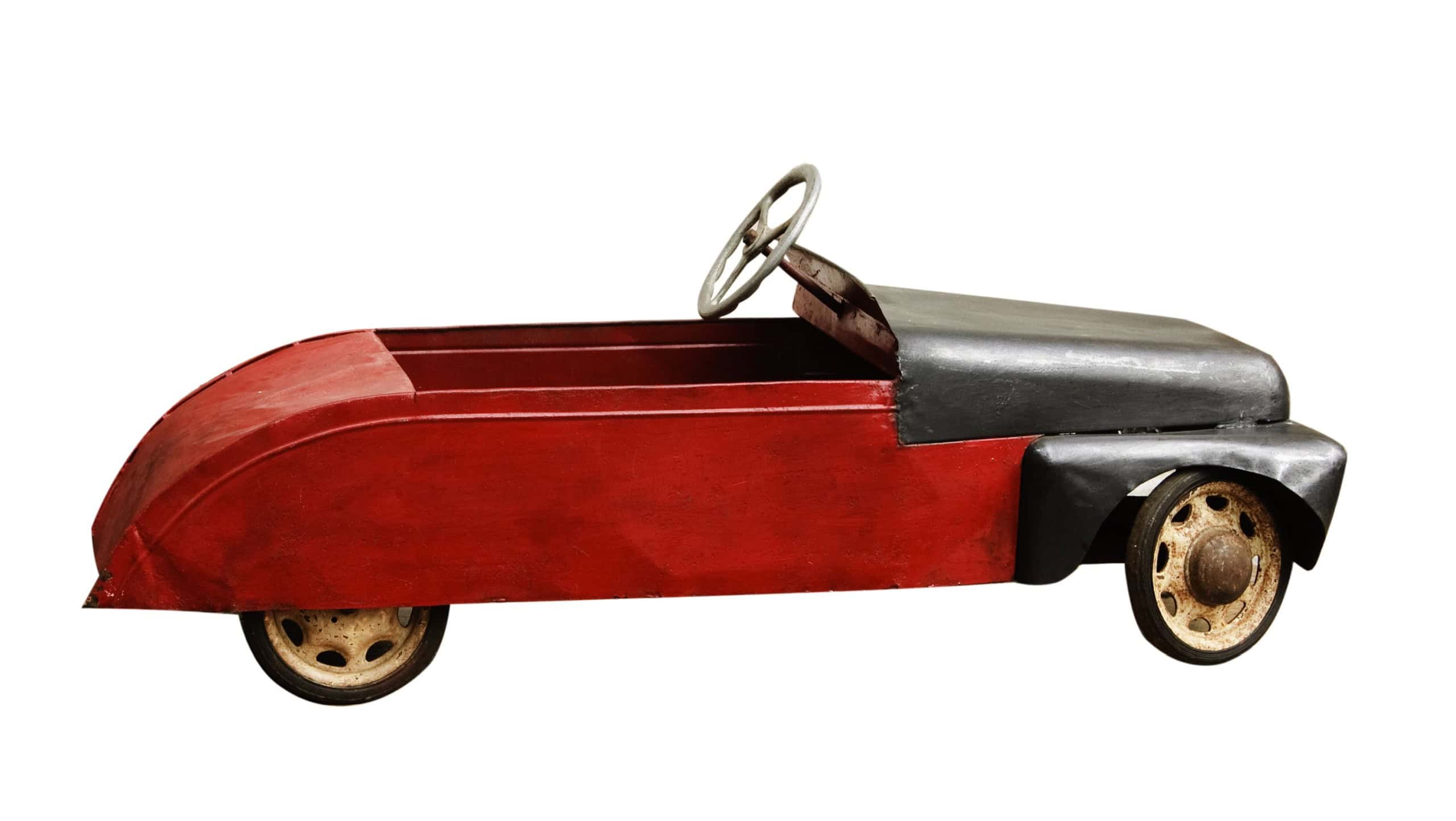
Ask any kid on the street what their dream childhood toy was and they’ll probably say: a giant metal firetruck or convertible pedal car.
No batteries required. Just good old-fashioned pedal power and a series of metal rods with a “clack-clack” sound as you rode down the street.
And talk about quality construction. That steering wheel was actual metal and they were painted with the very same lead-based paint that was used on actual cars back then.
And you could hand those metal cars down from brother to brother and they’d still work after 50 years.
Smoke flash
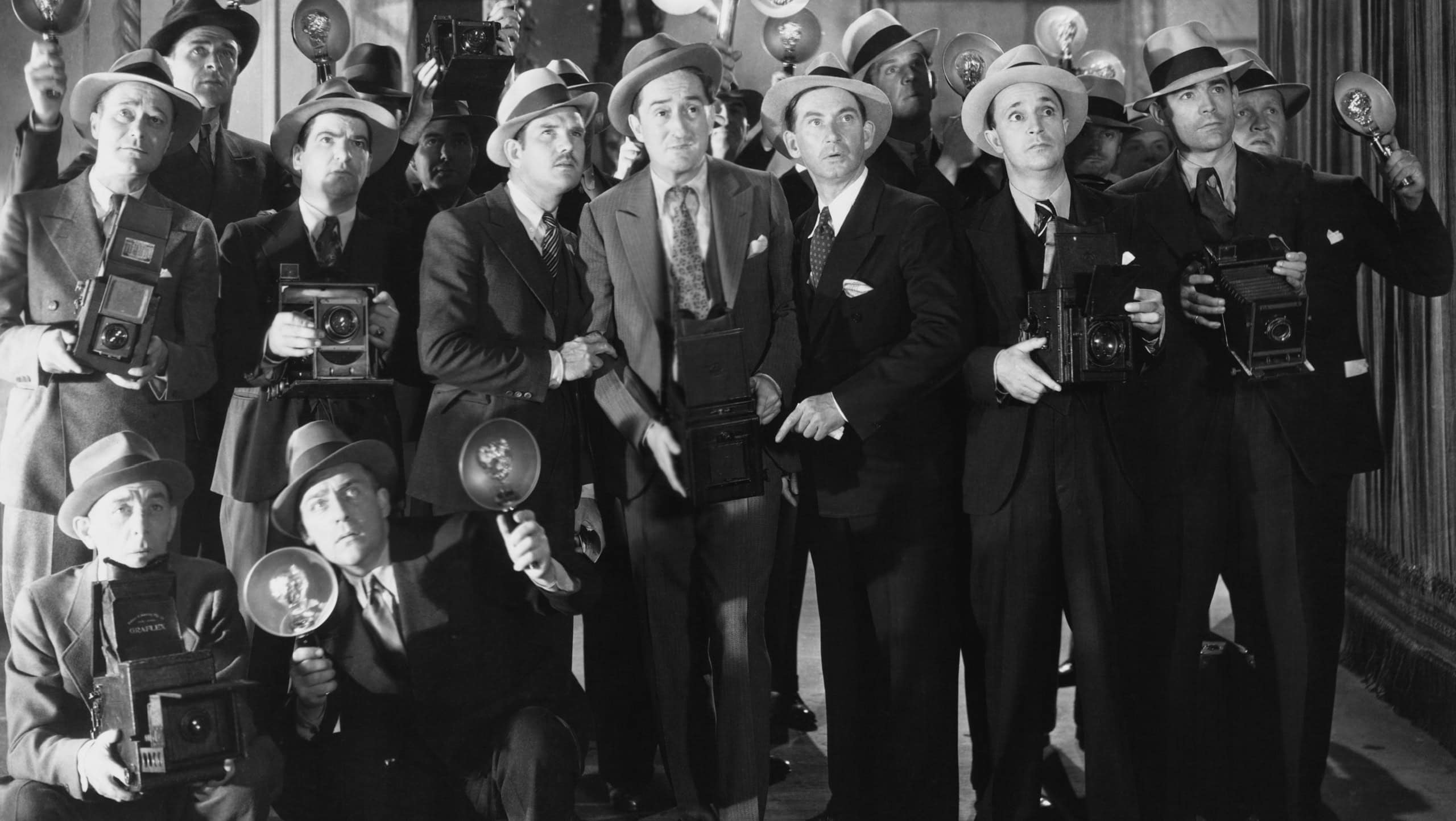
Capturing an image back then was a nerve-wracking, do-or-die moment, with your lighting totally dependent on that single try.
You’d slot the delicate glass flashbulb into the camera, and with a click, it’d burst in a flash of brilliant white and a puff of smoke, leaving everyone seeing spots for a good while.
Once the spent flashbulb cooled enough from its melted state, you’d lick your fingers and pull it out to get ready for another shot.
That magnesium smell and the physical remnants of spent flashbulb made you realize you were preserving something worthwhile; a moment frozen in time.
Heavy knowledge
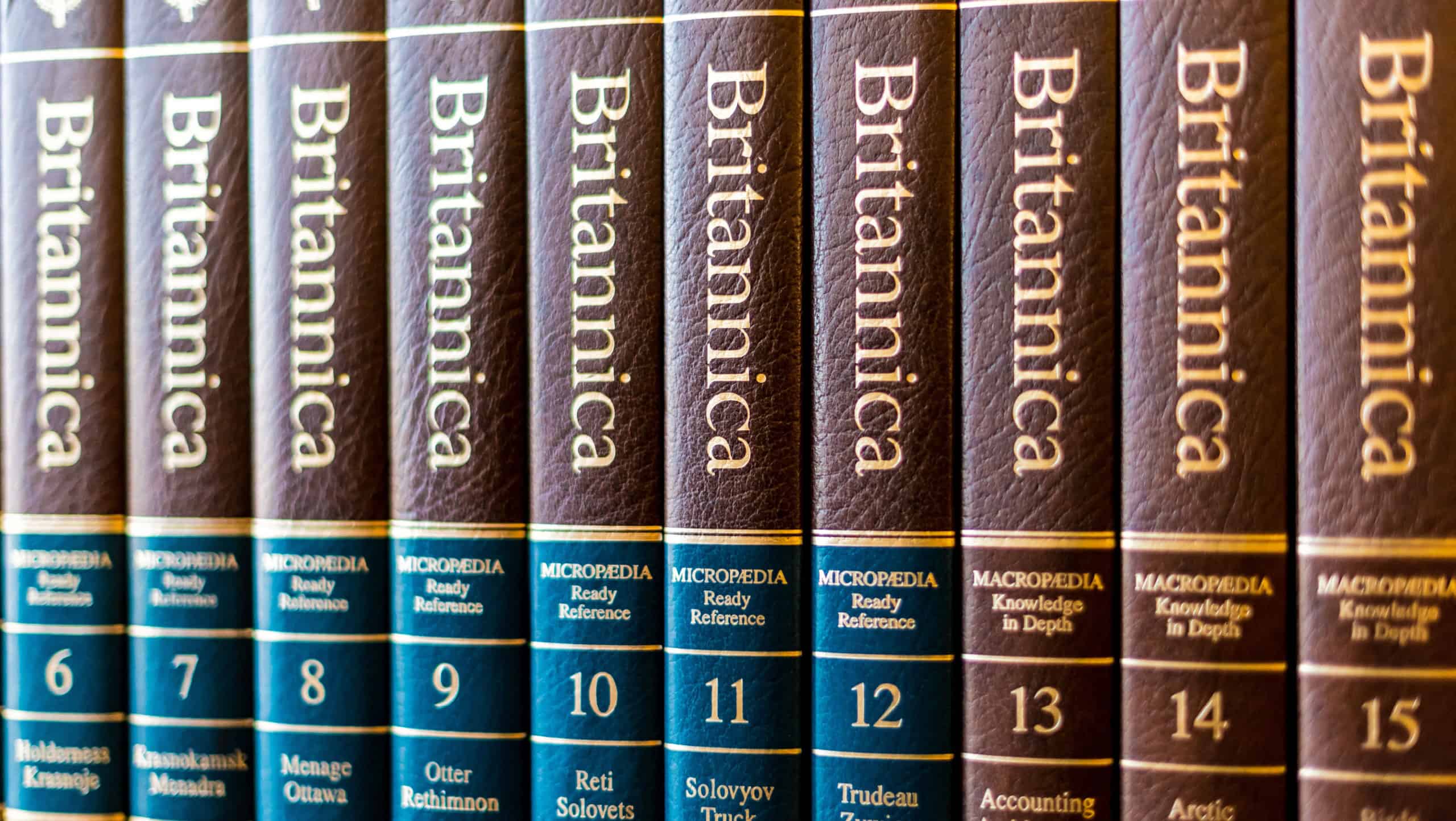
Long before Google answered every burning question or filled those late-night, directionless hours, an encyclopedia salesman knocking at your door signaled your family’s upward mobility.
Those gold-leaf spines, embossed on thick leather-bound books, were the height of knowledge right there in your living room.
You’d crack open to a random page (let’s go with “S” or “N”) and get lost learning about faraway lands or scientific breakthroughs you’ve never heard of before.
Capsule ride
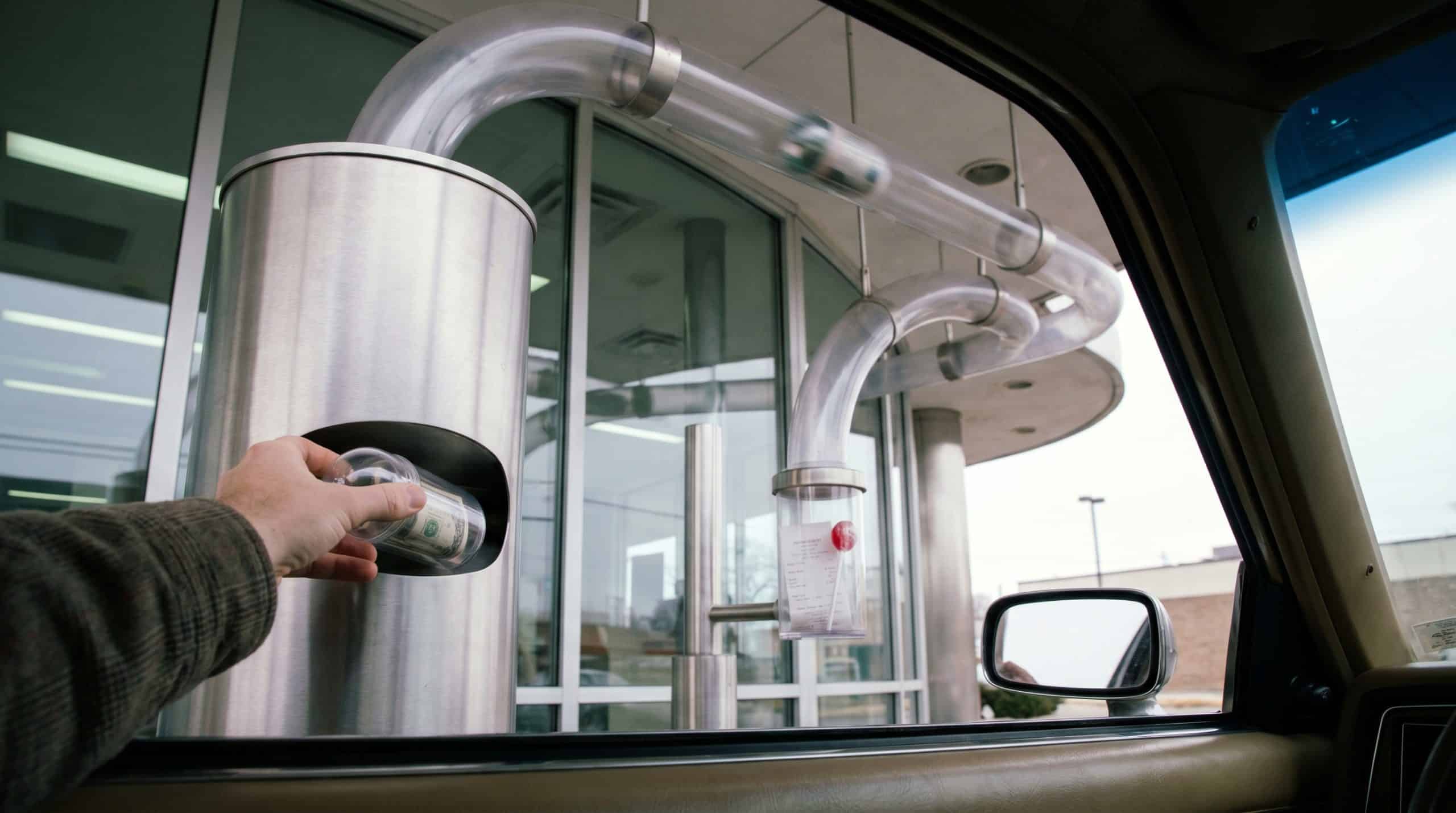
There was something futuristic about dropping your deposit into a plastic capsule and hearing it whoosh into a silver tube with a big “THWIP” noise at the bank drive-through.
You’d see your deposit travel along the translucent tubes into the building and back out with your receipt (and a kids lollipop) moments later.
It was like living in the Jetsons. Sure, everything else at the bank took manual labor, but dropping that deposit felt like you just went 200 miles per hour for a solid minute.
Sources: Please see here for a complete listing of all sources that were consulted in the preparation of this article.


