

Gen Z might bring lots of fresh ideas to the table, yet they also have some spending habits that are seriously draining their wallets! This includes constant splurges on in-game extras and subscriptions, as well as overusing food delivery apps—they’re a generation that’s found all kinds of ways to burn through cash! Here are ten particularly bad spending habits that are hitting their finances hard. While it’s great to enjoy life, Gen Z’s habits make it hard to save and they’ll likely be forced to see the error of their ways soon enough.
Featured Image Credit: VitalikRadko/Depositphotos.com.
Spending Big for Social Media Clout

Crafting the perfect Instagram post or TikTok video usually involves spending a lot on experiences, like luxury vacations or exclusive events. The cost of expensive meals is fair game if it makes for good content because Gen Z prioritizes having a good online presence over their financial well-being. As you might expect, such habits lead to overspending & long-term money troubles.
Spending on Influencer-Endorsed Products

Likewise, social media influencers have a big impact on Gen Z’s buying habits and when a favorite influencer promotes a product, many feel the urge to purchase it immediately. It doesn’t matter if it’s a new skincare line or the latest tech gadget—Gen Z buys the product without researching whether it’s right for them. This impulsive spending gets quite expensive and usually leads to regret because the product doesn’t live up to the hype.
Overspending on Fast Fashion Trends

Gen Z cares a lot about staying stylish, but keeping up with the latest fast fashion trends is rather costly, especially since this generation usually buys cheap & trendy clothes from retailers. Manufacturers will churn out new styles every week which Gen Z might only wear once or twice before they’re out of fashion. Constantly updating their wardrobe in this way costs a lot yet it doesn’t add lasting value.
Throwing Money at In-App Game Purchases
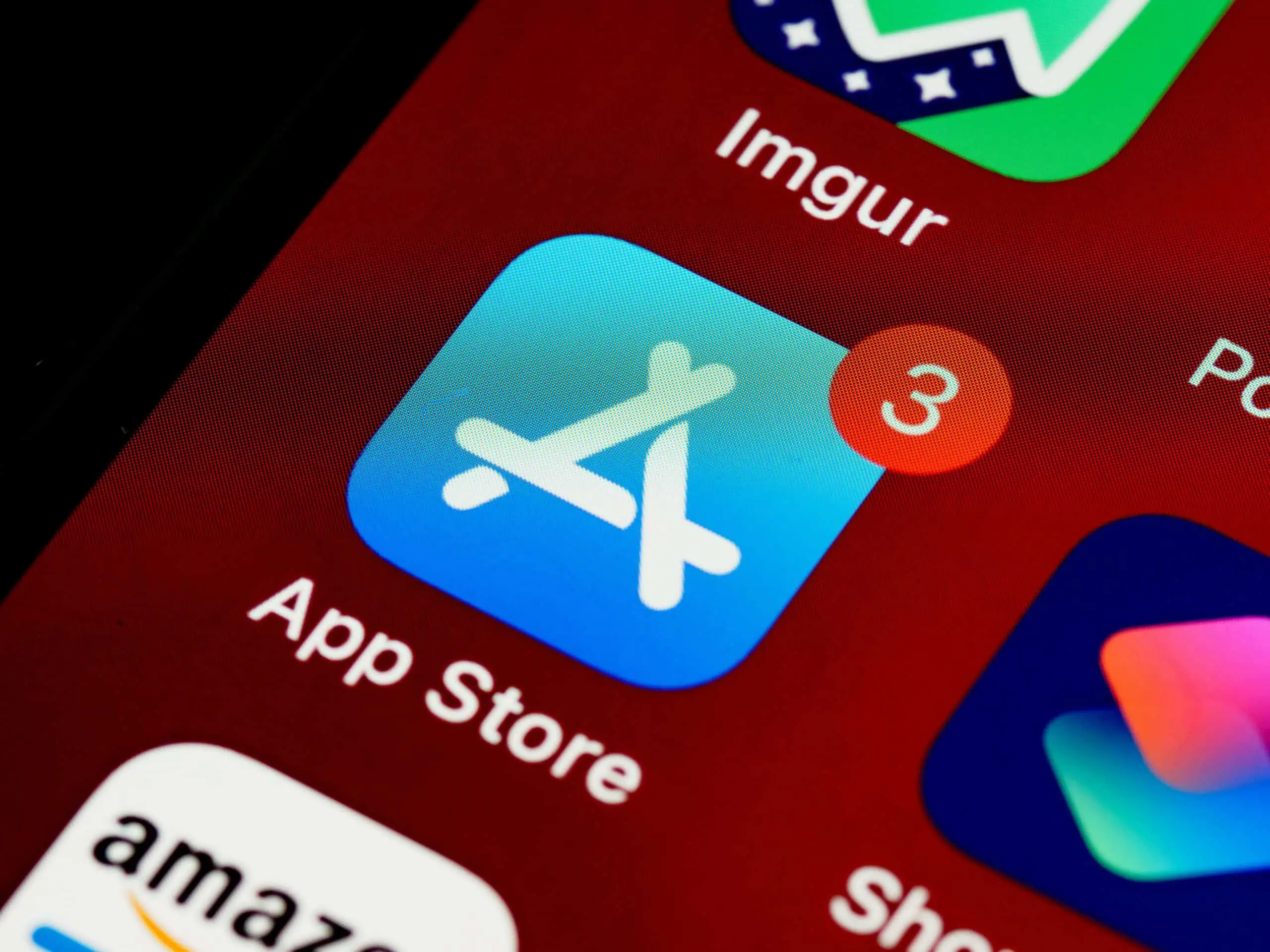
Mobile games are more than just a way to kill time, as they’ve become black holes for money, with Gen Z gamers often spending cash on extra lives or exclusive skins. They’ll even splurge on virtual currencies without batting an eye because those $2.99 purchases seem harmless at first…but they pile up fast. Before they know it, they’ve sunk a hefty chunk of change into pixels & power-ups which don’t seem worth it.
Impulse Buying from Social Media Ads

Gen Z is bombarded with ads tailored just for them as they scroll through Instagram or TikTok—the ease of in-app shopping means they’re one click away from buying things they didn’t plan on getting. This might be the latest fashion trend or a cool gadget. Either way, these spontaneous purchases end up costing a lot without them realizing it, until they get the bill!
Overusing Food Delivery Apps

Ordering food has never been easier and that’s part of the problem because Gen Z frequently uses apps like DoorDash or Uber Eats instead of cooking at home. They won’t even consider grabbing something cheaper, even though delivery fees & marked-up menu prices add extra costs to every order. Regularly choosing convenience over savings is taking a toll on their finances but they’re unlikely to change their habits anytime soon.
Splurging on Limited-Edition Sneakers

The hype around exclusive sneaker releases is all too real for Gen Z and that’s why they’re willing to drop big bucks on limited-edition pairs—they’re desperate to stay on top of fashion trends. Sometimes, they’ll even pay inflated resale prices to snag a pair because they’re obsessed with having the latest footwear! Unfortunately, such a ‘hobby’ has left their bank accounts looking a lot worse for wear!
Exploring Cryptocurrency Without Enough Know-How

Cryptocurrency seems like the next big thing and Gen Z doesn’t want to miss out—but jumping into Bitcoin or Dogecoin without doing proper research is risky business. Investing significant amounts based on buzz rather than understanding, more often than not, leads to major financial losses. It’s gambling disguised as investing, which doesn’t always pay off and usually causes more problems than it solves.
Racking Up Debt with Buy-Now-Pay-Later Services

Services like Afterpay and Klarna hook Gen Z with the temptation of getting stuff now and paying later. While splitting payments might sound manageable, overusing these options often creates mounting debt, especially since it’s easy to lose track of multiple payment plans. Gen Z is saddled with a stack of bills and dwindling funds—they have almost no way of escaping it.
Constantly Chasing the Latest Gadgets

As soon as the newest phone comes out, Gen Z feels the itch to upgrade—even if their current device works just fine, and this desire for the latest features leads them to spend money unnecessarily. They’re stuck in a cycle of always needing the next big thing, which means they end up wasting cash on marginal improvements. Most of the time, they don’t even need these so-called ‘upgrades!’
Disclaimer: This list is solely the author’s opinion based on research and publicly available information.
Like our content? Be sure to follow us on MSN.


