

We’ve all seen the American flag more times than we can count, whether that’s on porches or at parades—it’s everywhere. But behind those stripes & stars are many weird facts that most people have never heard about, even though these details are quite interesting. Here are twelve American flag facts that many people don’t know about. They’re the kind of things you probably didn’t learn in school, but really should’ve.
Featured Image Credit: Krakenimages.com /Depositphotos.com.
The 15-Striped Flag
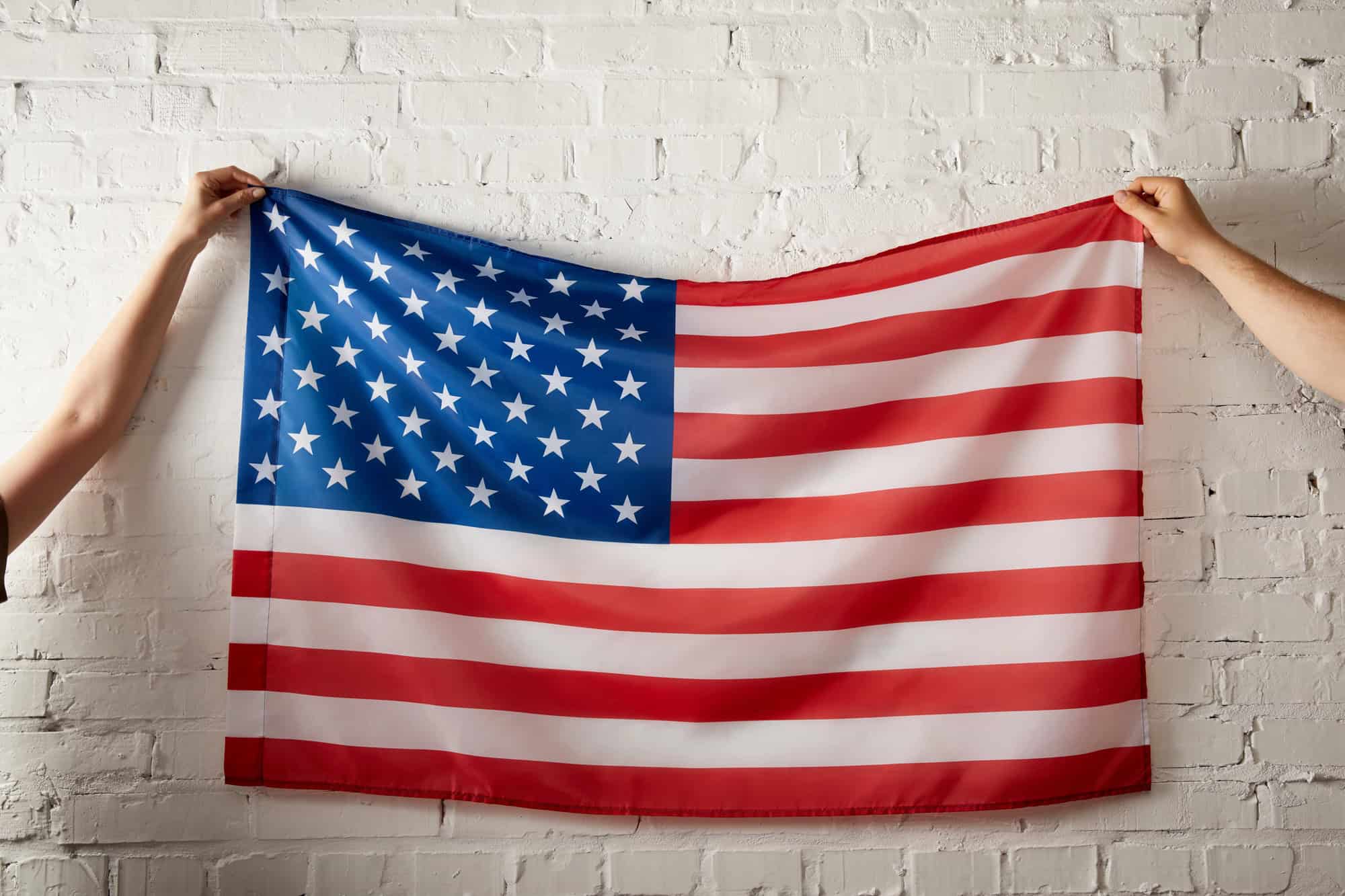
For a short time, stripes were added along with stars when new states joined, so when Vermont & Kentucky came in, the flag got two extra stripes, making 15. It looked rather stretched out and Congress eventually decided stripes were getting out of hand, so they changed it back to 13, with the rules stating that only the stars would change. That 15-stripe version flew during the War of 1812 and it’s the one that inspired “The Star-Spangled Banner,” which you can still see at the Smithsonian National Museum of American History in Washington, D.C.
The 49-Star Version
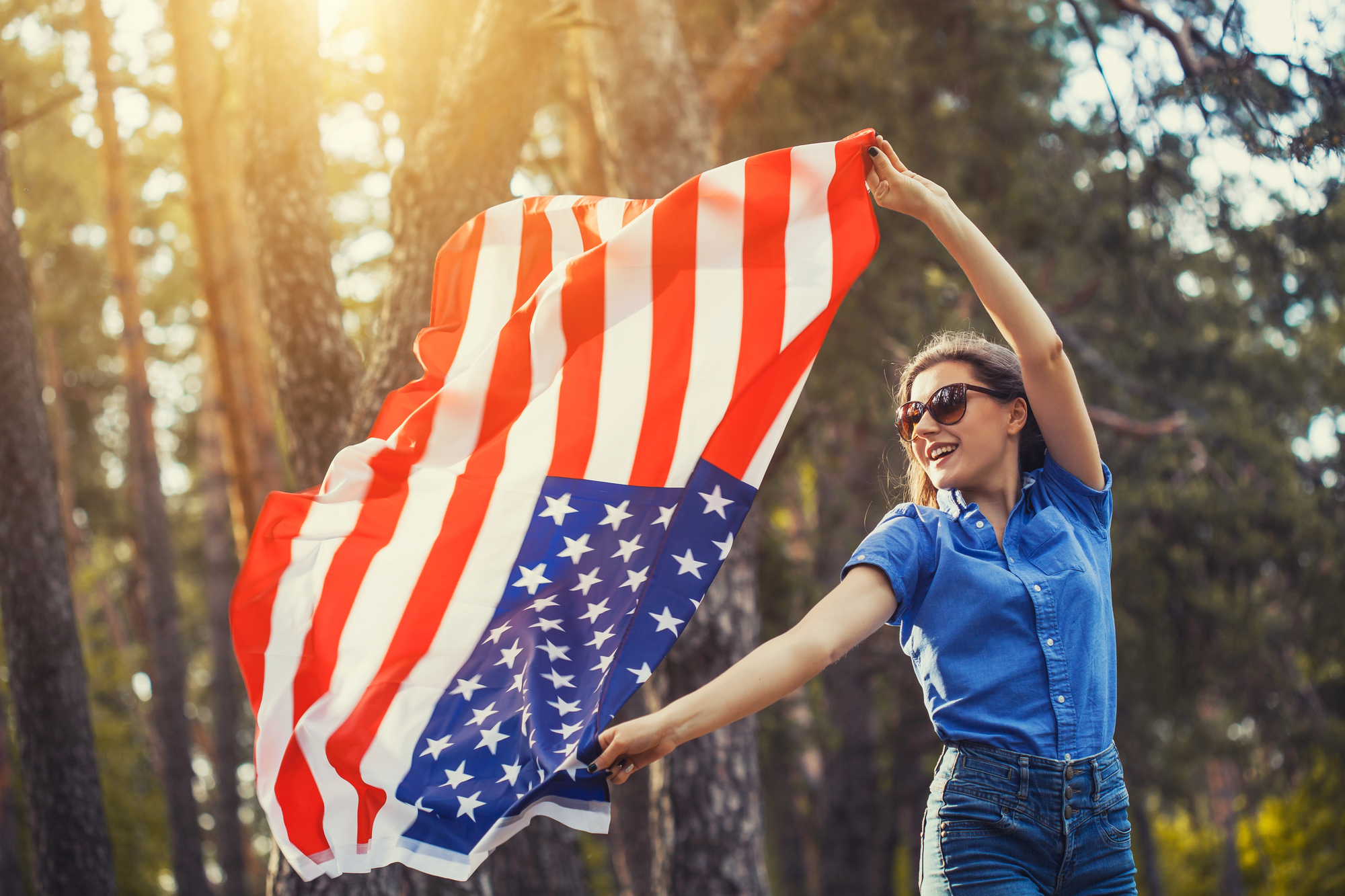
Speaking of old flags, between Alaska joining and Hawaii becoming a state, the U.S. had a 49-star flag—but only for a year. From July 4, 1959, to July 3, 1960, that version was official and most people have never seen one, although a few still exist in museums or flag collections. Flag makers had to scramble to update their products twice in a row and some were stuck with stock that was outdated before they could sell it, meaning that 49-star flags are now collectibles.
A High School Kid Designed the 50-Star Flag

Robert Heft needed a project for class and he cut up his family’s 48-star flag, stitched on two extra stars, and then turned it in. Unfortunately, his teacher wasn’t impressed and gave him a B-minus—but a couple of years later, that design became the one we’re all familiar with. Heft was later invited to the White House several times, and he met multiple presidents, while also traveling around to give talks about how it all happened. Heft never copyrighted the design because he always said it belonged to the country.
The Correct Way to Fold

When the military or scouts fold the flag, they do it a very specific way with 13 folds, and each one has its own meaning—like honoring mothers & paying tribute to fallen soldiers, for example. However, the meanings aren’t in the official rulebook and they were added over time, mostly for ceremonies and tradition. At the end of the process, the flag ends up shaped like a triangle, with only the blue field and stars showing.
From Sunrise to Sunset

Technically, if you’re flying a flag outside your house, you’re supposed to take it down at night, unless it’s lit up, as it’s an actual rule in the U.S. Flag Code. Flags flown at night need to have a spotlight or some kind of lighting so they’re visible in the dark—a flag staying up without lighting is bad form. Of course, most people ignore it, especially around the Fourth of July, but buildings like post offices & military bases usually follow it rather closely.
Touching the Ground

A lot of people think it’s a crime if the flag hits the ground, but it’s not, as the Flag Code simply says you should avoid it out of respect—nothing bad will legally happen to you if it does. If it’s dirty or damaged, you’re supposed to dispose of it respectfully by burning in a special ceremony, with American Legion posts & scout groups holding flag retirement events just for that. They collect old flags from the community and retire them all together, usually on Flag Day.
The Peace Version

Not all American flags have the standard red and white stripes and the Navy once used a white flag with blue stripes & the normal blue star field, which was called the peace flag. They flew it during certain negotiations to show they weren’t there to fight and you can still see it in photos of diplomatic missions or humanitarian operations from earlier decades. However, the flag isn’t widely known, even among veterans, nor does it show up in stores.
The Meaning of Red, White, and Blue
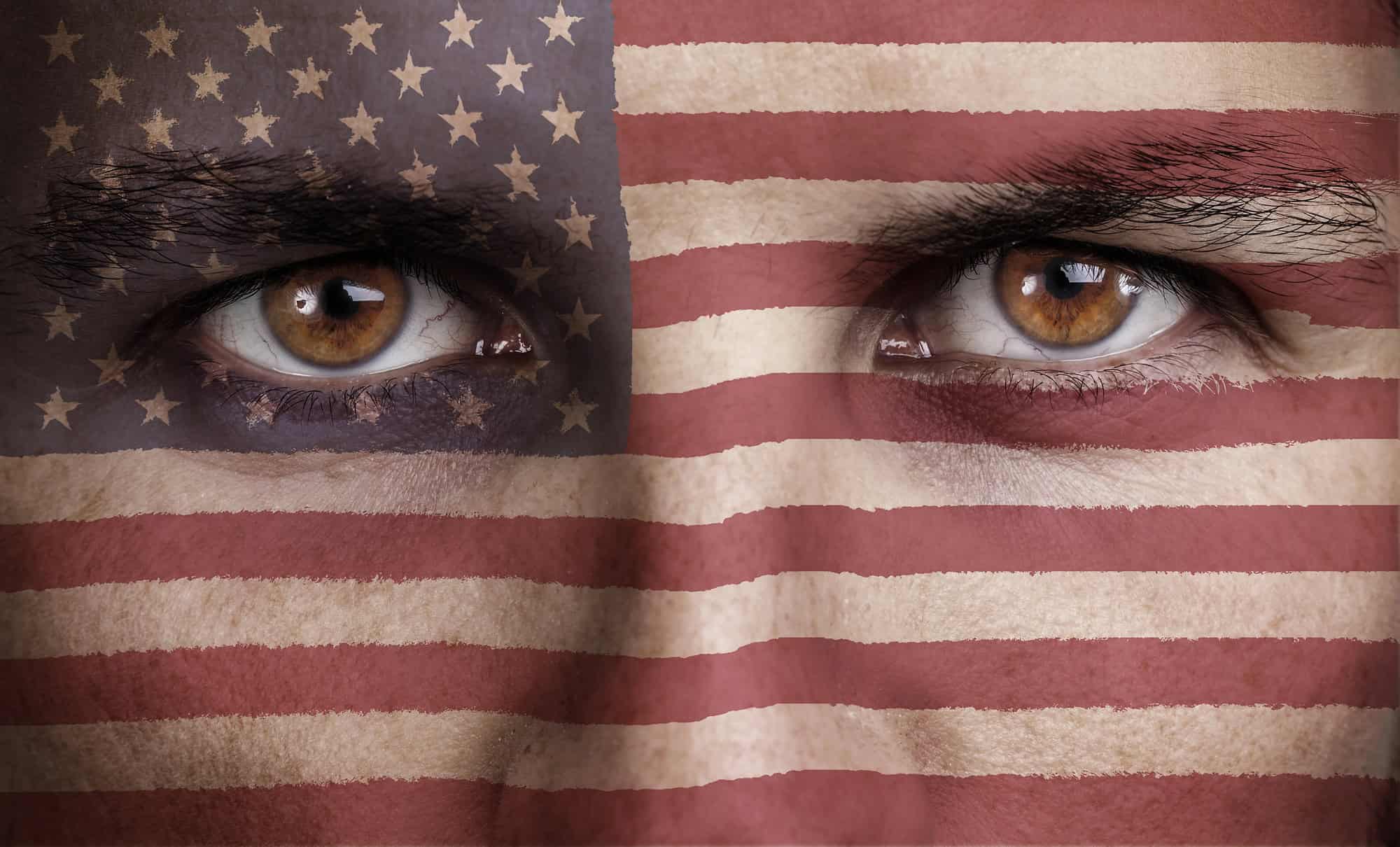
People love saying red is for bravery, white is for purity, and blue is for justice—but those meanings are completely made up, as Congress didn’t explain the colors when the flag was first created in 1777. They just reused the same red, white, and blue from the Great Seal without any definitions attached, with the color explanations coming later. Even though they’ve stuck around, they were never part of the original law or design notes, so take them to mean as you wish.
The Flag That’s Never Lowered
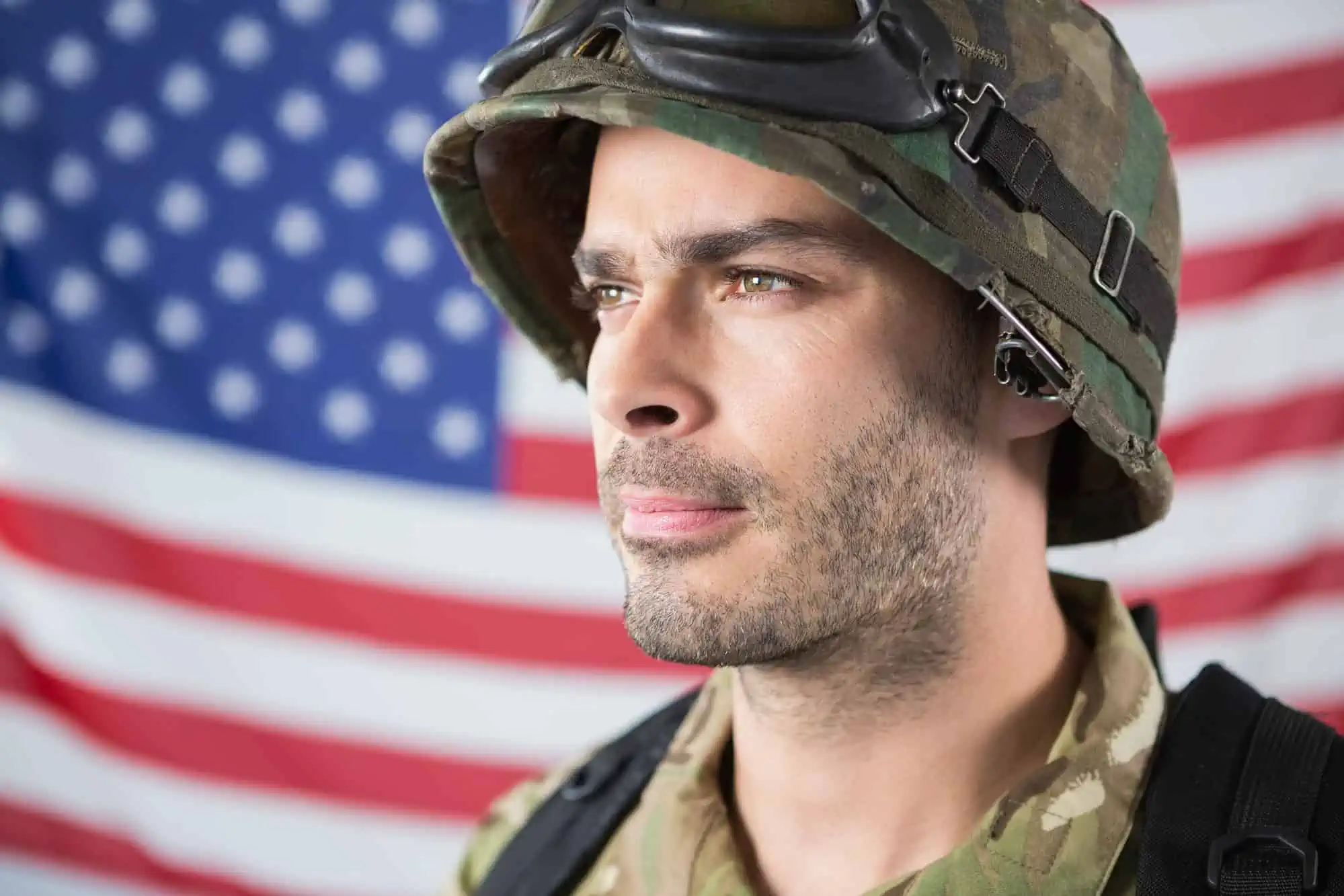
The flag flying over the Marine Corps War Memorial in Arlington, Virginia, stays up all day, every day, and it’s one of the few places where the flag doesn’t come down—not for storms, not at night, not ever. It’s always lit and it’s meant to stay raised to honor Marines who’ve died in service, with the memorial itself showing the famous image from Iwo Jima. Workers maintain it regularly and there’s always a backup ready in case they need to swap out the original.
Sears on the Moon

Despite what you might think, NASA didn’t spend millions designing a fancy moon flag, as they actually just bought a regular nylon flag from a government catalog supplier. It was the same kind sold at Sears, and it cost about five bucks—the only change engineers made was to add a rod to keep it from falling in zero gravity. When the lunar module lifted off, it knocked the flag over, but it had already done its job, and later missions planted more flags at different spots on the moon.
The Underwater Flag

In 1958, the USS Nautilus completed the first underwater trip to the North Pole (known as Operation Sunshine), and while the sub didn’t break through the ice, the crew still did a ceremonial flag raising while they were under it. The U.S. government kept the mission secret at first, and it was only later that it became a big Cold War headline. It was a major win for the U.S. Navy because the sub traveled more than 1,800 miles under the Arctic ice and proved that nuclear-powered submarines could go anywhere.
Casket Flags

When someone’s buried with a flag draped over the coffin, the stars go over the left shoulder and the flag is never buried with the person. Instead, after the service, it’s carefully folded and usually handed to the next of kin, with two people folding it into a triangle shape, slowly & precisely. It usually ends with a final salute, and the process is a big part of how the military says goodbye.
Disclaimer: This list is solely the author’s opinion based on research and publicly available information.
Like our content? Be sure to follow us on MSN.


