

When parents treat one kid a little differently—by accident or on purpose—it changes how siblings see each other. It creates tension & arguments over time, especially when one child keeps getting more attention, praise, or freedom, regardless of whether parents say they love everyone the same. Unfortunately, their actions don’t always match their words. Here are twelve ways favoritism fuels sibling rivalry. Hopefully, you’ll be able to spot these signs before it’s too late.
Featured Image Credit: Milkos /Depositphotos.com.
Free Pass for Bad Behavior

When one kid is allowed to roll their eyes or talk back without any consequences, while the other one gets punished for even minor things, it changes how they see each other. The child who gets in trouble more often starts to feel like the rules aren’t fair—no matter their behavior. It’s the pattern that matters and such a difference makes everyday situations feel unfair & unbalanced at home.
One Kid’s Stories Get Airtime
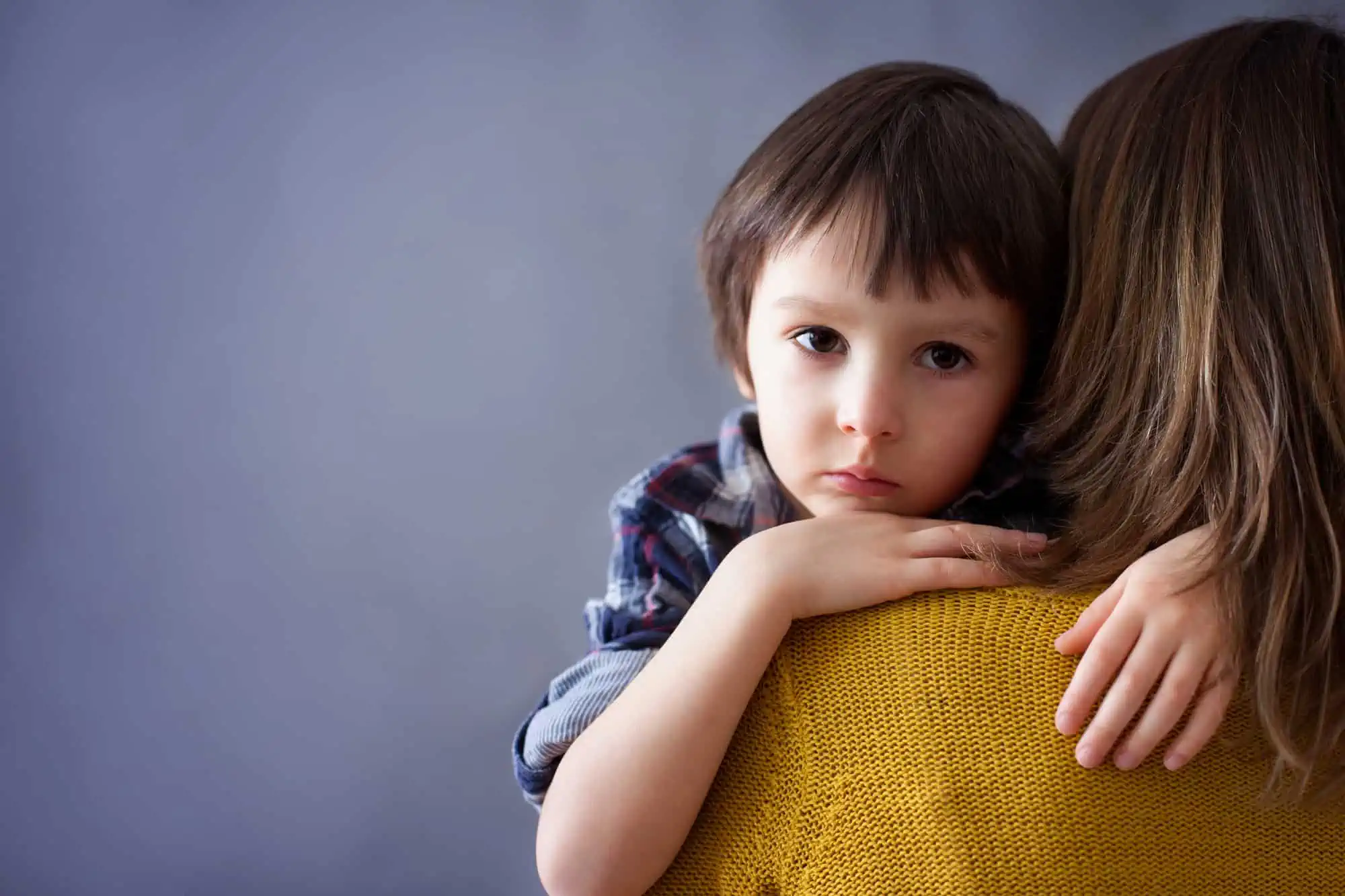
Every family has stories that get passed around, but sometimes, those stories only ever feature one sibling. You’ll hear about their soccer goal from five years ago or the time they wowed everyone in the school play, while the other sibling’s achievements are ignored. If that pattern keeps repeating, the kid who’s left out starts zoning out or pulling back, although it’s not because they want the spotlight. They just stop expecting anyone to remember their special moments.
Grades Don’t Mean the Same Thing for Both Kids

Likewise, one kid walks in with a B+ and it’s high-fives all around—the other brings home an A- and gets asked, “Where’s the plus?” It’s confusing enough that, after a while, the kid who keeps getting nitpicked might stop showing their grades unless they’re perfect. They’ve learned that anything less than perfect won’t get the same kind of positive reaction and this kind of uneven response sticks with you. It’s even worse when both kids are working just as hard.
Hobbies Only Count If They’re the “Right” Kind
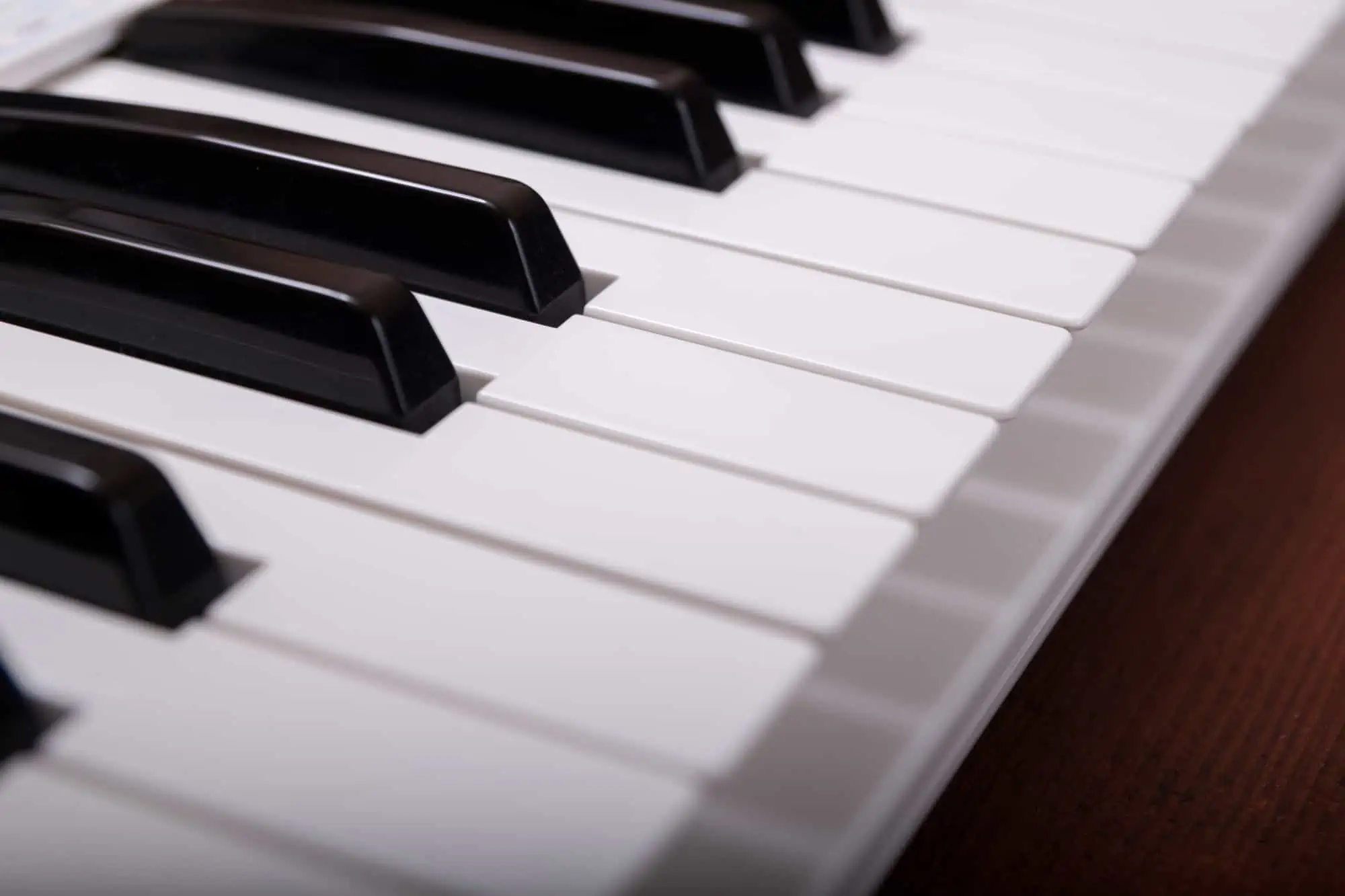
One sibling receives weekly rides to piano class and, maybe even a digital keyboard for Christmas—but the other one is still waiting for someone to grab them a decent set of paintbrushes. They’ll ask for these items, yet they constantly hear stuff like “That’s too expensive” or “We don’t have time for that.” This turns one child’s passion into a routine part of family life, while the other ends up figuring it out alone, if they don’t quit altogether.
Chores Somehow Always Fall to the Same Person
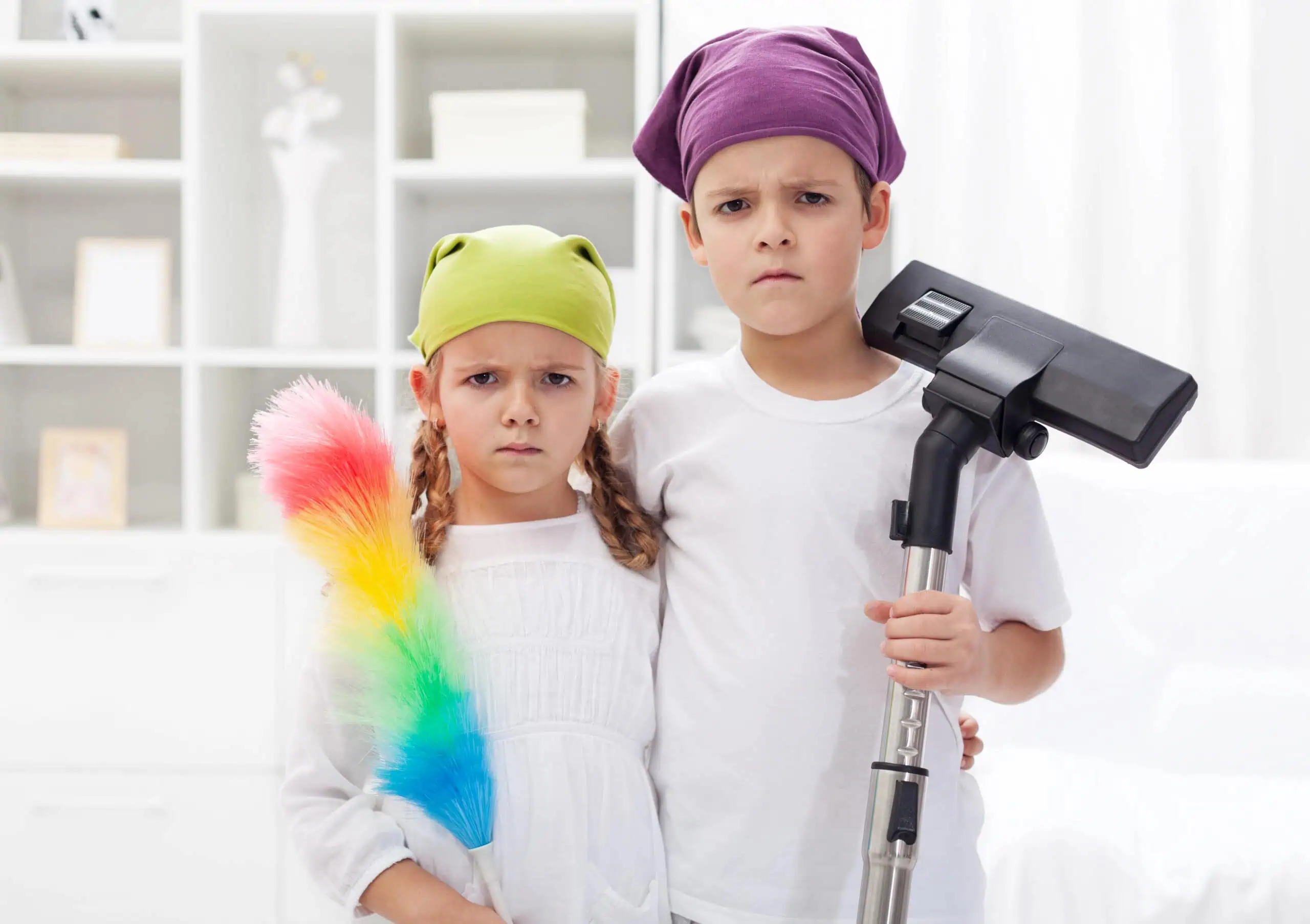
There’s always one sibling who’s mysteriously “too tired” or “really focused on schoolwork” when it’s time to clean and somehow, that’s fine—not for the other child. They have to clear the table, walk the dog & fold towels like it’s a part-time job, although nobody says it’s favoritism out loud. But the imbalance is obvious and the kid doing more starts keeping track, regardless of whether they say a word about it.
Getting Bailed Out Becomes a Pattern
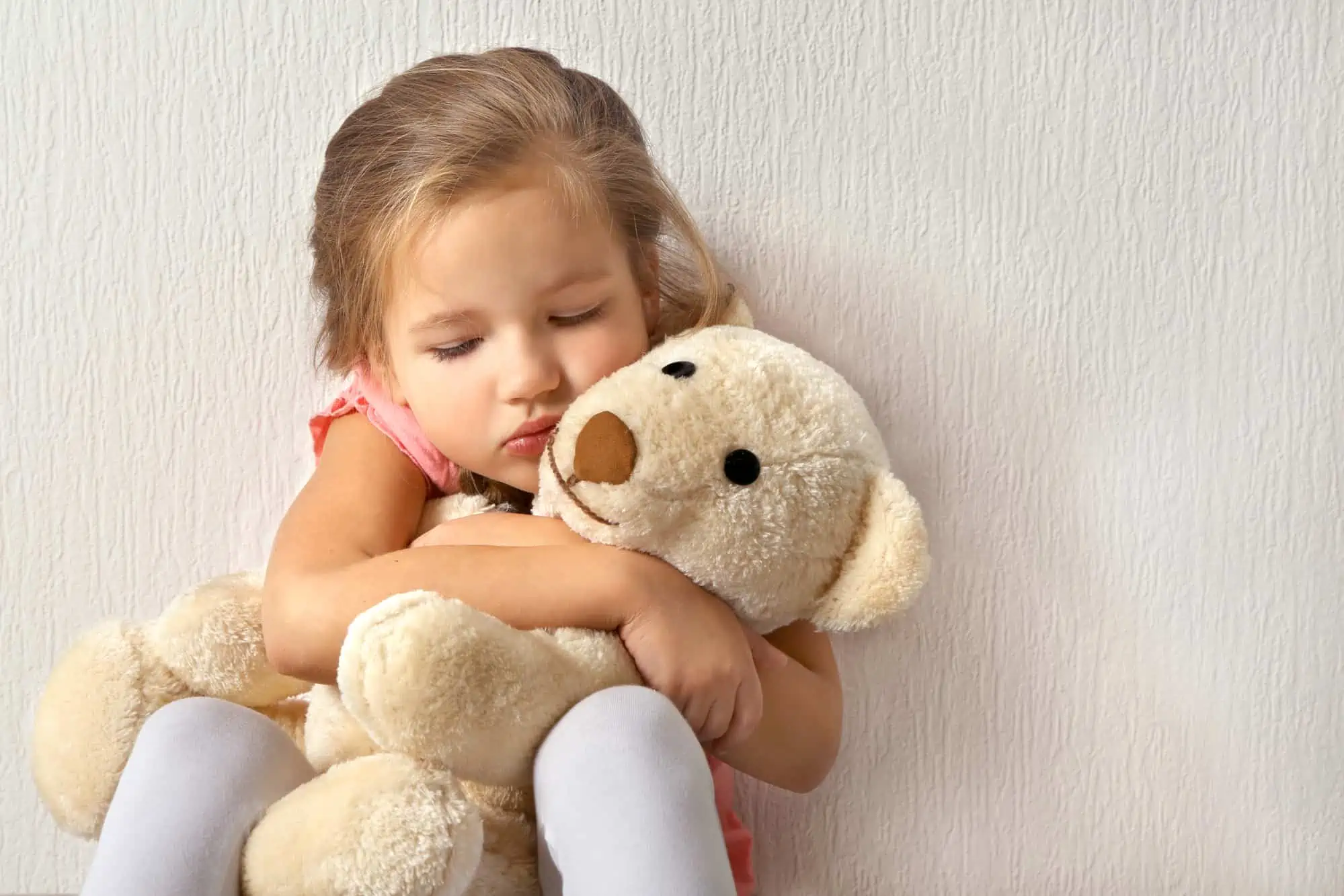
When something goes wrong, the parent steps in to defend the favorite child, saying things like “They didn’t mean to” or “They’ve had a tough week,” while their sibling wonders if they’d get the same treatment for the same mistake. It’s not just a one-off thing and this makes the ‘lesser’ child feel as though their parents simply don’t support them in the same way. Beyond just hurting their feelings, it completely changes how siblings trust each other, for the worse.
Feelings Aren’t Treated the Same Way
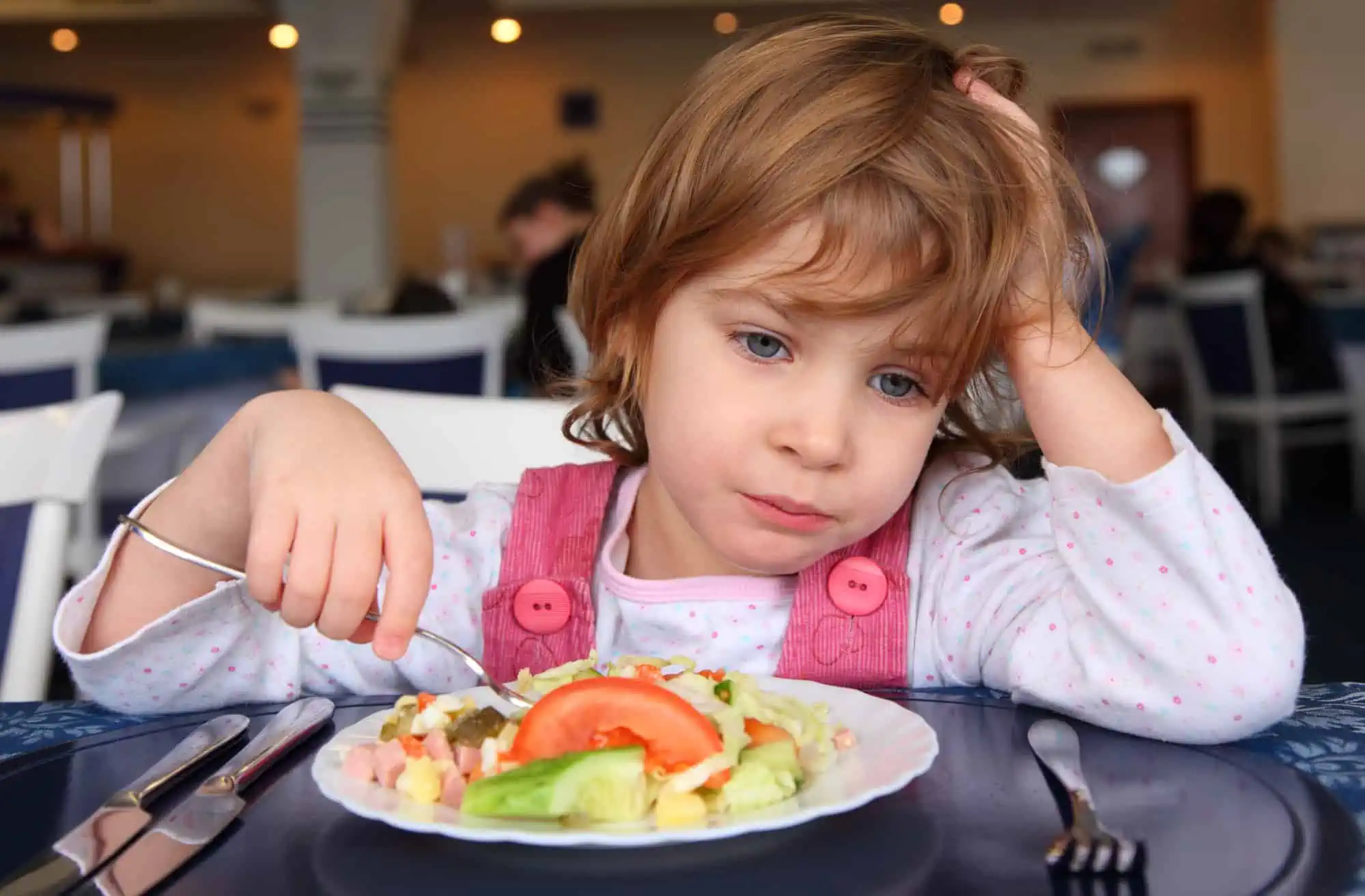
Favoritism means that one sibling gets hugs and lots of questions like, “What’s wrong?” when they’re upset, while the other one is told to calm down—or worse, to stop being dramatic. It’s impossible to ignore the fact that your tears get you disappointment instead of comfort and this encourages you to just stop opening up. Rather than not having feelings, you’ve learned your parents won’t take them seriously and that makes it hard to want to share them again.
Someone Always Gets to Hang With the Adults

Whether it’s planning a trip or deciding on dinner, there’s always one sibling who somehow ends up at the adult table and gets asked for their input on the situation. They might even be able to throw in a few jokes that the parents laugh at, yet the other child gets told to leave. It’s not exactly subtle and soon enough, one kid ends up feeling like part of the inner circle and the other keeps waiting to be invited in.
Extra Praise Given Only to One Person

A parent might tell the teacher about how talented one child is in writing or soccer, saying things like, “Keep an eye on them—they’re really good.” But they don’t say anything about the other sibling and that one simple difference changes how people treat them, since the ignored child misses out on compliments & attention. They’re doing well, it’s just that no one’s pointing it out and that makes them ask if they should even bother.
One Outfit’s “Cool,” the Other’s “Not Okay”

Fashion isn’t always the important part—sometimes, it’s the reaction that matters, especially when one sibling wears something casual & everyone says they look good. But when the other wears nearly the same thing, they’re told to change because it looks sloppy or unflattering. These comments make the second sibling start overthinking what they wear and they might avoid trying new styles because they already know what’s coming.
Showing Up Isn’t Spread Out Evenly
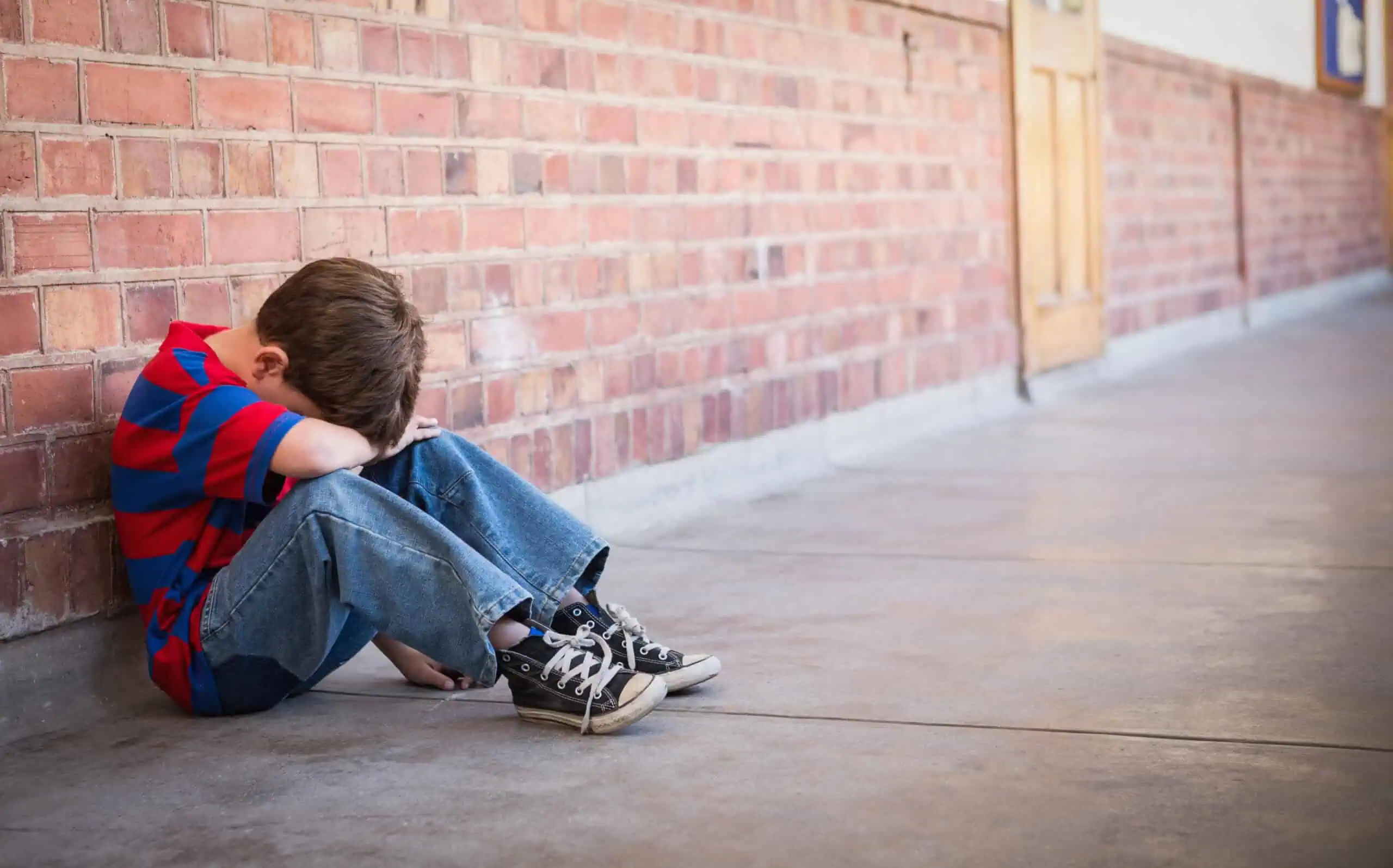
There’s always one sibling whose events the parents never miss, whether that’s a school concert or a soccer match. They’re clapping from the sidelines, but for the other kid, it’s constant promises of “I’ll try to come” or perhaps something like “I have a meeting that day.” Of course, not every event is a big deal, but those no-shows start to add up and the message is clear—one schedule matters more.
One Child Gets More Physical Affection
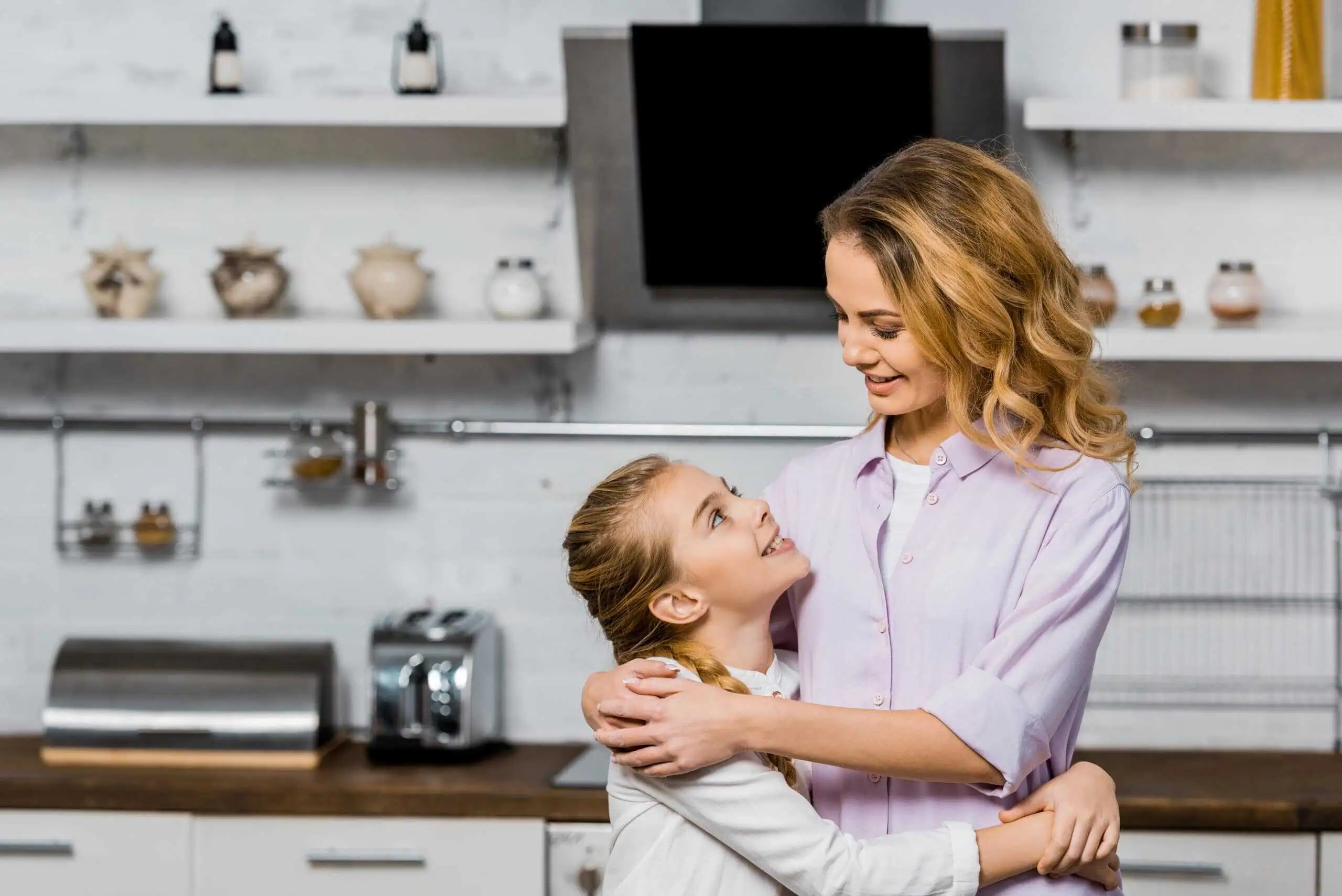
Some parents naturally hug or touch one child more than the other without realizing it, such as giving one child a kiss on the head every night. There may not be any bad intent behind it, but the difference is obvious, even though the less-affectionate sibling might act like it doesn’t bother them. It makes parental love feel like it has a ranking system in the house.
Disclaimer: This list is solely the author’s opinion based on research and publicly available information.
Like our content? Be sure to follow us on MSN.


