

We like to think that our pets are just like us, only with fur and paws. It’s a sentimentality that overlooks so much. Animals experience their world quite differently. Their perception of sound, scent, movement, and time is almost alien. They’re subject to instincts that have all but vanished in humans. But when you understand what the research shows, many common pet behaviors become remarkably logical. Here are nine facts that should make you view your pet’s inner life in a whole new way.
Dogs hear emotional shifts humans miss

Dogs are listening for emotion rather than speech. They sense stress, or excitement, or calm from the sound of your voice alone. Words are secondary, and language doesn’t get in the way. The first response from your dog is often from tone, not meaning.
Cats map spaces using whiskers as measuring tools
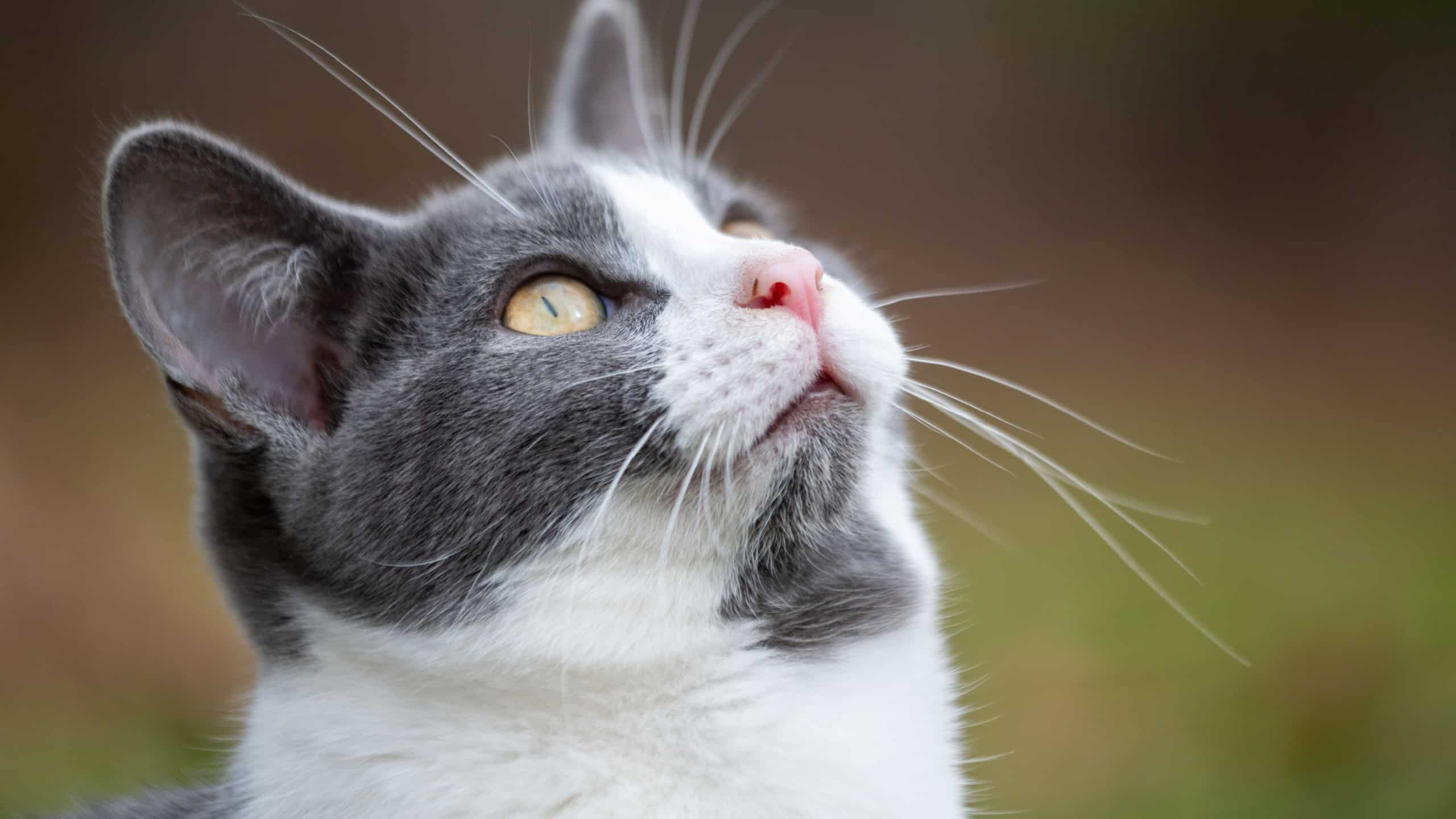
Cat whiskers aren’t just fancy hairs. Whiskers are attached to a cat’s nervous system, VCA Animal Hospitals says. This explains how whiskers help determine the width of a doorway or crack before entering it. If something seems off about a space, a cat can simply turn on their heel and walk away. Cats can “see” small spaces even when completely covered in darkness, all thanks to whiskers.
Dogs can sense the passage of time through habits

Dogs are not aware of hours or minutes. There are studies that claim dogs mark the passage of time through the dimming of the light, the noises in the home, and odors. Your dog knows you’re late because the scent you left behind has faded. It is also why they worry at the same time each day.
Dogs see motion more clearly than still detail

Dogs may not have great eyesight for small detail, but they can see moving objects very well. It’s an important ability their hunting ancestors needed to track moving prey. A dog may not care for a toy when it’s still, but the instant it moves, they will notice.
Cats experience smells as layered stories

Cats don’t smell the world as we do. Cats take their time because one scent has many messages. A special organ in the nose helps cats detect chemical signals we can’t. One spot can tell a cat who was there, how the animal felt, and its health. That’s why a cat can stand stock still, sniffing for minutes on end. It’s not only smelling. It’s information gathering.
Cats feel vibrations through their paws

Cats can feel vibrations in the slightest of ways. There are nerve receptors in the pads of their paws. That’s one way cats can “feel” that something is about to happen before it happens. It’s not just through the air or eyes. It’s through the floor too. The ground is speaking to them.
Dogs memorize places by emotional memory

Dogs remember places by what they felt there, not how it looks. Neuroscience studies on canine cognition show that emotional memory is pivotal for their handling of spaces. A vet clinic smells and feels stressful, so avoidance kicks in early. A park feels rewarding, so excitement starts before arrival.
Cats see humans as large social beings

Research into the behavior of cats towards humans supports the idea that they categorize us as neither feline, nor familiar. Cats still employ social rules like rubbing or slow blinking on us, but altered versions. It appears that cats view humans as social entities, predictable giants, and resource-providers. This would explain cats’ affectionate, but not submissive, behavior towards people.
Pets sense human stress through chemistry

Your dog and cat know when you’re stressed by the changes in your sweat and breath chemistry. In 2022, PLOS ONE published a study where dogs correctly identified stressed people without any visual clues. But this isn’t like empathy as we experience it; your dog isn’t picking up your feelings. They just know something about you has changed.
Sources: Please see here for a complete listing of all sources that were consulted in the preparation of this article.
Like our content? Be sure to follow us.


