History is written by the victors, or by guys who really like a good story, even if that story is about someone who never lived.
William Tell
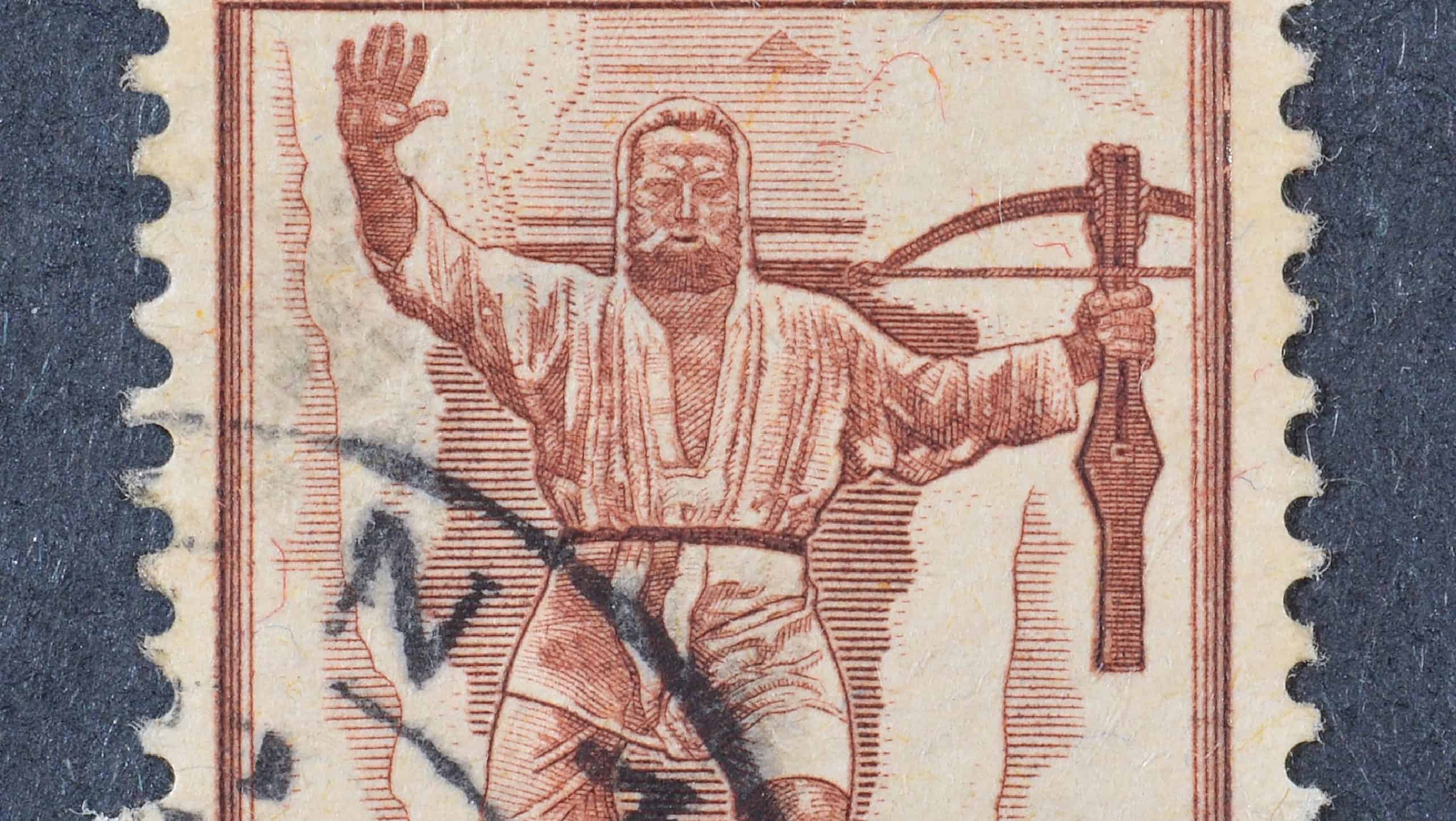
William Tell is a folk hero from Switzerland. Legend has it that he could shoot extremely well with a crossbow.
The evil governor made Tell shoot an apple off his son’s head with his crossbow or they would both be executed. Tell’s arrow found its mark on the apple, though he’d concealed a second one, ready to strike the governor down had the first gone awry and hit his son.
Tell’s defiance ignited a successful revolution, ultimately giving birth to the nation of Switzerland. His actual existence remains unproven, with the famed “apple shot” incident bearing resemblance to older mythological accounts.
Laozi

The reputed creator of Taoism and author of the Tao Te Ching is among the most famous philosophers from the East, but he may very well not have existed at all.
His name translates to “Old teacher” which seems less like a proper name and more like what you would call a council of wise elders.
Not only is there no known biography of him, but it is likely that the text credited to him was written by many different people centuries apart.
Our entire understanding of Laozi, even the well-known meeting with Confucius, is steeped in folklore.
Lycurgus of Sparta
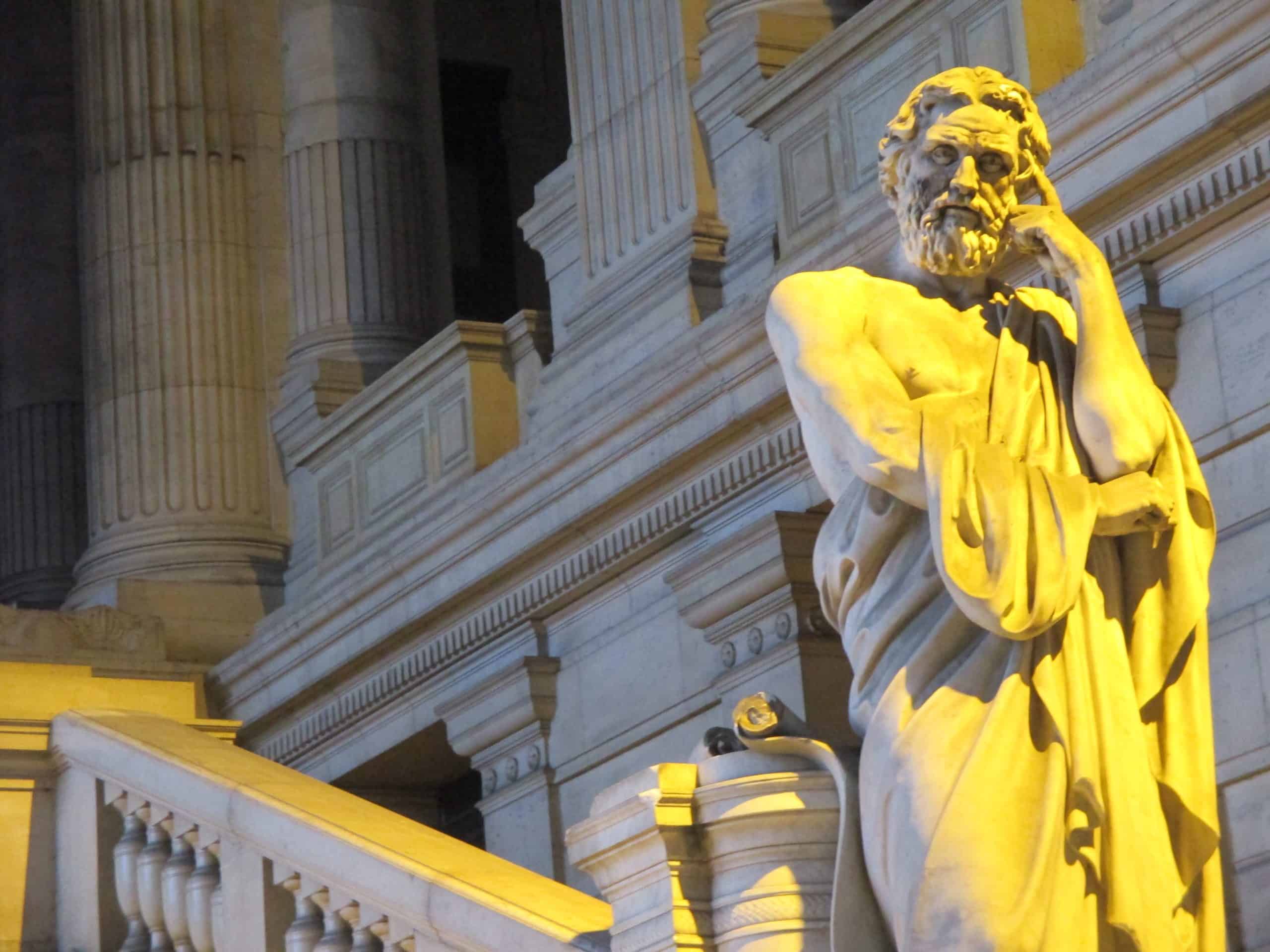
All of Sparta’s laws and social structure are credited to their legendary lawgiver Lycurgus, who presumably militarized an entire city-state.
Ancient historians themselves complained about his story; Plutarch wrote that “we can find nothing recorded of him which is not contradicted by some other author.”
Ancient sources give his birth and death ranging from hundreds of years apart. Much of what we know about Lycurgan reforms are very plausible organic developments that happened over centuries of Spartan traditions.
It’s almost certain Spartans deliberately created a myth of a lone lawgiver to make their incredibly strict laws seem more palatable by having them be ordained by someone semi-divine.
King Solomon
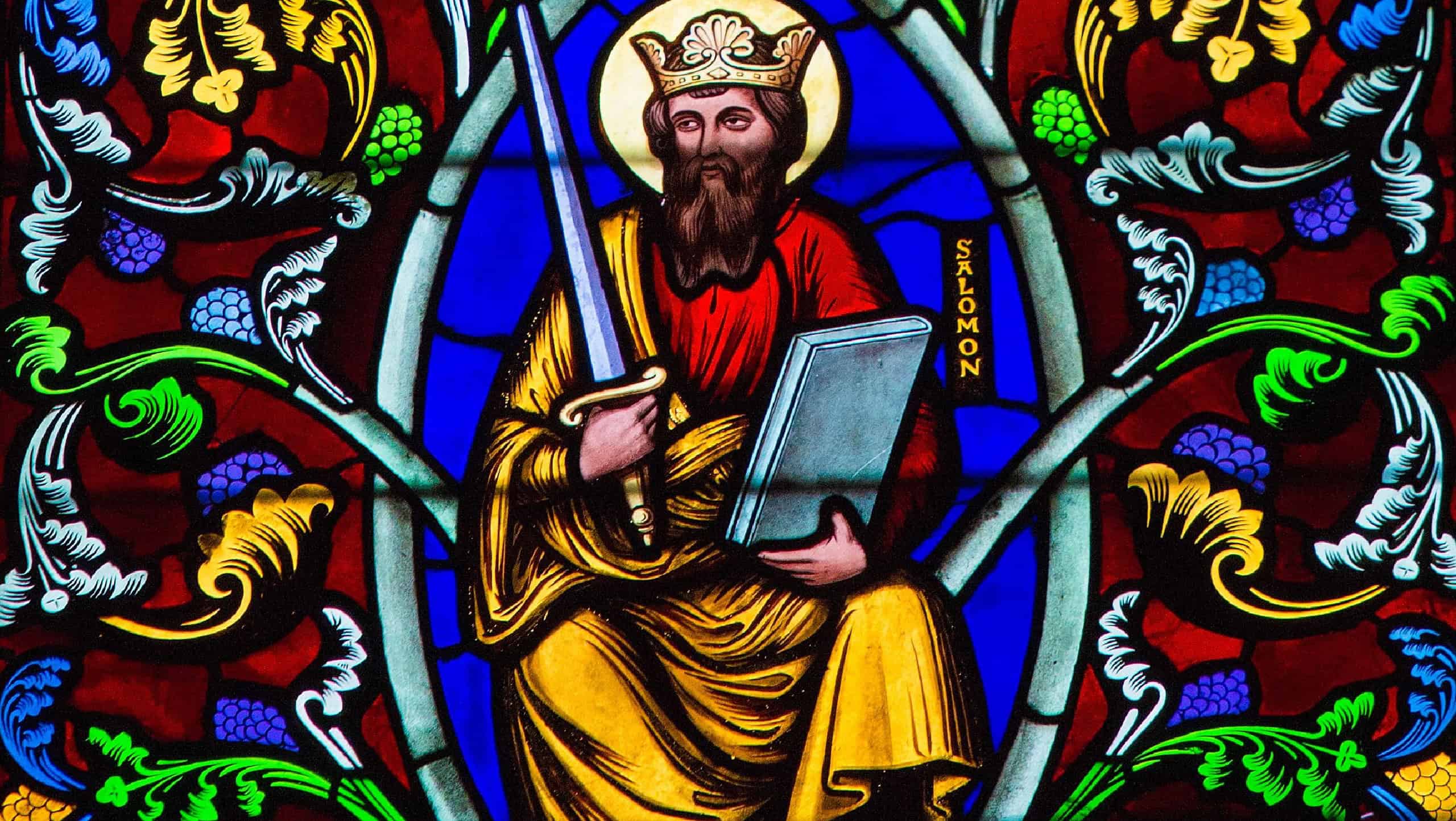
He’s presented in the Bible as a king who was so rich that he could build an enormous temple in Jerusalem. However, there is very little archaeological evidence for a kingdom of his supposed size in the 10th century BCE.
Digging in Jerusalem, archaeologists have unearthed no monumental structures or proof of a vast kingdom in the very locations where biblical King Solomon supposedly established his reign.
Many believe the real king Solomon, if he existed at all, was barely a king at all and simply a local chieftain.
The most plausible time for Solomon’s story to have been embellished is during the later Jewish kingdom, when a distinguished history was desperately needed.
Homer
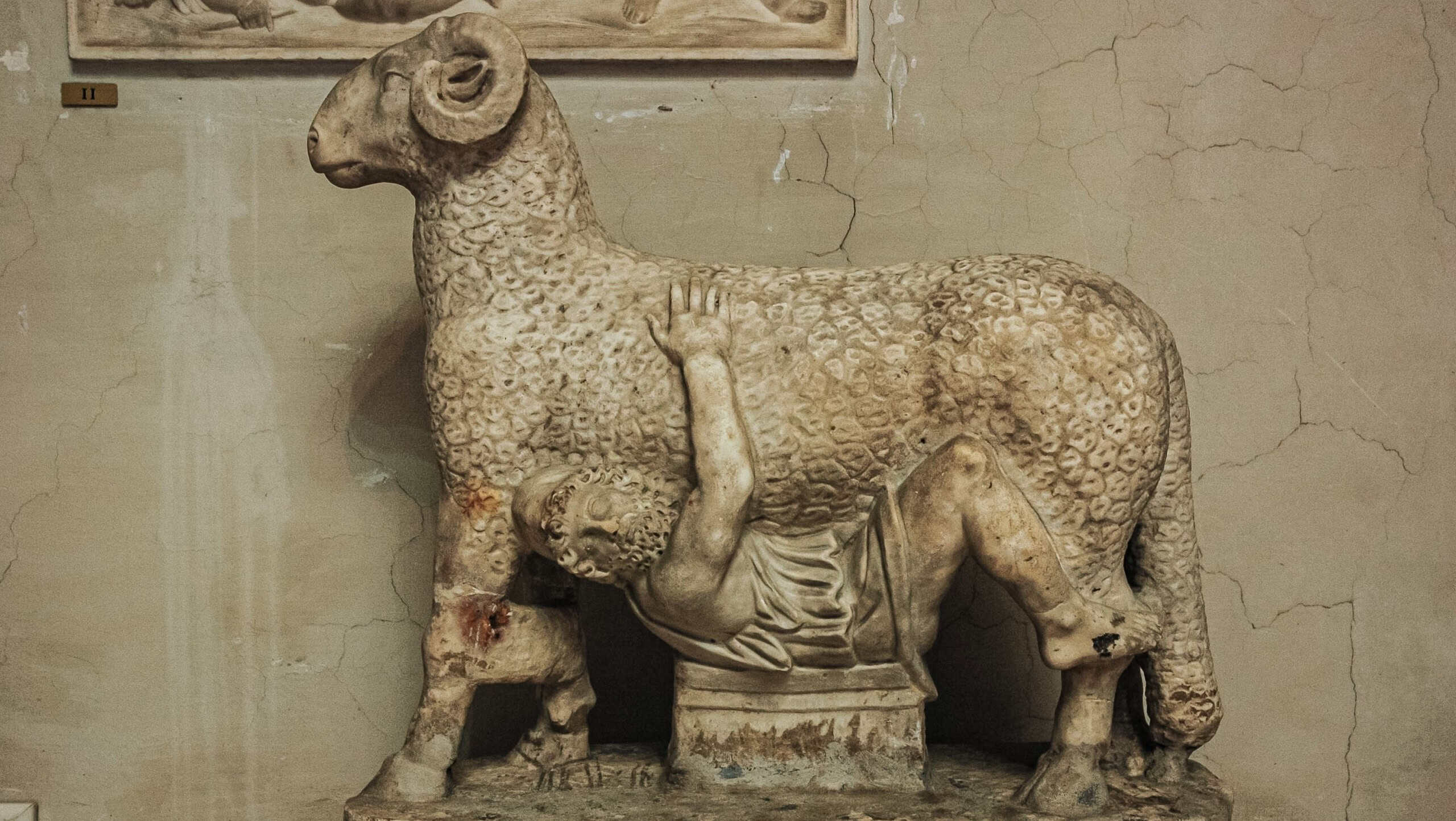
The cornerstones of Western literature are undoubtedly the Iliad and the Odyssey, but nobody knows anything about the life of Homer. There is no identifiable life story that can be attached to this name.
Most scholars these days believe that the Iliad and Odyssey were the work of generations of oral storytellers, not one blind poet.
Linguistic analysis of these works show inconsistencies throughout both epics that indicate they were patched together from songs of many bards sung over a period of decades.
“Homer” probably functioned more as a collective identifier than a singular poet, representing those who ultimately penned the Trojan War tales.
Mulan
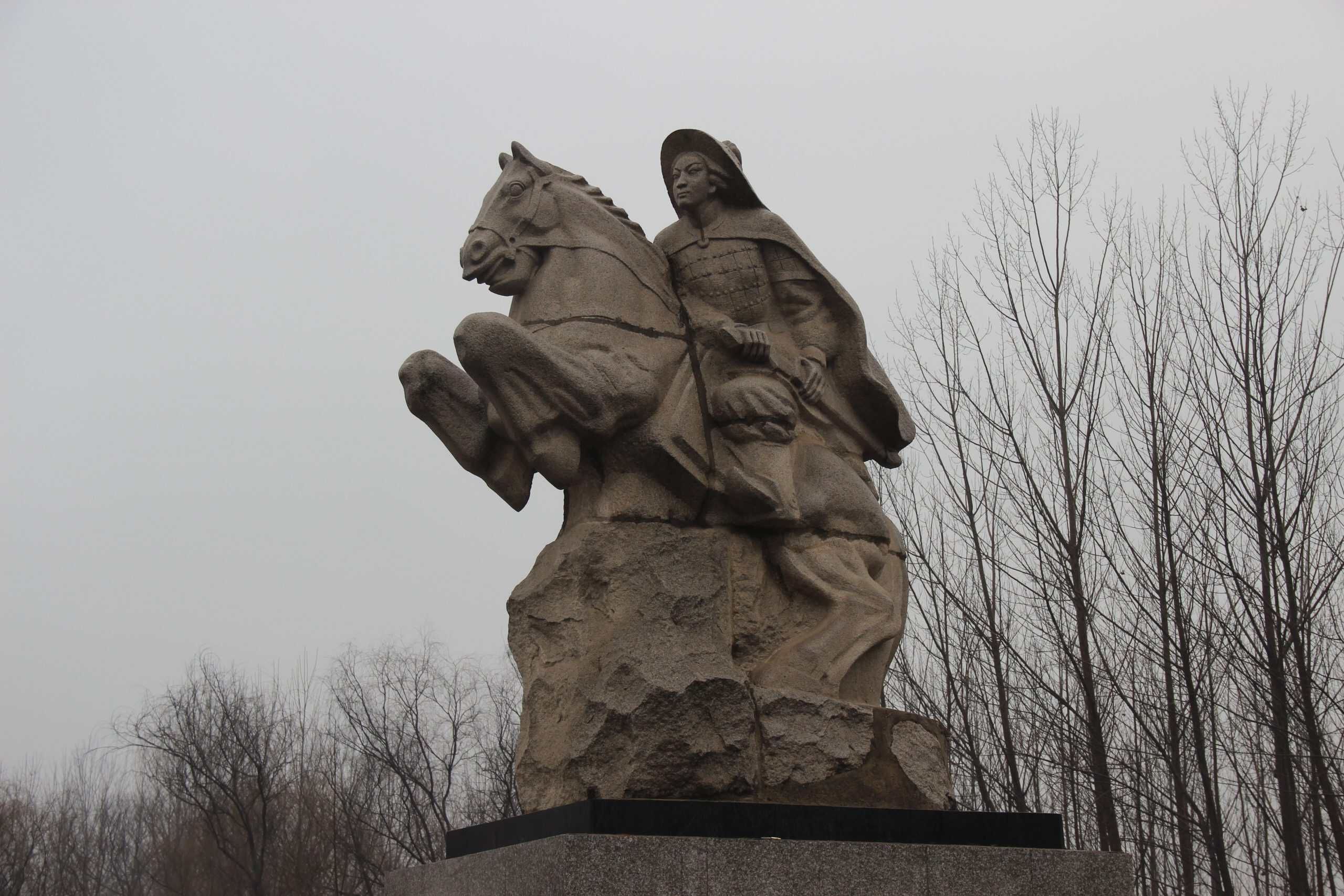
While modern films might ring a bell, the truth is, Hua Mulan was never a real person. Though her story is based on reality, she actually came from poetry.
Mulan was first introduced in the Ballad of Mulan, which is a folk song recorded somewhere between the 4th and 6th century. There are no military documents to suggest that a woman actually served under that name during that time period.
In fact, several iterations of the legend place her in completely different dynasties. Her story was most likely crafted to embody the ideal of the devoted daughter.
Sun Tzu
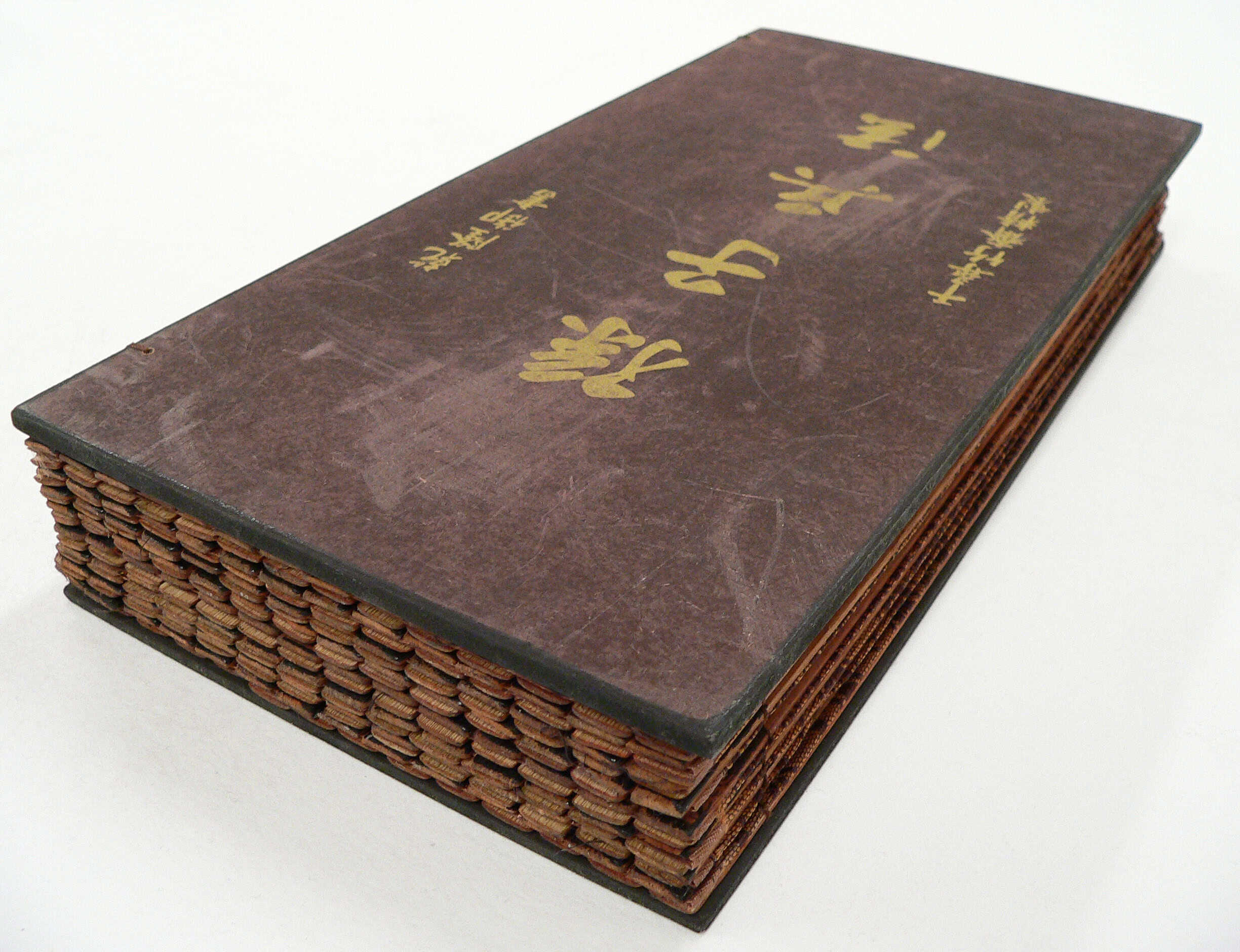
The Art of War attracts the attention of both progressive CEOs and experienced generals.
Still, some historians question if there ever actually was one singular general by the name of Sun Tzu who commanded an army during the Spring and Autumn period.
The tactics described in Sun Tzu’s book more closely resemble large-scale infantry warfare that didn’t happen until the later Warring States period. Battles in his time used chariots, not organized armies of soldiers like his book describes.
His ancient biography is riddled with dramatizations and impossibilities, like when he supposedly drilled his entire harem of concubines into an efficient fighting force.
Most historians believe that The Art of War was written by many different strategists over centuries and compiled into one document.
Pythagoras
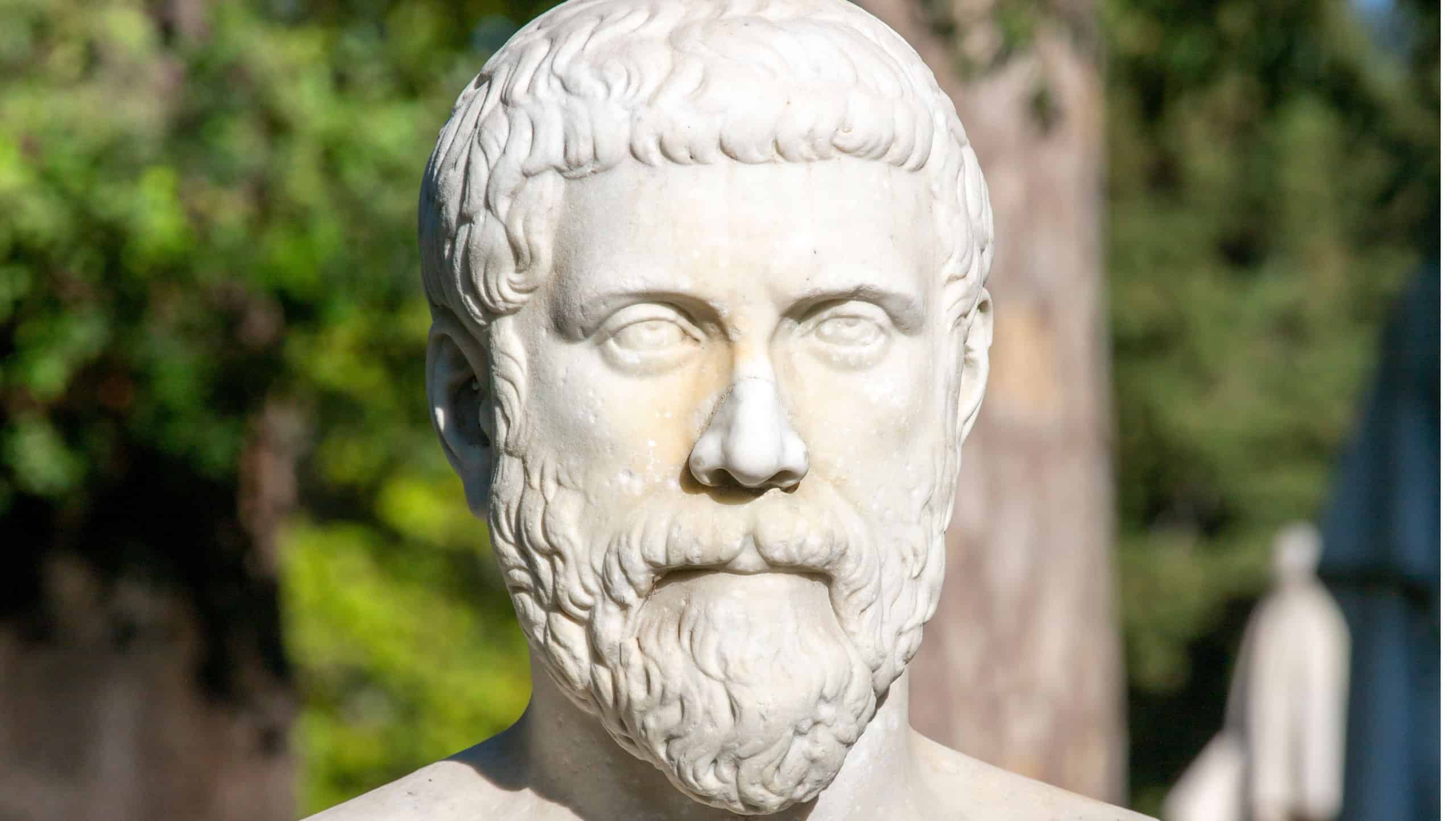
While everyone knows the theorem by heart, Pythagoras may not have been an individual mathematician at all. There’s reason to believe he was either a cult leader, or just a figurehead mathematician for a large group of scholars.
He never wrote anything himself, and his disciples were a secretive cult that credited all of their work to their “Master” for religious purposes.
Much of the mathematics associated with him was well known in Babylon and Egypt centuries before he was born.
Because his biography was written millennia after his death(and says things like he had a “golden thigh” or spoke to animals), it can be hard to distinguish fact from fiction.
Sybil Ludington
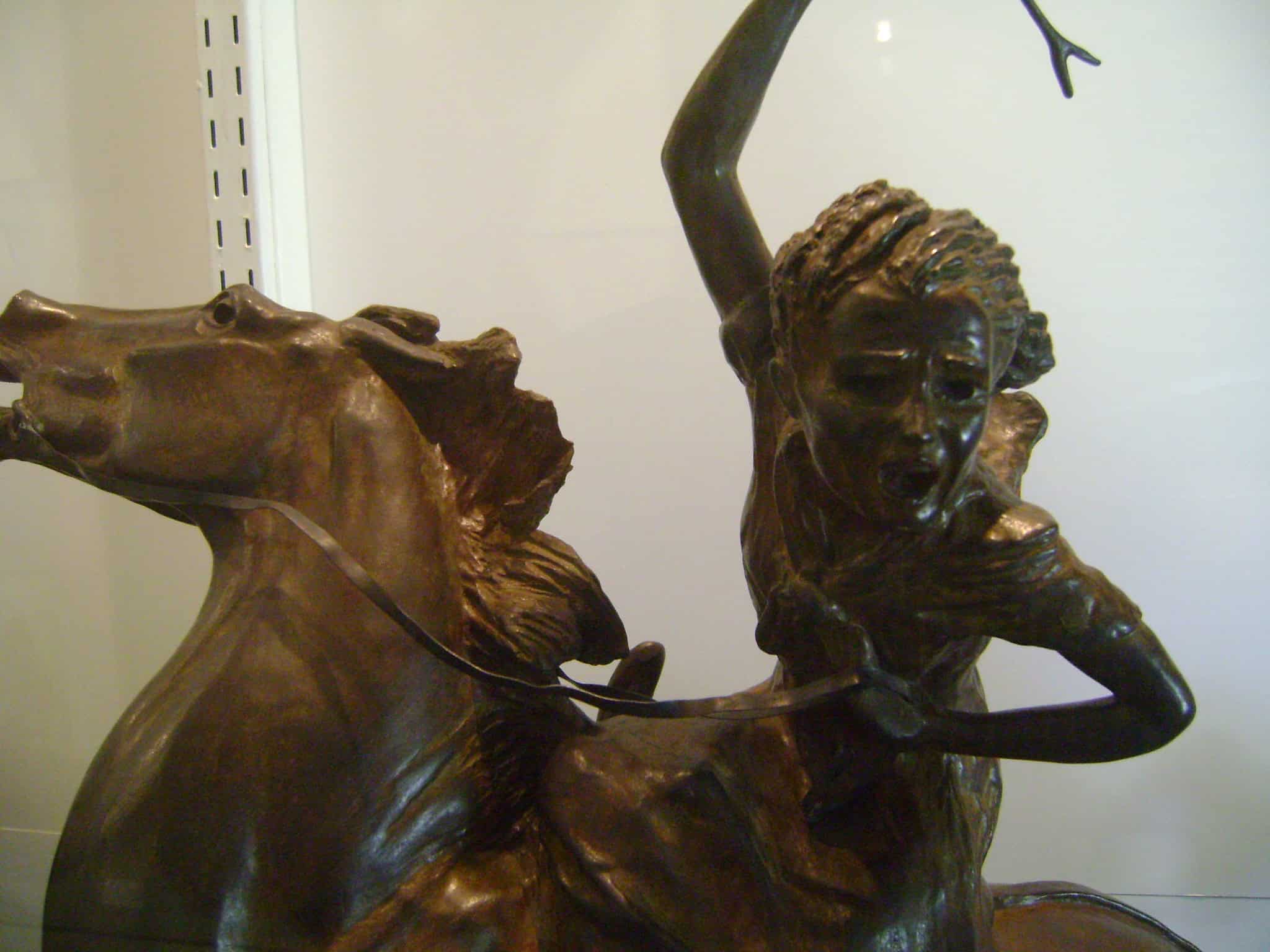
Sybil Ludington is known as the “female Paul Revere”.
The legend claims that she rode twice the distance of Revere to alert the troops of the British attack.
The issue is, there is no contemporary record of this ride. We have no record of this ride occurring while the war was still on.
The first appearance of it is over a century later. And the source of the story? A family-written biography. One filled with inaccuracies. Sybil was indeed a real person, though most historians suspect the tale of her famous ride was embellished much later to echo Revere’s.
Sources: Please see here for a complete listing of all sources that were consulted in the preparation of this article.