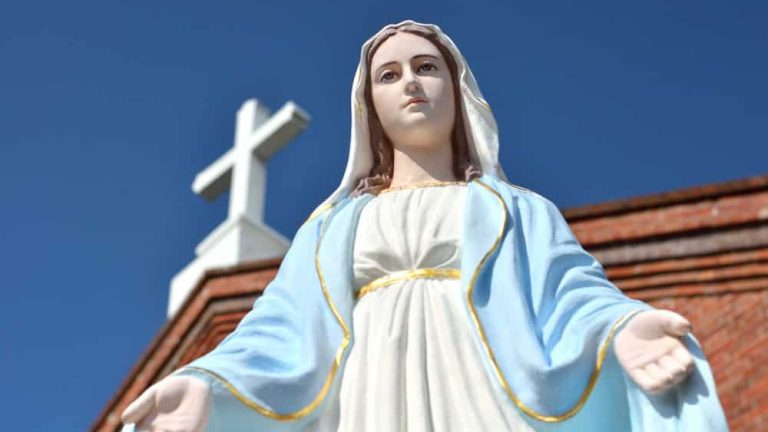

Mary is easily one of the most familiar figures in Christianity, yet there are so many interesting things about her that even some of the most devout Christians might not be aware of.
Her family tree has a missing branch
You might think that Mary’s parents were Joachim and Anne. It’s a fair enough guess, as those names have been part of Christian tradition for quite some time. But the truth is that the Bible never says that. No, there’s zero mention of who Mary’s parents were in Scripture.
She appears in the Gospels without her mother or father being named whatsoever. Those two names came later. They emerged from a second-century Christian text called the Protoevangelium of James. But that’s not part of the Bible.
The Bible never finishes her story
We learn a little about the beginning of Mary’s life in the New Testament. The thing is, we never actually get an ending to her story. The Bible never mentions when she died or where she died, or how old she was, either. We don’t even learn about what her final days were like.
She’s mentioned right up until Acts 1, and then she completely vanishes from the biblical record. There were some later Christian traditions that tried to fill in the gaps. Still, it’s kind of strange that such an important Christian figure doesn’t get a clear ending in the Bible.
Her final recorded words are remarkably simple
The last words Mary is recorded as saying are ‘Do whatever he tells you.’ That line appears in John 2:5 during the wedding at Cana, and Mary says it after she lets Jesus know the hosts have run out of wine. She tells the servants to ‘Do whatever he [Jesus] tells you.’
The words are basic, yes, but they’re pretty meaningful, and you can easily see them as an instruction for all believers. Mary does continue to appear in the Bible after this scene, but this is the last time that she actually speaks.
One title became a major battleground
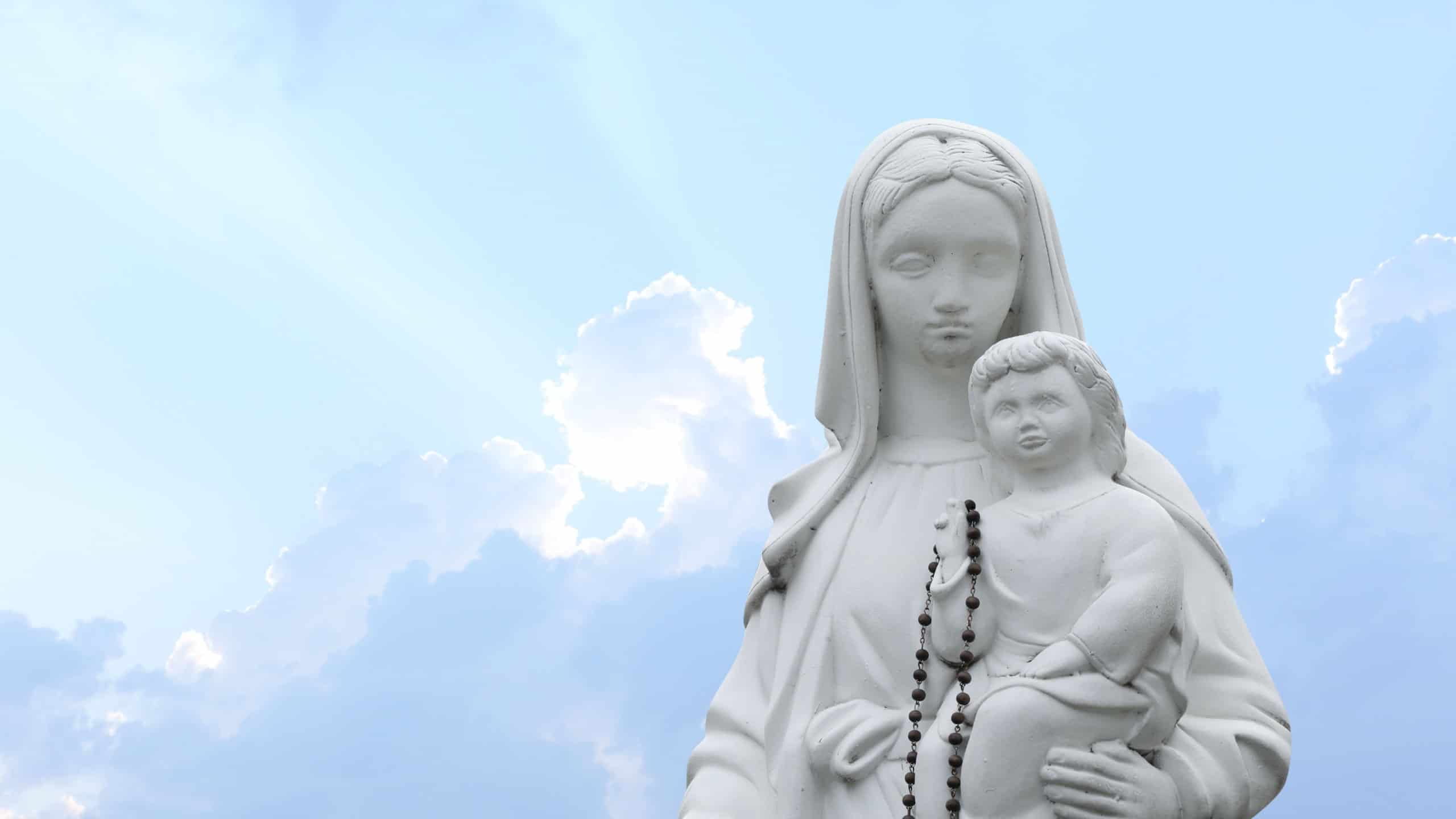
A name can be pretty powerful, and as it turns out, there was once a huge church debate over what she should be called. The Greek title for Mary was Theotokos, and this is often translated as ‘God-bearer’ or ‘Mother of God.’ It sounds simple enough.
Except Nestorius, the bishop of Constantinople, didn’t like the way the title was being used, while Cyril of Alexandria, a later saint, pushed back hard. The debate was mostly centered around Jesus and how Christians should describe him. But it was Mary’s title that was at the center of it all.
The Quran gives her a unique distinction
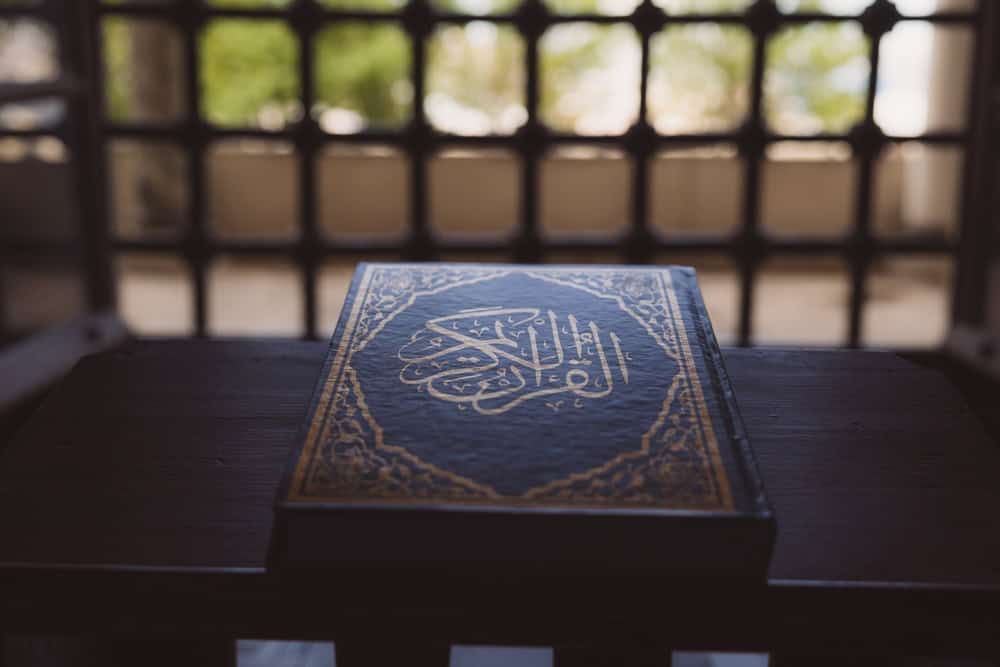
Mary’s such an important religious figure that she actually appears in other religions. Namely, Islam. Mary gets something that no other woman does in the Quran, and that’s a name. Yes, other women are mentioned, sure, but they’re usually described in terms of their relationship.
They’re wives or mothers, for example. But Mary gets an actual name, and she’s specifically referred to as Maryam, time and time again. She even has an entire chapter dedicated to her called Surah Maryam. She was just that important.
She gets a surprisingly long speech
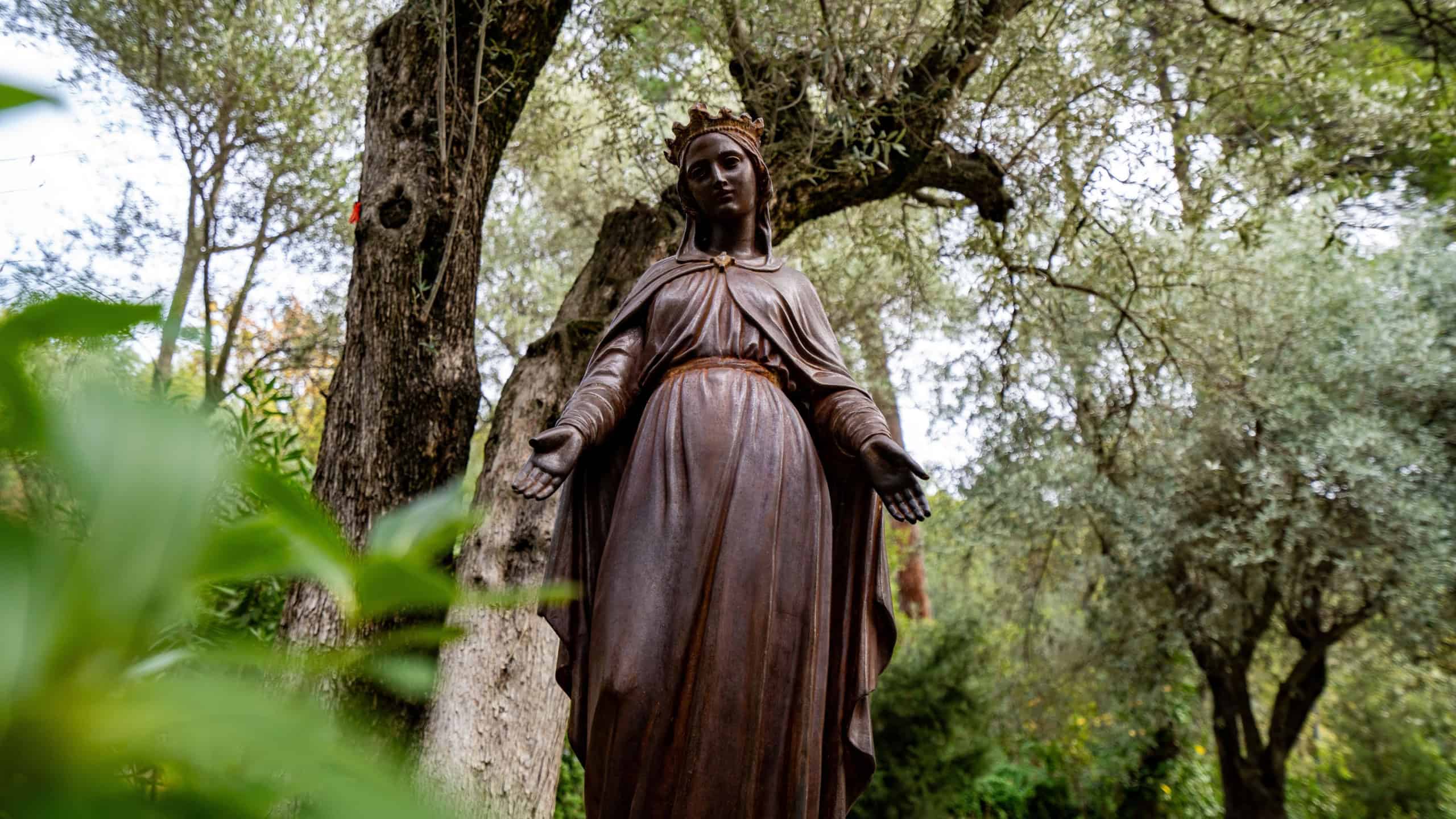
Having any chance to speak in the New Testament is pretty amazing. Mary took that honor to the next level. Luke 1:46–55 involves her giving a speech known as the Magnificat, and in the speech, she praises God and talks about mercy. She also mentions the hungry and the rich.
But what makes it so impressive is the fact that it’s the longest uninterrupted speech by a woman in the entire New Testament. Mary doesn’t have many chances to speak in Scripture. But when she does speak, she clearly has a lot to say.
Medieval churches claimed to have her milk
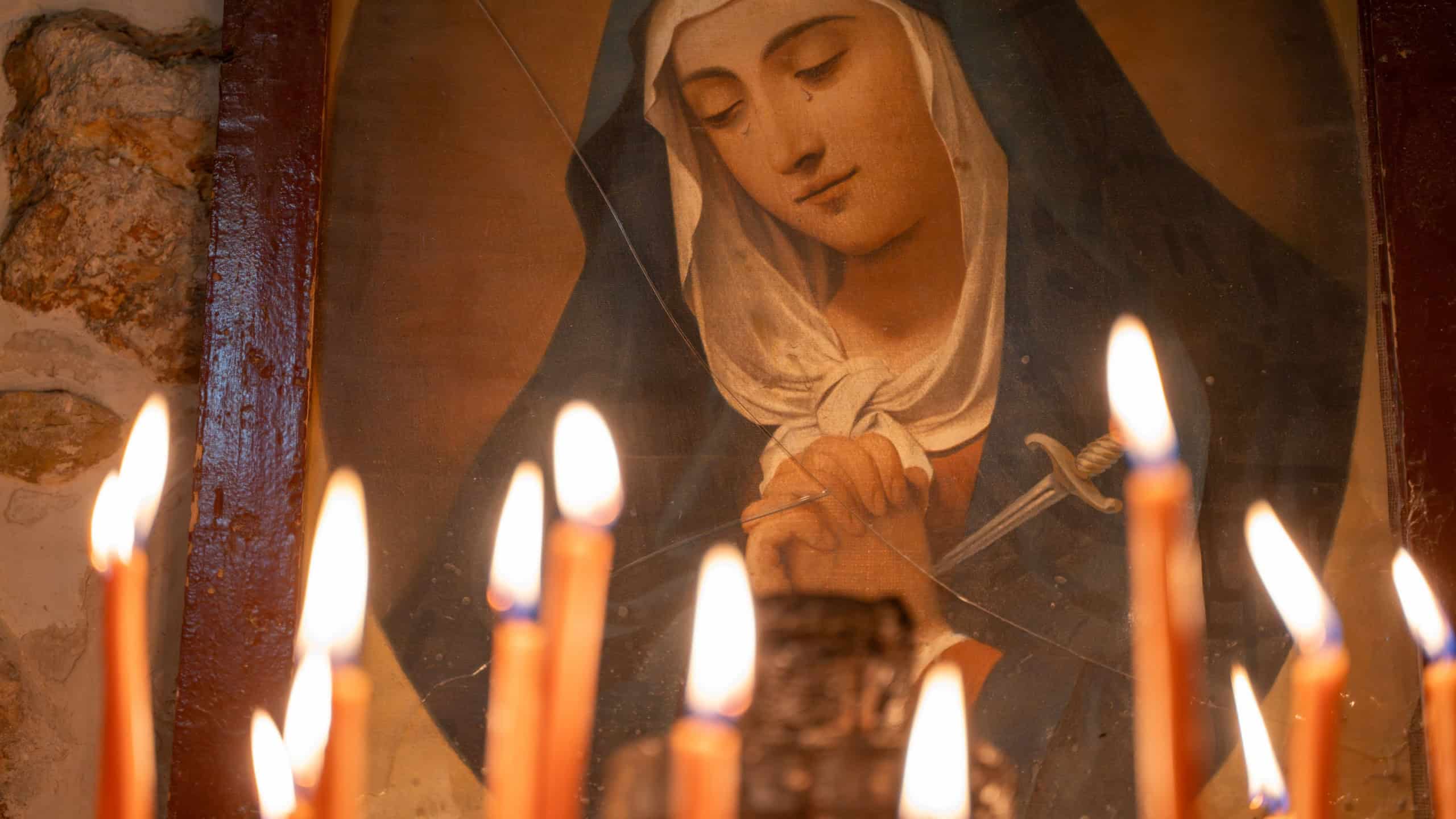
Medieval churches sure were a little strange, and their beliefs about Mary were some of the strangest. Several European churches claimed they had drops of Mary’s breast milk. Yes, really. Some of them kept the alleged milk in tiny containers, while others kept it somewhere more elaborate.
There’s even one 13th-century reliquary, aka a fancy container, in the British Museum, and the church claims it had the Virgin Mary’s milk inside. Of course, there’s no way of proving that any of it’s true. Medieval worshippers didn’t seem to care, though.
Matthew suddenly changes his family-tree pattern
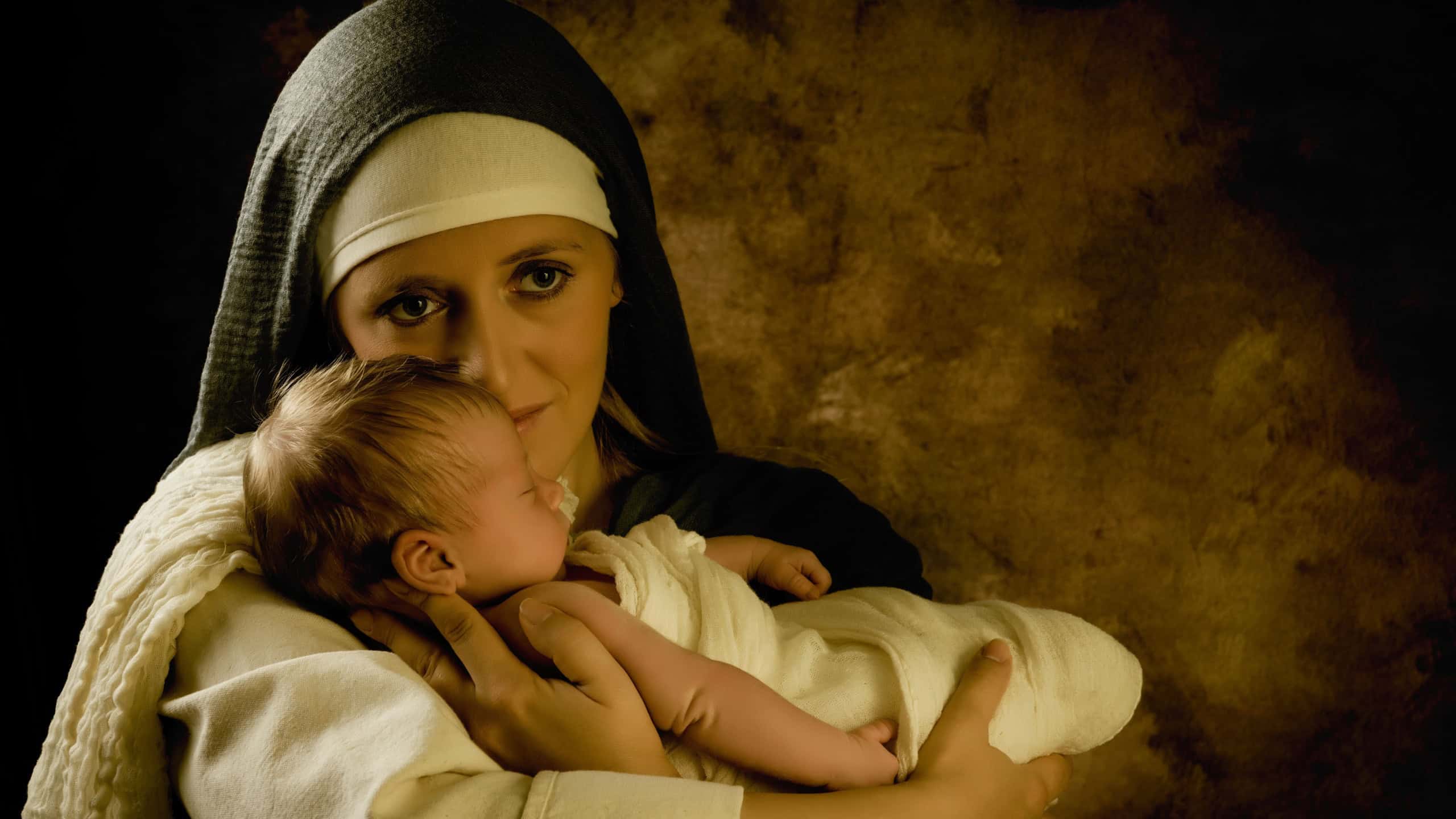
There’s a strange bit of repetition when it comes to Matthew’s genealogy. It starts with one man fathering another, then another, and another. It talks about Tamar, Rahab, Ruth, and the wife of Uriah, but the family line is explicitly said to pass through the fathers. That is, until Mary.
When Matthew talks about Mary, he doesn’t describe Joseph as fathering Jesus at all. He actually switches the roles in Matthew 1:16 by calling Joseph ‘the husband of Mary.’ The focus becomes the mother, not the father.
The famous donkey ride isn’t actually there
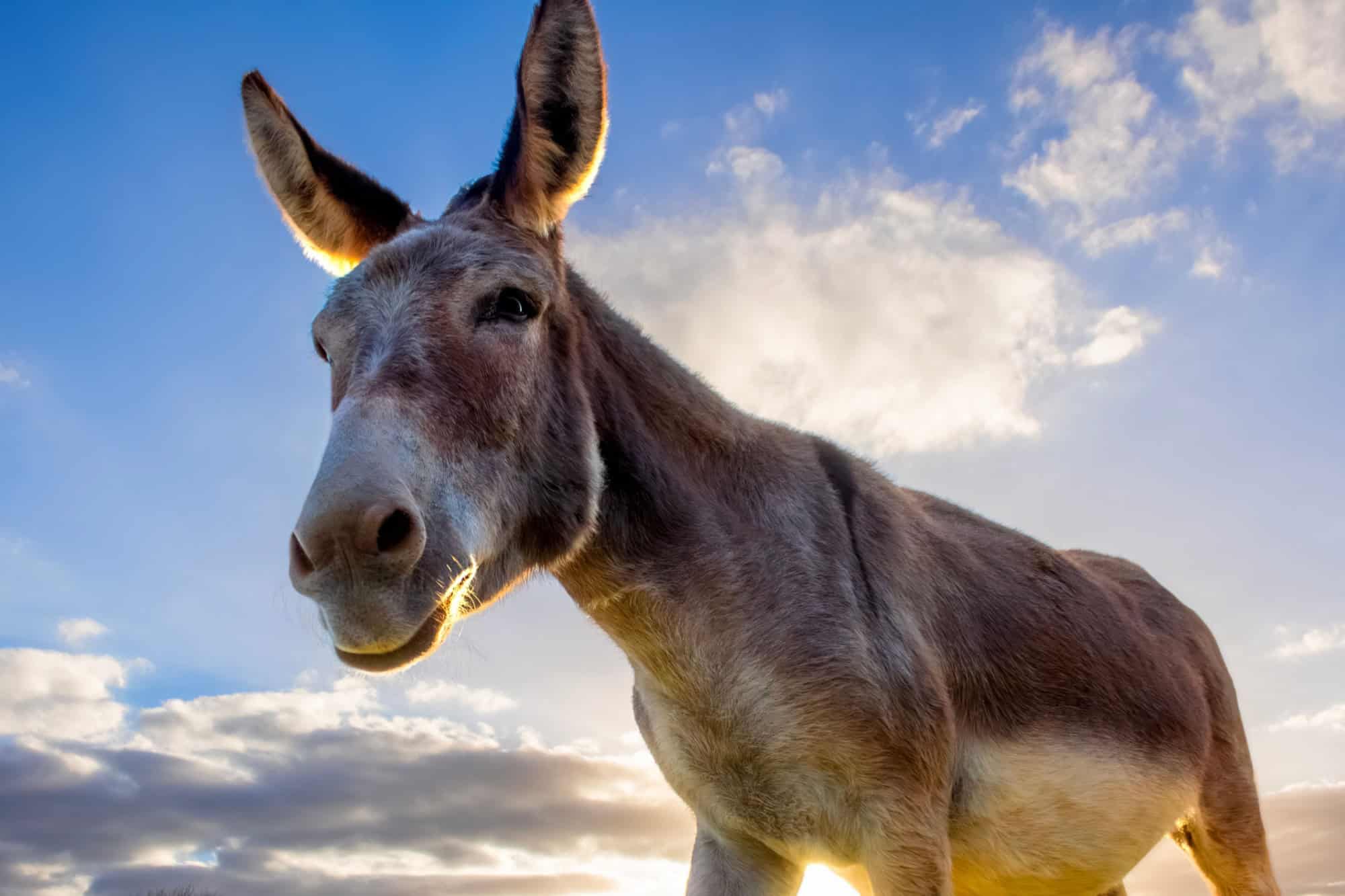
You probably picture a donkey when you think about Mary traveling to Bethlehem. She’s heavily pregnant as she’s riding on top of one while traveling from Nazareth with Joseph. Except, that’s not what the Bible says. It only says she made the journey.
There’s no mention of what method of transport she uses. No donkey, no camel, nothing. It’s completely possible that she did ride an animal, but there’s nothing in the Bible actually saying it. That idea came from traditions and artwork much later on.
Sources: Please see here for a complete listing of all sources that were consulted in the preparation of this article.
