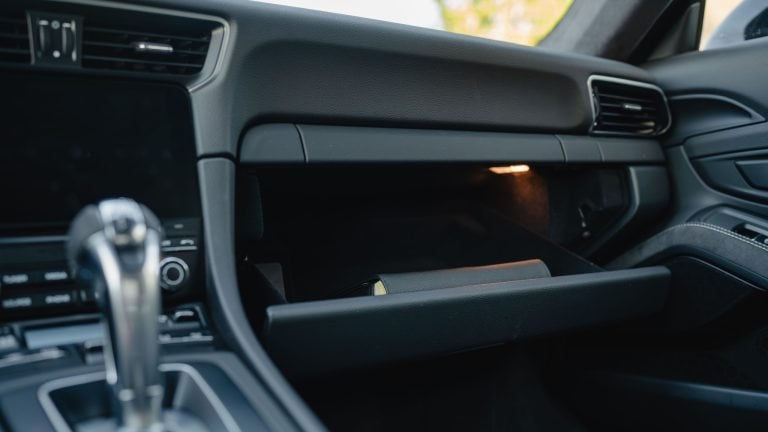

Your glove compartment’s one of the most normal places around, and that’s the exact reason you should be careful about what you put in it.
The paper nobody asks for
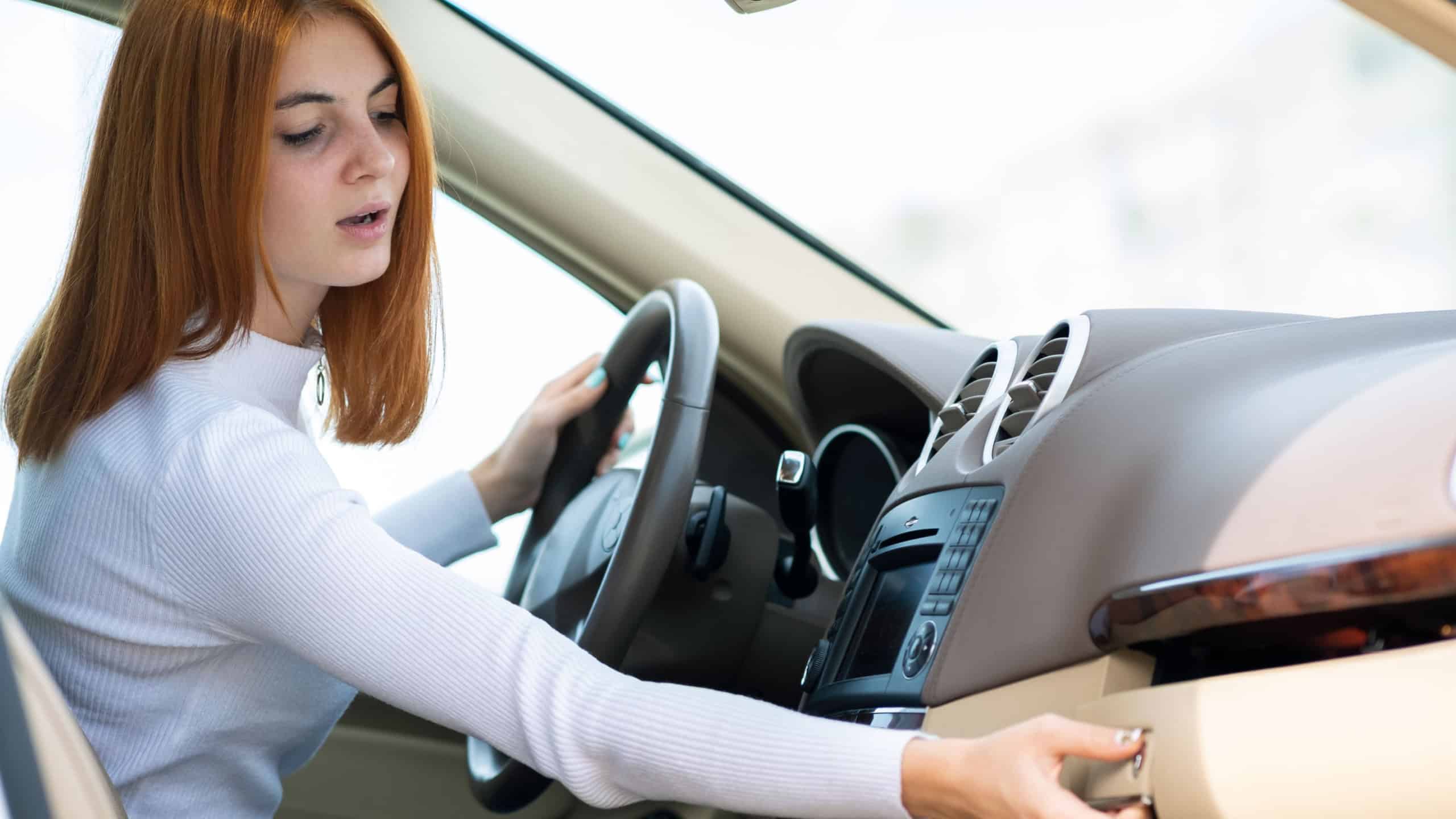
You think you’re being smart. Putting your vehicle title in your glove compartment seems like a good idea because, after all, it’s car paperwork, so it deserves to go there. But it’s not what you need. Cops are going to ask for registration and proof of insurance, not your title.
Your title works as your ownership document. It’s definitely not what the cops need, even for a traffic violation. You really don’t want it getting into the hands of bad guys. Instead, keep it at home. It’s boring. But it’s safe.
The tiny shortcut
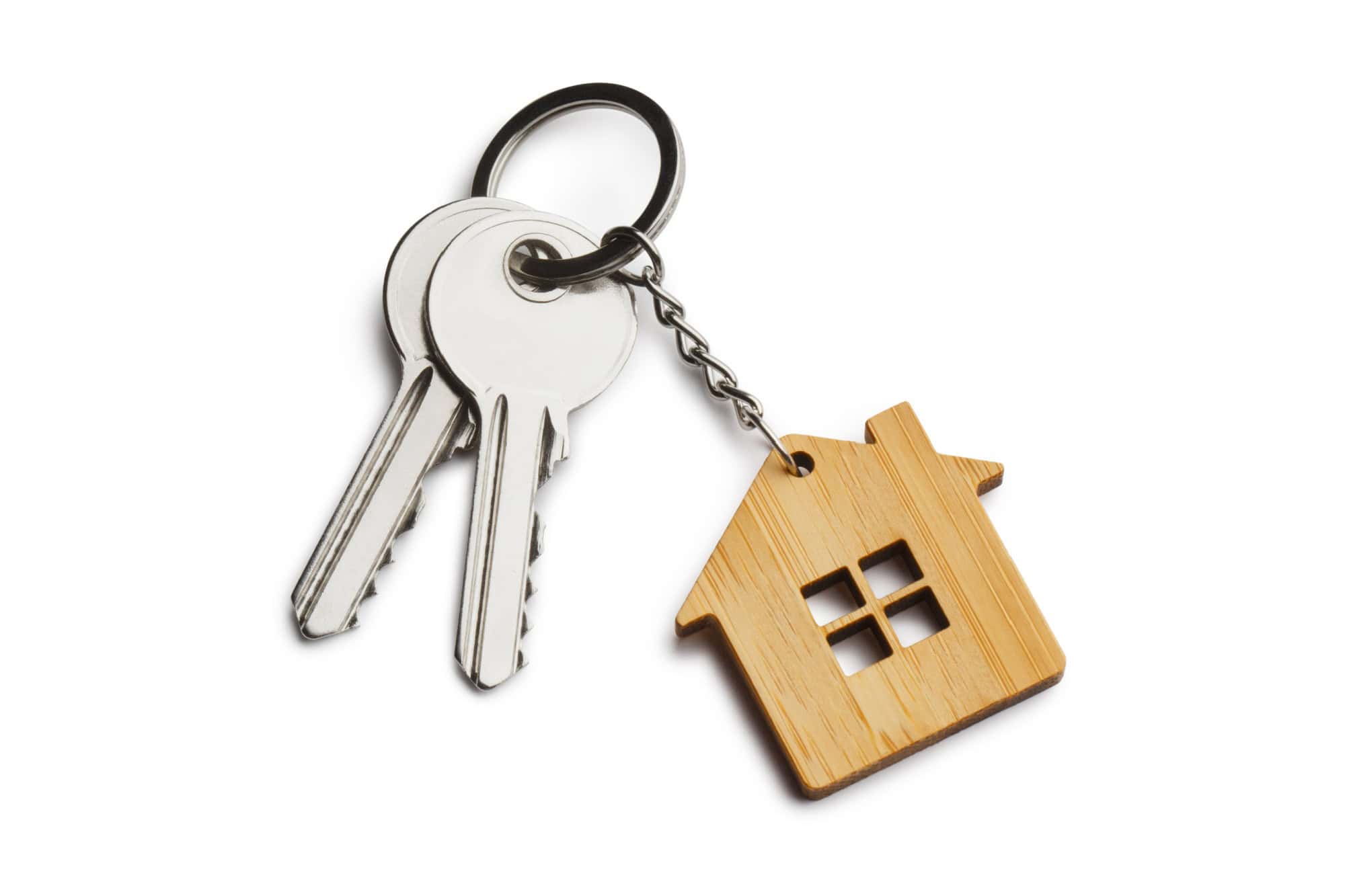
You’ll only ever regret keeping a spare house key in the glove box. Sure, you think it’s a great place for a backup, but really, is it? What if someone breaks into your car? They’ll have easy access to your house, especially when you’ve got papers with your address on them in there.
Never keep a spare key somewhere so obvious. Keep it hidden. Keep it secure. You could even try giving it to someone you trust or using a lock box, it doesn’t matter. Just don’t put it in your glove compartment.
The extra little helper

There are other keys you shouldn’t put in there, too. Namely, your spare car key or valet key. It’s not a good idea. People lose keys, yes, and life happens, sure. But a glove compartment is where criminals are going to look first when they’re inside your car.
Leaving a spare key in there gives them complete access to your vehicle. That’s not to say you can’t have a spare car key at all. Store it somewhere that’s harder to get to, and you should be good.
The fat envelope

It makes sense to keep a basic insurance card in your car. But the whole insurance packet? Not so great. Those documents include all sorts of private information, like your name and address. Your VIN’s on there too. Don’t forget your coverage details and driver information. All of it.
You don’t need it all in there because cops aren’t ever going to ask for all that. Having it in your car puts you at risk. If a criminal gets in, they’ve got all the details they need to make it seem like they’re the owner. Keep the small proof card. Nothing more, nothing less.
The small backup
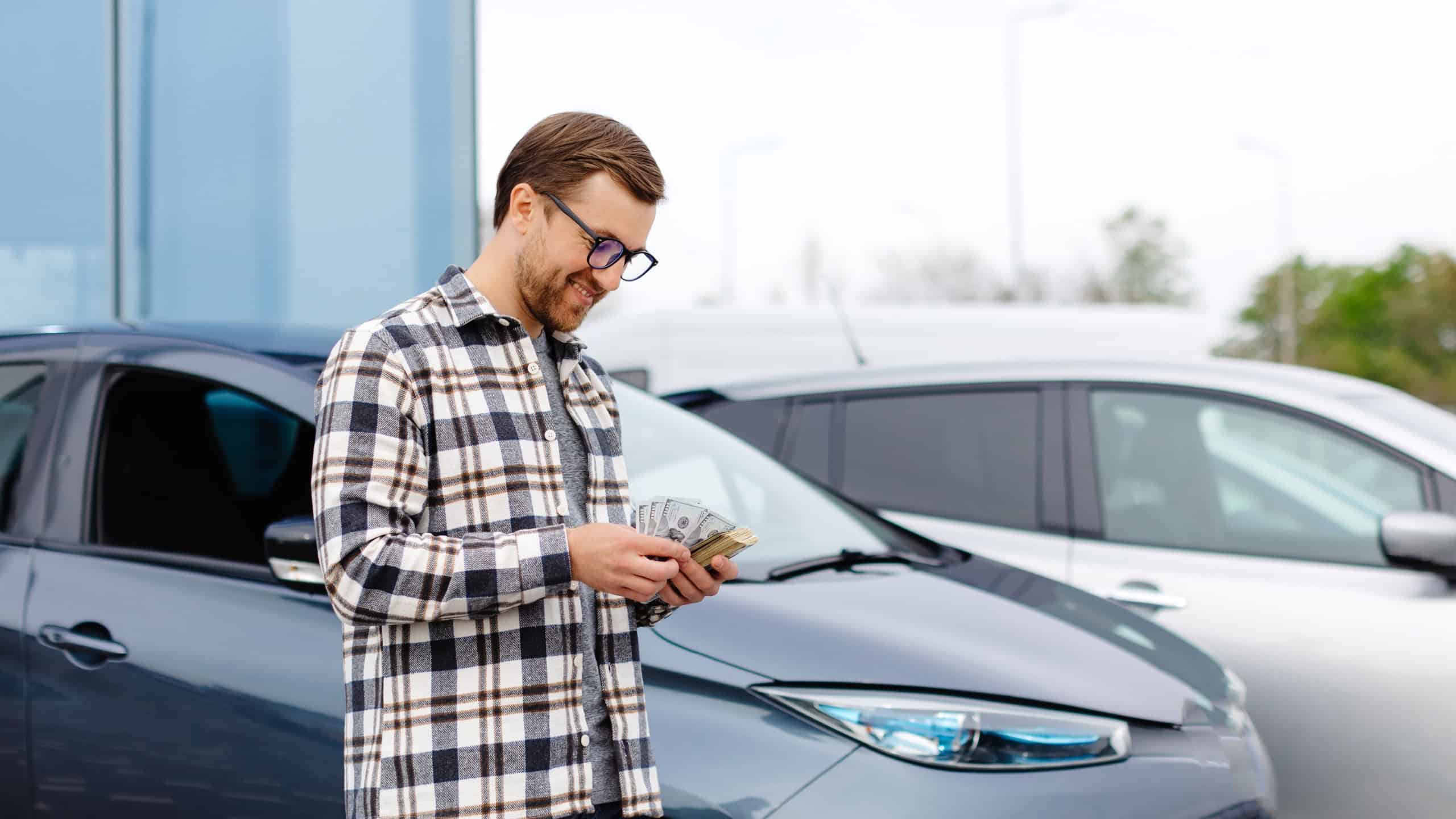
Keeping some cash does seem practical. You’ve got the parking meter to pay for and the toll. Some extra for emergencies. Yet your glove compartment isn’t exactly some secret vault, and cash in there is free for the taking. A few bills or a pile of coins are enough for some criminals.
Put your cash someplace else. Maybe you’ll put it in your bag, or maybe in a locker at work, whatever. Anywhere but your car. Cash gets weird there.
The plastic gadget
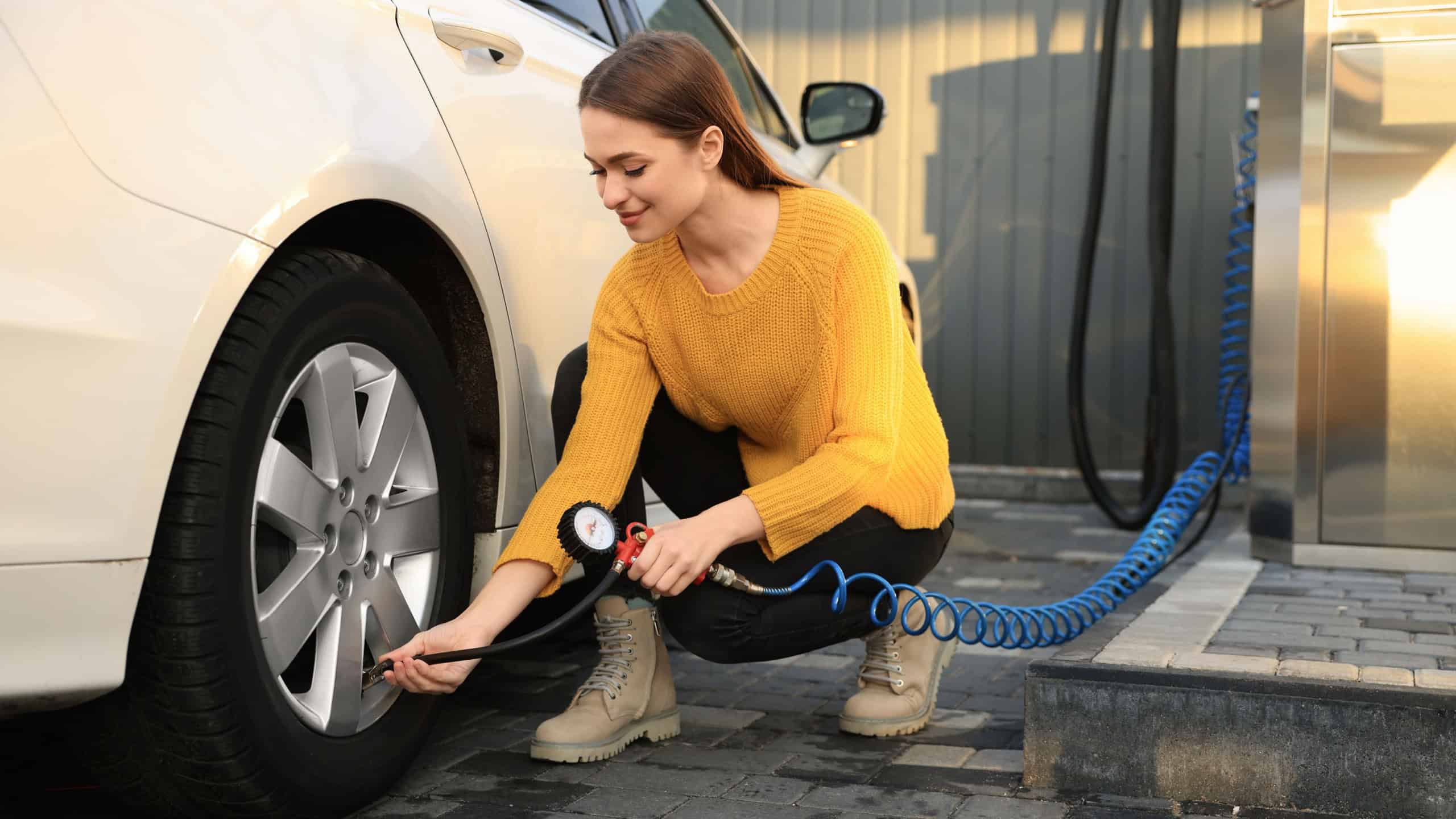
Lots of people think they’re prepared. They’ll throw a tire pressure gauge in their glove compartment, thinking they’re being responsible adults, and forget about it. Your regular pencil kind can survive that. A cheap digital battery-powered one can’t.
Any tire pressure gauges with button cells or lithium batteries will have way too many issues in the heat. Some can survive from 0 to 100°F. Others can take 23 to 122°F. According to AAA, temperatures inside a car sitting in the sun can go from 90°F to 130°F. It’s hot.
The emergency charger
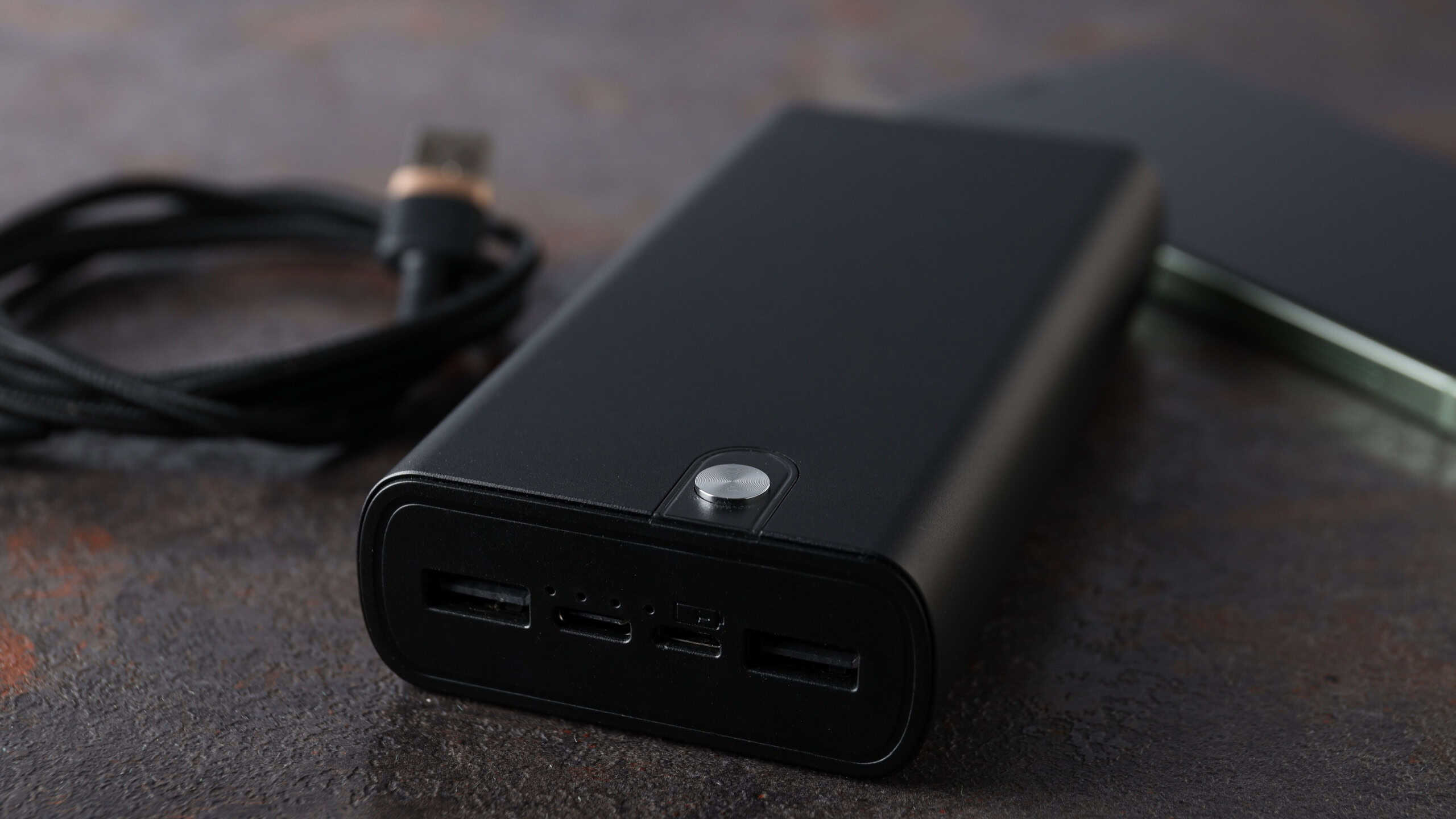
A power bank is another thing that makes you feel prepared when you have it in the car. No more dead phones, right? But your glove compartment isn’t exactly storage, and it’s more like a plastic oven that’ll cook anything left inside.
Most portable chargers have lithium-ion batteries that don’t fare well in the heat. They could overheat. They could catch fire. Worse still, they could explode when they fail. You really want to deal with that?
The melted tube
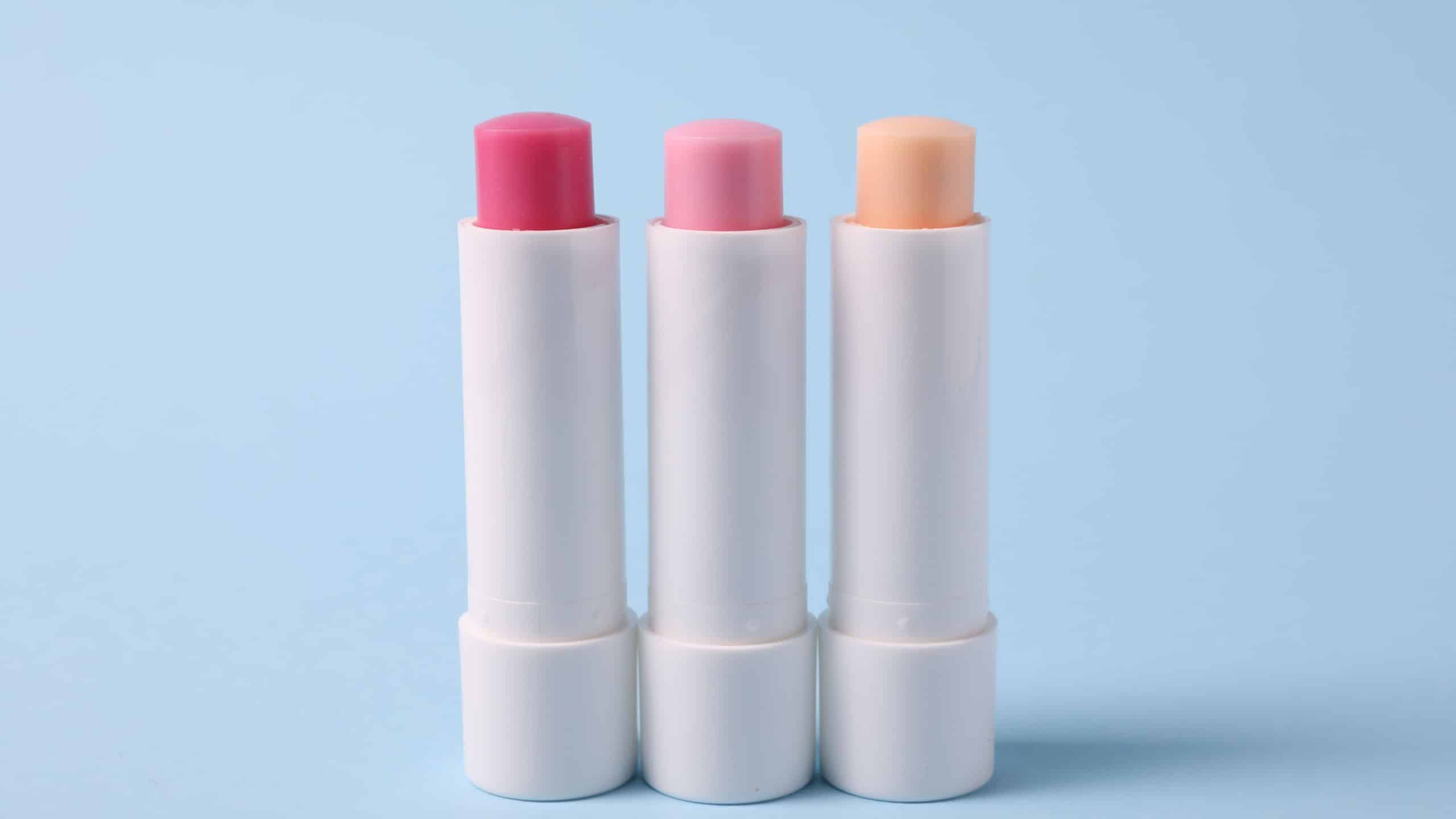
Summer’s a killer for lip balm. It contains waxes, oils, and butters that get soft when they’re hot, which will make your glove compartment pretty messy. It doesn’t care that it’s there as a backup.
The lip balm could leak into your papers and smear inside the cap. It could get weirdly gritty later, too. Put it somewhere else where it’s not at risk. Simple as that.
Sources: Please see here for a complete listing of all sources that were consulted in the preparation of this article.

