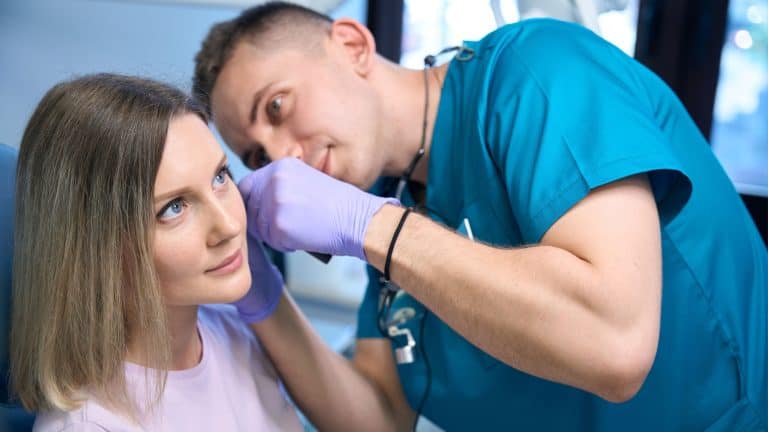

Did you know that most people unintentionally mess up their doctor appointments by over-caffeinating or exercising right before their appointment?
Too much water

We’ve all heard that you should always stay hydrated when preparing to visit the doctor. But, chugging a whole gallon of water right before your appointment, thinking it’ll guarantee a sample, is actually the wrong approach.
Too much water will water down your pee so much that it may conceal key indicators such as protein, glucose, or bacteria. You could be preventing the lab from catching an infection or kidney problem.
Drink a normal amount of fluids and wait if you have to. Just let the nurse know if you don’t feel like you’re ready to go yet.
They’d much prefer to wait fifteen minutes for a more concentrated sample than receive one that’s diluted to the point of uselessness.
Caffeine spike

Grabbing that double espresso and heading straight to your appointment can result in your doctor catching a false high and lecturing you about blood pressure medications you don’t need.
This is particularly important if you experience white coat syndrome or your heart rate increases from just being at the doctors.
Skip your latte until you’re out of the doctor’s office so your readings are accurate.
Lotion barrier
Wearing heavy lotions, creams, or perfumes can actually work against you if you are going to the doctor to get a skin check or full body scan.
Creams might coat any bumps or imperfections, obscuring the doctor’s view of a mole’s actual skin texture or color when examined up close.
Scents can also cover up certain smells that may be linked to skin disorders or infections. Leave your skin as bare as possible before heading in to get checked.
Masked pain
Ibuprofen before your appointment might seem like a good idea if you’re dealing with joint pain or a back problem, but avoiding your symptoms will hurt more than it will help you.
Physicians will often need to do some sort of provocative testing by moving your limbs in certain ways to isolate where your pain is triggered, and being medicated will prevent you from giving them helpful information.
You risk either getting a less-than-specific diagnosis or your doctor missing the severity of an injury.
If the pain is so bad you can’t move, let them know what medication you took and at what time, but otherwise, it’s crucial to be able to sense all symptoms during the exam.
Pre-test workout

A tough workout might push up your liver enzymes and creatine kinase levels, potentially signaling muscle damage or liver strain when they’re checked by your doctor.
It can also dehydrate you, making it more difficult for the phlebotomist to draw blood and possibly affecting your electrolyte levels or kidney function.
Take the day before your appointment off to let your body return to its baseline instead of giving your doctor readouts from your recovery process.
Fatty blood

If your doctor didn’t specifically instruct you to fast before your visit, skipping breakfast won’t hurt. Ingesting a fatty meal like pizza or cheeseburgers before blood work will make your blood lipemic.
Lipemia can gum up the lab’s machines and prevent accurate readings on everything from cholesterol to hemoglobin.
Certain tests cannot be run on a sample that comes in visually disturbed from a recent meal. Eat something light that won’t heavily alter your blood chemistry.
Too clean

Yes, you want to look presentable for your doctor. But, don’t go so far as to scrape your tongue or aggressively clean your ears until they’re bleeding right before your appointment.
Ear wax tells doctors about the health of your ears and protects your drum. Scraping it all away on the way to an ENT visit can leave your canal inflamed or conceal a slight fungal infection.
Scraping or washing your tongue aggressively can wash away evidence of vitamin deficiencies or oral thrush your GP would otherwise catch.
The doctors aren’t judging how clean you are, but looking for signs of problems.
Half truths

How many alcoholic drinks do you have per week? Do you actually take your vitamins? If you tell your doctor something that you only do “sometimes” but in reality you do weekly, you are lying.
Doctors aren’t perfect, but they run multiple tests based on your medical history. How often you drink affects their calculations for anesthesia, heart disease, and more. That supplement you pretend to take could cause life threatening interactions with the new drugs they prescribe you.
They know you’ll lie to them; that doesn’t mean they want you to. Hiding details about your less-than-ideal habits could put you at risk when your doctor is managing your health.
Now, here are a few easy things you can do before your next appointment to ensure you get the most out of your visit.
Smart outfit

Consider which body part will be examined and dress accordingly. Have a knee problem? Wear pants that don’t shear tight at the ankles.
Getting a mole checked on your back? Wear a button-up shirt that can be flipped open, rather than a complicated dress or three layers of shirts.
You’ll waste so much time if you have to get undressed in that cold paper gown while other people are waiting.
Being ready for a physical exam will make the process go quicker and way less awkward for you and the doctor.
Med snapshot

Can’t remember how many milligrams you’re supposed to take or what that “little blue pill” you take at night is called?
Take a picture of your medicine labels with your phone. Not only will this guarantee that the nurse has the exact spelling and dosage recorded in your chart (rather than guessing), but it also allows you to show any supplements or vitamins you’re taking.
There are tons of supplements that interact with common medications. Having the actual label in picture form also prevents typos that occur when a patient spells for the nurse how something sounds.
Symptom log

No matter how bad they are, pain or strange symptoms seem to magically vanish as soon as you step foot into your doctor’s office.
Jot down on your phone when your symptom pops up and how bad it feels, or, even better, film it.
Is it a rash? Take a picture. Keep popping up when you eat certain foods? Write down the food and time of day. If your knee makes a weird clicking sound, show your doctor a video of it happening.
It’s simple, objective data that your doctor can see in action instead of just hearing about it on the exam table.
Top questions
Doctor visits are hectic. Seriously. Even if you think you’ll remember what you wanted to talk to your doctor about, after chatting for a few minutes, you probably won’t.
List your questions by priority and be sure to ask the most important one first. It’s a bad idea to hold off on asking a question until the conversation has been going for a while, especially if the answer could take a significant amount of time.
Physicians are getting better at allowing patients to steer the conversation, but you have to be direct if you want to get the most out of your appointment.
Second ears
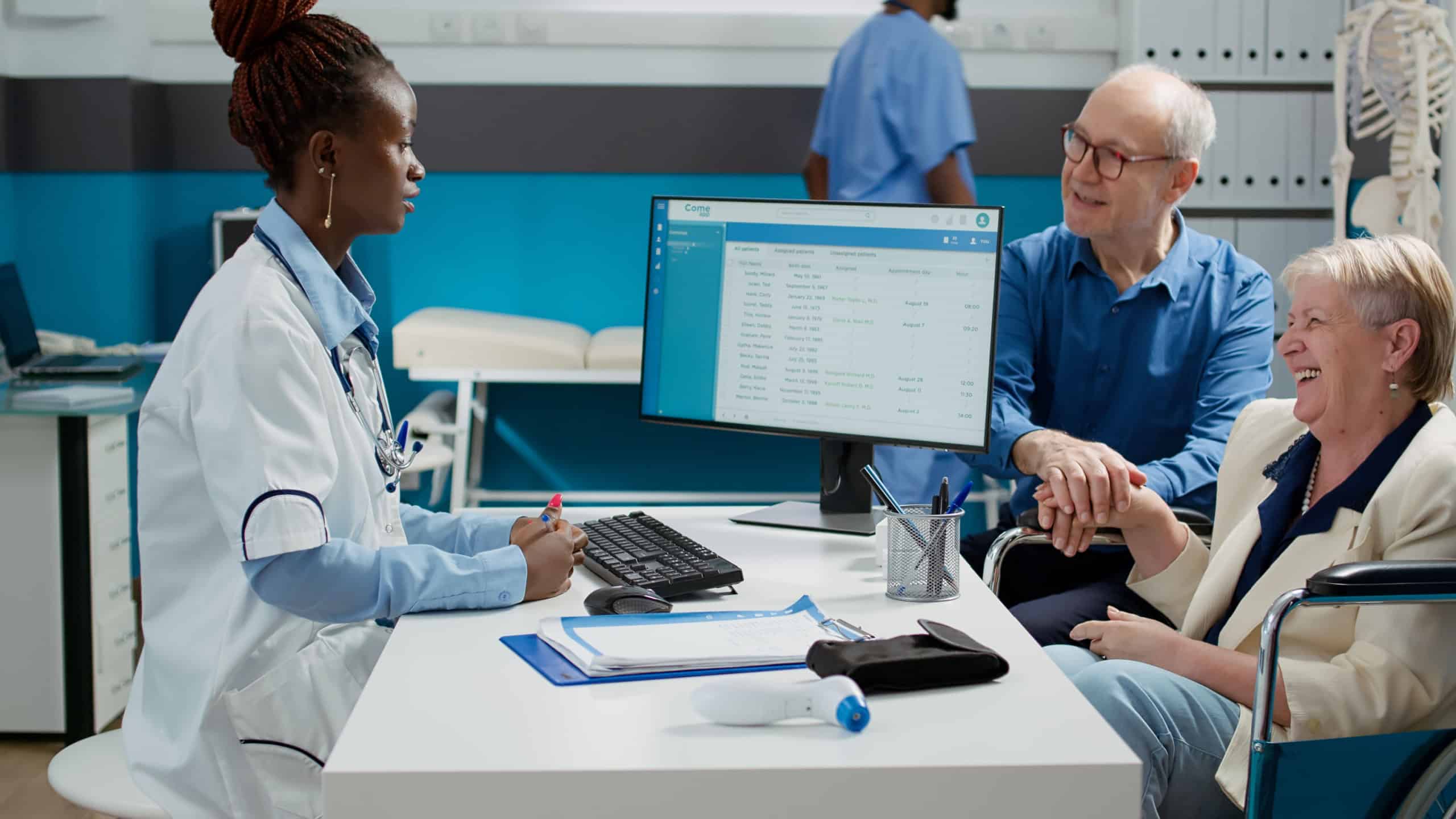
No one wants to be that patient. You know the one who brings their mom to every appointment.
However, if you are about to receive a complex diagnosis or have been feeling particularly under the weather, you may want to consider inviting a friend or family member.
Research shows that patients remember only 40–80% of what their physician tells them after they leave the office.
A health advocate can write down notes and ask questions you may not think of while you concentrate on what is being said. Chances are they have noticed things about your health that you may be overlooking or not taking seriously.
Sources: Please see here for a complete listing of all sources that were consulted in the preparation of this article.


