

It turns out that some of the most popular deodorants we’ve used for years were actually hiding some pretty nasty chemical secrets.
Old Spice Pure Sport Aerosol

Towards the end of 2021, Old Spice were forced to issue one of the largest voluntary recalls in their history. Several variations of Old Spice aerosol deodorant were recalled due to contamination with benzene.
Benzene is a well-known human carcinogen that causes leukemia and other forms of blood cancer. It has absolutely no place near any consumer products whatsoever.
The problem was not with the actual formula of the deodorant itself, but rather the propellant that pushes the product out of the can. During manufacturing, this propellant was somehow tainted with Benzene.
This story made major headlines because of how iconic Old Spice products are to almost every American bathroom cabinet.
Secret Powder Fresh Aerosol

This story was eerily similar to its olfactory cousin at P&G.
Secret was forced to issue a recall for their own aerosol spray fragrances. “Powder Fresh” and “Revolve” were pulled from shelves for containing benzene as well.
Many users tend to apply aerosol products in the bathroom, sometimes while showering. This allows the chemicals in the sprays to collect in such small areas with little ventilation.
Since aerosol cans release vapor as you spray them directly onto your body, there is a high risk of inhalation.
Valisure, an independent lab, found that some cans contained Benzene concentrations far exceeding the FDA’s “emergency” limit.
Arrid Extra Dry

In the early 1970’s, Arrid Extra Dry, along with many other heavy duty deodorants, used an extremely potent antibacterial ingredient called hexachlorophene.
This ingredient was used to kill bacteria on your skin that are responsible for creating body odor. The FDA banned this ingredient from any over-the-counter products because it was shown to cause serious brain damage and neurological defects in infants and adults.
The problem was, skin readily soaks up hexachlorophene, letting it get into your blood. From there, it attacks your central nervous system.
This incident really got people paying attention to potentially harmful deodorant ingredients for the first time.
Brut Classic Aerosol
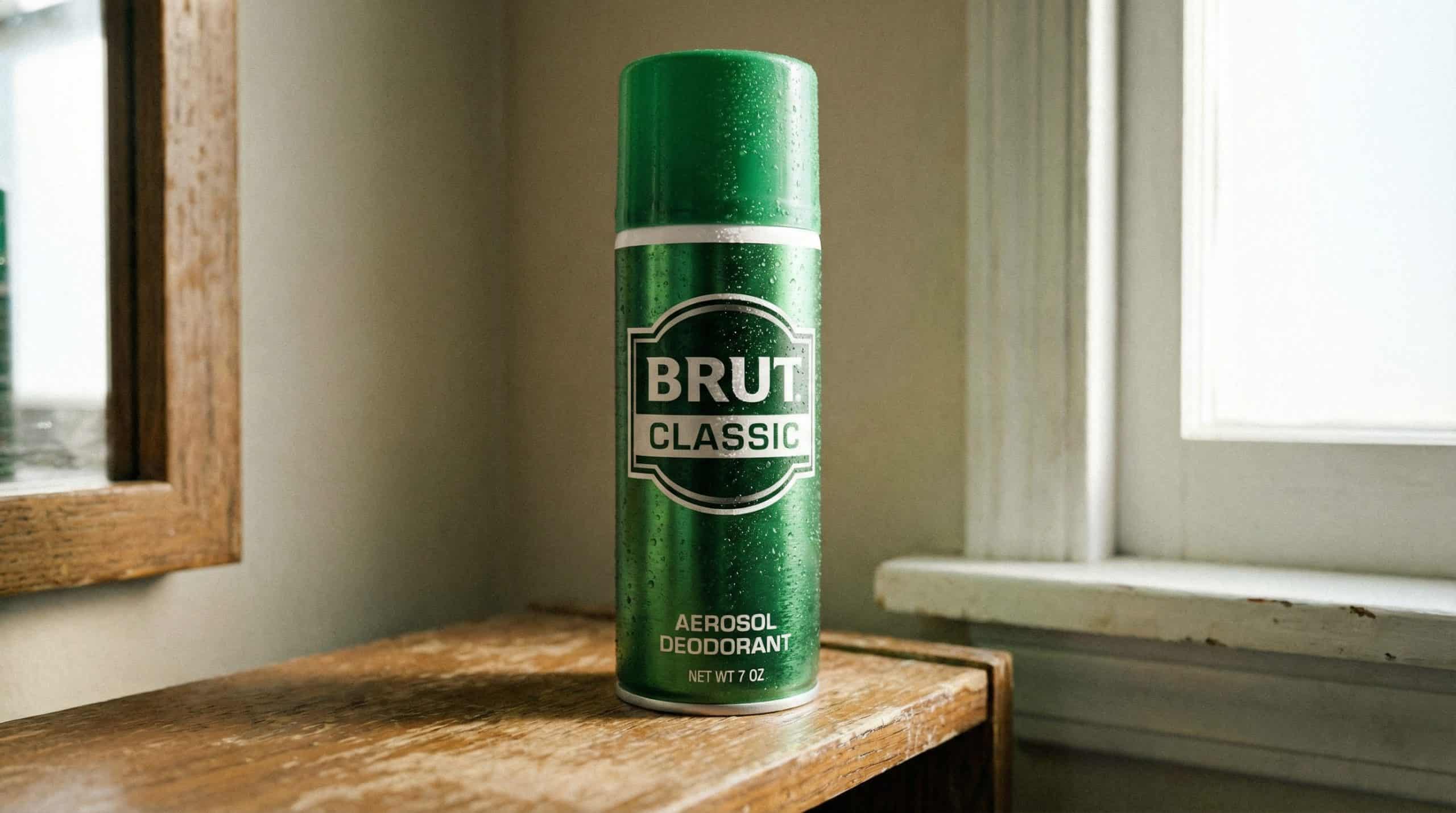
Believe it or not, even the classic “Brut” smell wasn’t safe from the recalls due to toxic aerosol propellants in 2021–2022. HRB Brands pulled Brut Classic and other versions from shelves after tests revealed benzene contamination.
For a fragrance marketed towards being the unofficial baseline definition of “manliness” since the 1960’s, finding out you were participating in a daily ceremony to ramp up your cancer chances was nothing short of heartbreaking.
Brut aerosols that were recalled were all labeled with expiration dates through 2023, so consumers were likely carrying toxic cans in their gym bags for several months before being alerted.
Sure Regular and Unscented Sprays

Sure ranked high on the list of casualties due to benzene propellants, forcing them to recall their entire line of aerosol sprays nationwide. It was later confirmed by the company that their supply of gas used to aerosolize the deodorant inside the cans was contaminated.
So, this whole mess served as a reminder that “Sure” wasn’t exactly delivering on its promise of gentleness, as the product contained a concerning chemical.
Right Guard Sport Aerosols

Right Guard’s reputation is pretty much synonymous with staying fresh. Whether it was your high-school football coach or big brother, chances are someone familiar pressed that bottle into your hands at some point.
RG also had to pull their “Sport” and “Arctic Refresh” sprays from shelves due to benzene contamination, just like many others.
Since Right Guard is commonly used by younger teenage kids, who feel the need to spray layers upon layers in the locker room, inhalation toxicology was a major concern.
Nearly all aerosol variations of Right Guard were recalled, leaving a large hole in store shelves as the company desperately searched for a new source free of contaminants.
Suave 24-Hour Protection Aerosol

Suave faced a significant recall when tests revealed benzene contamination in its aerosol deodorant.
Suave tends to pride themselves on being the “family budget” option, so when this happened, it hurt the lower end market, who buy these in bulk.
The brand asked everyone to discontinue use and dispose of the product. They even offered refunds to anyone who could prove purchase of the toxic batches.
Pantene Never Tell Dry Shampoo

A “dry shampoo” is really just a fancy term for “hair deodorant.” Just as you use an underarm spray to stay fresh, a spray-powered powder can freshen up your scalp by absorbing oil and odor between shampoos.
Pantene is another big brand that fell victim to the largest recall in personal care history back in 2021. The issue was the same as with spray deodorants: the canned-propelled gas used to atomize the powder was contaminated with benzene.
With people typically spraying this stuff all over their heads (and often spraying directly towards their face), lung exposure to cancer-causing benzene was extremely high.
Sources: Please see here for a complete listing of all sources that were consulted in the preparation of this article.


