Every single culture is special for one reason or another, but unfortunately, some cultures are in great danger of dying out due to issues like modernization and climate change.
The Akuntsu Tribe of Brazil
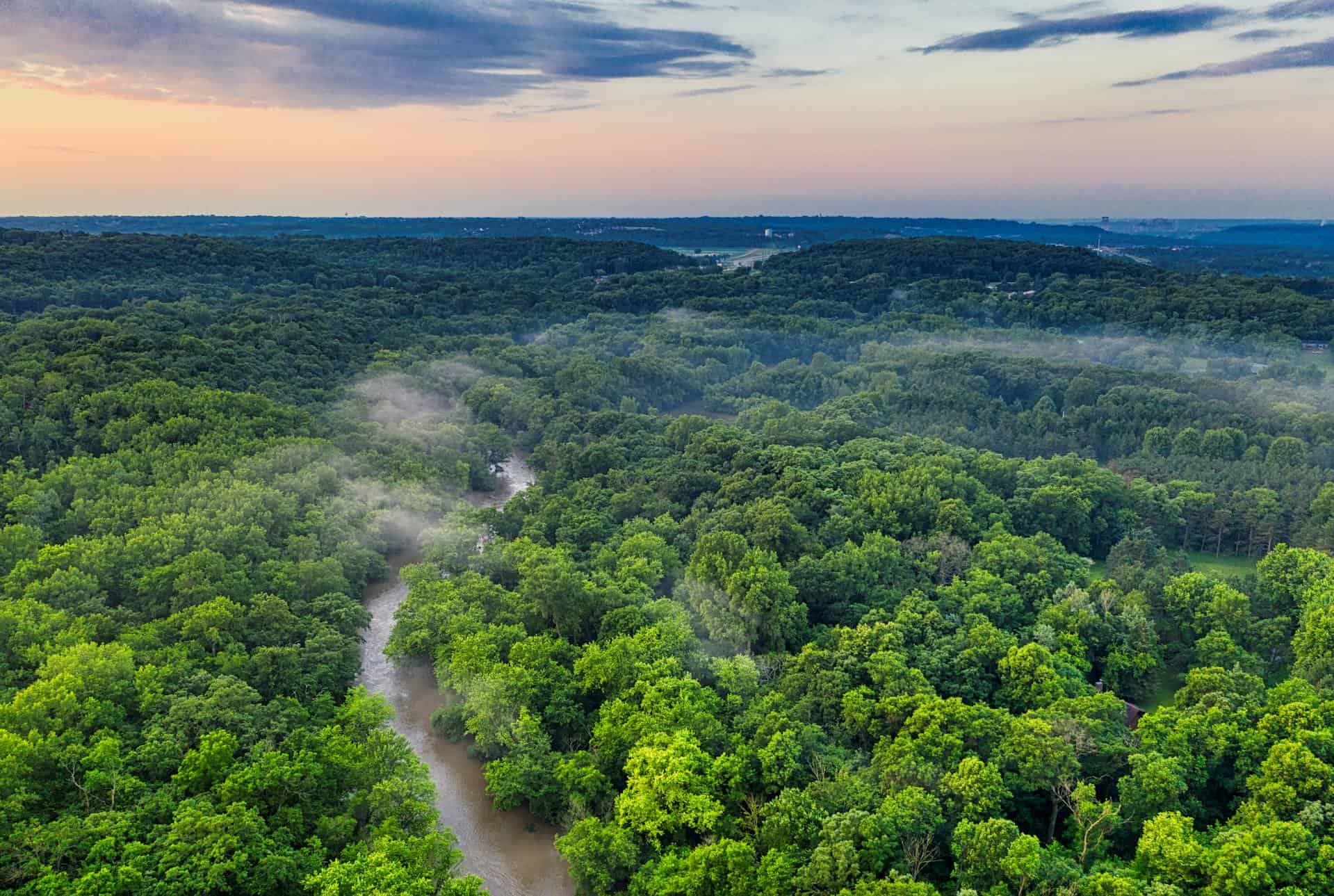
In the Brazilian Amazon, the Akuntsu tribe has dwindled to just a handful of members with only five elders left. Their unique language & customs are on the brink of extinction.
Years of deforestation, illegal logging and violent encounters with outsiders have decimated their population so if nothing changes, we’ll lose everything that the Akuntsu Tribe has to teach us.
The Onge People of the Andaman Islands

On Little Andaman Island, the Onge people are among India’s oldest tribes and for generations, they’ve lived as hunter-gatherers and relied on the island’s resources.
Sadly, modernization and the loss of their traditional lands have put their way of life at serious risk. Exposure to new diseases has also taken a toll on their health as their numbers have dropped to fewer than a hundred.
The Tsaatan Reindeer Herders of Mongolia

The Tsaatan people have herded reindeer for centuries in the remote taiga of northern Mongolia. Unfortunately, climate change has affected the reindeer’s grazing patterns while government policies have made their nomadic lifestyle harder to sustain.
Many young Tsaatans are moving to cities in search of education. In doing so, they’ve left behind their ancestral traditions.
The Karo Tribe of Ethiopia

The Karo tribe lives by the Omo River in Ethiopia and they’re famous for their elaborate body painting & scarification. However, with a population of just over 1,000, they’re especially vulnerable.
Dams like the Gibe III and ongoing land disputes are threatening their traditional way of life. Worse still, changes to the river’s flow have made it harder for them to farm & fish.
The Nukak Maku of Colombia

The Nukak Maku is one of the last nomadic tribes living in the dense Amazon rainforest of Colombia. Forced displacements as a result of armed conflicts & illegal mining, as well as coca cultivation, have upended their traditional hunter-gatherer lifestyle.
But that’s not all. Contact with the outside world has exposed them to diseases they’ve never encountered before, with devastating effects.
The Moken Sea Nomads of Thailand and Myanmar

The Moken people have spent generations living on boats in the Andaman Sea, although modern fishing regulations have limited their access to traditional waters.
The rise of local tourism has also forced many younger Moken to settle on land. As a result, their seafaring heritage is fading & their legendary skills in freediving are becoming rare.
The Penan Tribe of Borneo
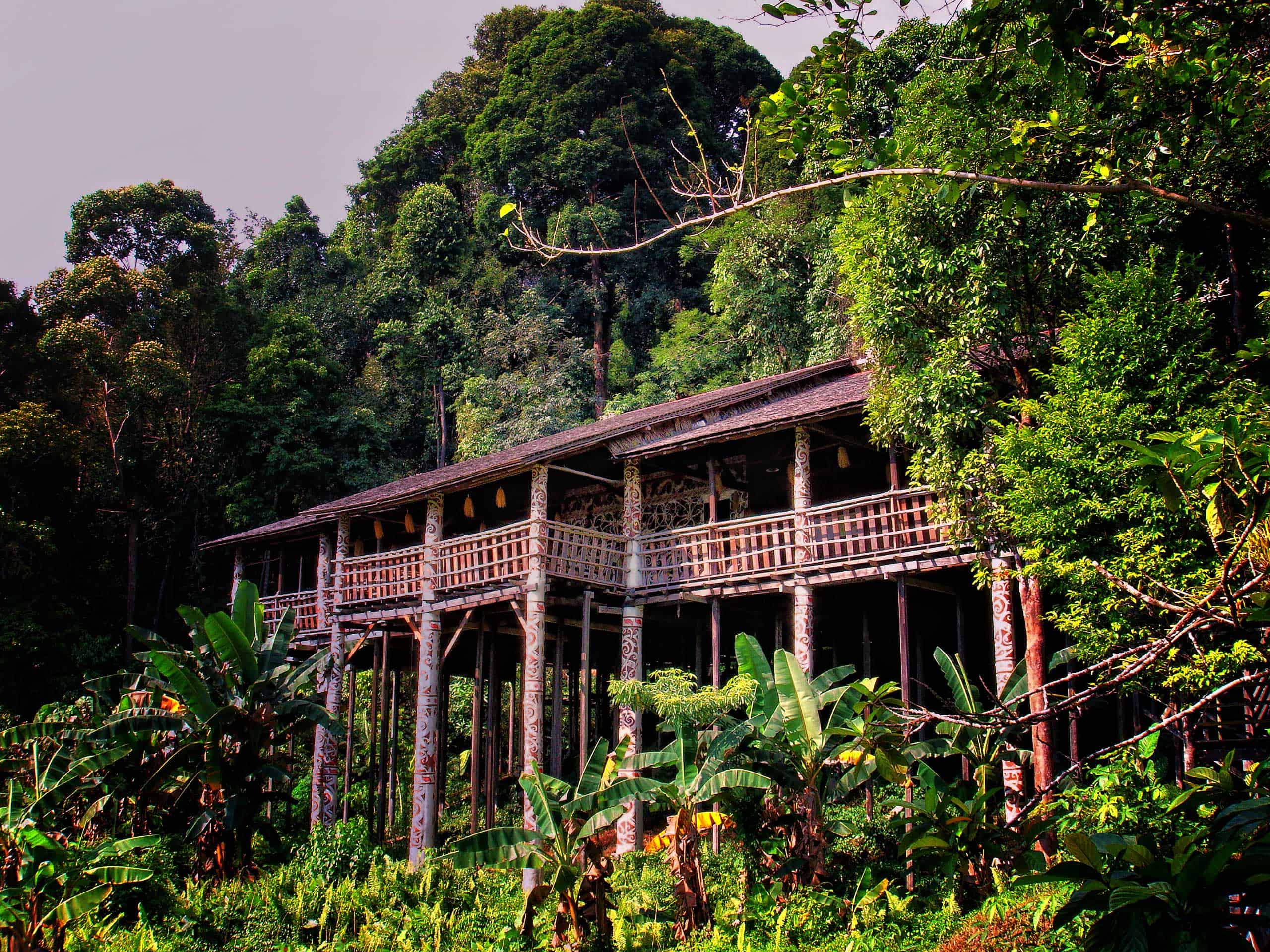
In the lush rainforests of Borneo, you’ll find the last few members of the Penan people, who have lived nomadically for generations. Unfortunately, massive deforestation due to logging & the expansion of palm oil plantations has devastated their habitat. Without the forest, their culture is in serious jeopardy. The government has tried to settle them in villages—but this disrupted their traditional way of life.