

Here’s a look at 20 things on Earth that predate nearly everything you can imagine.
Jenolan caves
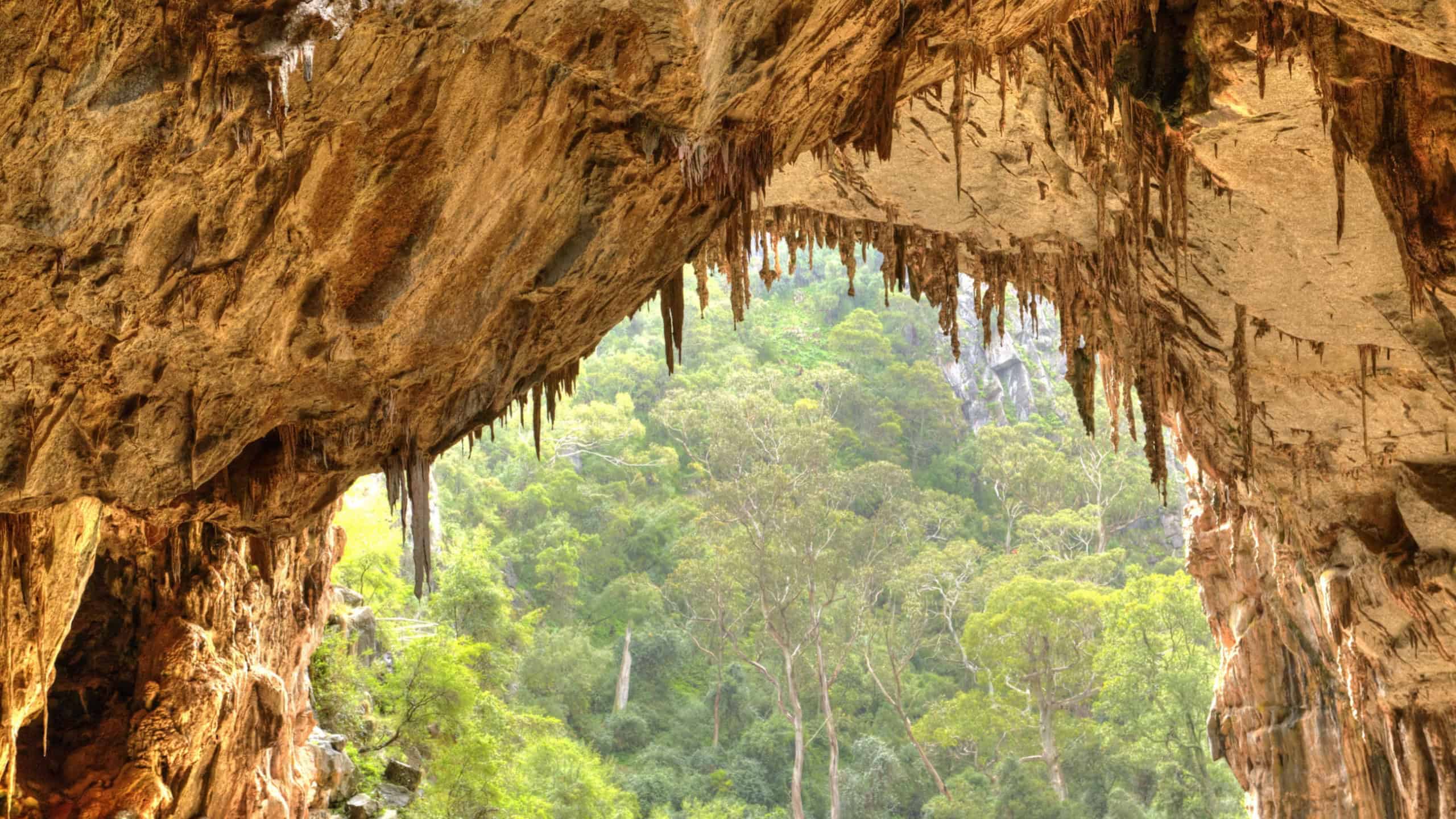
Most caves on Earth are younger than you think, only a few million years old.
But, in Australia, there’s a limestone maze that’s been waiting to be explored since before the dinosaurs. Geologists determined that the Jenolan Caves formed about 340 million years ago.
Nettle pudding

The world’s oldest known recipe isn’t for bread or soup. It’s for a Stone Age British nettle pudding that’s over 6,000 years old.
Ancient Brits would harvest stinging nettles, sorrel, and dandelion before pounding the greens into a thick paste. It resembled porridge, and was considered the ultimate prehistoric health food.
This multivitamin ensured hunter-gatherers had all the nutrients they needed to make it through winter.
5,500-year-old leather shoe
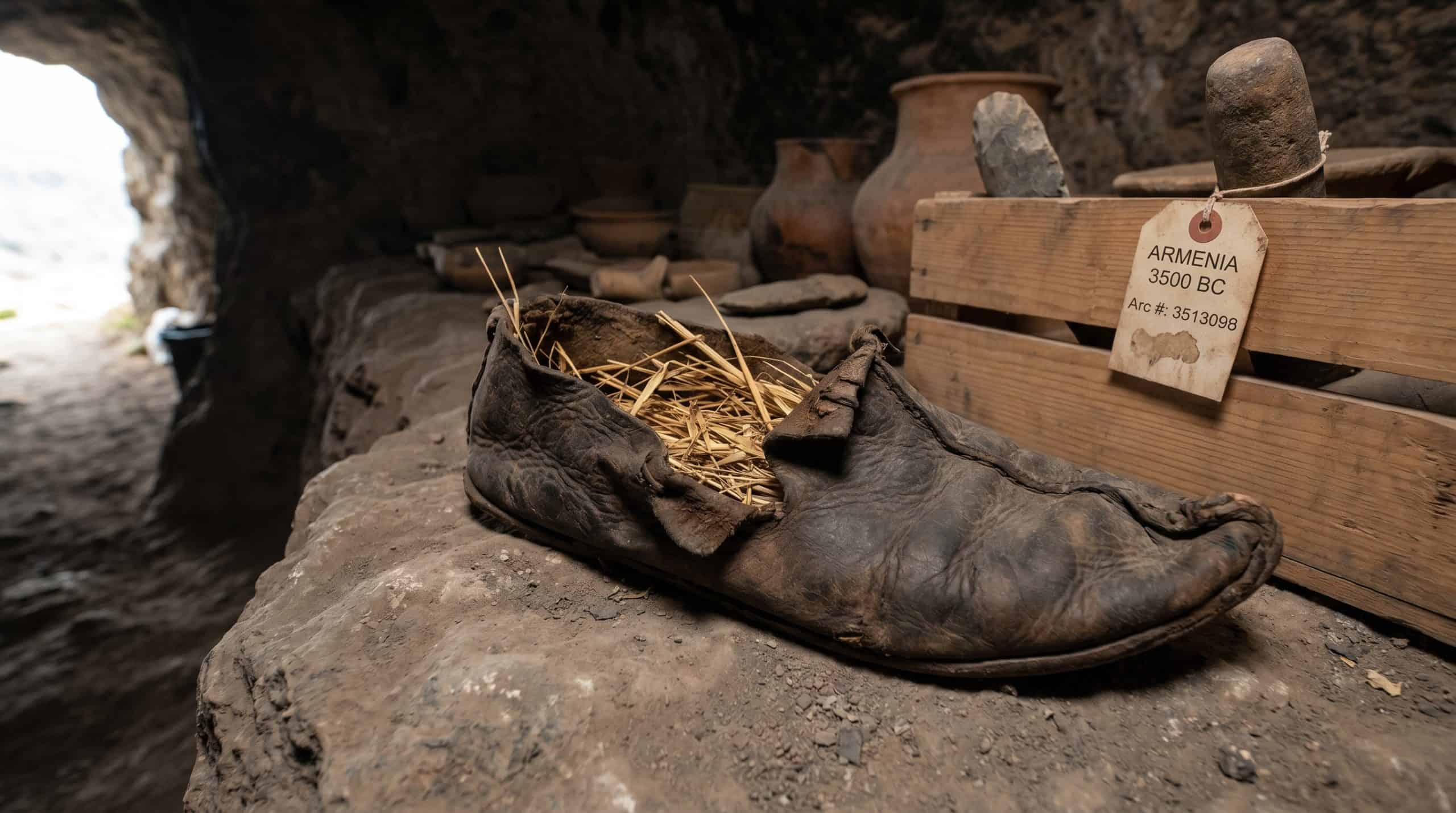
This shoe was discovered in a cave in Armenia and is designed for the right-foot. It’s hard to believe that this shoe does look like something you’d find in a shop today.
Sheep dung encrusted the cave where it was found and helped preserve it from air and moisture.
The shoemaker built this shoe from a single cowhide, filling it with grass, perhaps for insulation or to help it keep its form.
The 60,000-year-old bear flute
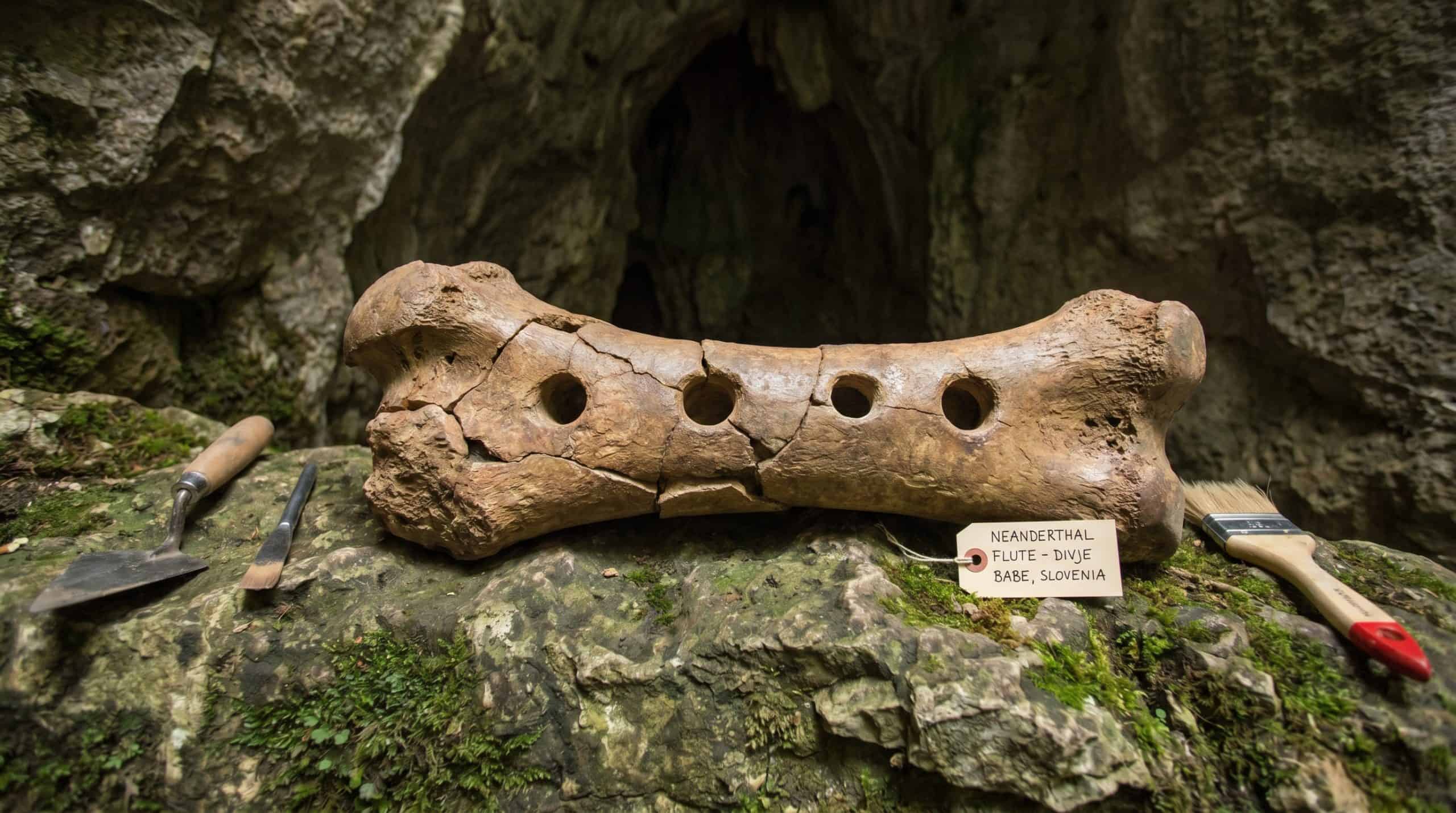
Way back when, before we had iTunes, Neanderthals were already making music with instruments they’d fashioned from cave bear leg bones.
Archaeologists discovered this flute in a Slovenian cave. This ancient flute is designed with four holes, perfectly tuned to the notes of a scale.
The 476,000-year-old log cabin

Zambian archaeologists have uncovered two wooden logs that had been notched to slot together.
This structure predates our species and takes the title of the oldest wooden building discovered on Earth.
Presolar stardust in the Murchison meteorite
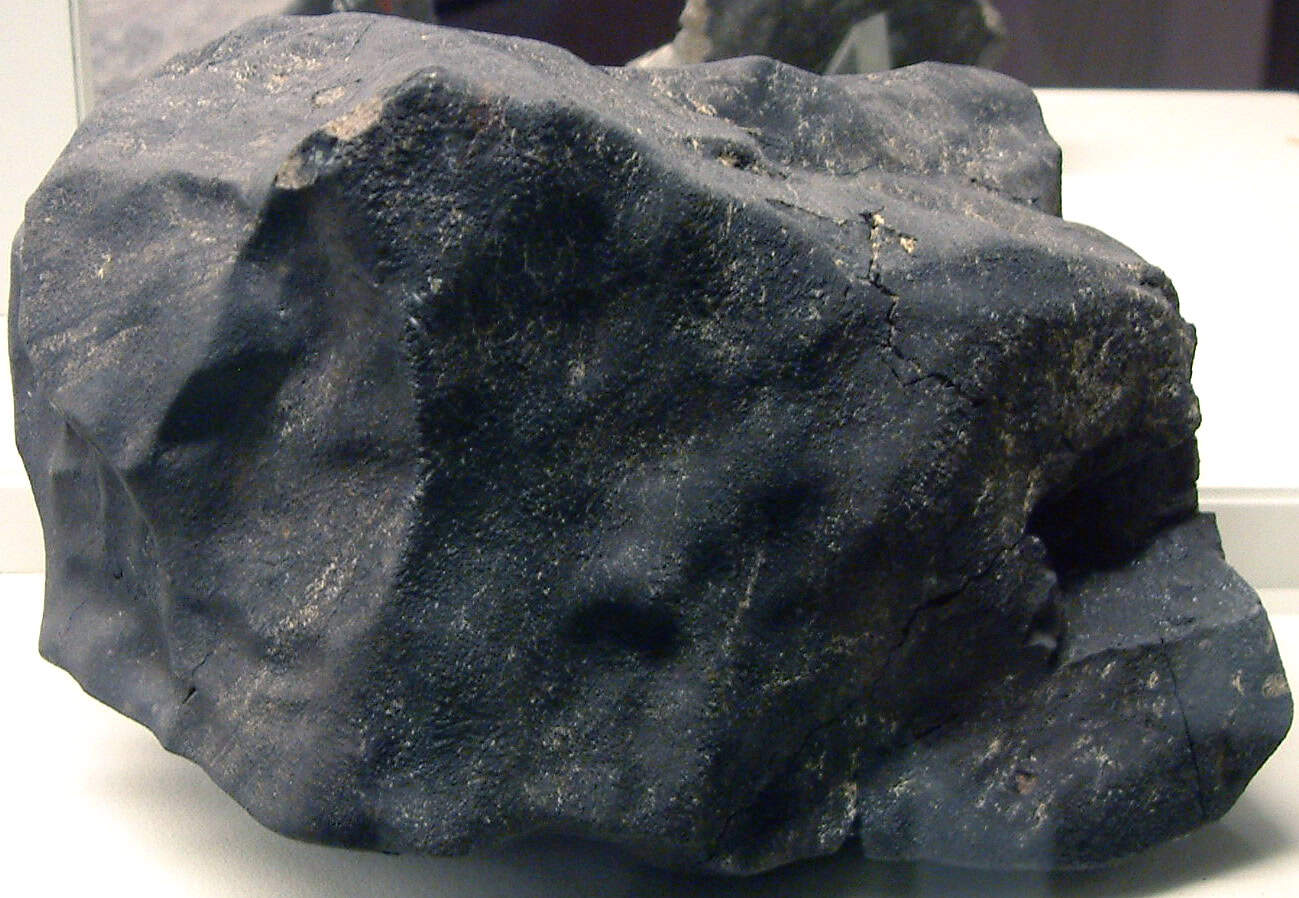
Tiny grains of silicon carbide inside this meteorite predate our Sun.
As a matter of fact, certain grains originated in the distant past within stars that had already reached the end of their lives, predating our solar system.
They are the oldest materials known to man, and they’re something you can hold in your hand.
Perforated shell jewelry

142,000-year-old shell beads found in Morocco were made from small sea snail shells.
These shells had holes punctured through them intentionally, but they weren’t tools or food.
Early people wore them around their neck like jewelry to display their status or personality. And this find reveals one of the earliest known examples of humans trying to look fancy.
A 4,000-year-old bowl of noodles

Archaeologists discovered this overturned bowl of yellow noodles at China’s Lajia archeological site, buried under ten feet of sediment.
Made from millet, they remained preserved by a freak flood coupled with an earthquake that created an airtight pocket around the bowl.
This discovery really underscores how long people have loved noodles,
The oldest liquid wine

Discovered in a Roman tomb in Germany, this glass bottle contains about 1,700-year-old wine.
Unlike most old wines, which have long since dried up, this one remained liquid thanks to the airtight seal of olive oil and wax.
Scientists are hesitant to open it because they don’t want the ancient wine to mix with modern air.
The 200,000-year-old super glue
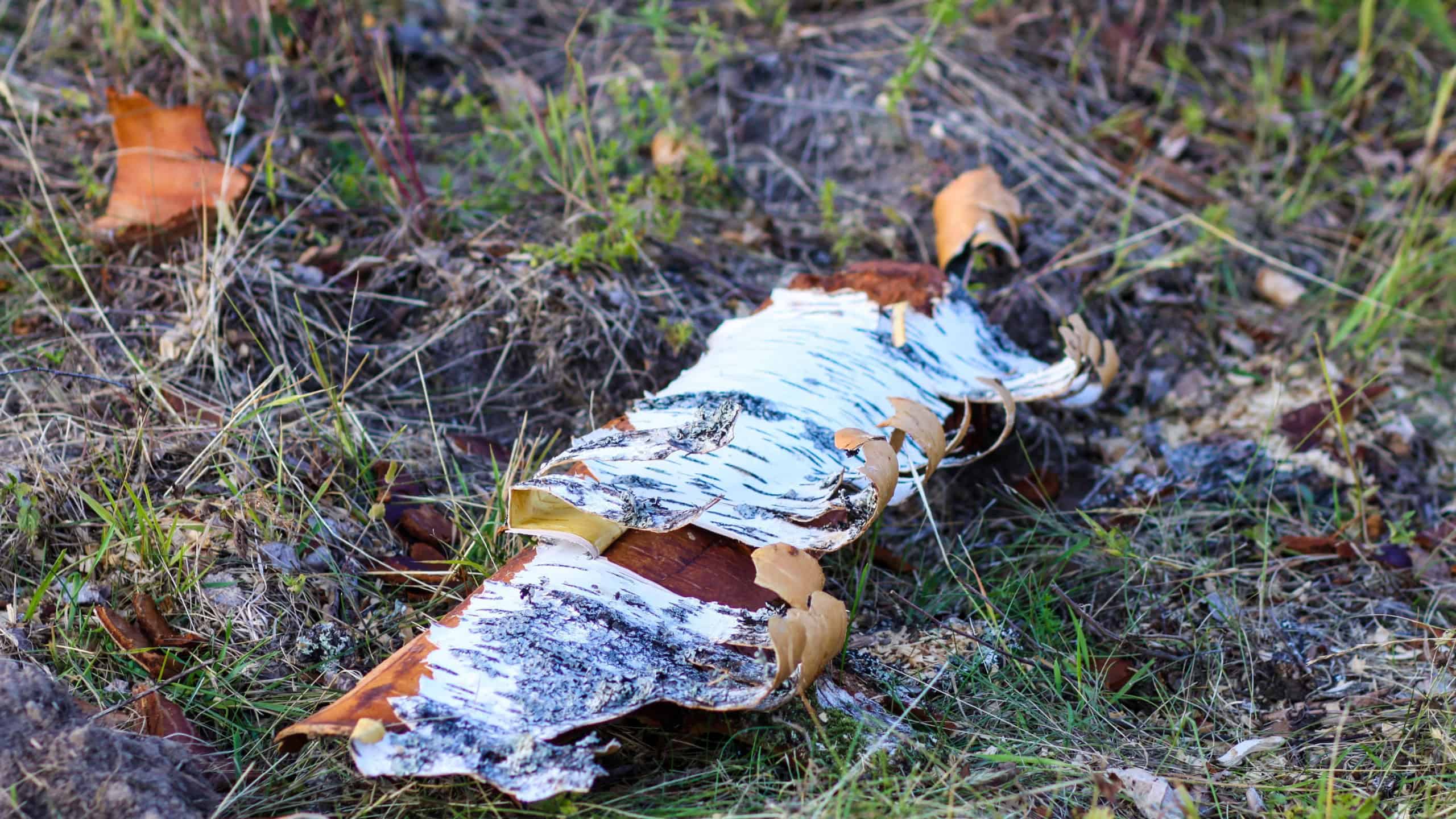
Humans living in Italy were creating what we call “glue”.
By heating birch bark, ancient humans created a sticky tar that they used to attach stone blades to wooden handles.
This glue wasn’t just muddy bark soup. Heating birch bark to that point is a chemical process that requires the bark to reach a certain temperature.
This manmade substance is the oldest synthetic material ever found, invented by humans whom we like to call “primitive.”
Water from the Sahara’s past
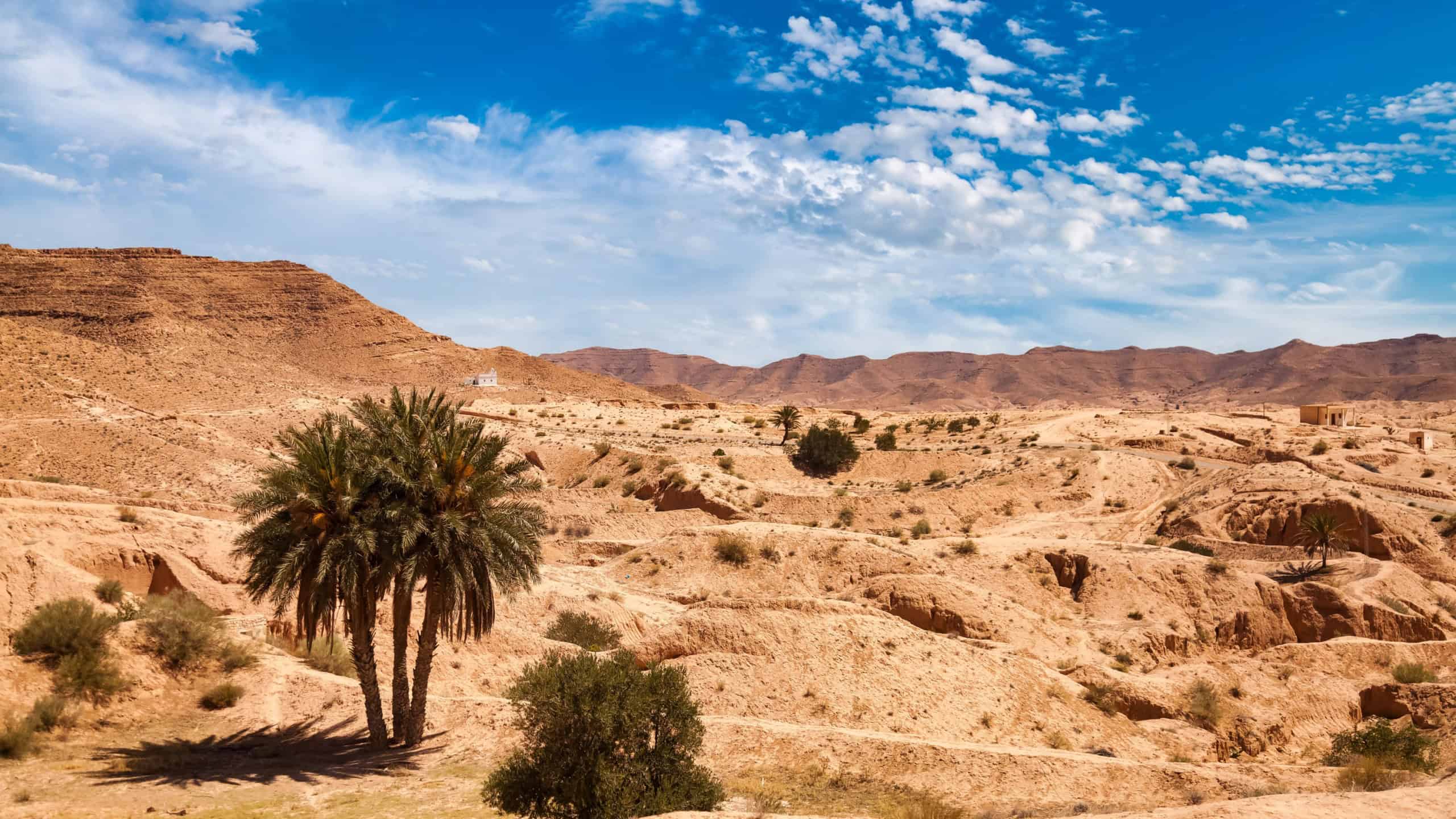
Buried underground beneath the Sahara desert is an enormous aquifer of water that fell from the sky over 900,000 years ago.
Millions of years ago, the Sahara desert was covered in grasslands, with lakes and rivers.
Today we are literally drinking this fossil water to keep our modern desert cities alive.
The Shigir Idol
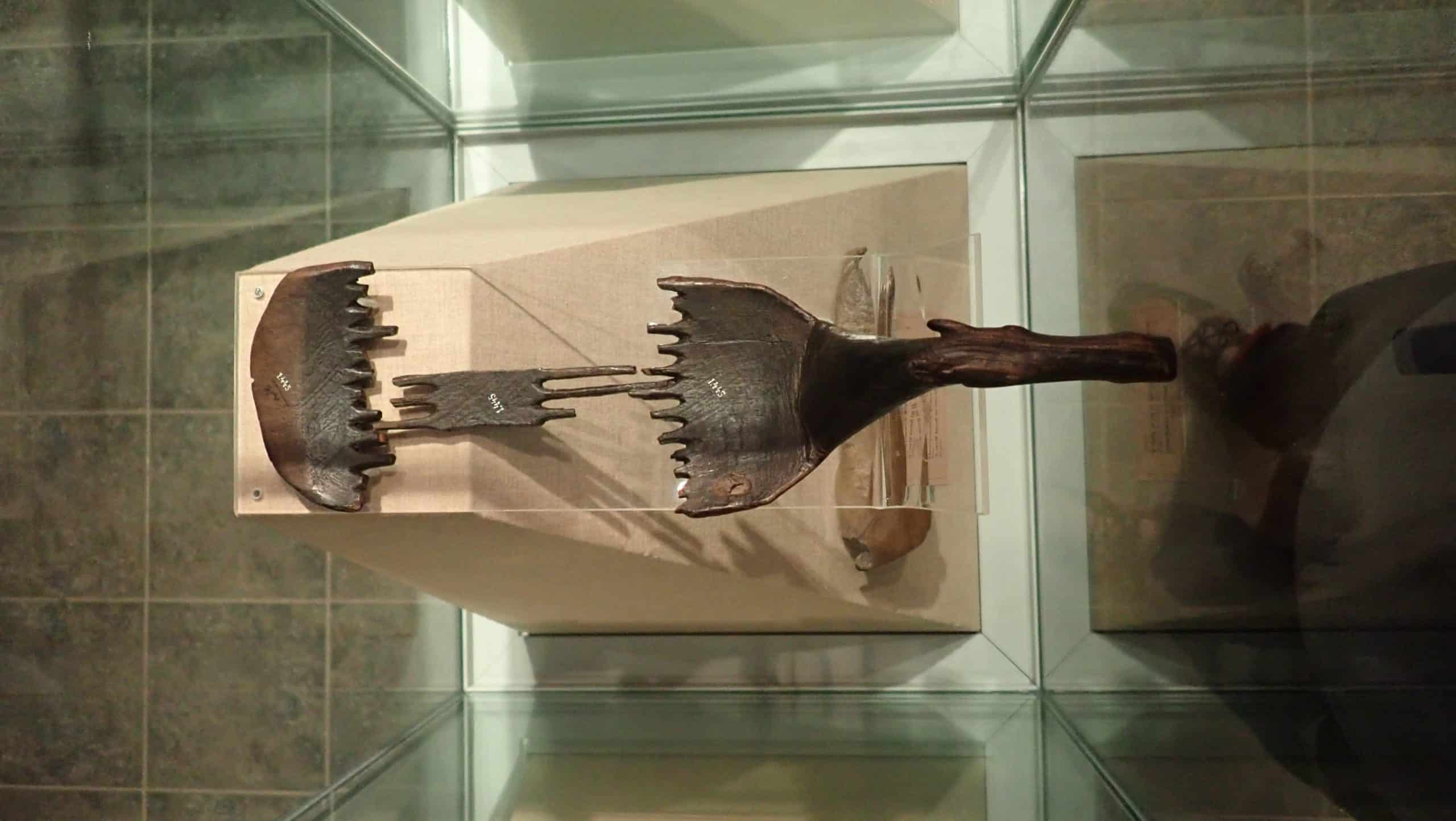
This is an absolutely monstrous wooden statue discovered in a Russian peat bog.
It’s twice as old as the Pyramids and covered in unsettling geometric shapes that many think could be primitive code or early storytelling.
The bog prevented oxygen from reaching the wood, so it never decomposed, and now we’re stuck with this eerie Ice Age statue.
Ming the clam
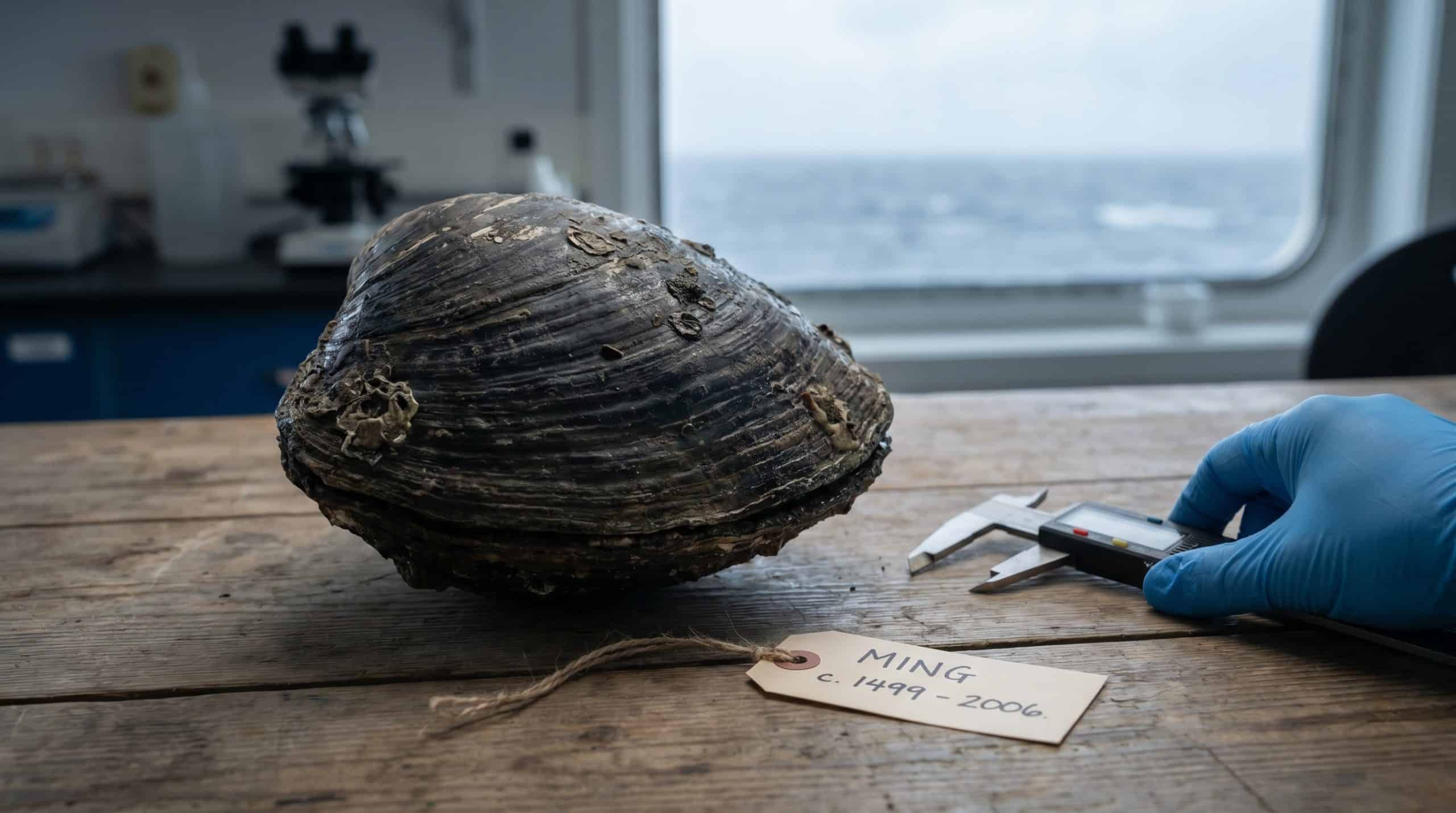
A group of ocean quahog clams found off the coast of Iceland had stunned scientists when they discovered one lived all the way back to 1499.
Ming, the oldest of the bunch, was named for the era of his birth, but didn’t survive the age analysis.
Ming lived through five centuries and the entire industrial revolution, just chilling on the ocean floor.
The sky-metal dagger

The dagger found with King Tut was crafted from a metal that predated Egyptian smelting techniques.
Modern-day scans of the dagger showed that it was composed of metal from a meteorite.
The metal of this dagger itself is billions of years old, older than the Earth itself.
King’s Holly of Tasmania
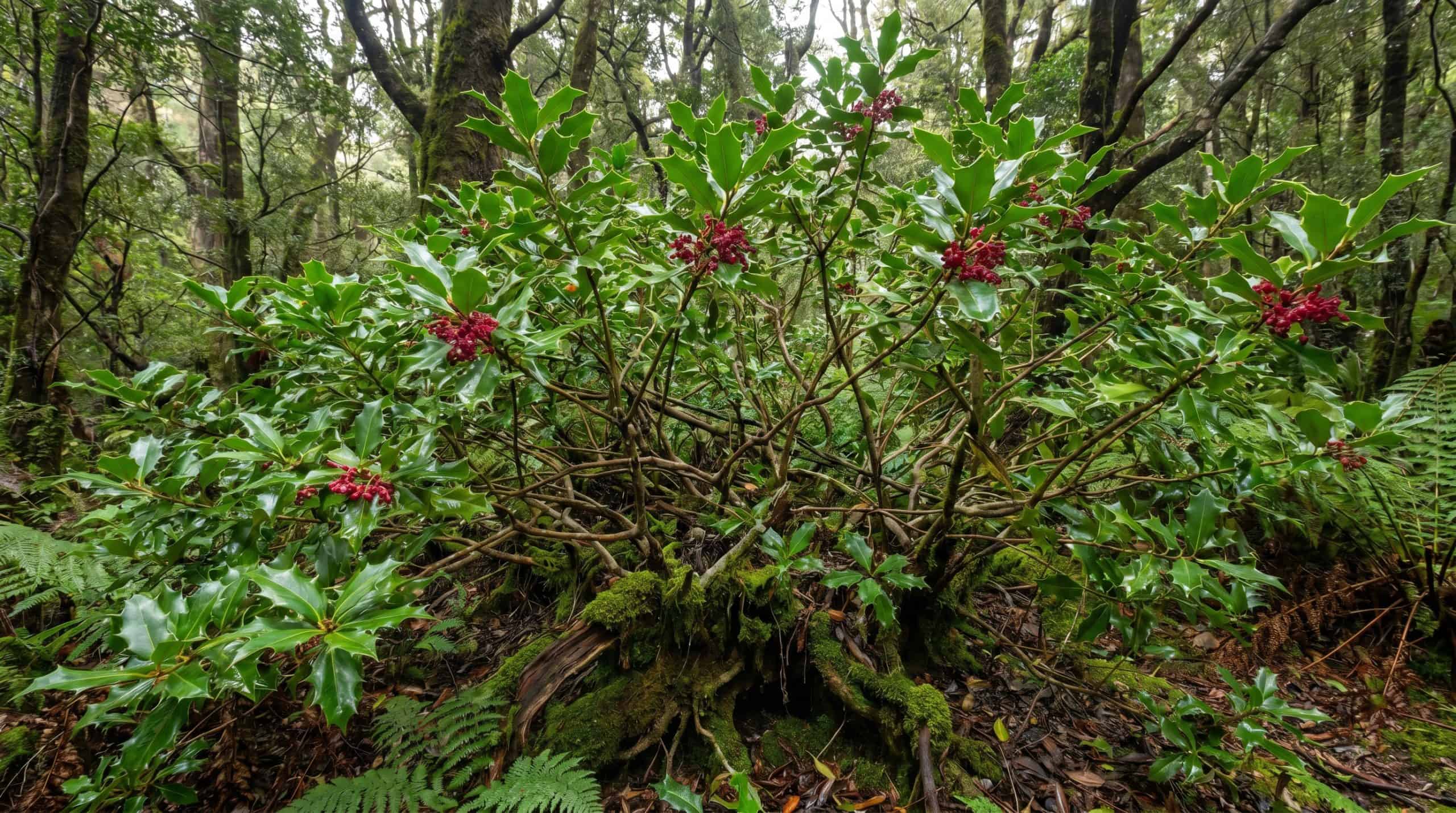
Don’t let its pretty flowers fool you; King’s Holly of Tasmania has been a cloning machine since the last Ice Age.
This plant is sterile and cannot reproduce by seed, so it simply grows more and more stems from the same ancient root system.
Every King’s Holly plant in existence today is the same individual plant that was alive 40,000+ years ago.
Lake Vostok’s 15-million-year-old water
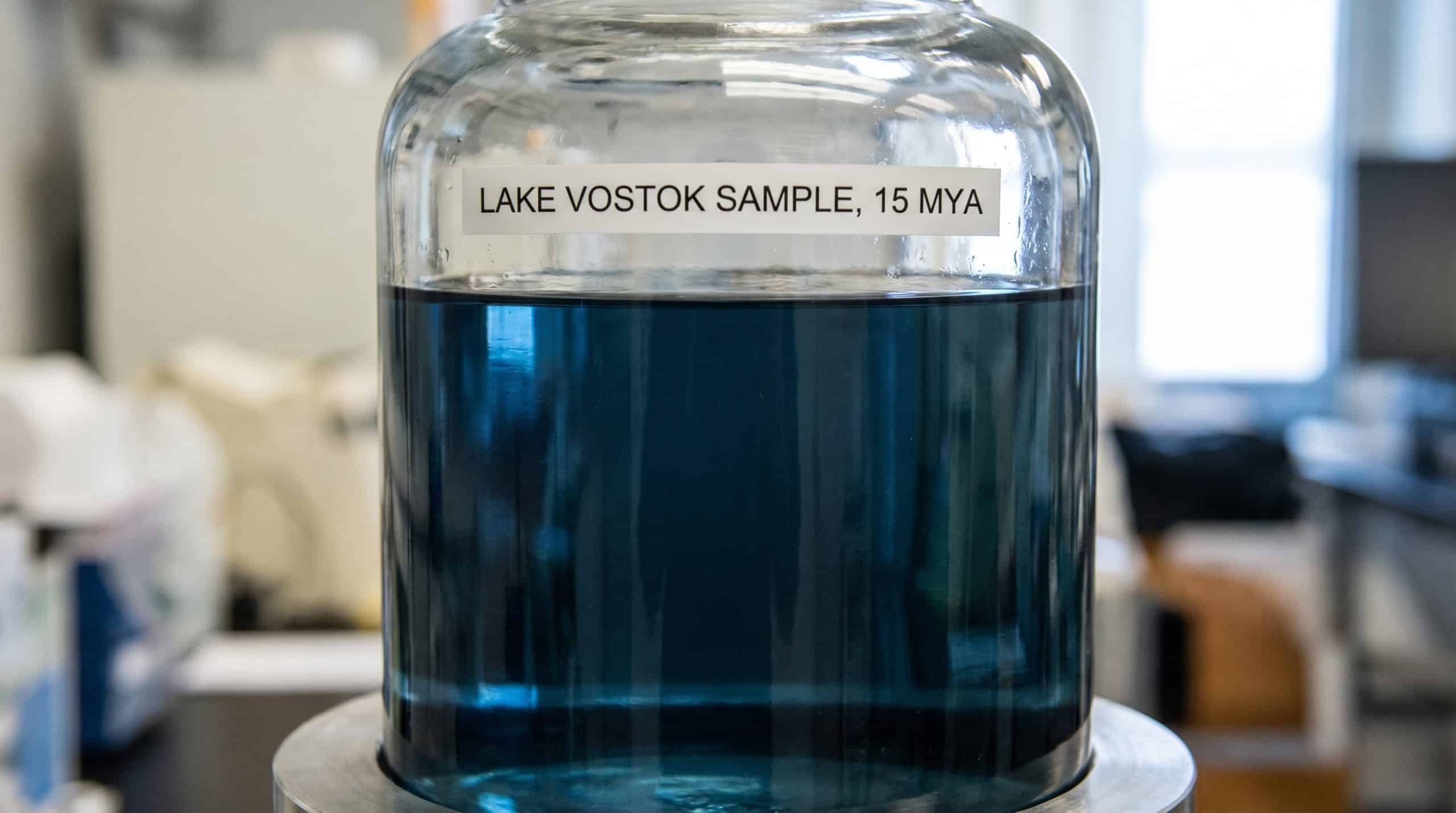
Buried beneath two miles of ice in Antarctica, Lake Vostok is thought to have gone 15 million years without sunlight.
Scientists believe that the lake’s water remains liquid at such depths due to heat rising from the Earth’s core.
It’s completely cut off from the rest of the world, essentially a water planet living inside our own.
There’s a chance it’s home to microbes that took a completely different evolutionary path than those we know.
The oldest selfie
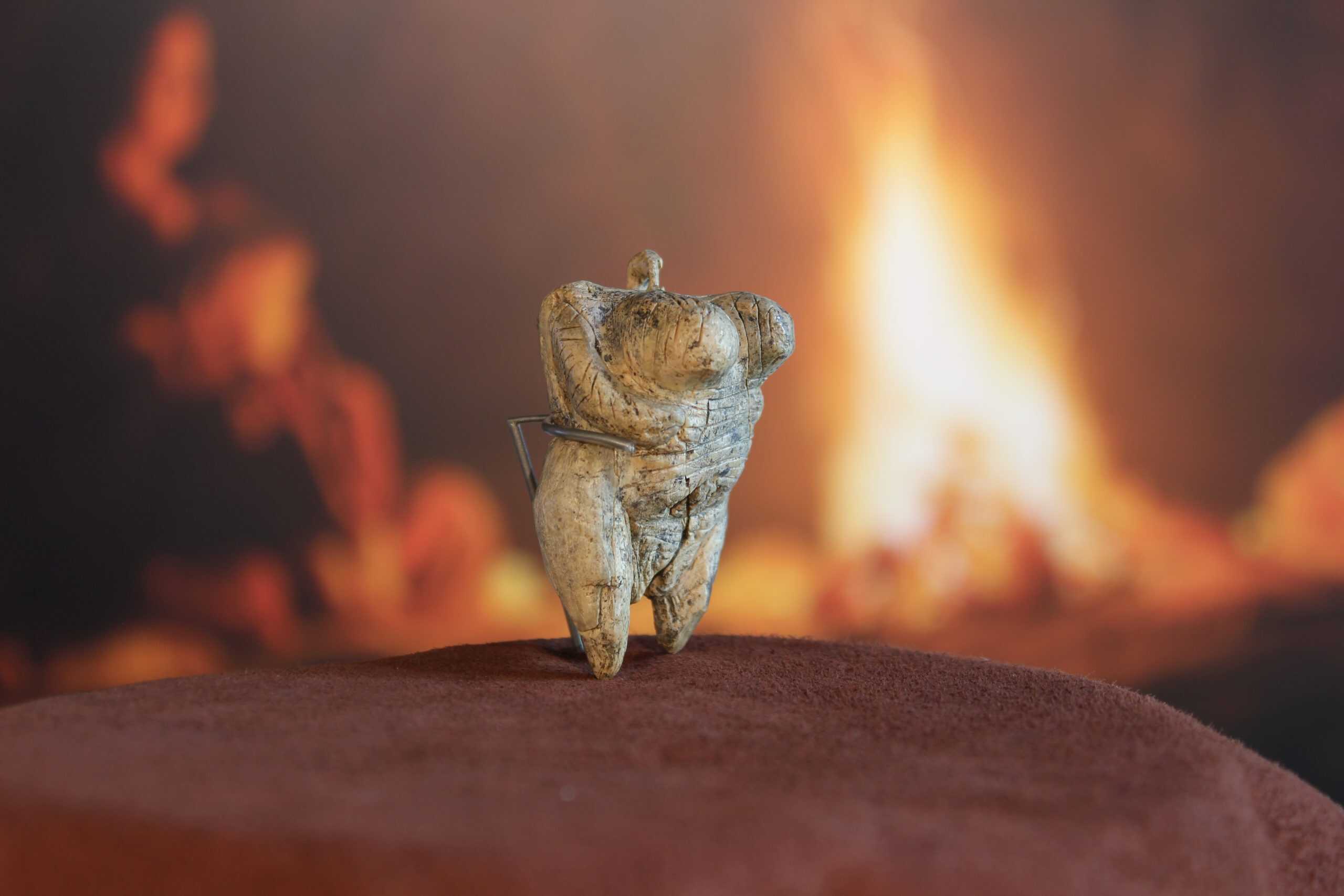
Meet the Venus of Hohle Fels, the oldest known depiction of a human face.
This little figurine made out of a mammoth tusk was discovered in a German cave.
And it proves that humans have been trying to replicate their own image for at least 35 thousand years.
Prehistoric crayons
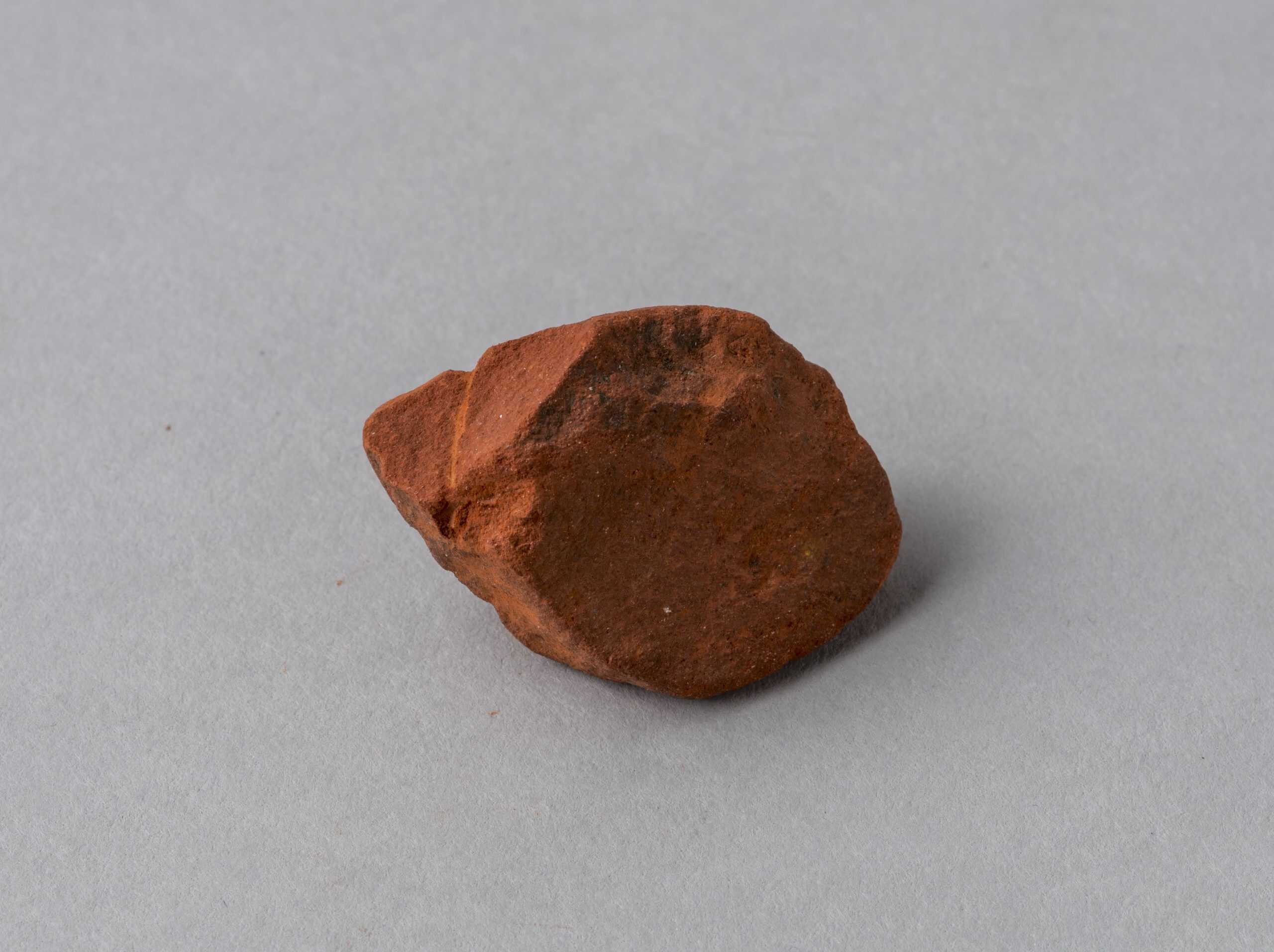
Archaeologists in South Africa discovered pieces of red ochre which had been intentionally ground down into crayons about 100,000 years ago.
People back then used ochre crayons to paint their bodies or cave walls. What this proves is that the desire to decorate and use color runs deep in our genes.
Back then, we weren’t just surviving. We were also trying to make our world look as interesting as possible.
Old Tjikko tree
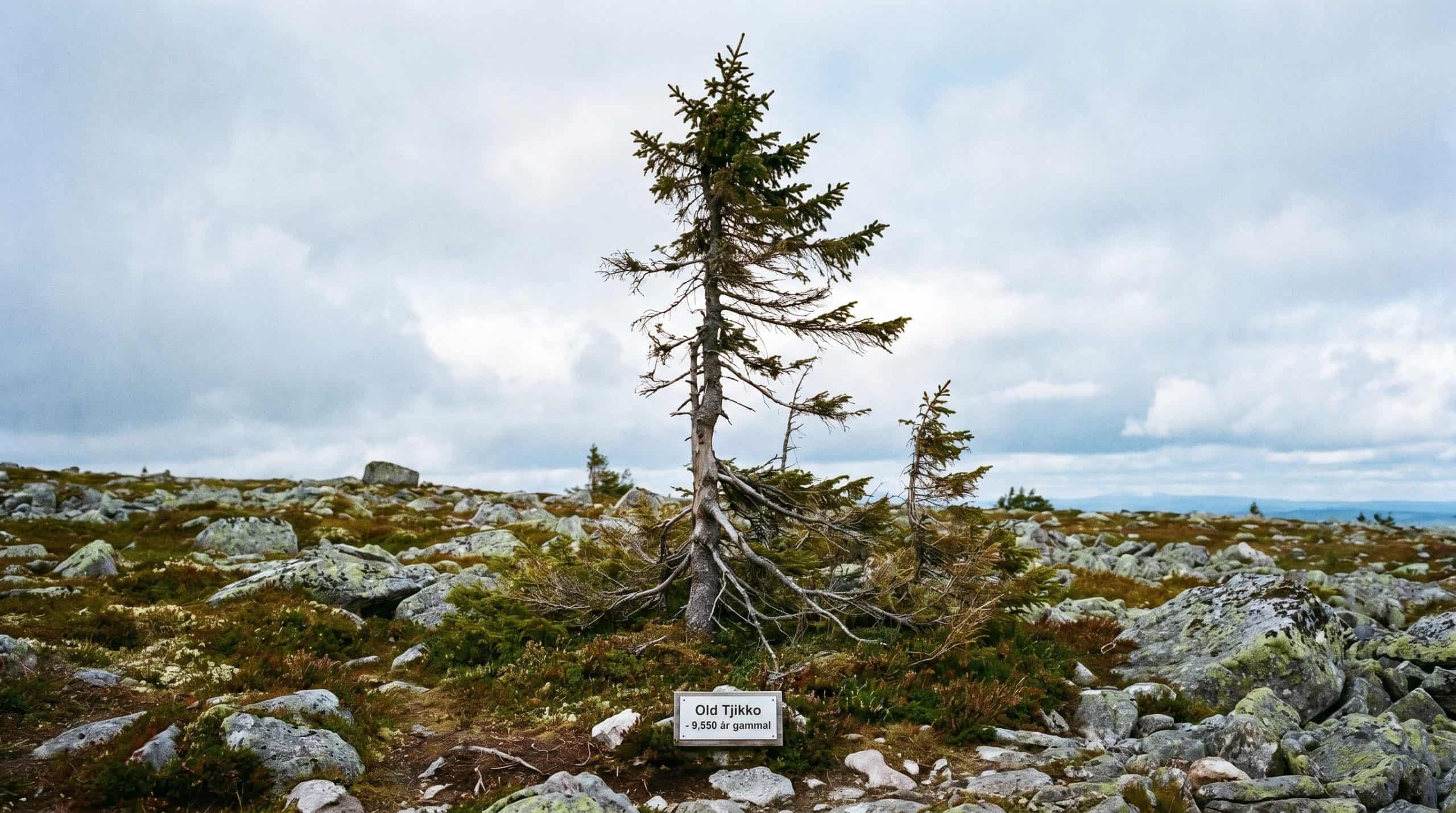
Though it seems like just a skinny spruce, Sweden’s Old Tjikko is actually 9,550 years old.
The trunk may be only a couple hundred years old, but its roots go back to the end of the last ice age.
When the tree above ground passes away, the roots sprout a new Old Tjikko.
Stromatolites
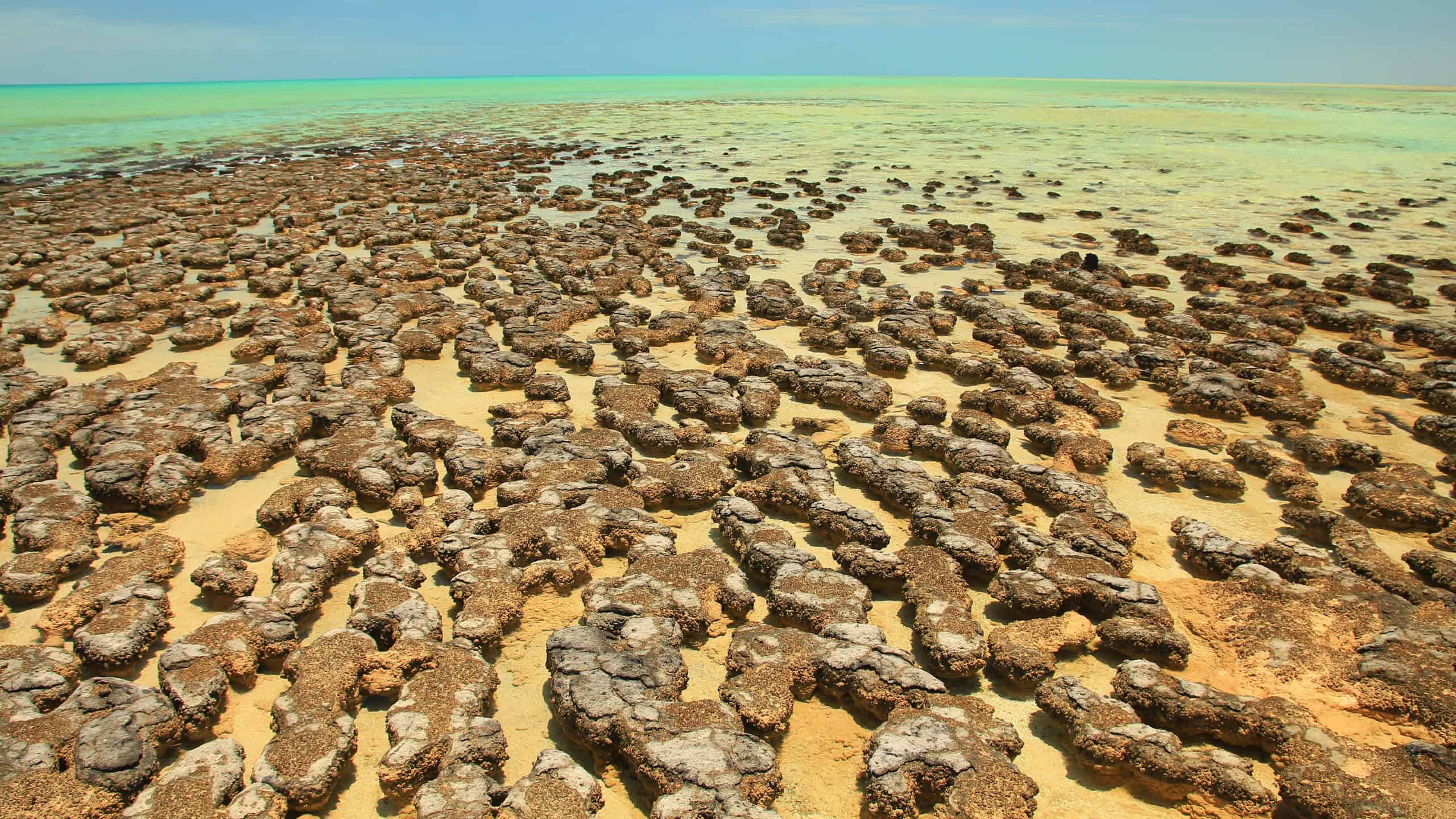
If you spend some time at Shark Bay, Australia, you’ll spot peculiar mounds in the shallows.
These ancient formations are actually colonies of bacteria that have been on Earth for 3.5 billion years.
They’re the reason we have breathable air, and they’re still puttering along in the shallows.
Sources: Please see here for a complete listing of all sources that were consulted in the preparation of this article.

