

It’s humbling to know that what we considered as facts for centuries were just the best educated guesses in our religious books at the time.
The firmament

A common belief among ancient Middle Eastern religions, including primitive Hebrew thought, was that there was a physical dome, beaten-out of metal into a tent-like shape, which separated heavenly waters above from earthly waters below.
Ancient people thought the firmament had floodgates that opened, letting rain spill onto the world.
We now know through physics and science that the sky is simply a gaseous atmosphere held in place by gravitational forces exerted on the gases by our planet.
Satellites and humans have passed through this supposed impenetrable barrier thousands of times.
Seat of thought

Ancient and Medieval spiritual teachings often explained that the heart was the home of the soul, the center of thought, and responsible for every emotion that a human experiences.
Ancient philosophers promoted the idea of leading with your heart, dismissing the brain as merely a blood-cooling mechanism.
Modern neuroscience reveals that our emotions, choices, and character traits all originate in the brain’s cortex.
The heart reacts to stress by pumping harder, but has no capability for memory, reason, or nuanced emotion.
Speech origins mystery

God created a mystical swirling sphere of language, which was given purpose to confuse mankind right then and there at the tower of Babel.
Linguists have studied languages through time and found that there are root languages; we can map how grammar changed slowly over thousands of years.
There is scientific evidence that proves languages drifted as people migrated to new lands. We can watch Latin slowly change into French, Italian, Spanish, and many other romance languages over centuries.
Human speech is alive and organic, just like any other biological organism on Earth. It is how we think, and how we convey information to learn and survive.
This wasn’t something that suddenly appeared 4,000 years ago.
Matter to life

For centuries, some historical interpretations of religious texts suggested that life (only lower forms of life such as flies, maggots or mice) could spring up from mud or decaying flesh if touched by God’s finger.
This gave rise to the saying God is continuously breathing life into dead matter
Louis Pasteur and countless biologists after him have proven conclusively the law of biogenesis. Life begets life.
And maggots are not spontaneously generated from rotting meat; hundreds of microscopic eggs are deposited by female flies. Life comes from continued biological processes, not daily miracles.
Sin, demons and disease

A popular belief of many religions is that physical disease emanates from your morality, or from demons that have taken up residence in your body.
Instead of medical assistance when ill, you prayed, fasted, or exorcised the sickness from your body.
Germ theory replaced demons and salvation with something much more worrisome: bacteria, viruses, and parasites.
We understand that there is actually a living thing growing in our lungs when we have pneumonia and that it’s not God punishing us for being bad little Christians.
Antibiotics reinforce the concept that biology trumps belief.
Still world idea
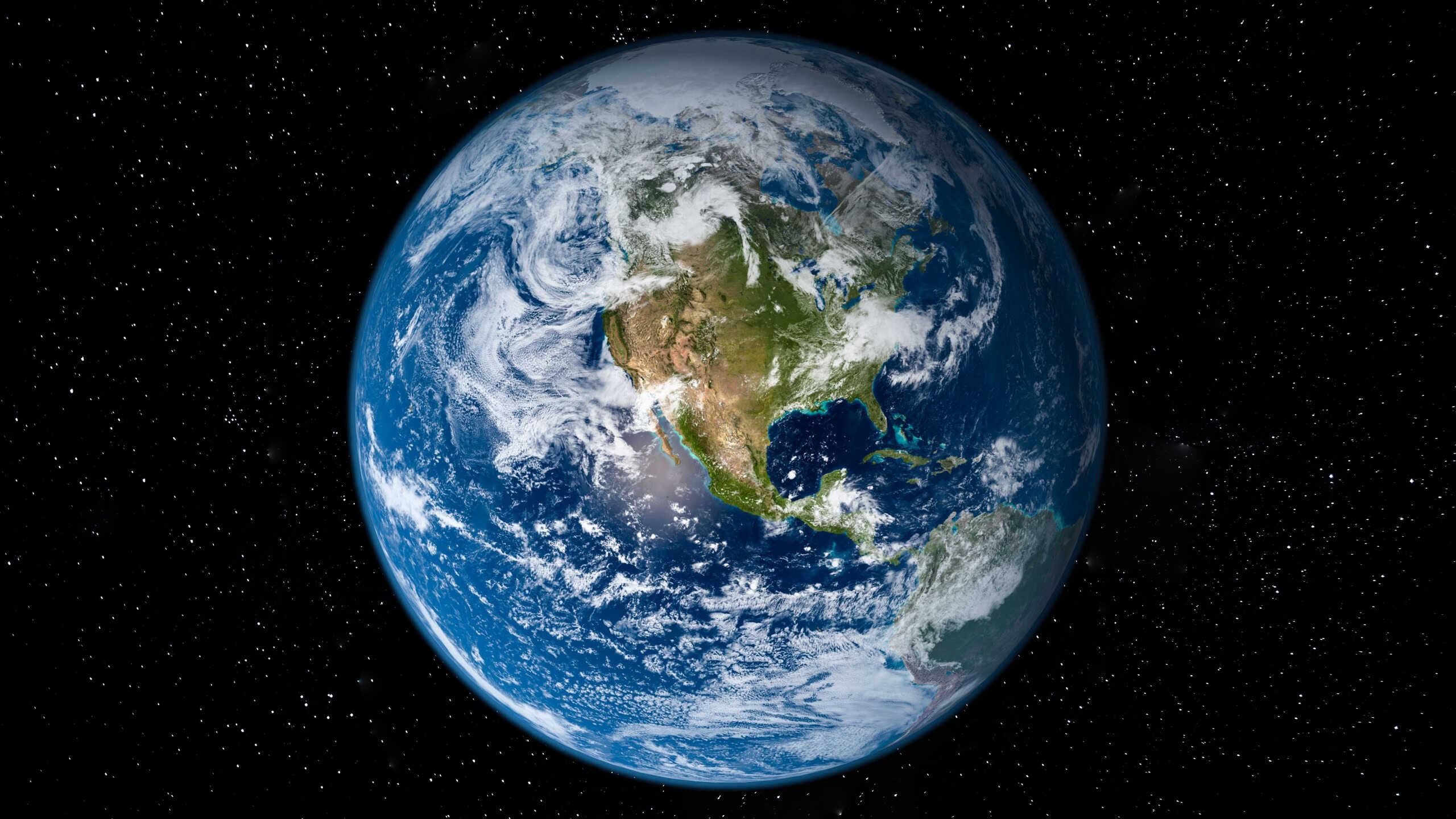
People once widely believed, based on religious teachings, that the Earth was stationary, with everything else revolving around it.
This gave mankind its special place at the center of God’s plan.
Math and telescopes allowed Copernicus, Galileo, and other astronomers to demonstrate that we spin at 1000 MPH and circle a middle-sized star.
We’re actually just one of many worlds adrift in space, not the universe’s fixed backdrop.
World underwater

Most cultures have stories about flood myths, but Christianity teaches that a worldwide flood destroyed all mountain tops and every living creature except for those on Noah’s ark.
Geology has shown that if there was a global flood a few thousand years ago, every layer of soil would show the same kill zone, and you would be able to dig down everywhere until you hit several miles of sediment.
Rather, the Earth’s crust reveals distinct boundaries and varying geological timelines. Regional flooding was definitely common in the ancient world, but there never was a time when water covered the entire planet at once.
Moonlight mystery
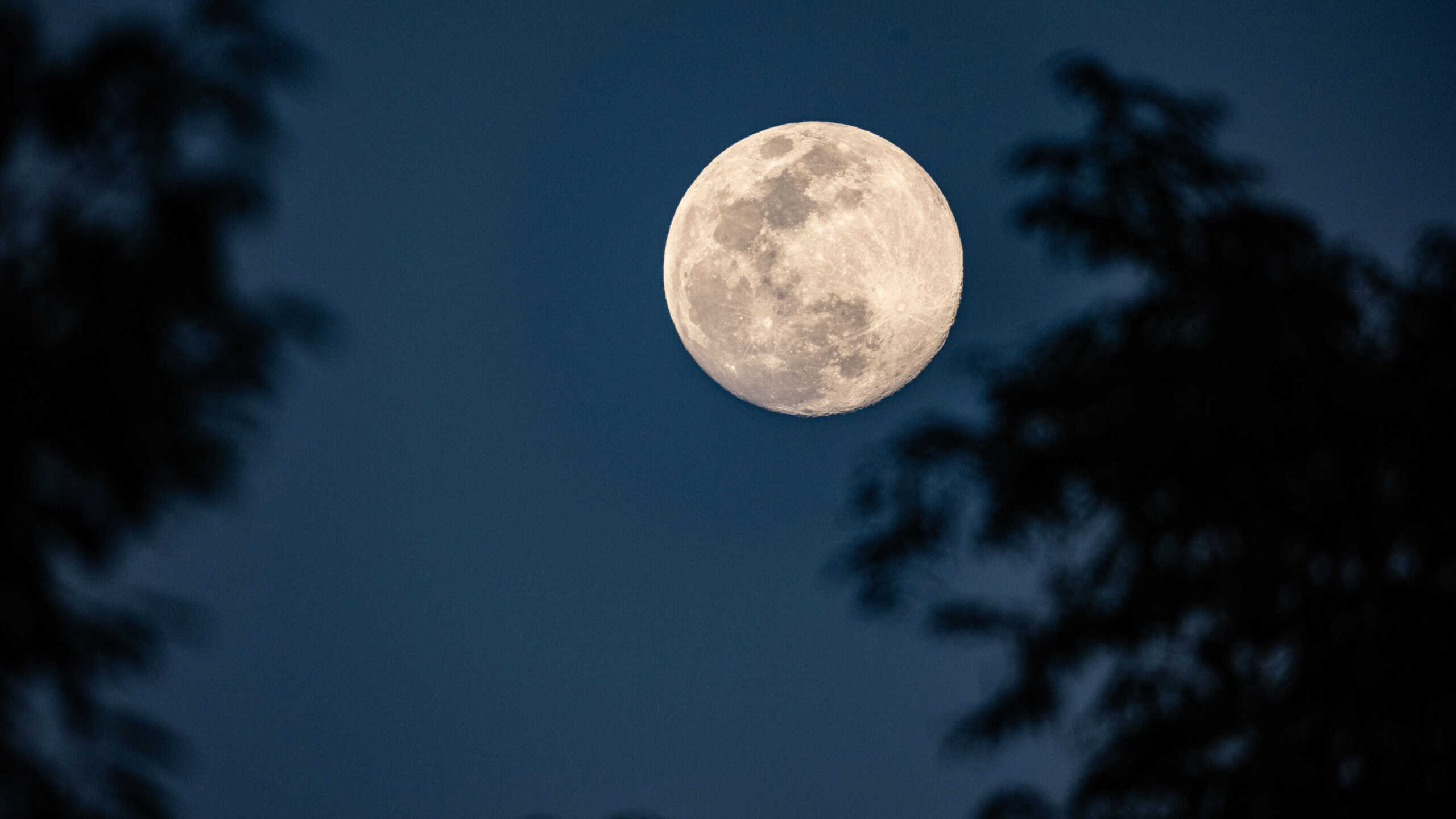
In some ancient documents, the moon is described as a “lesser light” or even a “lamp.”
These portrayals give the illusion that it’s a self-luminous object, like our star. It has often been used to describe God’s word shining down from above us.
Today, we understand the moon to be a vast, lifeless rock, cloaked in darkness and coated with something like asphalt. We only see the moon shine because it is simply bouncing sunlight back at us.
Sacred seizures

Back then, folks often believed a seizure meant someone was getting a message from above, maybe even chosen by God.
They thought all that thrashing around and blacking out was the Devil fighting him or her or that the person was experiencing a vision from God.
Today, we understand epilepsy to be a unique electrical disturbance within the brain’s neurons. We can view seizures happening on an EEG and control them with medication that balances electrical activity in the brain.
Origins of many
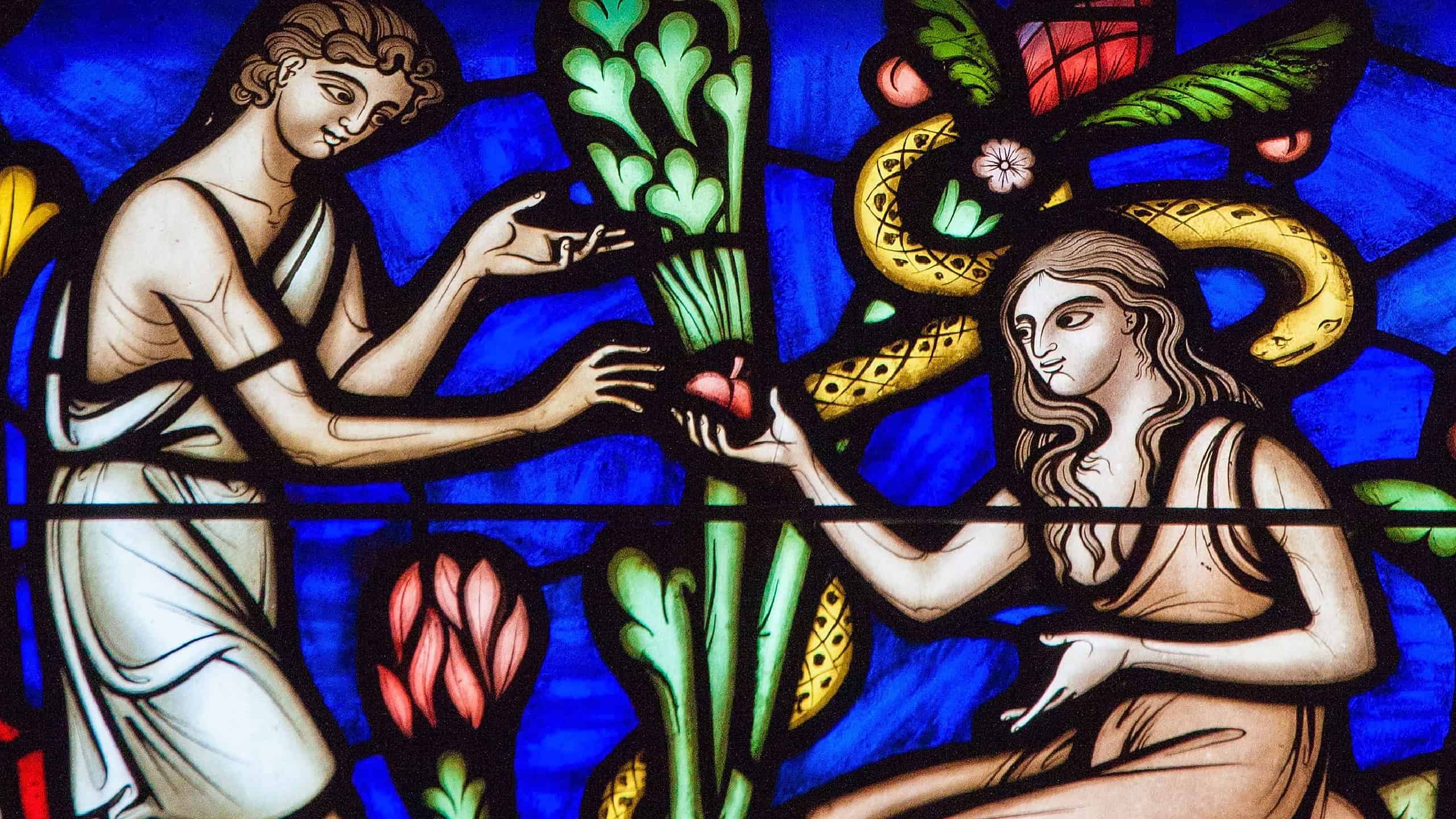
The idea of all humans tracing back to only Adam and Eve defies modern genetics.
To get the human race down to two people, humans would have had to intensely inbreed. Inbreeding causes major problems with genetics; it’s improbable that humans could have been intensely inbreeding for multiple generations.
DNA experts have mapped out our past as much as possible, and what they find isn’t two people. The population never dwindles down that far. DNA research consistently points to a much larger population size.
Let’s not forget fossil records as well. We did not just sprout up out of the ground one day, magically evolved. There was a gradual progression that took thousands of years and preceded us with other human-like species.
Age of Earth

Religious timelines are traced back from recorded history using lists of descendants found in ancient genealogies. These timelines put the Earth’s age at a mere 6,000 to 10,000 years.
Using radioactive dating methods, geologists and physicists established the Earth’s age to be roughly 4.5 billion years.
The vast distances to distant stars, coupled with the Grand Canyon’s slow evolution, really underscore how ancient the Earth is, dwarfing human timelines.
The waters above

Early creation stories could not explain why the sky is blue, so they created stories about an entire ocean of water stretching up to the sky.
They said this water was the reason it rained, and that the stars floated in this water.
Meteorologists have learned that the sky is blue because of an atmospheric effect known as “Rayleigh scattering.” When sunlight interacts with gas molecules in our atmosphere, its constituent colors become visible.
There is no ocean up there. Beyond our breathable atmosphere is a near vacuum that is literally empty and very cold.
Breath of life
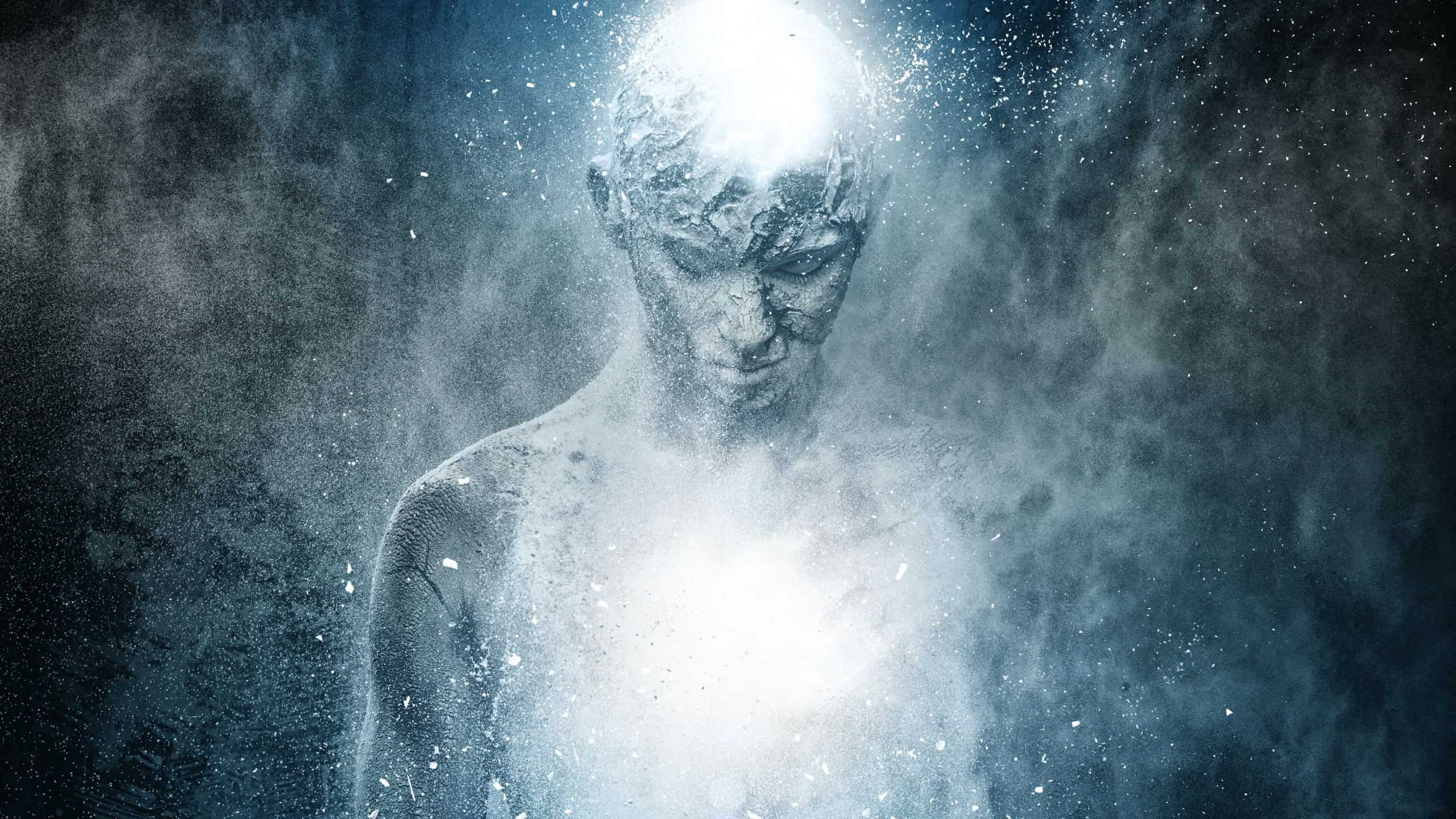
Many cultures used to believe that our breath (or soul) was its own independent, unseen substance that came into our body when we were born and left our body when we died to go to another place.
They thought that it was this force that moved our body and allowed it to function on its own without the help of any organs.
However, biology has proven that what we know as life is merely millions of chemical reactions occurring at once inside our cells. When your heart gives out and the brain is starved of oxygen, those chemical processes shut down.
And there’s no trace of any separate, immaterial energy departing to continue on its own.
Colors in the sky
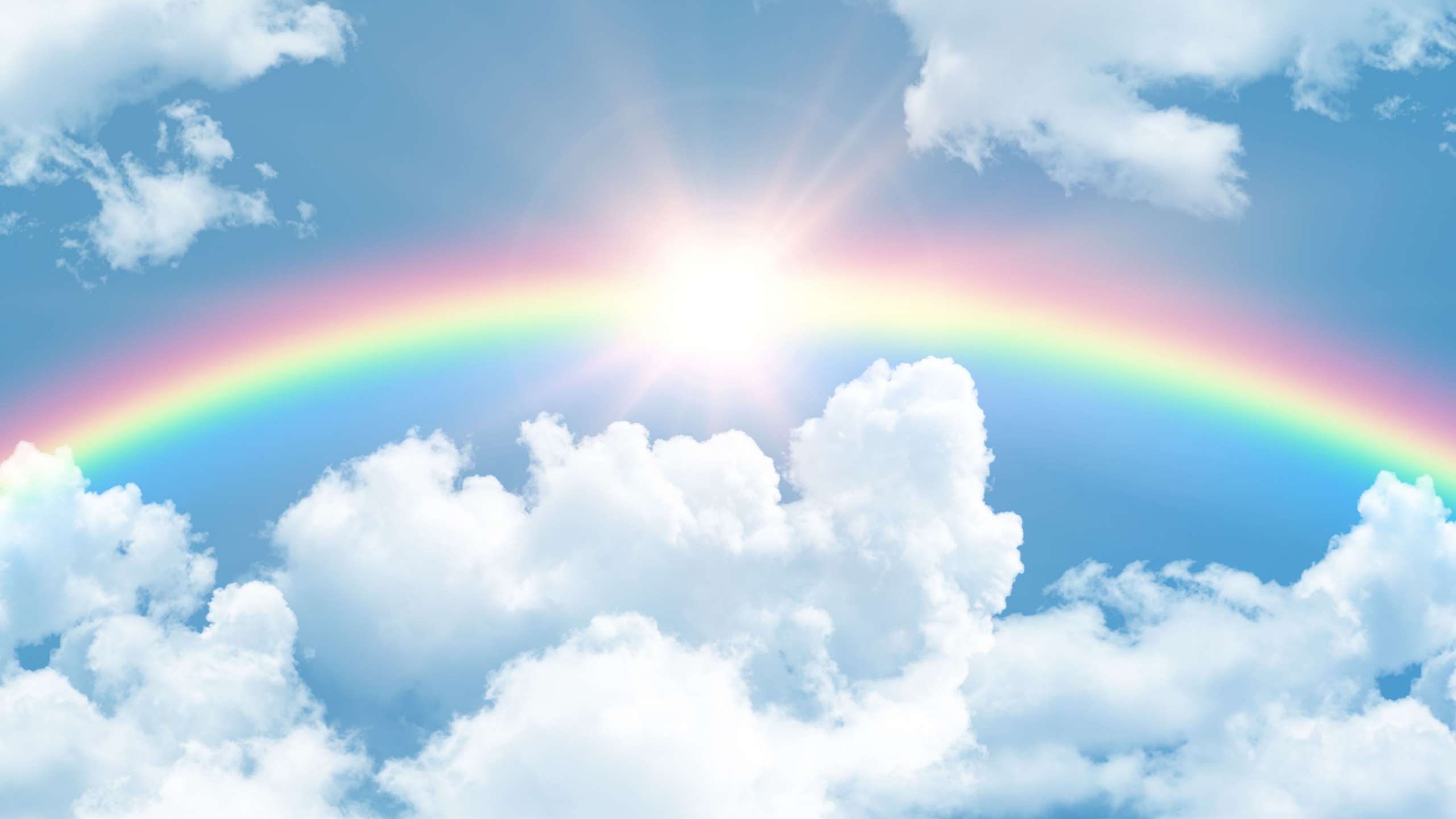
Rainbows were described as a one-time covenant promise from God. They claimed it would only appear after catastrophic floods, as a way to signal something to humans. This implied rainbows were magic, only visible when God wanted something to happen.
Physics taught us that a rainbow is simply the dispersion of white light hitting raindrops at just the right angle. We can make our own miracle with a garden hose or glass prism.
Mind struggles

Many religious beliefs have historically framed depression and anxiety as signs of spiritual weakness or insufficient faith.
They say you can “pray away the sadness,” as if our brains are fully under our own spiritual control.
Science has given us an understanding of neurochemistry. Our brains rely on chemicals like serotonin and dopamine to regulate mood.
Sources: Please see here for a complete listing of all sources that were consulted in the preparation of this article.


