

Hollywood has come up with some rather creative ways to kill off characters over the years, but it turns out that some of the most famous movie deaths are completely inaccurate.
A deadly golden makeover

James Bond discovers Jill Masterson’s dead body in 1964’s Goldfinger. She’s completely painted gold, and the movie’s logic claims that she died because the gold stopped her skin from breathing. But that’s not how it works.
We get our oxygen through our lungs, so blocking the skin wouldn’t suffocate someone. It seems that the filmmakers were genuinely worried that it was dangerous, though. They left part of actress Shirley Eaton’s skin unpainted during filming.
An explosive ending underwater

Another scientifically impossible Bond death comes in Live and Let Die. 007 forces a compressed-gas pellet into Dr. Kananga’s mouth during an underwater fight, and it practically turns him into a human balloon. Kananga inflates and floats toward the ceiling before exploding.
That wouldn’t happen in real life, however, as human bodies don’t work like party balloons. That much gas would certainly cause devastating internal injuries. But there’s no way it would cause anyone’s skin or organs to stretch into a giant ball.
The astronaut who froze in seconds
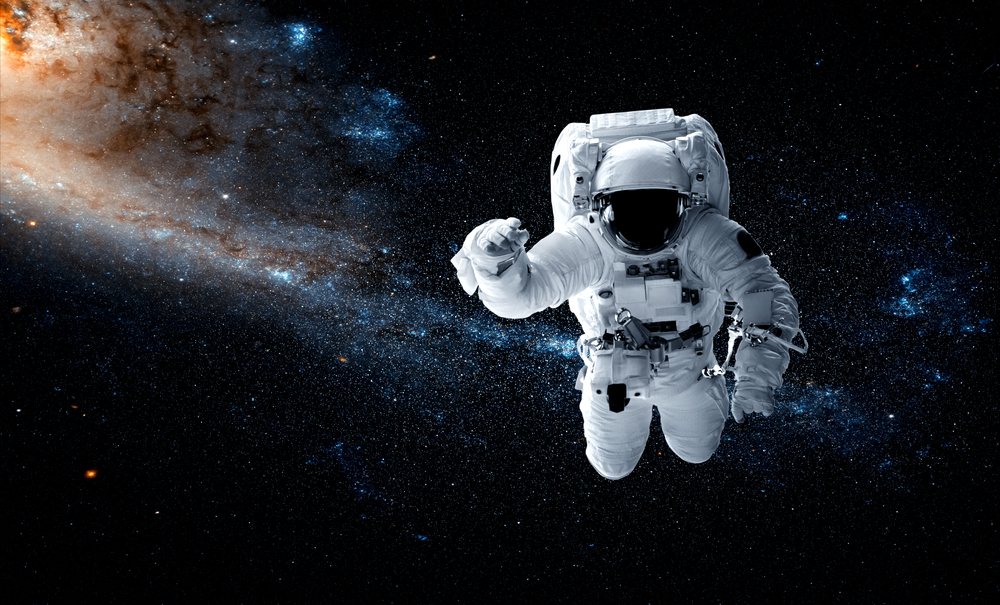
Mission to Mars features a pretty sad moment, and it’s when astronaut Woody Blake realizes he can’t be rescued. He refuses to risk another astronaut’s life. So, he takes off his helmet and freezes almost immediately in space.
Space is very cold, after all. Yet it’s also a vacuum, so there’s no air to carry the heat away from your body and make you freeze. It’s more likely that Woody would lose consciousness from a lack of oxygen before he’d freeze solid, although that death would’ve been far less dramatic.
A prisoner exposed to space

It’s a similar issue in Outland, where one unfortunate man is exposed to the vacuum outside the mining facility. He’s not wearing any kind of protection, and it leads to his body bursting apart. It’s only something in the movies, though.
Human bodies are a lot better at holding themselves together than people realize, even without air pressure, and anyone exposed to a vacuum would likely swell up. They’d suffer serious injuries and quickly lose consciousness, but they wouldn’t explode into pieces.
The bulging eyes on Mars

Total Recall features another completely unrealistic space death, and it involves Douglas Quaid’s character being exposed to the thin Martian atmosphere. His eyes start bulging outward, and his face swells massively. It looks like his head’s going to burst.
While it’s true that Mars has very low atmospheric pressure, your eyeballs aren’t going to push themselves out of their sockets. Your skin and connective tissues will likely keep everything relatively together. The truth is, real-life decompression doesn’t look like the movies.
The cold that kills instantly

The makers of The Day After Tomorrow wanted to tell a story about the dangers of climate change, but it seems they didn’t really care about reality. There are enormous snowstorms in the movie that cause things to freeze within seconds. Yes, seconds.
These storms force people to rush indoors to escape the cold, yet it’s just not realistic. Even extremely cold air needs some time to take the heat away from a person’s body. A warm building wouldn’t freeze solid as soon as cold air entered, either. Hypothermia and frostbite are the real issues here.
The hospital room explosion

Eugene Dix is all out of luck in Final Destination 2. He’s recovering in the hospital from one of his horrific close calls when oxygen starts leaking into his room. An electrical spark then creates an enormous explosion that kills both Dix and Clear Rivers.
It’s true that oxygen can make fires burn much faster and more intensely. But oxygen itself doesn’t burn, and there needs to be some kind of fuel involved to really get a fire going. In other words, an oxygen-rich hospital room is dangerous. The massive explosion in the movie isn’t real, however.
The tanning beds that became furnaces
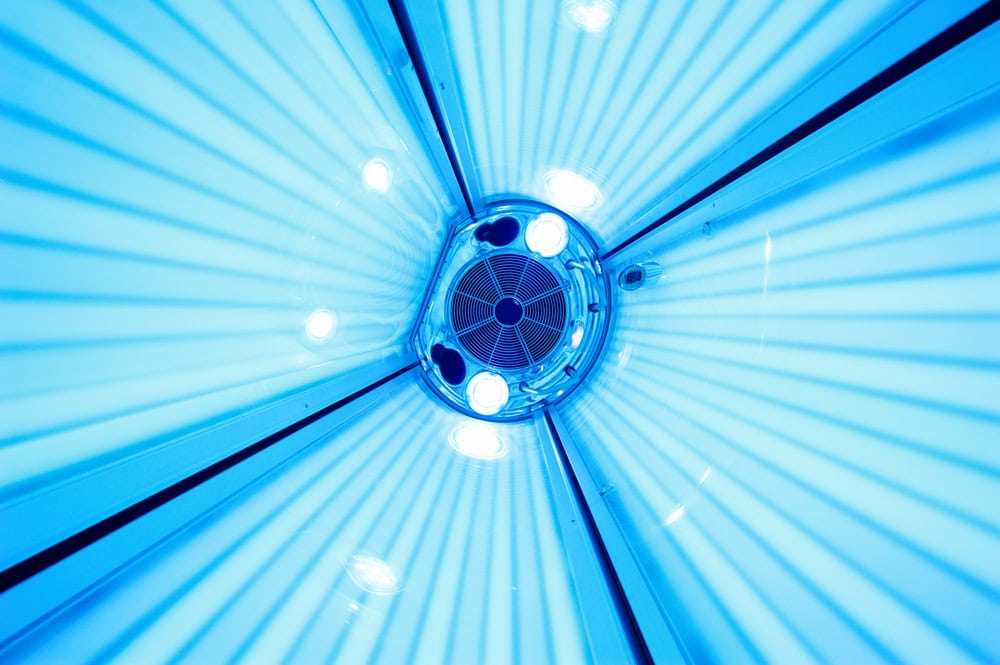
Final Destination 3 wasn’t exactly realistic, either, especially during the scene where Ashley and Ashlyn are in their tanning beds. A completely ridiculous chain of accidents causes them to be stuck inside, and the beds rapidly overheat. They then catch fire, killing the two women.
Real tanning beds can cause burns, and yes, electrical problems can occasionally start fires. But the truth is that ultraviolet tanning lamps can’t turn into industrial heating equipment all of a sudden. There’s no way anything like this could happen so quickly.
The plants that make people die
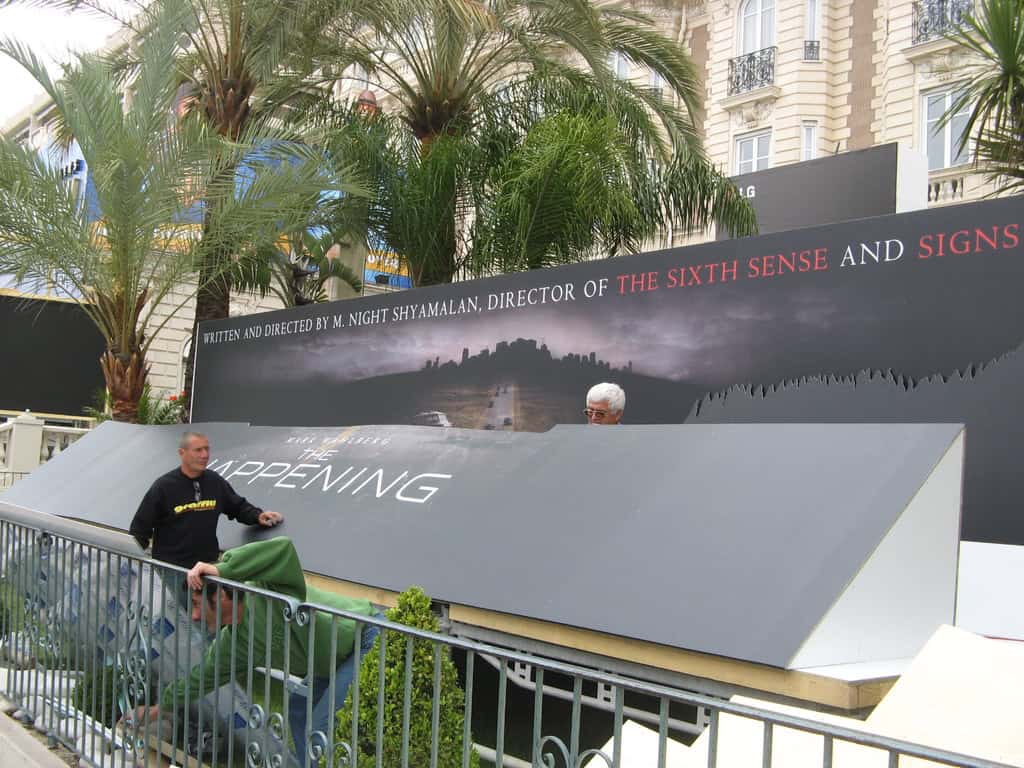
There’s a worldwide apocalypse in The Happening that involves people suddenly taking their own lives for no apparent reason. The movie suggests that plants are fighting back against humans by releasing chemicals to make them behave this way.
Vegetation can produce all kinds of chemical substances to harm animals. Yet there’s no known plant toxin that could affect large groups of people in this way. It couldn’t make people do specific things. No, real nerve-affecting poisons cause things like confusion and seizures, as well as paralysis. They can’t control your mind.
The microwave that explodes a head

In 2009’s The Last House on the Left, John Collingwood deals with Krug in a rather gruesome way. He traps the man’s head inside a microwave oven and switches it on. The extreme heat causes Krug’s head to explode. But really, there’s so much going wrong here.
Ordinary microwaves have safety switches that stop them from working when the door’s open, for starters. You could argue that Collingwood bypasses those switches. Even so, a microwave couldn’t turn a person’s head into a bomb, as it heats water-containing tissue. It would cause serious burns instead.
The lake that turned deadly

Dante’s Peak from 1997 features a scene where Harry Dalton and the Wando family are trying to cross water that has suddenly become very acidic. It’s all thanks to an erupting volcano. The acid causes their boat to deteriorate, and Ruth goes into the lake to help everyone else get ashore. She dies from her injuries.
Except, that’s not how science works. Acidic volcanic lakes are a real thing, but it’s impossible for an ordinary lake to become acidic enough to destroy an aluminum boat within minutes. Dalton and the Wandos would’ve had plenty of time to get across. The biggest issue would’ve been the volcano itself.
The laser with a mind of its own
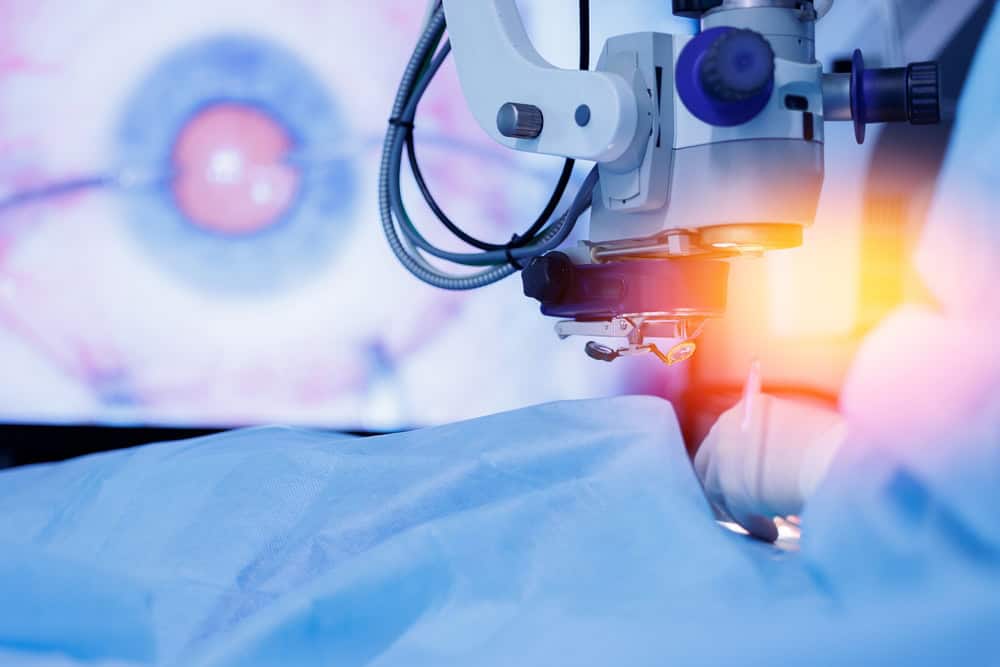
Time for another Final Destination myth. This time, it’s in the fifth movie, which features Olivia Castle’s eye surgery becoming a disaster. The equipment malfunctions and begins firing into her exposed eye, although she eventually escapes. She then falls through a window and dies.
Her actual death is realistic, obviously, but the stuff leading up to it isn’t. Modern LASIK machines use carefully controlled lasers to remove small amounts of tissue from the cornea. They don’t work like unstoppable laser weapons. A broken one could cause an eye injury, but it certainly wouldn’t cause the damage that the movie shows.
The bridge melted by sunlight

The Sun seems to hate San Francisco in 2003’s The Core. In the movie, Earth’s magnetic field starts failing and causes solar radiation chaos across the planet. There’s one scene where the Golden Gate Bridge starts to fall apart because it becomes so hot.
That’s not possible. The science is completely flawed, as the magnetic field actually protects Earth from charged particles from the Sun. It’s our atmosphere that blocks the majority of the Sun’s harmful radiation. If we lost our magnetic field, it wouldn’t cause regular sunlight to become a giant blowtorch capable of melting steel. No way.
The fish that devour swimmers
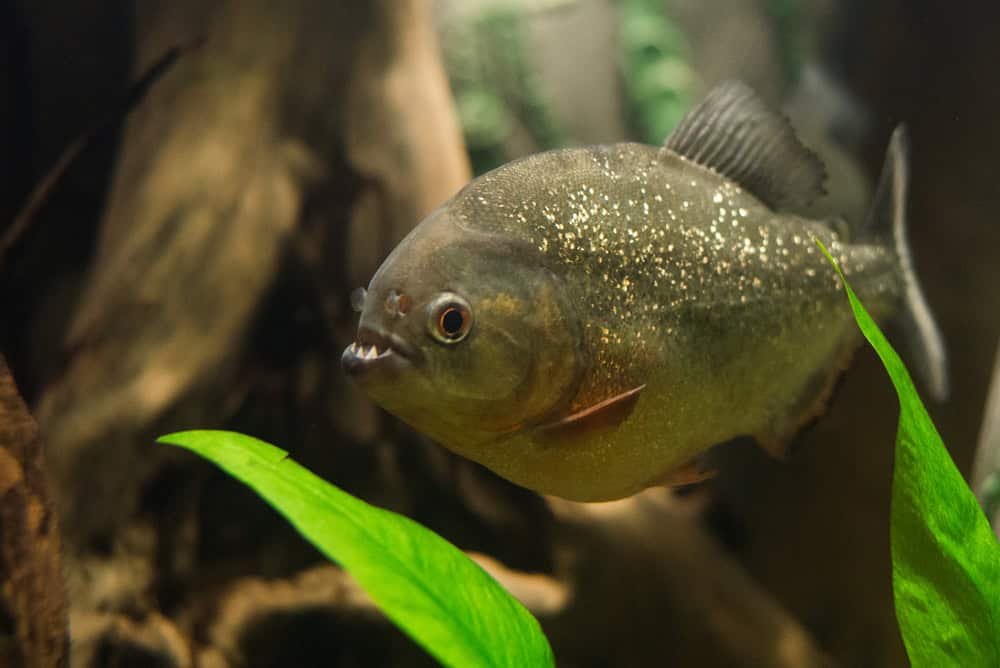
Piranhas get such a bad reputation in films. Just look at Piranha 3D, for example, which features prehistoric piranhas being released into a tourist-filled lake. These fish start tearing through swimmers and stripping flesh from their bodies within seconds.
There’s no way that would happen. Real piranhas are far less aggressive toward humans than Hollywood suggests, and there would need to be hundreds of them to eat a fully grown human in five minutes. They probably wouldn’t do that, though, they prefer smaller prey.
The villain swallowed by the ground

Quicksand is another thing with a terrible reputation in the movies, and 1936’s Tarzan Escapes is a great example of that. We see Captain Fry trying to attack Tarzan and falling into quicksand. It only takes a few seconds for him to disappear completely beneath the surface.
Real quicksand isn’t like that. Humans are generally too buoyant to sink entirely into it, and even if you struggle, it’s highly unlikely you’ll go completely under. You’re more likely to be hurt because your legs got trapped in it.
Sources: Please see here for a complete listing of all sources that were consulted in the preparation of this article.
14 famous people who died in the strangest ways
Some of the most famous people in the world are the same ones who died in very odd, and sometimes unbelievable, ways.

