

History books glamorize brilliant strategies, but the destiny of nations has often changed due to simple human error.
The Wuchale treaty
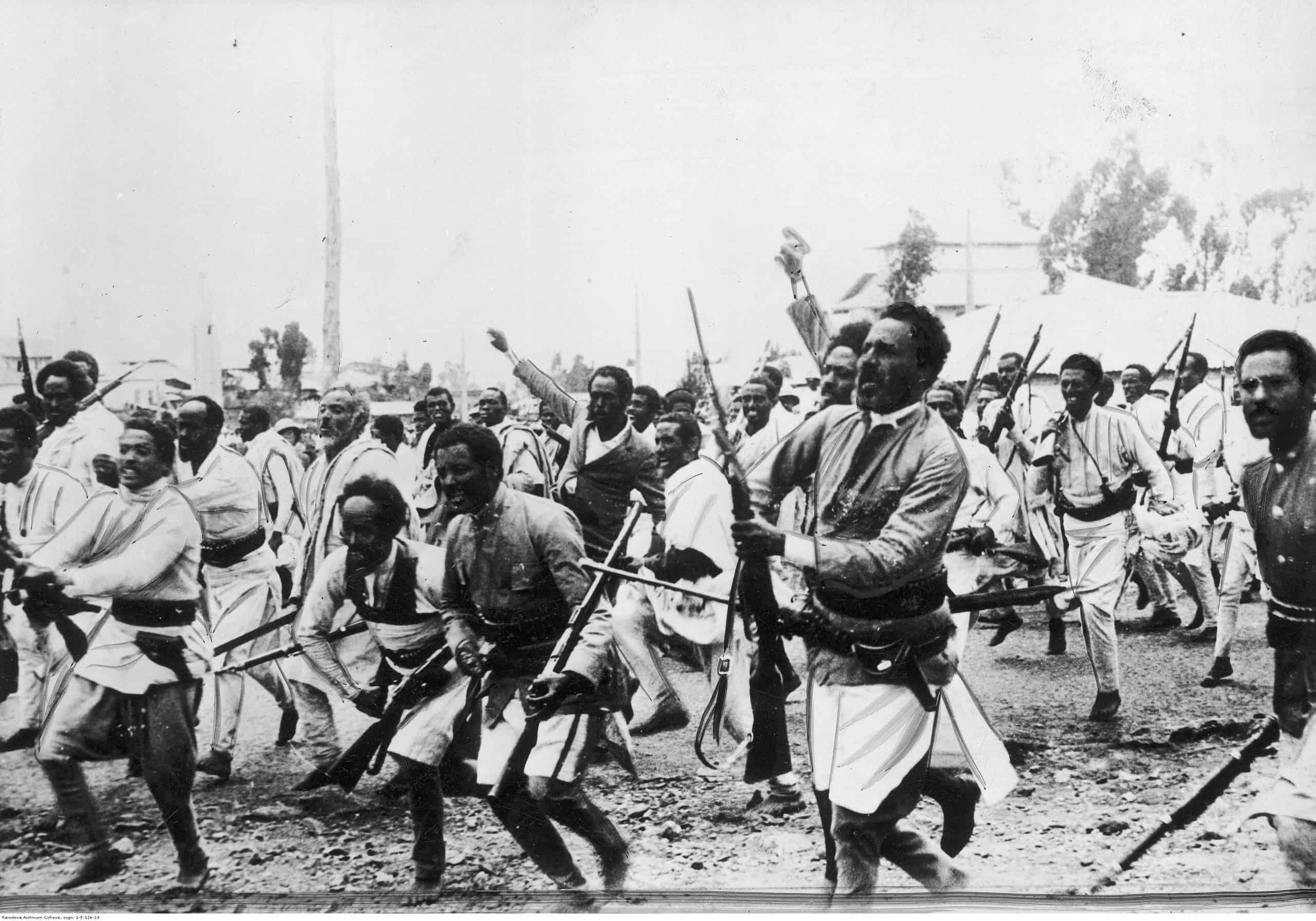
Italy and Ethiopia signed a treaty of friendship with each nation believing they had signed the same document.
However, Article 17 of the treaty was worded differently in Italian and Amharic: The Amharic text declared Ethiopia’s obligation to handle foreign affairs via Italian diplomatic channels, whereas the Italian version stipulated that this was merely an option available to Ethiopia.
This effectively positioned Ethiopia as an Italian protectorate legally, unbeknownst to Emperor Menelik II. Diplomatic ties quickly ended after the discovery of the fraud, starting the First Italo- Ethiopian War and leading to the Battle of Adwa.
The wrong words
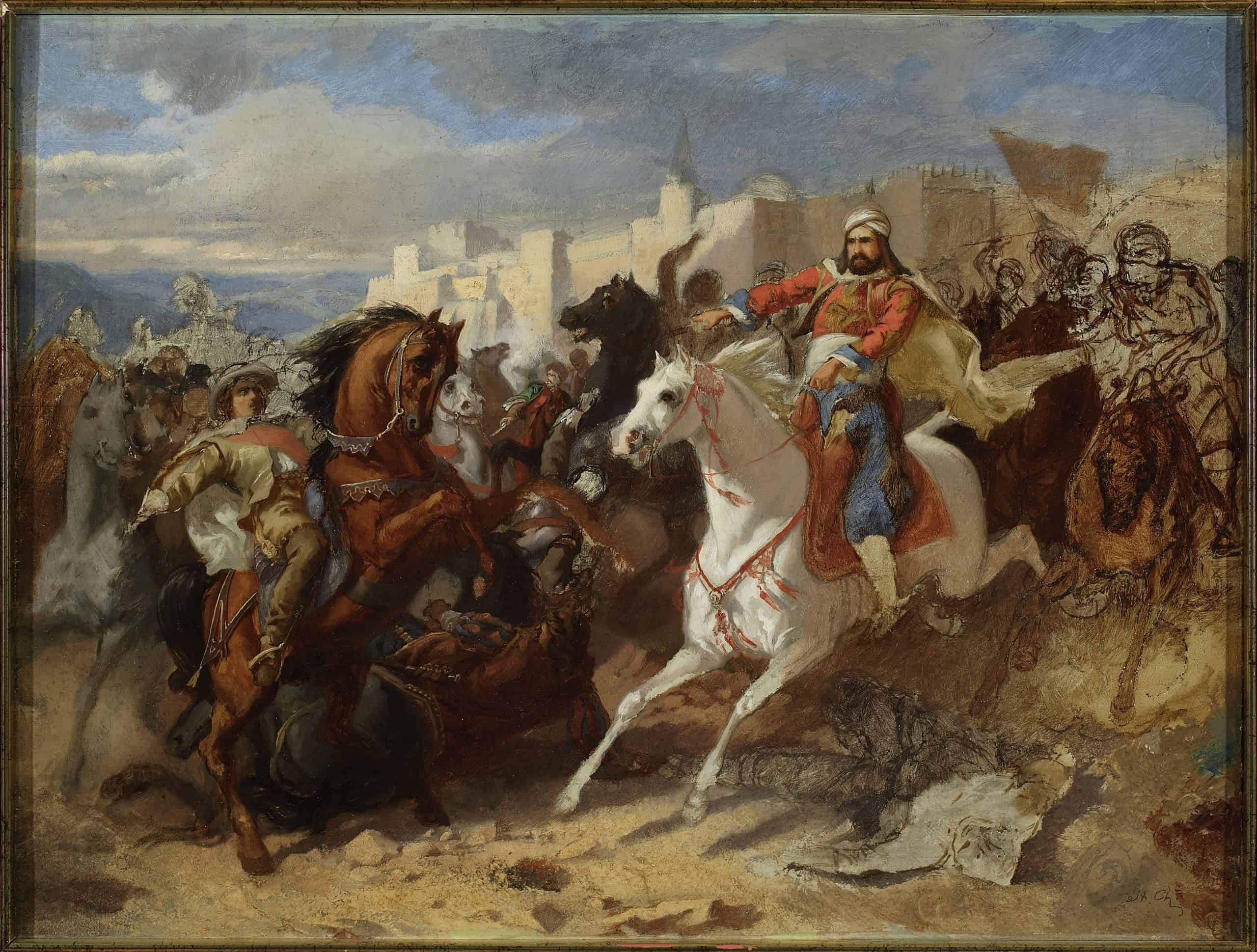
At Karánsebes, during the Austro-Turkish war, internal yelling and language barriers literally caused an army to tear itself apart before the enemy showed up. It started with two drunk Austrians arguing over water; one was cavalry, the other infantry.
The fight turned physical and someone shouted that Turks were attacking. Unfortunately for Austria, its army was a collection of Germans, Hungarians, Romanians, and Slavs, so soldiers who didn’t speak German thought the army was shouting “Allah! Allah!” when they heard commands to stop (“Halt! Halt!”).
In panic, the entire army stampeded away from the nonexistent threat, leading to thousands of friendly-fire deaths. When the Ottoman forces arrived a few days later, the city was completely empty.
The Medicine Creek treaty
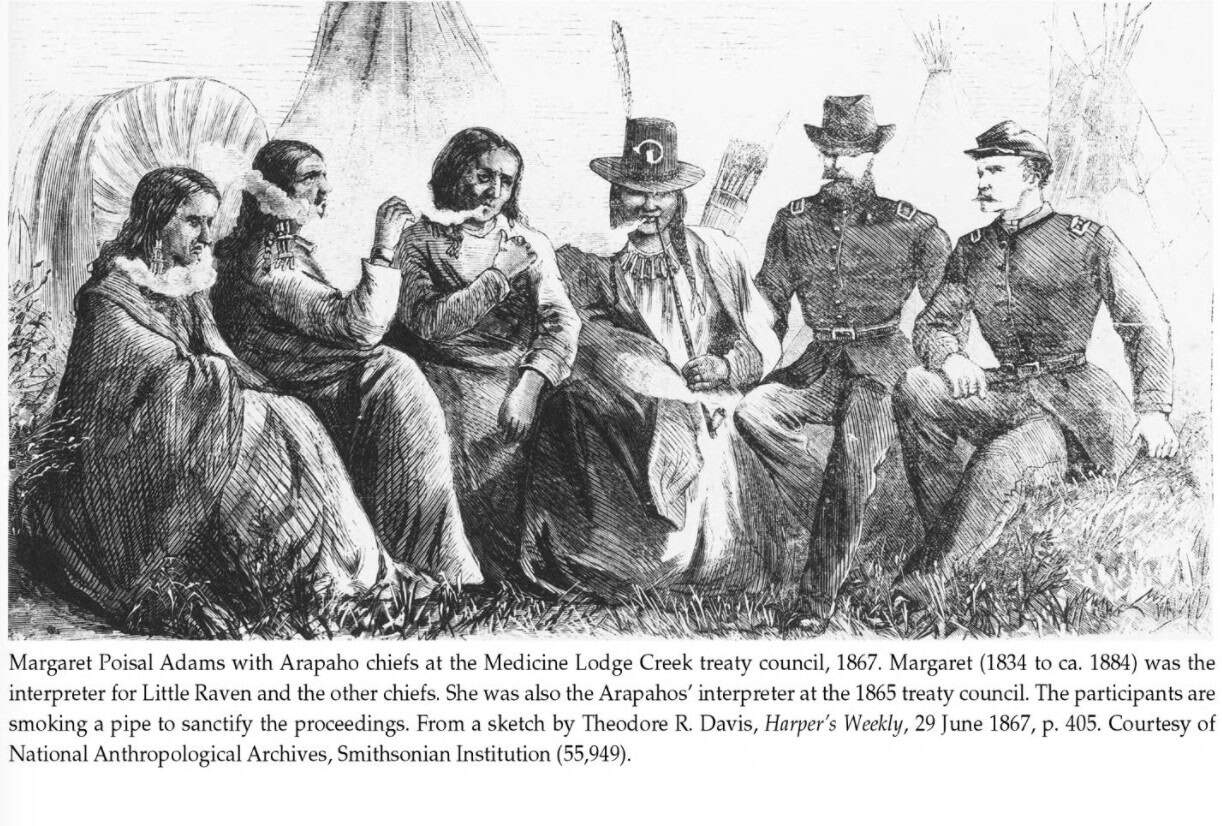
Territorial governor Isaac Stevens wanted millions of acres from Native tribes living around Puget Sound. What makes this treaty negotiation so bizarre is that every part of the process was conducted through Chinook Jargon.
This limited trade pidgin had less than 500 words and no way to translate intricate English law terms like “land title,” “sovereignty,” or “jurisdiction.” Native leaders thought they were signing a treaty to share usage of tribal fishing sites, while the US believed they had just signed away their territory for perpetuity.
This disastrous structural communication gap ignited the Puget Sound War and formed treaty disputes still affecting the Pacific Northwest today.
Swedish warship Vasa
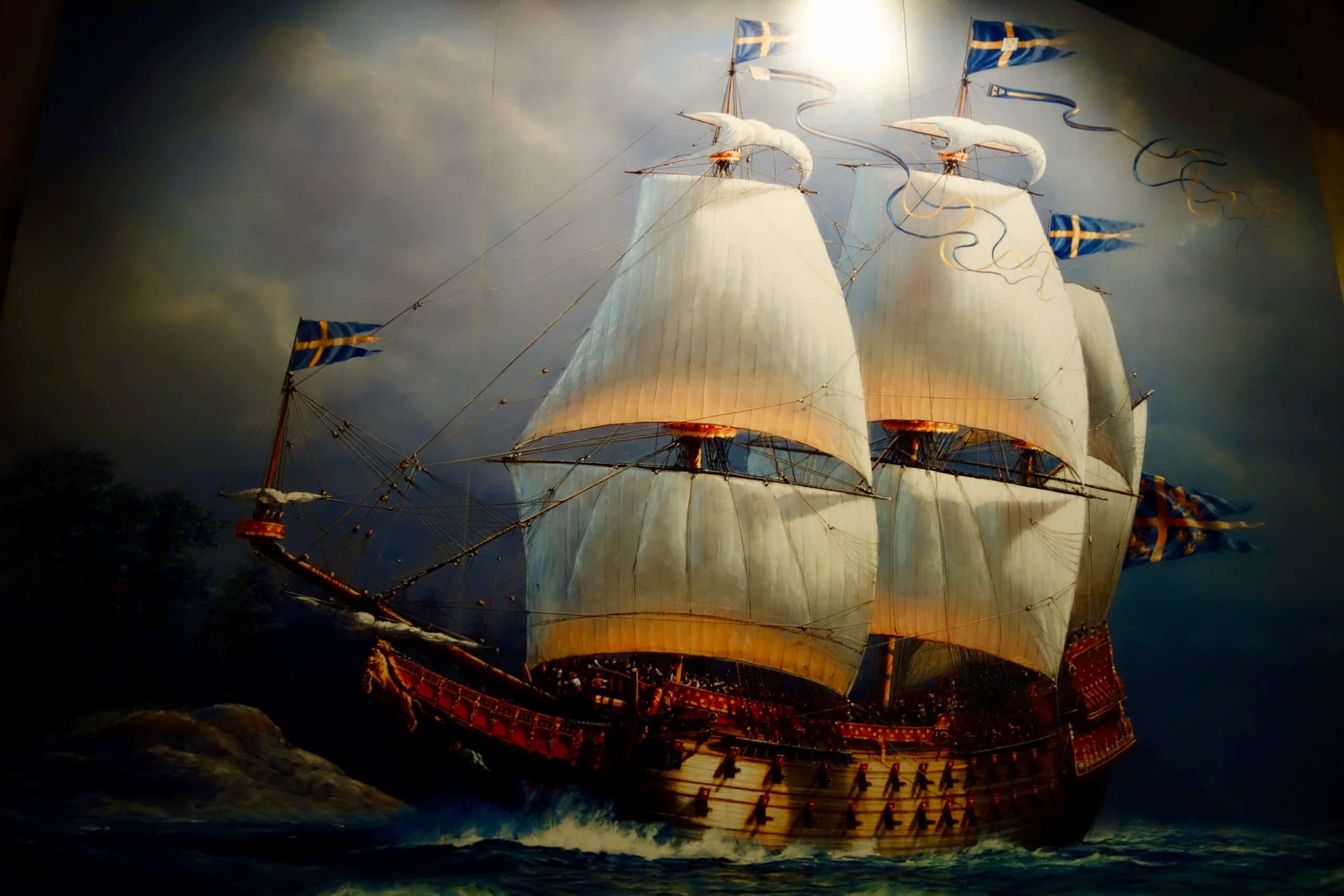
One possible reason why Sweden’s pride and joy sank less than a mile into its first voyage was its non-standardized measurement. Upon its recovery, it became clear the ship had been constructed deliberately unbalanced, with greater structural weight concentrated on the port side than the starboard.
Two rulers adhered to Swedish feet (a 12 inch division) and two utilized Amsterdam feet (11 inch division).
The master shipwright’s verbal instructions, unfortunately, resulted in timber of varying thicknesses being used, creating a dangerously unbalanced vessel that couldn’t handle even a gentle harbor gust.
Lifting of the Berlin wall (1989)
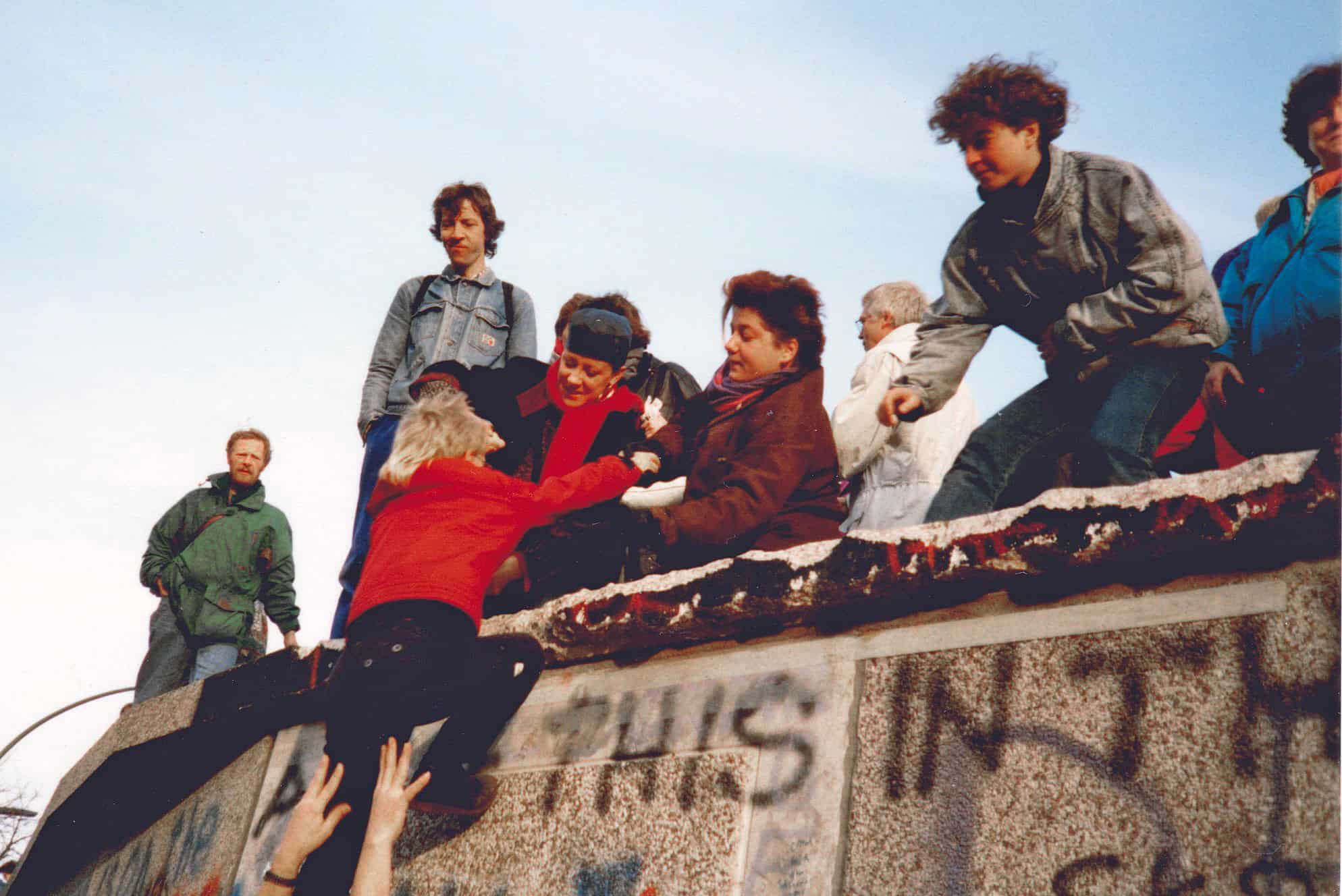
The Berlin Wall came down because someone stumbled through a press conference announcement before the paperwork had been properly distributed.
Günter Schabowski, a member of East Germany’s cabinet, was given a note about travel policy changes moments before a press conference. He missed a briefing earlier in the day that explained the government would continue to process visas in an orderly fashion in the days to come.
When asked about the timeline for the new policies, Schabowski fumbled through his documents and mistakenly declared they were in effect “immediately.” Border guards, having received no instructions, opened the gate.
The unread note (Trenton)
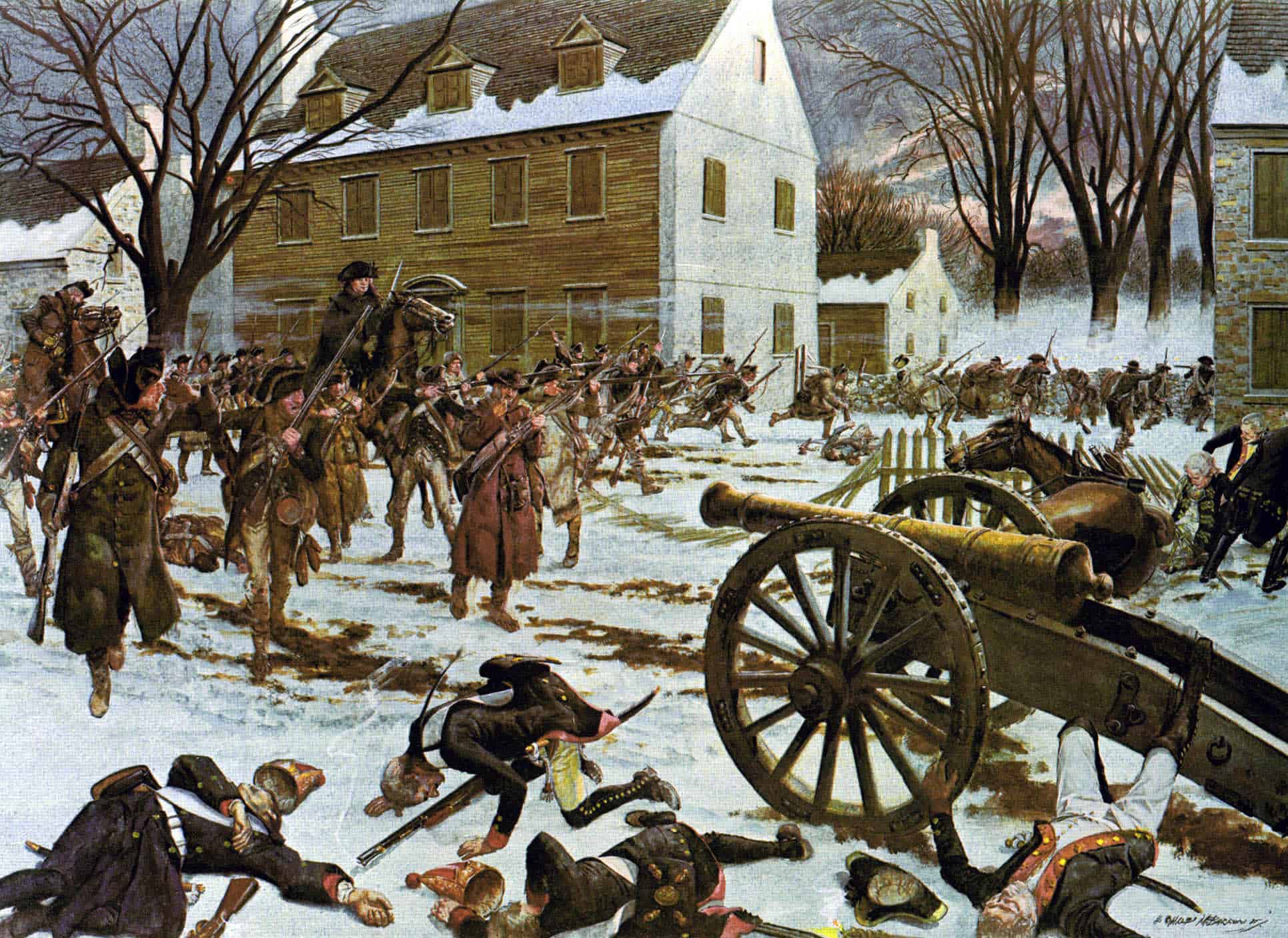
On Christmas night during the Revolutionary War, a British loyalist stumbled upon George Washington’s clandestine scheme for a surprise assault on Trenton. He crossed the Delaware River to Trenton with the information but arrived at the Hessian commander Colonel Johann Rall’s headquarters too late to deliver the message.
Rall was drinking and playing cards, and tossed the message in his pocket without reading it. He planned on reading it when the game concluded.
The following morning, Washington’s assault unfolded flawlessly, delivering a crucial surge of confidence to the burgeoning American fight for independence.
The Franco-Prussian war (1870)
Desiring to start a war that would unite Germanic states, Prussian Chancellor, Otto von Bismarck edited a telegraph.
The message, known as the Ems Dispatch, was a diplomatic report sent to Bismarck after King Wilhelm I had a civil conversation with the French ambassador. Bismarck changed the wording of the message before publishing it to the media.
His edits made it seem like both men insulted each other viciously and then quickly departed. Citizens of Paris and Berlin were rightfully insulted by this perceived diplomatic insult.
Just two days later, France declared war which started the Franco-Prussian War, destroyed the French Empire, and unified Germany.
Martian canals

Italian astronomer, Giovanni Schiaparelli, was making maps of Mars when he noticed the planet seemed to have long linear scars in its crust.
Schiaparelli documented these features in his notes, calling them canali (kah-NAL-ee), the Italian term for natural channels. In English however, this word was mistranslated to mean canals. Canals (with an ‘a’) means waterways that are artificially constructed by intelligent beings.
This linguistic mix-up spurred wealthy American astronomer Percival Lowell to pour his fortune and efforts into establishing observatories to chart a non-existent Martian civilization. This widespread fascination would permanently alter science fiction and spark initial public and institutional backing for space exploration.
Mokusatsu
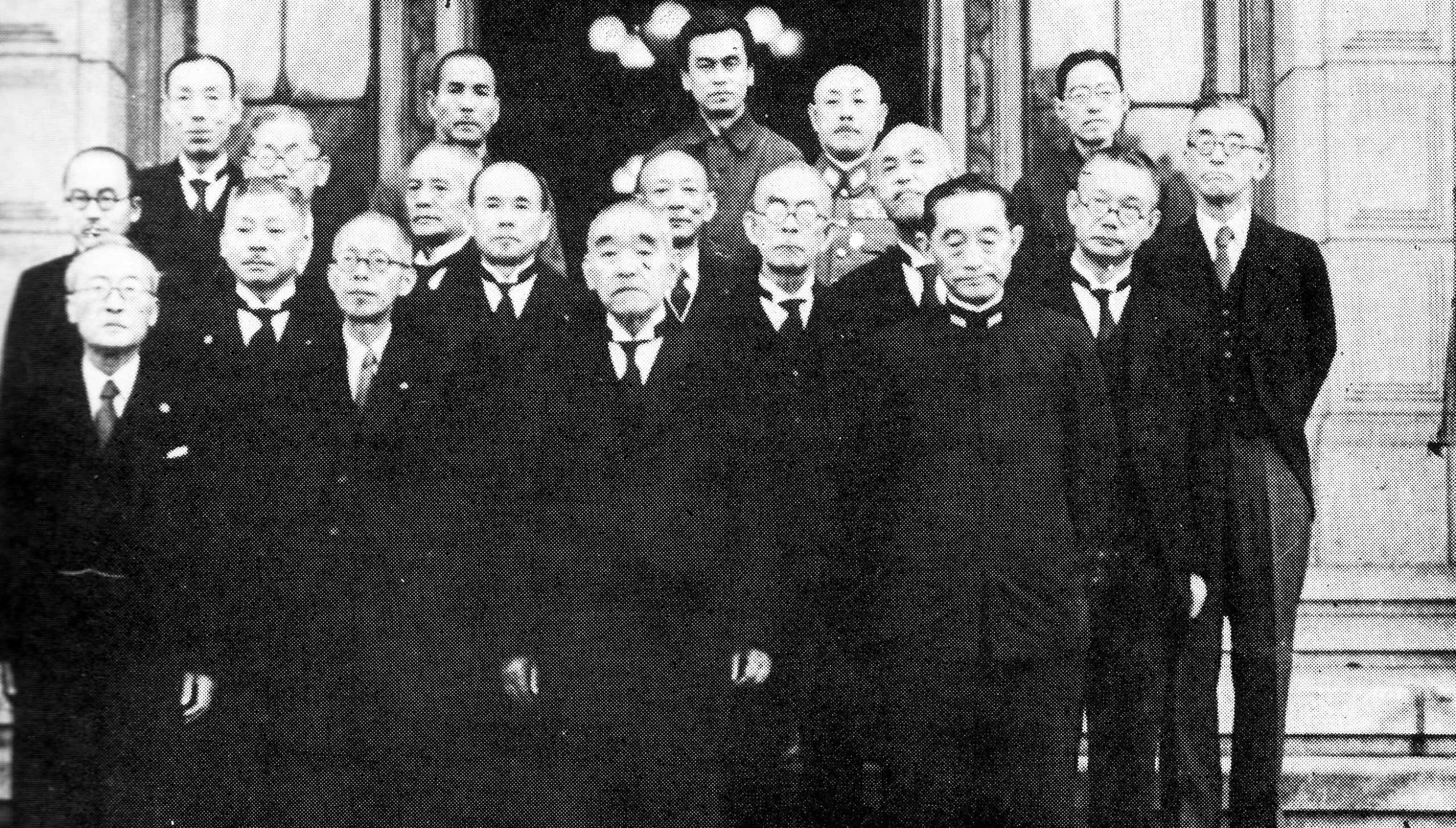
Near the end of World War II, the Allies demanded the Japanese Empire surrender unconditionally through the Potsdam Declaration.
Japanese prime minister, Kantaro Suzuki, refused to answer questions from reporters about the Empire’s decision, claiming they were waiting to see the response of the Japanese people before giving an answer.
He then explained his cabinet was responding with mokusatsu, which means either “withholding comment” or “silent contemplation.” International translators, however, interpreted the word through its alternative definition: “to treat with silent contempt” or “ignore.”
The US government saw it as a respectful but definitive rejection of their demand, hastening the decision to drop nuclear bombs on Hiroshima and Nagasaki.
The fall of Tenochtitlan (1519)

When Hernán Cortés and his men entered the Aztec Empire, most dialogues had to go through multiple translators. Cortés would speak Spanish to a priest, who would translate it into Mayan.
The Mayan translation would then get translated into Nahuatl by an Indigenous woman named Malintzin for Moctezuma II to understand. Some meanings were lost through these translations.
The Aztecs called the foreigners teule, a word that meant powerful beings or some unknown power. The Spanish mistook it to mean “gods.” They thought the Aztecs were afraid of them and treated them like gods. The false belief gave them more courage to venture farther into the empire.
The Tenerife airport disaster (1977)
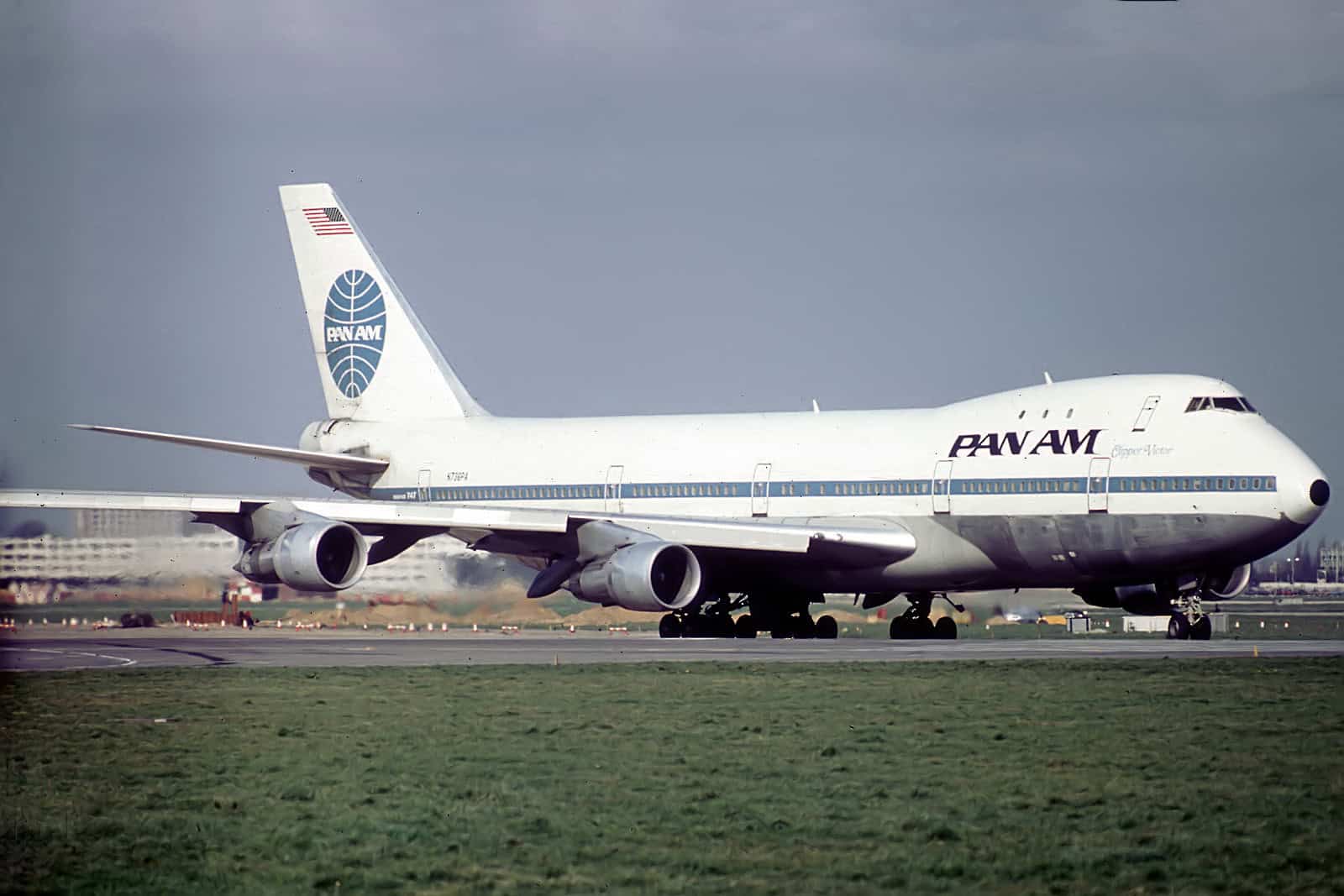
The worst plane crash of all time occurred after a pilot misheard an air traffic controller over the radio. The captain of KLM Flight 4805 thought he was cleared for takeoff, but had not actually received clearance from the control tower.
Meanwhile, as the tower replied, Pan Am Flight 1736 reported its continued presence on the runway. Their messages collided in midair, causing a pop of static that interrupted part of the controller’s message.
The pilot thought he had a clear runway and took off in heavy fog. His aircraft crashed into the Pan Am jet, killing 583 people.
Nikita Khrushchev’s phrase
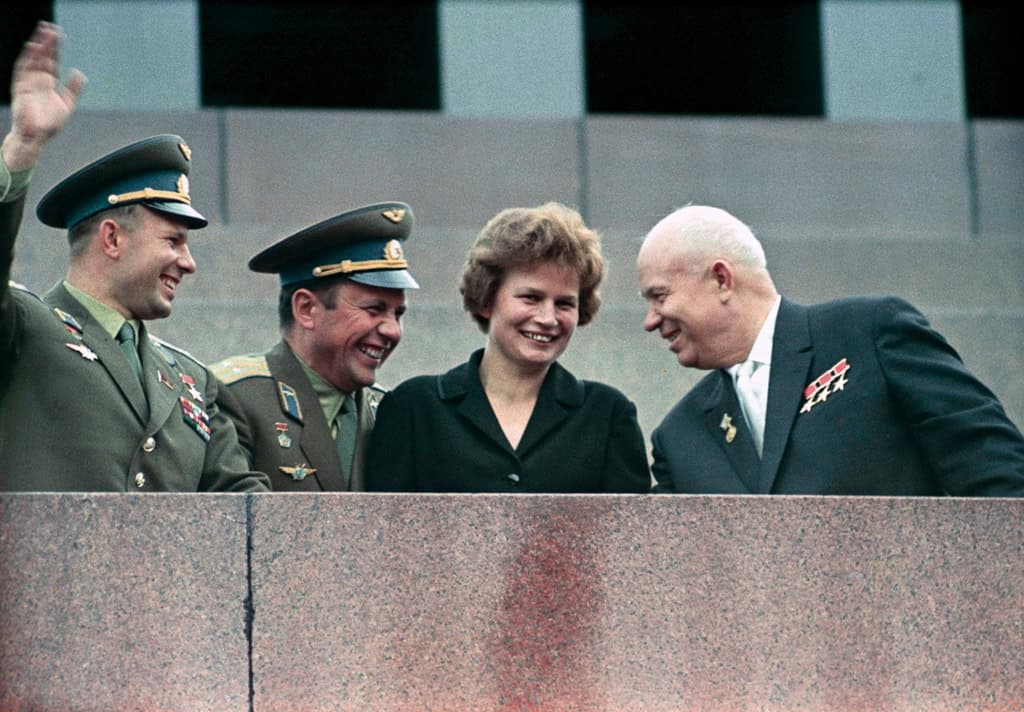
Speaking to a group of western diplomats, Nikita Khrushchev said, “My vas pokhoronim.” It was a Russian proverb meaning that communism will outlive capitalism eventually.
However, when translated to English, it said, “We will bury you.”
Many people believed it was a threat of nuclear attack rather than a figure of speech. This caused more panic throughout the west which further intensified Cold War tensions.
Jimmy Carter’s speech

Jimmy Carter was visiting Poland. His translator did not know up-to-date Polish too well. Carter kicked off his address by stating his desire to understand the Polish people’s aspirations for what lay ahead.
The interpreter told the people Carter had abandoned America forever and had desires for them. Furthermore, a translation mishap caused Carter’s praise for Poland’s constitution to come across as an insult.
The crowd started laughing and the tragicomical translation errors overshadowed the reason for the visit.
Loss of Mars climate orbiter (1999)
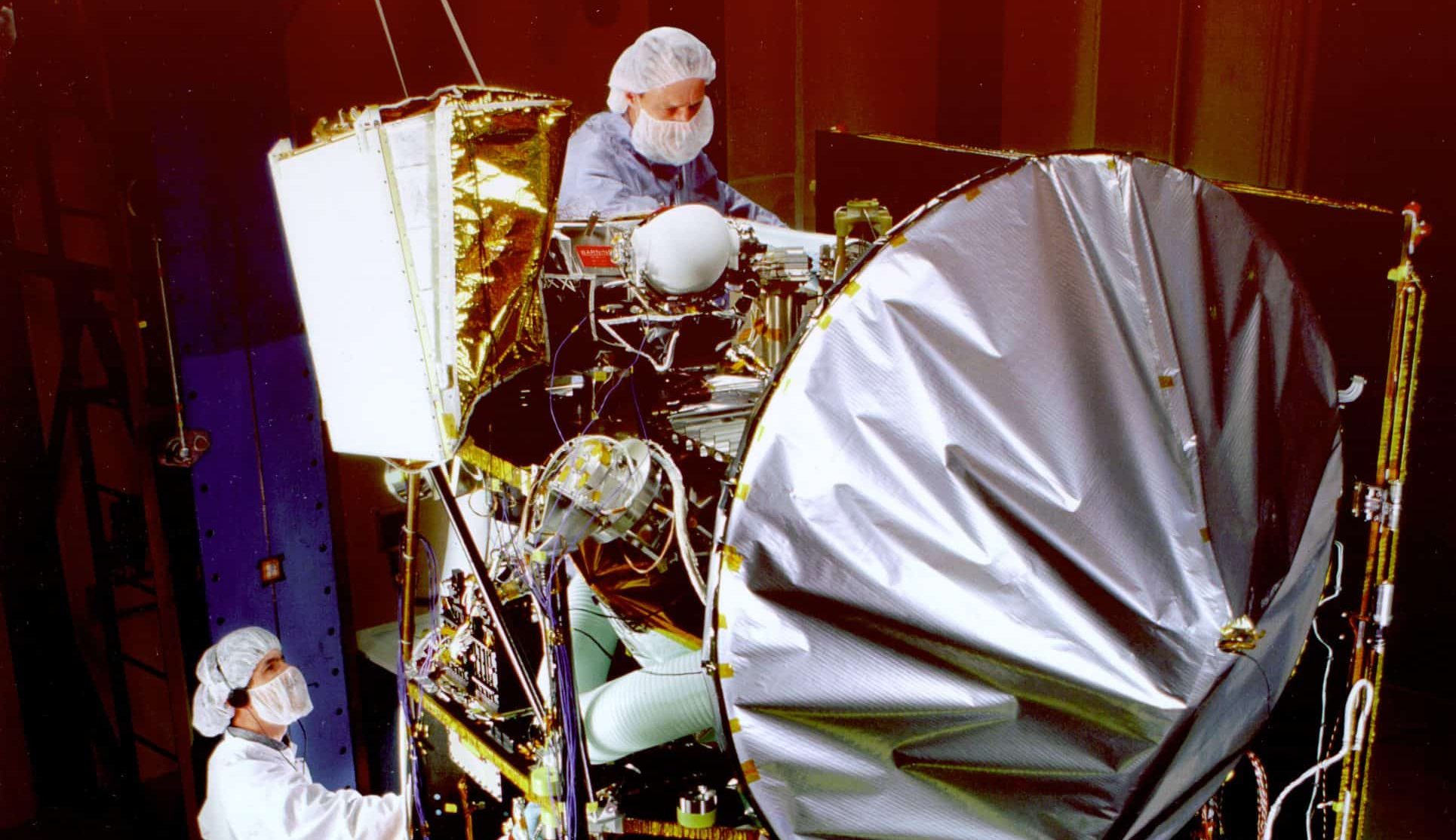
NASA lost control of the Mars Climate Orbiter because two teams of engineers used different units of measurement.
Lockheed Martin’s engineers worked out the spacecraft’s thrust in imperial units, while NASA, on the other hand, assumed metric was the standard. And the error went unnoticed until the thruster data was received.
When the probe arrived at Mars, it flew significantly lower than planned. It attempted to enter the Martian atmosphere at the wrong altitude and burned up.
The Charge of the Light Brigade (1854)
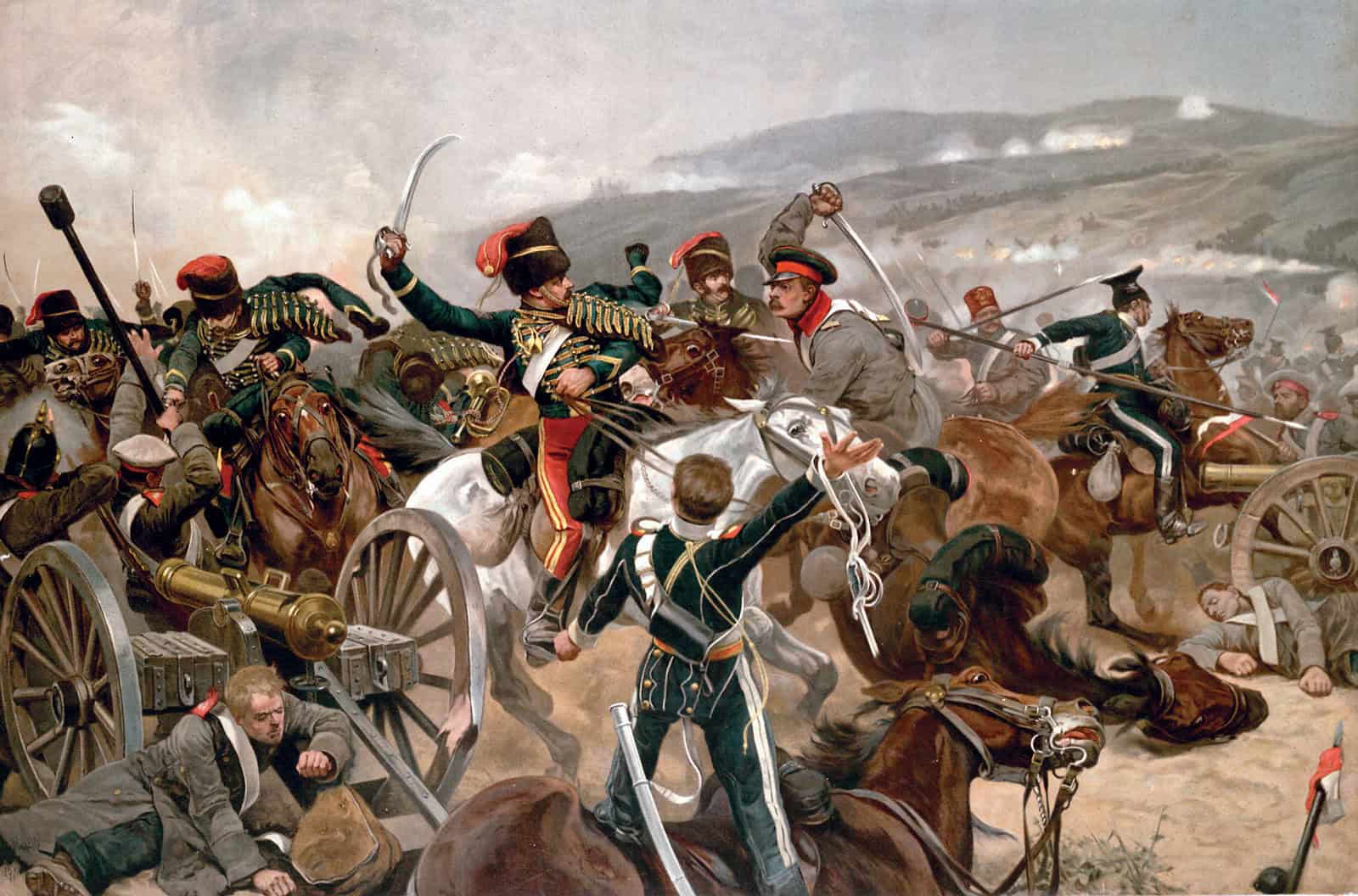
Lord Raglan was watching the Battle of Balaclava from a hill. He instructed his cavalry to attempt to stop the Russians from taking away certain captured artillery pieces.
Unfortunately, his order did not specify which guns. From their vantage point, the cavalry’s view was limited to Russian artillery units heavily fortified at the valley’s far end.
Mistaking those cannons for the intended targets, they rode directly into the Russian artillery. The charge failed miserably, costing the British hundreds of casualties in minutes.
Sources: Please see here for a complete listing of all sources that were consulted in the preparation of this article.
Like our content? Be sure to follow us.
10 women who earned their place in history by being ‘evil’
Throughout history, women who have overcome stereotypes and expectations to take power for themselves often earn evil or bad because they refused to just exist peacefully on someone else’s terms.

