

These women were given an opportunity that would change their lives forever: widowhood.
Barbe-Nicole Clicquot (Veuve Clicquot)
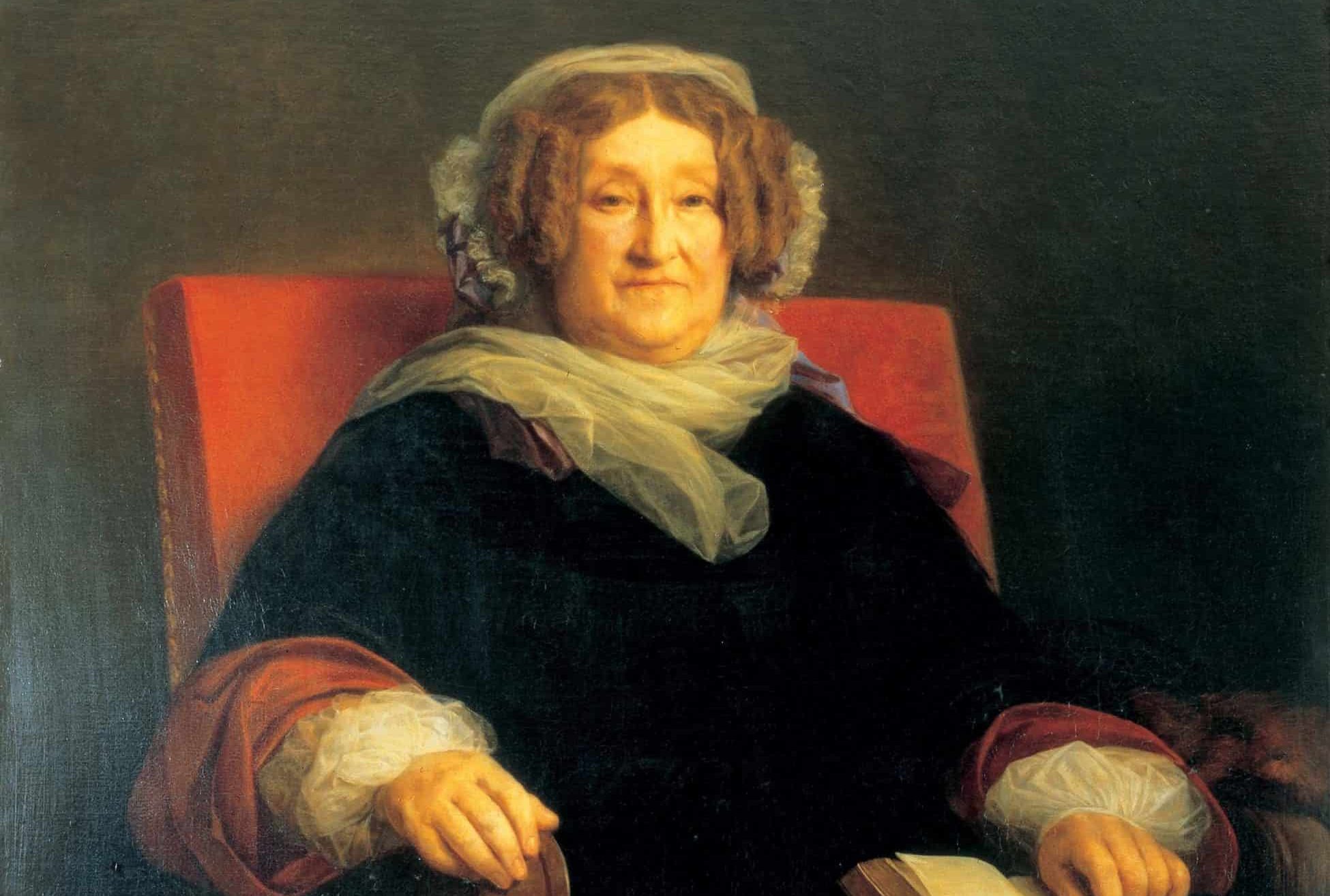
Widowed at the age of 27 when her husband died of typhoid in 1805, Barbe-Nicole Clicquot didn’t want her family’s wine business to collapse. French law allowed widows to assume control of their husband’s companies, so Clicquot took charge.
She expanded the company during the height of the Napoleonic Wars and found creative ways to ship her champagne throughout Europe. She also improved the technique of riddling, which clarified champagne and prevented it from becoming cloudy.
By the time of her death, she had grown her husband’s small company into a world-renowned champagne house.
Keawemahi (Emelia Keaweamahi)
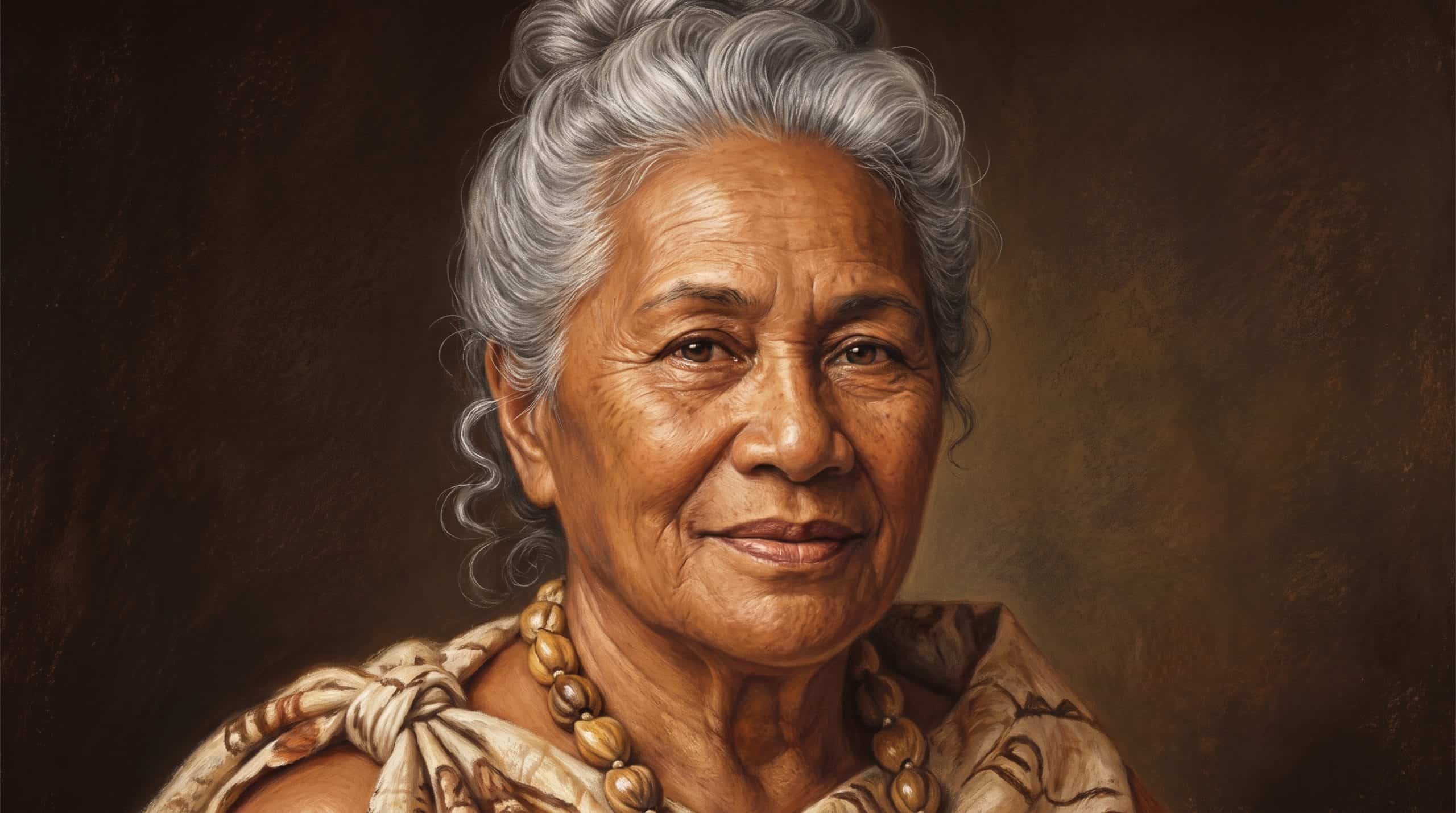
When her husband, High Chief Kaikioʻewa, passed away in 1839, Keawemahi didn’t retire from public life.
The Hawaiian Kingdom named her Governor of Kauaʻi, where she then managed the island’s land, courts, and administration.
She also interacted with foreign traders at a time of increasing foreign pressure. Her calm leadership maintained stability on the island.
Margaret Hardenbroeck
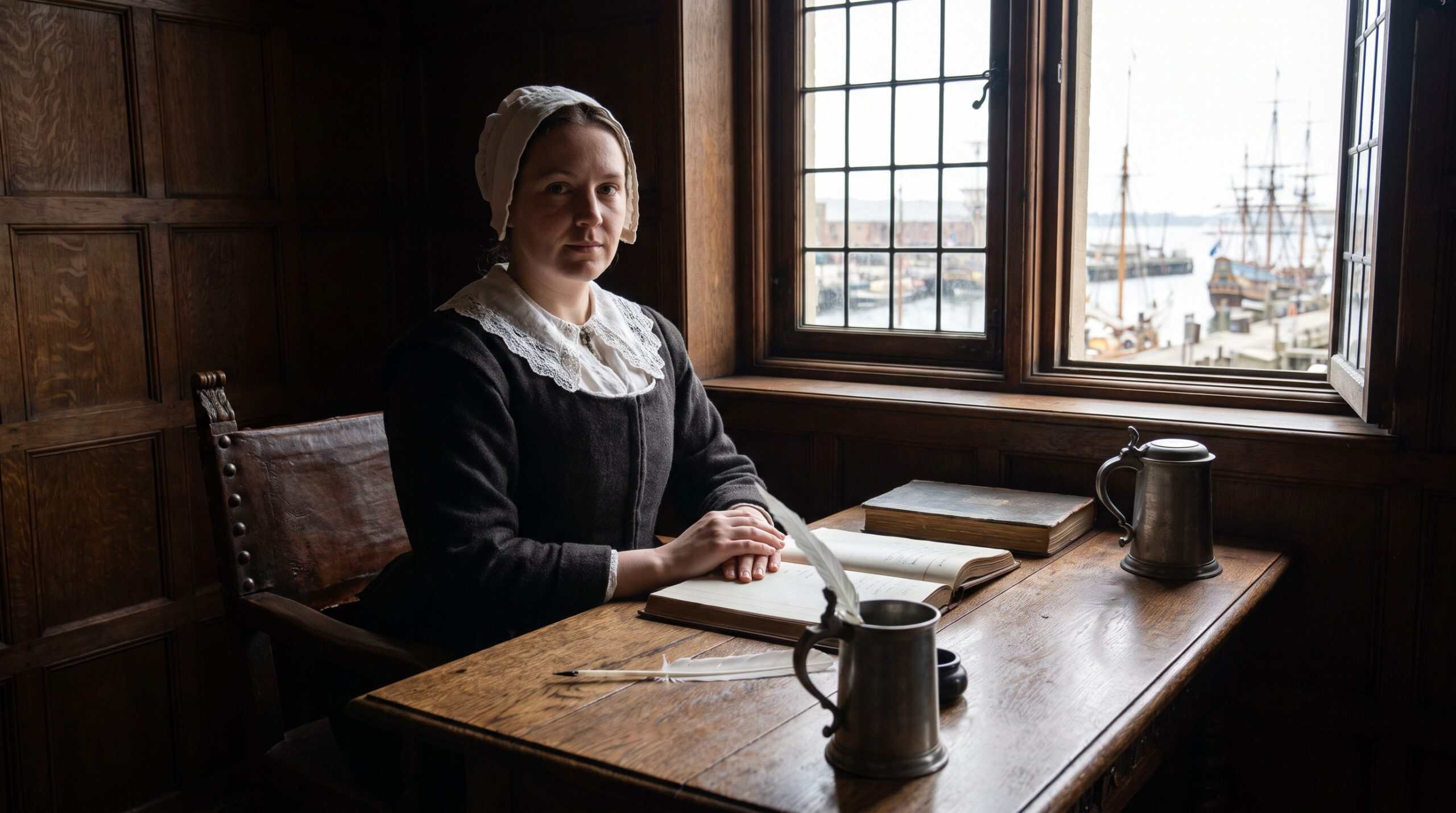
Upon the death of her husband in 1661, Margaret Hardenbroeck seized the opportunity afforded to her by Dutch laws allowing widows to control their own property and businesses.
She became an importer and exporter of goods to and from Europe and the American colonies through her successful ship owning and merchant business. During this same time period she heavily invested in Manhattan real estate.
Soon Margaret Hardenbroeck became one of the wealthiest and most prosperous businesswomen in colonial New York.
Elizabeth Timothy
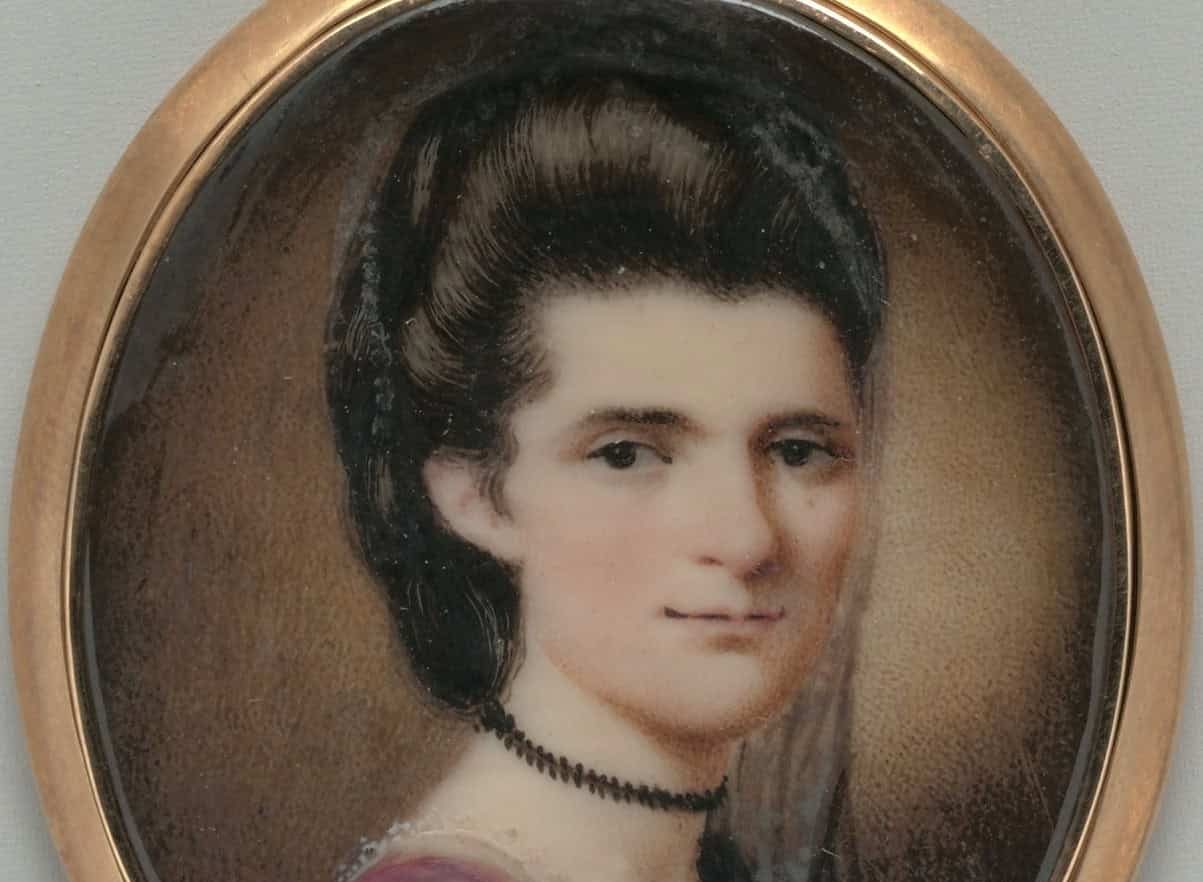
When her husband died in 1738, Elizabeth Timothy assumed control of the South-Carolina Gazette. She became the first woman to edit and publish a newspaper in colonial America.
Legally able to conduct business as a widow, she upheld the newspaper’s existing partnership with Benjamin Franklin. Later, Franklin would praise her sharp business sense and precise record-keeping.
She continued to run the successful paper for years before opening a profitable bookstore.
Marie-Anne Pierrette Paulze (Madame Lavoisier)
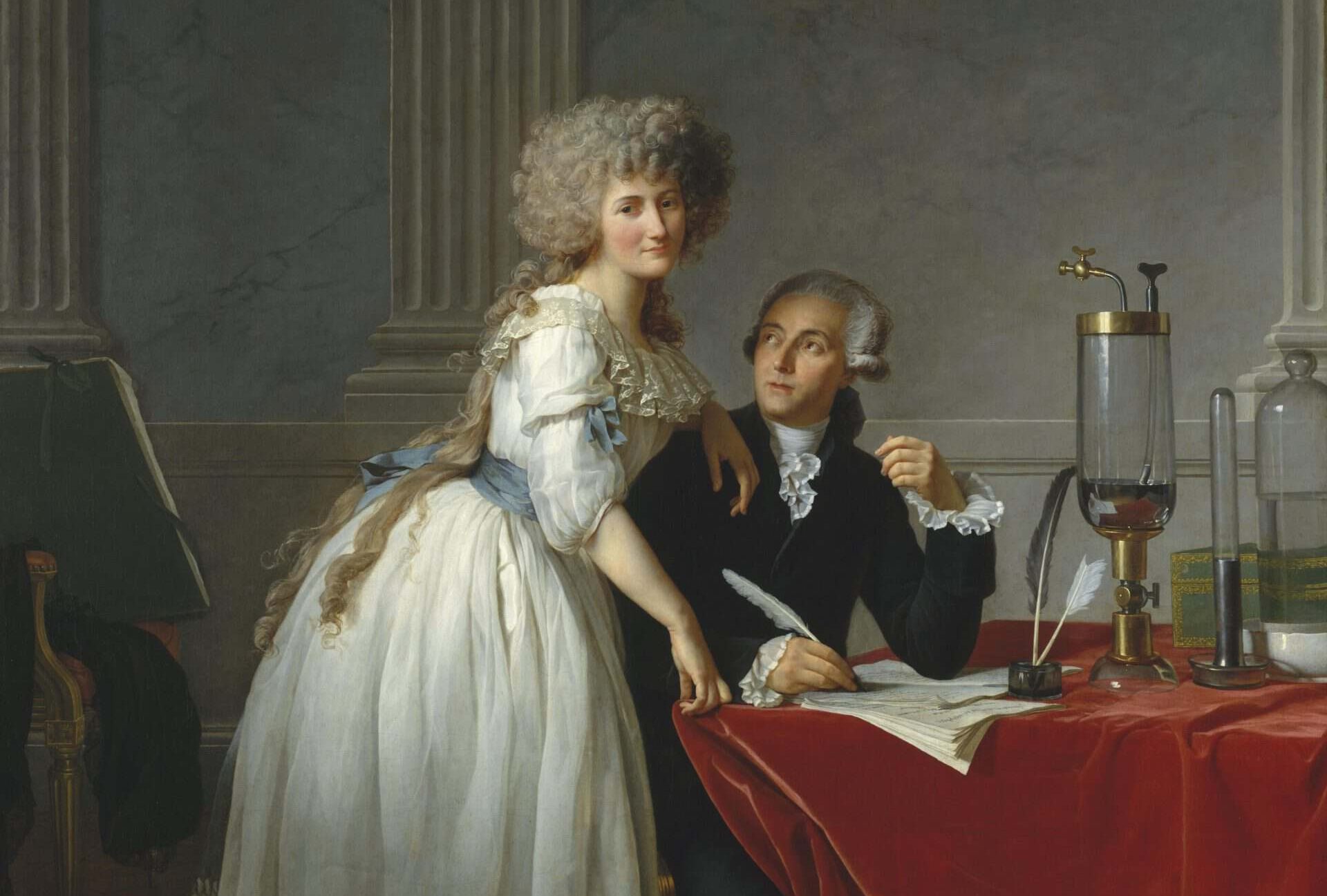
When Marie-Anne’s husband was executed in 1794 during the Reign of Terror, she lost almost everything. She had to petition the government to restore his scientific notes and laboratory apparatus.
She edited, translated, and published his findings which included some of the most significant advancements in modern chemistry.
Sarah Breedlove (Madam C.J. Walker)
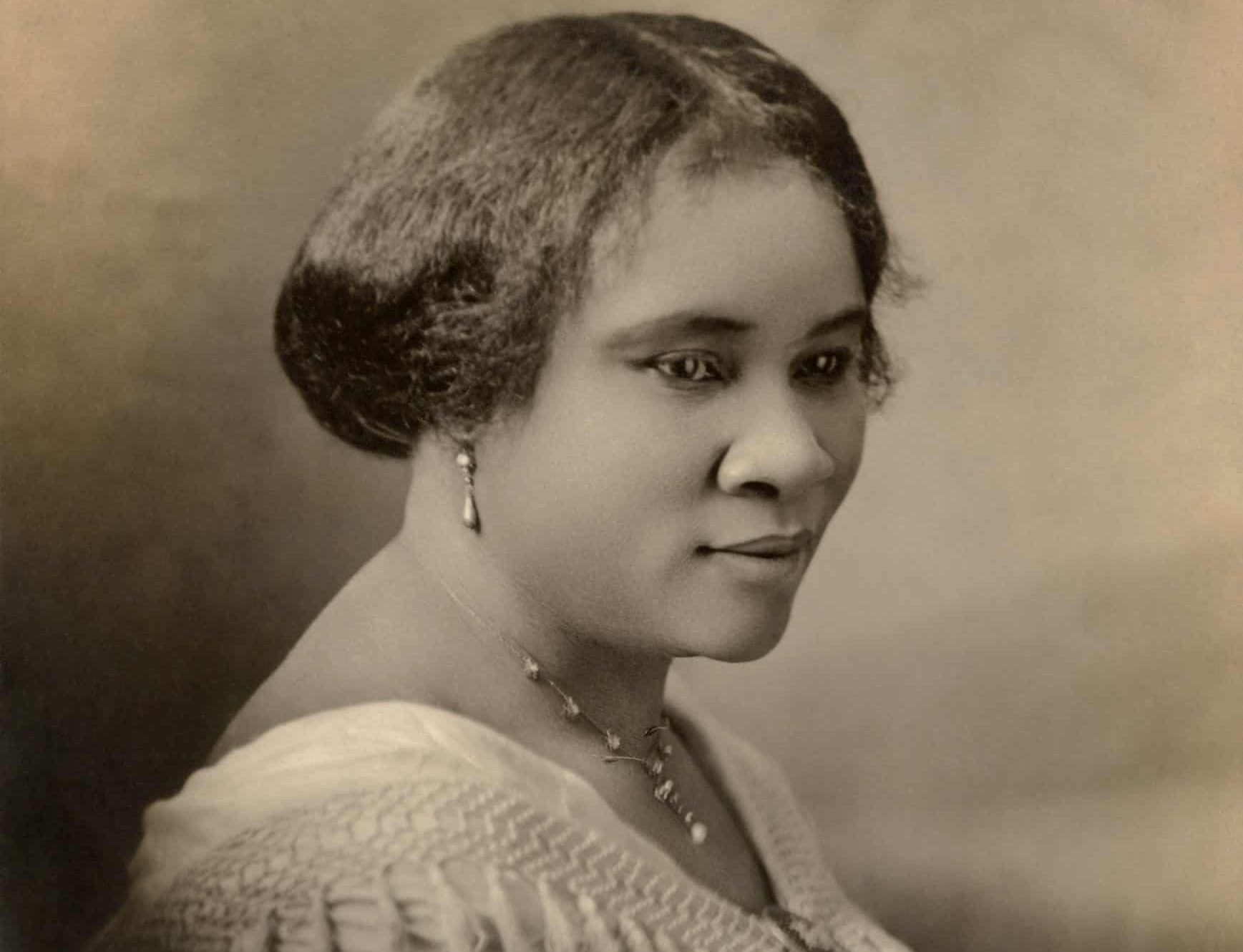
Married at age 14 and widowed by 20 with a young daughter to support, Sarah worked as a laundress for almost 20 years, earning a few pennies a day.
She suffered from a scalp condition which left her bald and experimented with chemicals until she discovered a formula that would regenerate her hair. She turned her formula into a billion-dollar door-to-door sales empire from scratch, hiring thousands of black women to be her independent sales agents.
At a time when most women had few opportunities for financial independence, Madam C.J. Walker gave them an opportunity for economic empowerment. Possessing a keen business mind, she was the first woman in the U.S. to build a fortune and become a millionaire all on her own.
Mary Ann Shadd Cary
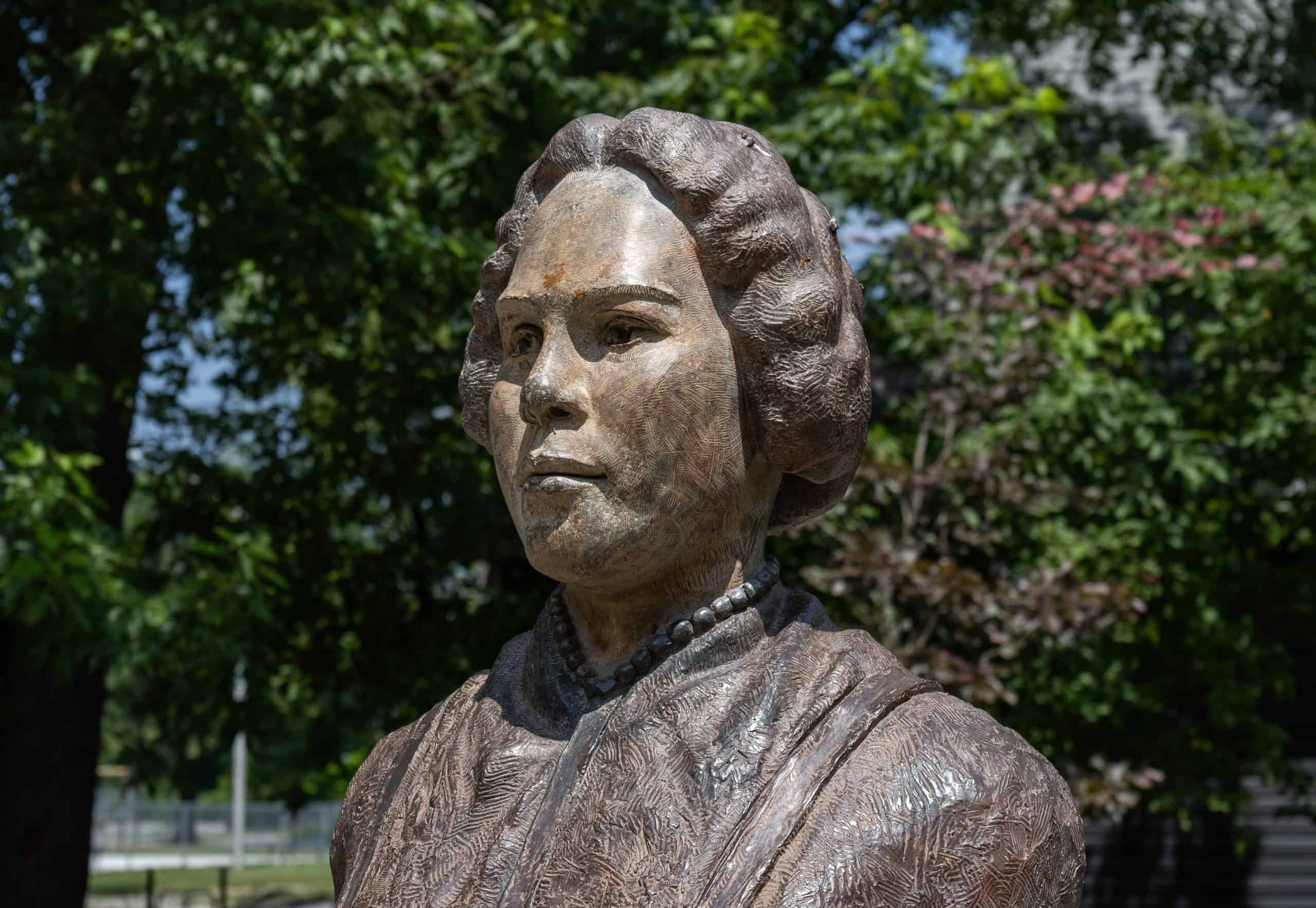
After her husband died in 1860, Mary Ann found herself widowed with two children to care for in a time of great racial and political division.
While she had already been a vehement activist, she decided to use her pain to destroy systemic barriers by publishing a weekly newspaper, becoming the first black woman to do so in North America.
Her publication focused on abolitionist voices, giving fugitive slaves and other Black people looking for citizenship in Canada a platform. She later became one of the first black women lawyers in the United States.
Glikl bas Judah Leib (Glückel of Hameln)
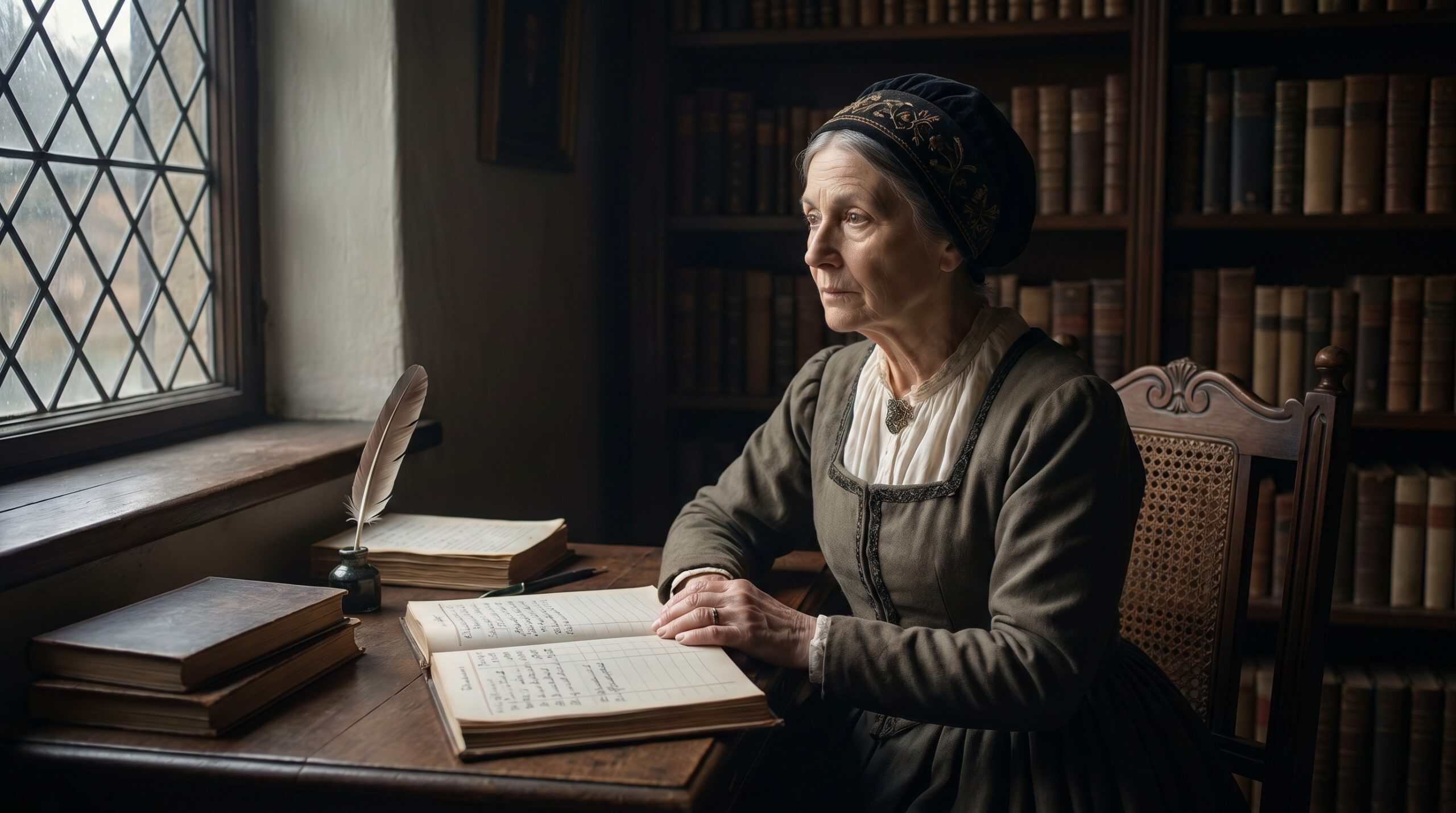
Glückel of Hameln was suddenly responsible for her family and their business when her husband died in 1689.
Rather than pass the business off to someone else to run, she traded pearls and gold throughout Europe. Glückel attended the largest trade fairs, made deals with merchants, and operated the company for years.
She even wrote memoirs that detail her life as a working woman in early modern Europe.
Mary Spratt Provoost Alexander
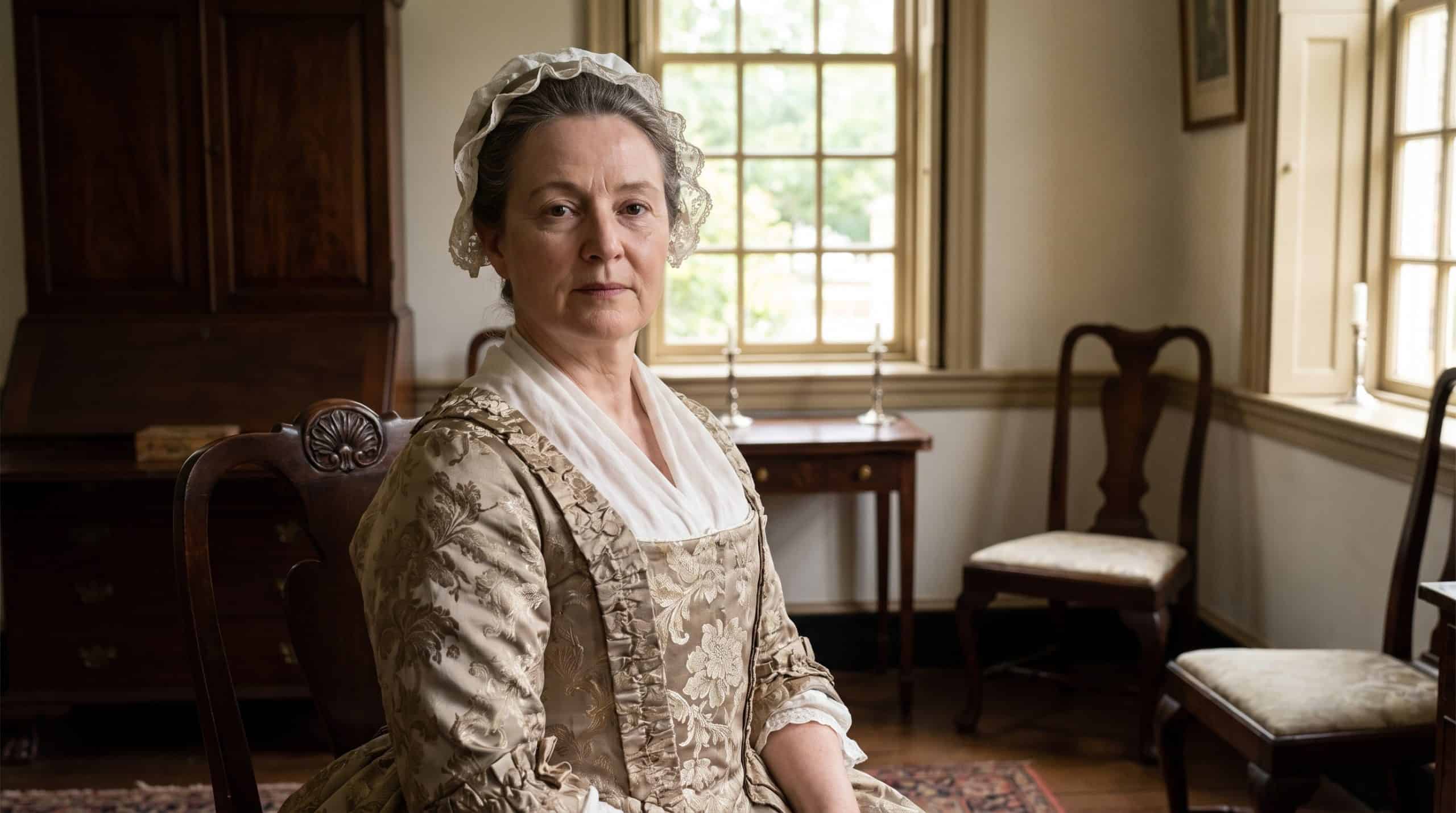
Mary Spratt Provoost Alexander ran her first husband’s trading business in New York after he died in 1719. Dutch laws allowed her to own property and take control of her husband’s business.
She was one of the wealthiest merchants in the colony and paved the first sidewalk in Manhattan outside of her store. Mary continued to run her own business after marrying again.
Sayyida al-Hurra
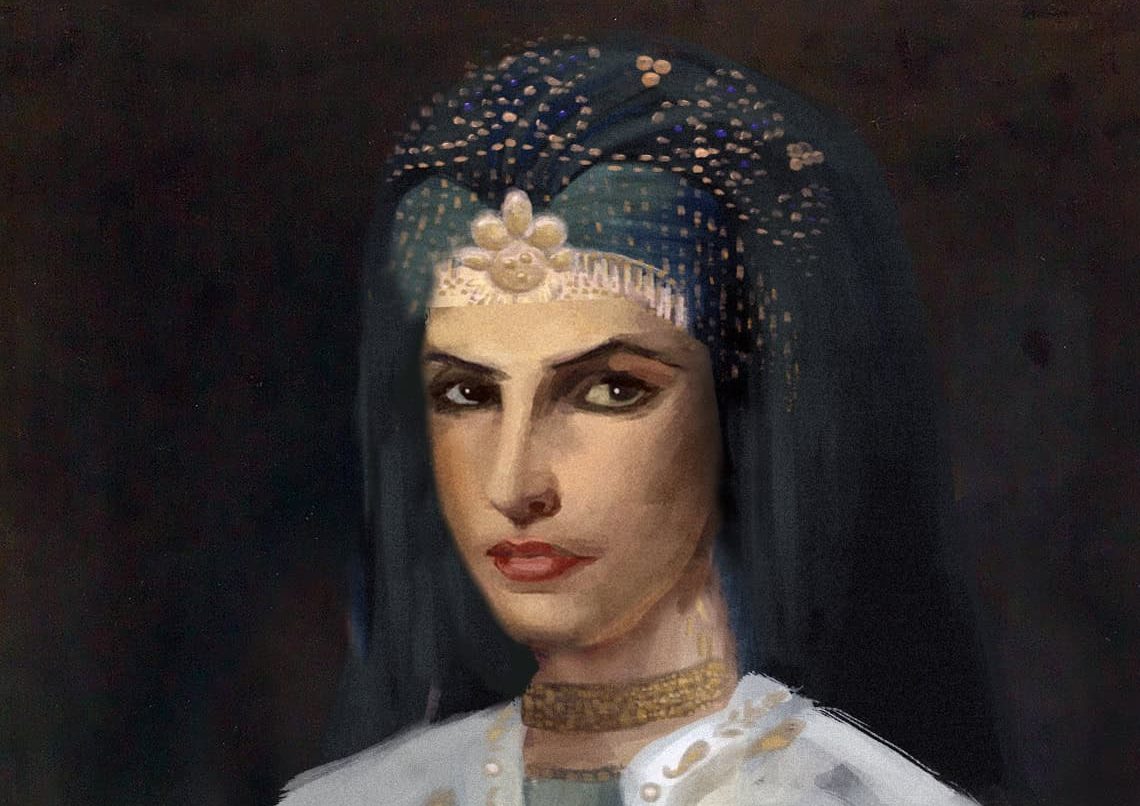
Sayyida al- Hurra assumed control of the city of Tétouan as Queen after the death of her husband, ruler of the city, in 1515.
She fortified the city of Tétouan and allied herself with Hayreddin Barbarossa to fight off Portuguese and Spanish forces attempting to expand their territory. She and Barbarossa managed the western Mediterranean shipping lanes.
She ruled as one of the most powerful queens in the region for over twenty years.
Sarah Updike Goddard
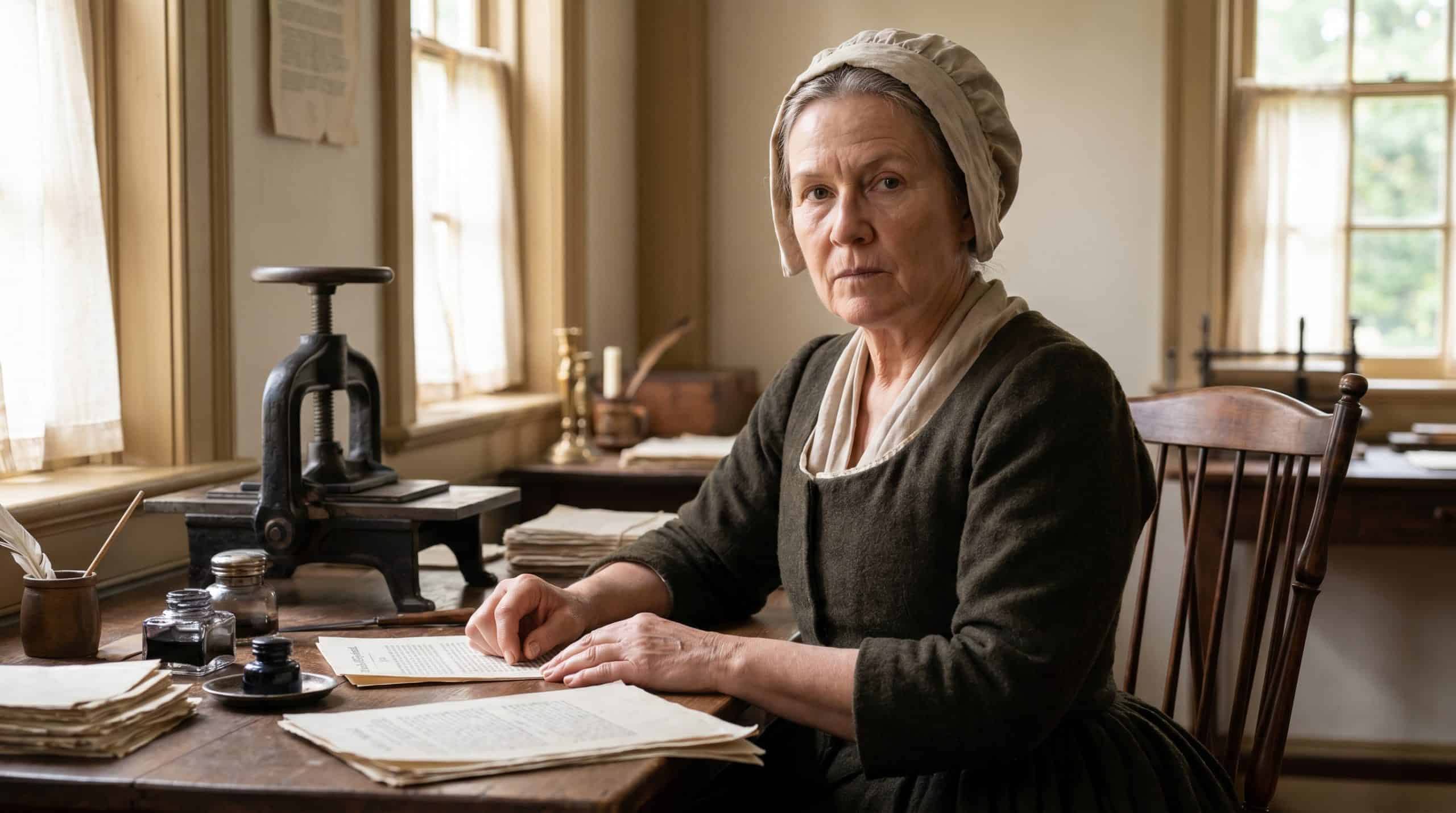
After her doctor husband died in 1757, Sarah moved her family and her remaining funds to Rhode Island to start over.
Leveraging her legal freedom, she funded and launched Providence’s inaugural printing shop and newspaper, personally overseeing the complex daily tasks of a colonial press.
Not only did she personally edit the paper and train her children to help with the printing, but she also handled tough financial times during periods of intense political unrest before eventually taking her business to Philadelphia. And this bold move essentially set the stage for her children to build their own printing businesses.
Rebecca Lukens
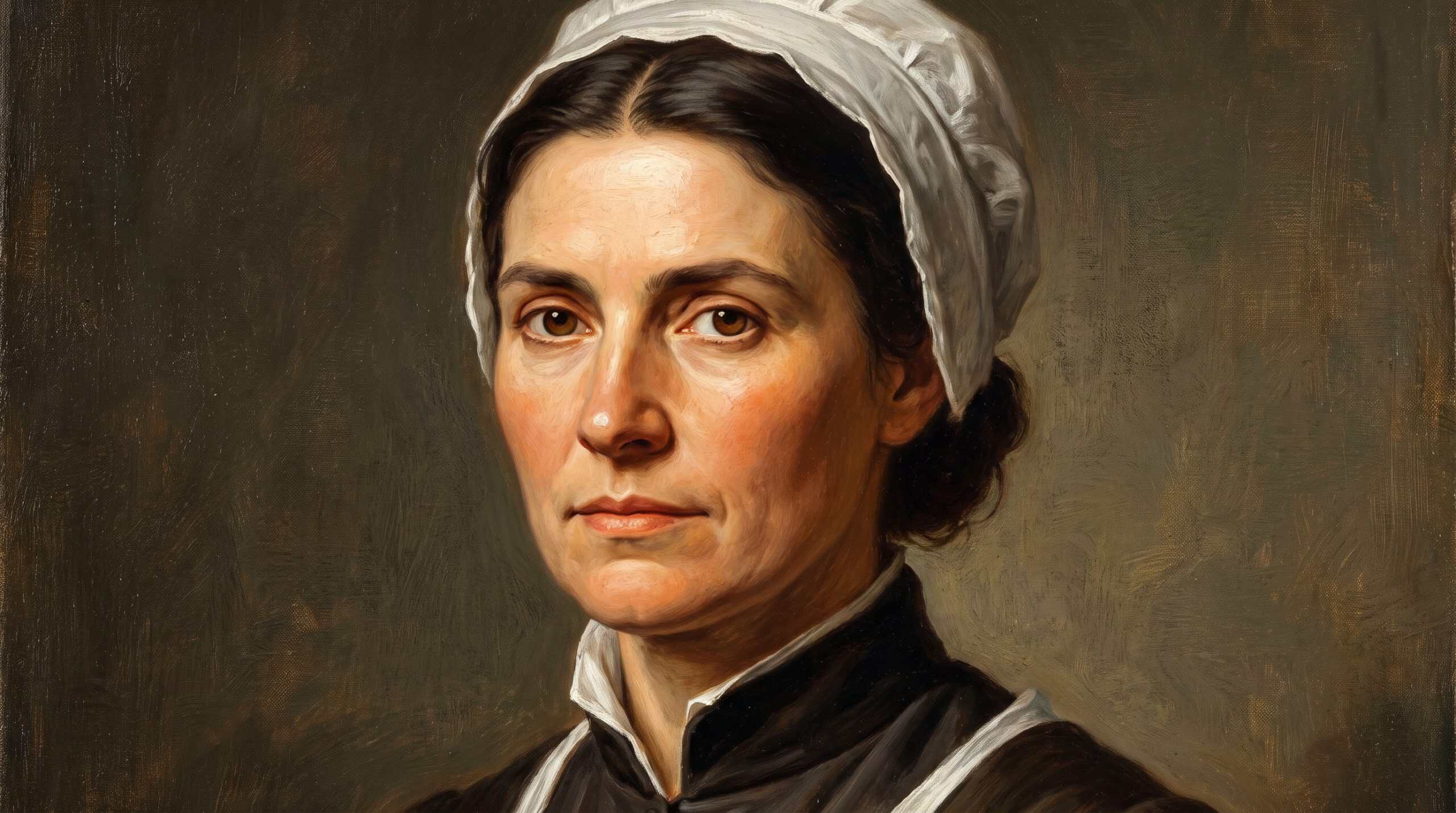
Upon her husband’s death in 1825, Rebecca Lukens inherited Brandywine Iron Works, an iron company in Pennsylvania that was floundering at the time.
Instead of liquidating the company, she renovated its rolling mill and concentrated on making quality boilerplate iron during America’s Industrial Revolution. By the time of her death, her company was one of the largest producers of iron in the nation.
She is regarded as one of the first women to run a major industrial company as CEO.
Anna Bissell
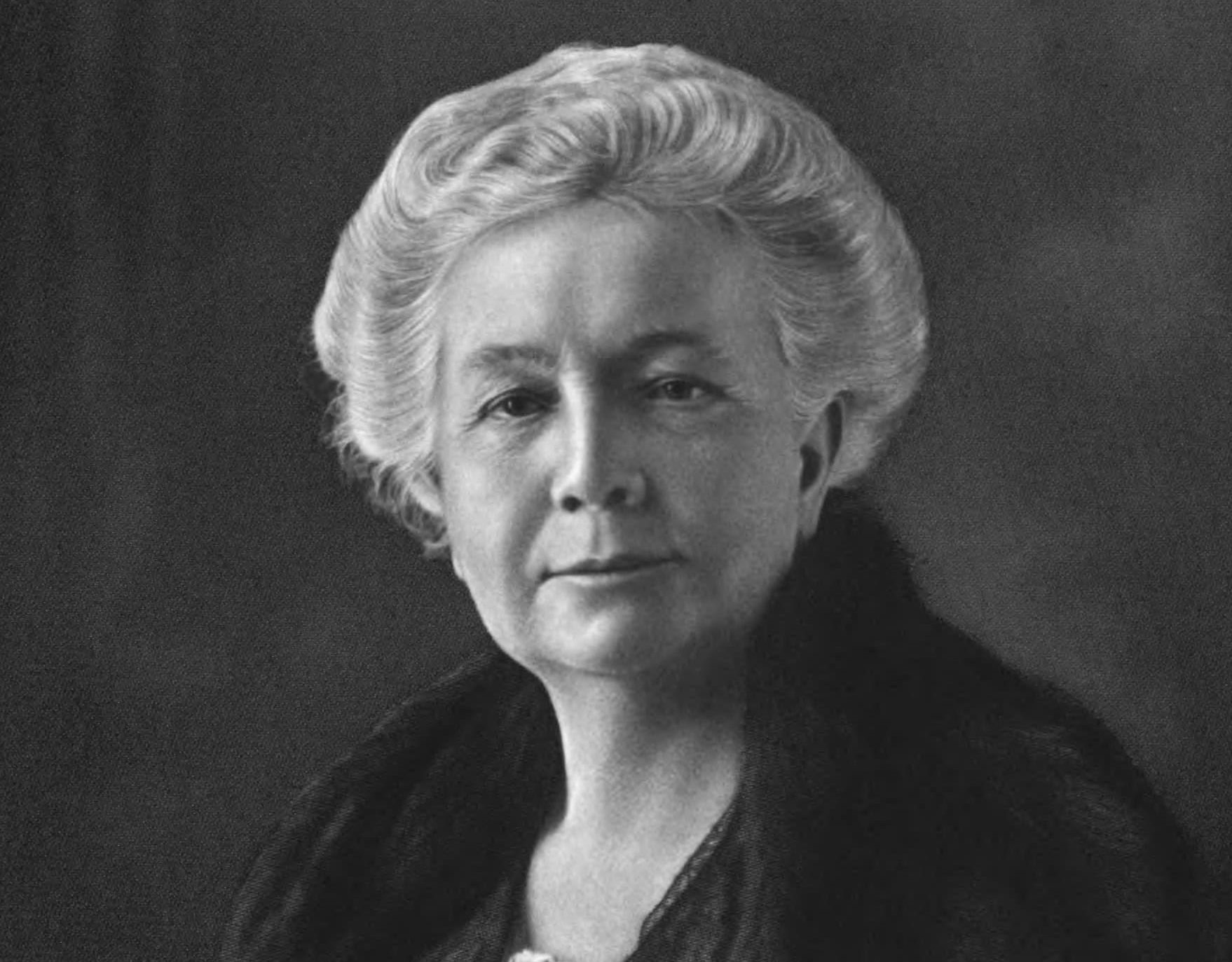
Anna Bissell became America’s history’s first female corporate CEO when her husband died in 1889.
She ran their carpet sweeper company herself, guarding patents and sending the product overseas for worldwide distribution. Thanks to Anna’s marketing prowess, the company became so recognizable that Queen Victoria had her palaces cleaned with their product every week.
She pioneered employment reforms by offering workplace pensions and worker’s compensation long before they were popularized. And Anna transformed herself into a female mogul from the ground up.
Martha Coston
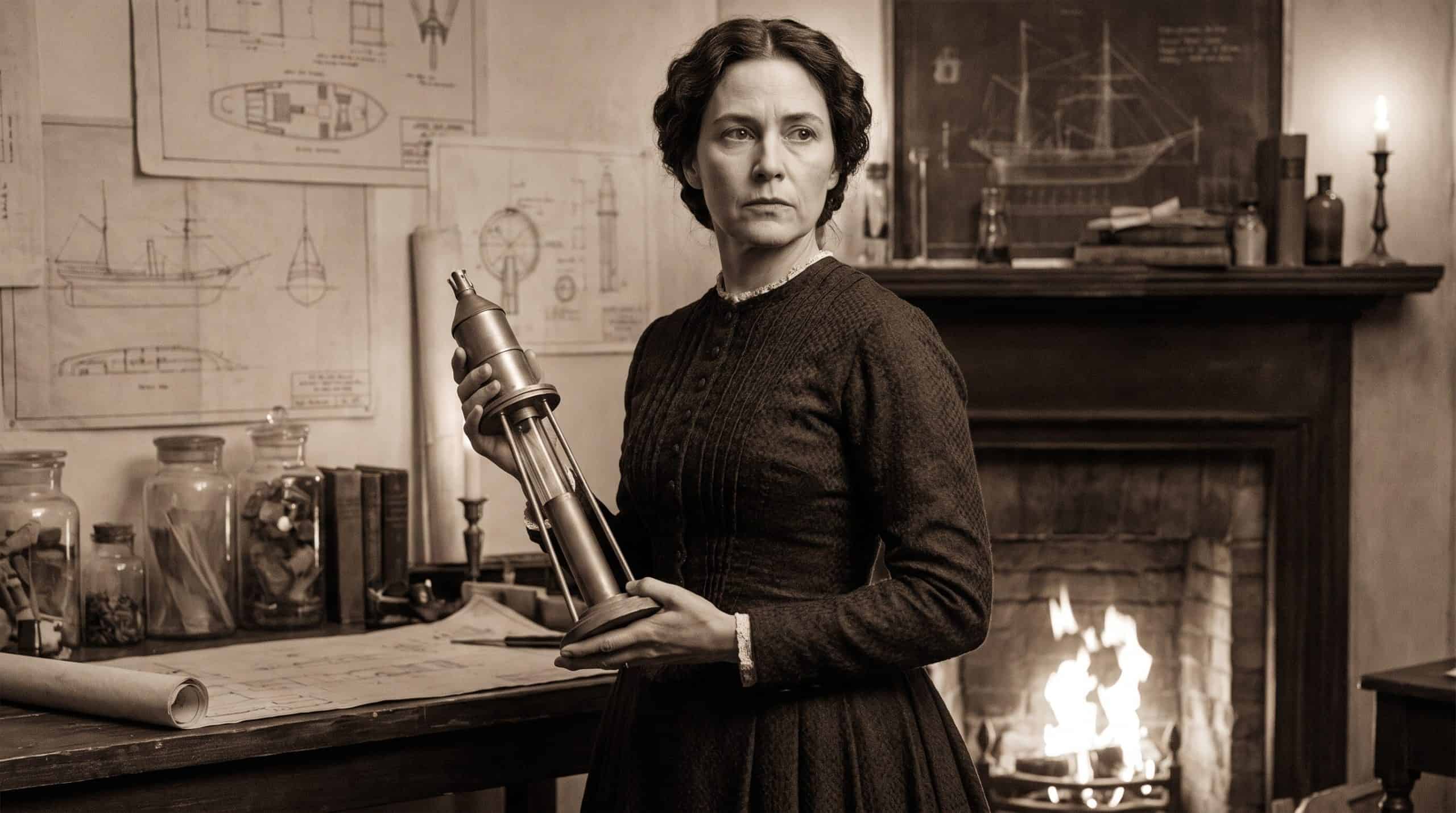
When her inventor husband passed away in 1848, 21-year-old Martha was left with four small children and very little money. Sorting through his belongings, she discovered designs for a communication system that could be used by ships at night.
She worked with chemists and pyrotechnics engineers over the next decade to develop his idea into a marketable product. In 1859, she received a patent for the Coston Night Signal system of color coded flares which were eventually adopted by the United States Navy during the American Civil War.
Martha continued to run a successful business selling the signals for years to come.
Mary Delany
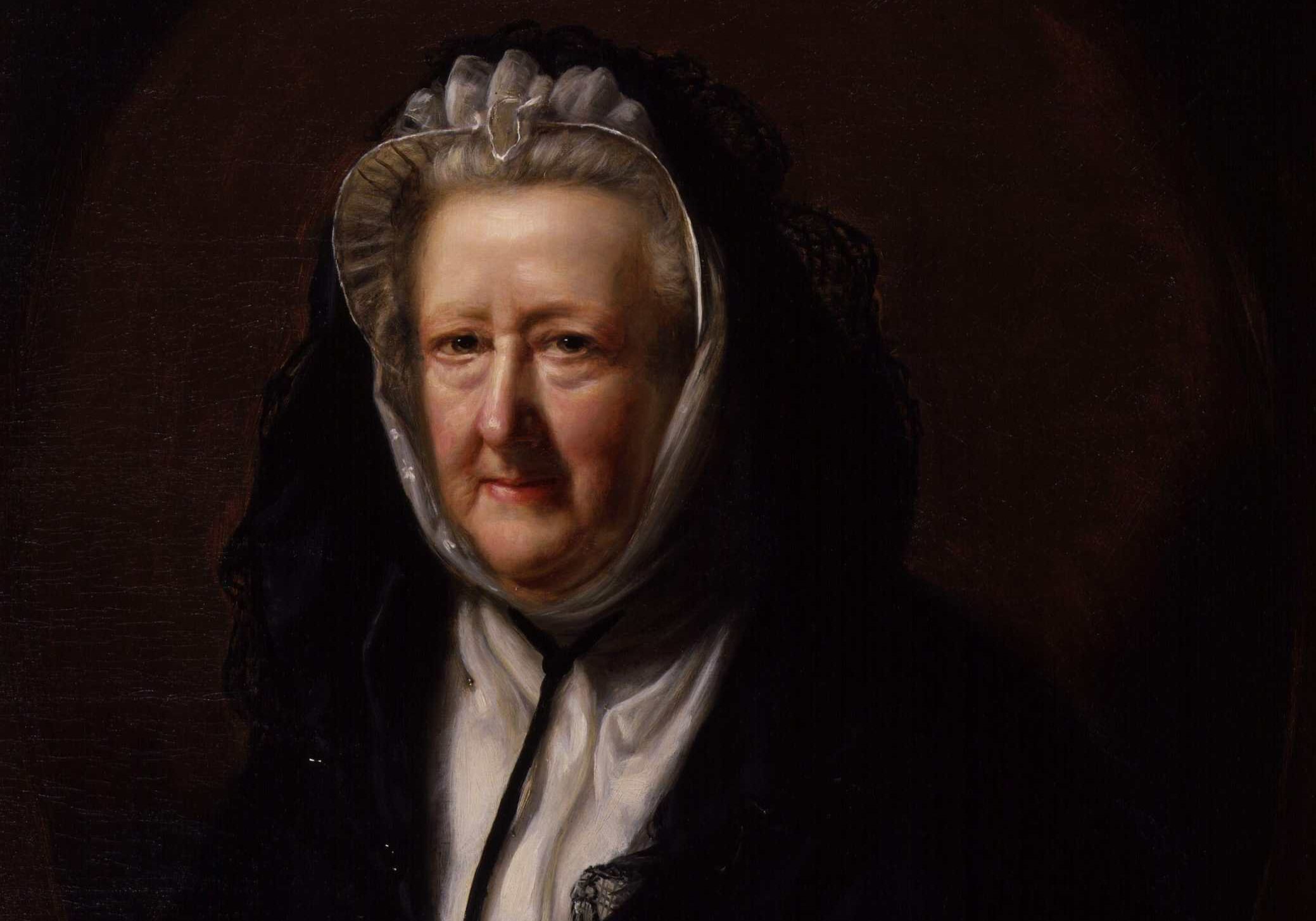
Her love for art and botany blossomed late in life after the death of her second husband in 1768.
She perfected a process she referred to as “paper mosaics” in which she cut and layered thin pieces of colored paper to create realistic-looking flowers. They were highly accurate and lovely works of art.
Delany’s pieces were considered by many botanists of the time to be valuable botanical records. She managed to complete nearly a thousand artworks before her eyesight deteriorated, and the British Museum now houses many of them.
Sources: Please see here for a complete listing of all sources that were consulted in the preparation of this article.
Like our content? Be sure to follow us.
10 historical figures who took secrets to the grave

Unanswered questions are the worst, and it’s even more terrible when they continue to be unanswered because the people with the answers took them to their graves.


