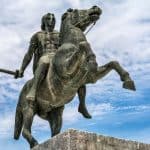
Whenever you look at a map, you might wonder why so many state names don’t sound like English or French at all. That’s because a lot of them come from Native languages. So, here are fourteen U.S. states with names that come from Native Americans. Which one is the most surprising to you?
Featured Image Credit: Shutterstock.
Alabama

“Alabama” comes straight from the Alabama, or Alibamu, people who lived there long before statehood. Europeans picked up their name & adjusted the spelling. They then ran with it. Some people claim the phrase means “Here We Rest,” but that’s actually something that came later and isn’t in the original meaning.
Alaska

The Aleut people had a word that meant something like “the mainland” or “the object the sea is acting upon.” What was it? “Alaxsxaq.” Russians who moved into the area started using it to talk about where they were, and eventually, the name became Alaska. “Alyeska” is another older form of it. You’ll see it in old documents, and it means “great land.”
Arizona

Many historians say Arizona’s name comes from an O’odham phrase, “ali ṣonak,” which approximately translates to “place of the small spring.” It first emerged near a mining camp called Arizonac back in the 1700s. However, other historians claim the name came from Basque settlers who thought of the phrase “good oaks.” Who knows what really happened?
Arkansas

French explorers heard about the Quapaw people & tried writing down the Algonquian word for them. They had many versions, including Arkansa & Akansa. These eventually became Arkansas. At first, they used the name to talk about the river, then the land around it, and finally the state itself. The spelling stayed French. As for the pronunciation? That’s another story.
Connecticut

Algonquian speakers had the word Quinnehtukqut, which means “long tidal river.” When the first settlers arrived, they wrote this down as Quinetucquet & Quinneh-tukq-ut. But it proved to be too difficult a name. Eventually, they shortened & used “Connecticut” as the colony’s name.
Illinois
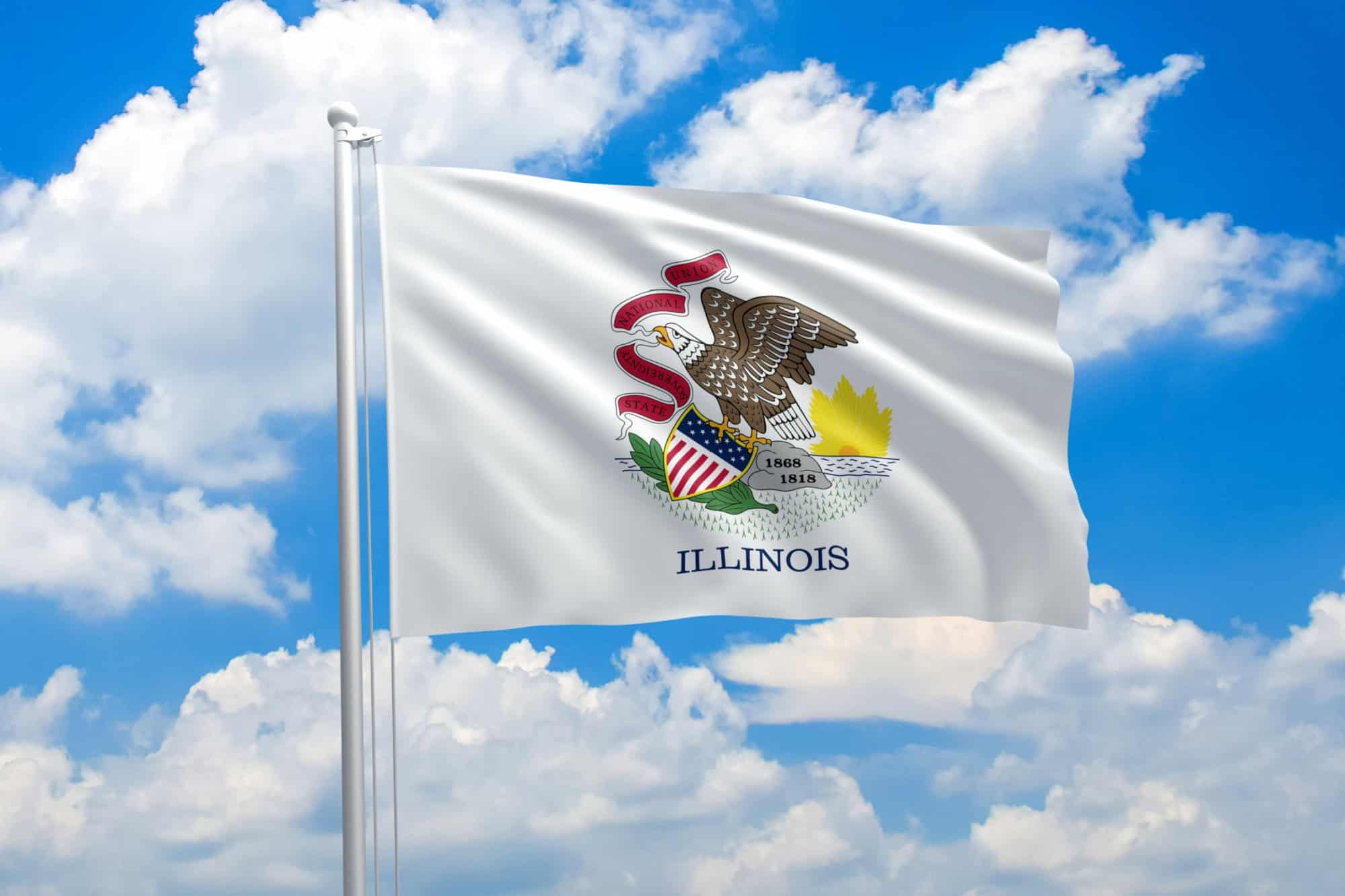
When French missionaries met the Illiniwek confederation, they wrote the area’s name down as “Illinois.” The “-ois” ending was how they made it fit French spelling rules. Later, they printed this name on maps & treaties until it became the only version people knew. That makes Illinois a French twist on an Indigenous word.
Iowa

The Ioway people called themselves Ayuxba, or Ayuxwa, and, over time, explorers recorded it as Iowa. They initially used it to talk about the river. Then it became the territory. Finally, it became the state’s name when it joined the Union in 1846. The state’s name is literally the same as the nation of people who lived there. How cool is that?
Kansas
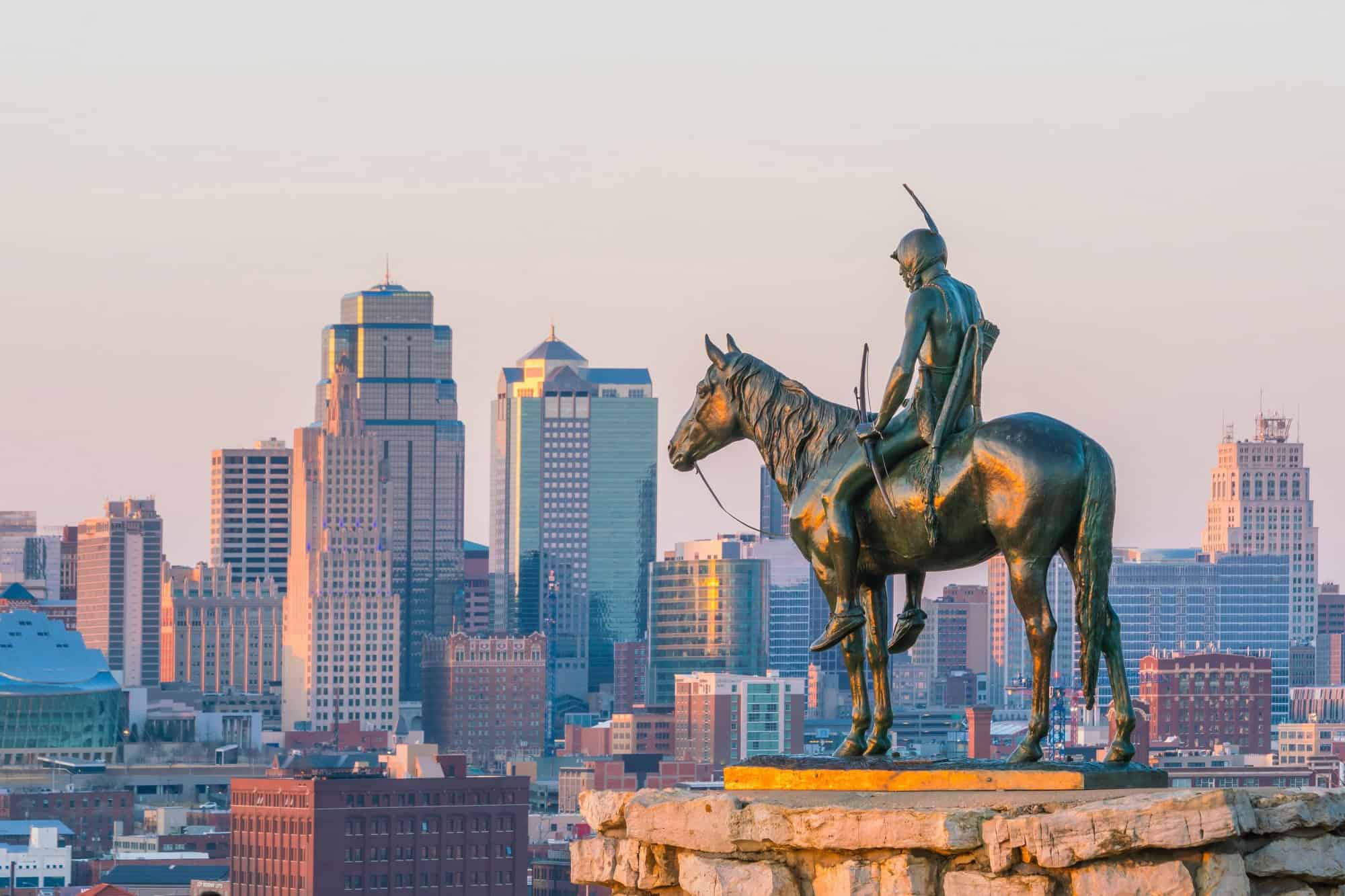
“Kansa” or “Kanza” was what the people living here used to be called. It means the “people of the south wind.” The tribe’s villages lived along the Missouri River & their name just naturally spread across the land itself. Early French explorers wrote the name in many different ways at first. But the version that survived became Kansas.
Massachusetts

The Massachusett people lived around what we call Boston Harbor. Their name meant “near the great hill,” with the hill in question being Great Blue Hill in Milton, just south of Boston. Colonists took the name to talk about their colony charter. By 1780, it became the area’s official name and a direct link to the land itself.
Michigan
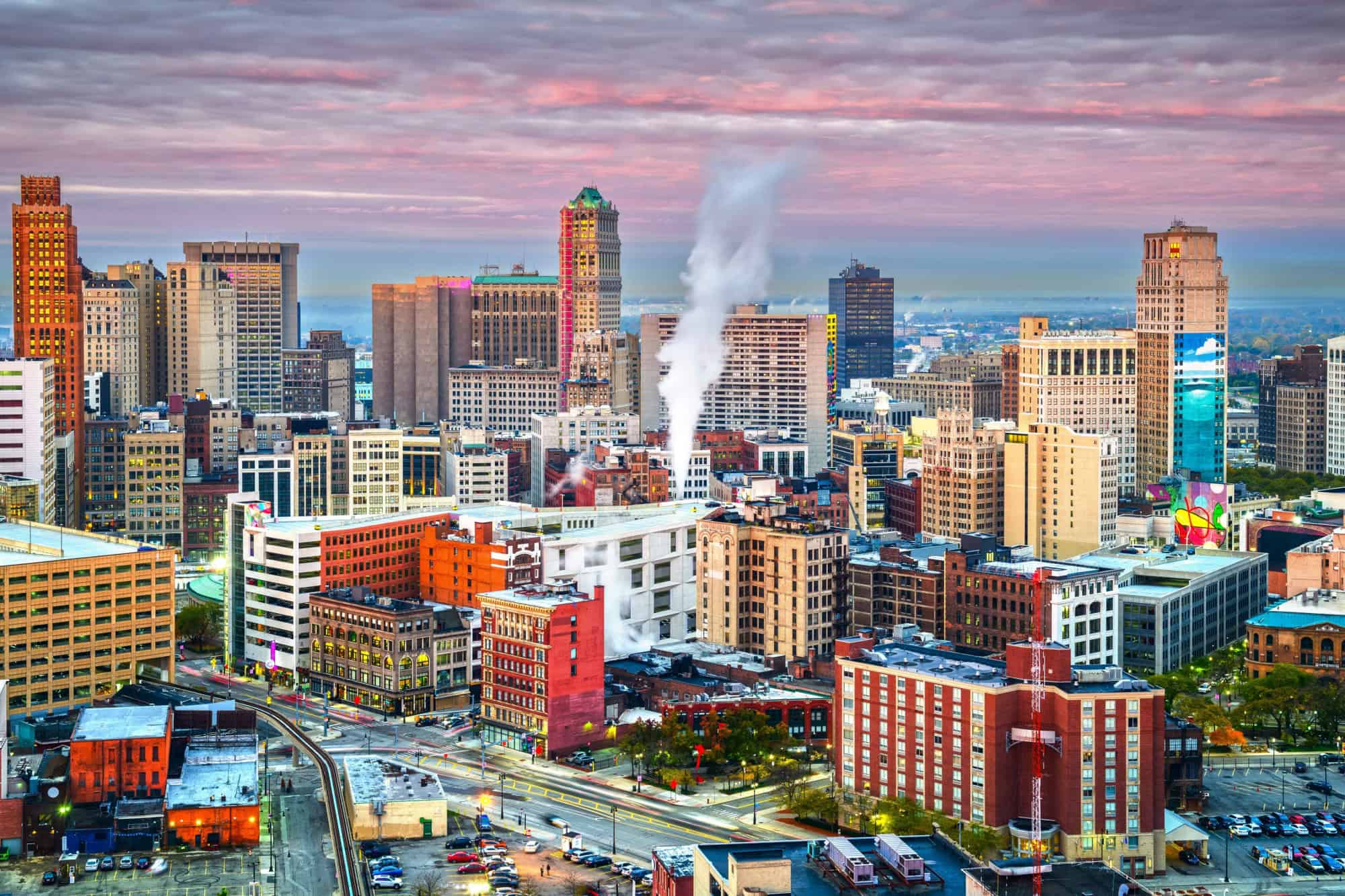
It’s probably not surprising, but Michigan owes its name to the Great Lakes. It comes from the Anishinaabemowin word “Mishigami.” This means “large water” or “big lake.” French explorers wrote it as “Michigan,” and their spelling became standard in maps, so when the state formed, the word was already common. That makes sense when you’re surrounded by such huge lakes.
Minnesota

Dakota speakers described the Minnesota River with the word Mni Sota. This means “cloudy water” or “water that looks like the sky,” which makes sense given that Minnesota is the land of 10,000 lakes. The word later came to describe the whole region. Anyone who’s visited the state on a cloudy day will know just how fitting it is.
Mississippi

Ojibwe people called the area where they lived Misi-ziibi, or “great river.” When the French explorers traveled down the waterway, they copied the word down, and the spelling stuck as “Mississippi.” The river gave the people of the area life. But it also gave a name to the land around it.
Missouri

The Missouria people were known as “those with big dugout canoes.” That is, at least according to neighboring tribes who gave them the name, and Frenchmen like Father Marquette wrote down versions of it in the 1600s. It took a while before the word became finalized as the state name we all know today.
Nebraska

The Platte River goes through Nebraska & the Otoe word for it was Ní Brásge. This means “flat water.” Early French explorers translated that into their own language for the river, with the French word “plat” meaning “flat,” but the Indigenous version survived too. Congress set up the Nebraska Territory in 1854 & gave it the Indigenous name.
Sources: Please see here for a complete listing of all sources that were consulted in the preparation of this article.
Like our content? Be sure to follow us.