

Life as a firstborn teaches you three things: how to take care of yourself, how to take care of others, and how to dodge sibling nonsense.
Rigorous rules vanished

Remember being severely grounded for being fifteen minutes late coming home as a teenager? You lived with restrictive curfews, allotted phone minutes, and numerous calls to check in.
Fast forward a few years and you see your younger sibling stroll through the door after midnight with no questions asked. You had to suffer through the war before anyone was granted basic privileges. Your siblings breezed right through it because your parents were too tired to discipline them.
And you feel like Columbus who cleared all the land so your siblings could take the yellow brick road.
Playing third parent
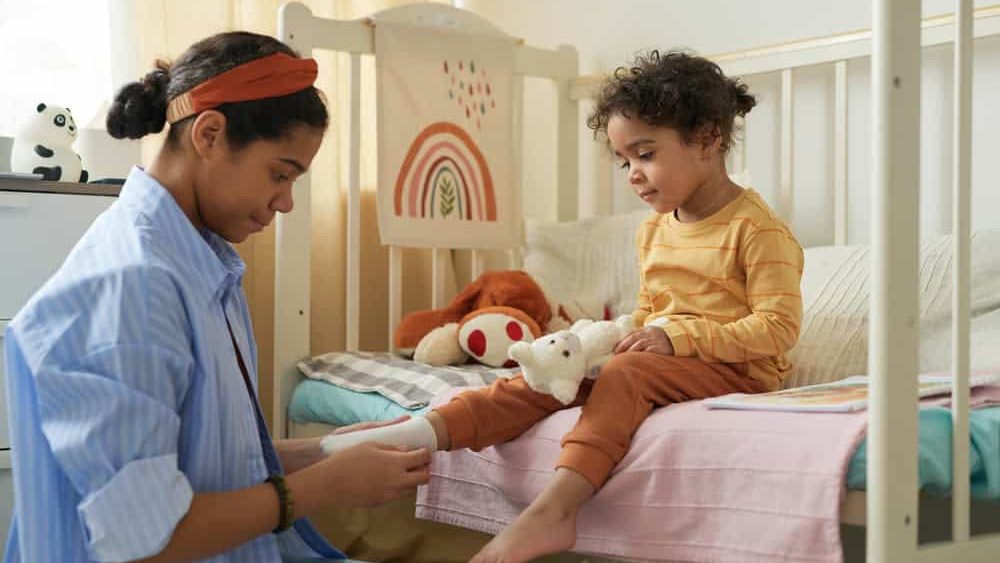
If your parents left the house for any reason, you were suddenly placed in charge of any younger siblings.
You were expected to ensure that everyone was fed, not fighting, did their homework, and stayed out of trouble, yet you were provided with no legitimate power to enforce it.
If something broke or got lost while they were away, you were blamed because you were older and should have known better. This made you become an expert in damage control, conflict resolution, and shouldering adult responsibilities at a young age.
Energy proof in photo albums

Take a peek at your parents’ old snapshots. The first three years of your existence were probably documented by countless photographs, scrapbooks, and picture frames in your grandparents’ house.
Now look at any of your younger siblings’ proof of existence. A handful of snapshots and an unfinished baby book lie forgotten on a shelf.
You were lucky enough to receive all that attention before your parents ran out of energy.
Weight of perfectionism

Your parents bore witness to every one of your moments with hawk-like intensity. Report cards, soccer games, scholarships, it all felt like it wasn’t about you but your family’s performance test.
By the time your siblings reached their teenage years your parents had relaxed, which left you shouldering all the pressure.
Perfectionism is a common thread for firstborns that most often leaks into your work life.
Translating between parents and siblings

Your siblings always run to you when they want to ask for something big or they’re in trouble. They count on you to gauge the mood of the house before they speak with your parents.
You understand your parents’ tones, tipping points, and exact reactions better than your siblings because you took years of practice courses. Your younger siblings rely on you to make sure your parents are in the mood before they ask for the car or want to go to a party.
In the end, you act as a buffer for your parents, rephrasing your siblings’ slip-ups into situations your parents will pardon.
Watching clothes and bikes upgraded

Growing up, you wore cast-offs, secondhand bikes, and college-warehouse school supplies because your parents hadn’t yet established their careers.
When your siblings came along, your parents were earning more and felt comfortable financially. And that meant new clothes, the latest toys, and costly sports for the younger kids right from the start.
Seeing them jump over frugal stages that you remember fondly can feel quite frustrating, despite feeling happy for your family.
Being independent way too early

The arrival of the new baby immediately meant your parents’ attention was split between you two.
You had to learn how to tie your shoes, make breakfast, and pack your backpack at a much younger age because your parents were occupied with a baby. And when you realized you got things done much quicker by doing it yourself versus waiting for someone to help you, you became your own person.
This ingrained need to handle everything on your own, cultivated from a young age, makes it challenging to seek assistance as an adult, even when you’re truly in a bind.
Milestones losing their meaning

When you learned how to ride a bike and got your driver’s license, your parents probably made a huge celebration, documented it on film and called every family member to tell them about it.
When your younger sibling learned how to do the same thing years later, your parents smiled and said “good job” before promptly returning to their task at hand.
Firstborns get to enjoy huge milestones with massive celebrations, but you also get to see those milestones turn into routine.
Getting dragged into family fights

Since you are caught between your parents and your younger siblings you usually end up in the middle of every family fight.
Your parents want you to tell them why the kids are misbehaving or not listening while your siblings want you to defend them against unreasonable expectations.
Basically you spend your entire childhood being a full time referee. You placate everyone and try not to make enemies.
And it’s draining because when you make one sibling happy you are automatically going to upset the other.
Personal belongings become shared

Your childhood bedroom, toys, and beat up old bike all eventually got relegated to your younger brothers or sisters.
There’ something strangely off-putting about seeing your younger brother or sister sleep in your childhood bed, wear your favorite jacket, or break that one toy you swore you’d keep safe.
Privacy and individual ownership are foreign concepts that you quickly learn don’t exist in a large family. Learning that all of your belongings eventually become everyone’s is something only the oldest child understands.
Taking blame for siblings

You learned at a young age to accept blame for your younger siblings’ mischief. If they broke a cup, hid a bad grade, or made a huge mess in their bedroom, you took the punishment.
You knew you could stomach your parents yelling better than they could. You could handle the parental storm, shielding your siblings from witnessing that same fear.
It’s a quiet sacrifice your younger siblings will rarely notice or fully appreciate.
Making every mistake first

Since you have no siblings older than you, you literally got to try every experience for the first time.
From deciding on a college to landing that first job, your parents would measure everyone else against the choices you made.
You were the trailblazer, figuring out life’s path without a guide, and your siblings got to sidestep your mistakes.
Should always forgive

You’re always told “to be the bigger person” by your parents when a sibling pushes your buttons or breaks your belongings.
Your role as the older sibling was to be understanding and keep things smooth.
Basically you learned at a young age to swallow your feelings and allow people to walk all over you just to keep the family harmony.
First to help parents

The saddest part of being the oldest can be knowing that you will be the first one to take care of your parents. You are the first to see the gray hair and frailty.
You’re there when they have doctor appointments and the realization that they need help. You’re the first to notice that quiet role reversal when they begin asking for your advice instead of doling it out.
You have to do the research and make the hard decisions while your siblings are still wrapping their heads around the fact that Mom and Dad aren’t superheroes.
Shouldering the knowledge that your family is changing before anyone else does is a burden unique to first children.
Sources: Please see here for a complete listing of all sources that were consulted in the preparation of this article.
Like our content? Be sure to follow us.
10 adorable children who grew into evil adults

How does a sweet, innocent child grow up to be so heartlessly evil? It’s one of history’s greatest mysteries.

