

Boomers’ version of America was a lot slower, a lot heavier, and it expected things from them that millennials are never going to truly understand.
Out of reach

People under forty don’t really understand being unreachable. But boomers do. Yes, there was a time when you could leave your house at noon, and nobody knew where you were. They’d wait until you came back. Mom wanted you? Boss needed something? Tough luck.
Millennials arrived when phones were popular. But a lot of them were kids at the time. They’ll never know what it was like to be unreachable, and for it to be okay. Just turning off your phone today isn’t the same thing.
The plan was the plan
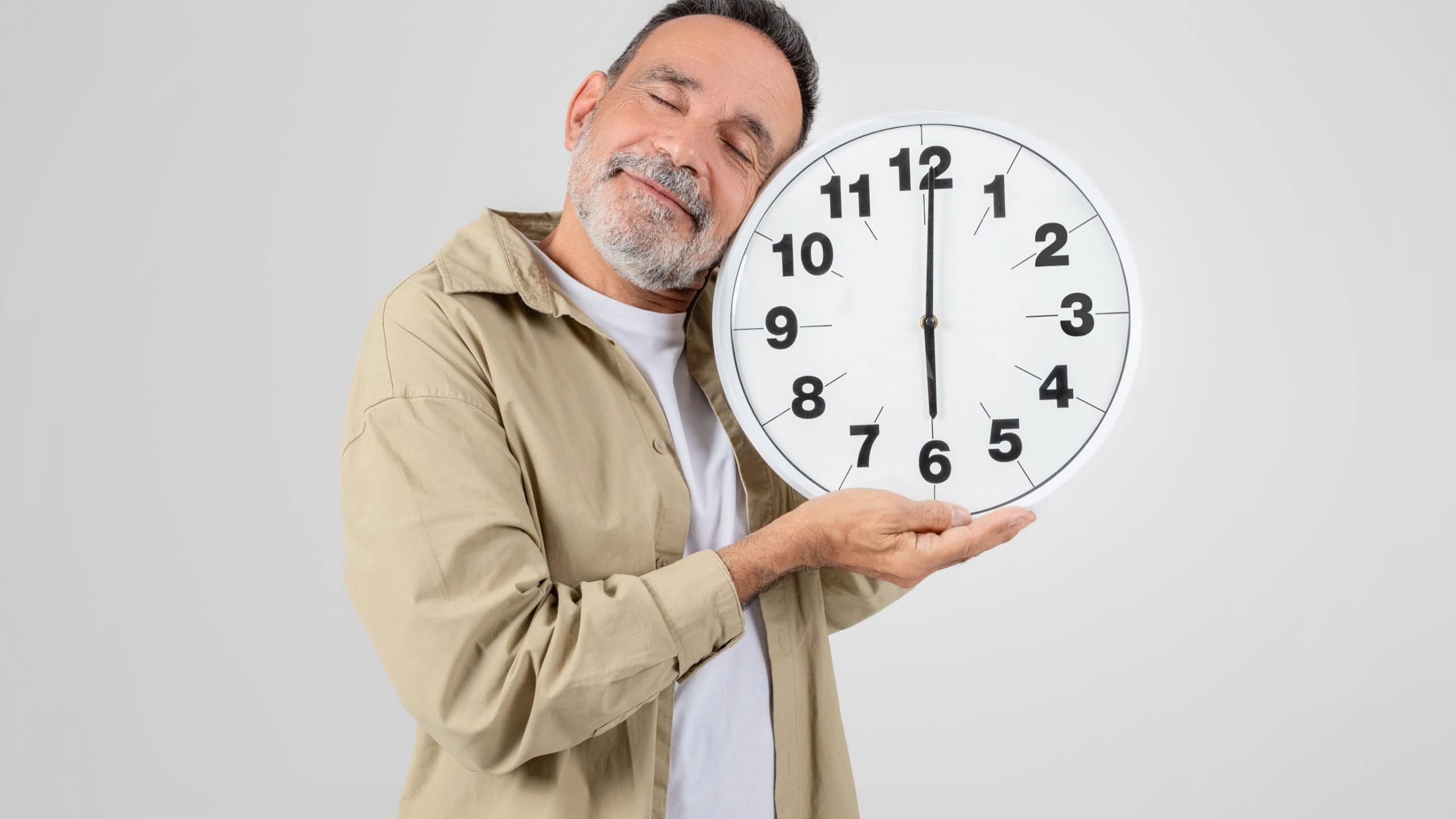
Meeting someone at seven once meant exactly that. You’d meet them at seven. After all, you couldn’t exactly send them a text saying you were going to be late. So you made sure to stick to the plan.
Missing each other then would ruin your entire night. There was no backup system. Boomers still remember that pressure in their stomachs when being late actually mattered. Millennials know nothing about that.
Just sitting there

Being at a bus stop was a different experience. So was being in the doctor’s office. People didn’t have screens glowing in their hands, and it made things a little awkward at times. You had to find your own ways to do something interesting.
But today, 98% of Americans own a cellphone. They don’t know how to escape from boredom or even sit with it. They’re used to scrolling through as soon as they feel a little bored. It’s sad, really.
Don’t waste that
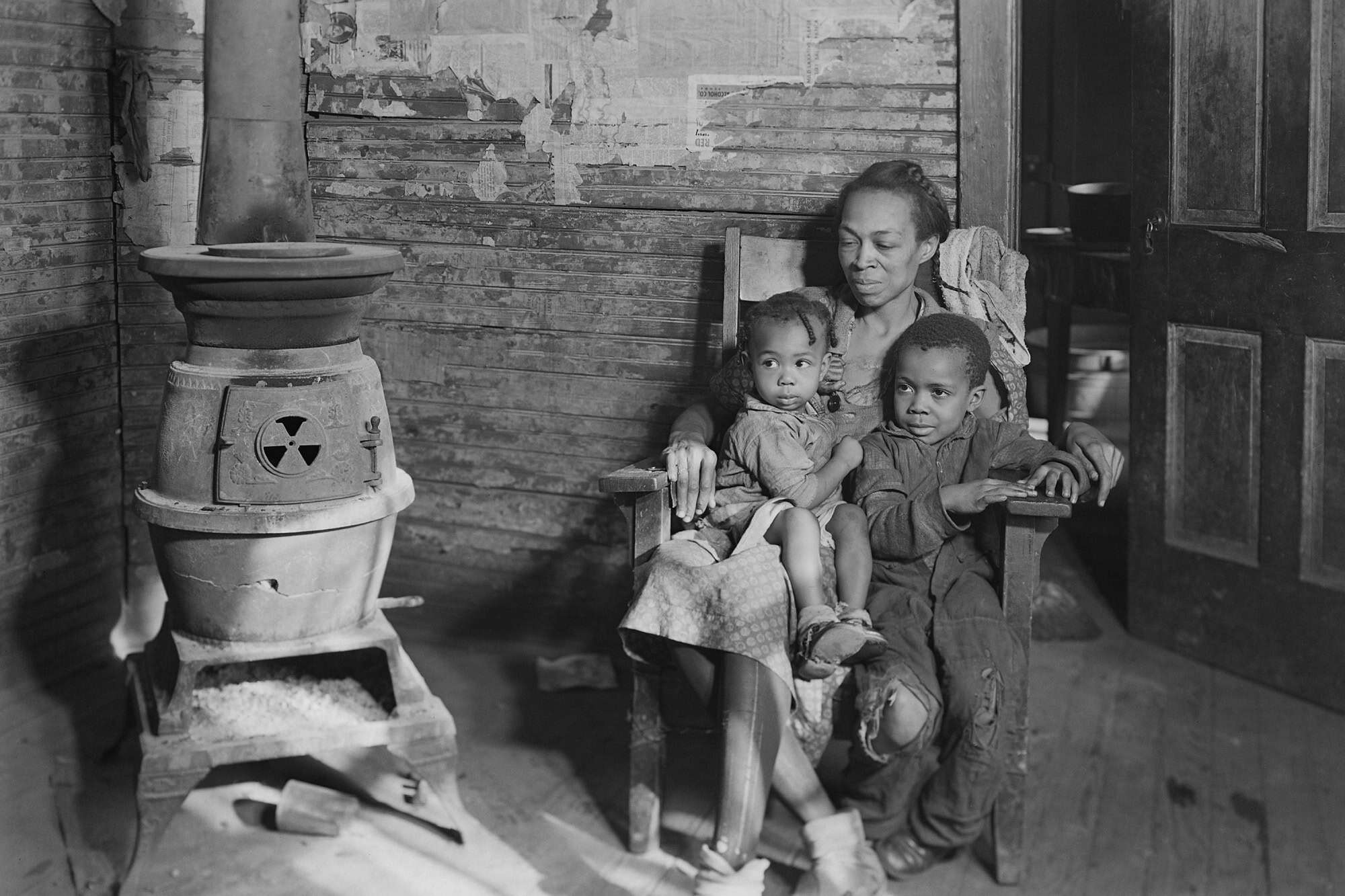
Even the way boomers were raised was different. It makes sense. Their parents survived the Great Depression and other horrors. But why was that important? It taught boomers skills like repairing instead of replacing. They figured out they shouldn’t waste food.
They couldn’t complain too much, either, because people would notice it. Their parents taught them not to take things for granted. It’d be great if millennials learned that lesson, too.
Owing money felt different

There was once a weird kind of shame around debt. Yes, some people still feel it today. But it’s nothing like it was before. You’d keep quiet about any money you owed, unless it was for a mortgage. Not millennials, though.
They grew up in a time when student loans and credit cards were normal. They don’t feel the shame in owing money. Yet boomers remember having to explain when they borrowed money. It wasn’t something everyone did normally.
Work didn’t need a soul

The lesson today for most job seekers is to ‘find your passion.’ Boomers remember it differently. They grew up hearing ‘find a paycheck’ because they didn’t think work would complete them. It wouldn’t heal them. It wouldn’t help them find their inner self.
No, work was repetitive, and work was boring. It was the norm. You worked, got paid, came home, and that was that. Boomers have a much more practical view of work than millennials. They’re not looking for something fulfilling.
Everybody knew

Messing up wasn’t the same for boomers. They lived in towns where people actually knew their family, and they had a reputation. One divorce or one firing could ruin that. People had opinions about you for years.
Boomers grew up in smaller American communities like that. They worried the town would judge them, so they stuck to the rules. Millennials don’t get it. Can you blame them? That kind of social memory doesn’t really exist the same way online. You can just log off.
Push through it

Practically every feeling gets shared today. Feeling down? There’s a name for that, and you can post about it online. Each emotion gets tracked. Each emotion is worth talking about. But boomers understand their feelings differently.
They’d push through bad feelings instead of waiting to analyze them. That didn’t exactly make it better. Yet it did make it easier, since you got stuff done. Millennials don’t understand what that’s like.
Hard to become new

You can reinvent yourself whenever you want these days. Just move to a new city and start a new career. You could even just get a new account. However, boomers didn’t get as many clean exits. Labels stuck around for years. There was no easy reset button.
Boomers understand how it felt to be stuck with a single reputation. That was a good thing. It made them more careful about what they did and said. They couldn’t erase the past so easily.
Big words sounded real

It’s sad that people are so down on the state of America. They’ve got their reasons, of course. But boomers remember seeing the country way more positively. They heard about space and highways, factories and science. The future seemed real. The future seemed good.
It was a time when people weren’t sarcastic about the future. Unfortunately, millennials never got to experience that. They inherited a skeptical version of America. Feeling good about America’s future sounds more naive than normal. How horrible.
The afterglow was still warm

Timing is everything. Boomers were born right after World War II, when the American population jumped by a huge amount. It’s where their generation’s name came from. That taught them a thing or two, since they saw the country rebuild in real time.
They saw houses going up, and roads expanding. They experienced modernity happening in real time. Millennials have seen some innovations. But theirs usually comes through software instead of sidewalks. It’s not the same thing.
Vietnam wasn’t a chapter

Let’s not forget about the Vietnam War. Millennials saw it in documentaries or textbooks. Boomers experienced it in real time. The war came to their neighborhoods and to their colleges. They might even be called to fight.
The Vietnam War was something real for boomers, and it was enough to divide their communities. It wasn’t the history lesson that it is for millennials.
The rules changed midstream

Gender rules started changing when boomers were growing up. It was hard for them. Their parents gave them a rulebook about what men should do and what women should do. They learned what families should look like. But then the rulebook went out the window.
Suddenly, everything they thought they understood changed. It wasn’t exactly easy to understand. However, millennials never really saw the same changes happen. They don’t understand why they shouldn’t take certain rights for granted. But boomers do.
Keep yourself proper

No, being ‘respectable’ didn’t simply involve being polite. It affected how neighbors talked about you and how teachers treated you. It could even affect your job. Everything you did mattered. Your clothes? They’re important. Your grammar? Make sure it’s correct.
Boomers understood that they had to be really careful to make sure they seemed respectable. There was no other option. But millennials got the memo later. They learned about respectability long after its social power faded.
Sources: Please see here for a complete listing of all sources that were consulted in the preparation of this article.


