

As two of the world’s biggest religions, it makes sense that there are some similarities between Islam and Christianity, but you might not realize how deep they go.
A title with weight
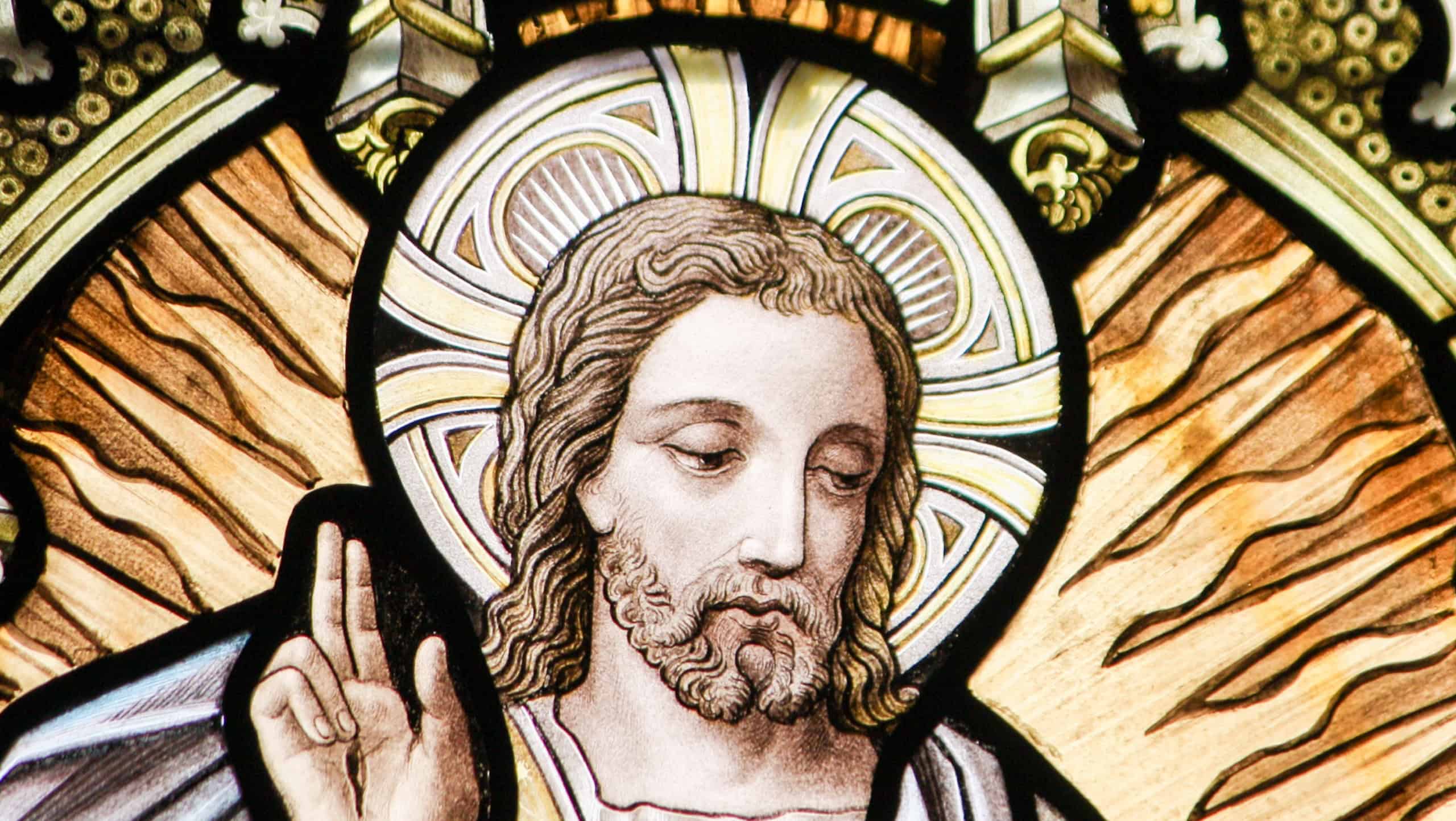
Both religions treat Jesus quite seriously, and they give Him the same title. He’s the Messiah. You’ll find that, in Christianity, the New Testament makes Him a promised figure, someone who’s connected to David and Abraham.
Islam does explain the title slightly differently, sure, but the Quran does still value Jesus. It says He’s the Messiah, son of Mary. Not a lot of people actually realize that these religions treat Jesus in a pretty similar way.
More than a teacher
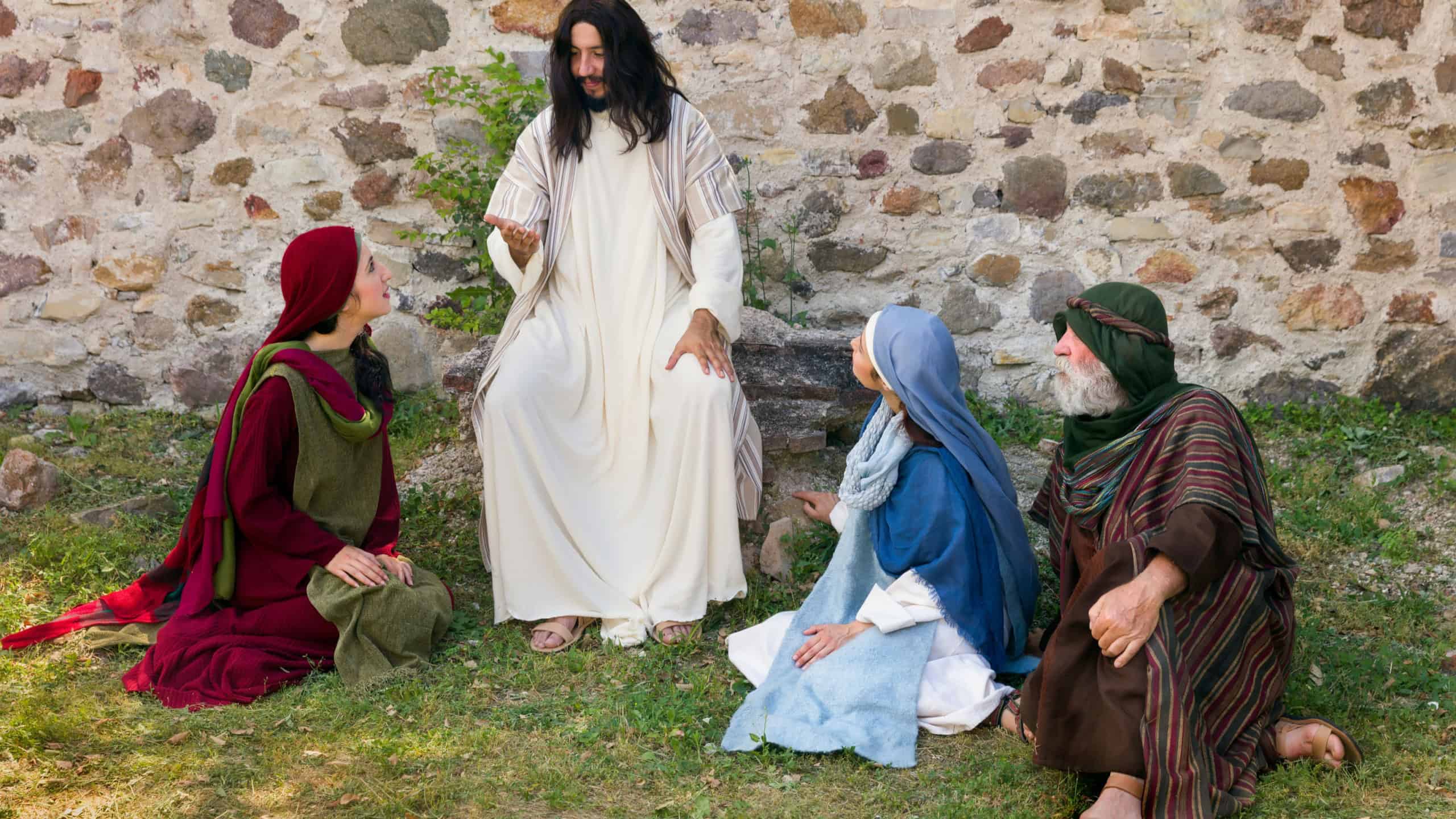
There’s another similarity about Jesus. He gives moral lessons in each of them, yes, but both religions also claim that He did some incredible things. He did miracles. Jesus is the one healing people and feeding crowds, as well as walking on water, in the New Testament.
Don’t forget raising the dead. The Quran says the same thing, and it includes stories about how Jesus healed the blind and the leper. He also brought the dead back to life, thanks to God’s help. They both agree. Jesus was a man who could do some impossible things.
Still part of the ending
You won’t find Jesus simply disappearing in either religion, either. According to both texts, He plays an important role during the final days, with Christianity teaching that Christ’s going to come back. Islam says the son of Mary will also return to the Earth before the final judgment.
However, there are a couple of little differences in the story. Christianity says Jesus will judge the living and the dead. But in Islam, Jesus will come back as a purely human prophet. The fact He’s coming back is the same, though.
The last accounting
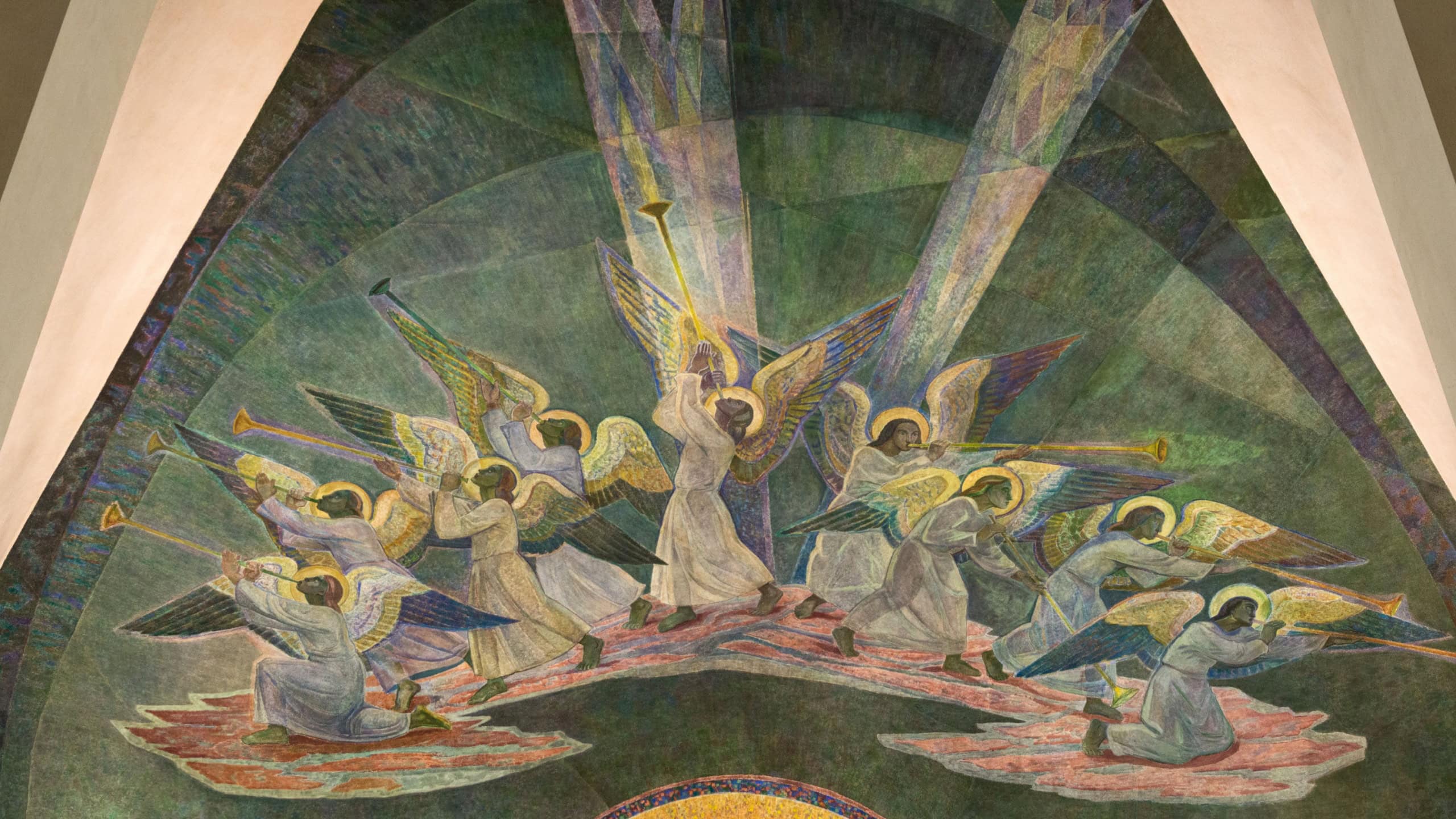
The general idea of Judgment Day is kind of the same in both religions, even though some of the more specific details aren’t the same. Both religions feature people being separated. Both religions talk about humanity being judged.
The names themselves aren’t all that different, either, since both religions talk about the Day of Judgment, and Islam takes it further with the Day of Resurrection, too. In other words, people get brought back, and their lives are judged.
The older family line
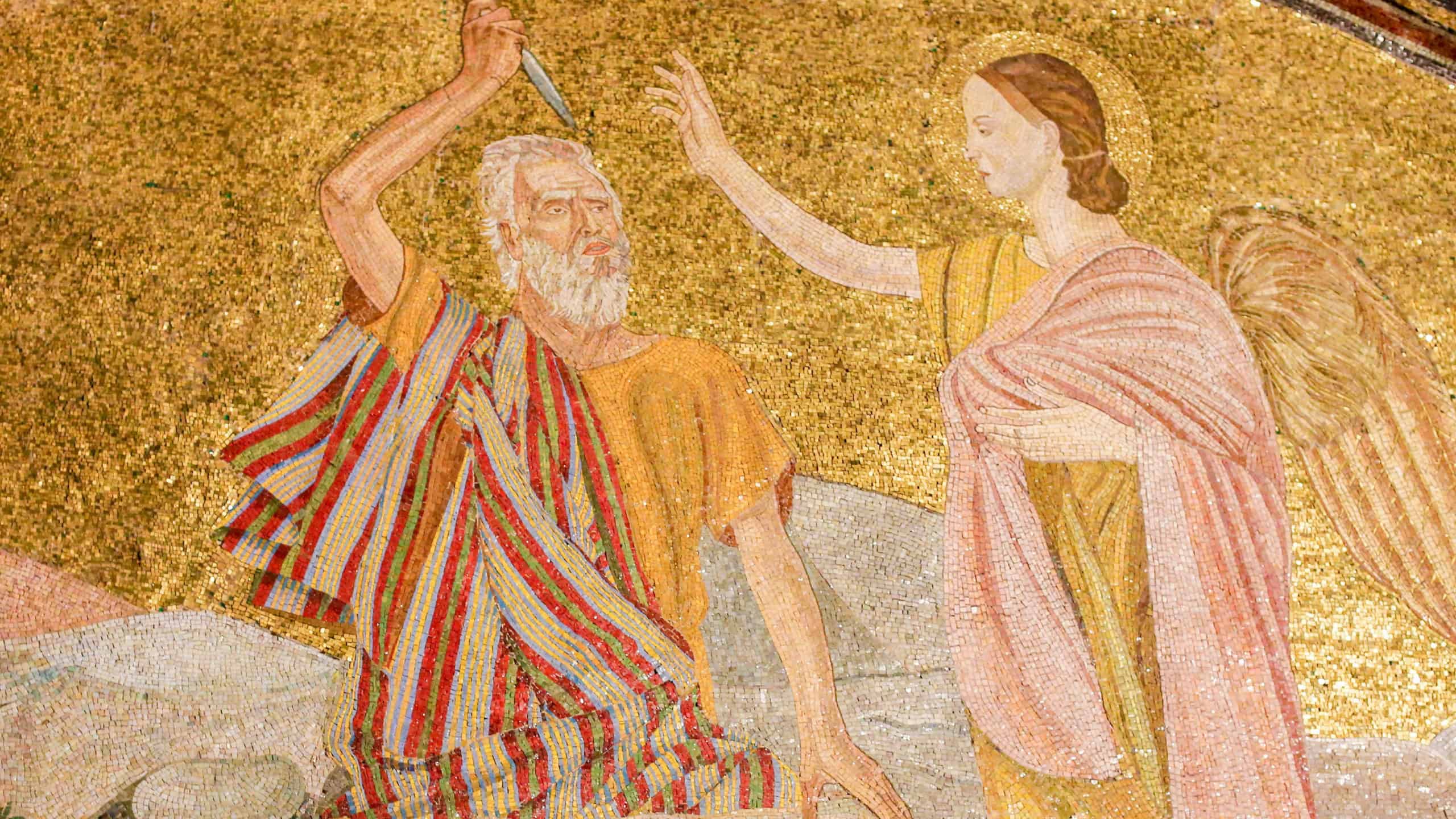
Neither religion treats Abraham as some sort of background figure. You’ll find Jesus is part of Abraham’s family line in Christianity, while in Islam, Abraham has a major role, too. He’s treated as a prophet.
The Quran actually says Abraham is an important figure alongside Ishmael, Isaac, Jacob, Moses, and Jesus. Both religions tell us a story, and it runs directly through Abraham’s family.
Familiar names keep appearing
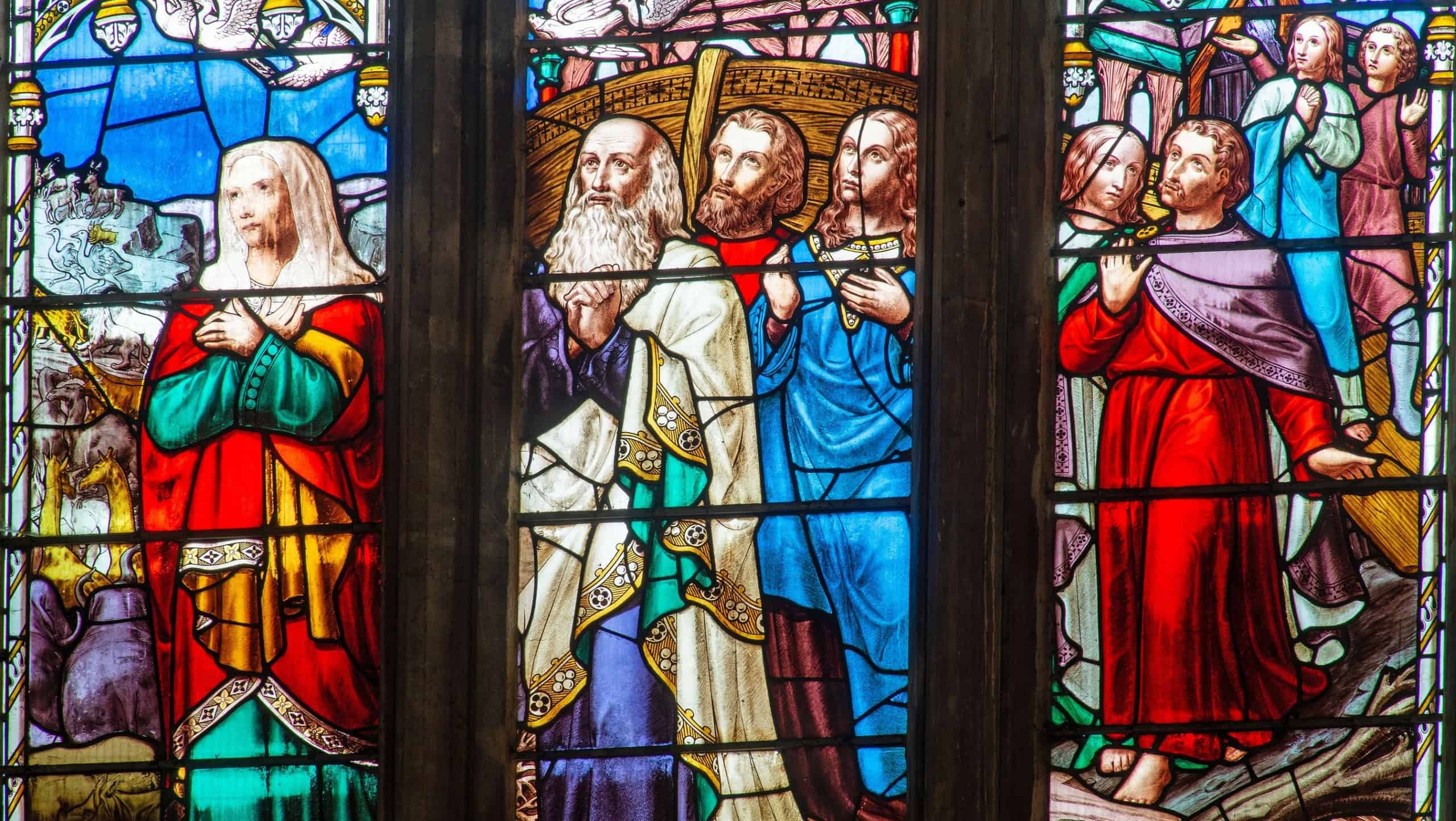
It’s hard to ignore. There’s a kind of overlap with the people in each religion, where some of the most important figures appear in each one. Adam? Noah? Moses? David? Solomon? John the Baptist? They’re in both.
They’re not simply treated as holy people, though, as each religion deals with them a little differently. Islam treats these people as prophets in a chain of revelation. Meanwhile, in Christianity, you’ll see them throughout the Old and New Testaments.
The tempter is real
A lot of religions do talk about temptation, sure, but you might be surprised at how similar the idea is in both Islam and Christianity. Who’s responsible for it? The Devil, of course. He’s the one who tempts Jesus in the wilderness in Christianity, and Genesis has the serpent in Eden.
Islam shows it similarly. Satan is the one who tempts Adam and his wife by encouraging them to eat from the forbidden tree. They don’t talk about things like sin or guilt in the same way, yes. But it’s clear. Temptation comes from a figure who’s trying to push us into it.
The first people
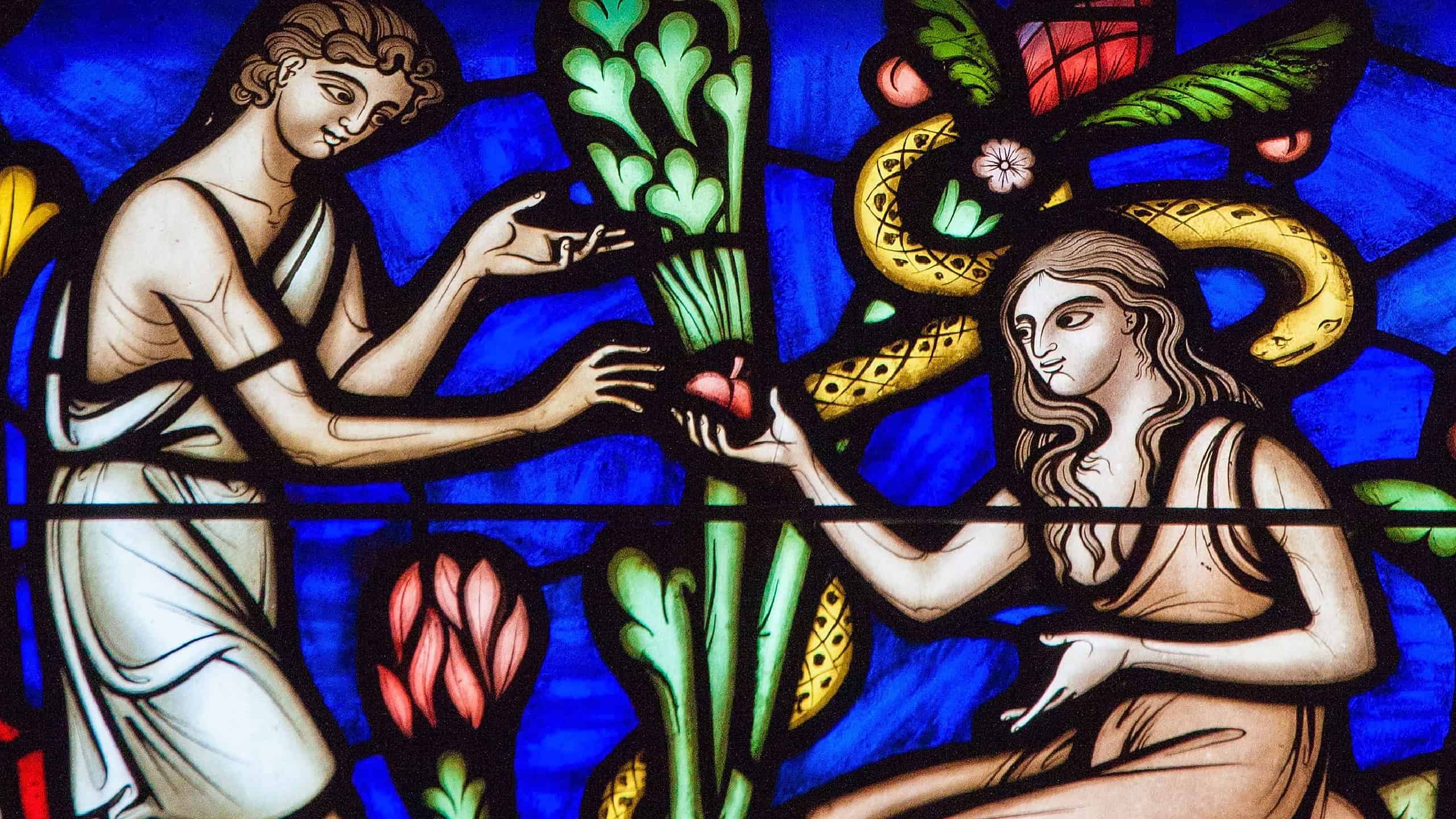
Speaking of temptation, you’ll find the same two people at the start of humanity’s story. Adam and Eve. In the Quran, Adam and his wife live in Paradise and are told not to go near a specific tree. Satan tempts them to do so. Sound familiar?
It’s pretty similar to the story in Genesis, where the two humans are in Eden and given a command about what not to do. However, the stories aren’t exactly the same. But the overall idea of two humans, a tree, and a tempter, is kind of the same.
Going without food

Let’s face it. Fasting isn’t easy, and both religions understand that. It’s why it has such an important place in them. Islam’s take on fasting is probably one of the most famous kinds, as it has an entire month, Ramadan, centered around it.
But fasting does also exist in Christianity. Just look at Jesus. He fasted for forty days while he was traveling through the wilderness, and it’s one of the reasons why fasting became part of prayer and repentance. Who knew giving up food would be such a common idea?
A woman set apart
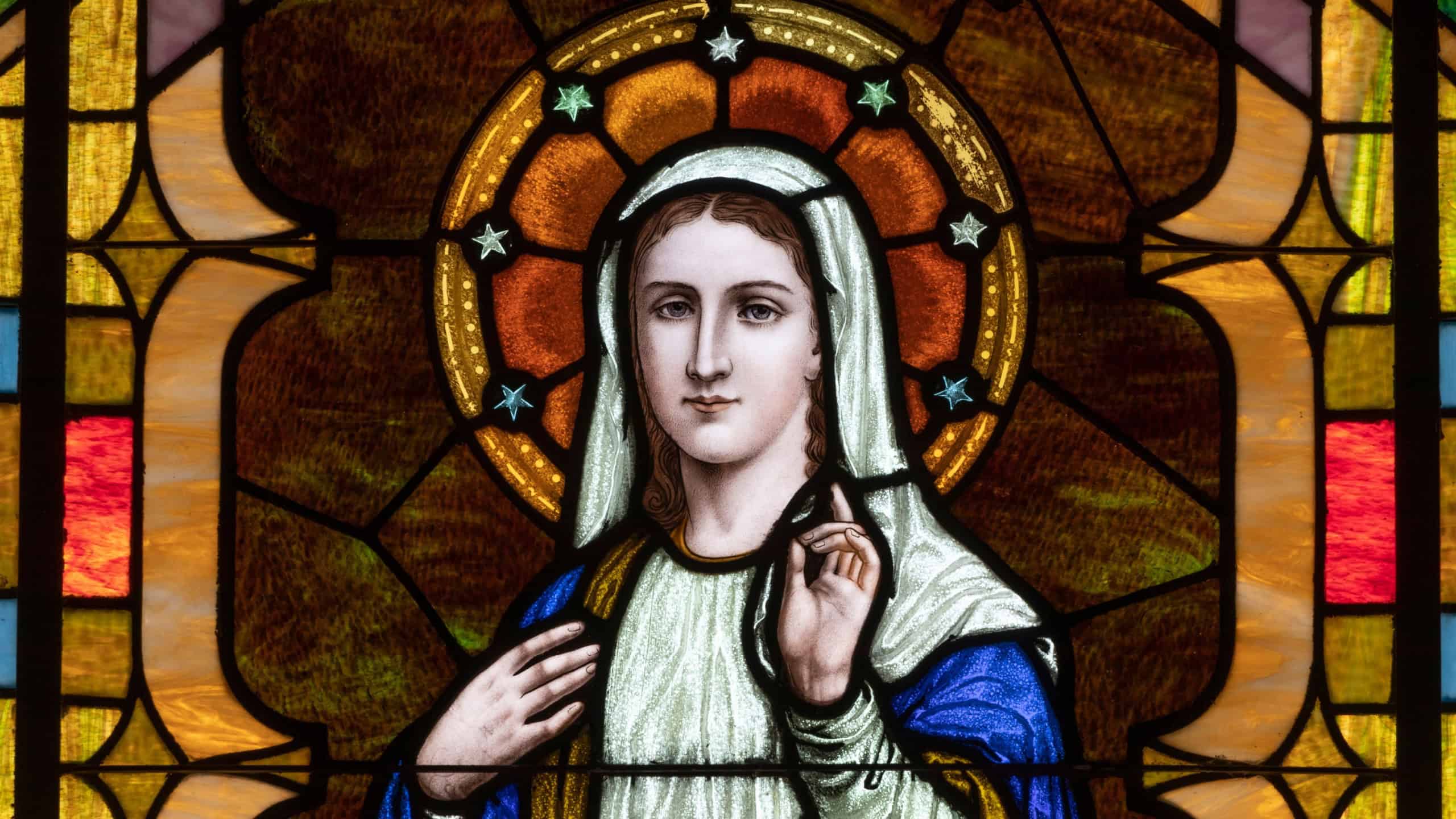
So many people think Mary’s only an important figure in Christianity. They’re wrong. As it turns out, Islam treats her as the mother of Jesus too, and also treats her as one of the most important women. It says God chose and purified her over all other women in the world.
She’s the mother of Jesus in Christianity, and Catholics and Orthodox traditions honor her quite a bit. The idea of her being blessed among other women exists in Luke as well. She was one important woman.
Words meant for sound
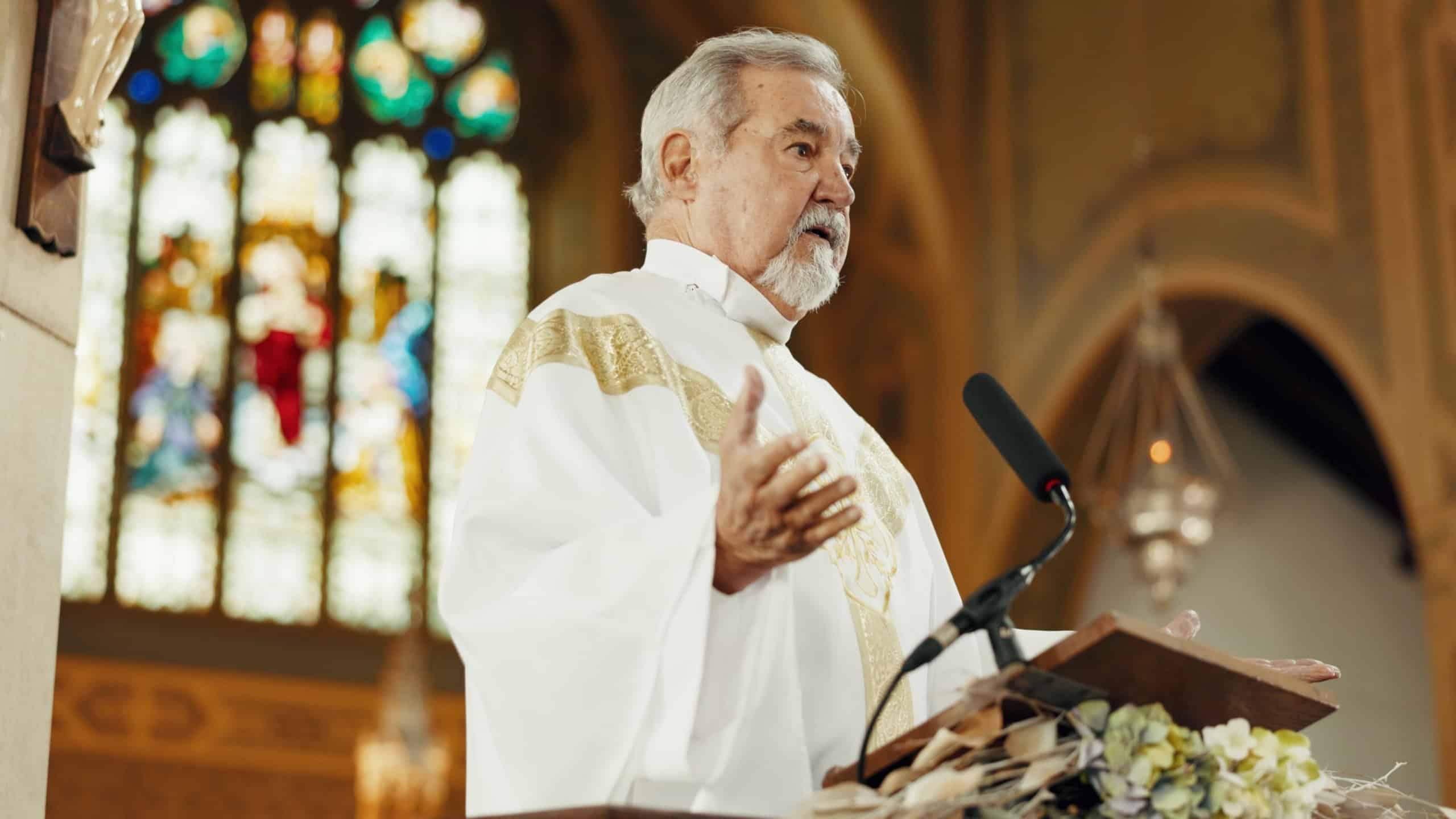
Religion isn’t exactly something you’re supposed to do silently. At least, that’s what both religions teach. The Quran teaches, from the very start, that you’re supposed to read out verses, not just in your head. It’s still an important part of Muslim life today.
That’s pretty similar to the Bible. Jesus reads parts of Scripture aloud, after all, and a lot of early Christian worship focused on that idea. Turns out, your sound and voice matter as much as the words themselves.
The same messenger appears

The angel Gabriel is most famous in the Bible for delivering a special message to Mary. You know, the message that she’s going to give birth to the Son of God. Usual stuff. Interestingly, though, the angel also appears in the Quran, although he delivers a different message.
He’s called Jibril in Islam. According to Islam, Gabriel shared the revelation of the Quran with Muhammad, so it’s a slightly different message. But the point still stands. He’s the one sharing big news and saying things nobody can really ignore.
The story keeps moving
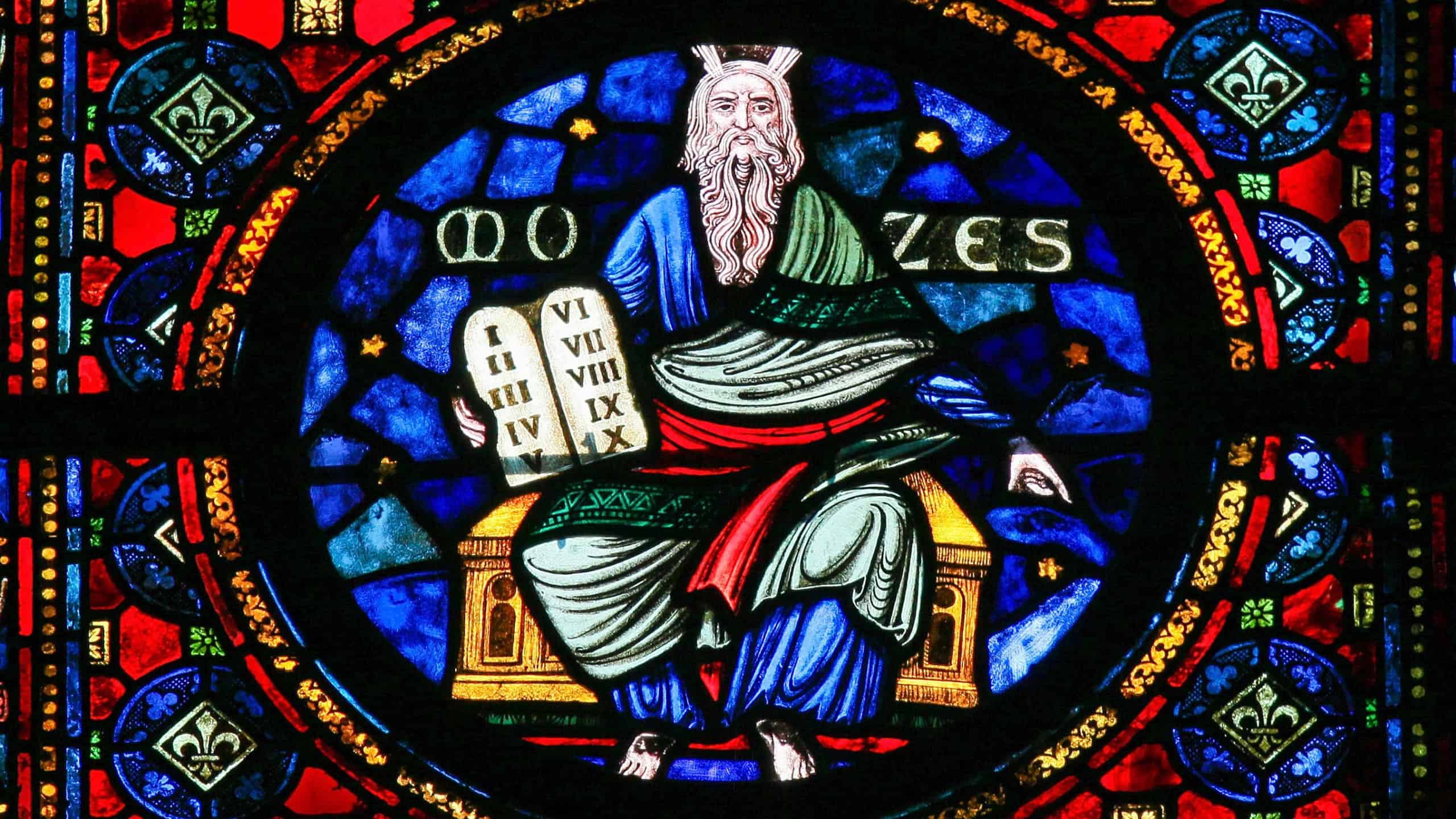
You might know that Moses exists in Judaism, Christianity, and Islam. You might not know that Christianity and Islam treat his story differently from Judaism. The Torah ends with Moses’s death. But in the Quran and the Bible, the story continues long after that.
Jesus’s story takes place after the Torah and the prophets in the Bible. Over in the Quran, Muhammad’s revelations come after Moses’s death. He’s an important figure for both religions, yet the story doesn’t finish with him in either one.
Two final places

What happens after we die? It seems that these two religions have similar answers, though they’re not exactly the same. Christianity talks about eternal life and punishment with heaven and hell. You can see that in Matthew 25 and Revelation.
The Quran talks about things similarly, too, because it mentions the idea of Paradise and Hell. It’s all a matter of judgment and resurrection. A few details aren’t the same, of course, like the specifics of what happens in each place, but the themes of mercy, punishment, and reward are.
Sources: Please see here for a complete listing of all sources that were consulted in the preparation of this article.

