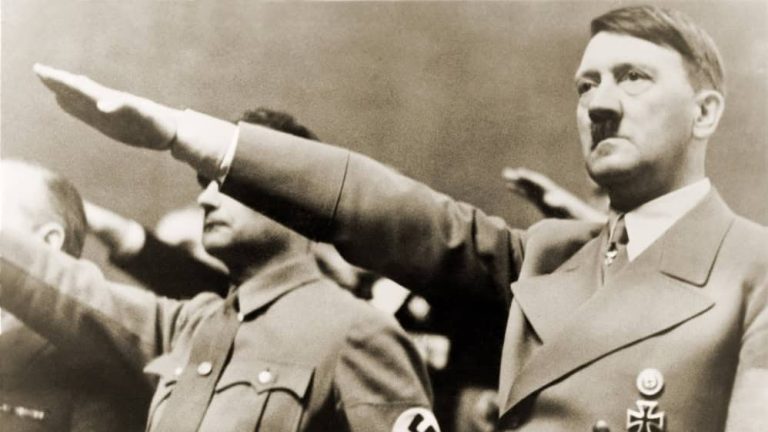

Some of the most famous names on books and buildings had a dark connection to the Nazi Party that we just can’t brush aside.
Ezra Pound
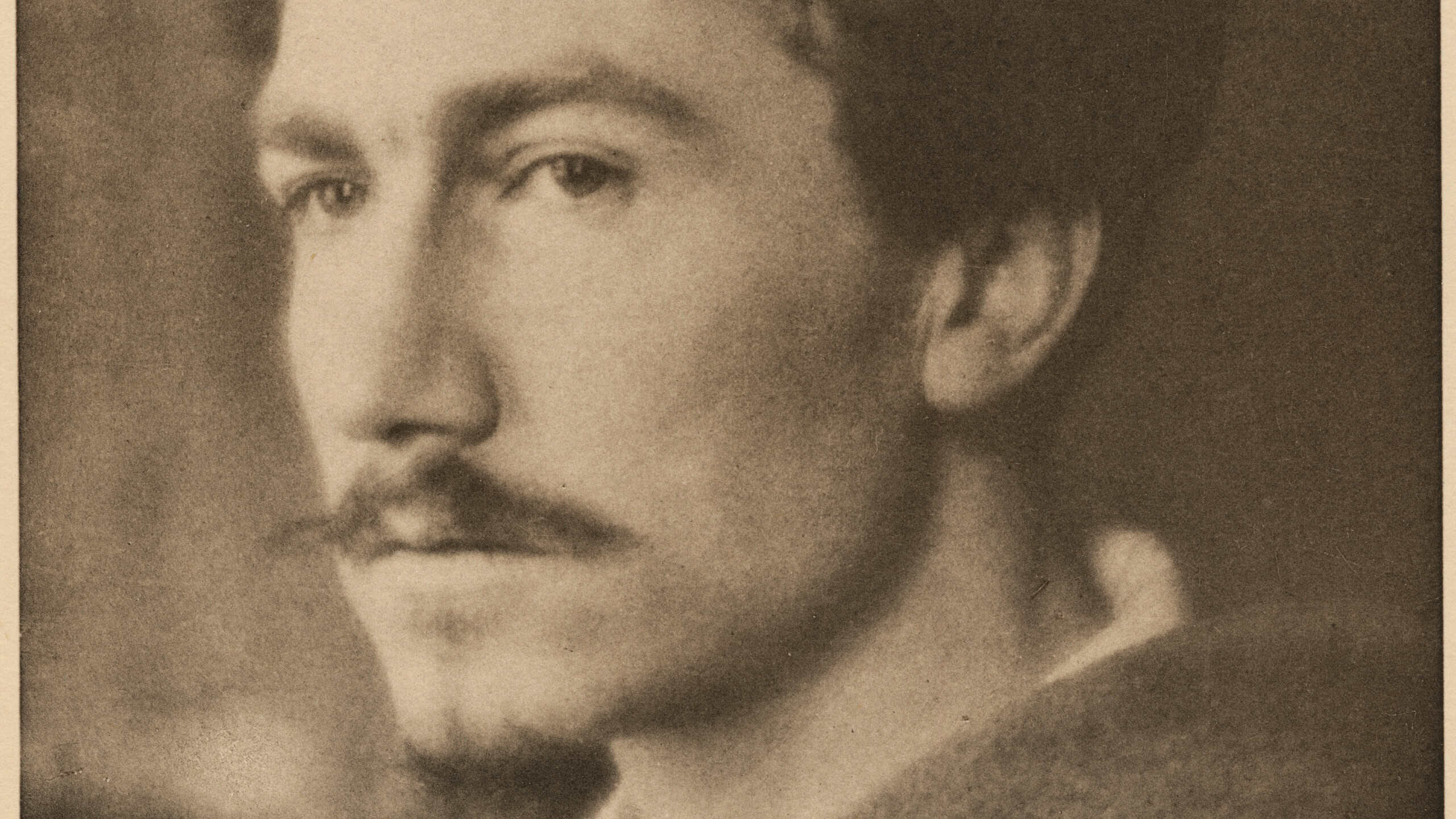
Famous poet Ezra Pound did more than simply make a few careless remarks. He actually recorded radio talks in Italy that praised Hitler and Mussolini, while also attacking Franklin D. Roosevelt. Yes, he hated his birth nation’s president.
Pound also shared horrific anti-Semitic statements on the radio and kept making pro-Nazi comments after Mussolini’s government collapsed. He worked under the Nazi-backed Italian Social Republic. It took until 1945 for American troops to arrest him for treason.
Coco Chanel
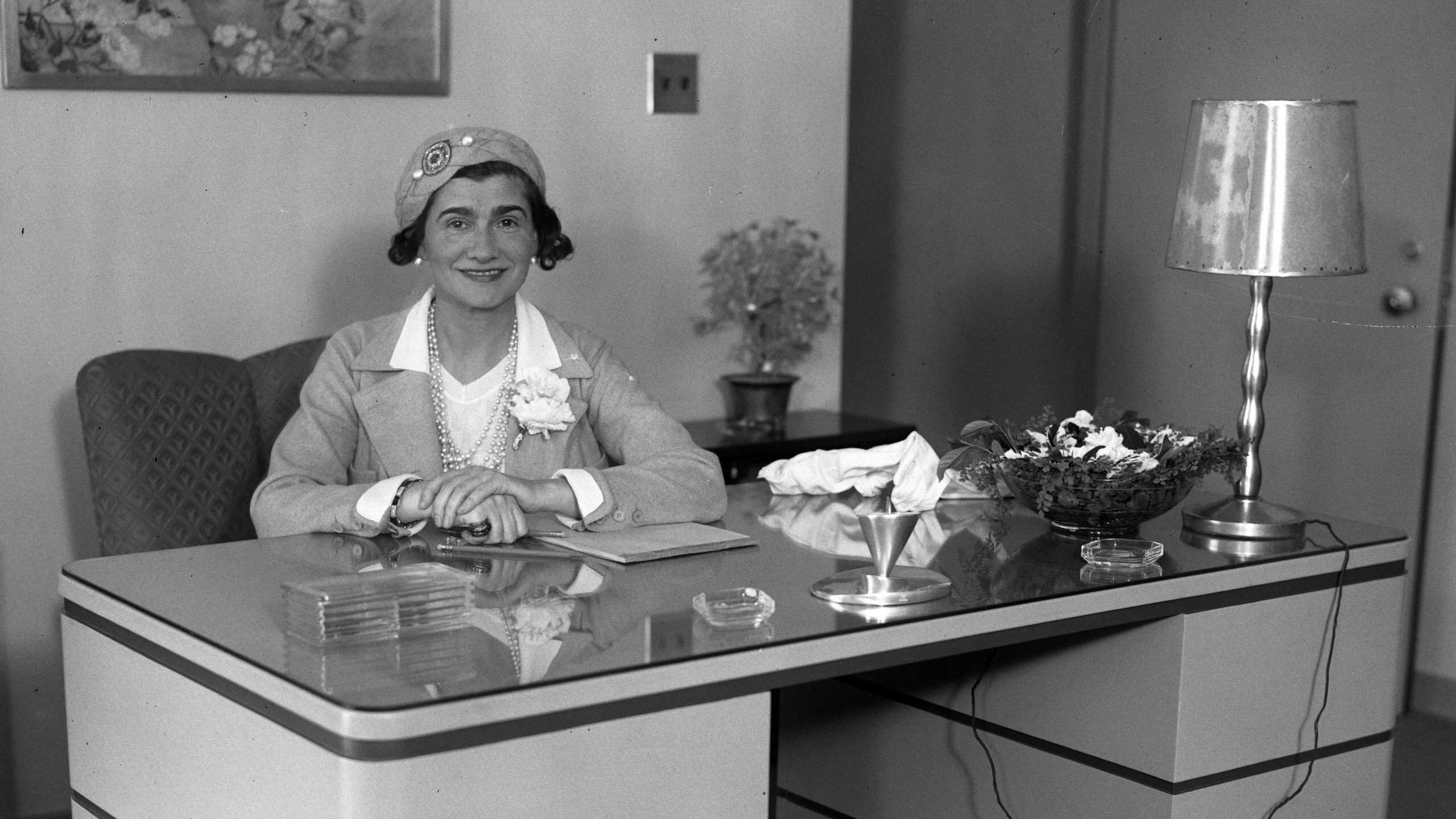
Fashion designer Coco Chanel lived at the Ritz in wartime Paris. German officers had taken over much of the hotel, and she began a relationship with intelligence officer Hans Günther von Dincklage. French records identified Chanel as an agent for the Nazi intelligence agency.
She was also involved in a 1943 attempt to contact Winston Churchill. The goal was to discuss a separate peace with Britain, although the plan ended up going nowhere. Still, it’s hard to accept that such an iconic person could’ve been on the wrong side of history.
Edward VIII
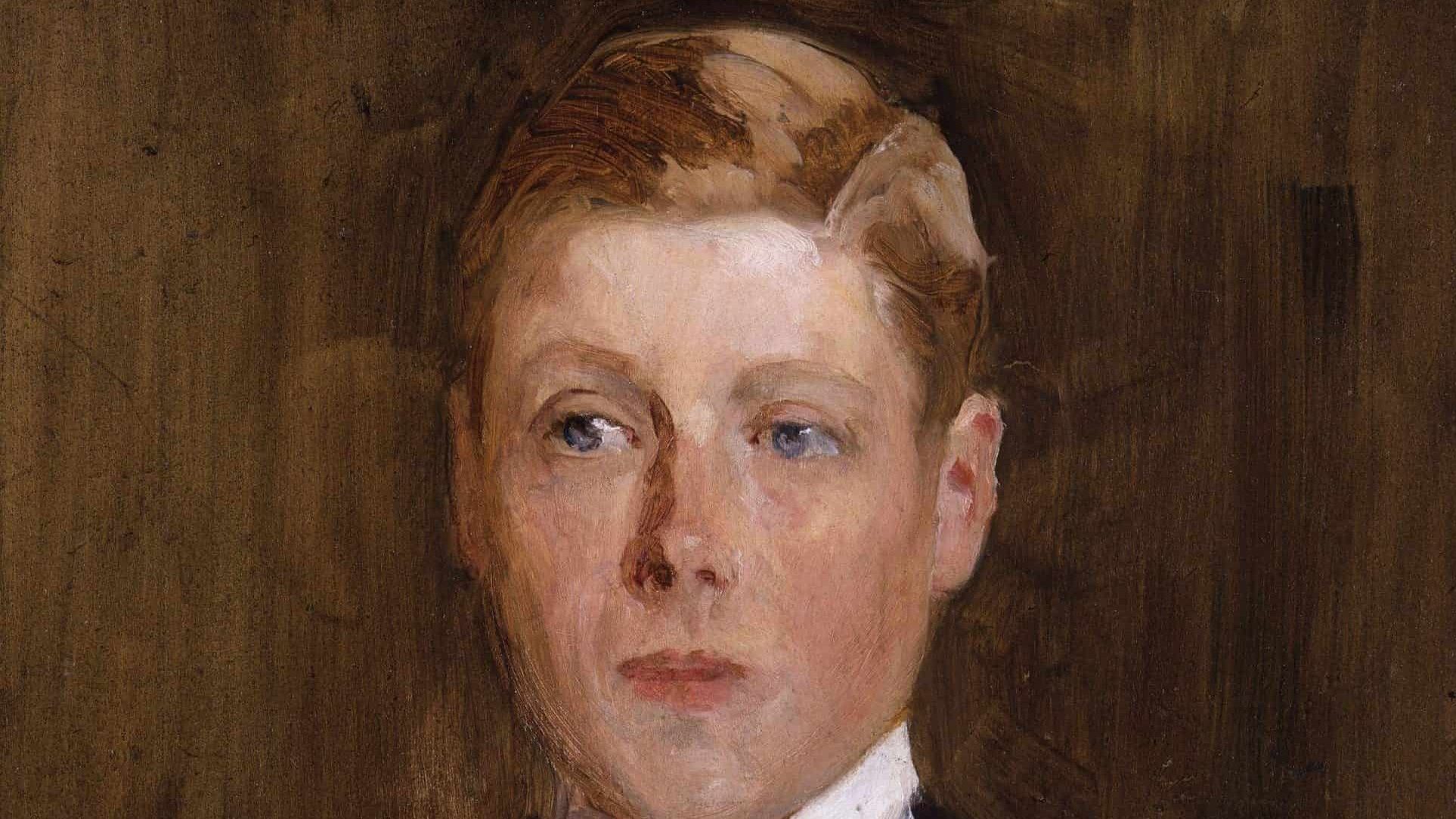
It didn’t take long for King Edward VIII of England to start supporting the Nazis. He’d been off the throne for less than a year when he went on a highly publicized tour of Nazi Germany. Edward, along with wife Wallis Simpson, visited factories and inspected training programs.
They met senior Nazi officials, and also appeared among crowds who were giving Hitler salutes. The entire trip ended with tea at Hitler’s mountain home in Berchtesgaden. If that doesn’t scream Nazi sympathy, we don’t know what does.
Charles Edward
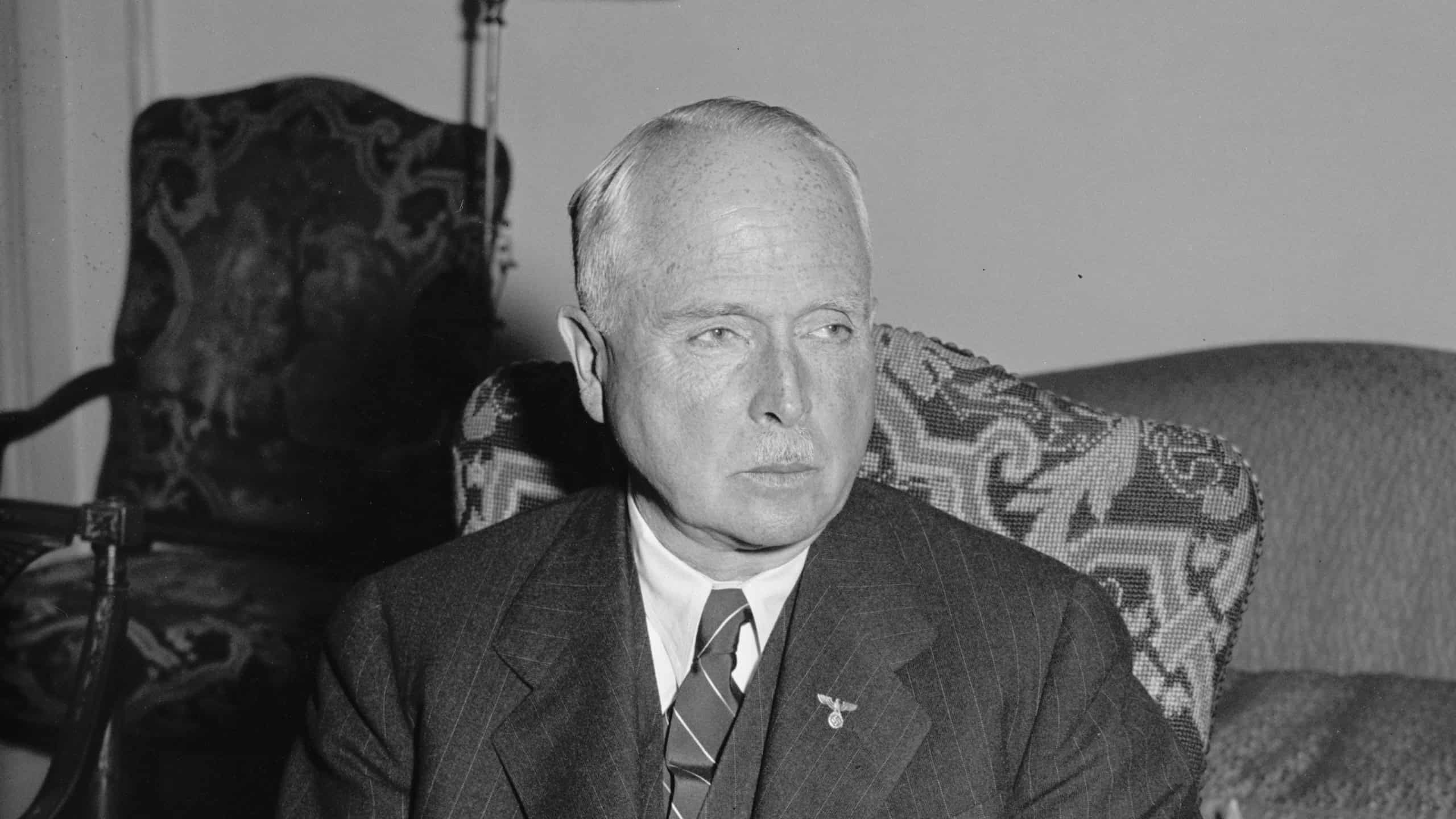
That’s not all for the British royal connection. Charles Edward began life as Queen Victoria’s grandson and a British prince, but by the 1930s, he’d begun wearing a Nazi uniform. He joined the Nazi Party and rose to the rank of Obergruppenführer, or senior group leader, in the SA.
It gets worse, though, because he actually became close to Hitler himself. So much so that the Führer sent Charles Edward abroad because his royal background made dealing with British elites easier.
Henry Ford
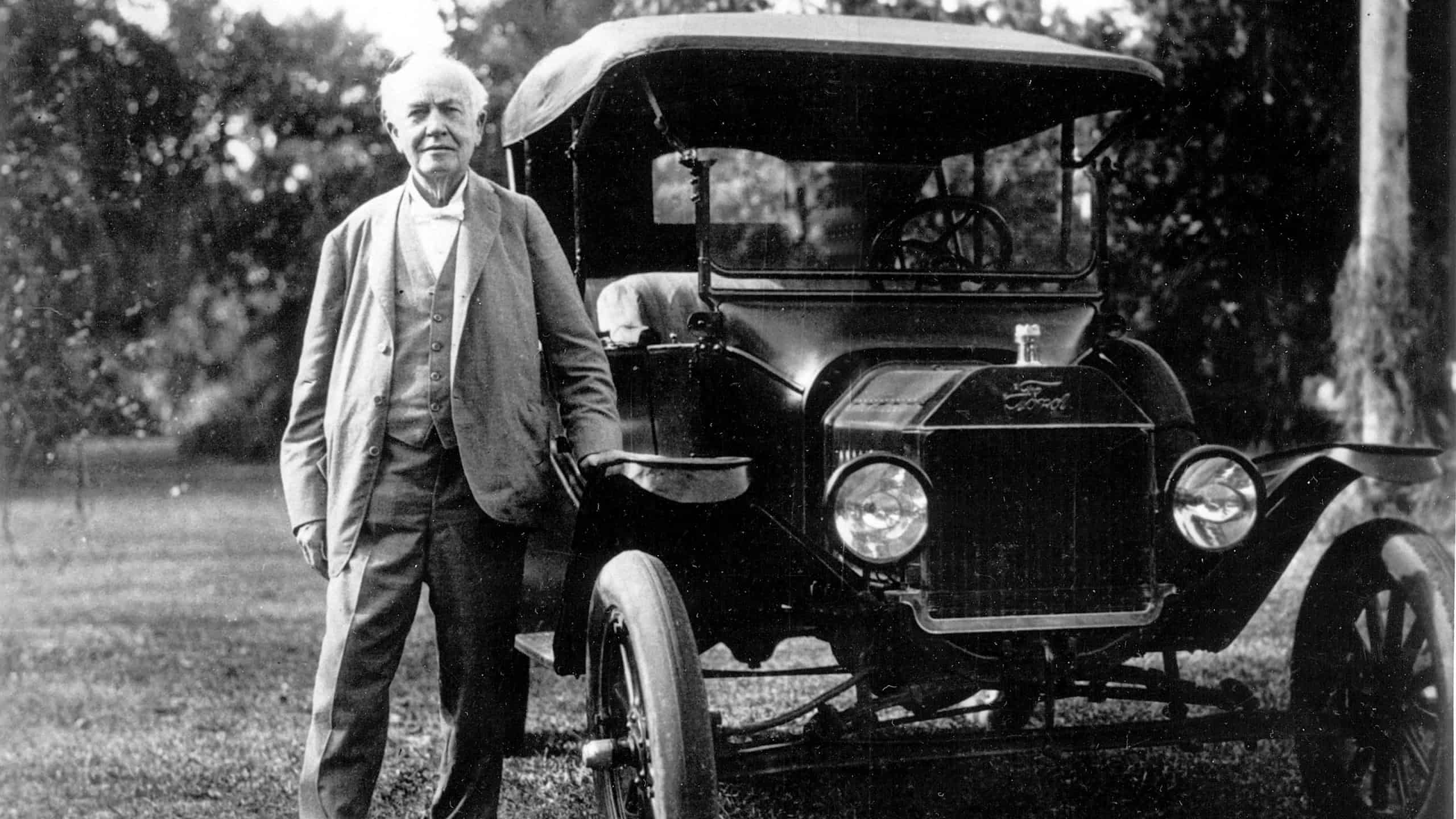
Henry Ford, yes, that Henry Ford, published many antisemitic articles under the title The International Jew. This was before the Nazis rose to power. These pieces were later collected into books and circulated widely in Germany, however, and the Nazis approved of them.
The Nazis supported his ideas so much that German diplomats awarded Ford the Grand Cross of the German Eagle on his 75th birthday. That was the highest kind of decoration a foreigner could get in Nazi Germany. Ford accepted the award.
Carl Schmitt
You’d think a philosopher would be able to see the wrong in what the Nazis were doing. But no. Carl Schmitt used legal theory to help Hitler after joining the Nazis in May 1933. He was once a respected law professor who gained senior positions, now he was defending the Nazis.
Hitler ordered that his political opponents be killed during the Night of the Long Knives. Schmitt supported him. He published an argument, in fact, claiming the Führer’s actions were lawful because he was above normal legal limits. He did a lot of other legal work to remove the Jewish influence from German legal education.
Sven Hedin
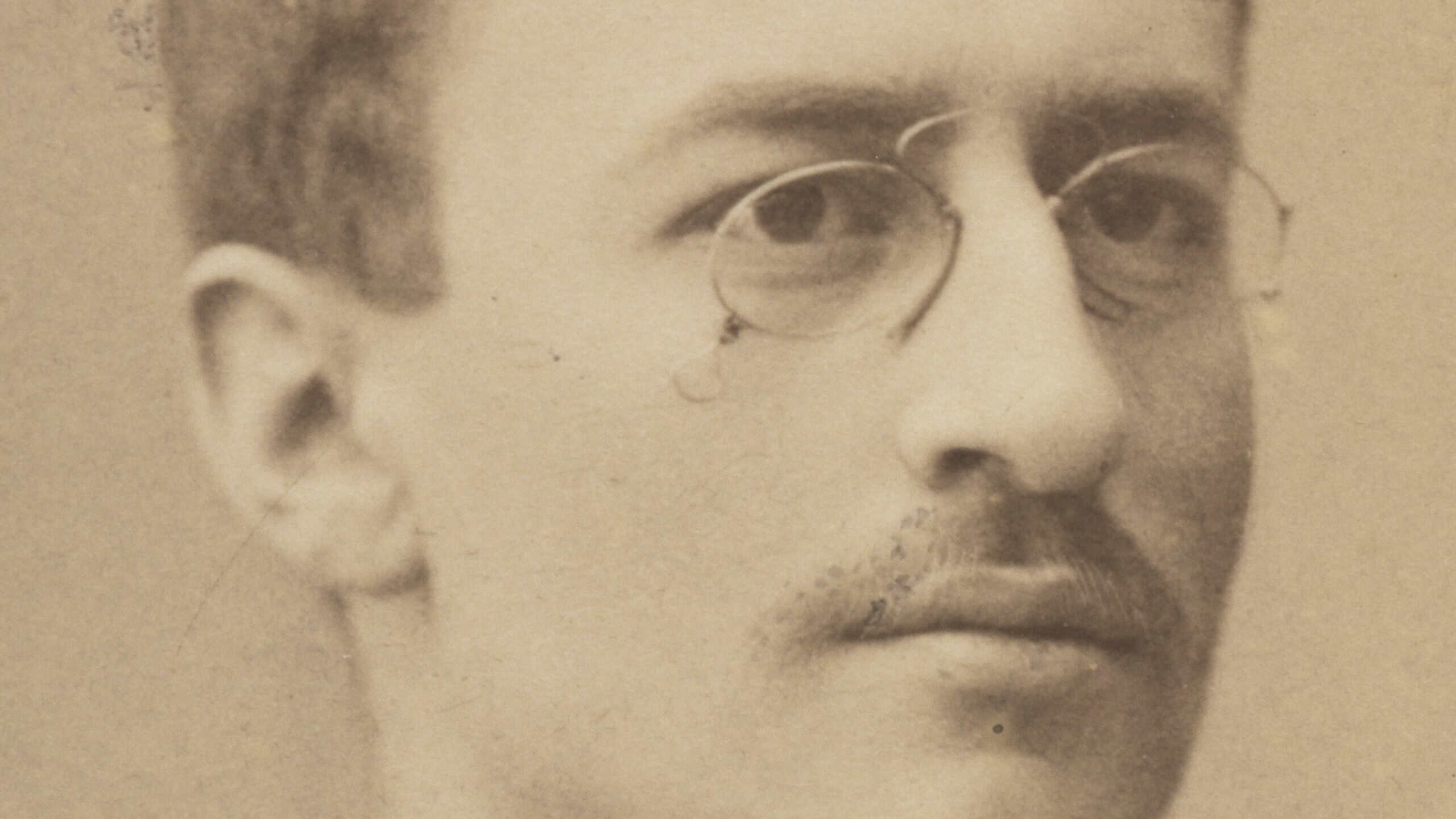
Sven Hedin was one of Sweden’s most famous explorers during the 1920s, thanks to his expeditions across Central Asia. But he had a dark side. He admired Germany and actually stayed in friendly contact with Hitler, along with other Nazi leaders.
He even gave a pro-Nazi speech during the 1936 Berlin Olympics. All that support for the Nazis continued during the war, and he visited Germany repeatedly throughout. There were times when he asked Nazi officials to release prisoners. But he never stopped praising Hitler.
Robert Brasillach
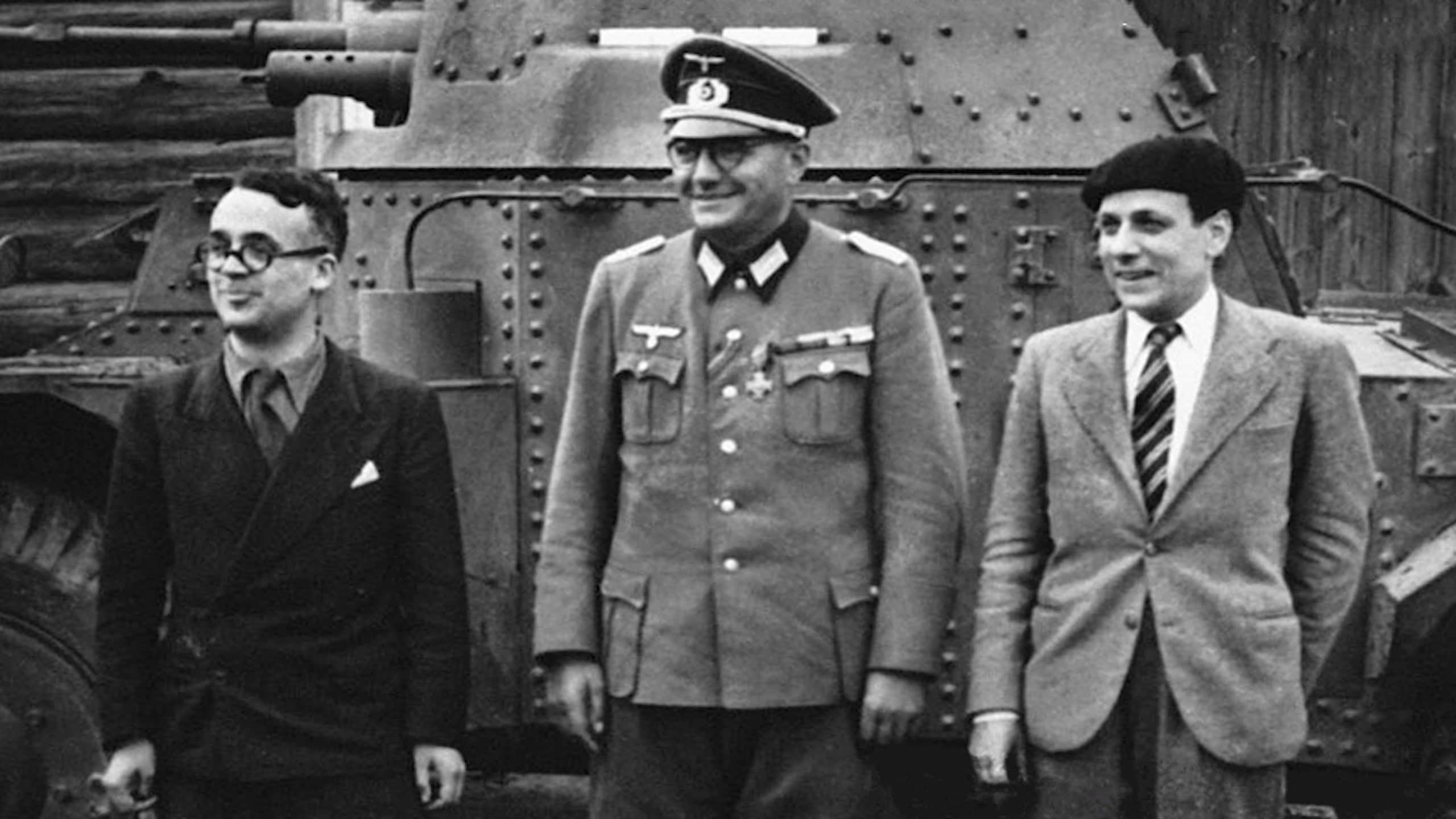
French newspaper editor Robert Brasillach wrote articles with the confidence of someone who thought Germany had already won. Because he did. He praised fascism in his newspaper Je suis partout and also supported collaboration with the Nazis. He attacked Jews, too.
But he took his love for the Nazis further by printing the names of people accused of resisting German rule, putting them in real danger. Brasillach traveled to Germany and wrote positively about Nazi events. He was eventually executed in February 1945, shortly after France was liberated.
Hugo Boss
There’s a popular story about how Hugo Boss apparently designed the Nazi uniforms. It’s not quite true, although that doesn’t mean he was anti-Nazi or anything. Definitely not. His company manufactured uniforms for the SS, SA, Hitler Youth, and German military.
Boss didn’t design the SS outfits, sure, but he was still pro-Nazi. He actually joined the Nazi Party in 1931 before Hitler became chancellor, and his business only continued to grow under the regime. A denazification court after the war said Boss was someone who’d benefited from Nazism.
Charles Lindbergh
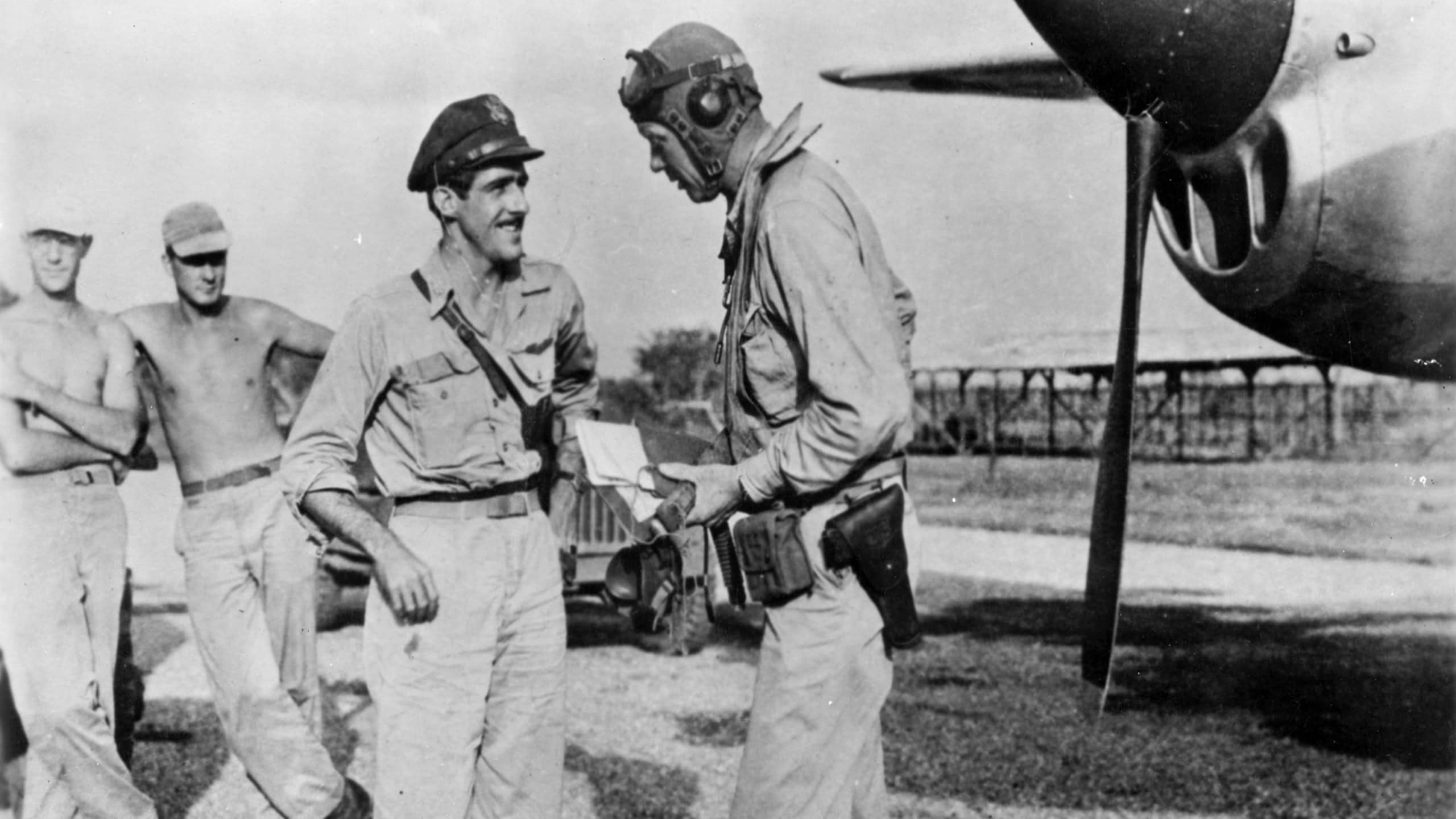
It wasn’t like pilot Charles Lindbergh was going on casual sightseeing trips to Germany. Far from it, as he went with Nazi officials to visit aircraft factories and look at military technology. They were hoping Lindbergh’s reports would impress people abroad.
Lindbergh praised German aviation and talked about how powerful the nation’s air force was. He received the Service Cross of the German Eagle from Hermann Göring in 1938, and that just goes to show how pro-Nazi he was.
Philipp Lenard
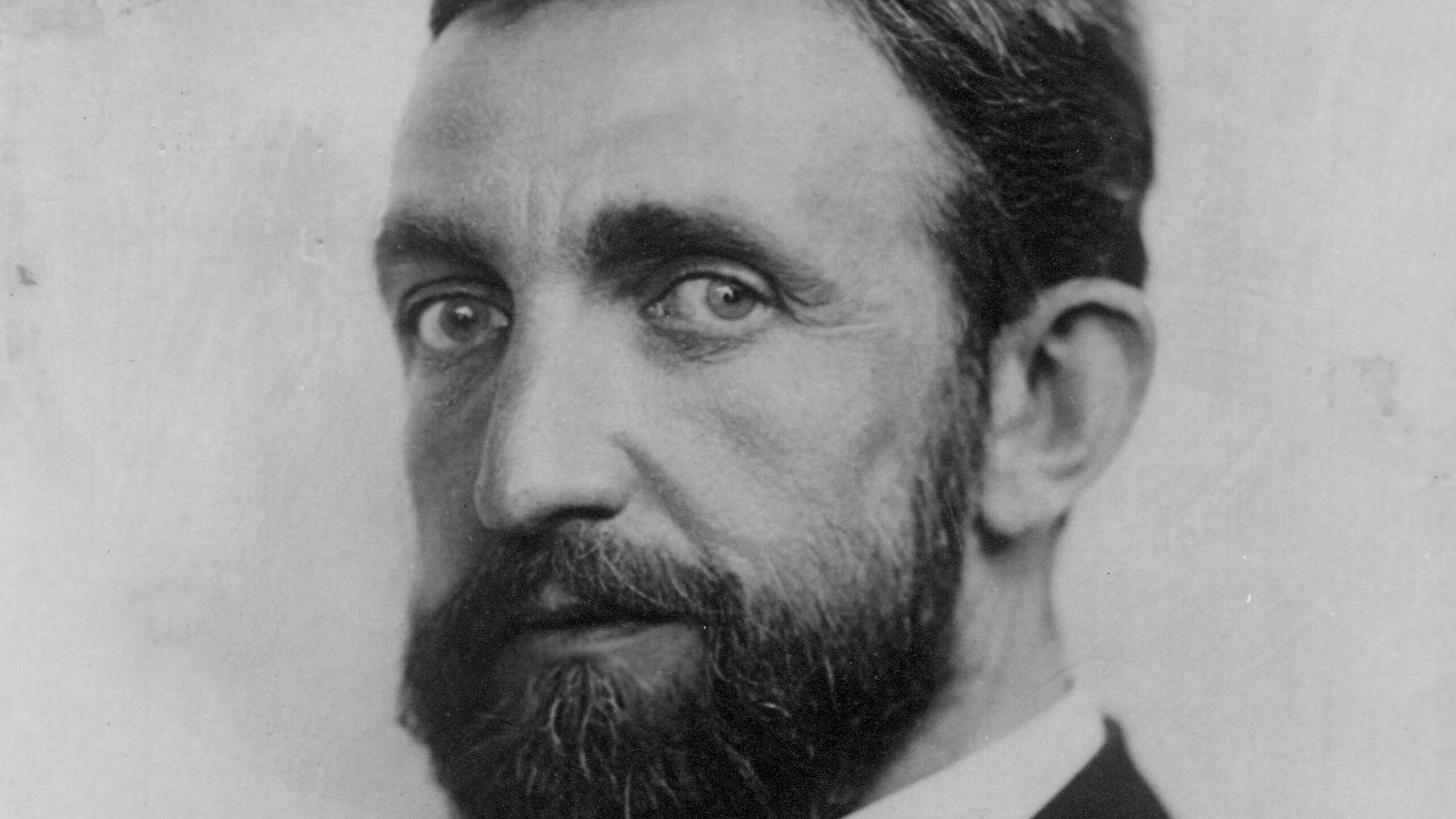
Even geniuses can fall for fascism. Take a look at Philipp Lenard, for example. He had a Nobel Prize in Physics and a grudge against Albert Einstein, who he claimed supported ‘Jewish physics.’ Lenard favored German physics, which claimed science should follow racial and national ideas.
Lenard used his status to campaign against Jewish scientists during Hitler’s reign. He also used it to speak against any theoretical physicists that he disliked. In other words, he was trying to rebuild German science around his support for the Nazis and hatred of Jewish people.
Lord Rothermere
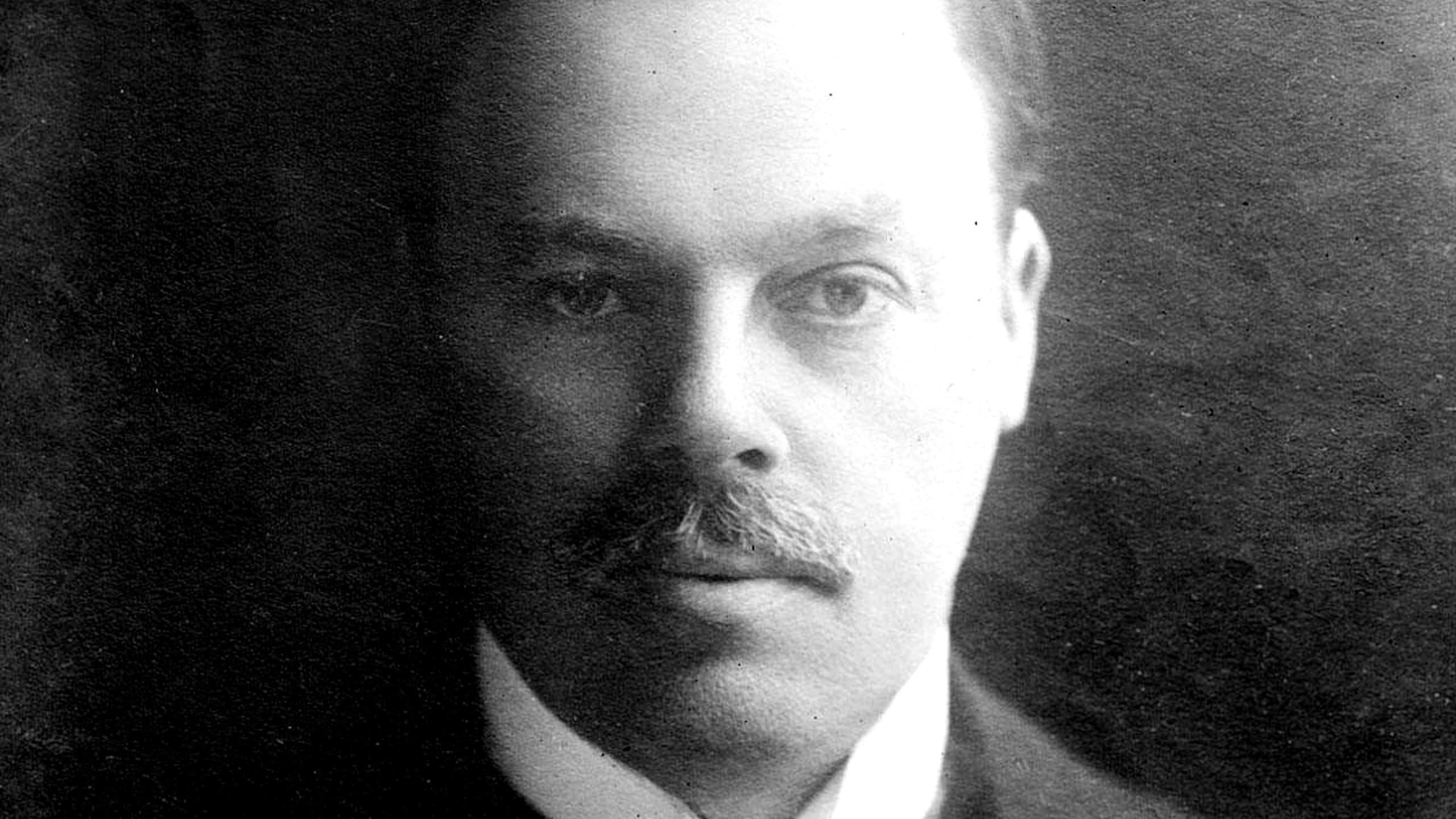
As the owner of the British newspaper the Daily Mail, Lord Rothermere didn’t keep his support for Hitler quiet. He was pretty open about it. He wrote to Nazi officials himself and met some of them. Rothermere spent a lot of the 1930s presenting Germany as a sensible answer to communism.
He sent Hitler a congratulatory message in 1938 after the Munich Agreement. Rothermere had weird hopes for Hitler, including the belief that Britain would someday call him ‘Adolf the Great.’ He was clearly a big fan.
Father Charles Coughlin
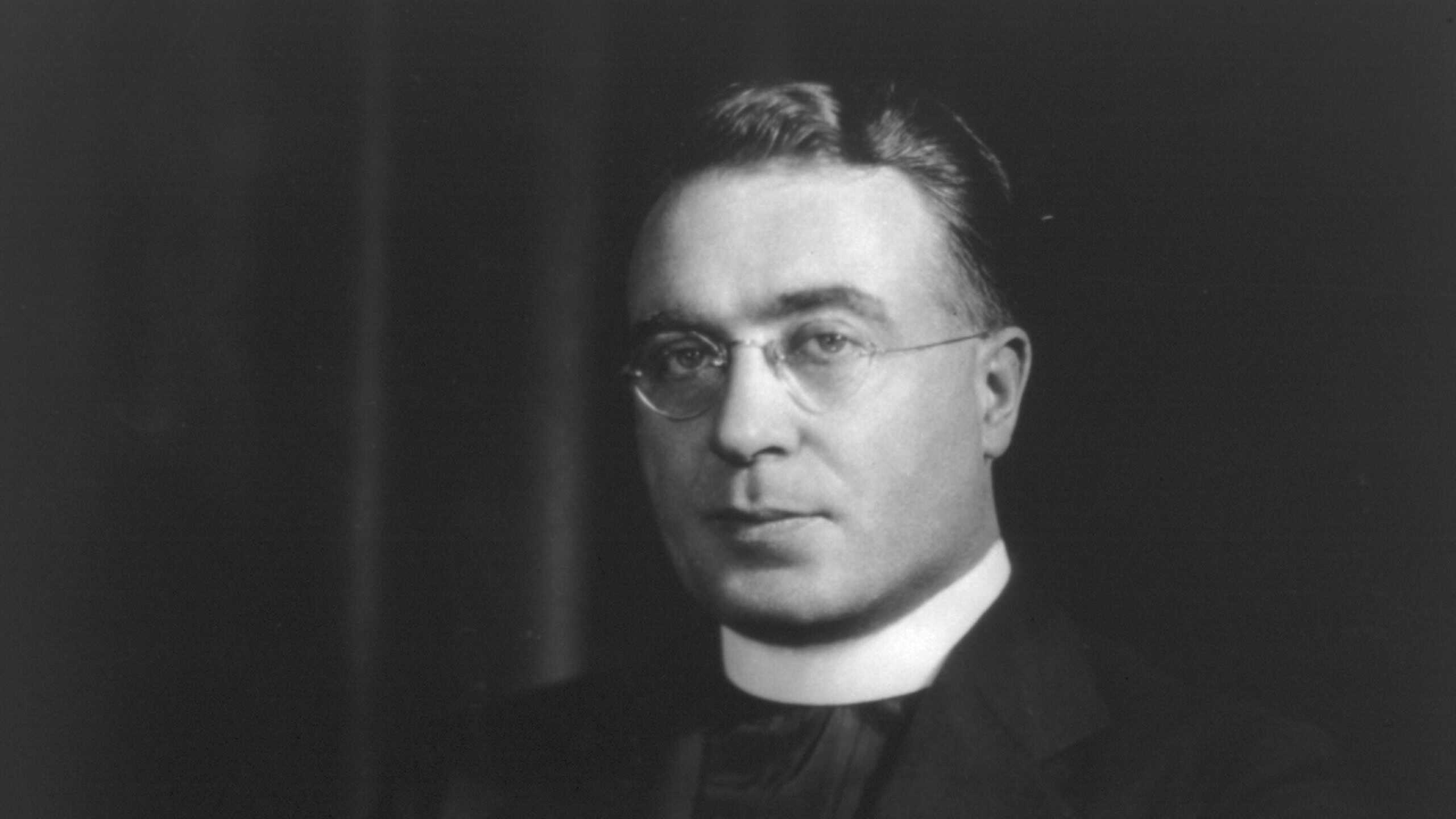
Father Charles Coughlin had one of the biggest radio audiences in America during the late 1930s. He didn’t use that power for good. No, he kept repeating antisemitic claims that the Nazis would’ve been proud of, and he shared similar material in his magazine, Social Justice.
How ironic of a name. Coughlin blamed the Jews themselves for Kristallnacht, a night when Nazis destroyed Jewish businesses and burned synagogues. It didn’t take long for stations to drop him and church officials to step in. But by then, the damage was already done.
Thea von Harbou
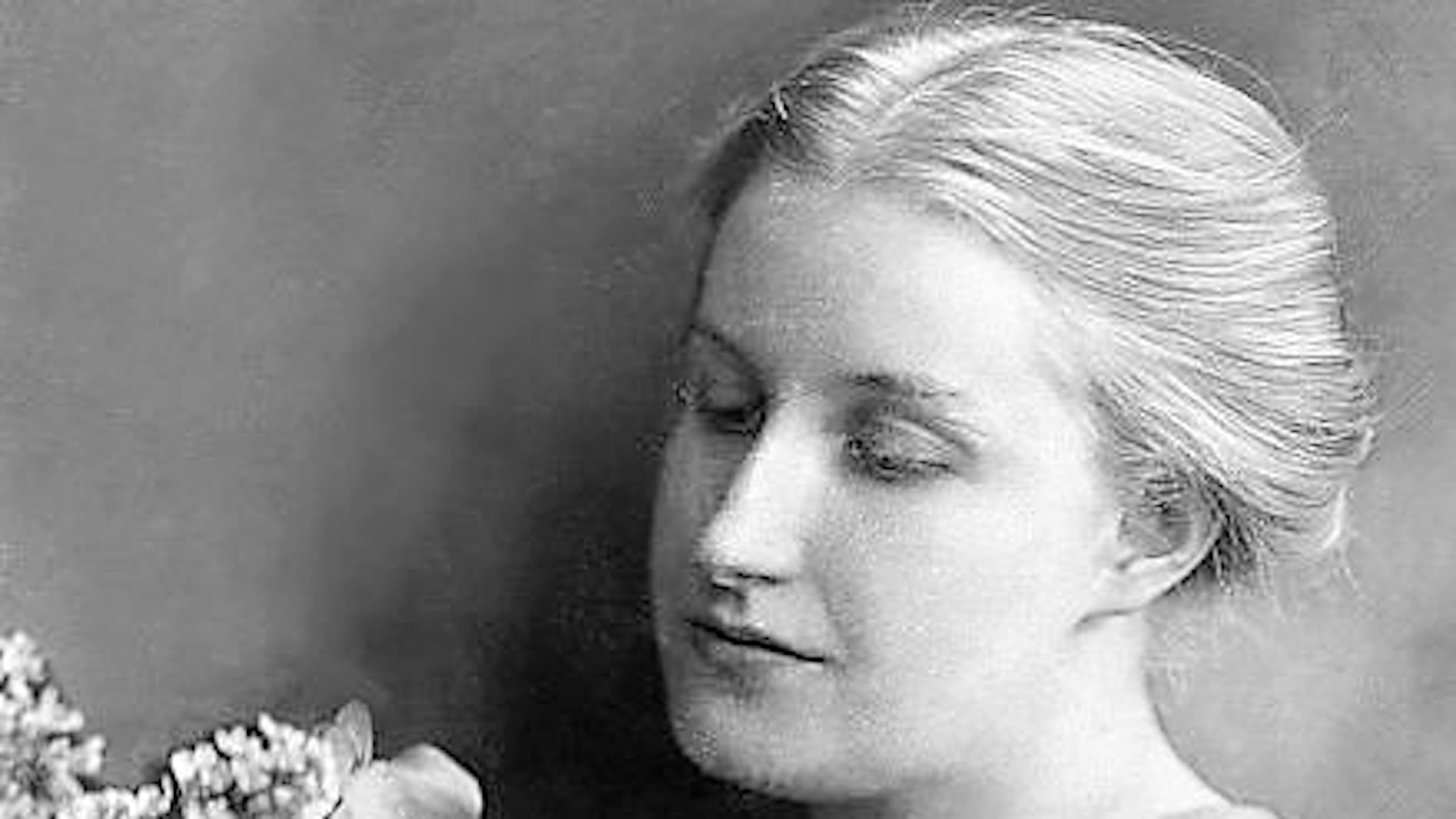
Screenwriter Thea von Harbou, who wrote the script for the 1927 film Metropolis, didn’t stop working when Hitler took power. She stayed behind in Germany after her husband, the director of Metropolis, left, and she joined the Nazi Party.
Von Harbou worked on around 26 films made during the Nazi years. A lot of these had pretty obvious pro-Nazi views. She did later claim that she’d joined the party to help Indian immigrants in Germany, but still, there must’ve been better ways to do that.
Sources: Please see here for a complete listing of all sources that were consulted in the preparation of this article.
The 15 most hated actors in Hollywood history

Some actors receive hate after criminal cases, some receive it after the things they’ve said, and as for others, it’s because they took on a role that went very badly.
