

There are some phrases that we use every day without even thinking about it. Some of them sound funny now, but have actually started out as much darker (or stranger) stories. Olden day punishments, perilous jobs and even death, they don’t exactly have the same meanings that we give them today. Here are 14 common phrases with dark origins.
Featured Image Credit: Shutterstock.
“Bite the bullet”

At times when there was no anesthesia during surgery, soldiers were made to bite on a bullet to ease the pain. Biting the bullet helped them to hold on for dear life during the long and painful surgery. The idiom “bite the bullet” now means to face a tough situation bravely.
“Saved by the bell”

We throw “saved by the bell” around casually today, but its roots are rather morbid. Centuries past, before medicine could easily verify death, many feared being buried alive. To prevent this, some coffins were even rigged with bells on the surface above. If one roused, they could ring the bell for help. In such cases, they were truly saved by the bell.
“Mad as a hatter”

Hat makers in the 1700s and 1800s used mercury to make felt hats. It caused mercury poisoning and made the workers’ bodies shake and gave them hallucinations. They began to act really strangely as mad hatters.
“Riding shotgun”
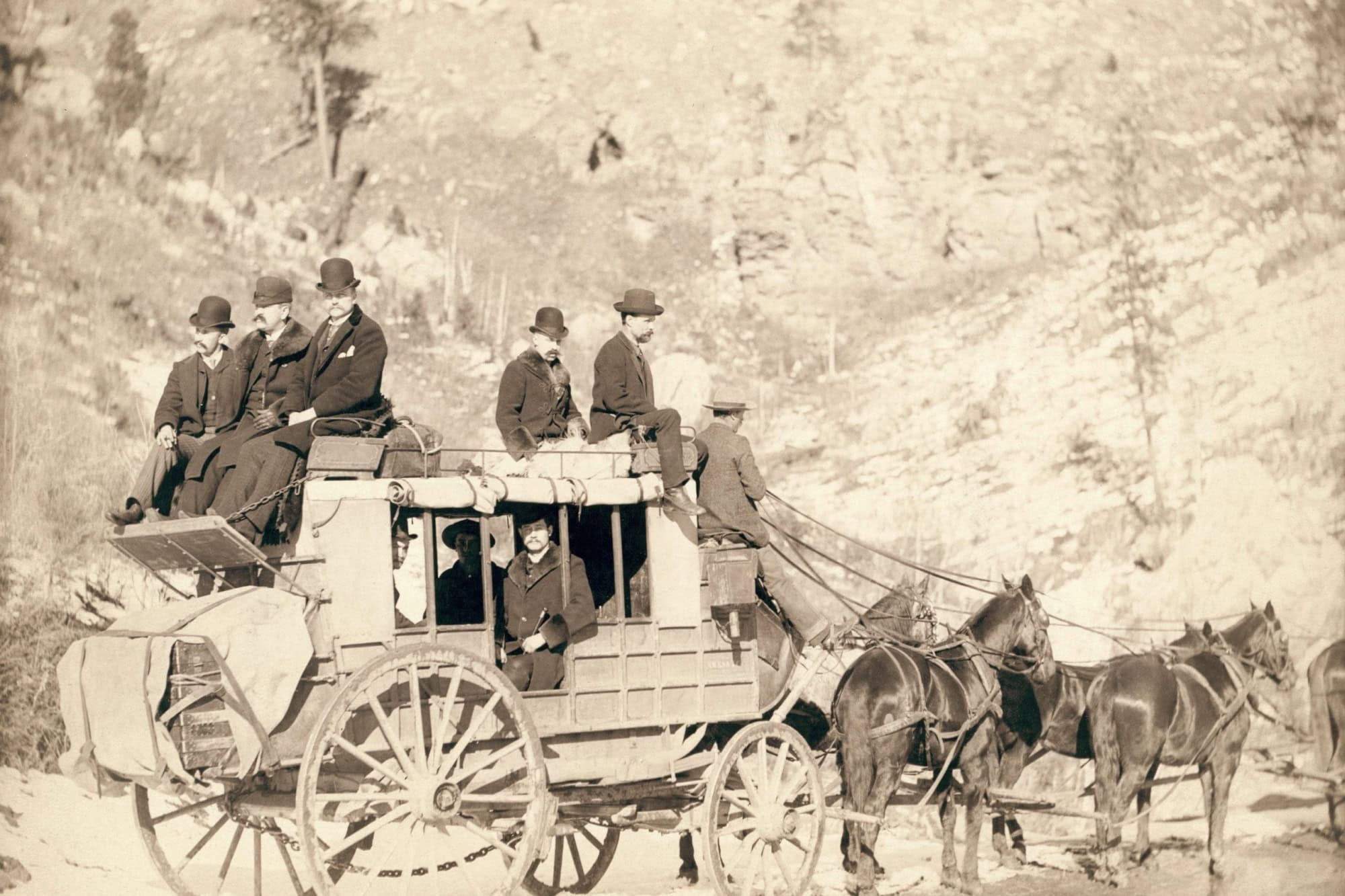
In the Old West, the person who rode next to the driver of a stagecoach had a shotgun to protect passengers against robbers and attackers. The modern use of the phrase still suggests that you are in a risky position, or sitting in the front seat.
“Paint the town red”

In 1837, the Marquis of Waterford and his friends went on a drunken rampage through a town. They caused a lot of damage, and “painted” parts of the town red. These days, it just means to celebrate wildly and have a good time, but its origins were much more violent.
“Pulling someone’s leg”

Thieves in the past used to trip their victims in order to rob them. This tripping up of someone became known as “pulling someone’s leg,” and became a synonym for teasing or joking with someone.
“By the skin of your teeth”

This phrase, a literal description of barely escaping death is found in the Book of Job in the Bible. The “skin” of the teeth represents the very, very narrow margin between life and catastrophe.
“Bury the hatchet”

Native American tribes did literally bury their weapons as a sign that they were ending hostilities. The phrase now means to make peace, but it comes from a background of war and the will to survive.
“Cat’s got your tongue?”

Legend has it that if a man was caught telling a lie in Ancient Egypt, his tongue would be removed and fed to the house cat. Nowadays, it’s just a way of telling someone that they’re being frustratingly silent.
“Turn a blind eye”

Admiral Horatio Nelson ignored a signal to stop attacking by looking at it through his blind eye. Now it’s just a way of pretending not to notice something unpleasant.
“Under the weather”

Seamen with aches and pains were sent below deck in bad weather, away from the wind and the rain. Now, it’s just a way of describing someone who’s feeling a bit out of sorts.
“Mad as a March hare”

This phrase is about hares, which were thought to behave oddly at mating time in March. We still use the phrase when we want to say that someone is behaving crazily.
“Skeleton in the closet”

Victorian families were sometimes known to hide the bodies of dead relatives in their closets, in order to avoid scandal. We now use the phrase to talk about secrets people try to keep hidden.
“Take it with a grain of salt”

“Take it with a grain of salt” can be traced back to ancient Rome. Pliny the Elder wrote that adding salt to an antidote was supposed to improve its effectiveness. His idea was eventually twisted into advice about not fully believing something. In other words, “don’t take it too seriously.”
Sources: Please see here for a complete listing of all sources that were consulted in the preparation of this article.
Like our content? Be sure to follow us.


