
Behind some of the biggest brands in the world were real people who managed to turn their names into products that everyone knows.
The New York label that started with coats
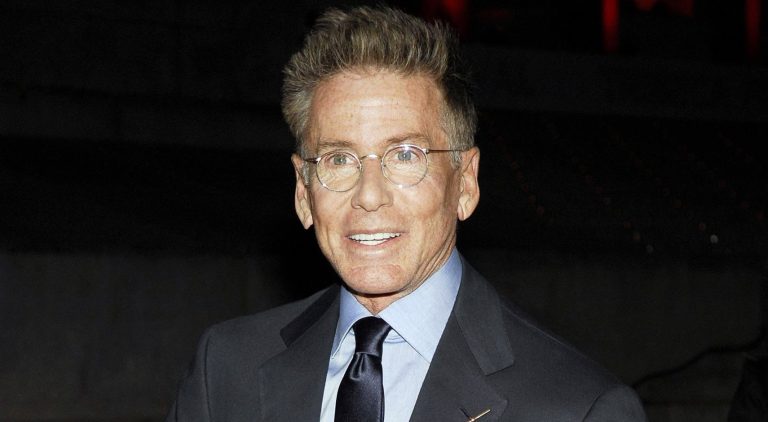
It wasn’t denim that got Calvin Klein started. In 1968, Klein created a clothing company with his childhood friend, Barry Schwartz, in New York. They began by making a collection of coats and dresses, which caught department store Bonwit Teller’s attention.
Teller placed a huge order for Klein and Schwartz’s merchandise, helping them to eventually expand into sportswear and jeans. Klein released CK One in 1994, and it was one of the first truly internationally successful perfumes aimed at men and women alike.
A cartoonist with a family business
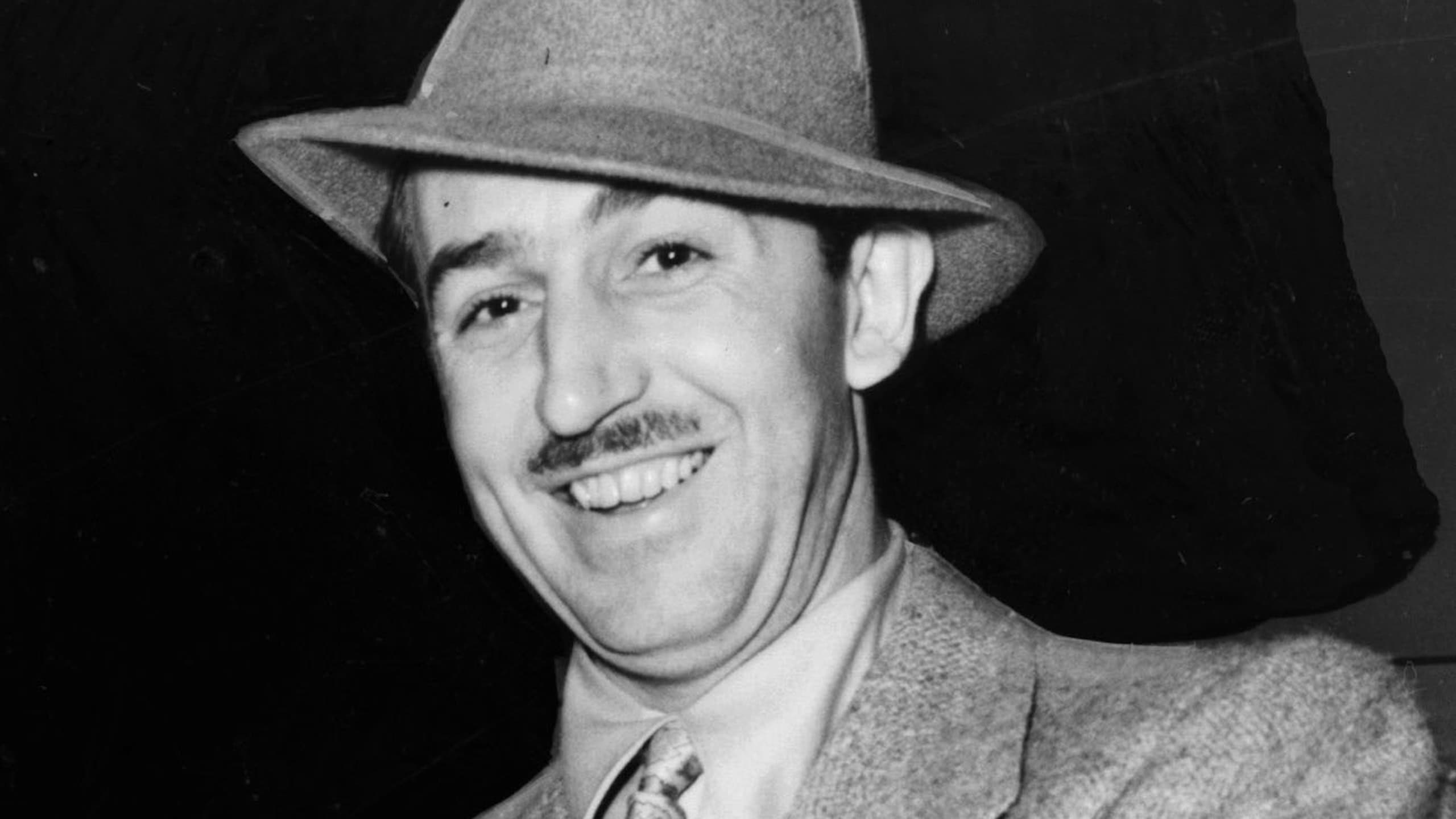
It’s hard to imagine that there was a time when Walt Disney wasn’t a famous name. The original animation studio was a family affair, as Walt signed a contract with his brother Roy on October 16, 1923, at their uncle’s Los Angeles home. It was called the Disney Brothers Cartoon Studio.
The pair began by making the Alice Comedies, which combined live actors with animation. In 1928, Mickey Mouse came along, and things really grew for the brand when Disneyland opened in California in 1955. The rest, as they say, is history.
The car that made a surname familiar
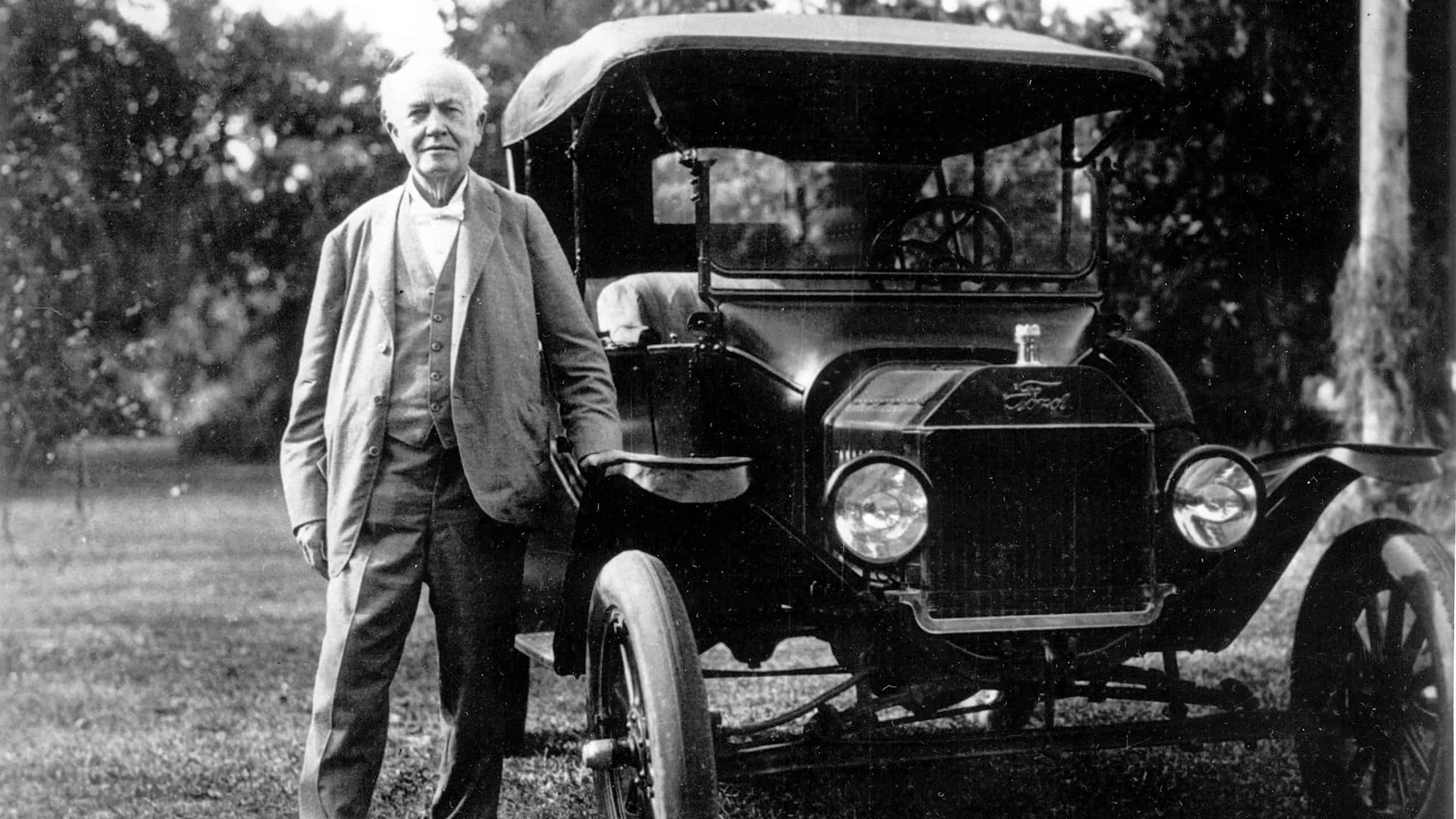
There was no way that the average American could afford a brand-new car in 1903. Henry Ford decided to change that. He founded the Ford Motor Company in Detroit that same year, with 12 investors and $28,000 in capital. In 1908, his company introduced the Model T, and Ford became a household name.
It’s mostly thanks to his moving assembly-line production at his factories, as it massively reduced manufacturing costs and made the whole process a lot easier. The Ford family bought out the remaining shareholders, and by 1919, they owned the whole company.
A Parisian hat shop with a famous name
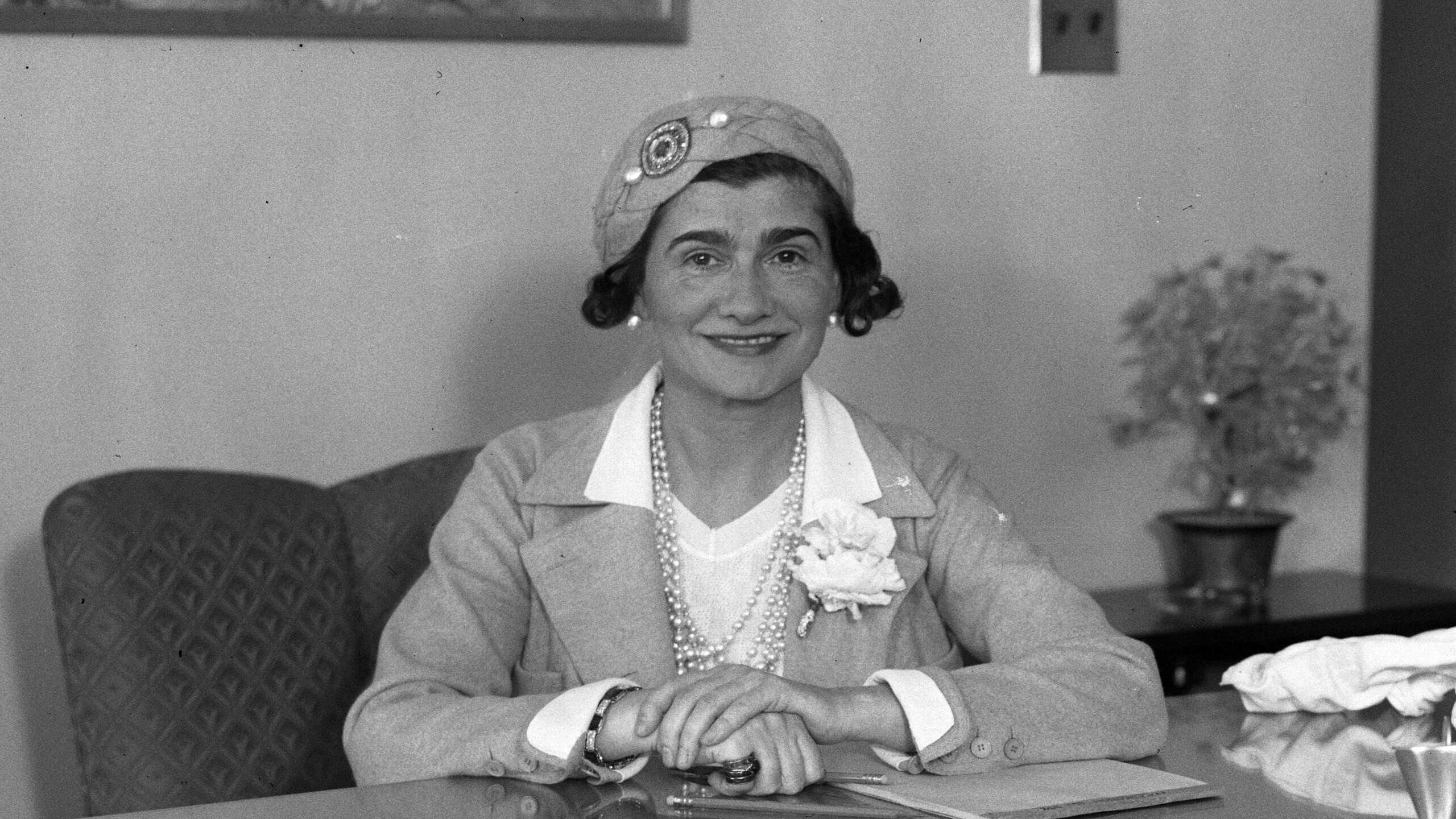
Gabrielle Chanel, known as Coco Chanel, started her fashion brand in 1910, when she opened Chanel Modes at 21 rue Cambon. French actresses began buying her designs. However, she didn’t make clothes right away, as it took a few years for Chanel to make the transition.
She opened boutiques in Deauville and Biarritz during the 1910s, establishing herself at 31 rue Cambon by 1918. Three years later, she released Chanel No. 5 perfume, and her company eventually became the brand that’s known around the world today.
The racing driver who built his own cars
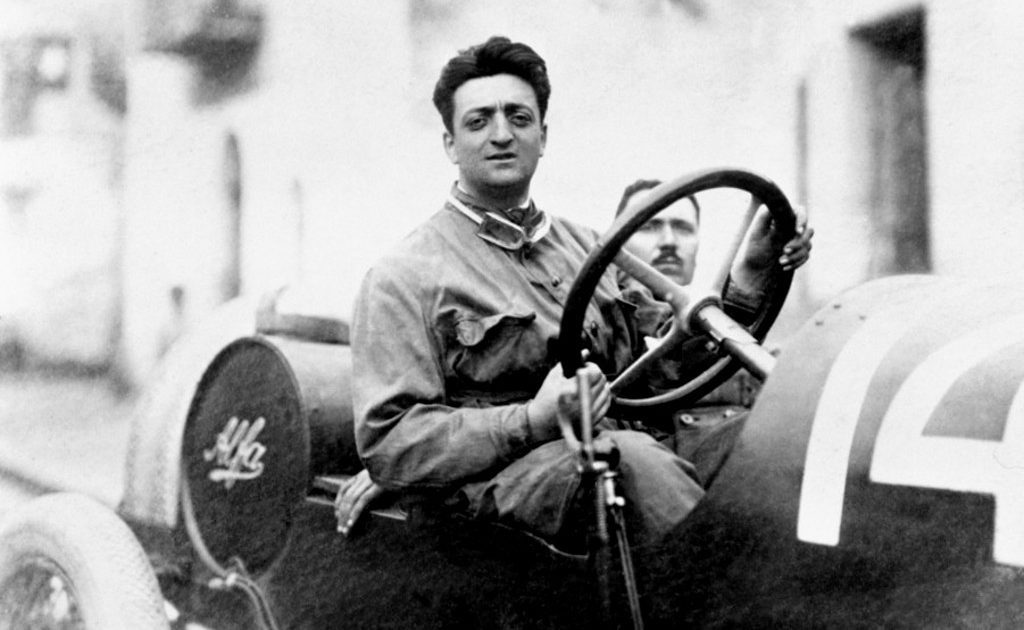
Enzo Ferrari spent many years racing cars before he made one that had his own name on it. It all started in 1929 when he created a racing team called Scuderia Ferrari. They originally worked with Alfa Romeo vehicles. Then, in 1947, his first Ferrari-badged car appeared.
It was the 125 S, and it made its racing debut in Piacenza on May 11, although it wasn’t entirely successful. Mechanical trouble ruined the first outing. Still, Enzo wasn’t one to give up, and Franco Cortese drove it to victory at the Rome Grand Prix nine days later. Ferrari was now a legitimate brand.
A chocolate maker with a different beginning
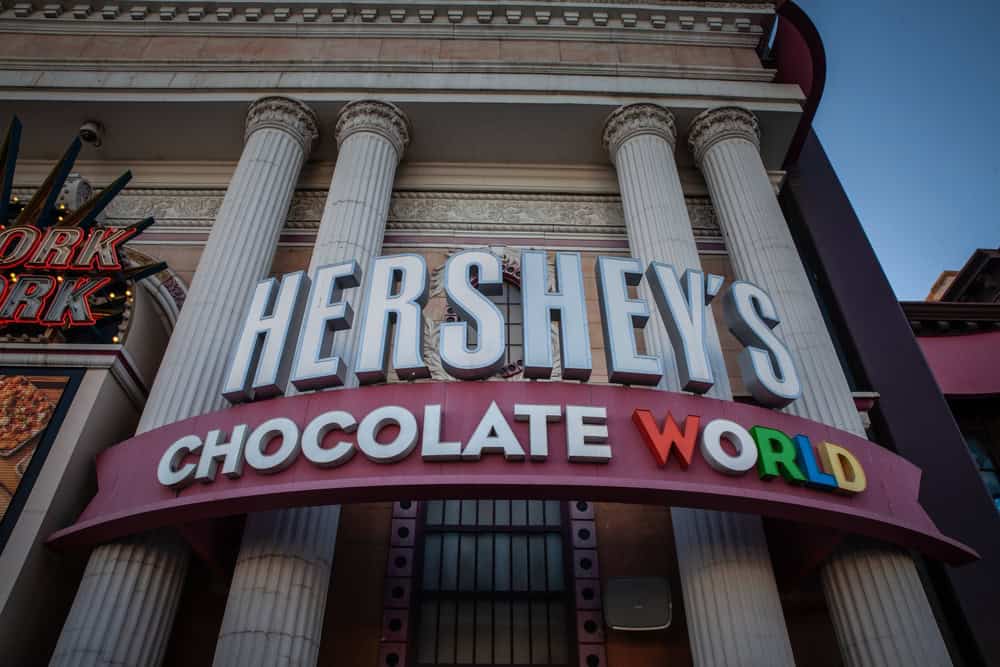
With a surname as world-famous as Hershey, you’d think Milton started his business by making chocolate. But no. He started with caramels. Yes, he had a rather successful company called the Lancaster Caramel Company, and the Hershey Chocolate Company came later. After creating Hershey in 1894, Milton decided his future belonged with chocolate.
He sold his caramel operation six years later and introduced the Hershey’s milk chocolate bar at the same time. It was an affordable chocolate bar for ordinary people, quite a revolution at that time. Hershey’s Kisses came in 1907. His surname soon appeared on even more candy wrappers.
The luggage maker inspired by a London hotel
Gucci has quite a lot to do with a hotel in London. In 1897, Guccio Gucci began working as a porter at London’s Savoy Hotel, and he frequently saw wealthy guests carrying expensive luggage. He liked what he saw.
He returned to Florence in 1902, and in 1921, he opened a leather goods shop that sold luggage inspired by those travelers. Gucci began making bamboo-handled handbags in 1947 and reached America by 1953. Fashion hasn’t been the same ever since.
The designer who started with a new silhouette
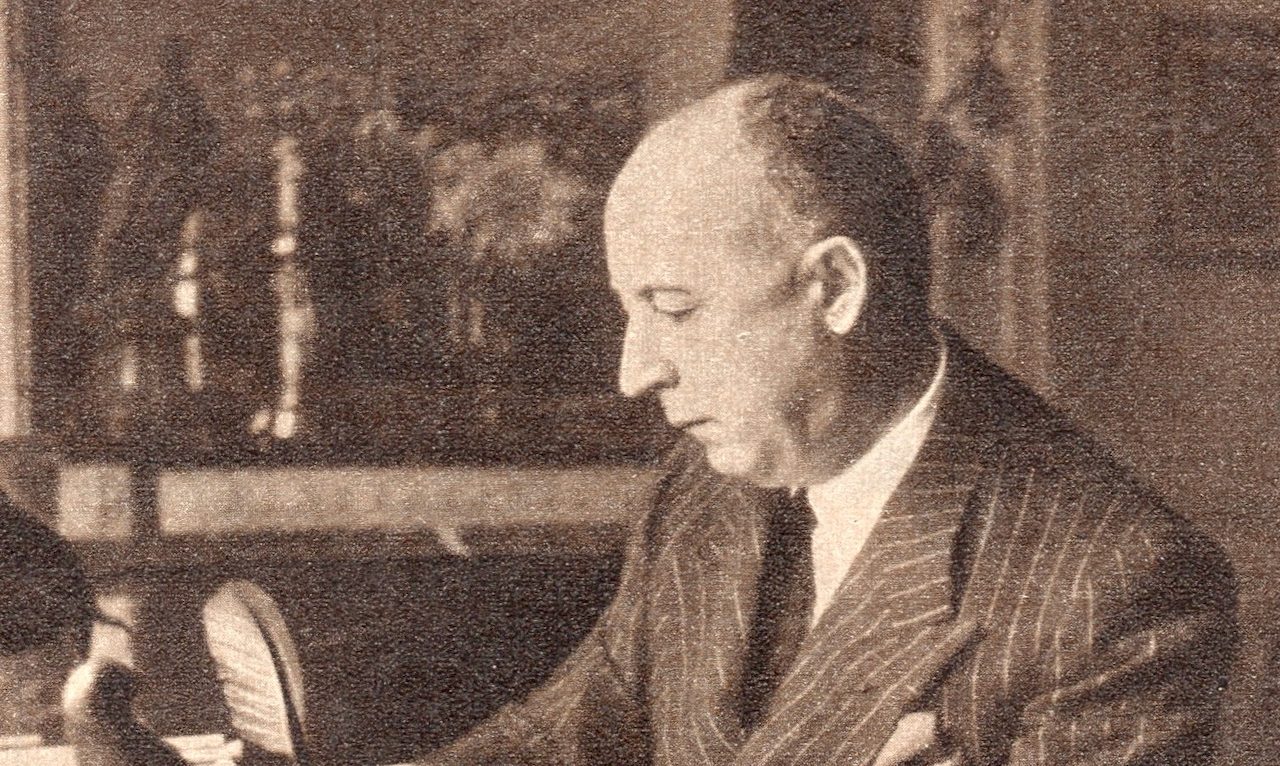
Christian Dior wasn’t a newcomer to fashion when he opened his own fashion house in Paris in 1946. He was 41 at the time and had already worked for many established designers. Dior received financial backing from Marcel Boussac and set up business at 30 Avenue Montaigne. His first collection appeared on February 12, 1947.
It was a completely new style for the time, as it featured narrow waists and unusually full skirts. In fact, it was so new that people started calling it the ‘New Look.’ He introduced Miss Dior perfume the same year and opened Christian Dior-New York on Fifth Avenue in November 1948. All in all, it was a busy few years for him, and his brand soon became world-famous.
The mechanic who began with bicycles
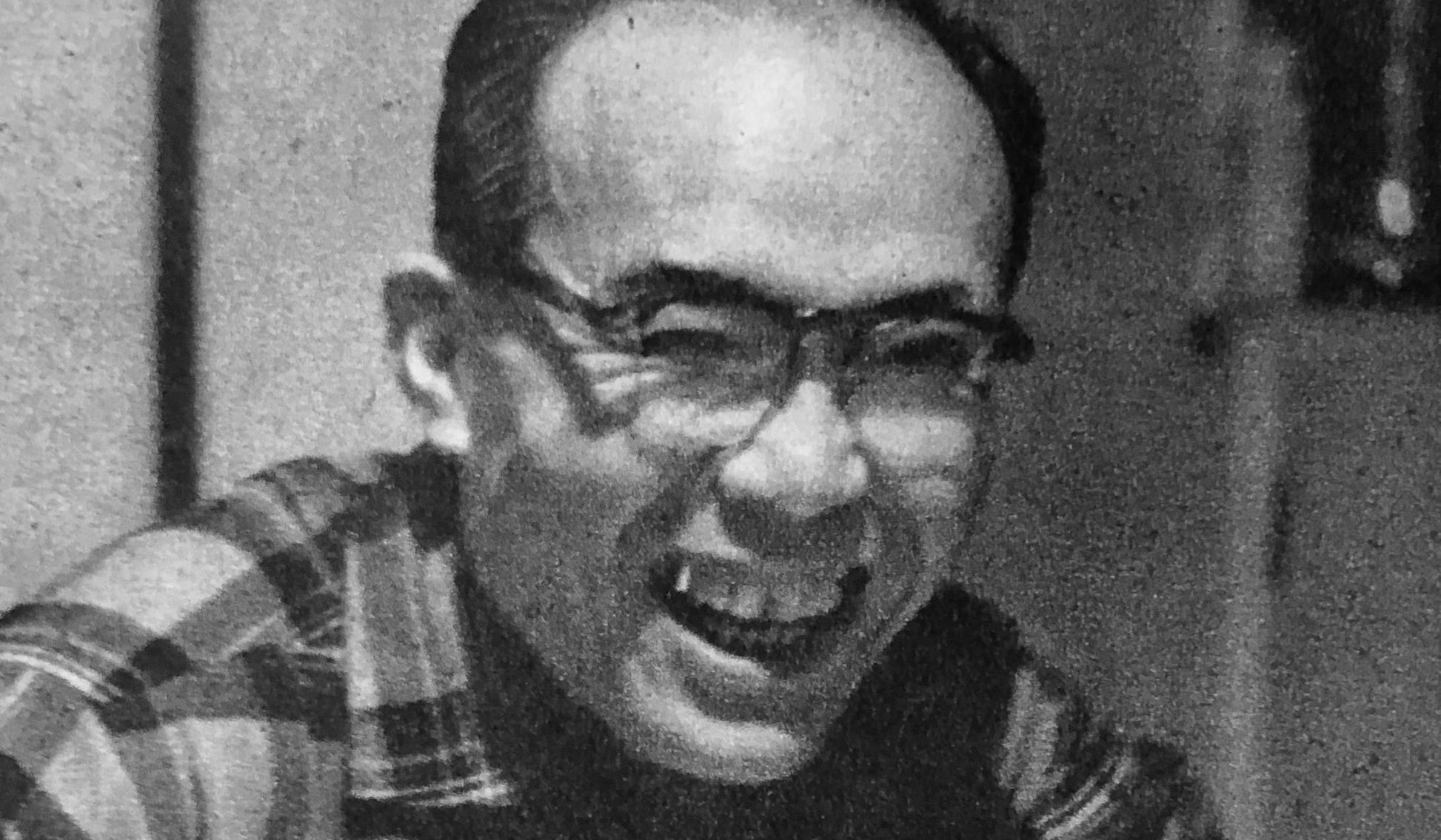
No, Soichiro Honda’s earliest products weren’t cars, and no, they weren’t motorcycles. He started his business by making little engines fitted to bicycles. These were pretty important for people living in postwar Japan, as traveling was kind of difficult. In 1946, Soichiro created the Honda Technical Research Institute in Hamamatsu.
He founded the Honda Motor Company two years later, with one million yen in starting capital. That’s around $129,500 today. Soichiro created the Dream D-Type motorcycle in 1949, and released the Super Cub in 1958, which helped take his surname far beyond Japan.
A tractor manufacturer with expensive tastes
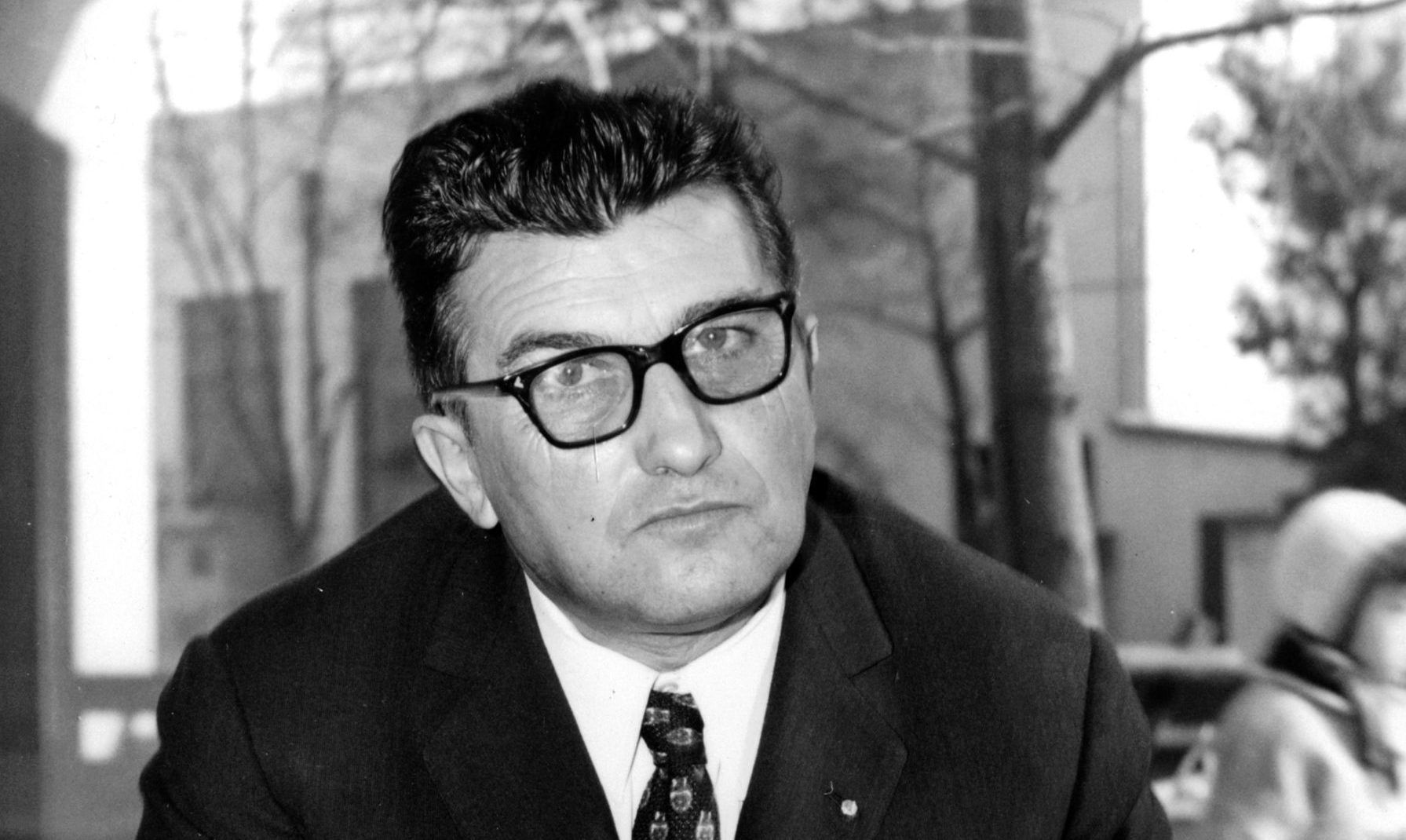
You wouldn’t think someone who sells expensive sports cars would care about tractors. But that’s exactly what happened with Ferruccio Lamborghini. He began by developing a business selling heating equipment and tractors, but cars were his real passion. In 1963, he established Automobili Lamborghini in Sant’Agata Bolognese, Italy.
His first prototype was the 350 GTV. The following year, production began on the 350 GT, and by 1966, Lamborghini had introduced the Miura. The Countach arrived soon after. All those expensive vehicles weren’t too bad for a man who’d started with agricultural machinery.
The fashion empire that began in a drawer
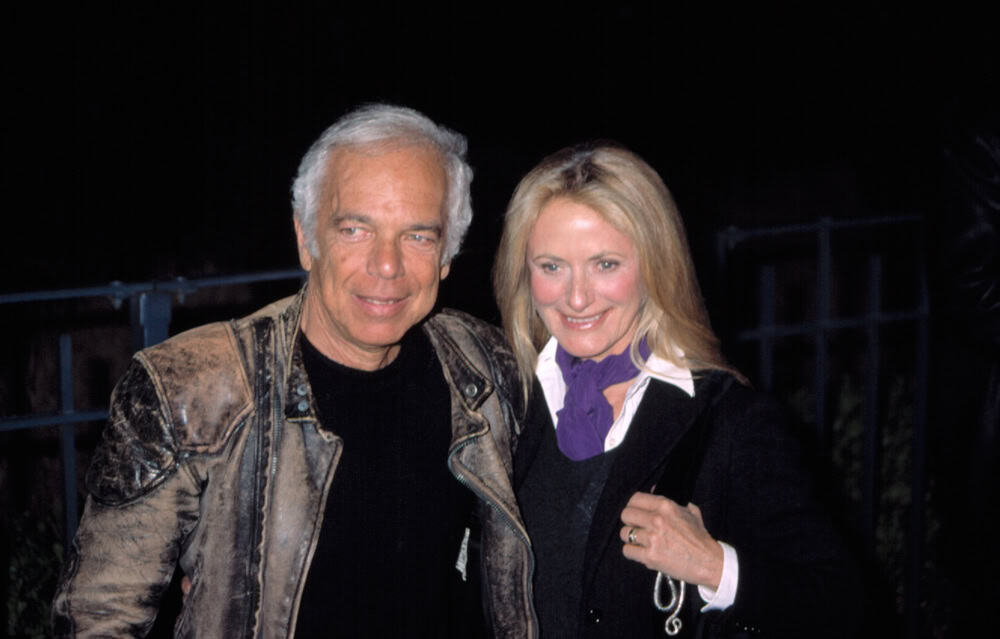
Long before his name appeared on expensive clothing, Ralph Lauren was selling neckties. He began in 1967, when he produced unusually wide ties under the Polo name. He kept all his merchandise in a drawer at his small Empire State Building office. Yes, it was that small.
The following year, he introduced his first complete menswear collection, and Bloomingdale’s gave him a dedicated Polo boutique in 1970. It wasn’t until 1971 that the polo-player logo we all know began appearing on women’s shirts. It’s incredible to think that it all began with a set of neckties in a drawer.
The beauty entrepreneur who sold products herself
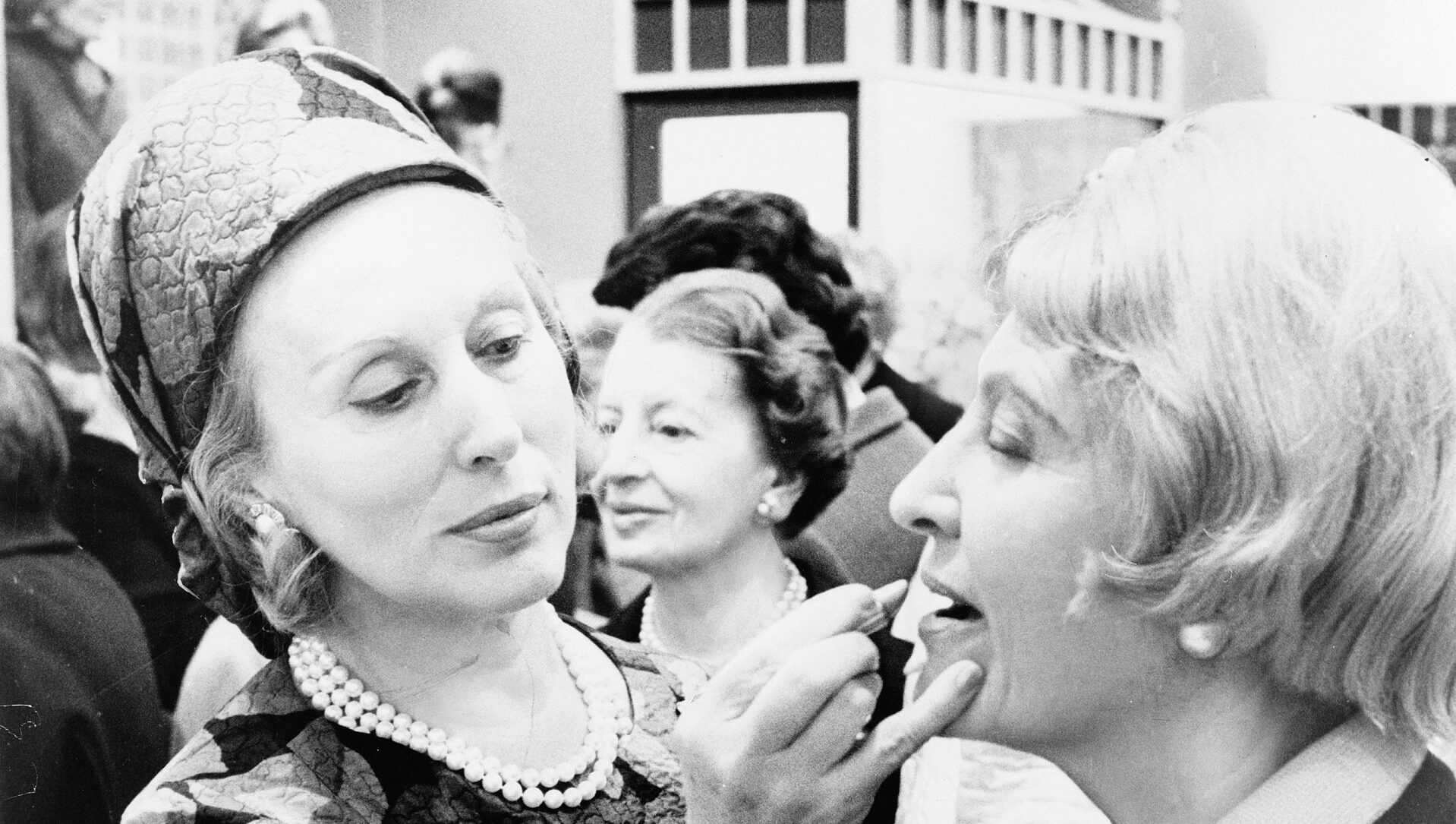
Estée Lauder was born Josephine Esther Mentzer in Queens, New York. She learned about skincare from her uncle, who made beauty creams, and she began selling products herself. Originally, she only showed them to customers at beauty salons.
But in 1946, she worked with her husband Joseph to create Estée Lauder Cosmetics. They only had four products. Still, that was enough for Saks Fifth Avenue, as it placed an $800 order the following year. The business went from strength to strength shortly after, and Estée Lauder became one of the most popular skincare brands in the world.
The hotel owner who wanted to buy a bank
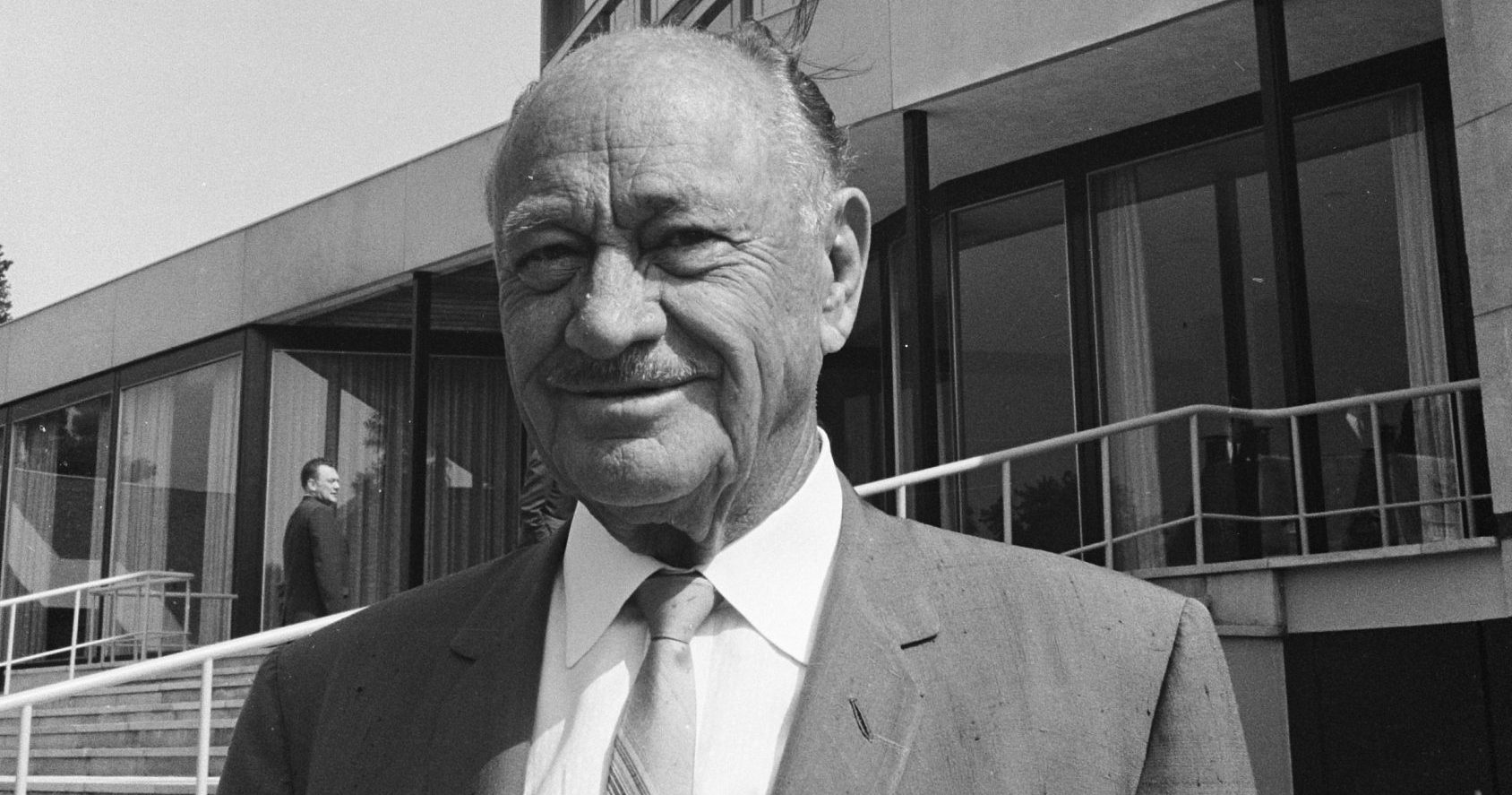
Conrad Hilton went to Texas in 1919 to buy a bank. He came back with a hotel. He fully intended to buy the bank in Cisco, but then the owner raised the price, so Hilton dropped the deal. He decided he would buy the Mobley Hotel instead.
That was probably the best decision he could’ve made, as business soon started booming. He opened the Dallas Hilton in 1925, and it became the first hotel built specifically bearing his surname. Soon enough, the Hilton Hotel business expanded way beyond America.
An Italian designer with a mythological symbol
Let’s be honest, Medusa is a rather strange choice for a fashion logo. She’s a monster from Greek mythology. But it seems that Gianni Versace really liked the idea, and he decided to make Medusa his fashion brand’s image. He first created the company in 1978.
Over the next few decades, international entertainers and models wore his designs. The Versace name soon spread to things like fragrances and accessories, as well as home furnishings. Gianni was murdered in 1997, but his surname lives on.
Sources: Please see here for a complete listing of all sources that were consulted in the preparation of this article.

