

There are some interesting stories about the most well-known historical figures, perhaps too interesting, as it turns out that these stories are completely false.
A last-room story that arrived late
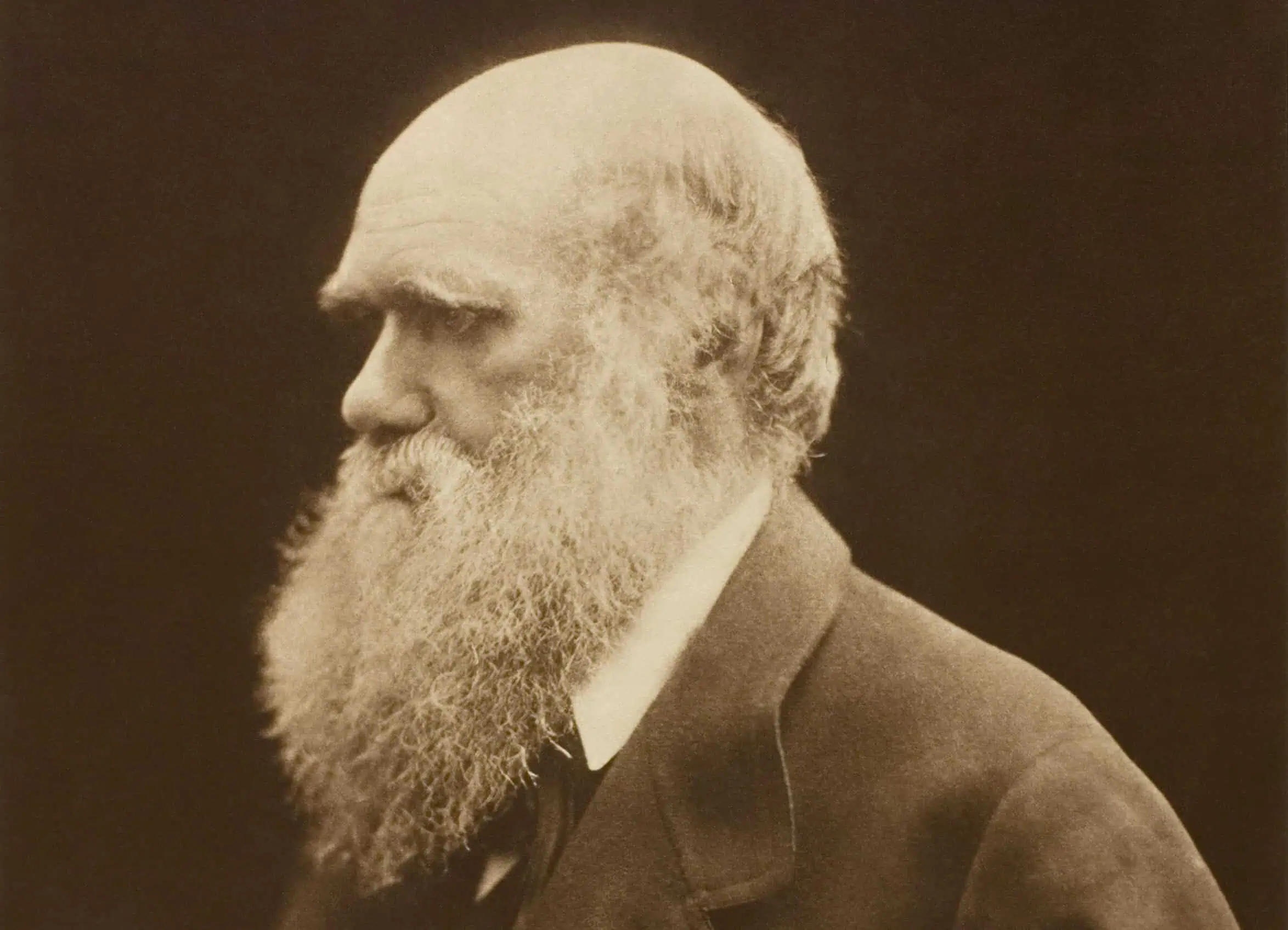
Charles Darwin had spent years being turned into a symbol in other people’s arguments before he died, it didn’t stop on his deathbed. They claimed that he rejected evolution, that he said the whole thing couldn’t be true. That’s just not what happened.
The story about it came from Lady Hope in 1915, way after Darwin died in 1882, and even Darwin’s own children denied that he did this. Lady Hope wasn’t even with Darwin in his last days, there’s no way she would’ve known this.
A cold tale with warm paperwork
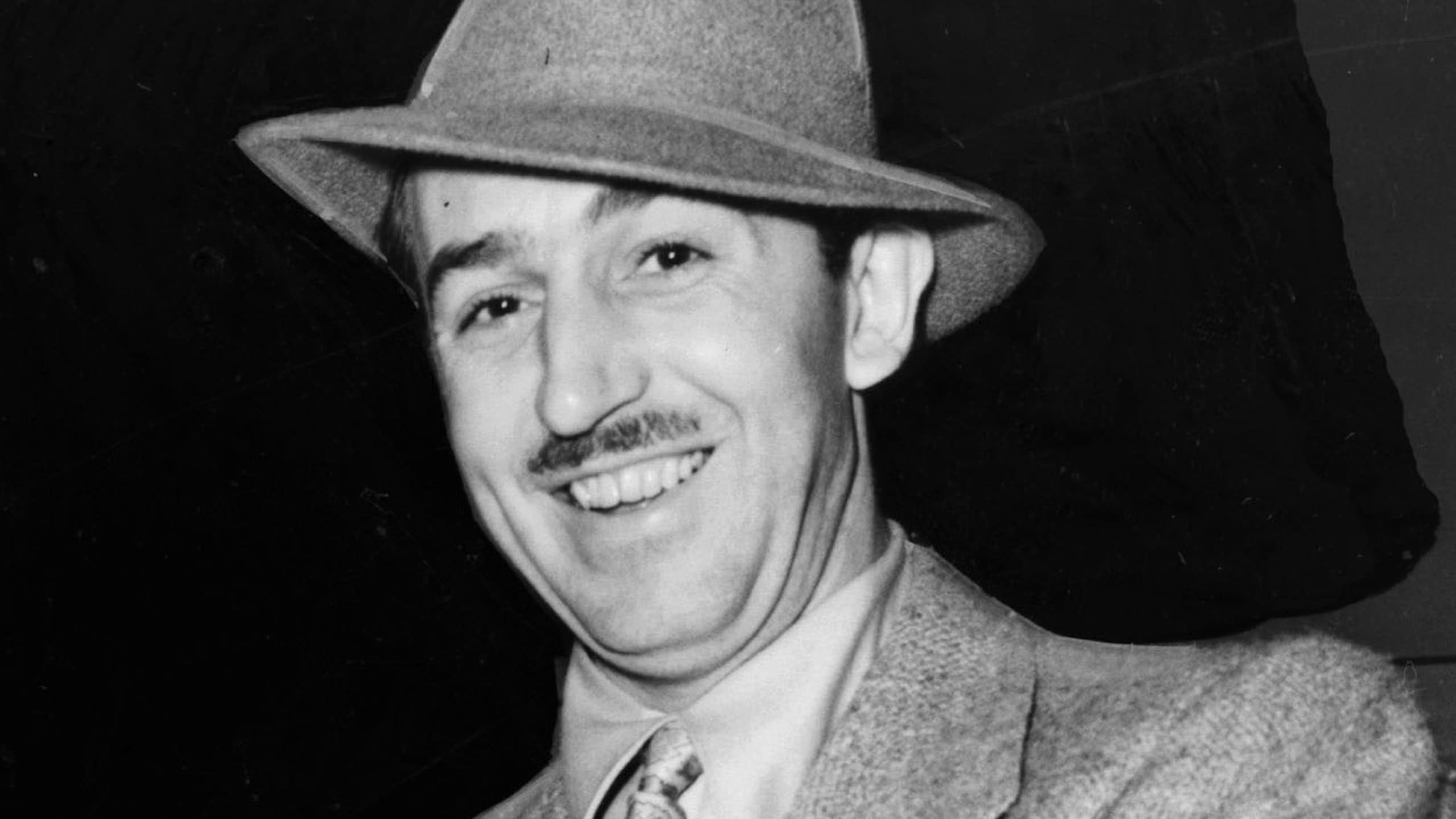
People seem to really like the idea that Walt Disney was secretly frozen after death, like he’s going to come back from the dead and continue what he started. But it’s just that, an idea. Disney died on December 15, 1966, and was cremated two days later.
You can hardly freeze ashes, can you? His family had his ashes placed in the Disney family mausoleum at Forest Lawn in Glendale, California, no way he’s coming back from that. Disney did like futuristic technology, yes, but this rumor is a bit too out there.
A spark with a few missing pieces
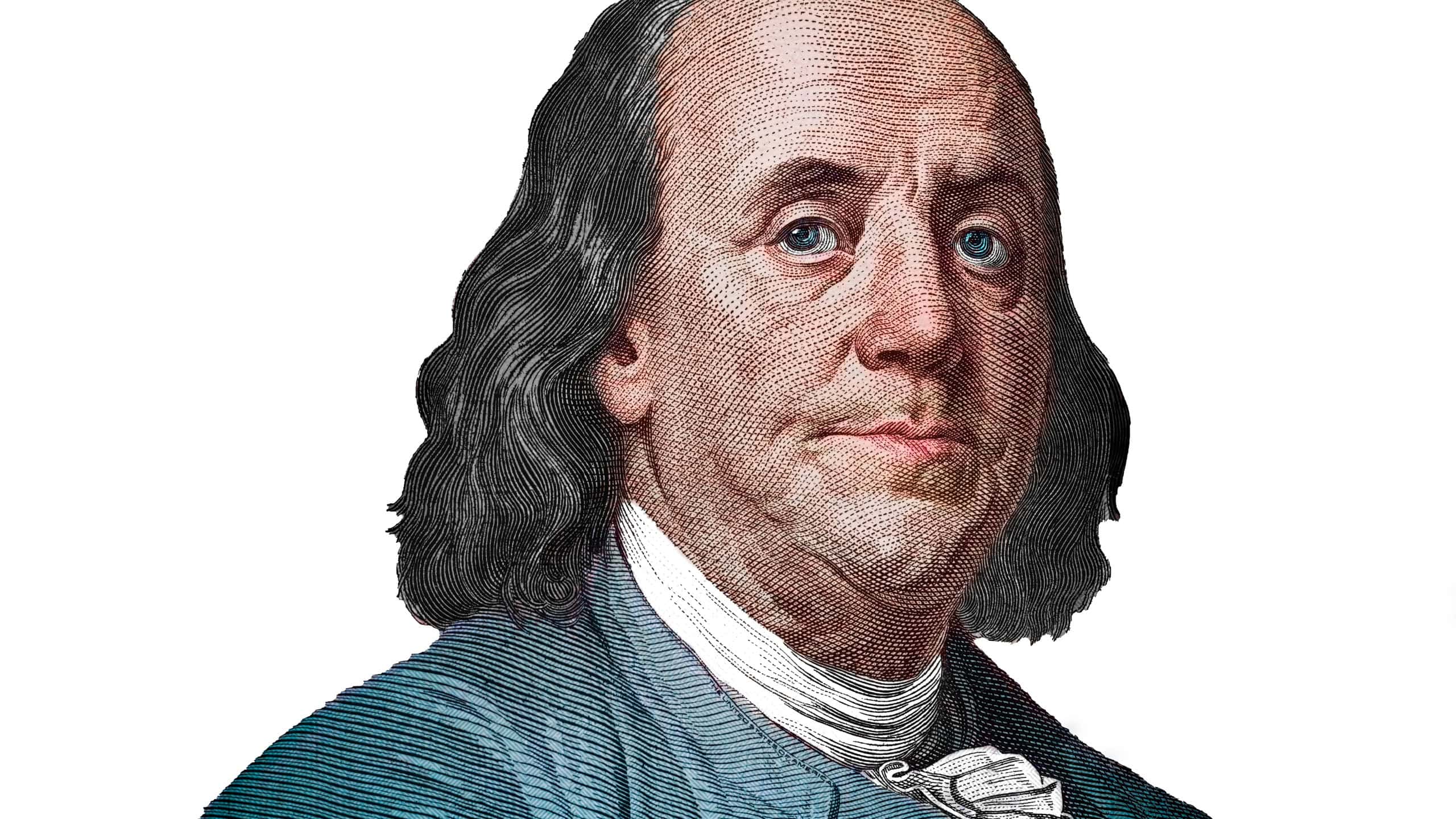
The story about Benjamin Franklin says that he discovered electricity when flying a kite in a storm. Except, no. People had known about electrical forces for a very long time, long before Franklin was around, and scientists were already trying to mess with static electricity.
It wasn’t a surprise to them. The truth is, Franklin’s 1752 kite experiment was focused more on lightning, and whether or not it was electrical. The kite didn’t even get blasted by lightning, it simply picked up some charge from stormy air, that’s all. Not as exciting, really.
A tiny speech with a bigger paper trail

It’d be perfect. The idea that Abraham Lincoln wrote the Gettysburg Address on the back of an envelope would be perfect, it’d make Lincoln seem even more of a fantastic public speaker, like he came up with the speech almost on the spot. It’s not true, though.
Lincoln began work on the speech after the Battle of Gettysburg that same year, and we’ve actually got several drafts of it. He wasn’t rushed when he wrote it, he took his time, and he was quite prepared. Only 272 words, but wow, what a fantastic 272 words.
A noodle story with the wrong luggage
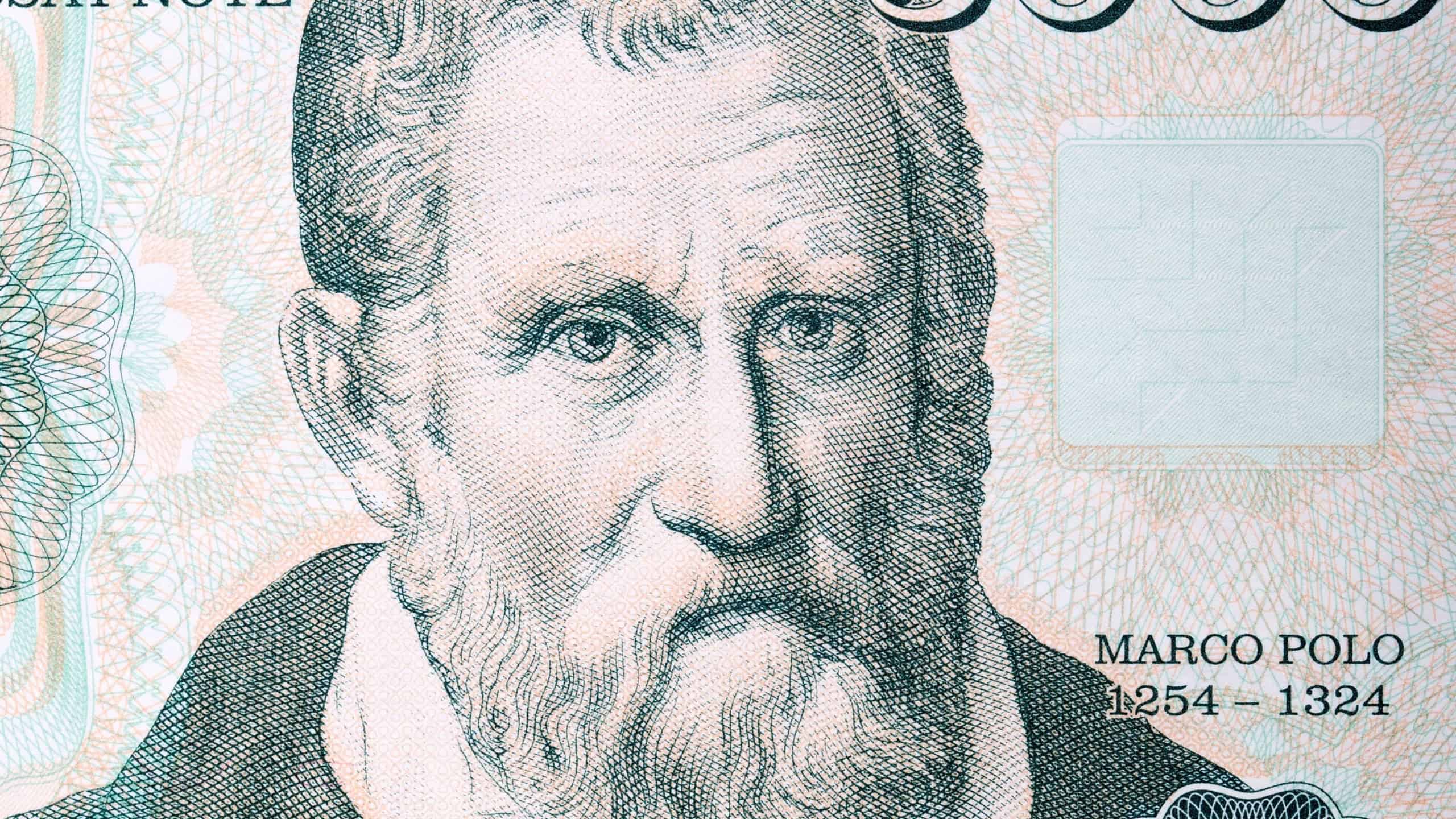
Let’s get one thing straight: No, Marco Polo didn’t introduce pasta to Italy after his trip to China, it was around long before he came back from Asia. It seems that some people are confused by a passage in his travels. He described a starchy Chinese food that came from a tree.
He then compared it to pasta-like food, he wasn’t saying it was pasta. Records show that Italians were already eating macaroni while Polo was away, and even before that, writers like al-Idrisi spoke about pasta production in Sicily.
A royal line that got stuck
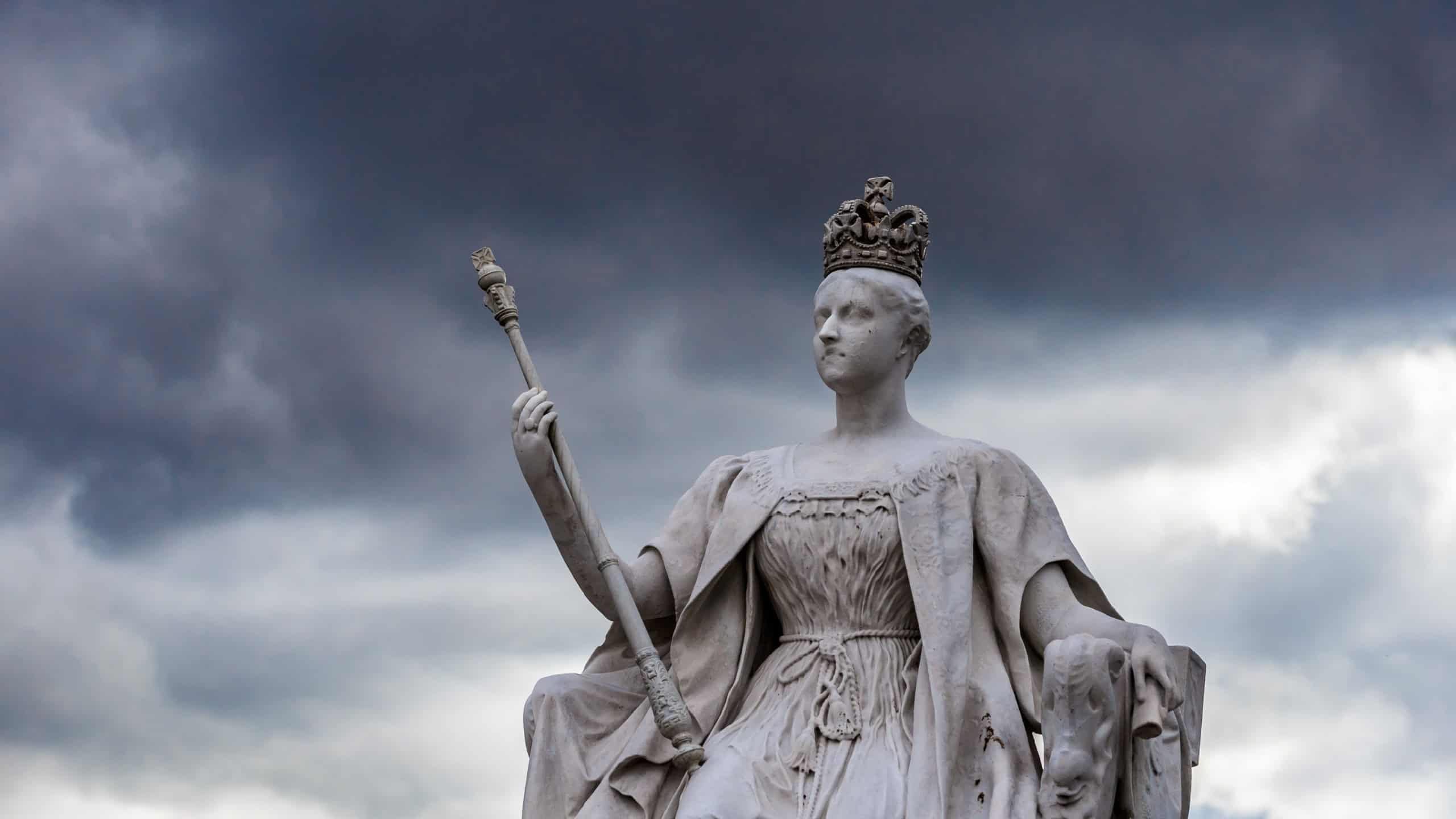
‘We are not amused.’ That’s something Queen Victoria apparently said after someone made an awkward dinner joke. Or did she? There’s not really any evidence she ever said those words, and her granddaughter Alice said she’d never heard Victoria say anything like that.
You can look at her diaries and see that she was nowhere near as serious as you might think, she laughed and cracked jokes. She loved gossip, too, who would’ve thought it? Either way, Victoria wasn’t the humorless monarch that history likes painting her as.
A famous name near the pipes
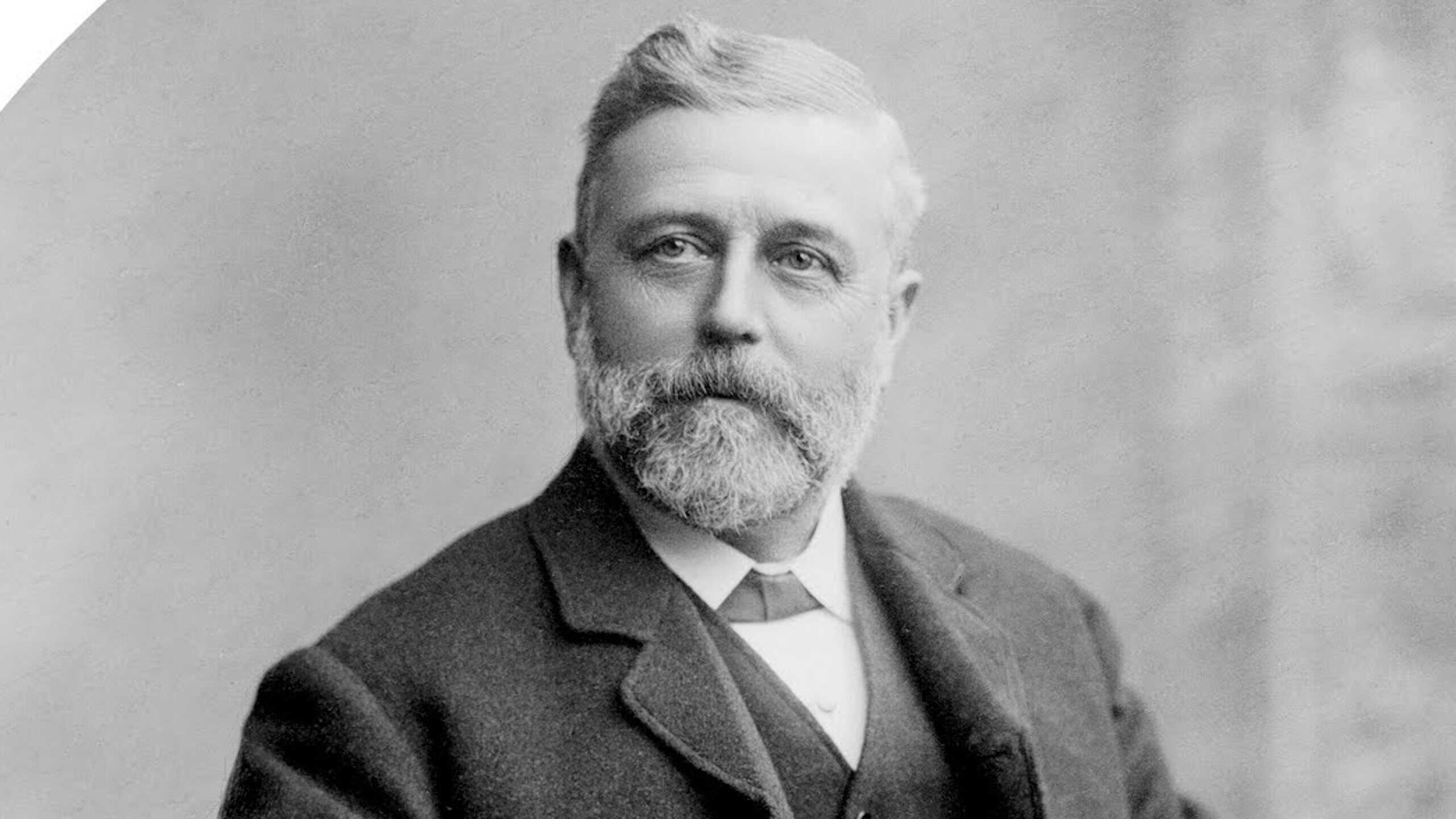
Yes, Thomas Crapper is a real surname, yes, he worked in the bathroom business. But he wasn’t the inventor of the toilet, despite what the rumors say. He opened showrooms and helped normalize indoor plumbing for the rich in Victorian times, that much is true.
Yet the idea that he invented the flush toilet simply isn’t. The first one was invented by John Harington in 1596, while Alexander Cumming patented a major flushing mechanism in 1775. All Crapper did was improve plumbing, it’s just that his name made people think otherwise.
A phrase that crossed the ocean oddly
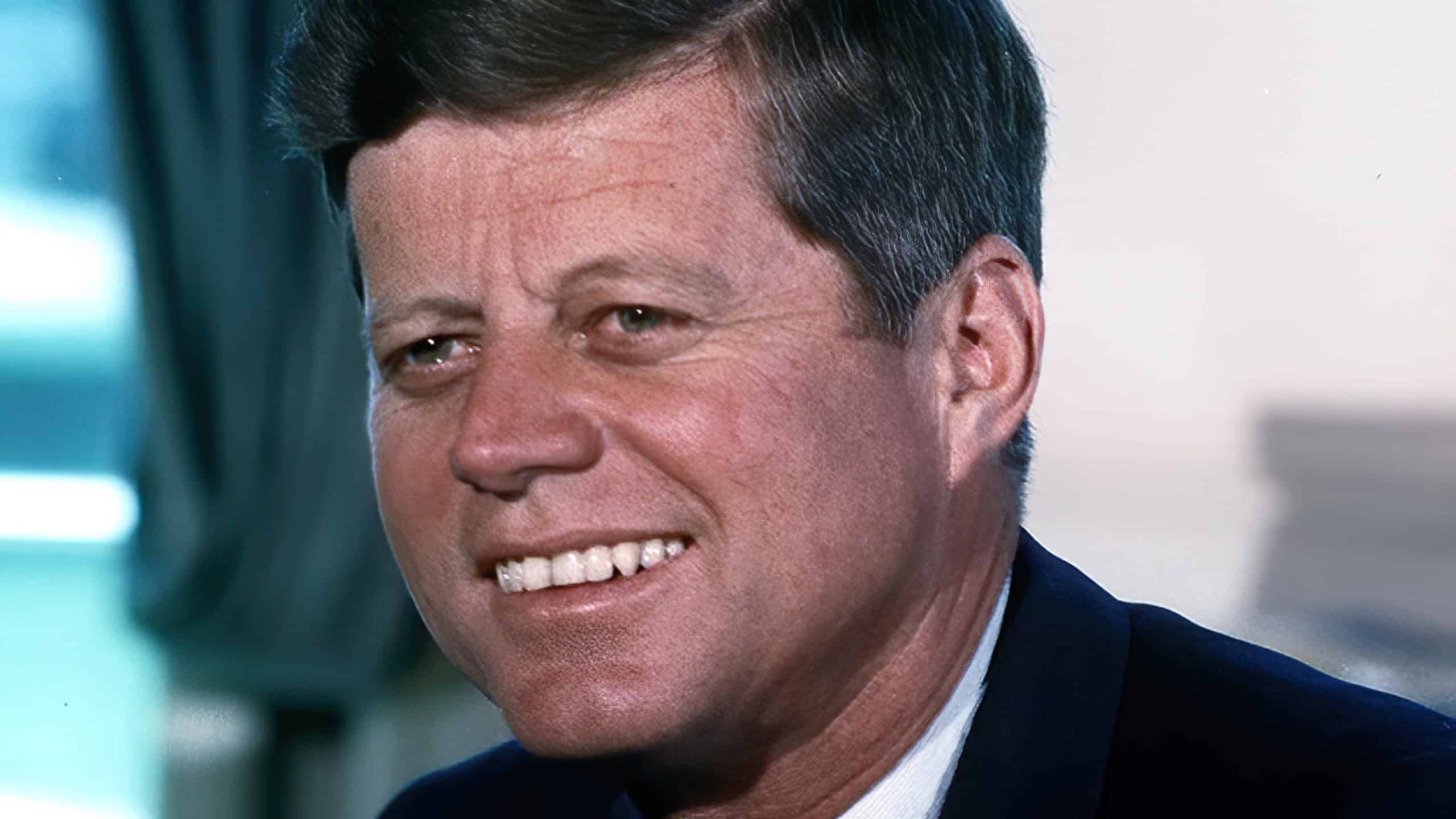
Some people like to portray JFK as being somebody completely clueless because he said, ‘Ich bin ein Berliner’ during a speech in West Berlin in 1963. What was the problem? Apparently, a ‘Berliner’ was a jelly donut, so he basically said ‘I am a jelly donut.’
That’s only a myth, though, ‘Berliner’ means a jelly donut only in a few German-speaking places, not in Berlin. They called it a ‘Pfannkuchen’ there. So, actually, JFK was completely correct in saying ‘Berliner,’ the crowd understood him perfectly, and nobody laughed.
A basement story with extra drama
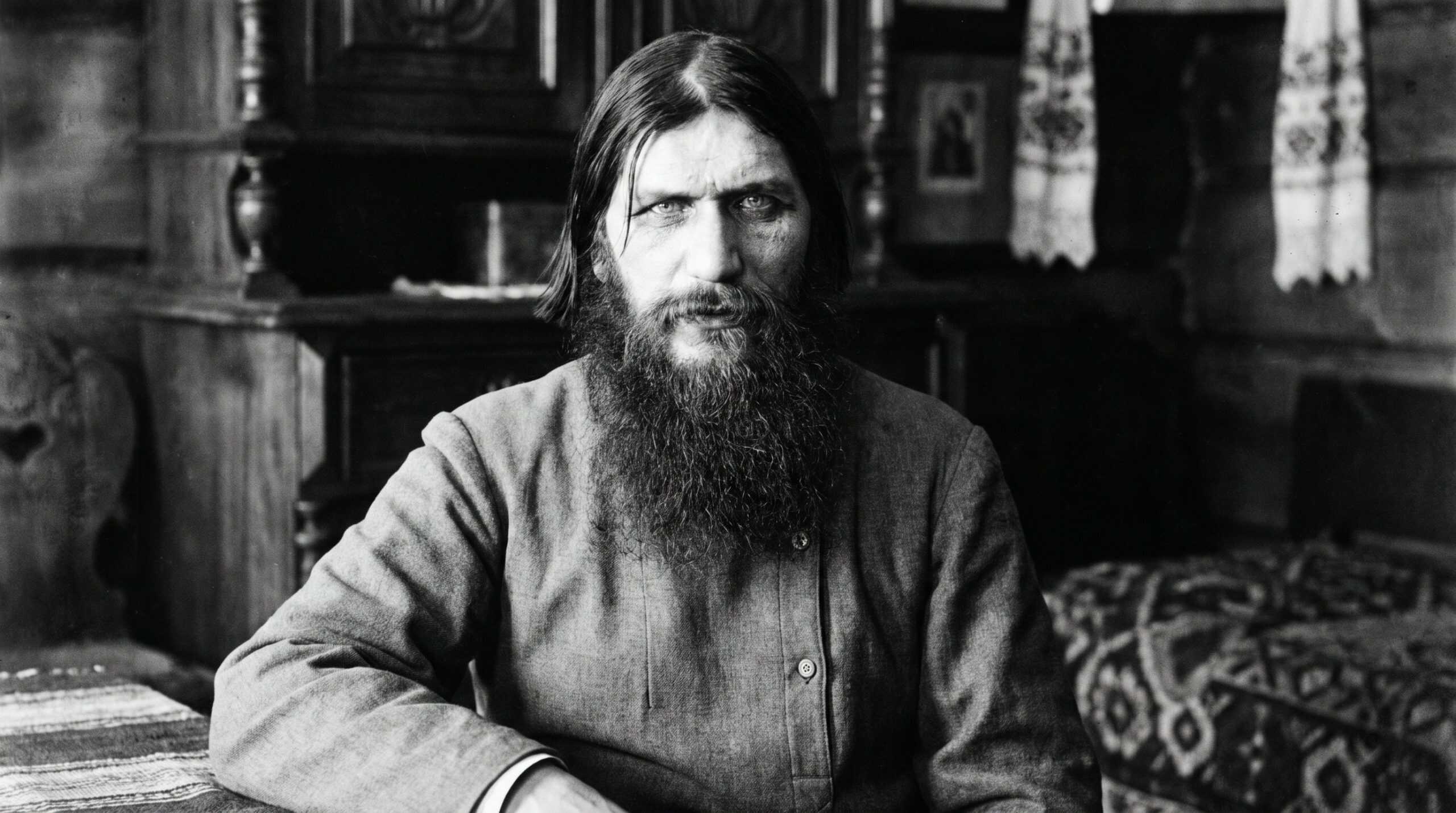
Rasputin was practically invincible, according to the stories, at least. He survived poison cakes, bullets, river water, the man just couldn’t die. It’s only a myth, though, and it’s something that one of Rasputin’s killers, Prince Felix Yusupov, helped spread later.
The autopsy shows that he was neither poisoned nor drowned, the cause of death was a close-range shot to the head. We’re not even sure that the legend of the poison cake is true, Rasputin’s daughter said he didn’t like sweets. It’s probably just another lie.
A big trip with someone missing
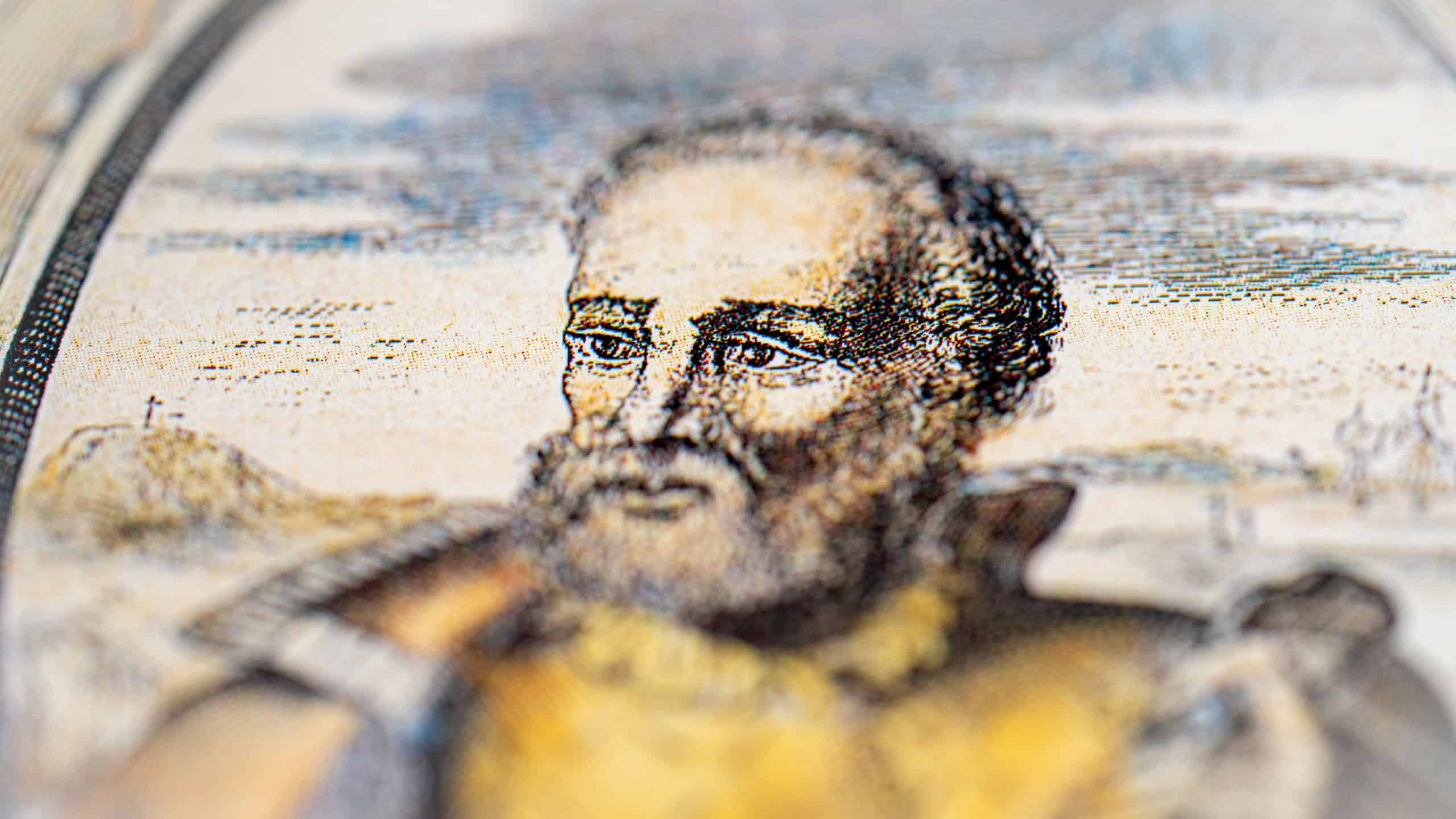
The stories about Ferdinand Magellan aren’t true, either. He did leave Spain in 1519 and led an expedition into the Pacific, that part’s real, but then he died in the Philippines on April 27, 1521. Magellan never actually managed to circle the globe.
The ship that managed to do so was the Victoria, a ship commanded by Juan Sebastián Elcano by then, and it returned to Spain in 1522. Magellan’s expedition went around the planet, sure, but Magellan himself died before it was completed. He doesn’t deserve the credit.
A landing that gets renamed
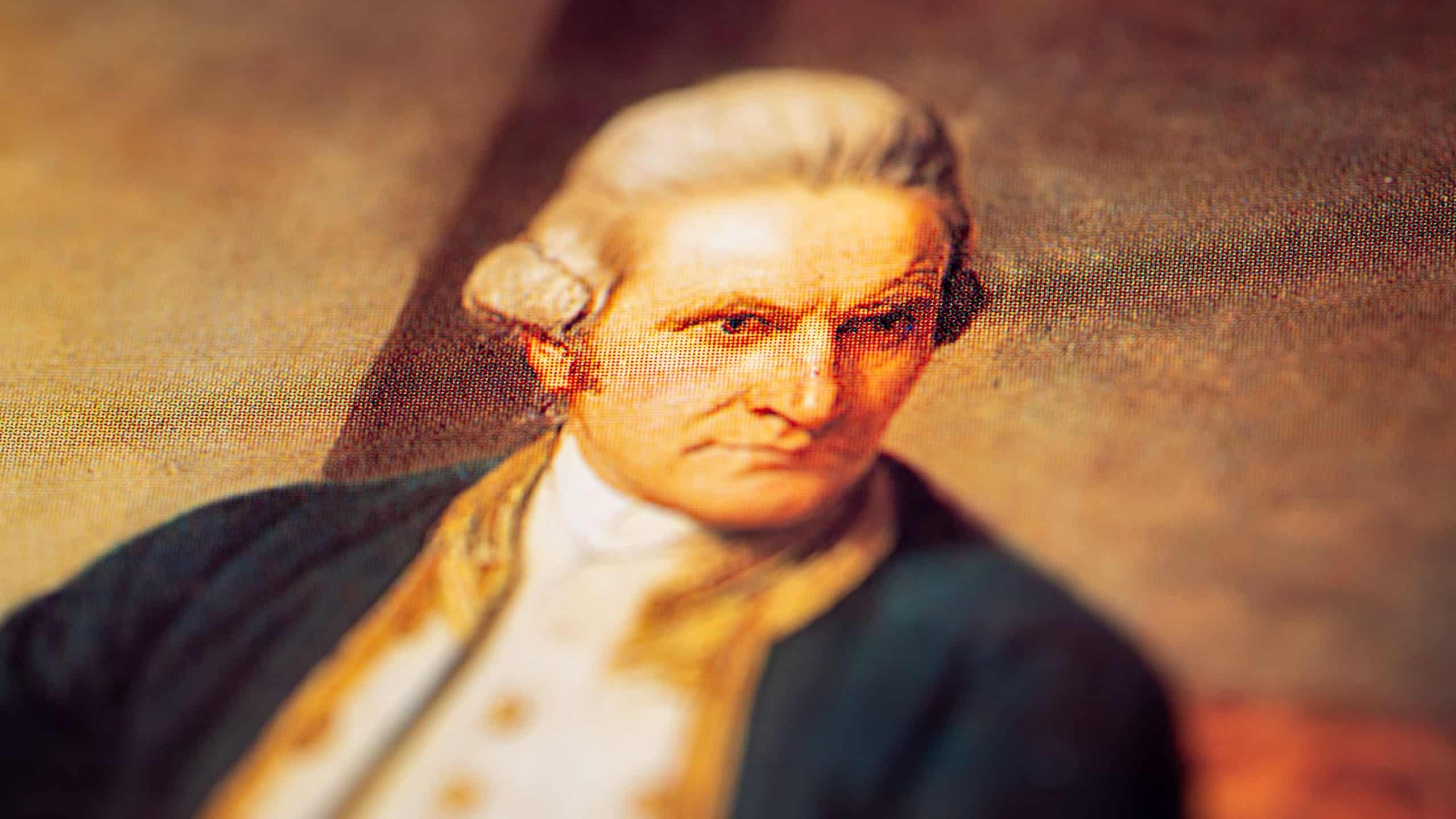
Another exploration myth has to do with Captain Cook. Namely, that he was the first European to reach Australia, which he did in 1770, but the idea that he discovered the continent is a lie. There were already Aboriginal peoples living on the continent, for starters.
That’s not all, other European sailors had already mapped parts of it long before Cook had even arrived. The Dutch actually called it New Holland. So what did Cook do? He charted the east coast and claimed that eastern part for Britain as New South Wales, he didn’t claim it all.
A saintly cleanup with no animals
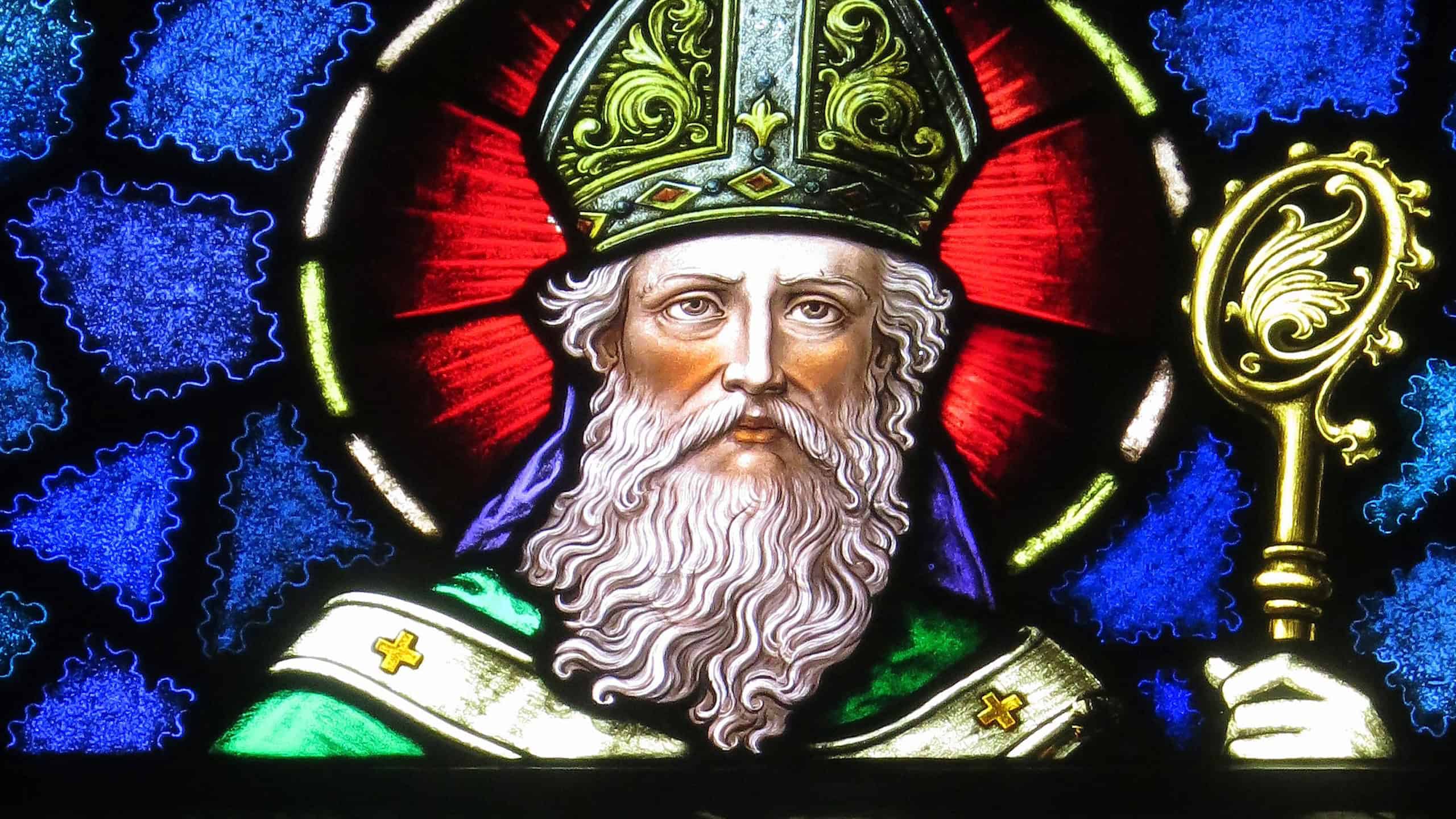
Poor St. Patrick. The stories say that, with the power of religion, he managed to send every snake in Ireland packing, but there’s no way that’s true. Historians have never found any evidence of native snake species in the country, not a single fossil.
Snakes did get to Europe after the Ice Age, yet the sea had already cut Ireland off at that point. Unless they were swimming snakes, it’s highly unlikely that Patrick sent any snakes away because, well, there weren’t any for him to do that.
A stage story that skipped the hospital

The story about Houdini says that the famous escape artist died during a performance, where he couldn’t escape a water tank and passed away. Not true. Houdini actually died in Montreal in 1926, after being punched in the stomach on October 22.
Being the showman that he was, he kept performing, even though he was clearly unwell. Doctors later diagnosed him with acute appendicitis, aka that his appendix had burst, but the surgery for it came a bit too late. He died on October 31.
A triangle with older handwriting
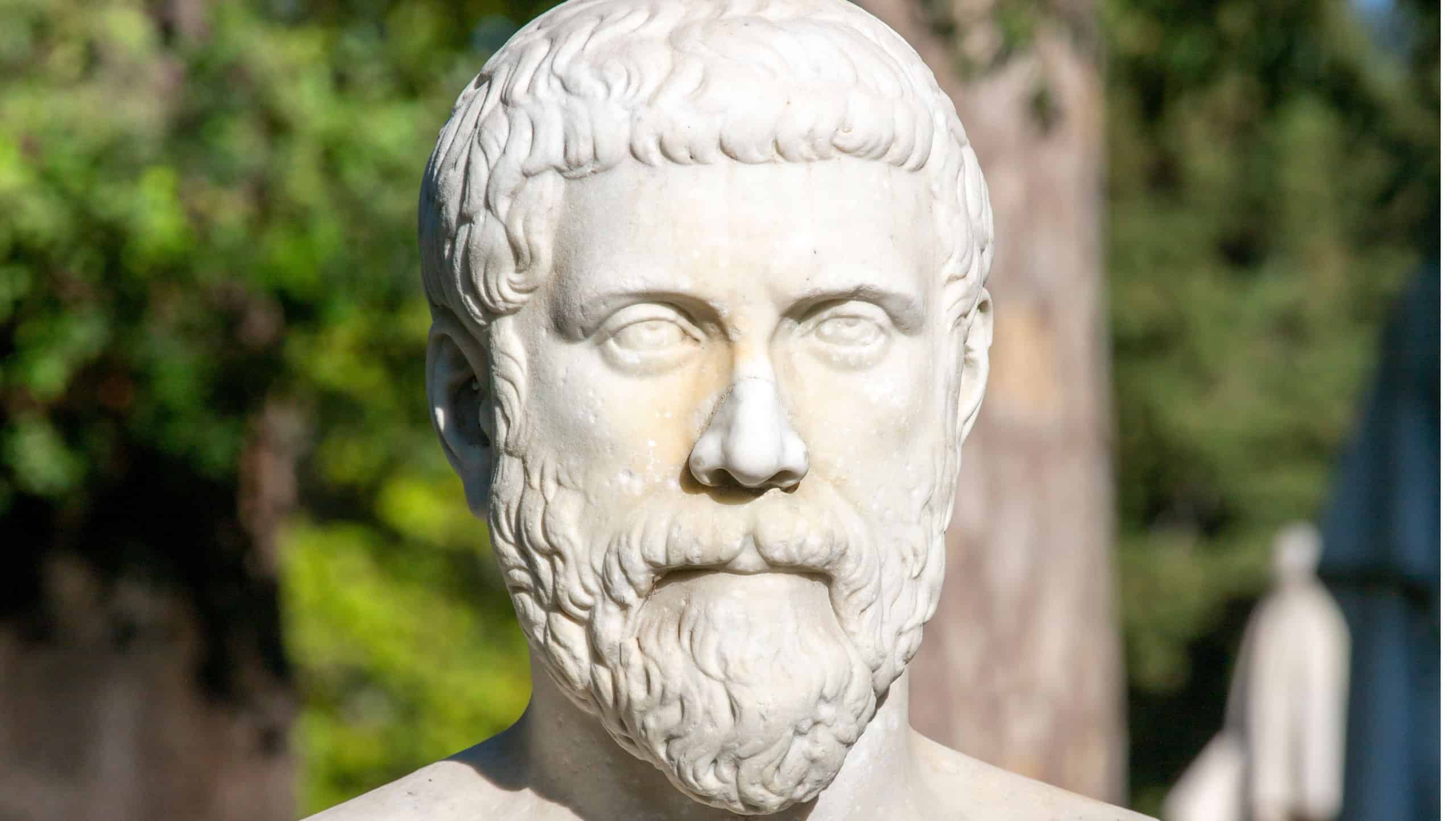
Pythagoras, the ancient Greek guy who figured out that a² + b² = c². But no. Older records show that ‘his’ theorem existed before him, and Old Babylonian tablets from about 1900 to 1600 B.C. show that people were using Pythagorean-style math, over 1,000 years before his time.
It’s not true that he managed to figure out the equation himself, even the Egyptians used the equation when building the pyramids. The difference is that Pythagoras helped to popularize and teach it in Greece, that’s all.
Sources: Please see here for a complete listing of all sources that were consulted in the preparation of this article.
10 historical figures who took secrets to the grave
Unanswered questions are the worst, and it’s even more terrible when they continue to be unanswered because the people with the answers took them to their graves.

