

It’s actually kind of amazing how quickly a perfectly normal conversation can turn sour for a woman because of a little comment that someone else made.
The instant replay

She’s just finished explaining the problem, and she did so pretty clearly, too. But someone still insists on saying, ‘So basically…’ and repeating her exact point back to her. The words are only ever so slightly different.
It’s insulting because it makes it sound like a woman’s ideas need someone else to support them. It’s even more annoying at work. Being treated as less knowledgeable there can seriously affect a woman’s sense of authority. She was the original speaker. Treat her that way.
The little leather folder

The server walks over and smiles. Then they place the check in front of the man. There’s no discussion or glance around the table, just the assumption that he’s going to be the one paying. It doesn’t matter that she might’ve invited him. It doesn’t matter that they might split everything.
No, all that matters is traditional gender roles, and it really hurts a woman to have to go through that. It’s such a small gesture that a lot of people fail to notice it. But the woman sitting there certainly does because it’s hard for her to miss it.
The surprised eyebrow

The problem with saying something like, ‘You know how to do that?’ has nothing to do with the compliment. It’s the surprise that’s the issue. A woman could be talking about coding or changing a tire, and yet now she’s somehow surprising everyone for doing so.
Newsflash, nobody enjoys being congratulated for knowing something that would be ‘normal’ for a guy to know. It only makes everything awkward, and it’s not the position any woman wants to be in.
The apparently long night

A woman who goes makeup-free for a few hours is almost certainly going to hear the same thing from people. They’ll tell her, ‘Wow, you look tired.’ She might feel completely fine, and she might’ve actually slept beautifully.
But no, that’s apparently not good enough. Her face looking more natural than usual is a big problem. The truth is, it’s never okay to make unsolicited comments about a woman’s appearance.
The wrong person in the room

There comes a time when someone walks into a meeting and starts directing all the serious questions to the man in there. The woman only gets the scheduling question. He gets the strategy question, despite the fact that she’s the one running the meeting.
It’s a shame, but it’s true. A lot of people associate leadership more strongly with men than women, even though women are equally capable of being leaders. Acting like a woman is an assistant is plain wrong, and it’s pretty insulting that nobody bothered to think she’s the boss.
The oddly sweet adjective

It’s fine to say that a five-year-old’s drawing is cute. It’s fine to say it when you see a puppy in a raincoat. It’s not fine to call a grown woman’s serious presentation ‘cute,’ though, because it completely demeans all the effort she put into it.
She might’ve spent days preparing it. But now, none of that matters, because all of her effort has become adorable. The fact you might think it’s harmless means nothing, as the truth is, it comes off in a pretty nasty way.
The unnecessary second opinion

There are some people who feel they have to ask a man for validation on what a woman says. She says, ‘The deadline is Thursday,’ and someone turns to the man next to her to ask, ‘Is that right?’ There are perfectly good reasons to double-check information, of course.
But you shouldn’t always do it after a woman speaks. It only makes the doubt feel personal, and like you’re only doubting a woman because of her gender. She doesn’t need a witness to confirm what she’s said. She doesn’t need someone to support her thinking process.
The compliment that never moves upward

Most women hear the same compliments. Nice hair and nice dress. Nice shoes and nice smile. Yet they very rarely get to hear compliments about their report or, you know, any of their actual achievements.
Not all appearance compliments are bad. Most people enjoy hearing them now and then. The problem here is when that’s all a woman gets, especially when the men around her get praise for being clever and organized.
The apology that misses one person

We all know that interrupting is bad, and that’s why most of us will apologize for doing so. There’s a difference, though. Some people will only apologize to the room, instead of to the woman actually being interrupted. They’ll say something like, ‘Sorry guys.’
It seems like such a small thing, but it’s really not. It actually means so much more than many people realize because it completely dismisses the woman who’s actually being hurt. Her feelings are meaningless, apparently.
The borrowed introduction

One of the worst moments comes when a woman gets introduced to other people. They don’t get referred to as their own person. No, they’re introduced as ‘Sarah, Mike’s wife’ or ‘Sarah, Jack’s sister.’ Those relationships might be true, but she has a few other facts available.
Maybe she could be introduced with her job title or her role at the event. Introducing a woman mainly through her relationship to somebody else makes her sound like an attachment. She stops being a whole person and is tied to someone else.
The requested facial adjustment

Smile. One word, five letters, but there’s so much hurt behind them, because it suggests a woman needs to fix her normal expression. She might not even be upset or remotely annoyed. But her expression seems to be an issue, and that’s just not fair.
It gets worse, though. Telling a woman to smile all the time suggests that she’s not being feminine enough, like she’s somehow not being enough of a woman. She didn’t ask for the comment, so keep it to yourself.
The tiny word after ‘good’
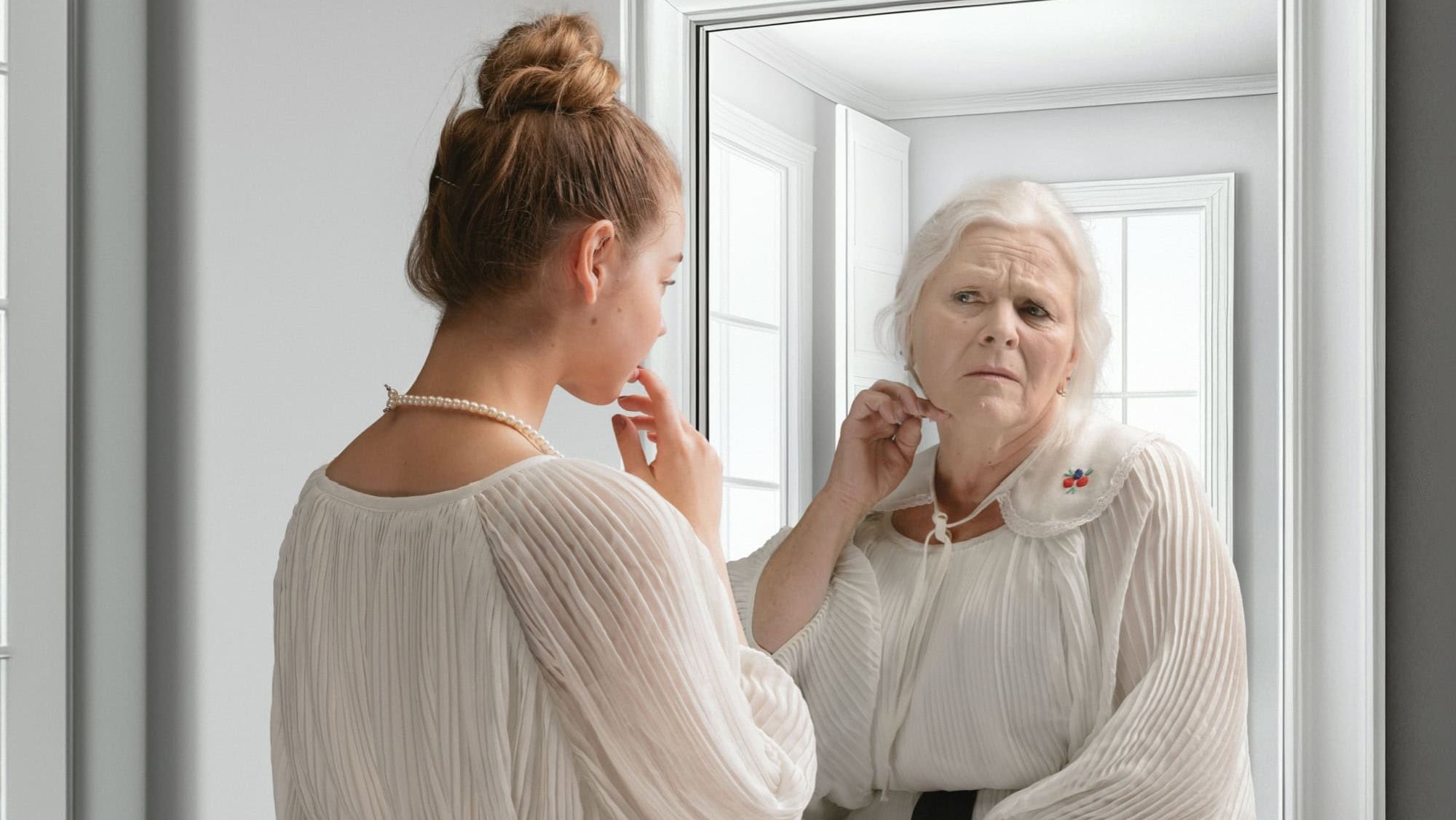
‘You look amazing for 50.’ It sounds nice enough, but really, that tiny ‘for’ in the sentence is changing the whole thing. She looks amazing without that part. With it, she only looks good because she’s being compared to whatever image the speaker had of a 50-year-old woman.
It’s not just age, though, as the same thing happens with ‘for a mom’ or ‘for someone who just had a baby.’ It’s a backhanded compliment, simple as that.
The compliment with casualties

Another painful compliment is, ‘You’re not like other women.’ There’s a whole insult hiding behind that one. It somehow makes other women too dramatic or too needy, maybe too shallow, as well.
She’s somehow being praised by being separated from everyone else. The whole phrase relies on a lot of negative stereotypes about women and on distancing the woman from them. She doesn’t really get any kind of compliment.
The emotion comes first

She probably is angry, yes, but it’s possible that she’s completely calm and just speaking firmly. Telling her, ‘You’re getting emotional’ before dealing with what she actually said feels so dismissive. The conversation’s all about her tone.
The facts of what she was saying have been pushed aside. Now, all that seems important are her supposed feelings, and it makes other people take her argument a lot less seriously.
Sources: Please see here for a complete listing of all sources that were consulted in the preparation of this article.
