
There were some stories that managed to race their way through playgrounds and inboxes before anyone could fact-check them, and that’s why they fooled so many millennials.
Marilyn Manson had ribs removed

One of the most popular urban legends was about Marilyn Manson, and how he went into surgery to have two ribs taken out. It didn’t matter what country you lived in, every millennial remembers hearing this story.
Except, it’s just not true, and Manson never did such a thing. Asking a few questions about the story would’ve proved that, since nobody seems to know the doctor or hospital involved. Nobody knew the year, either, because it’s a complete lie.
Pop Rocks and Coke killed Mikey

Mikey was the kid from the Life cereal commercials. Ask any millennial, and they’ll tell you that Mikey ate Pop Rocks, washed them down with Coke, and died because his stomach exploded. It was truly a gruesome urban legend. But that’s all it was, a legend.
The actor who played Mikey is alive, and he was still in school while the story was spreading. His real name is John Gilchrist. The rumor became so widespread, in fact, that General Foods contacted school principals and ran ads to defend the candy.
Flashing your headlights could get you killed

There was one important rule that millennials were supposed to follow when they were driving at night. Never flash your headlights at a car with its lights off. Not because it could blind people, but because gang members used dark cars as part of an initiation.
Whoever flashed first became the target. You’d find the warning in many places during the ‘90s and ‘00s, including on photocopied notices and forwarded emails. It’s not true, though, and no verified gang ritual matched the claim. People still warned each other about it, however.
Needles infected with HIV were hidden in cinema seats

Some millennials were very careful about checking the seat at the cinema. They were looking for needles. The story says that someone pushed HIV-infected syringes through the fabric to deliberately infect anyone who sat down.
Some versions put the needles on public benches or in pay phones. Yet the CDC has said that it’s never known of any HIV infections caused this way. At least, not for the general public, there have been similar workplace incidents involving healthcare staff.
Someone hid under the car and slashed drivers’ ankles

Parking alone was a big no-no when this story went around. The rumor claimed that a criminal would hide underneath a parked car and wait for the driver to return. They’d then slash the person’s ankle or Achilles tendon to stop them from running away.
Most versions focused on a woman leaving work or a shopping center late at night. All of them were meant to warn people to be careful when getting into their cars. That’s good advice to follow, yes, but the story itself is false.
Forwarding an email would earn money from Microsoft

Free money. It’s something everybody loves, and during the early email era, Microsoft apparently sent people cash for helping them with their new tracking system. All you had to do was forward the email, that’s it.
Then Bill Gates would give you $200 for the first person the email reached, as well as smaller amounts for everyone after that. It seems so clearly fake today, but people genuinely believed it back then. There were even versions that said AOL or Intel would pay up. Obviously not.
A cursed chain message would kill you

That’s not all for emails, as millennials fell for a ton of cursed chain messages. These were the kinds of emails that threatened you. Forward this to 15 people before midnight, or someone in your family would die. Some claimed that ignoring the email would give you years of bad luck.
To really sell the message, they’d usually include a list of made-up victims who had deleted it and suffered horrible fates days later. It wasn’t real. These were just digital versions of older chain letters, only faster and much harder to escape.
You automatically passed if your roommate died

One college rumor put a slightly positive spin on tragedy, and it said that if your roommate died, you automatically passed every class. One version said you’d get straight As, the other said you’d get a perfect 4.0 for the semester. None of them mentioned it was a lie.
There’s never been any recorded mention of any universities actually having this policy. Still, plenty of students heard about it from someone who knew someone, of course. It was such a popular myth that it inspired the 1998 comedy Dead Man on Campus.
Steve from Blue’s Clues had died

Most millennials remember that Steve left the kids’ show Blue’s Clues. Rumor had it that it was because he died, whether that was because he was killed in a car crash or died from an overdose. Some of the darkest versions of the tale said he’d taken his own life.
The reality was a lot nicer, thankfully. Steve Burns left in 2002 and moved on to music and acting, along with other work. He actually heard the rumors about his death and had people telling him they’d believed he was dead.
Furbies secretly recorded conversations
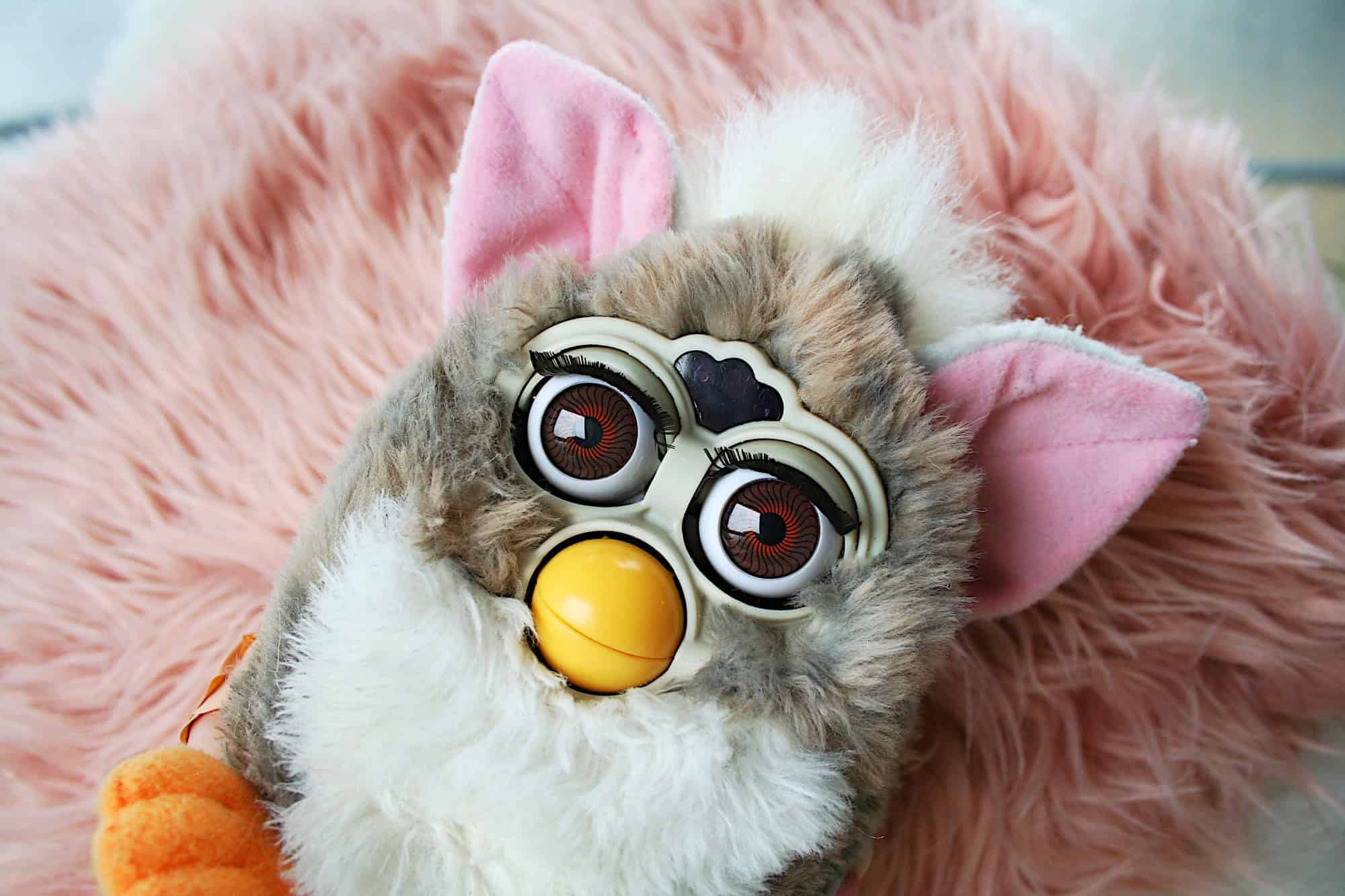
Furbies were all the rage in the ‘90s, and one of their coolest features was how they seemed to learn new words. But that also made people suspicious and created the rumor that, actually, these toys could secretly record conversations. They’d then send them somewhere.
It got to the point where the NSA actually banned the toys from secure areas in 1999. Officials were seriously worried the toys might capture sensitive information. Tiger Electronics later explained that Furbies couldn’t record speech at all, they simply revealed more preprogrammed words over time. Thank goodness for that.
The Pokémon theme tune caused children to kill themselves

There was a pretty dark tale associated with Lavender Town from Pokémon Red and Blue. The story goes that the background music in this part of the game contained high frequencies that only children could hear. These sounds caused headaches and violent behavior.
They allegedly led to hundreds of suicides in Japan, although that just wasn’t true. One version claimed there were secret images hidden inside audio files, and the Western game had been changed to remove the dangerous sounds. There have never been any recorded connected deaths.
Mountain Dew reduced sperm count

A lot of young millennial men avoided drinking Mountain Dew, and it’s all because of rumors about the drink’s neon color. Or maybe it was the caffeine. Perhaps it was the brominated vegetable oil. Whatever it was, the chemicals supposedly cut sperm count and caused infertility.
Some even said that the drink worked as birth control, although it quite clearly couldn’t. There’s been no research suggesting that any ingredients in Mountain Dew can do any of that. That’s not to say it’s a healthy drink, but it’s not going to destroy your chances of having kids.
Y2K would make planes crash at midnight
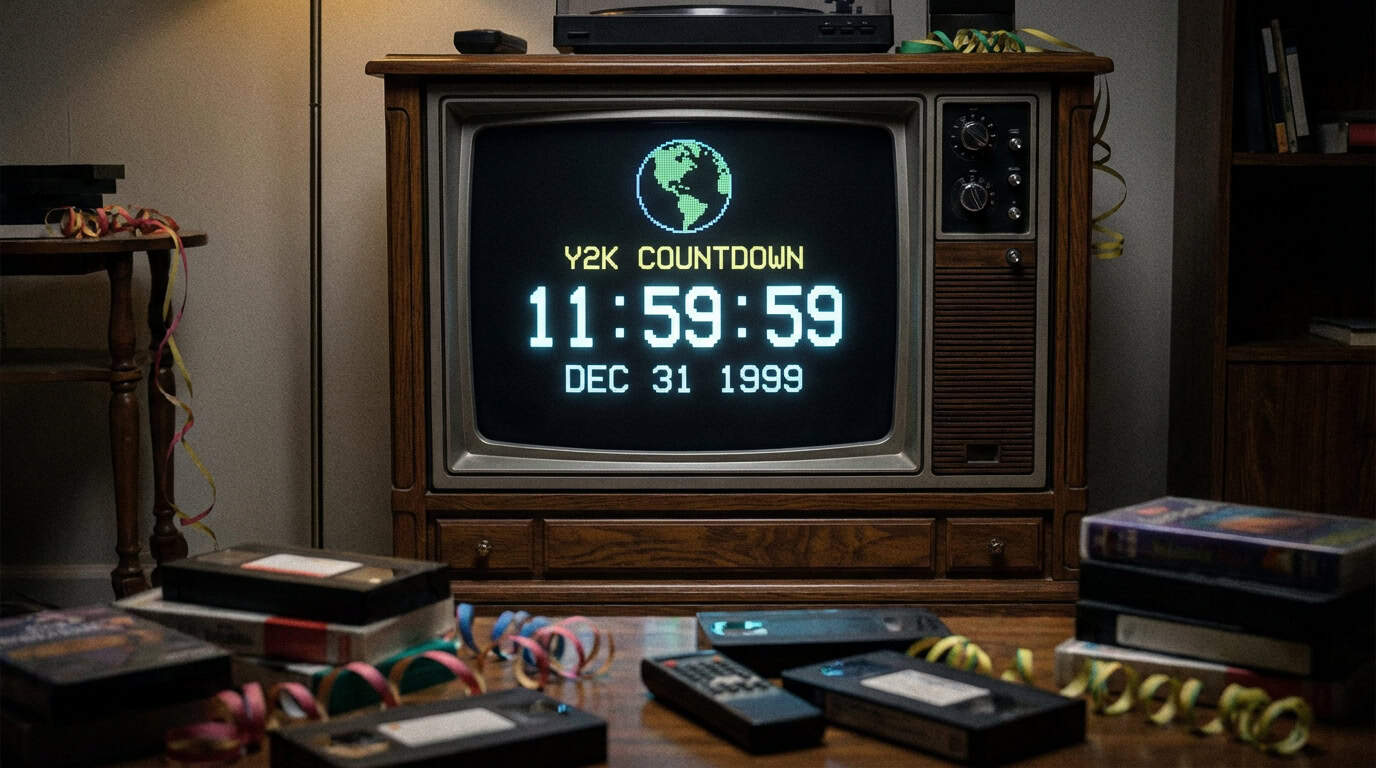
People were terrified about the switchover on December 31, 1999, as it was the start of the new millennium. They were worried about computers, yes, but they were also afraid that air-traffic systems might fail. Aircraft were going to fall out of the sky when the clock hit midnight.
At least, that’s what the stories said. People were worried that older software would mess up because it stored years with two digits, so ‘00’ might be read as 1900. But all the airlines and the FAA tested and updated their systems ahead of time. Midnight arrived. Nothing happened.
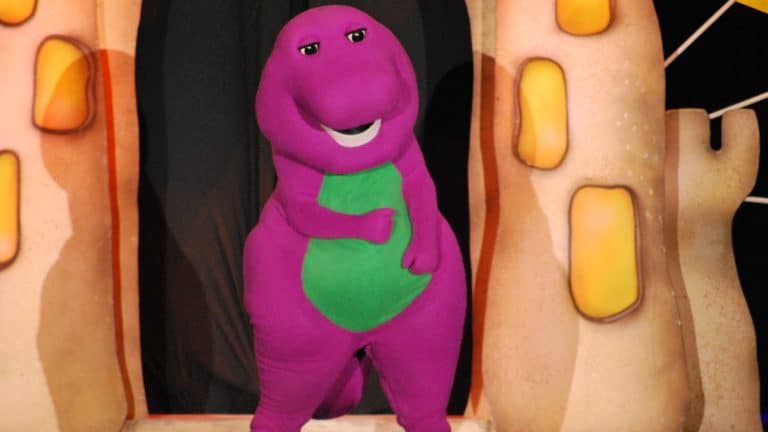
The actor who played Barney was a drug addict

Some of the rumors about Barney were weirdly specific, and all of them revolved around the man inside the costume. He was supposedly using drugs between takes, and he was hiding them in the purple tail. There was one that said he’d already died from an overdose.
It didn’t matter that none of those versions agreed with each other because millennials just cared about spreading the story. David Joyner played Barney from 1991 to 2001. He said later that the story spread so widely that his own mother called him after hearing he was dead.
Sources: Please see here for a complete listing of all sources that were consulted in the preparation of this article.
10 creepy urban legends that turned out to be true
Some spooky stories were meant only to scare other people, but by far the most terrifying ones are the stories that ended up being real.
