

We purchase household goods assuming they are helpful or at least harmless. We use them every day without thinking twice. But, over time, it has been found some of these products have downsides that rarely get discussed. A few release toxins, some deteriorate and contaminate our food, and others don’t play well with heat or electricity. Health and safety experts have identified some common household products that just aren’t worth the risk anymore.
Flame retardant upholstered furniture

Lots of couches, chairs and cushions contain flame-retardant chemicals in the foam or fabric. But they can release gas into the air over time, and then settle onto dust. Long-term exposure to flame retardants has been connected to hormone disruption and other health issues. Avoid furniture that is treated with added flame retardants, or choose natural-fiber furniture when possible.
Holey or rusted metal garden hoses

Cracked, pitted or rusted hoses not only last shorter, corrosion can cause iron and other metals to leach into the water that comes into contact with plants or pets. Old hoses should be replaced because they should not be used to provide drinking water or to water edible plants.
Black plastic kitchen utensils

The black spatulas and spoons you keep in your drawer are likely unsafe to use. Durable, non-stick, and who among us thinks twice about reaching for them? Some old or cheap ones were made from recycled plastics from electronic equipment. Recycled plastics contain trace amounts of flame retardant chemicals. When heated, those trace amounts could leach into your food. Many cooks these days choose wooden spoons, stainless steel, or high-quality silicone instead, just to be safe.
Single-use laundry pods left in reach

While laundry pods are a great invention, their color and texture are also irresistible to toddlers and pets. Emergency room reports often indicate severe conditions such as skin burns and breathing problems when laundry pods are chewed or swallowed. Safety is found in storing packets out of reach or making the transition to using liquid laundry soap, which is available in child-proof containers.
Overloaded power strips for heavy appliances

Extension cords are OK for low-power devices (phone chargers or table lamps, for example) but it’s risky to plug major appliances or power-drawing devices (refrigerators, space heaters, microwave ovens) into them. Overloaded power strips can overheat or trip circuit breakers, or worse, start a fire. To avoid this risk, unplug high-power devices from power strips and plug them directly into wall outlets.
Everyday dryer sheets

Dryer sheets keep laundry smelling fresh while softening clothes but their fragrance comes from chemical substances. These chemicals don’t just stay on your laundry. They evaporate into the air and stick to fabrics. This is why some people experience itchy skin, headaches, or respiratory irritation after using them.
It can be particularly harsh on anyone with asthma or sensitivities. Most people in my family replace these with wool dryer balls. These soften clothes without adding anything artificial.
Antique dishes and tableware

Older dishes, bowls, and cups may seem just fine, but they may have been glazed with lead. Acidic foods, like tomato sauce or citrus, can leach the lead into your food slowly, without you being able to see, smell or taste it. For that reason, many people no longer use these for daily use, but only for display or storage.
Cheap indoor space heaters

Compact electric heaters may be an appealing solution for heating a room at low cost. However, some of the very cheapest electric heaters, particularly those sold by unofficial online retailers, lack even the most basic safety controls.
Exposed wires, overheating components, and flimsy construction can all lead to the risk of fire or electric shock. Consumer safety experts recommend using certified heaters, on a stable surface, well away from curtains, furniture, and other flammable materials.
Cheap reusable plastic water bottles

Reusable bottles can be super convenient, but inexpensive plastic bottles that do not carry a “BPA-free” label may leach hormone-disrupting chemicals into your beverage over time, especially if left in direct sunlight or filled with hot liquids.
To avoid these stealthy chemicals, many health experts recommend a glass or stainless steel bottle. These materials are strong and safe.
Vinyl shower curtains

A typical bathroom will include a basic vinyl shower curtain. When new, they can give off gas chemicals that cause the air to smell strong or stuffy. Some of the off gassed chemicals are also endocrine disruptors that can affect hormones over time. Switching to a fabric curtain or PEVA keeps your bathroom dry without the extra chemicals.
Air fresheners with strong odors

Plug-in or aerosol air fresheners can help you scent a room, but many of these products emit chemicals such as formaldehyde into the air. Over time, breathing these chemicals can lead to lung irritation, allergies or even exacerbate asthma symptoms. Opt for a baking soda or activated charcoal alternative or an essential-oil diffuser instead.
Loose button cell batteries in drawers

Tiny button batteries may appear harmless, but children or pets can swallow them. That can lead to dangerous internal burns or even death. The best prevention is to store them in a secure container and dispose of old ones safely.
Scratched or worn plastic cutting boards
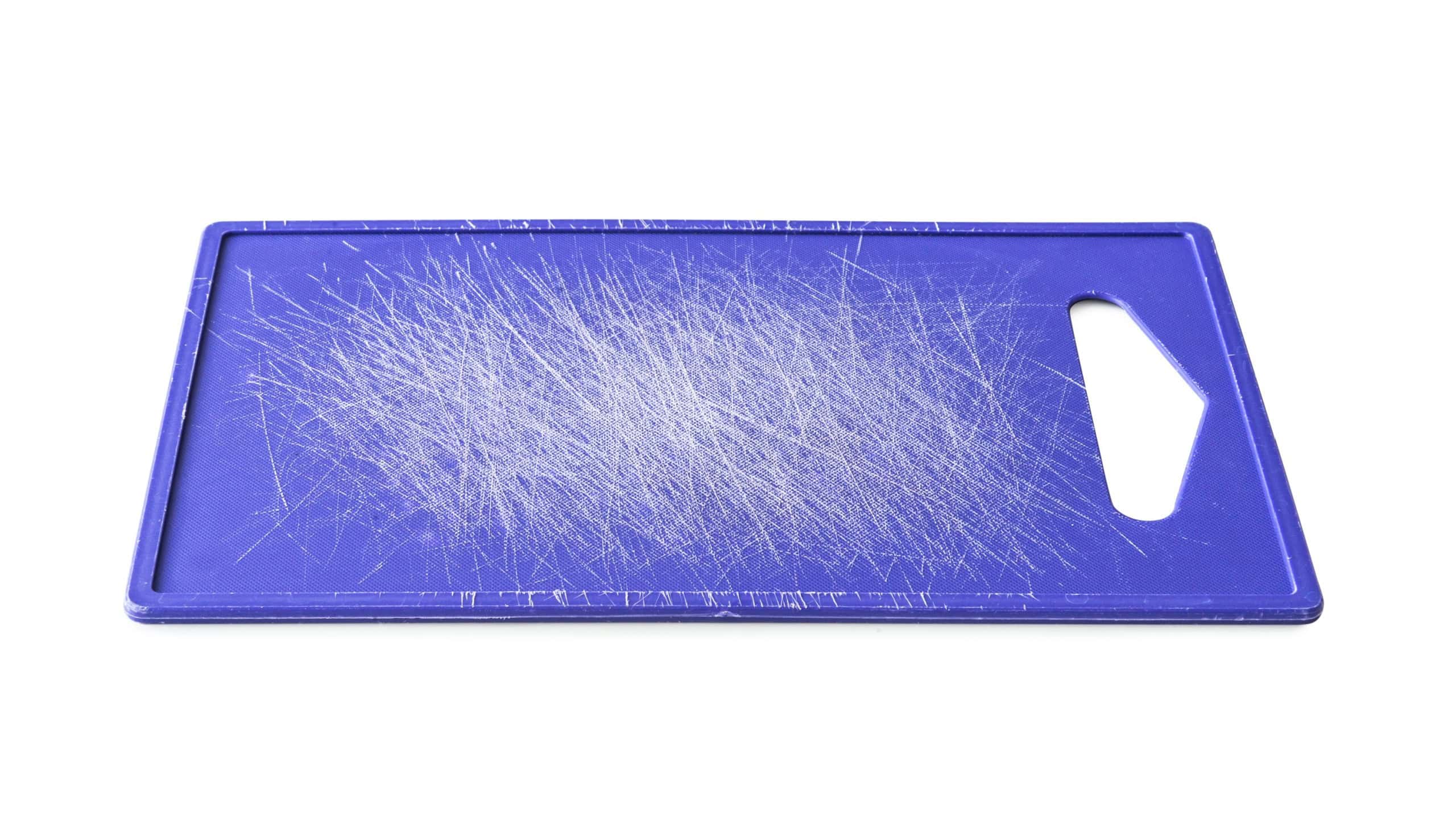
Plastic cutting boards are fine, but after a while, the knife cuts all stack up on top of each other, and little flecks of plastic start to break off and into your food unawares. It’s frustrating and slightly disgusting. Wood or bamboo stand up better over time, don’t get so gunky with knife cuts, and just feel more safe once your old plastic board is looking beat-up.
Standard scented candles made with paraffin

Ever notice how those candles that smell so good can leave you coughing or make the air feel stale? It’s because most of them are made from paraffin wax and artificial fragrance. Using beeswax candles or natural oil scented candles generally feels fresher and is easier on the lungs.
Sources: Please see here for a complete listing of all sources that were consulted in the preparation of this article.


