
Despite being remembered for hundreds of years and appearing in countless books, there are some historical figures whose identities nobody can quite agree on.
The man in leather
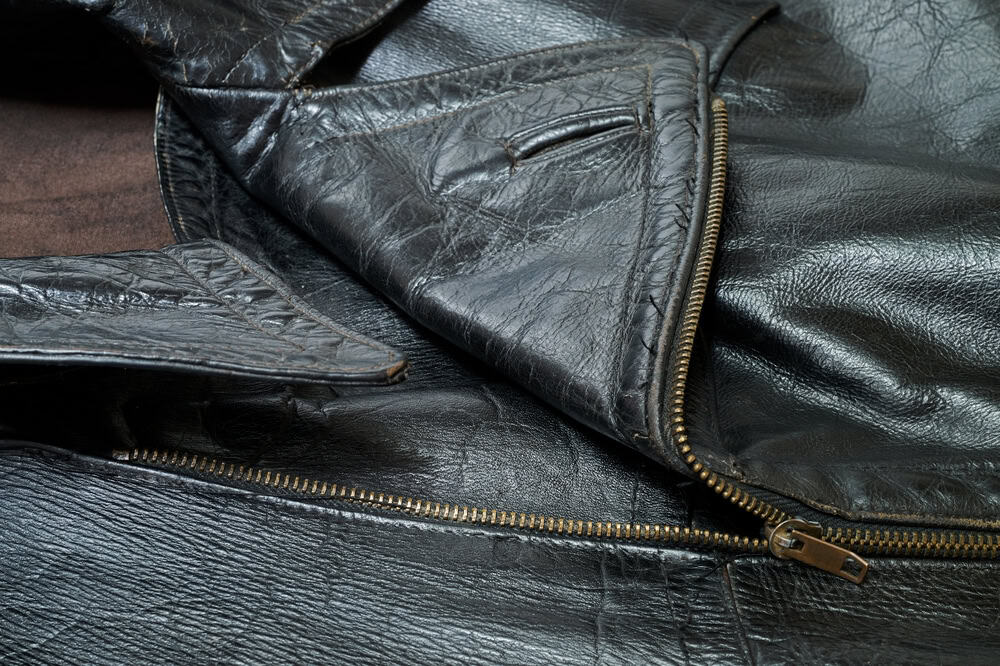
Wearing the same outfit more than two days in a row is strange enough. The Leatherman did it for 30 years. Yes, he wore the same leather outfit for three decades during the 1800s while regularly walking a route of around 365 miles. He went between Connecticut and New York.
The Leatherman didn’t really speak to anyone, however, and locals suspected he was a Frenchman named Jules Bourglay. That’s the name they put on his gravestone. But the story turned out to be false, and although researchers opened his grave in 2011, they weren’t able to find any usable remains for testing. His identity is a mystery to this day.
The killer in the mask
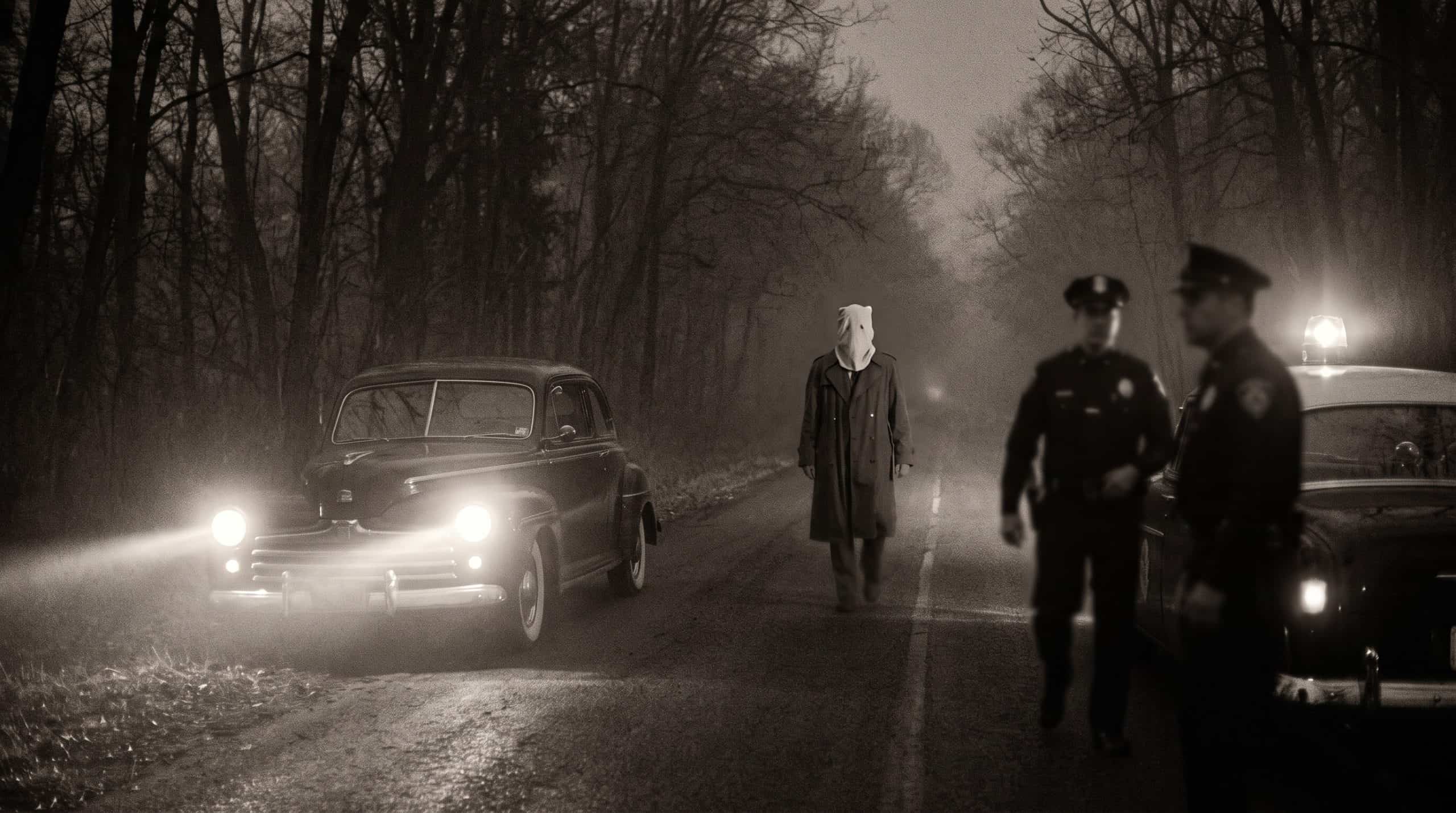
In 1946, Texarkana was somewhere you definitely didn’t want to be. The city on the Texas-Arkansas border was suffering from a string of mysterious murders by a man known as the Phantom Killer. One of the survivors described him as wearing a sack over his head.
Whoever he was, he was attacking people and left five dead, as well as three injured. Police did suspect a criminal named Youell Swinney was the culprit, and that was mostly because his wife knew certain details about the crimes. But her account never stayed the same, and he was never charged with the murders.
The voice against the Constitution
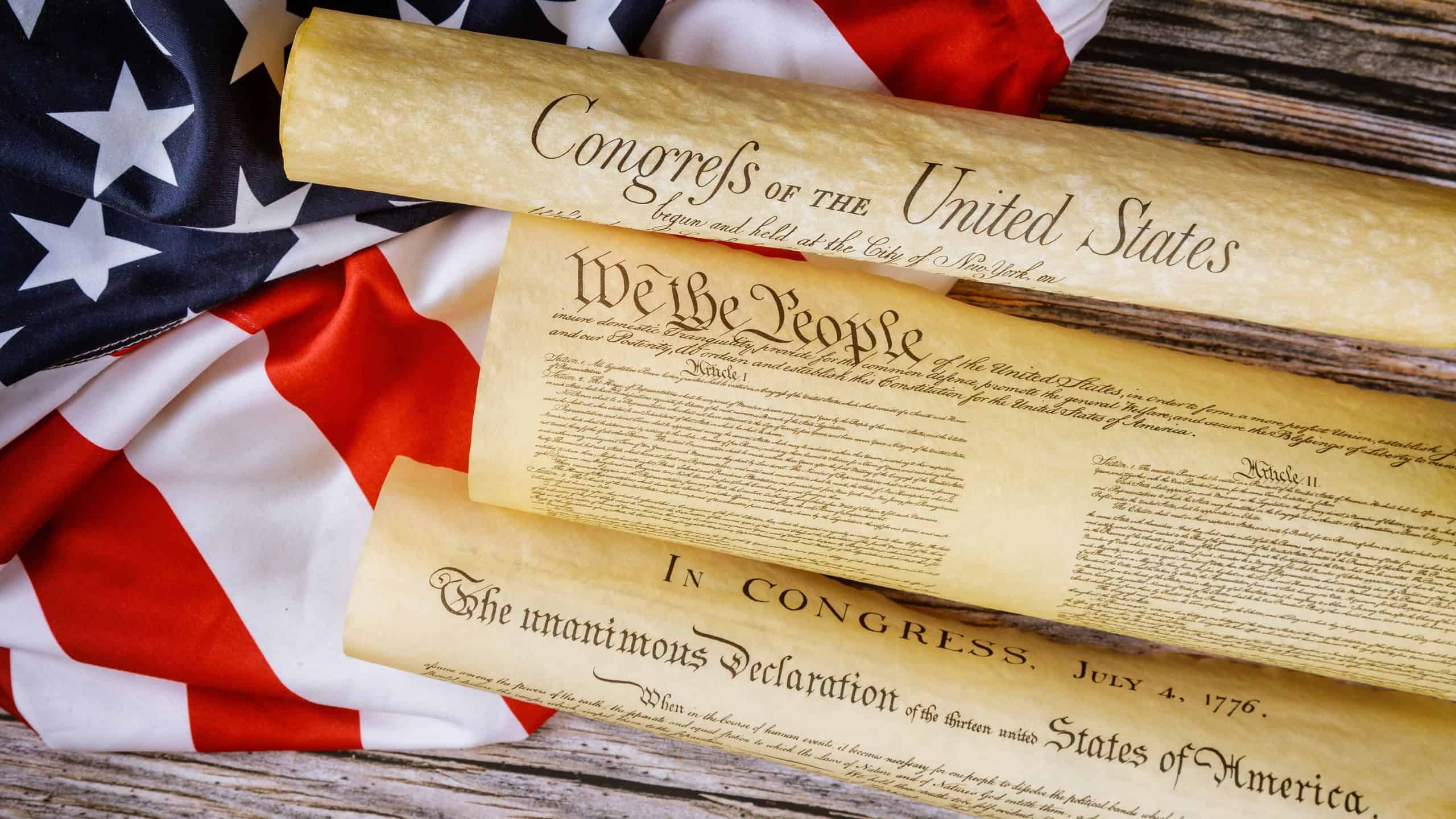
Not everyone was happy when America was debating its new Constitution in 1787. One of the critics of the Constitution was a person who called himself the Federal Farmer, and he wrote a few letters about his complaints. He had strong words to say about how much power the proposed federal government would receive. He continued publishing his arguments into 1788.
They became an important part of the discussion about how the American government should work, yet nobody knows who wrote them. Some people thought it was Richard Henry Lee of Virginia. Others said it was Melancton Smith of New York. There are other suggestions, too, but nobody quite knows who this influential writer actually was.
The man in the photograph
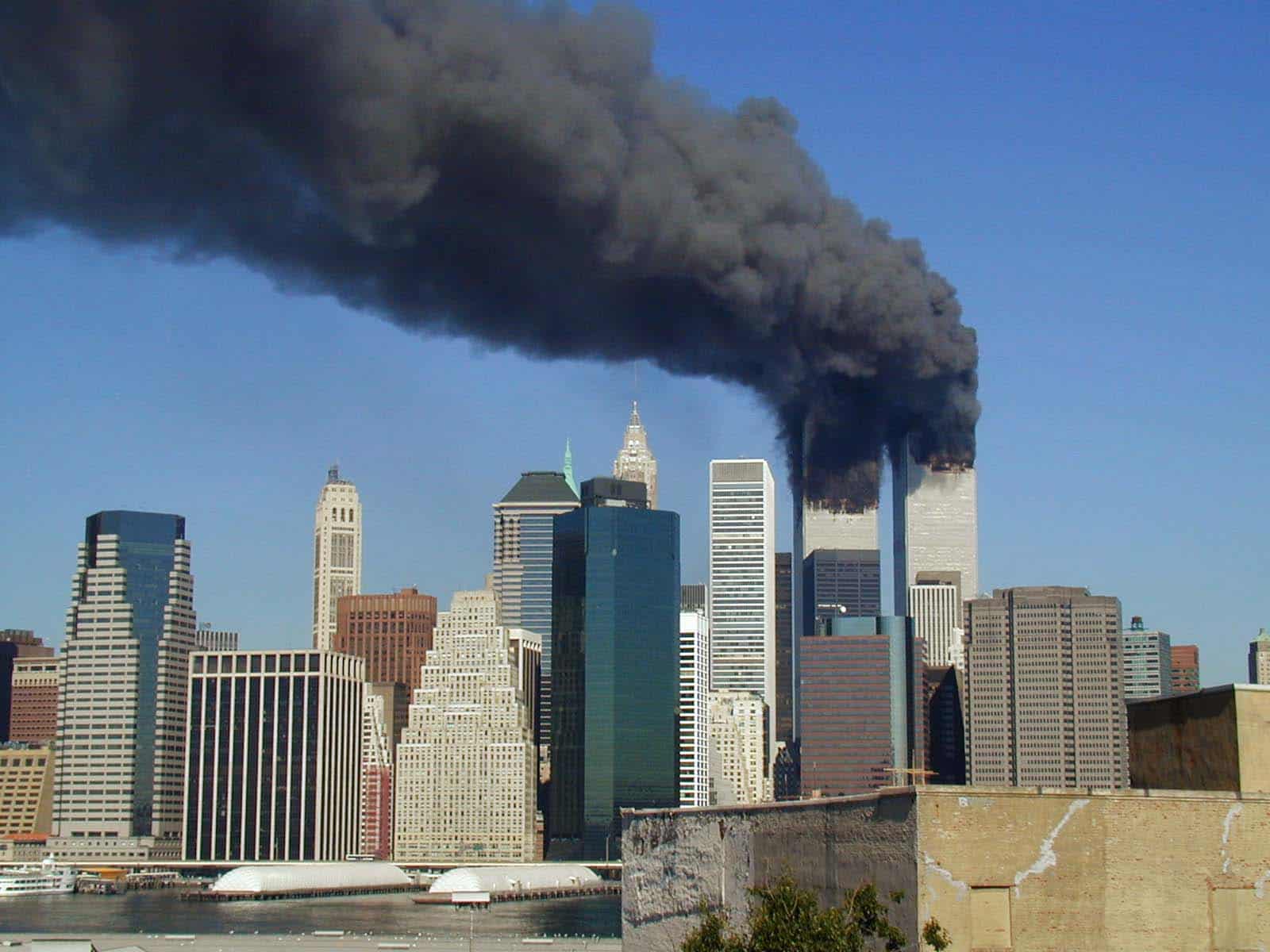
One of the most chilling photographs of September 11, 2001, was taken by Richard Drew. His infamous photo shows a man falling head-first from the World Trade Center, and the image became known as The Falling Man. But nobody knows who the man was.
Canadian journalist Peter Cheney initially suggested that it could be someone called Norberto Hernandez, although Hernandez’s own family disagreed. There were suggestions that it could’ve been Jonathan Briley, a sound engineer working at Windows on the World. Whoever this man was, his picture became a symbol of the sheer horror that happened that day.
The writer who criticized the king
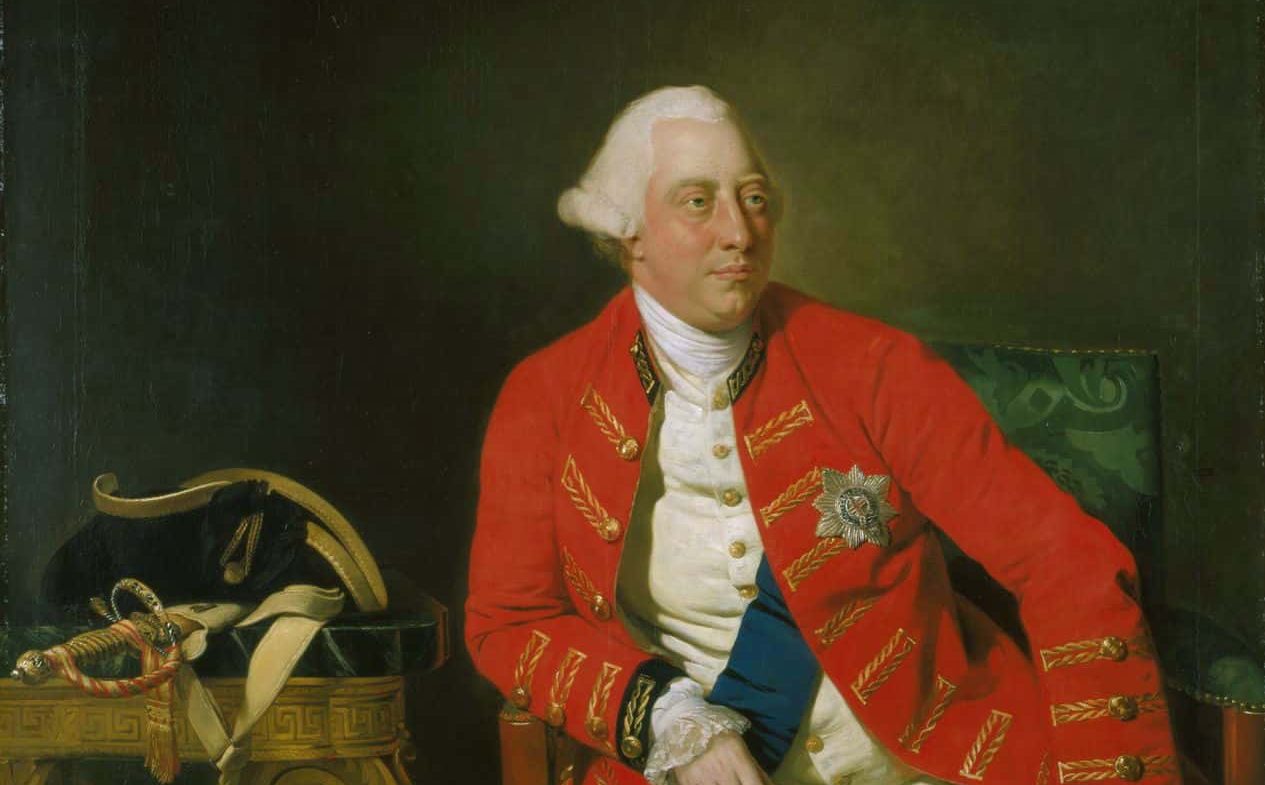
Even royalty isn’t free from criticism, and King George III of Great Britain had his own anonymous critic during the late 1760s. It’s no surprise the critic kept his identity secret, though. He wasn’t exactly polite. No, he called himself Junius and published political letters in Britain’s Public Advertiser.
He openly attacked important politicians and the king himself while showing off quite a sophisticated knowledge of government. Many historians believe it might’ve been Sir Philip Francis, a British official who later worked in India. Still, the evidence isn’t conclusive.
The sailor in Times Square
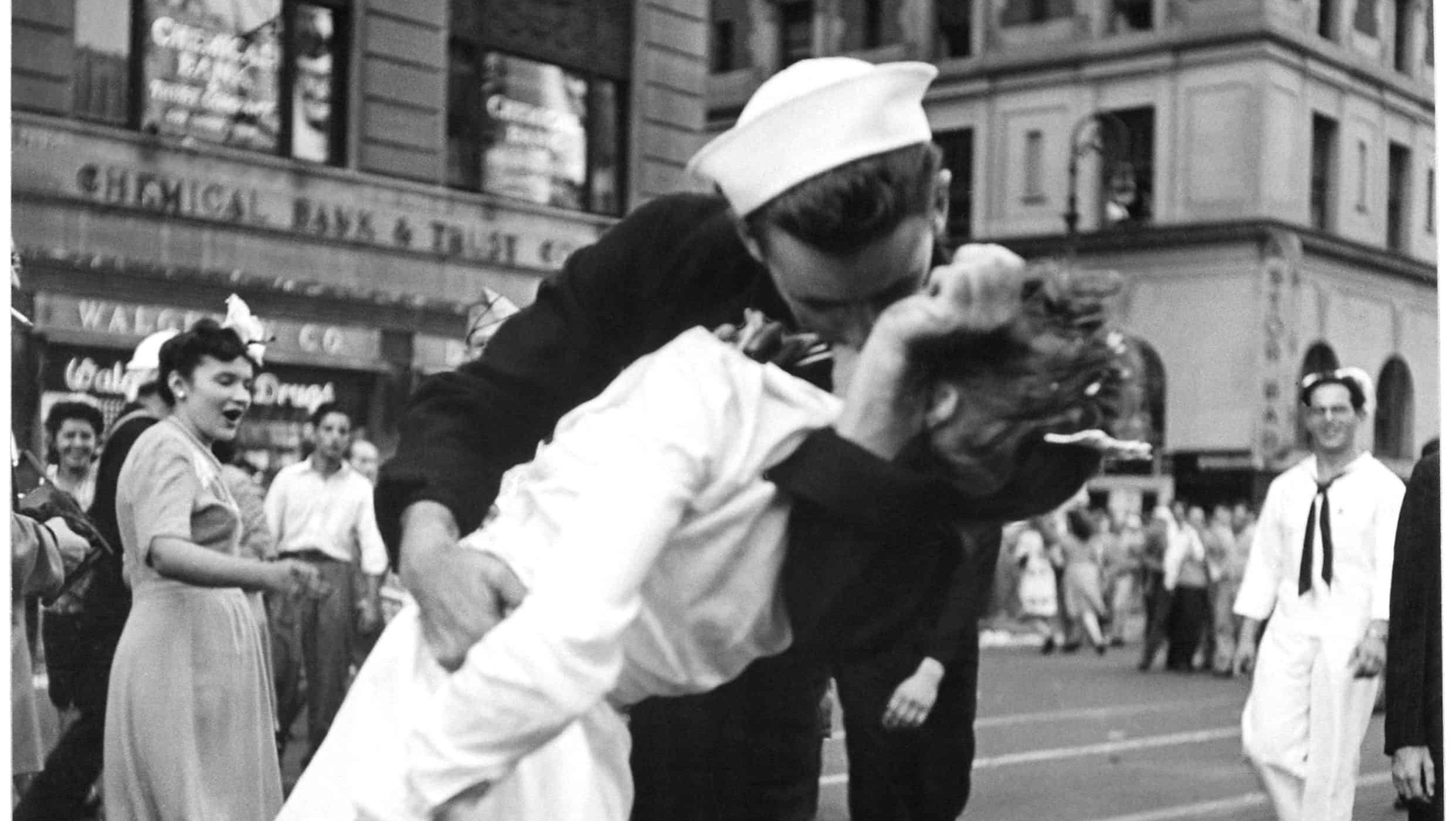
On August 14, 1945, Japan’s surrender was announced, effectively ending World War II. People around the world celebrated, including one sailor in Times Square who famously kissed a woman dressed in white. Photographer Alfred Eisenstaedt took a photo of the moment. At the time, though, he didn’t record their names, although the woman’s identity was later discovered.
Her name was Greta Zimmer Friedman. The man’s identity has never been discovered, despite the claims that it could be George Mendonsa or Glenn McDuffie. Both of these men did claim to be the person in question. Yet even now, historians aren’t completely sure who the sailor in this famous photo actually was.
The mystery behind Christmas Eve

You’ve likely heard the poem The Night Before Christmas, even though you probably can’t recite every line. It was originally titled A Visit from St. Nicholas, and it appeared anonymously in a New York newspaper on December 23, 1823. The poem soon became a Christmastime classic.
Then, a man named Clement Clarke Moore claimed that he was the writer, and so did the descendants of Henry Livingston Jr. They claimed he’d written it years before Moore claimed to have written it. Nobody has any idea who wrote it, but one thing’s sure, it’s timeless.
The poet without a history
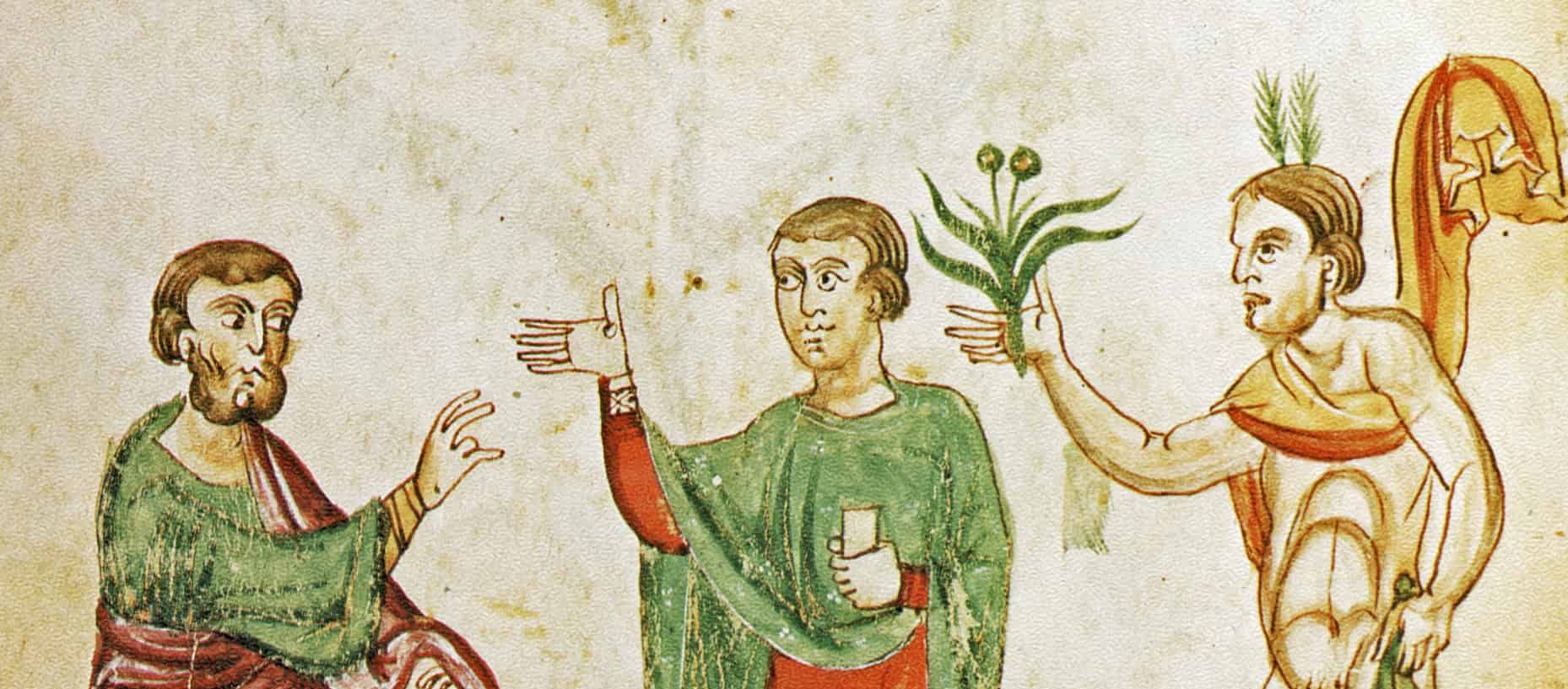
You don’t have to have studied ancient Greece to know about Homer. No, not the one in The Simpsons, but the writer who created The Iliad and The Odyssey around the eighth century BC. We’re not sure who he is, though.
Some historians believe he wasn’t even a person, but rather a group of people. They claim several poets created his work over generations. Yet there are stories about Homer’s life that suggest something different, so we just don’t know.
The king who may not have existed
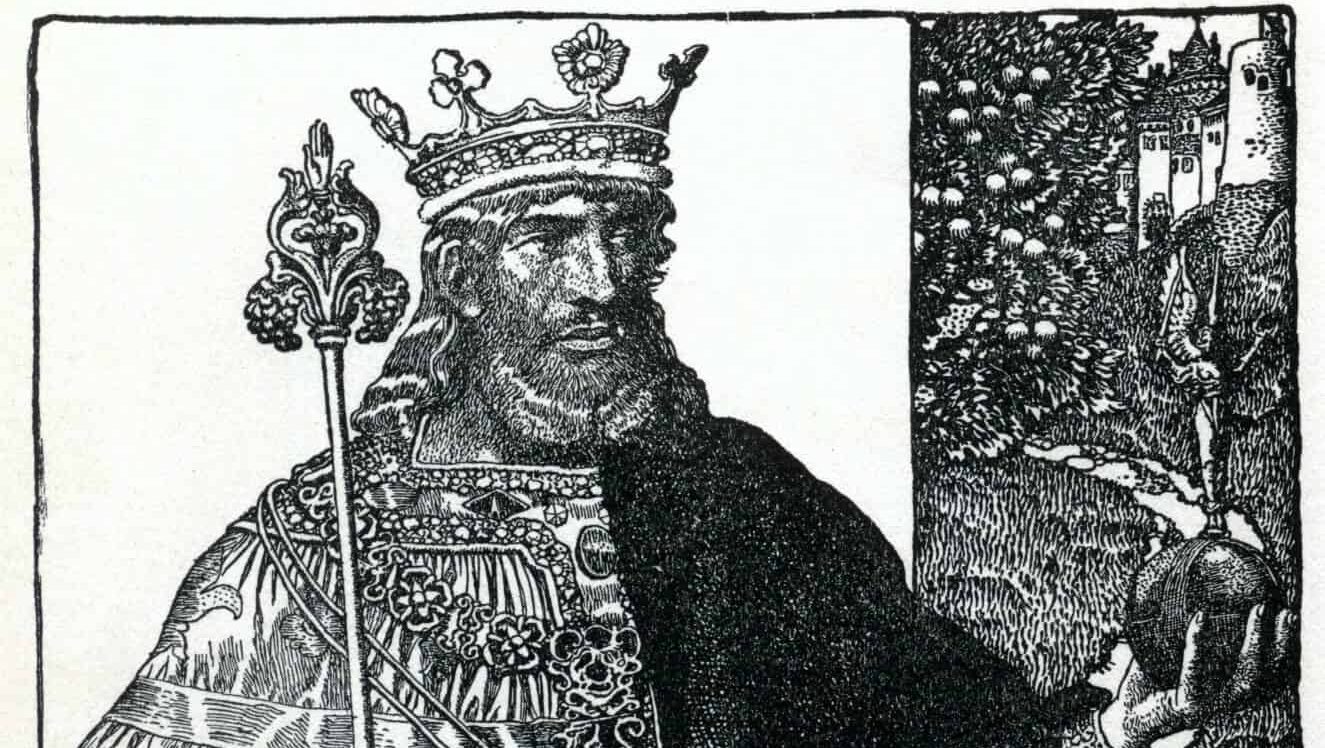
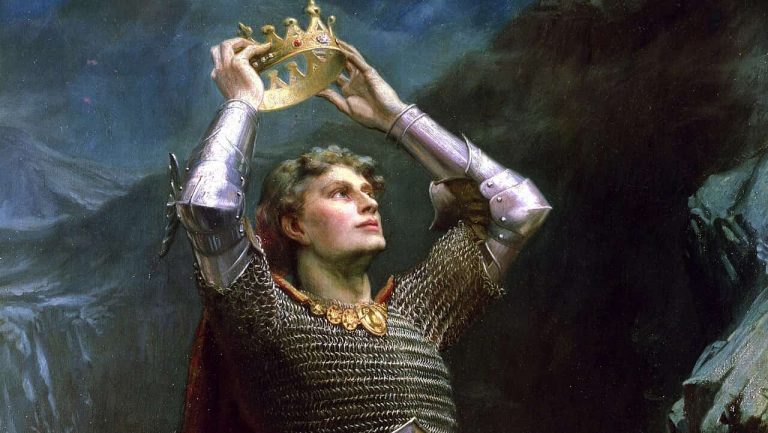
When you hear the name ‘King Arthur,’ you probably think of his round table, although the real man probably didn’t look much like the one in the movies. He likely lived around the fifth or sixth century and may have fought Anglo-Saxon invaders in Britain.
That’s pretty much all we know about him. There are no surviving records from the time that tell us exactly who he was, and most of what we’ve heard about him comes from Geoffrey of Monmouth. He added to the royal story centuries later.
The woman in Shakespeare’s poems
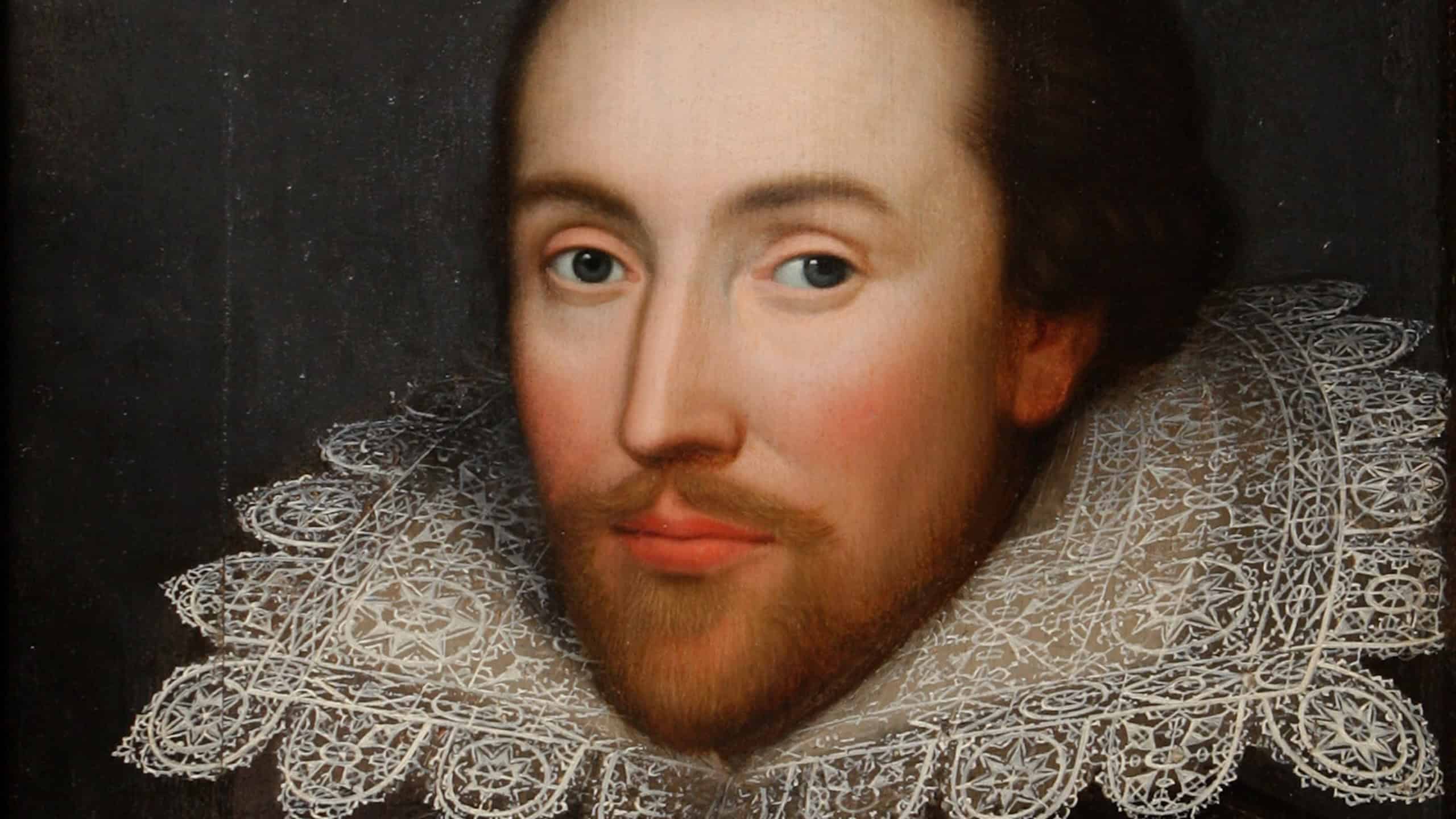
William Shakespeare wrote several sonnets addressed to a mysterious woman, known as the Dark Lady. She’s in quite a few of the poems published in 1609. All that we know about her is that she had a complicated relationship with the speaker, but that’s it.
Some historians claim she might’ve been an English poet named Emilia Lanier, and others say she was Mary Fitton, a woman who served Queen Elizabeth I. Then there’s the wildest theory of all. There’s a chance she might not have even been real, and instead, she was an invention of Shakespeare.
The man who signed his crimes
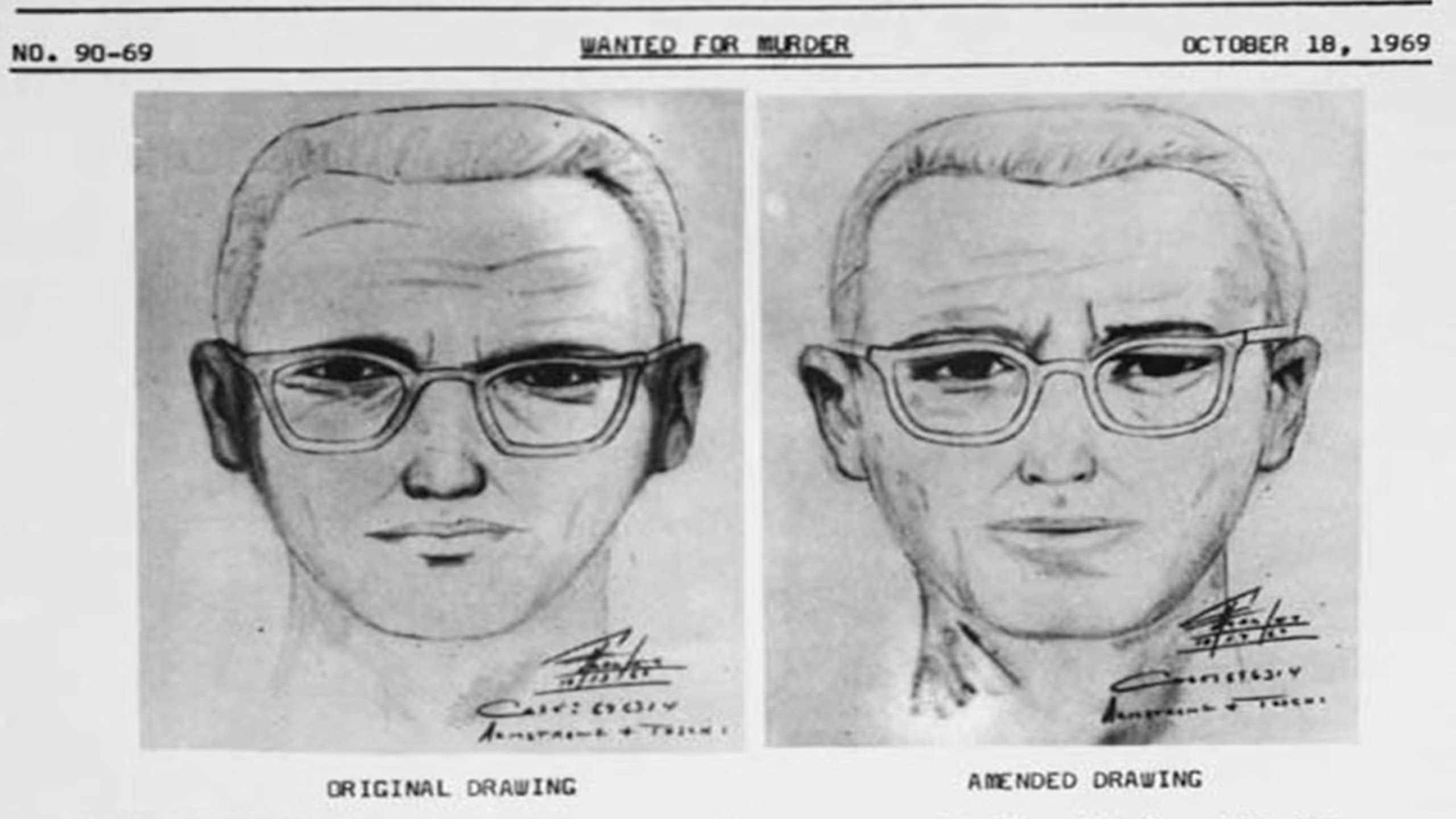
The Zodiac Killer was a man who murdered at least five people between 1968 and 1969 in California, although it’s possible that the number was even higher. He wrote to newspapers using coded messages and claimed responsibility for the murders.
These messages included a crosshair-like symbol as his signature. The thing is, nobody knows who actually wrote them, or who the killer was. Even some of his letters are still uncoded. Arthur Leigh Allen was one of the lead suspects. But the truth is that there are still many other men it could’ve been, and we have no idea who the real killer was.
The stranger in the Arctic
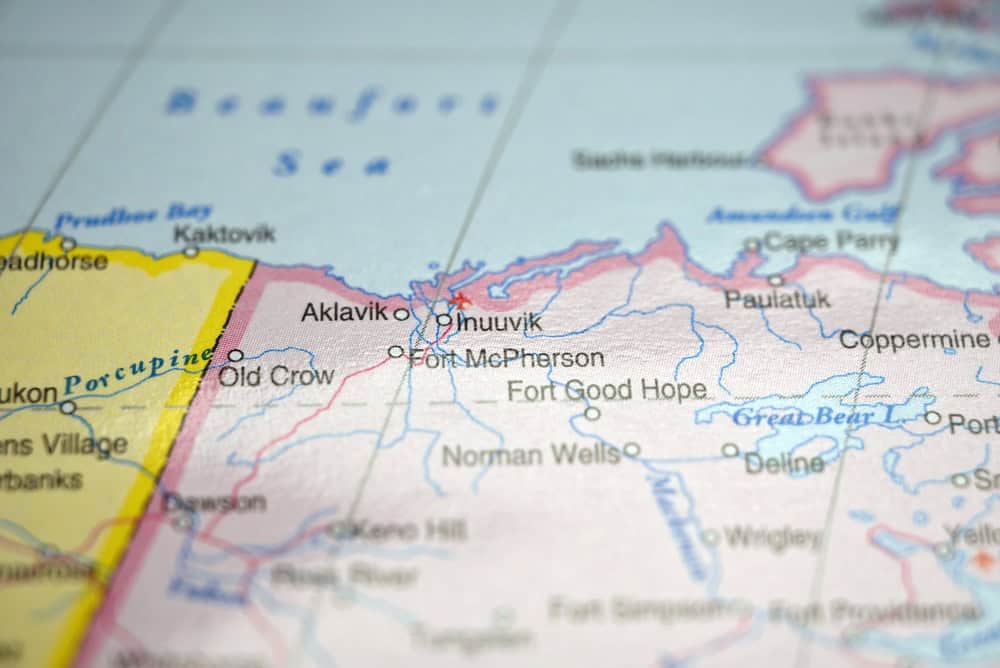
Canadian police shot a man named Albert Johnson on February 17, 1932. That was only the start of the mystery. They’d been chasing him across the frozen Northwest Territories for weeks after he’d had a violent encounter with them. He became known as the Mad Trapper of Rat River and completely refused to work with officers.
When they shot him, they learned that he wasn’t who he said he was, and Albert Johnson wasn’t his real name. An examination of his remains decades later didn’t settle the mystery, either.
The stranger on the beach
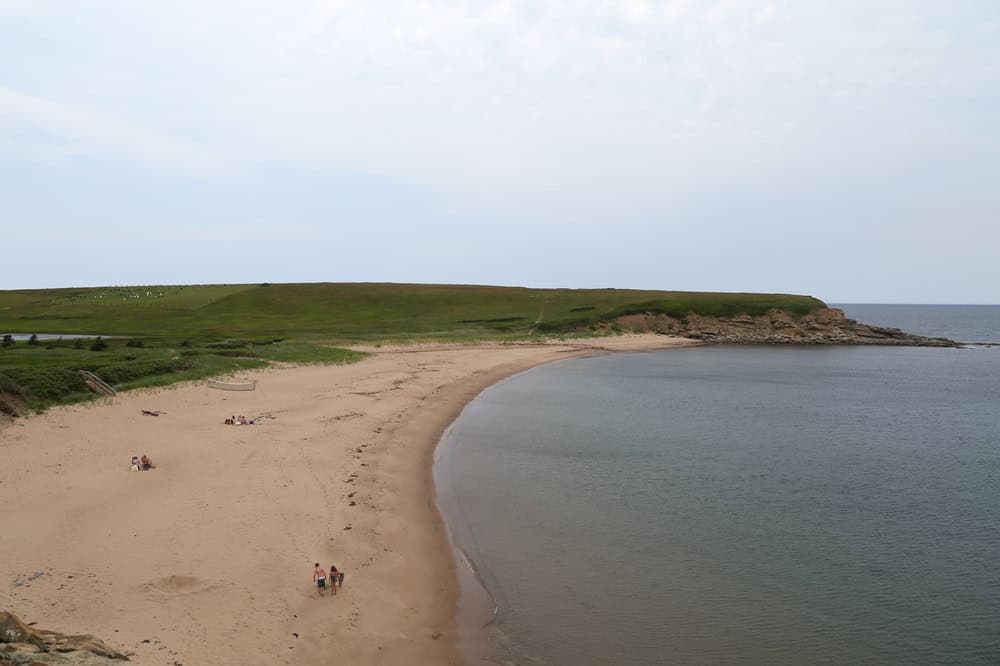
On September 8, 1863, a strange man was found on the beach of Sandy Cove, Nova Scotia. Both of his legs had been amputated above the knees, for one. The strangest part was that he could barely speak a word and was unable to say what had happened to him.
It wasn’t clear who he was, where he came from, or even how his legs had been amputated. Some people claimed he’d said a name that sounded like ‘Jerome.’ So, that’s what they called him. There were rumors that he was a man named Gamby, who’d lost his legs to frostbite. Yet there wasn’t enough evidence to prove it, and ‘Jerome’ died in April 1912 as a mystery.
The woman who disappeared
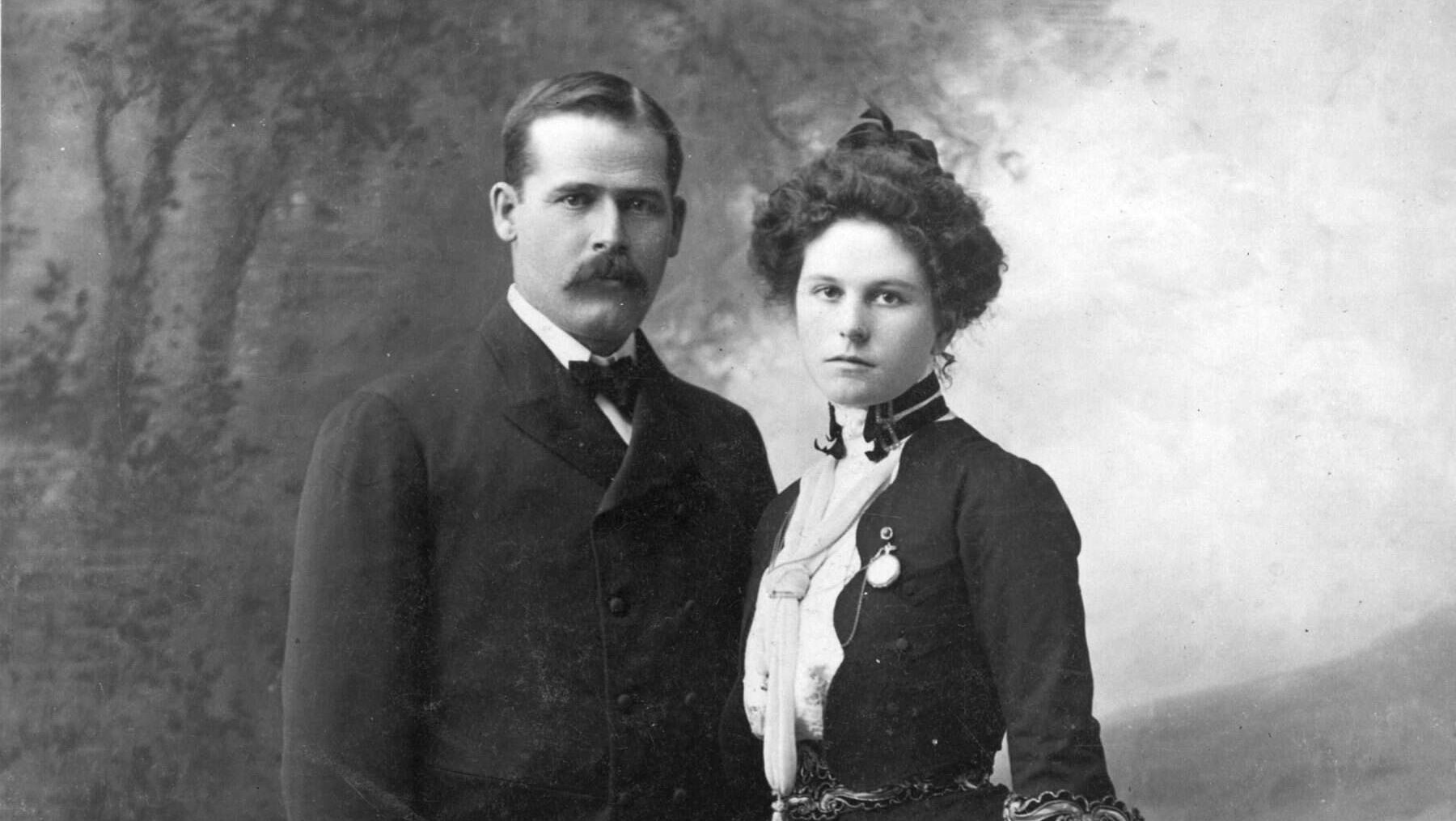
Everyone knows that Butch Cassidy and the Sundance Kid didn’t have normal lives. Turns out, neither did the woman who went with them to South America in 1901. She called herself Etta Place and lived with the outlaws in Argentina for a while.
But her life before that is a complete unknown. Maybe she was a rancher from the Colorado-Utah border called Ann Bassett. Or maybe she was someone else. Even what happened to Etta after the outlaws left is unclear. She was that much of an enigma.
Sources: Please see here for a complete listing of all sources that were consulted in the preparation of this article.
12 mysterious figures who still puzzle historians
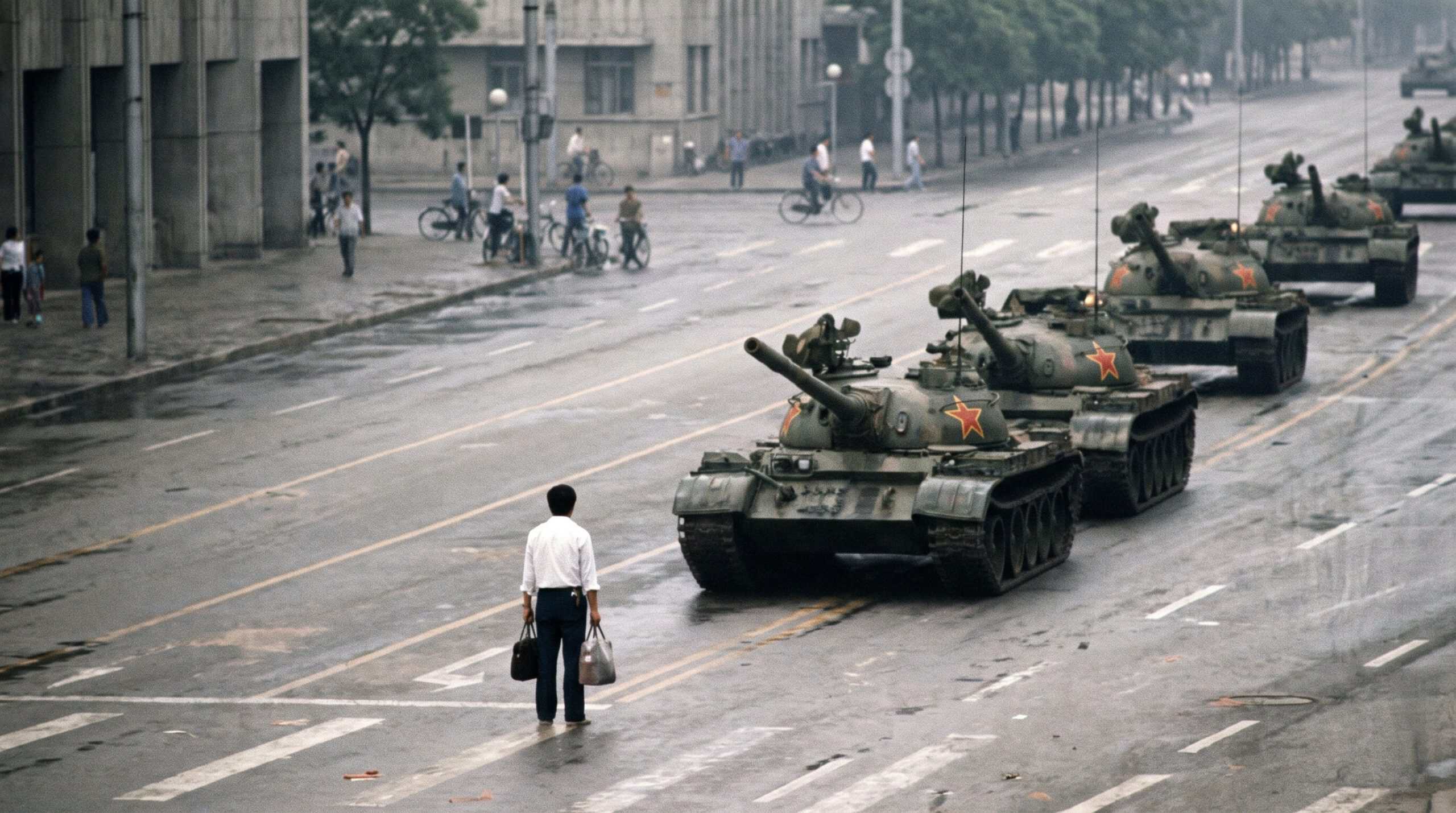
History has left us with quite a few people who have managed to be involved in some major events, yet we know very little about who these people were, even to this day.

