

Many of history’s most mocked ideas sounded absolutely ridiculous, right up until the evidence proved that, actually, these people were right all along.
Alfred Wegener
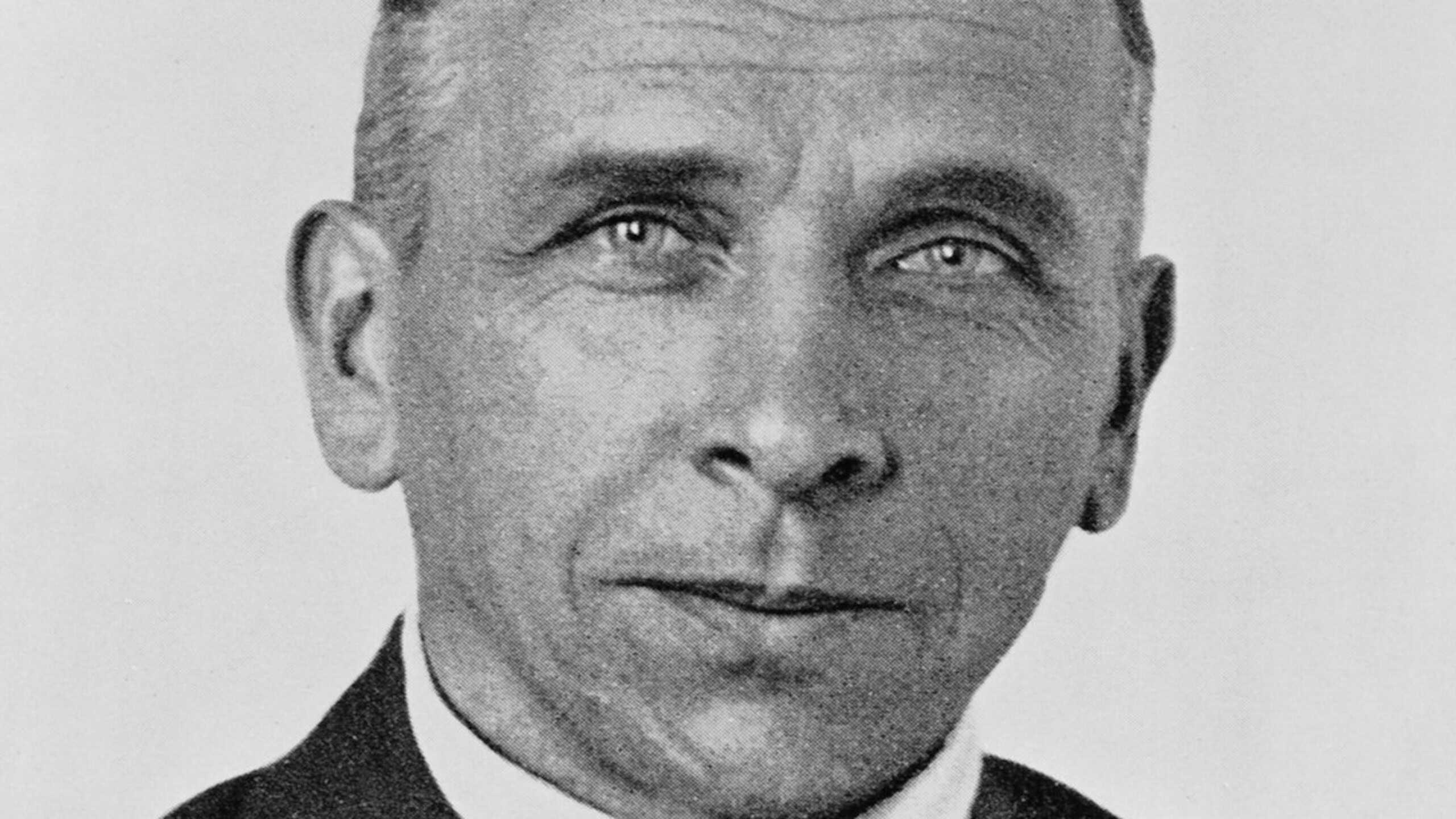
It doesn’t take a genius to look at a map and see that South America looks like it could slide into Africa. Alfred Wegener took the idea much further than that in 1912. He argued that the continents had once been connected, and then drifted apart over time.
Geologists completely disagreed. One critic went as far as calling the idea a ‘dream’ because Wegener couldn’t accurately explain what force had moved whole continents. But he was right. Scientific research in the 1950s and 1960s proved the continents had been moving all along.
Robert Goddard

The criticisms towards Robert Goddard were public, and even The New York Times took a swing in 1920. Goddard said a rocket could take people to space. The Times disagreed. They said a rocket couldn’t work in space, there was no air for it to push against, after all.
Goddard argued otherwise, and he said that rockets move by throwing their exhaust backward, rather than pushing on the atmosphere. It took him a few years, but he proved his idea in 1926. Apollo 11 then went to the Moon several decades later, and the Times was forced to eat crow.
Barry Marshall and Robin Warren
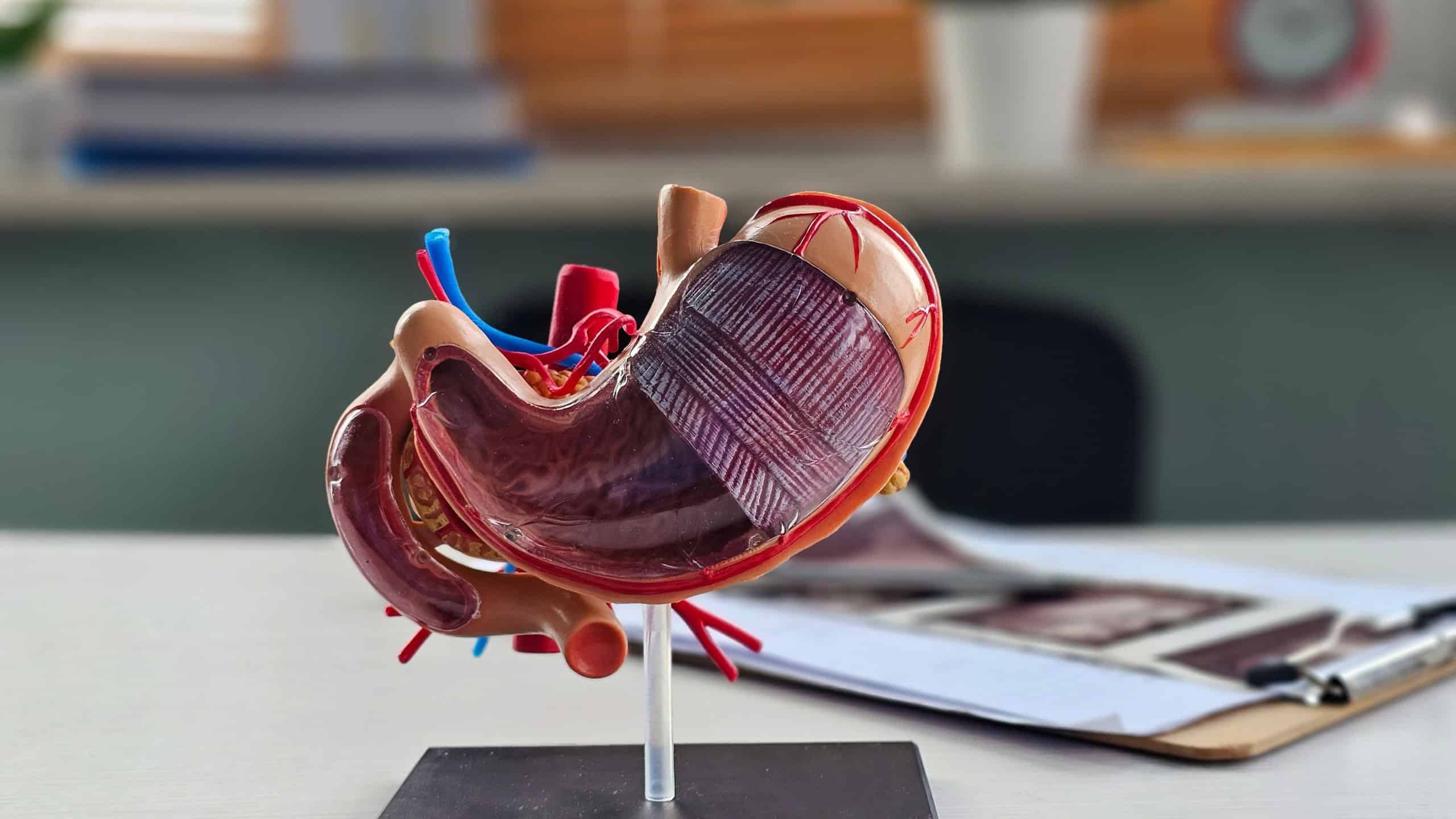
The next one’s a duo that was proven right. Doctors spent years blaming ulcers on things like stress and spicy food, right up until Robin Warren saw things differently. He actually noticed curved bacteria in stomach samples, and another doctor, Barry Marshall, agreed.
The pair argued in the early 1980s that bacteria caused many ulcers. But everyone pushed the idea aside. Critics thought stomach acid killed everything, so there was no way bacteria could survive. Turns out, some bacteria could survive, and the pair later won the 2005 Nobel Prize.
John Snow
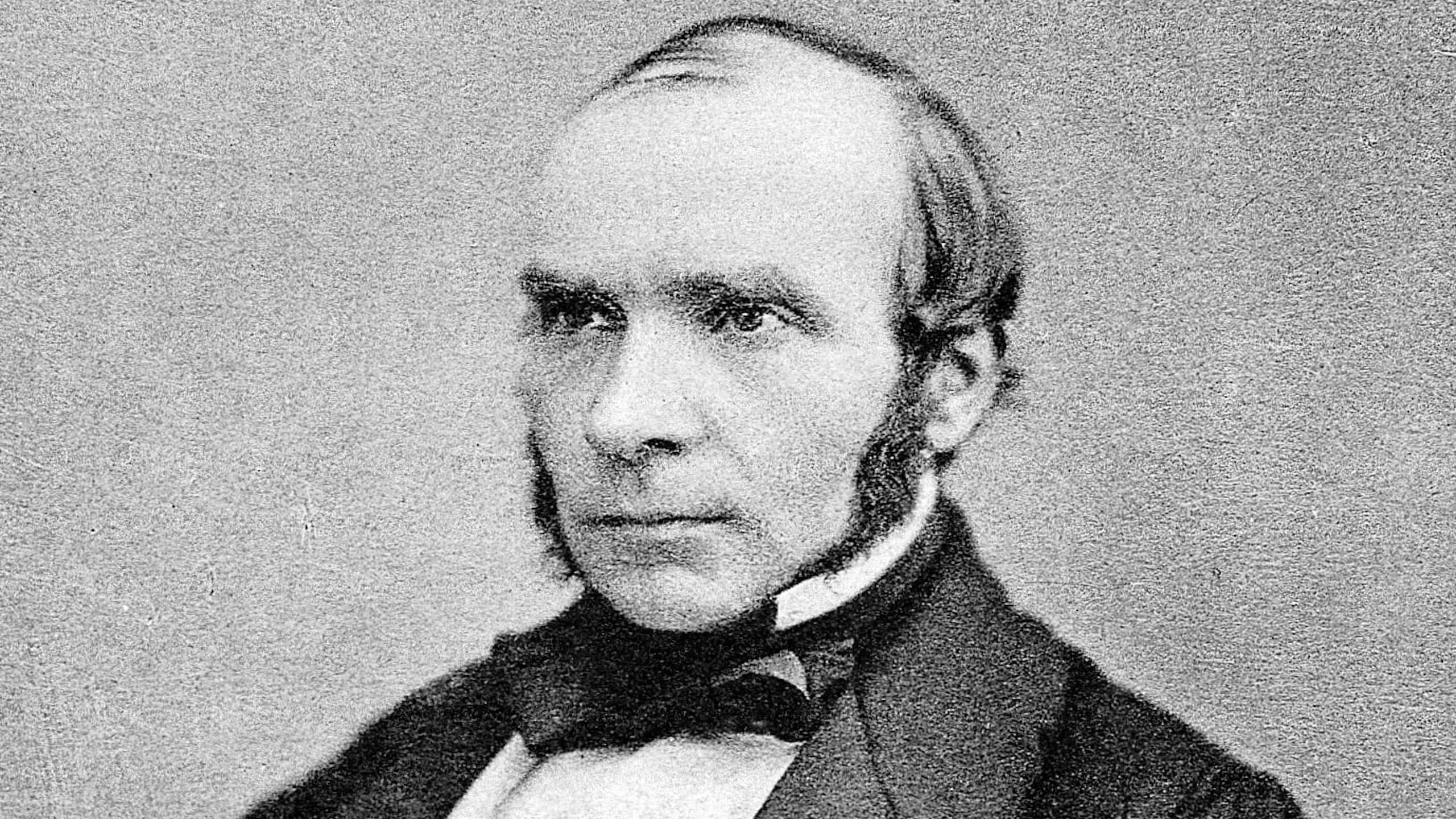
Bad smells. That’s what a lot of people blamed cholera on in nineteenth-century London. They believed it was all down to bad air, but John Snow wasn’t convinced, and he suggested in 1849 that contaminated water was the cause. A lot of doctors disagreed.
It wasn’t until another cholera outbreak in 1854 that Snow proved his idea was right. He mapped deaths around the Broad Street pump and linked the water to a nearby cesspit. Officials removed the water pump’s handle. Funnily enough, the number of cholera cases fell soon after.
Alice Catherine Evans
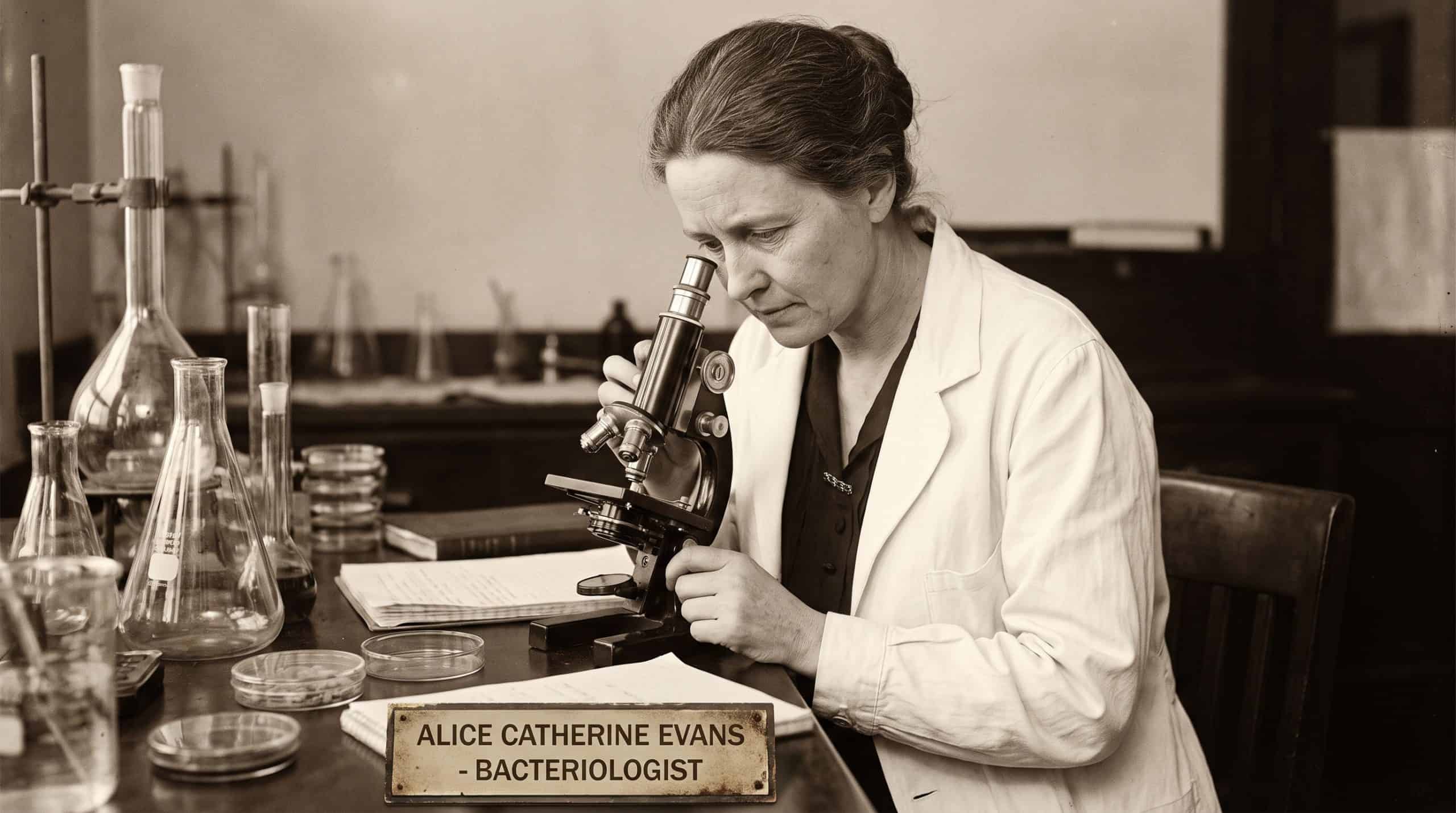
Alice Catherine Evans didn’t have a doctorate. That’s what people really cared about, the fact that she didn’t have a doctorate, so whatever she said didn’t seem to matter. She said that bacteria carried by cows could infect humans through raw milk and cause serious illnesses.
Dairy groups objected, and even some established researchers questioned the link between animal and human bacteria were connected. Several years after she made her claims, other scientists confirmed the link. Pasteurization became a routine public-health measure.
Frances Oldham Kelsey
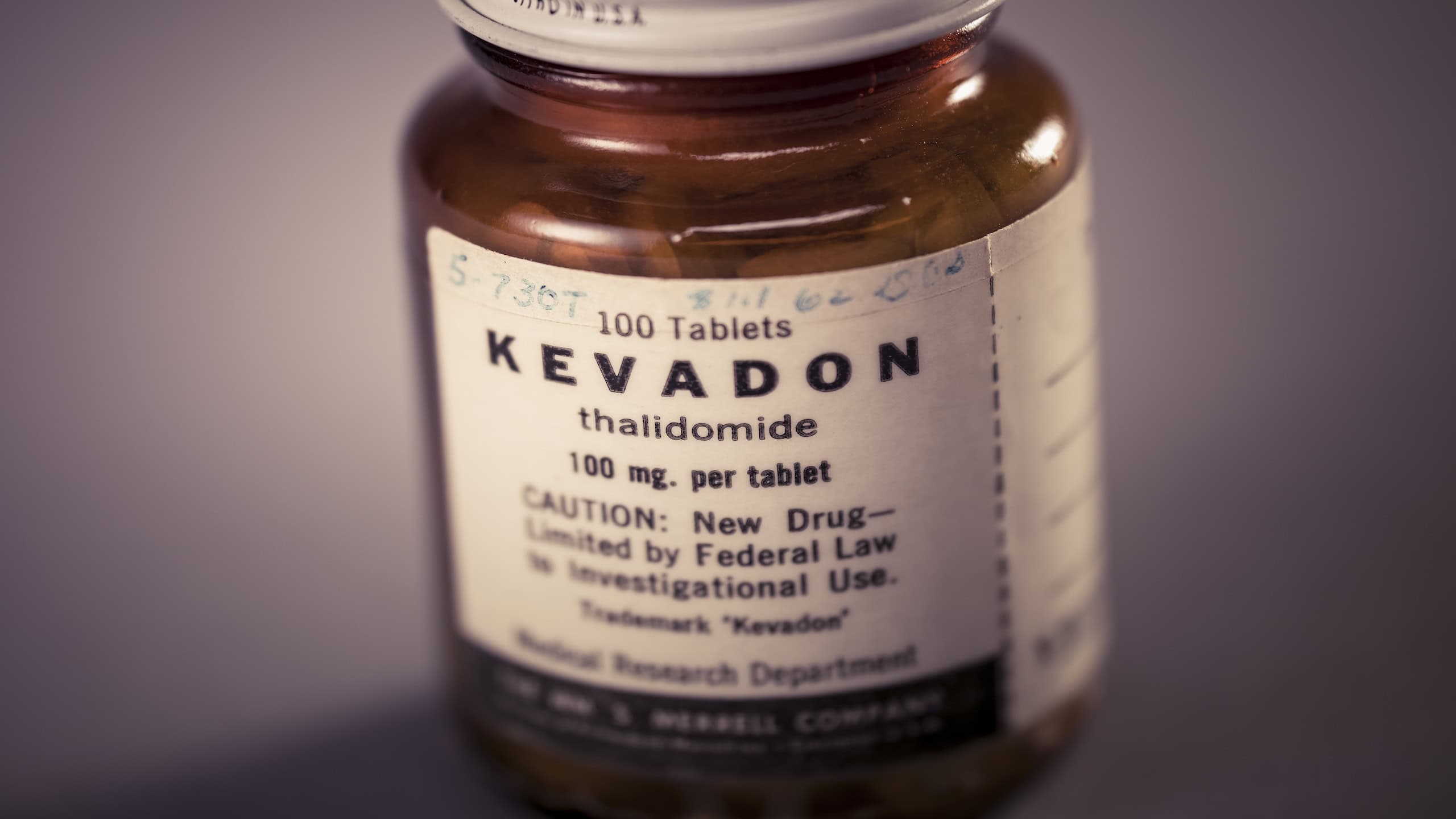
Thalidomide was one of the most dangerous approved drugs on the market. Frances Oldham Kelsey was one of the first to recognize that, even though she’d only recently joined the FDA. Kelsey asked for better safety evidence when the manufacturer asked for approval.
The manufacturer’s representatives complained and pressured her into approving it, but she refused. Reports from Europe shortly after connected thalidomide with thousands of severe birth defects, proving Kelsey right. The American application was withdrawn in March 1962.
Aristarchus of Samos

Aristarchus was around 1,700 years before Copernicus, and he argued that the Sun was near the center of the solar system. It wasn’t exactly the most popular choice in ancient Greece. People believed back then that Earth was in the center, after all.
The criticism of Aristarchus’s views was so strong that some people even called for him to be charged with impiety, aka a lack of respect toward God. Later, much, much later, scientists confirmed that the Earth really does orbit the Sun. Aristarchus was ahead of his time.
Winston Churchill
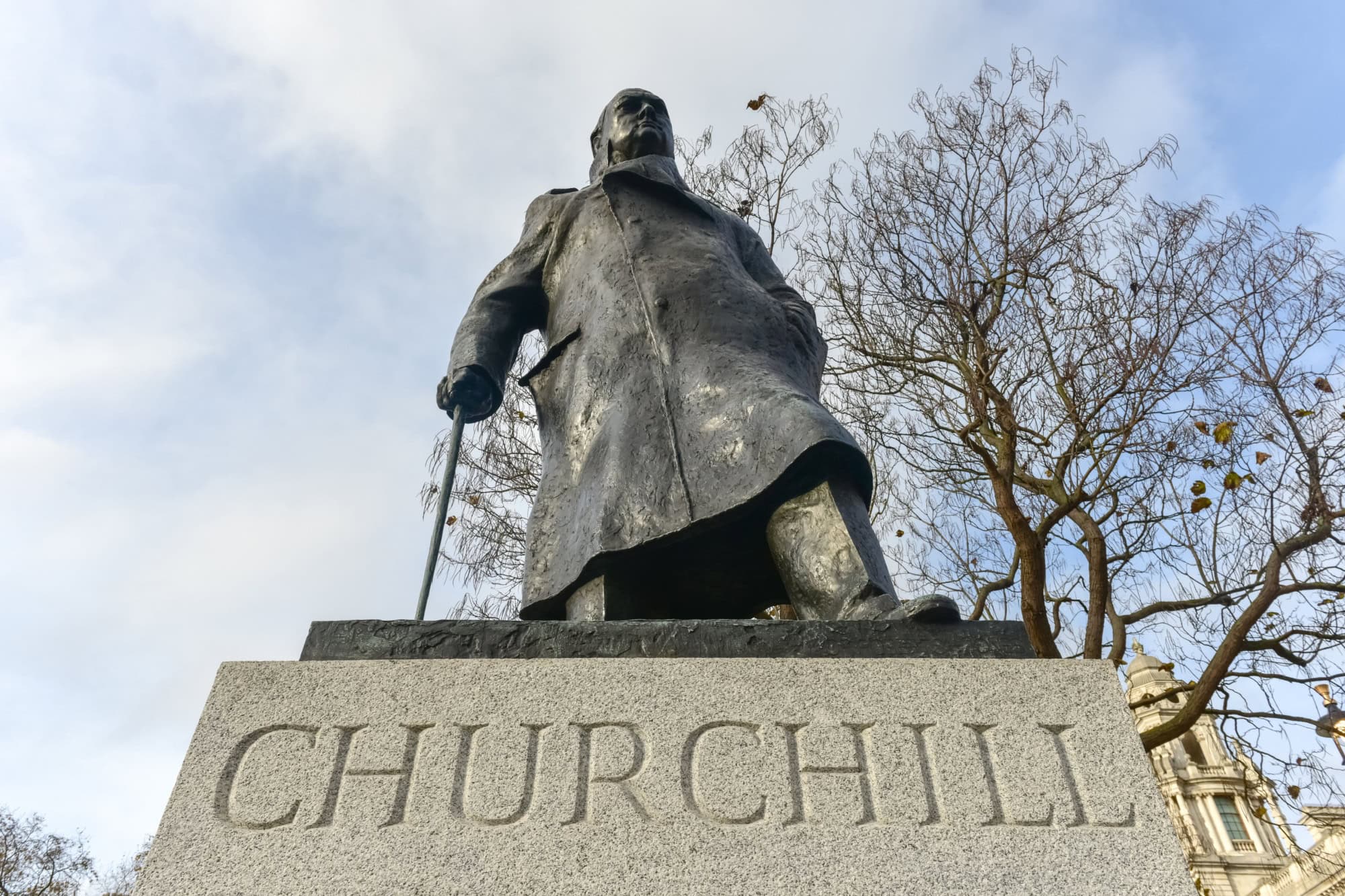
Everyone should’ve listened to Winston Churchill, at least during the 1930s. He warned time and time again that Hitler was rebuilding Germany’s military and couldn’t be trusted. He said Hitler wouldn’t honor diplomatic promises, although critics said he was exaggerating.
Unfortunately, Churchill ended up being right, and Germany occupied the rest of Czechoslovakia in March 1939. Hitler invaded Poland that September and kick-started World War II.
Heinrich Schliemann

For the longest time, many scholars treated Troy as a fictional place. They didn’t think it was real at all. Heinrich Schliemann was one of the few who disagreed, and he began digging at Hisarlık in present-day Turkey to find the city.
A lot of his peers mocked his confidence, completely distrusting and discrediting Schliemann for his beliefs. They weren’t completely wrong because Schliemann did damage some of the city’s ruins. Still, the point stands. Troy was a real city, and Hisarlık was likely where it once was.
Ignaz Semmelweis
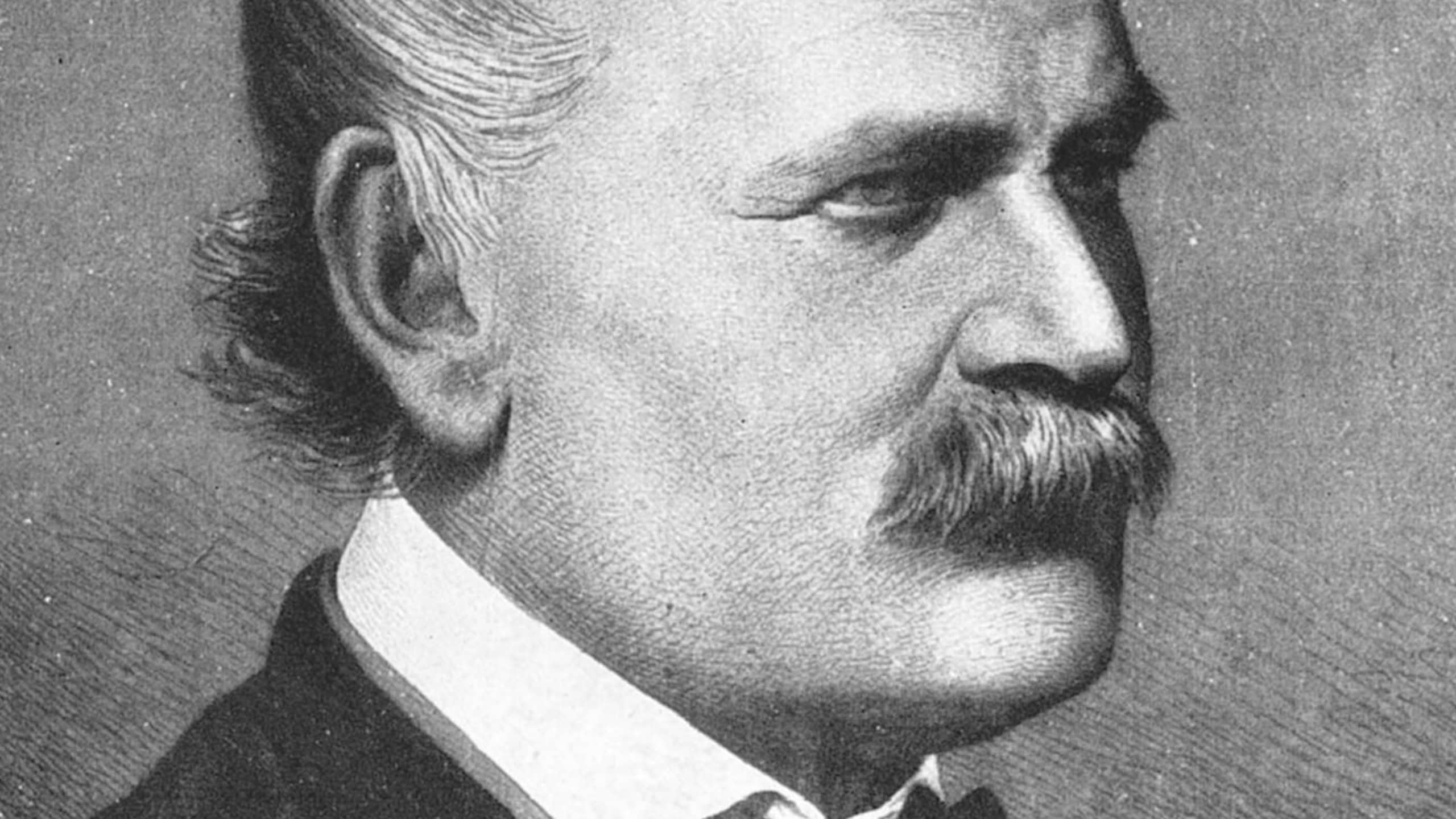
There was clearly a difference. Women in one maternity clinic were dying from childbed fever at a much higher rate than women in another. Ignaz Semmelweis noticed that. He figured out that some doctors were going from autopsies to births without properly cleaning their hands.
That’s what led to him ordering handwashing with chlorinated lime in 1847, and the death rate dropped sharply soon after. But many physicians hated it. They couldn’t believe that their own hands were killing patients, so they dismissed him. Germ theory later proved that he was right.
Joseph Lister
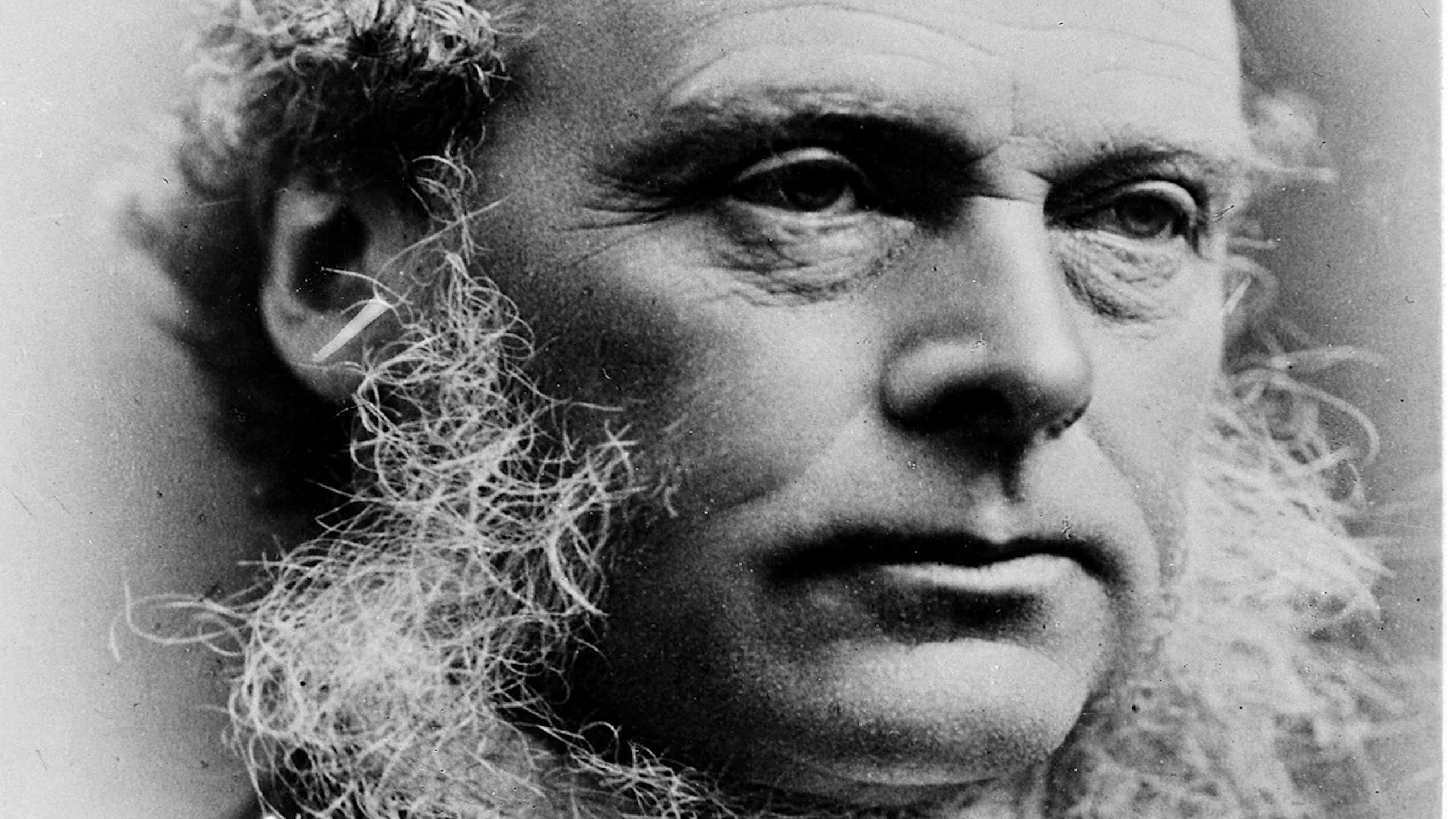
That’s not all for medical care. Surgery in the 1860s sometimes involved things like dirty coats and reused instruments because people didn’t really know any better. Joseph Lister did, though, and he began using carbolic acid to clean wounds, dressings, tools, and his own hands.
Barely any of his peers agreed with him, and they actually called Lister’s methods ‘carbolic acid mania.’ They said it was just the latest medical fad. But when Lister’s own wards saw a large drop in deaths from infection, people couldn’t keep denying it.
Edward Jenner

Edward Jenner was a firm believer in vaccinations. The people around him were not. In fact, one cartoon published at the time showed vaccinated people sprouting cow heads and hooves. They couldn’t believe that something like cowpox could protect against smallpox.
Yes, they believed that vaccination was unnatural and feared that animal material could change the human body. But it’s thanks to Jenner’s work that, in 1980, the World Health Organization declared that smallpox had been eradicated. The cartoon cows never appeared.
Jeffrey Wigand

It’s not like Jeffrey Wigand was a stranger to the tobacco business. He knew it inside out. He’d worked as Brown & Williamson’s vice president of research and development. That’s why it mattered when tobacco companies said they didn’t think nicotine was addictive.
Wigand said they were lying, and the company actually went after him with lawsuits. They made public attacks on his character. But later, federal investigators found cigarette makers were aware of the dangers, and had deliberately misled the public about addiction.
Roger Boisjoly
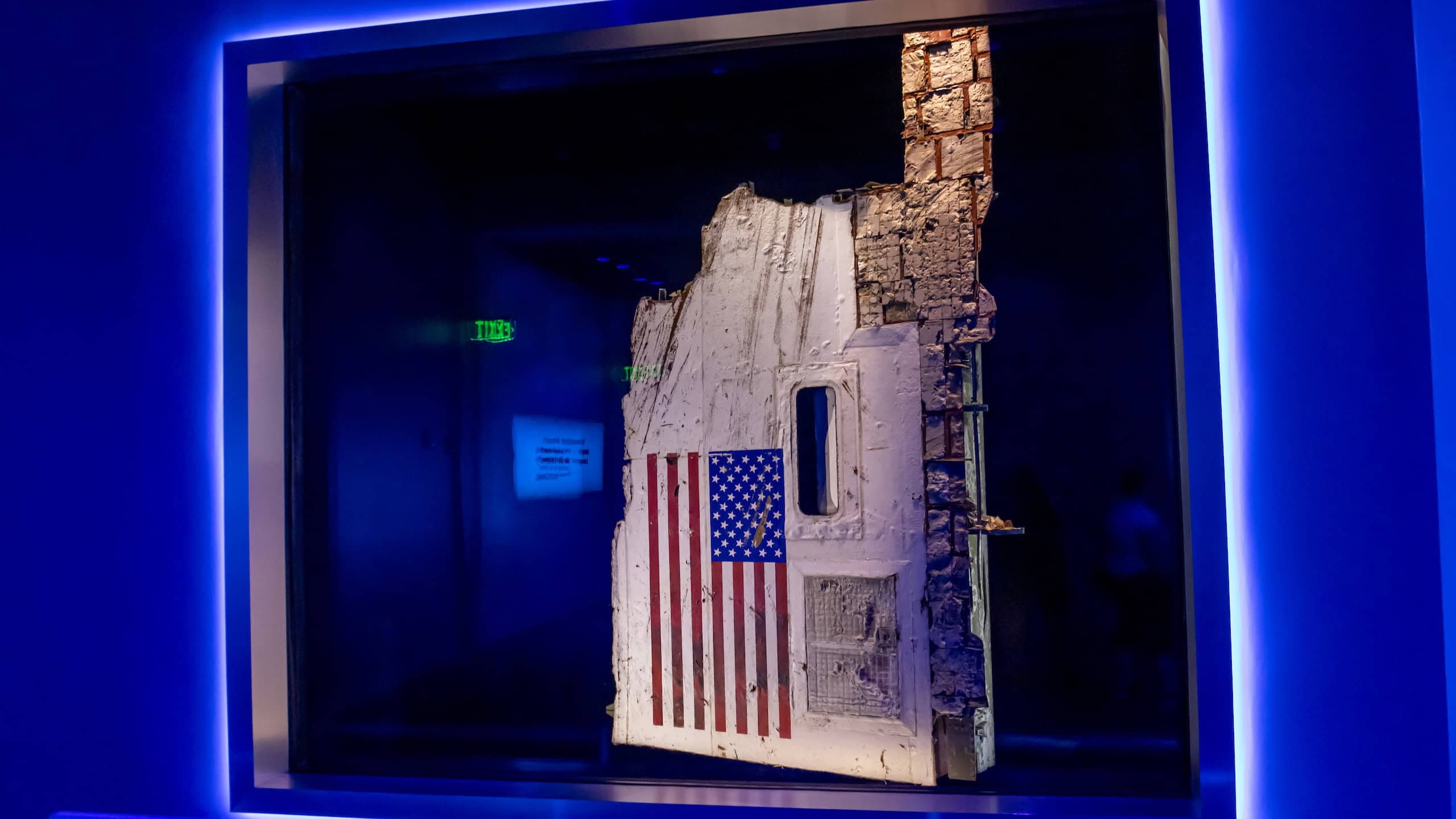
Roger Boisjoly had one specific issue with the space shuttle Challenger, and that was with the cold rubber seals. He warned that the booster O-rings might not seal quickly enough in cold weather. He said NASA shouldn’t launch at temperatures below 53°F.
Management didn’t listen to him and launched anyway. You probably know how the story goes. The next morning, January 28, 1986, Challenger broke apart 73 seconds after takeoff, and the failed O-ring seal was the culprit. But it was too little, too late.
Sources: Please see here for a complete listing of all sources that were consulted in the preparation of this article.
10 historical figures who took secrets to the grave
Unanswered questions are the worst, and it’s even more terrible when they continue to be unanswered because the people with the answers took them to their graves.
10 historical figures who took secrets to the grave

