

They might’ve been a huge problem in the past, but today, a lot of the once-hated people are the ones we can’t help celebrating.
A long count at the line

He could’ve kept going. It would’ve been so easy for Muhammad Ali, he could’ve continued boxing and kept smiling for the cameras, everything would’ve been simpler for him. But no, he refused to join the U.S. Army during the Vietnam War, and the consequences were severe.
Boxing officials stripped him of his heavyweight title the same day, he actually lost his license to fight for years, all because people thought he was unpatriotic. Why couldn’t he fight for his country? It’s that same determination in his own beliefs that makes people admire him now.
Smoke over the armory
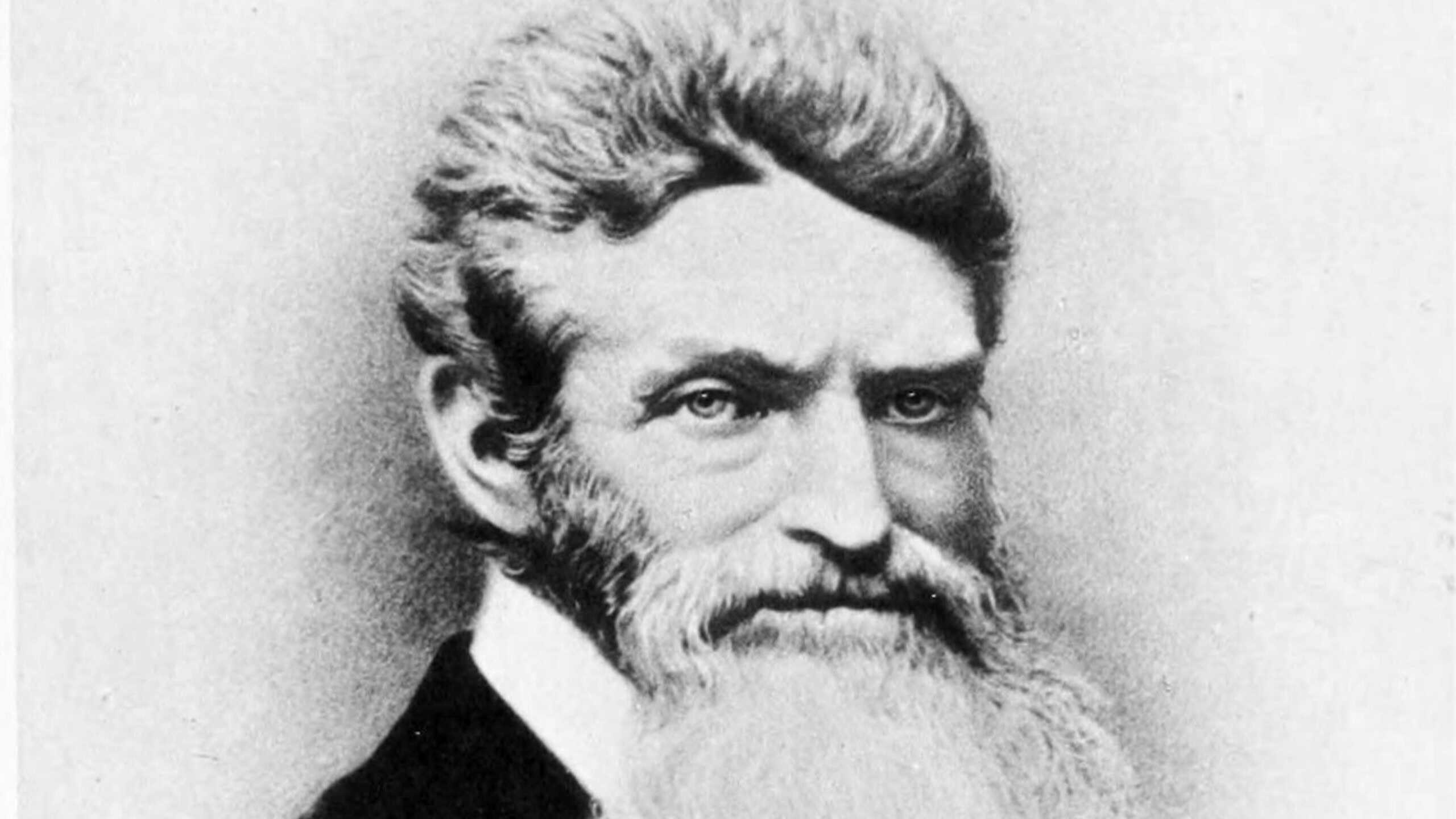
John Brown was another person who refused to lay down. He led a raid on the federal armory at Harpers Ferry in 1859, hoping that slaves would rise up against slavery. It didn’t work out that way, Virginia called it treason, murder, and conspiracy.
He was hanged on December 2 after a short trial, and people at the time supported his punishment. He was violent, he was dangerous, he was a troublemaker, all of those labels applied. But now, we see him as an abolitionist who was willing to, and did, die fighting slavery.
A small crowd at the grave
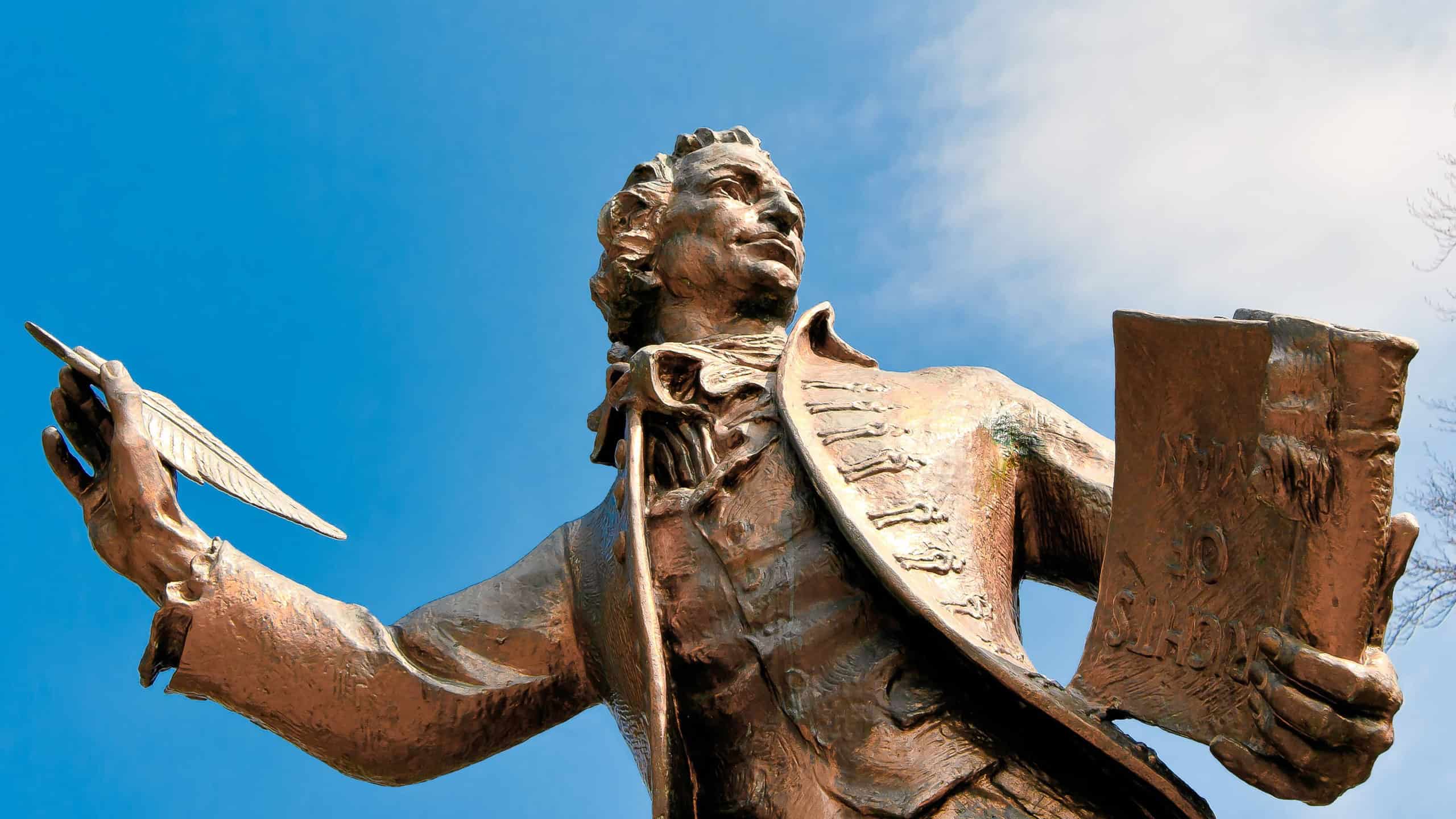
Thomas Paine was hated and loved when he was alive, although during two separate times. First he was loved, his pamphlet Common Sense helped push Americans toward independence, after all. Then came The Age of Reason, and his views on organized religion.
You can probably guess that those comments didn’t go over well. They went down so badly, in fact, that only a few people came to his funeral when he died, they really didn’t like him. Today, we see him as a free thinker, and someone who really helped create the American Revolution.
Fire in the square

Jan Hus was a preacher, hardly someone you’d think would be dangerous, but he was still killed for his words. What did he say exactly? He criticized church corruption, something we’d probably agree with speaking out about today, but not in those times.
No, he was actually condemned as a heretic in 1412 and burned at the stake, end of the matter, right? Not exactly, July 6 is Jan Hus Day in the Czech Republic, and Prague’s Old Town Square has a huge monument to him.
The map kept moving
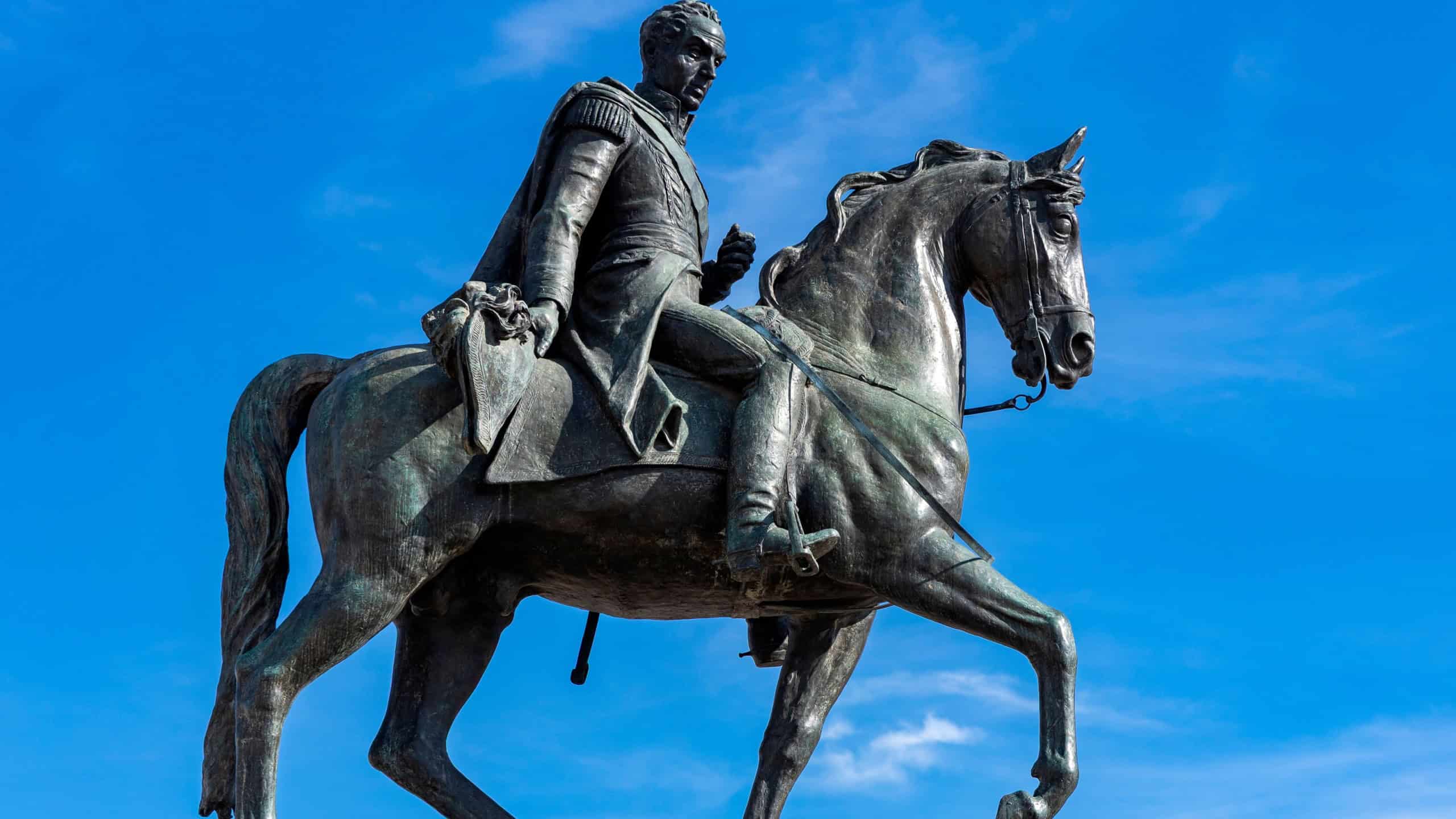
We connect Simón Bolívar’s story with independence now, it wasn’t always that way. He helped break Spanish rule across much of northern South America, not something the Spanish were too keen on, and his political dream fell apart by 1830.
His friends were his critics, the regions he’d freed had split away, it got so bad that Bolívar left Bogotá to go into exile. He died near Santa Marta. He’s remembered quite differently today because he’s known as El Libertador in South America, the man who freed many people.
A voice without a passport
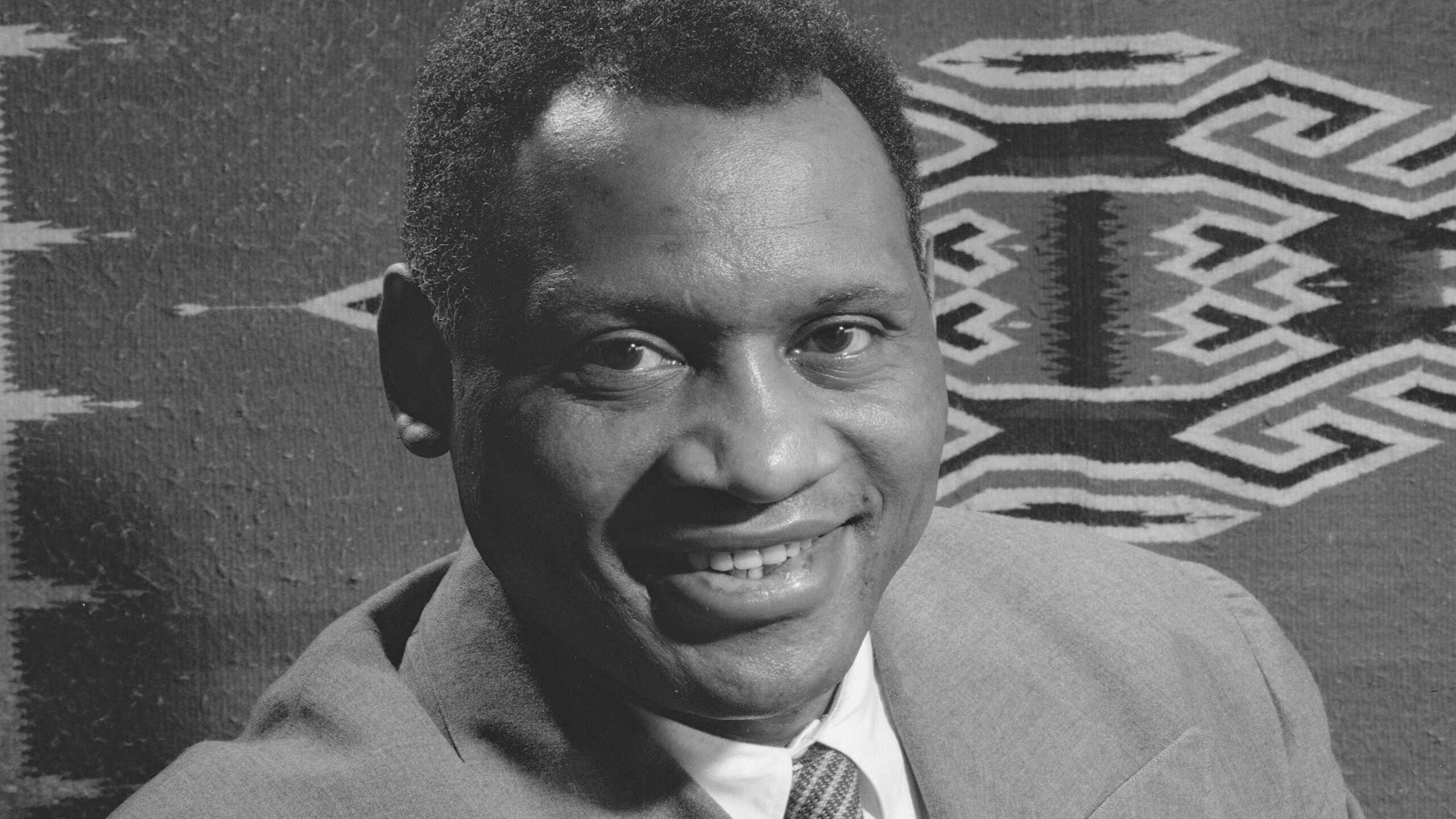
He had the voice, he had the fame, he had the law degree, he had everything, really. But then the Cold War turned Paul Robeson into someone completely different. Now, he was an enemy of the state, someone who needed to be watched, blocked, and quiet.
Robeson refused to sign a statement saying he wasn’t a Communist. His punishment? He lost his passport, so no more international concerts, no more chances to speak. His politics might’ve been questionable, but he’s celebrated by Rutgers with his own campus plaza.
A roadblock after dark
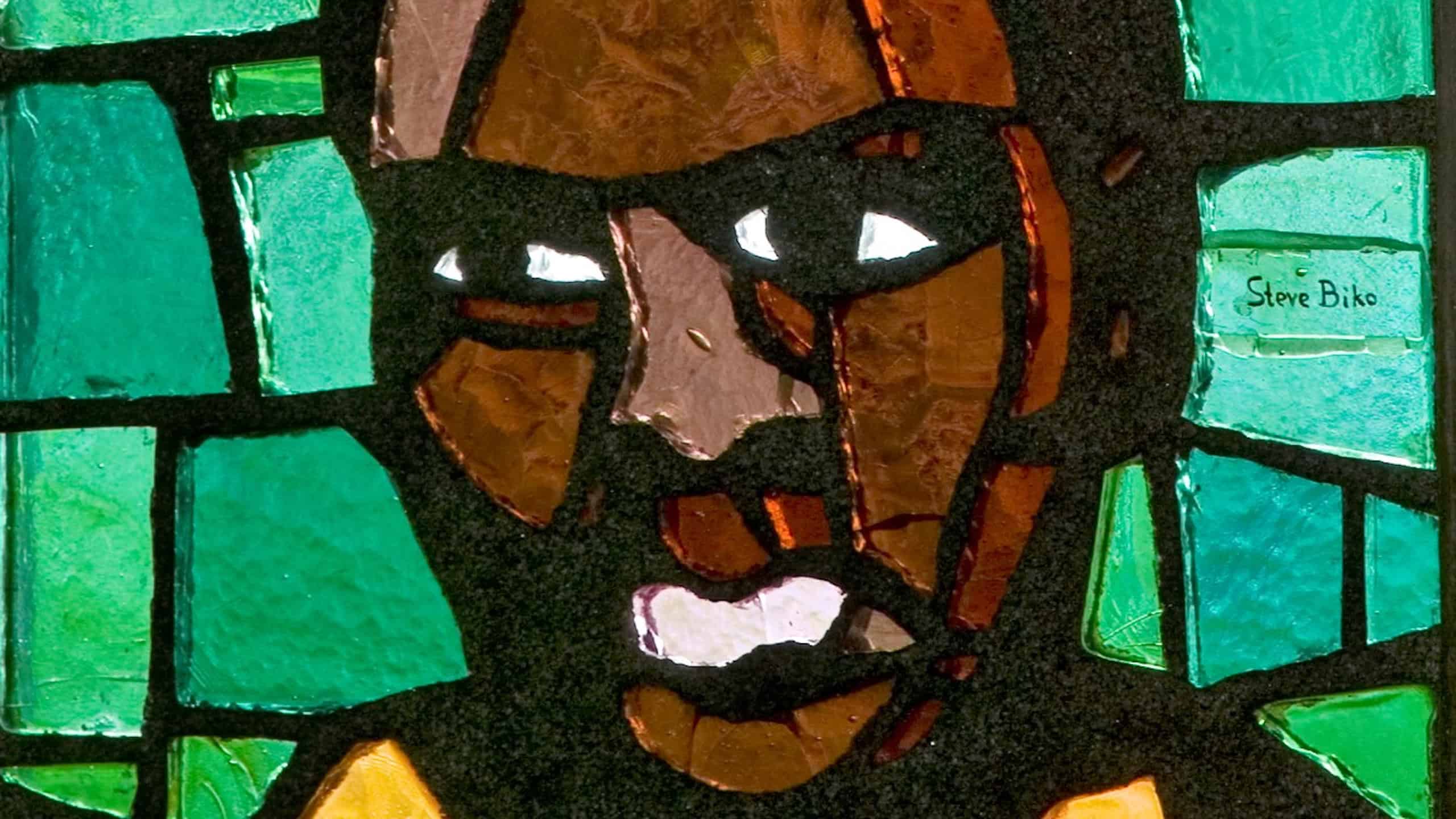
Apartheid. It was one of the darkest moments in recent history, and Steve Biko was right in the middle of it all, South Africa’s government actually restricted his movements. But he continued to fight. Biko was stopped and arrested in 1977, he died shortly after from his injuries.
Officials tried to control the story and paint him as someone awful, of course they did, yet the modern world doesn’t see him that way. He’s remembered as one of South Africa’s major anti-apartheid voices, someone who always fought for what was right.
The ship out of New York
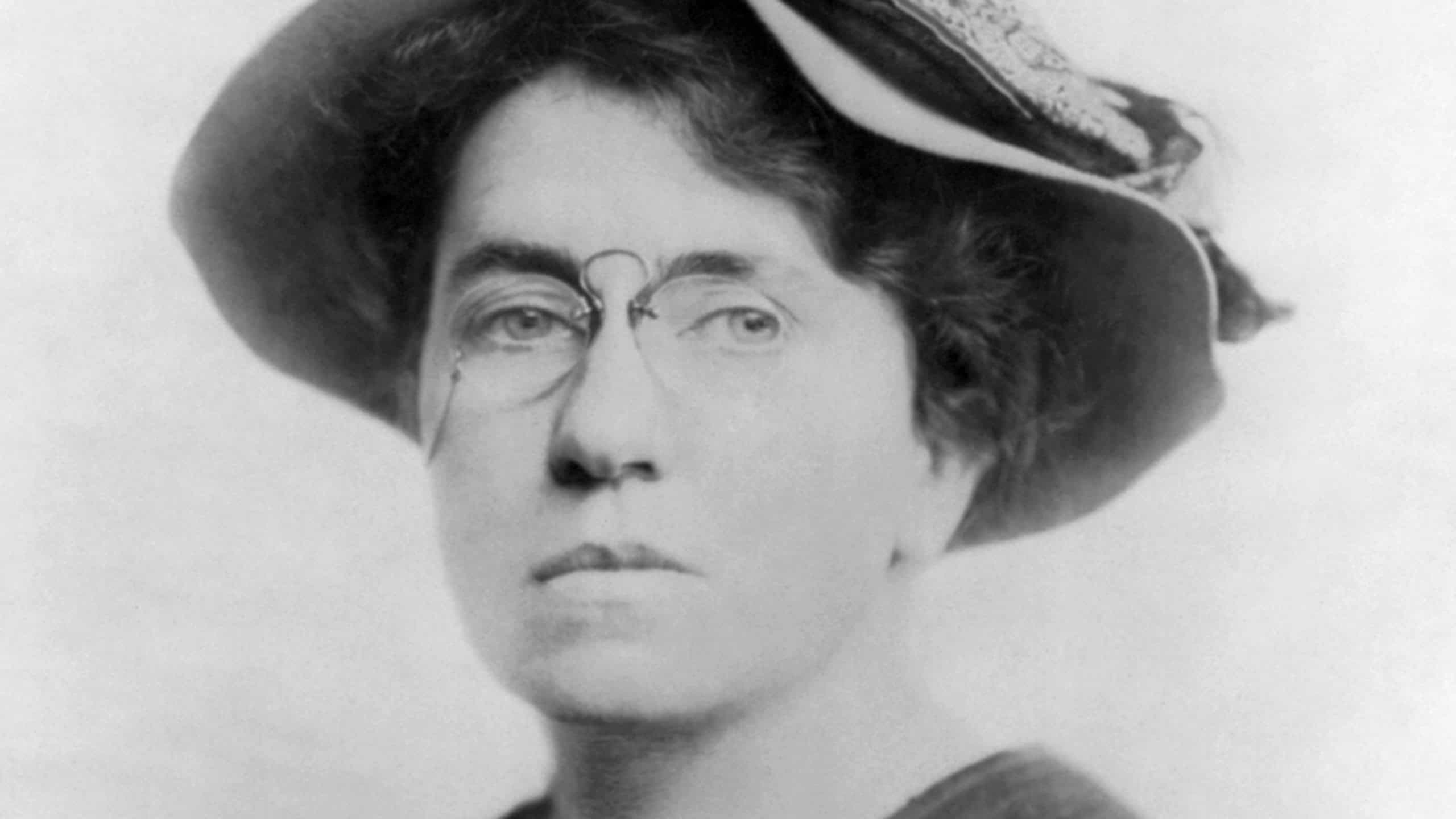
Emma Goldman did more than simply annoy officials, she scared them, too. At least, politically speaking. Anarchism, labor rights, birth control, free speech, opposition to the draft, nothing was off the table, and it made her a target.
She was deported from the United States in 1919, along with 248 other people. J. Edgar Hoover actually called her one of the most ‘dangerous anarchists in America,’ because apparently, fighting for free speech and women’s rights was wrong. Thank goodness things have changed.
A quiet book with teeth

Pesticides, not exactly the most controversial topic around, but it sure was for Rachel Carson. She released the book Silent Spring in 1962, and chemical-industry defenders immediately attacked her. She was emotional, she was unscientific, she was radical, she was disloyal.
Some of the criticism was about the science, fair enough, but most of it focused on her as a woman scientist, encouraging people to dislike her. We see her today as being one of the biggest names behind modern environmental writing, she really changed views on pesticides.
Clean hands in a cold room

It’s an obvious idea, doctors should wash their hands. To us, it’s obvious, but during the 1840s, Ignaz Semmelweis was harshly criticized for suggesting it, even though he had evidence to back it up.
He encouraged doctors to wash with chlorinated lime before examining patients and noticed something amazing. The number of patient deaths dropped, who would’ve thought it? Other doctors rejected him and mocked his idea. Their own hands being at fault? No way.
Green pages on trial
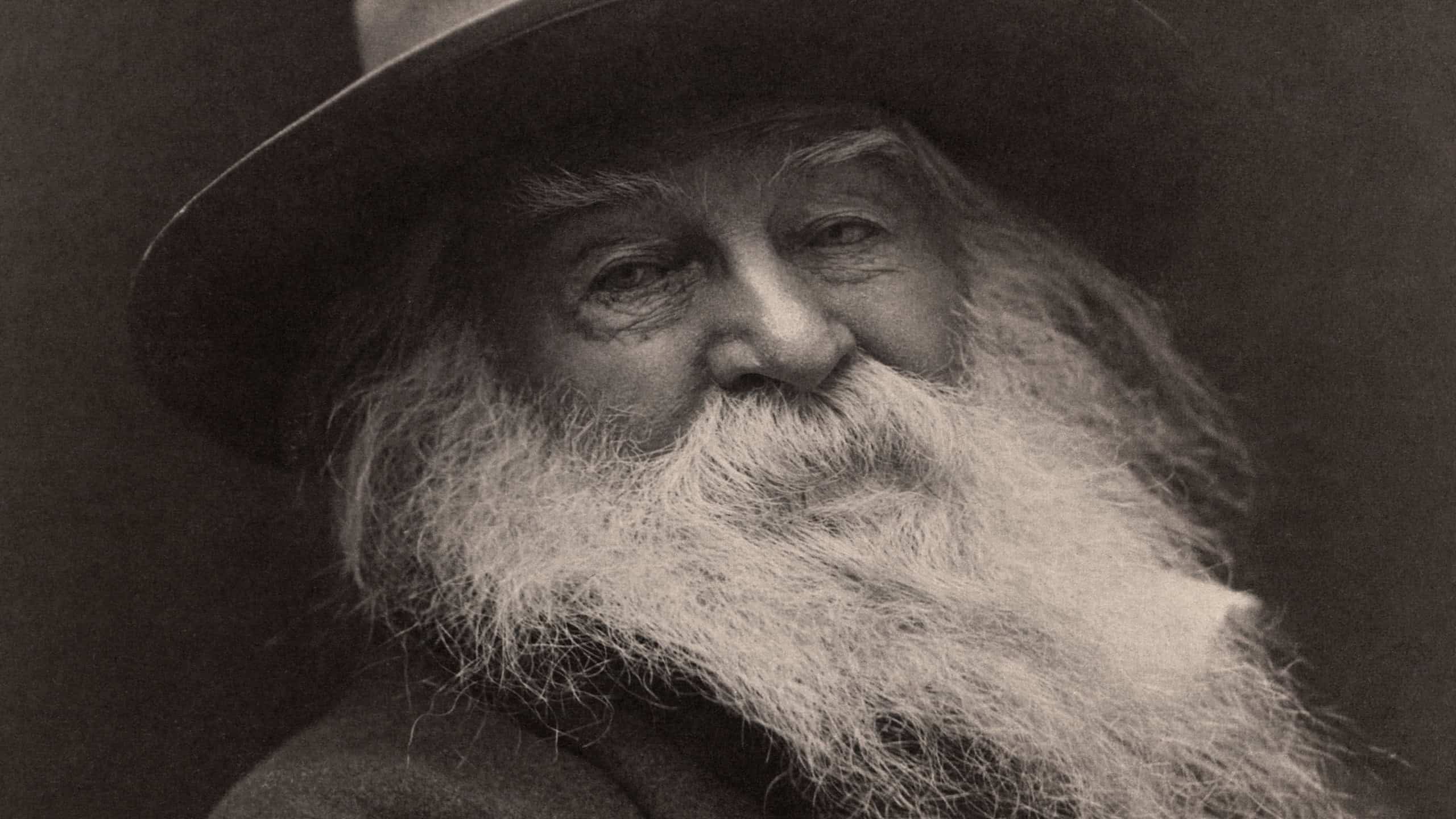
Walt Whitman’s Leaves of Grass is treated like a proud American classic nowadays, but when he published it, Boston officials actually threatened him with obscenity charges. They said he had to change it, even Whitman’s publisher stopped selling it.
Too much for the bookshelf, apparently. His crime was writing openly about the body and desire, how shocking. Whitman’s now seen as one of the central figures of American poetry. It’s kind of weird thinking about how much people panicked about him, honestly.
A door, a table, and a refusal
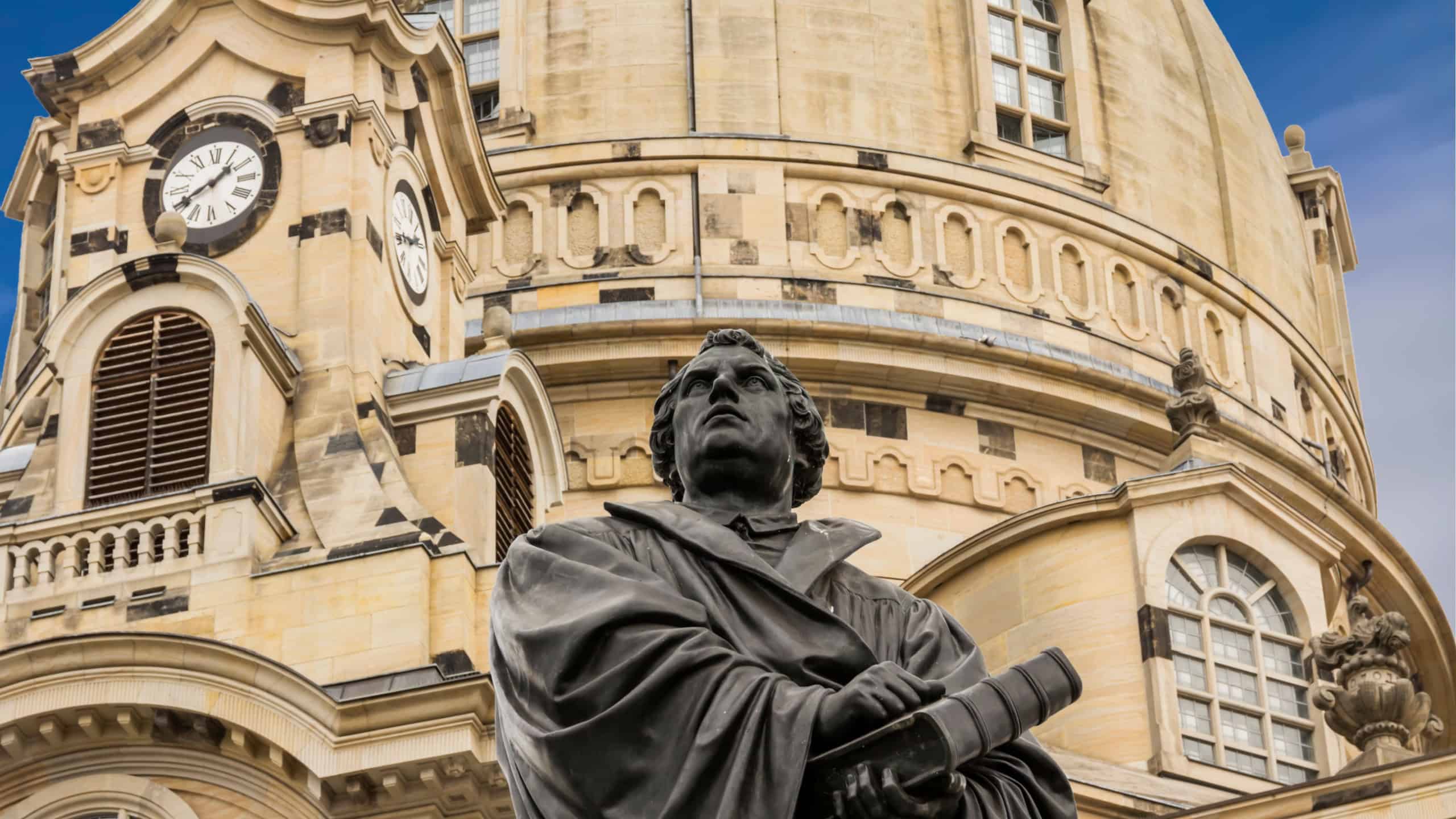
The trouble for Martin Luther began with his church criticism, it soon became a lot more than a monk who had a few complaints. He posted his Ninety-Five Theses in 1517 and warned against indulgences. Church officials tried to get him to take his words back, but no, he wasn’t having it.
Emperor Charles V actually said he was an outlaw, so he could be arrested, he could even be killed. He was hardly everyone’s favorite guy. Today, Luther’s remembered for leading the Protestant Reformation and speaking out in support of what he thought was right.
Laughter behind stone walls

In 1717, Voltaire made a joke about both politics and religion that didn’t go down well. It went down so badly, in fact, that he was put in the Bastille, then pushed off to England in 1726 because France couldn’t stand him.
He didn’t give up, though, he kept causing trouble with work like Lettres Philosophiques and, suddenly, Paris wasn’t safe again. Voltaire played a big part in the Enlightenment movement, it’s exactly what we remember him for.
Leaflets on a marble floor

No huge crowds, no leading troops, yet Sophie Scholl was still a problem in Nazi Germany because she was spreading anti-Nazi leaflets with her brother, Hans. The Gestapo put Sophie on trial, along with Hans and a man called Christoph Probst.
To nobody’s surprise, they were found guilty and executed, the Nazis made them out to be traitors and encouraged people to hate them. Scholl’s movement, the White Rose group? It’s something we remember now as early student resistance to Hitler, truly brave stuff.
Sources: Please see here for a complete listing of all sources that were consulted in the preparation of this article.
10 historical figures who took secrets to the grave
Unanswered questions are the worst, and it’s even more terrible when they continue to be unanswered because the people with the answers took them to their graves.

